7 Things to Check Before Buying Cute Kittens for Sale
Finding the perfect kitten can feel like discovering a tiny bundle of pure joy, but beneath those adorable whiskers and playful paws lies a decision that will impact the next 15-20 years of life. In 2026, with countless options for cute kittens for sale across various platforms, making an informed choice has never been more crucial—or more challenging.
The excitement of bringing home a new feline companion often overshadows the essential due diligence required to ensure both the kitten’s wellbeing and future happiness. Whether browsing online listings, visiting local breeders, or considering adoption centers, understanding the 7 things to check before buying cute kittens for sale can mean the difference between welcoming a healthy, well-socialized pet and facing unexpected veterinary bills, behavioral issues, or heartbreak.
Key Takeaways
- Health documentation and veterinary records are non-negotiable when evaluating any kitten purchase
- Breeder credentials and facility conditions directly impact kitten quality and long-term health outcomes
- Proper socialization periods (8-12 weeks minimum) are critical for developing well-adjusted adult cats
- Genetic health testing and parental lineage information help predict future health complications
- Red flags like unusually low prices, multiple litters available simultaneously, or reluctance to show facilities indicate potential kitten mills
1. Verify Health Documentation and Medical History 🏥
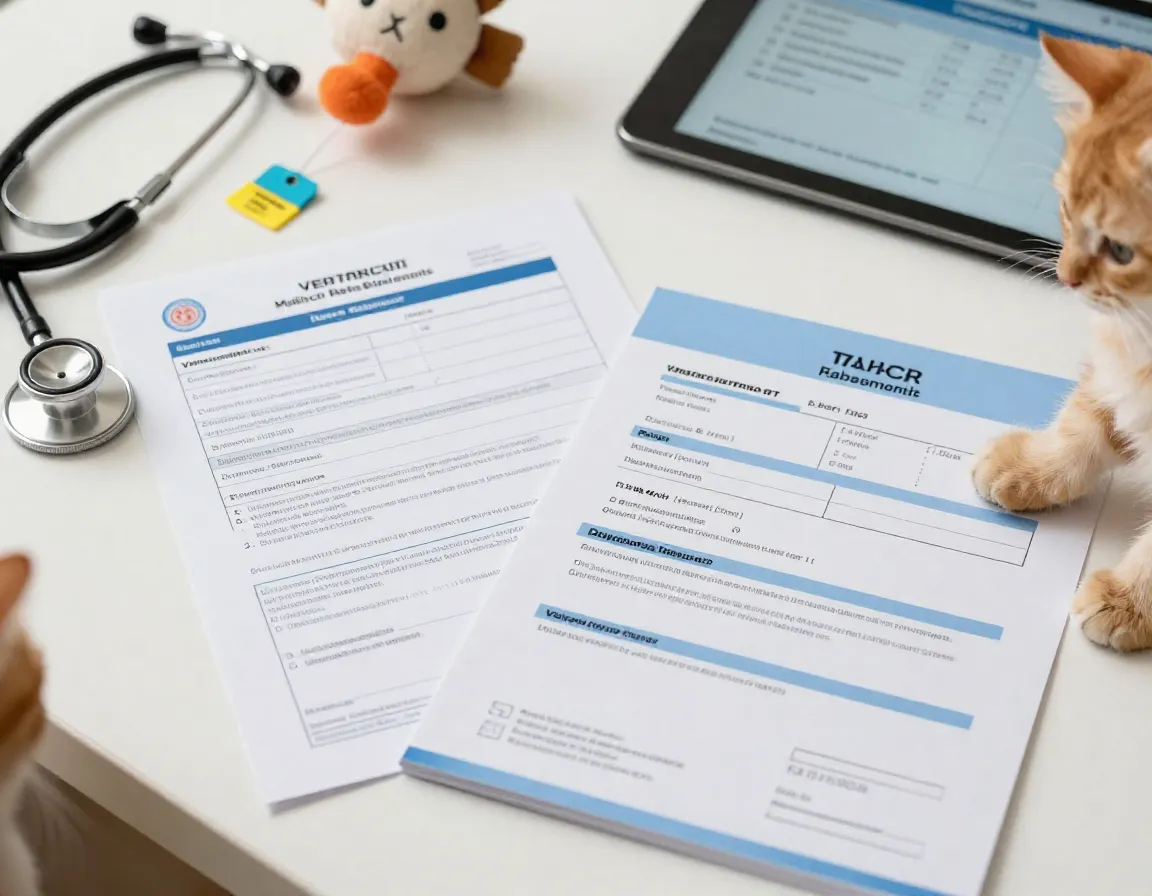
The foundation of any responsible kitten purchase begins with comprehensive health documentation. Reputable breeders and sellers maintain detailed medical records that provide crucial insights into the kitten’s current condition and future health prospects.
Essential Health Documents to Request
Every legitimate seller should provide vaccination records showing age-appropriate immunizations. Kittens typically receive their first vaccinations between 6-8 weeks of age, with boosters scheduled at regular intervals [3]. These records should include:
- FVRCP vaccine (Feline Viral Rhinotracheitis, Calicivirus, Panleukopenia)
- Rabies vaccination (if age-appropriate)
- Deworming treatments with dates and medications used
- Flea and parasite prevention protocols
Veterinary Examination Reports
Professional veterinary examinations provide objective assessments of kitten health. Look for recent examination reports that document:
- Weight and growth patterns compared to breed standards
- Heart and lung function through physical examination
- Eye and ear health including checks for infections or abnormalities
- Overall body condition and developmental milestones
Expert Tip: Legitimate breeders often work with specific veterinarians who specialize in feline health. Ask for the veterinarian’s contact information to verify the authenticity of medical records.
Genetic Health Testing Results
Modern breeding practices include genetic screening for hereditary conditions common to specific breeds. Persian cats, for example, may carry genes for polycystic kidney disease, while Maine Coons can inherit hypertrophic cardiomyopathy. Request documentation of parental genetic testing to understand potential health risks.
2. Evaluate Breeder Credentials and Reputation 🏆
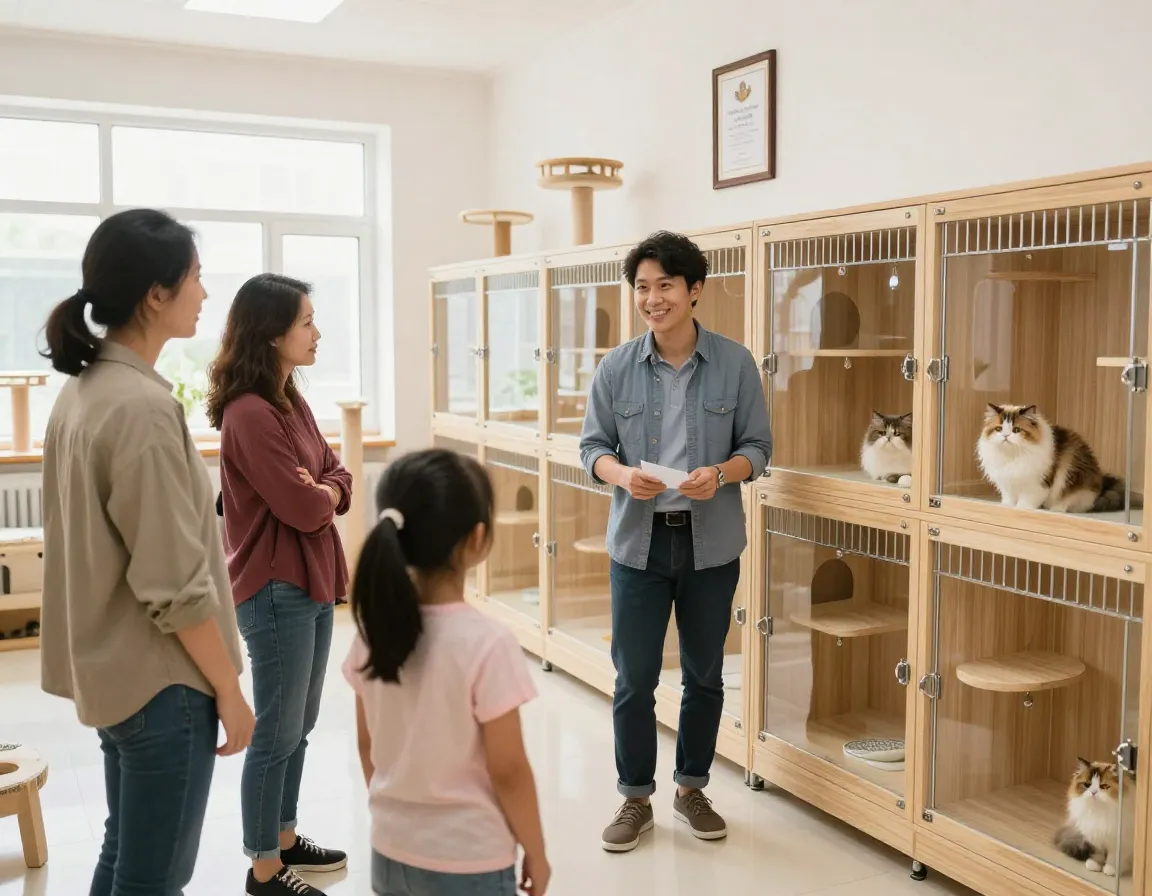
The quality of cute kittens for sale directly correlates with the breeder’s expertise, ethics, and commitment to feline welfare. Distinguishing between responsible breeders and commercial operations requires careful investigation.
Professional Breeding Certifications
Legitimate breeders typically hold memberships with recognized organizations such as:
- The International Cat Association (TICA)
- Cat Fanciers’ Association (CFA)
- American Cat Fanciers Association (ACFA)
These memberships indicate adherence to breeding standards and ethical guidelines. Request membership numbers and verify them directly with the organizations.
Facility Inspection and Environment
Responsible breeders welcome potential buyers to visit their facilities. During visits, observe:
Living Conditions:
- Clean, spacious enclosures with adequate ventilation
- Separate areas for different age groups and breeding cats
- Access to natural light and environmental enrichment
- Proper temperature control and sanitation protocols
Cat Behavior and Socialization:
- Cats appear comfortable and well-socialized with humans
- Kittens interact playfully with littermates and show curiosity
- Adult breeding cats demonstrate good temperament and health
- Evidence of regular handling and human interaction [4]
References and Previous Buyer Testimonials
Established breeders maintain relationships with previous customers and can provide references. Contact former buyers to inquire about:
- Long-term health outcomes of purchased kittens
- Breeder support after sale completion
- Overall satisfaction with the purchase experience
- Any unexpected health or behavioral issues
Red Flags to Avoid
Certain warning signs indicate potentially problematic sellers:
- Multiple breeds available simultaneously (suggests commercial operation)
- Reluctance to allow facility visits or meet parent cats
- Unusually low prices compared to market standards
- Pressure to purchase immediately without consideration time
- No health guarantees or return policies
- Poor communication or evasive answers to health questions
3. Assess Kitten Socialization and Age Requirements 🐱
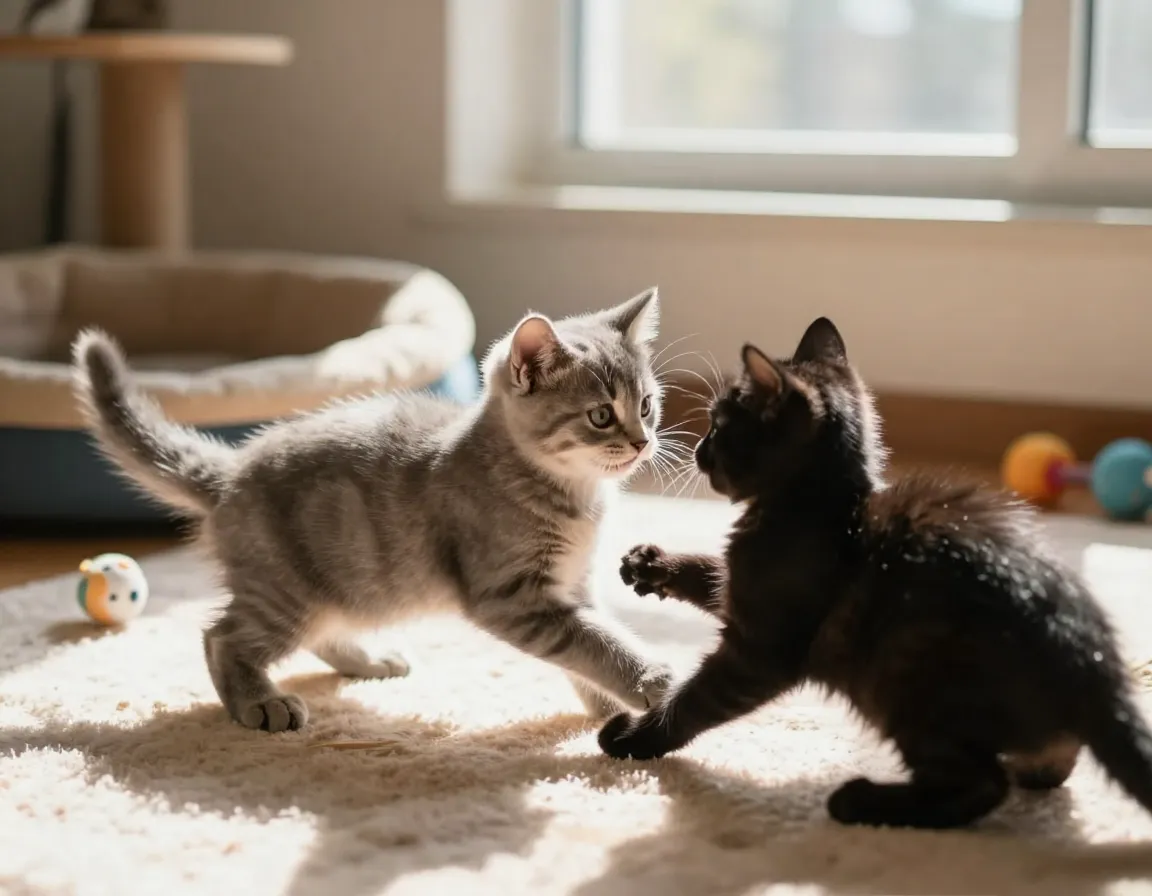
Proper socialization timing significantly impacts a kitten’s ability to develop into a well-adjusted adult cat. Understanding critical developmental periods helps ensure the kitten has received adequate preparation for life in a human household.
Critical Socialization Period (3-9 Weeks)
During this crucial window, kittens learn essential social skills from their mother and littermates. Early separation can lead to:
- Behavioral problems including aggression or excessive fearfulness
- Difficulty with litter box training and other basic skills
- Poor stress management in new environments
- Challenges with human bonding and trust development
Minimum Age Requirements
Responsible sellers never offer kittens younger than 8 weeks old. Many experts recommend waiting until 10-12 weeks for optimal development [7]. At this age, kittens should demonstrate:
Physical Development:
- Fully weaned from mother’s milk
- Consistent solid food consumption
- Proper elimination habits without assistance
- Coordinated movement and play behavior
Social Development:
- Comfortable interaction with humans
- Appropriate play behavior with littermates
- Response to basic handling and grooming
- Curiosity about new environments and experiences
Behavioral Assessment During Visits
When meeting potential kittens, evaluate their temperament and socialization through simple interactions:
Positive Signs:
- Approaches humans willingly or shows curiosity
- Tolerates gentle handling and petting
- Plays appropriately with toys or littermates
- Shows normal eating and drinking behavior
- Uses litter box consistently
Concerning Behaviors:
- Excessive hiding or fearfulness around humans
- Aggressive responses to gentle handling
- Lethargy or lack of interest in surroundings
- Difficulty eating or drinking normally
- Elimination outside designated areas
4. Examine Physical Health and Appearance Indicators 🔍
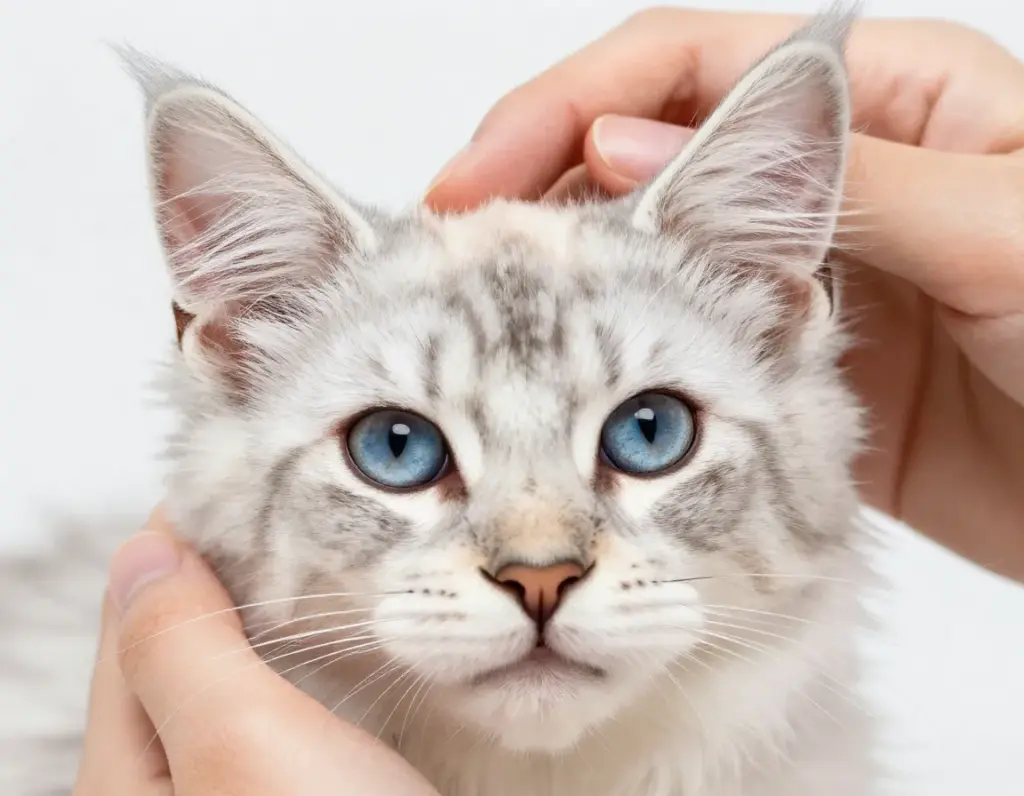
A thorough physical assessment reveals important information about kitten health and potential future complications. While professional veterinary examination remains essential, buyers can identify obvious health concerns through careful observation.
Eyes, Ears, and Respiratory System
Healthy kittens display clear indicators of good physical condition:
Eye Health:
- Clear, bright eyes without discharge or cloudiness
- Normal pupil response to light changes
- No signs of infection such as redness or swelling
- Symmetrical appearance with both eyes fully open
Ear Condition:
- Clean ear canals without excessive wax or odor
- No signs of mites (dark, coffee-ground-like debris)
- Normal ear positioning and response to sounds
- Pink, healthy ear color without inflammation
Respiratory Assessment:
- Clear nasal passages without discharge
- Normal breathing patterns without wheezing or difficulty
- No coughing or sneezing during observation period
- Pink gum color indicating good circulation
Coat Quality and Skin Health
The kitten’s coat condition reflects overall health and nutrition:
- Soft, clean fur appropriate for the breed type
- No bald patches or areas of excessive scratching
- Absence of fleas or parasites visible in the coat
- Healthy skin without rashes, bumps, or irritation
- Normal grooming behavior for the kitten’s age
Body Condition and Movement
Observe the kitten’s physical development and mobility:
Appropriate Weight:
- Ribs easily felt but not visible (slight fat covering)
- Visible waist when viewed from above
- No pot-bellied appearance suggesting worm infestation
- Age-appropriate size compared to littermates
Normal Movement:
- Coordinated walking and running
- Playful jumping and climbing behavior
- No limping or favoring of specific limbs
- Normal posture without hunching or stiffness
5. Research Breed-Specific Health Considerations 🧬
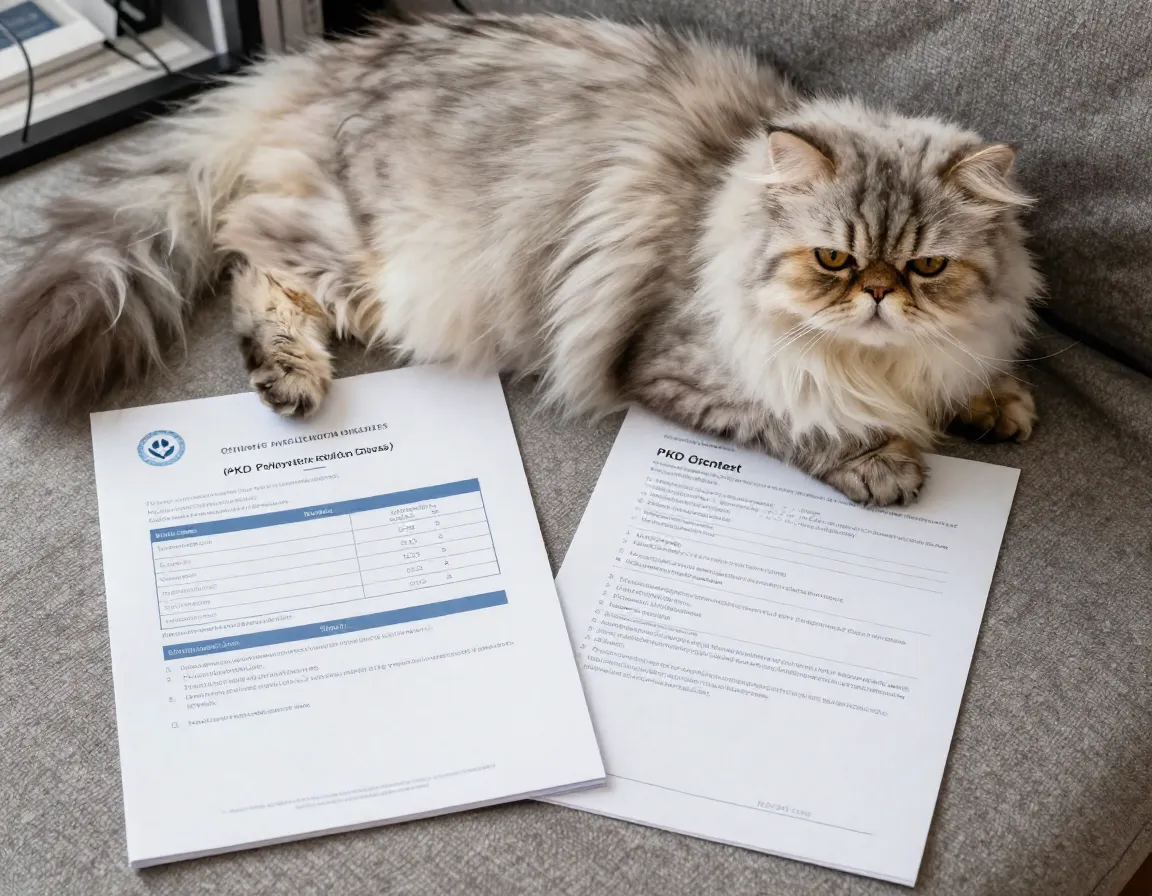
Different cat breeds carry unique genetic predispositions to specific health conditions. Understanding these breed-specific risks helps buyers make informed decisions and prepare for potential future health management.
Common Breed-Related Health Issues
Persian and Himalayan Cats:
- Polycystic Kidney Disease (PKD) – genetic kidney condition
- Respiratory issues due to flat facial structure
- Eye problems including tear duct abnormalities
- Dental crowding requiring special oral care
Maine Coon Cats:
- Hypertrophic Cardiomyopathy – heart muscle thickening
- Hip dysplasia affecting mobility
- Spinal muscular atrophy – genetic muscle condition
- Polydactyly – extra toes (usually harmless)
Siamese and Oriental Breeds:
- Progressive Retinal Atrophy – vision loss
- Asthma and respiratory sensitivities
- Dental issues requiring regular care
- Anxiety-related behavioral problems
Genetic Testing Requirements
Responsible breeders conduct genetic health testing on breeding cats to reduce the risk of passing hereditary conditions to offspring. Request documentation showing:
- DNA test results for breed-specific genetic markers
- Cardiac screening through echocardiograms for heart conditions
- Hip and elbow evaluations for breeds prone to dysplasia
- Eye examinations by veterinary ophthalmologists
Health Guarantee Provisions
Legitimate sellers offer health guarantees covering genetic conditions for specific time periods. Typical guarantees include:
- 1-2 year coverage for major genetic health issues
- Replacement or refund options if serious conditions develop
- Specific testing requirements for claim validation
- Clear documentation of guarantee terms and conditions
6. Understand Pricing and Contract Terms 💰
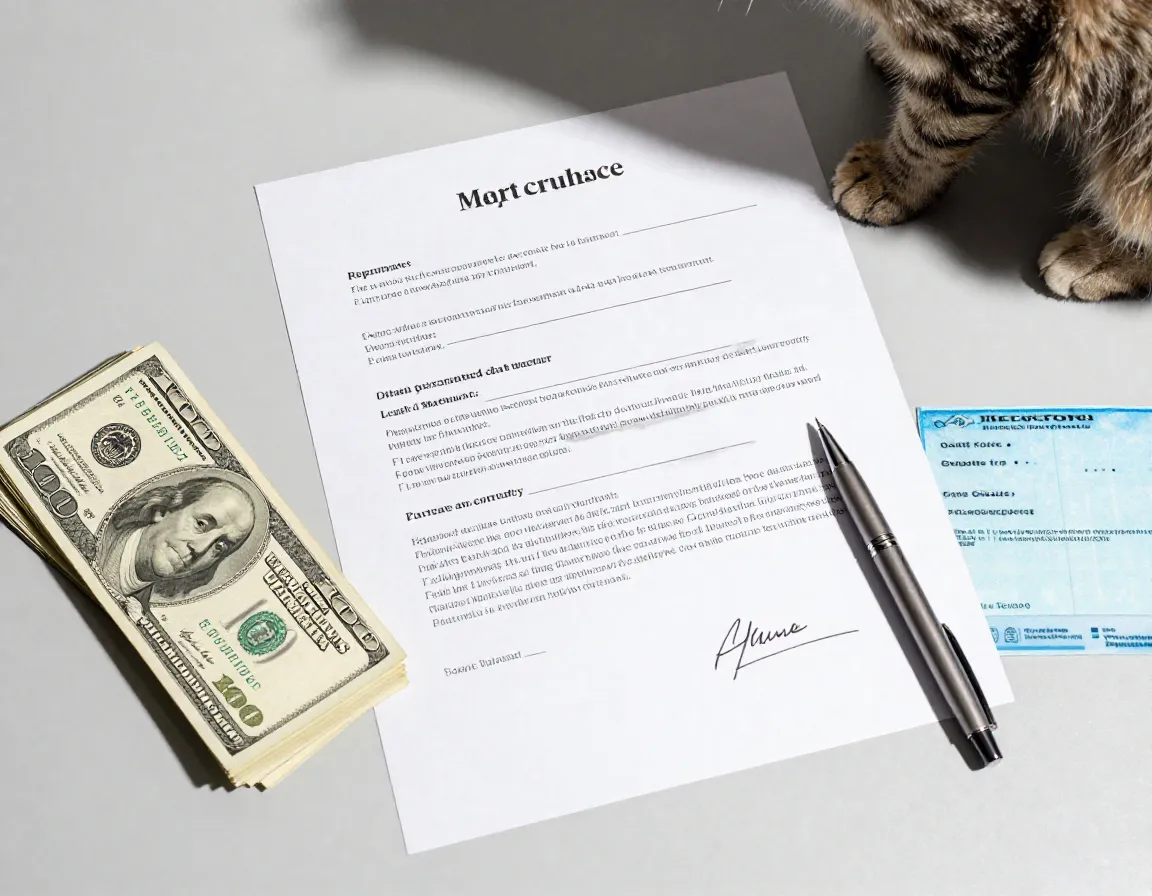
Pricing transparency and clear contract terms protect both buyers and sellers while establishing expectations for the transaction. Understanding market rates and contract provisions prevents misunderstandings and ensures fair treatment.
Market Price Research
Kitten prices vary significantly based on multiple factors:
Breed Rarity and Demand:
- Common breeds (Domestic Shorthair): $50-$500
- Popular purebreds (Persian, Maine Coon): $400-$2,000
- Rare breeds (Bengal, Savannah): $1,500-$5,000+
- Show quality cats: Premium pricing above pet quality
Geographic Location:
- Urban areas typically command higher prices
- Regional breed popularity affects local pricing
- Breeder reputation influences premium pricing
- Transportation costs for distant purchases
Contract Essential Elements
Comprehensive purchase contracts should include:
Health Guarantees:
- Specific coverage periods for genetic conditions
- Veterinary examination requirements and timelines
- Replacement or refund procedures for health issues
- Buyer responsibilities for maintaining health coverage
Registration and Breeding Rights:
- Pet vs. breeding quality designation
- Spay/neuter requirements for pet quality kittens
- Registration paper transfer procedures
- Breeding restrictions and additional fees
Return and Exchange Policies:
- Circumstances allowing kitten return
- Time limits for return eligibility
- Refund vs. replacement options
- Health certification requirements for returns
Payment Security and Documentation
Protect financial interests through secure payment methods:
- Avoid cash-only transactions that lack documentation
- Use traceable payment methods (checks, bank transfers)
- Request detailed receipts with seller contact information
- Document all communications regarding the purchase
7. Prepare Your Home Environment and Support System 🏠
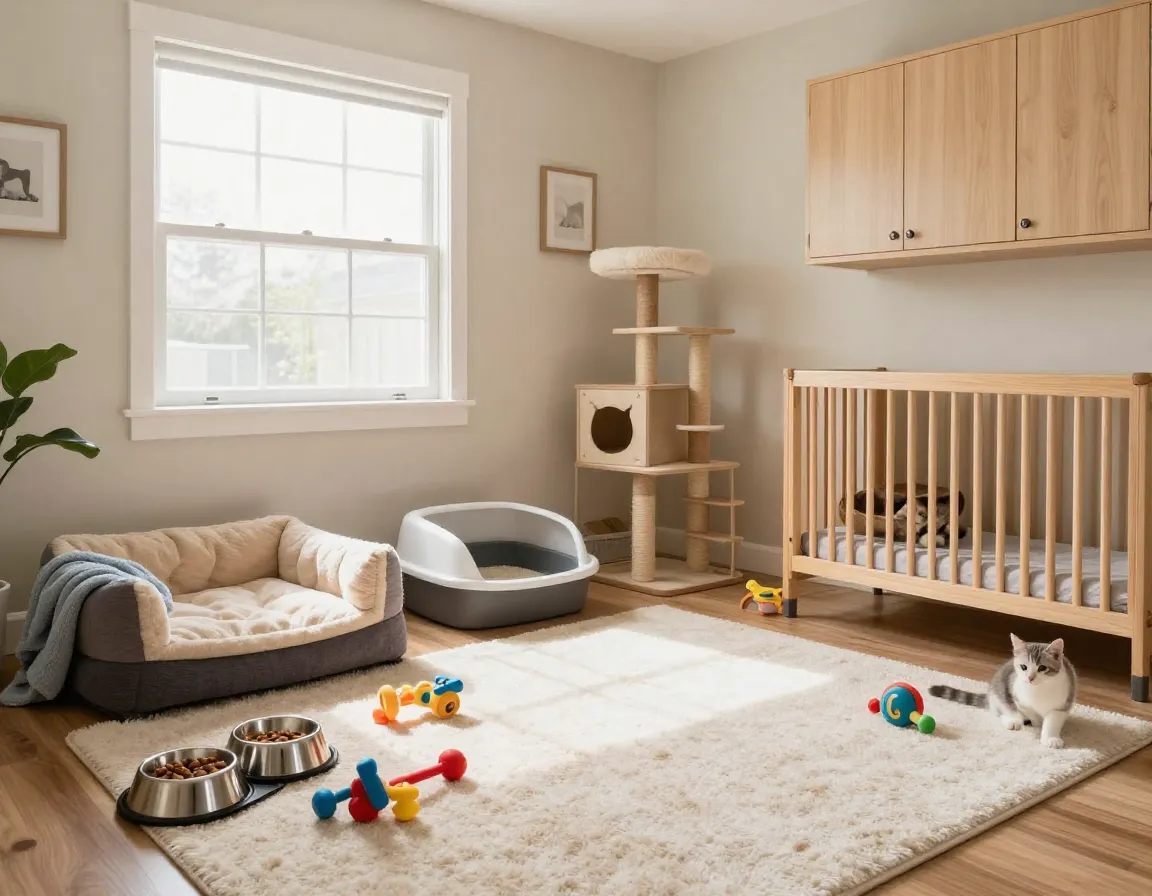
Before completing any kitten purchase, ensuring proper home preparation and ongoing support systems protects the investment and promotes successful pet ownership. The transition period requires careful planning and resource allocation.
Essential Supplies and Equipment
Feeding Supplies:
- High-quality kitten food appropriate for age and breed
- Stainless steel or ceramic food and water bowls
- Automatic feeders for consistent meal timing [1]
- Food storage containers to maintain freshness
Litter Box Setup:
- Appropriately sized litter boxes (one per cat plus one extra)
- High-quality, unscented litter suitable for kittens
- Litter scoops and waste disposal system
- Litter mats to control tracking [2]
Safety and Comfort Items:
- Kitten-proofed spaces free from hazards
- Comfortable bedding and blankets
- Age-appropriate toys for mental stimulation
- Scratching posts to protect furniture [5]
Veterinary Care Establishment
Pre-Purchase Veterinary Consultation:
- Schedule initial examination within 48-72 hours of purchase
- Establish relationship with local veterinary practice
- Discuss vaccination schedules and preventive care
- Review emergency care options and after-hours services
Ongoing Health Management:
- Plan for spay/neuter procedures at appropriate age
- Budget for routine vaccinations and check-ups
- Consider pet insurance options for unexpected costs
- Maintain detailed health records and documentation
Long-Term Financial Planning
Initial Costs:
- Purchase price and transportation fees
- Initial veterinary examination and vaccinations
- Essential supplies and equipment setup
- Home modifications for kitten safety
Ongoing Expenses:
- Monthly food and litter costs
- Annual veterinary care and vaccinations
- Emergency medical fund for unexpected issues
- Pet insurance premiums or self-insurance savings [6]
Support Network Development
Professional Resources:
- Establish relationships with veterinarians, groomers, and pet sitters
- Identify emergency veterinary services in the area
- Research local pet supply stores and services
- Connect with breed-specific clubs or organizations
Educational Resources:
- Join online communities for breed-specific advice
- Subscribe to reputable pet care publications
- Attend local pet care workshops or seminars
- Maintain contact with the breeder for ongoing support
Conclusion
Successfully navigating the process of buying cute kittens for sale requires diligent research, careful evaluation, and thorough preparation. The 7 things to check before buying cute kittens for sale outlined in this guide provide a comprehensive framework for making informed decisions that benefit both buyers and their future feline companions.
Health documentation verification ensures buyers receive healthy kittens with proper medical care, while breeder credential evaluation helps identify responsible sellers committed to feline welfare. Understanding socialization requirements and physical health indicators prevents common problems that arise from premature separation or underlying health issues.
Breed-specific health research enables buyers to prepare for potential genetic conditions, while transparent pricing and contract terms protect financial interests and establish clear expectations. Finally, proper home preparation and support system development create the foundation for successful long-term pet ownership.
Actionable Next Steps
- Create a checklist incorporating all seven evaluation criteria before beginning the kitten search
- Research local veterinarians and schedule a consultation to discuss kitten care requirements
- Budget comprehensively for both initial costs and ongoing expenses over the cat’s lifetime
- Visit multiple breeders or sellers to compare facilities, health practices, and kitten quality
- Take time for decision-making rather than rushing into purchases based on emotional appeal alone
The investment in thorough evaluation during the kitten selection process pays dividends through years of companionship with a healthy, well-adjusted feline friend. Remember that responsible sellers welcome questions and thorough evaluation—any reluctance to provide information or allow facility visits should raise immediate concerns about the seller’s legitimacy and commitment to animal welfare.
By following these guidelines and maintaining focus on long-term kitten welfare over immediate gratification, buyers can confidently navigate the process of finding and purchasing their ideal feline companion in 2026.
References
[1] Ultimate Kitten Checklist – https://catevolution.com.au/blogs/cat_tips_tricks/ultimate-kitten-checklist
[2] Best New Kitten Checklist – https://openfarmpet.com/blogs/news/best-new-kitten-checklist
[3] New Kitten Checklist – https://www.purina.com/articles/cat/kitten/getting-a-kitten/new-kitten-checklist
[4] New Kitten Checklist – https://www.chewy.com/education/cat/new-cat/new-kitten-checklist
[5] New Kitten Checklist Getting Your Home Ready For Your New Cat – https://www.petmate.com/blogs/petmate-academy/new-kitten-checklist-getting-your-home-ready-for-your-new-cat
[6] New Cat Checklist Welcome Your New Feline Friend Home – https://bestfriends.org/pet-care-resources/new-cat-checklist-welcome-your-new-feline-friend-home
[7] New Kitten Checklist – https://www.aaha.org/resources/new-kitten-checklist/