7 Pros And Cons Of Owning A Mini Aussie Dog: Complete Guide for 2026
Picture this: a dog with the intelligence of a border collie, the loyalty of a golden retriever, and the perfect size for apartment living. The 7 Pros And Cons Of Owning A Mini Aussie Dog reveal why these compact herding dogs have captured the hearts of families nationwide, while also highlighting the unique challenges that come with their remarkable traits. 🐕
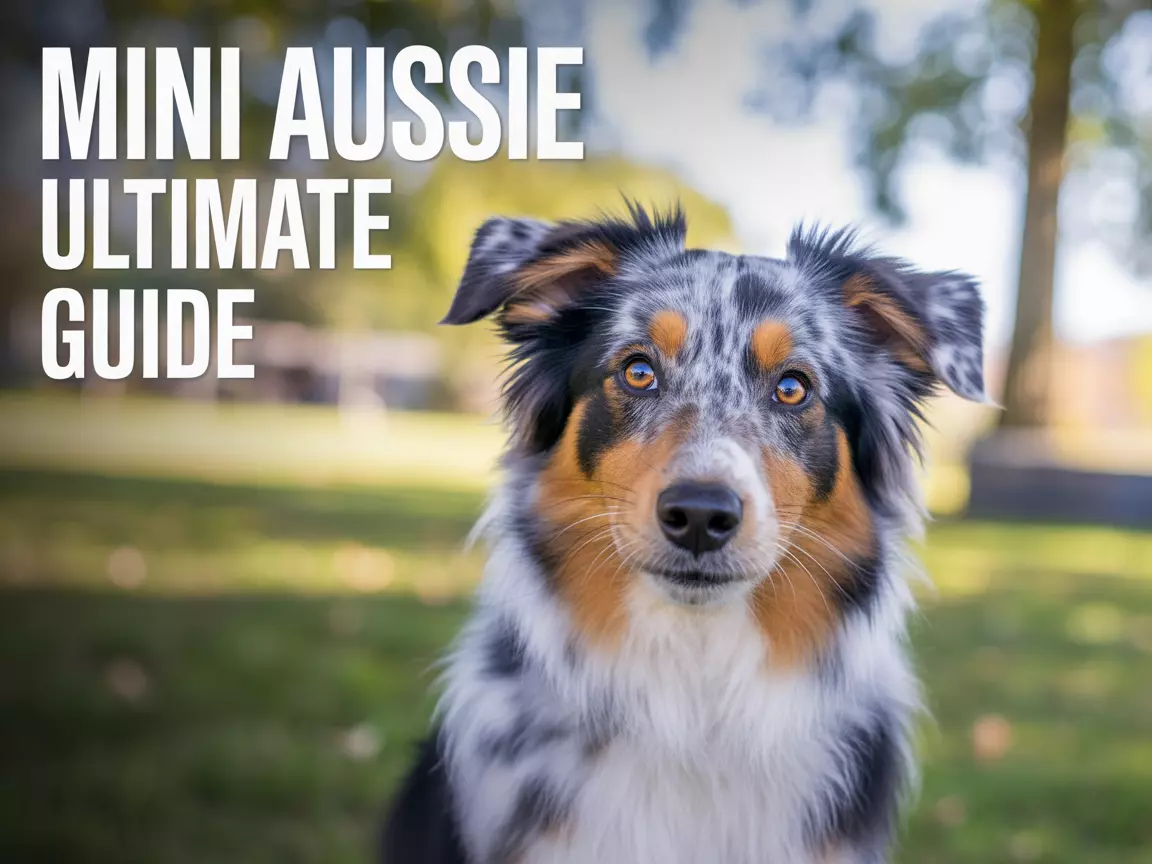
Miniature Australian Shepherds, also known as Mini Aussies, pack all the personality and working drive of their full-sized counterparts into a more manageable package. These remarkable dogs typically weigh between 20-40 pounds and stand 13-18 inches tall, making them an attractive option for dog lovers who want an Australian Shepherd’s characteristics without the space requirements of a larger breed.
Key Takeaways
- Perfect size balance: Mini Aussies offer the ideal compromise between a toy breed and a full-sized working dog, suitable for various living situations
- High intelligence comes with challenges: While their trainability is exceptional, their intelligence requires consistent mental stimulation and can lead to stubbornness
- Strong family bonds create separation issues: Their intense loyalty makes them wonderful companions but can result in separation anxiety when left alone
- Grooming and exercise demands are significant: Daily brushing and substantial physical activity are non-negotiable requirements for happy, healthy Mini Aussies
- Early socialization is crucial: Their reserved nature with strangers and herding instincts require proactive training from puppyhood
The Advantages: Why Mini Aussies Make Exceptional Companions
1. Perfect Size for Modern Living 🏠
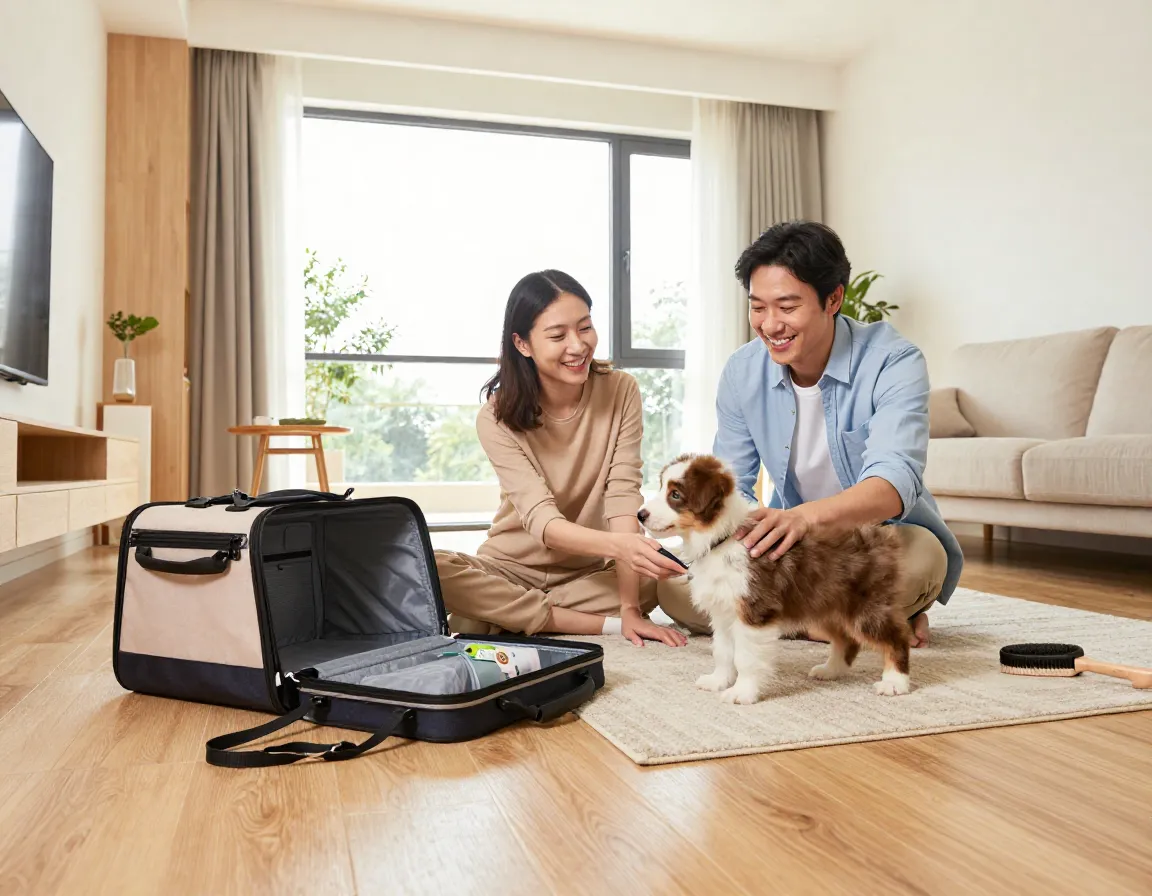
One of the most compelling aspects when considering the 7 Pros And Cons Of Owning A Mini Aussie Dog is their manageable size. Unlike their standard-sized relatives who can weigh up to 70 pounds, Mini Aussies typically range from 20-40 pounds, making them ideal for apartment dwellers and families with limited space[1][2].
This compact size offers numerous practical benefits:
- Easier handling during grooming, veterinary visits, and travel
- Lower food costs compared to larger breeds
- Suitable for smaller vehicles and travel carriers
- Less physical strain on owners during walks and training sessions
Despite their smaller stature, Mini Aussies retain the robust build and athletic capabilities of their larger counterparts, making them perfect for active families who want a adventure companion without the space requirements of a full-sized Australian Shepherd.
2. Exceptional Intelligence and Trainability 🧠
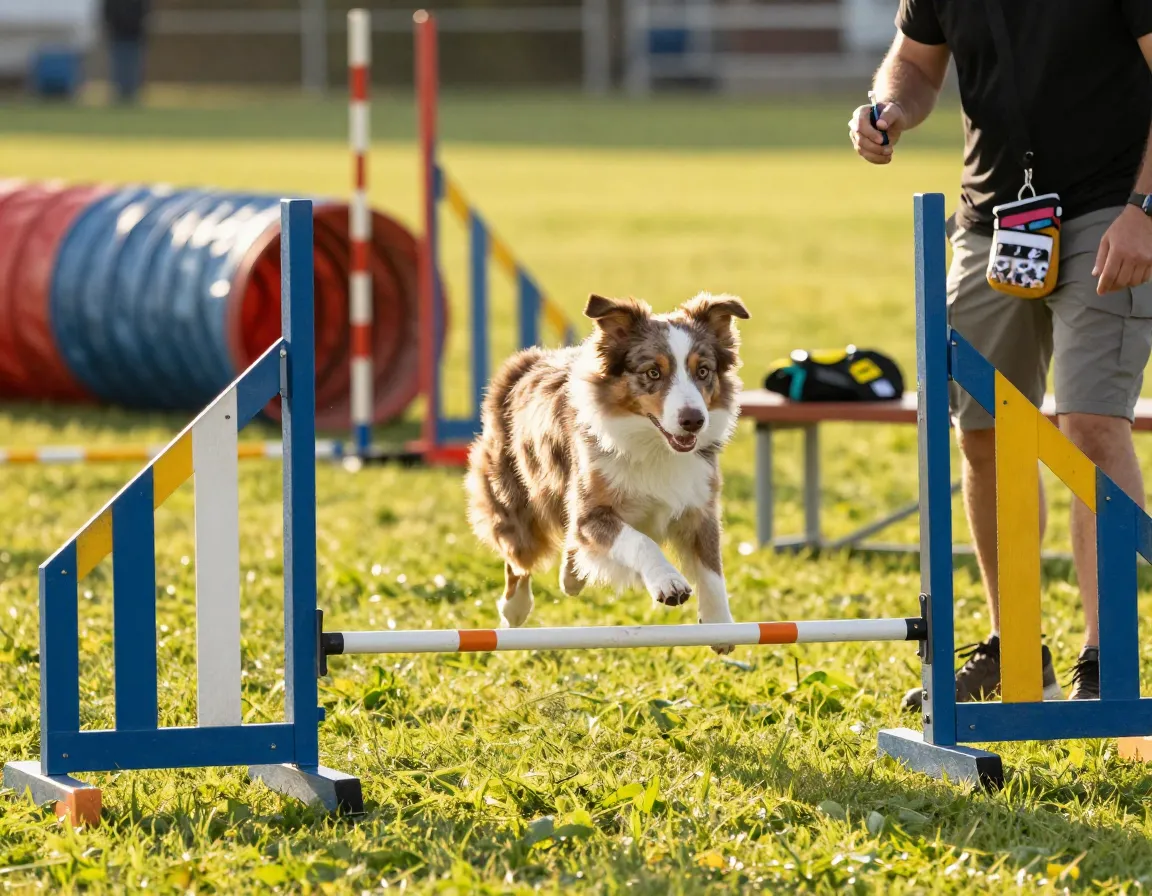
Mini Aussies consistently rank among the most intelligent dog breeds, and their high intelligence and trainability make them excel in various activities[1][2]. This cognitive prowess translates into:
Training Advantages:
- Quick learning of basic commands and complex tricks
- Excellent performance in agility, obedience, and dog sports
- Strong problem-solving abilities
- Responsive to positive reinforcement methods
Real-World Applications:
- Service dog potential for specific tasks
- Therapy dog capabilities with proper training
- Competitive dog sports including agility, rally, and herding trials
- Advanced trick training that impresses family and friends
Their intelligence makes them highly adaptable to their owner’s lifestyle and routines, often anticipating needs and responding to subtle cues that other breeds might miss.
3. Remarkable Versatility as Working Dogs ⚡
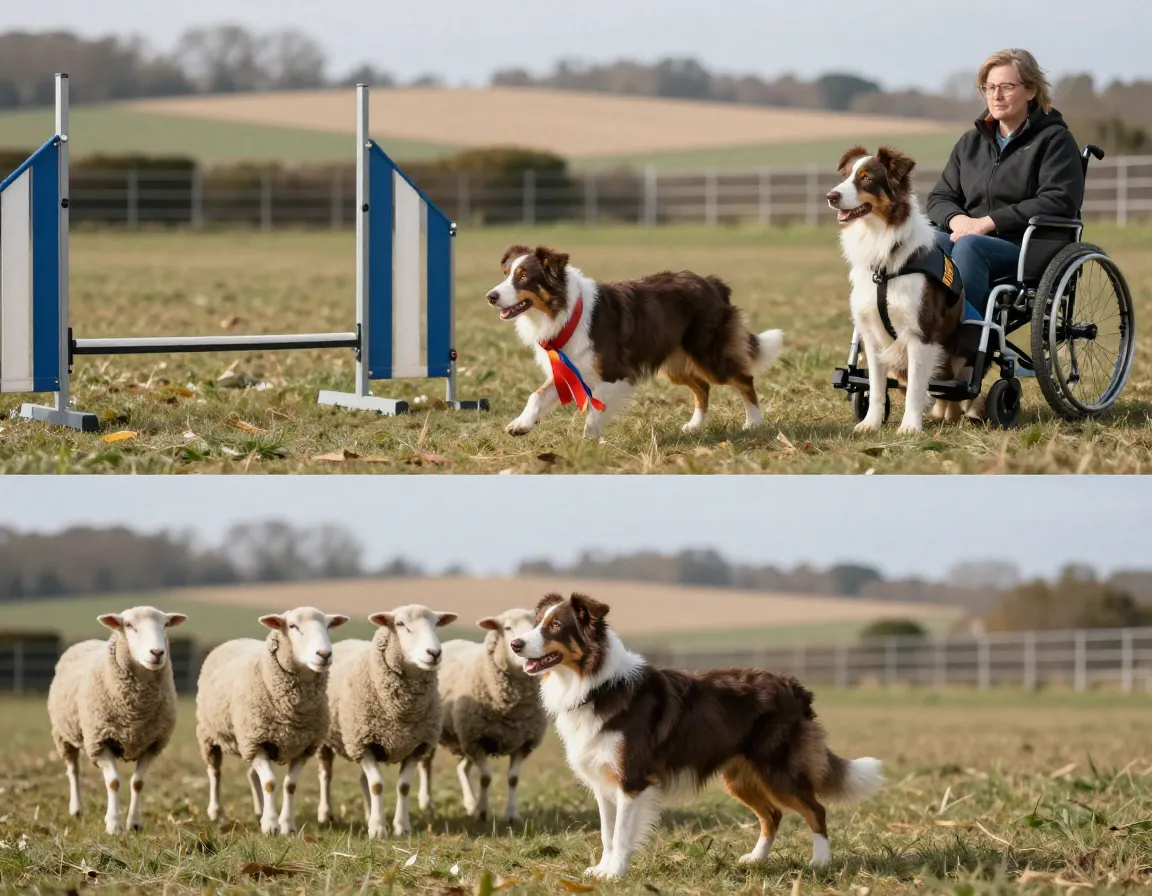
The versatility of Mini Aussies as working dogs sets them apart from many other breeds[1][2]. Originally bred for herding livestock, these dogs have successfully transitioned into numerous roles:
Working Capabilities:
- Herding: Natural instinct for managing livestock
- Agility competitions: Excellent speed and coordination
- Obedience trials: High success rates in formal competitions
- Search and rescue: Strong work ethic and trainability
- Therapy work: Gentle nature when properly socialized
This versatility means Mini Aussie owners can explore various activities and find the perfect match for their dog’s individual personality and their own interests.
4. Deep Loyalty and Family Bonds ❤️
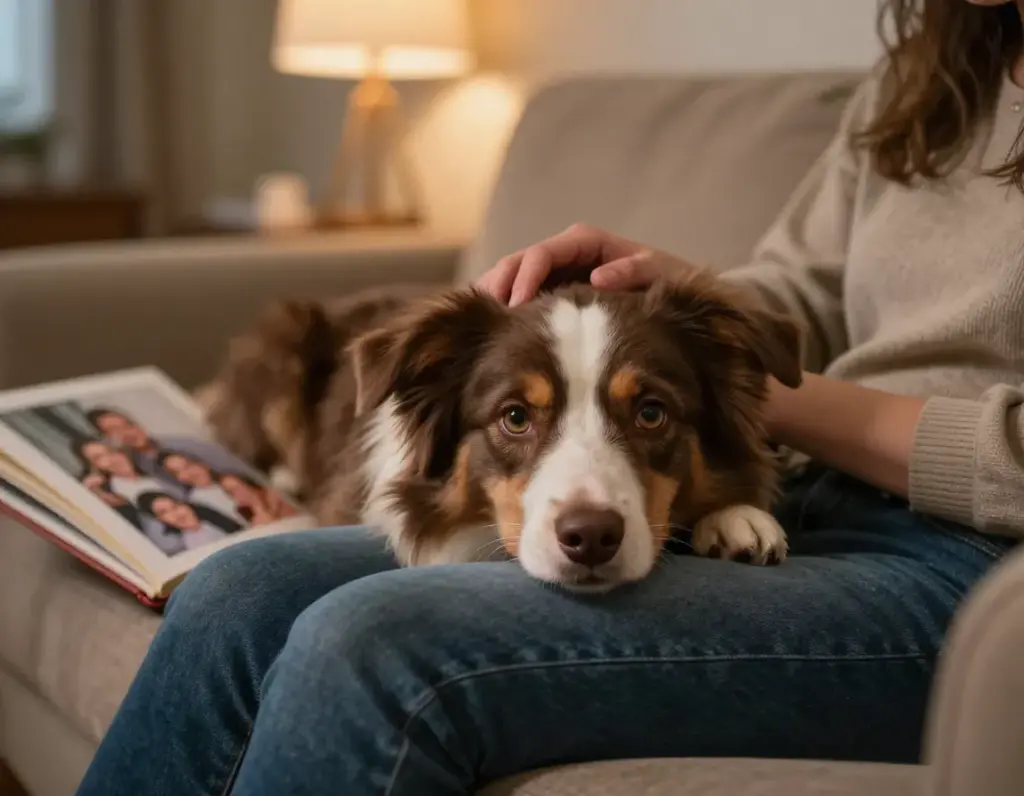
Mini Aussies form incredibly strong loyalty and affection with their families, creating bonds that last a lifetime[2]. This devotion manifests in several heartwarming ways:
Bonding Characteristics:
- Velcro dog behavior: Staying close to their favorite family members
- Protective instincts: Alert barking when strangers approach
- Emotional sensitivity: Reading and responding to family members’ moods
- Consistent companionship: Providing comfort during difficult times
“Mini Aussies don’t just live with their families—they become integral members who seem to understand the emotional needs of each person in the household.”
This deep connection makes them excellent emotional support animals and loyal companions for individuals seeking a dog that truly becomes part of the family fabric.
5. Excellent Family Compatibility 👨👩👧👦
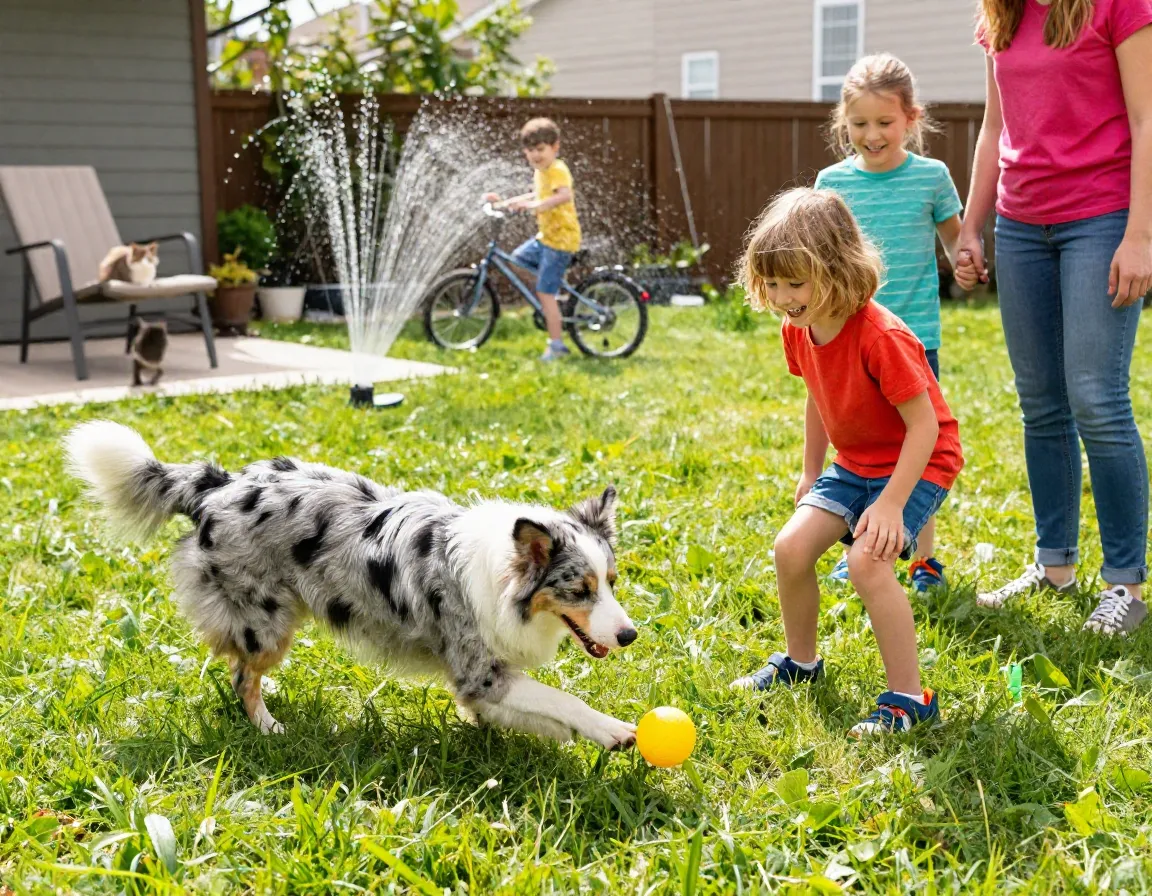
When properly socialized, Mini Aussies demonstrate good compatibility with families, children, and other pets[1][2]. Their herding background actually contributes to their protective and gentle nature around family members.
Family-Friendly Traits:
- Patient with children when introduced properly
- Protective without aggression toward family members
- Adaptable to family routines and schedules
- Social with other pets when raised together or introduced gradually
Tips for Family Success:
- Start socialization early with children of all ages
- Supervise interactions with very young children
- Provide proper introductions to other household pets
- Establish consistent rules and boundaries for all family members
6. Impressive Adaptability to Living Environments 🌆
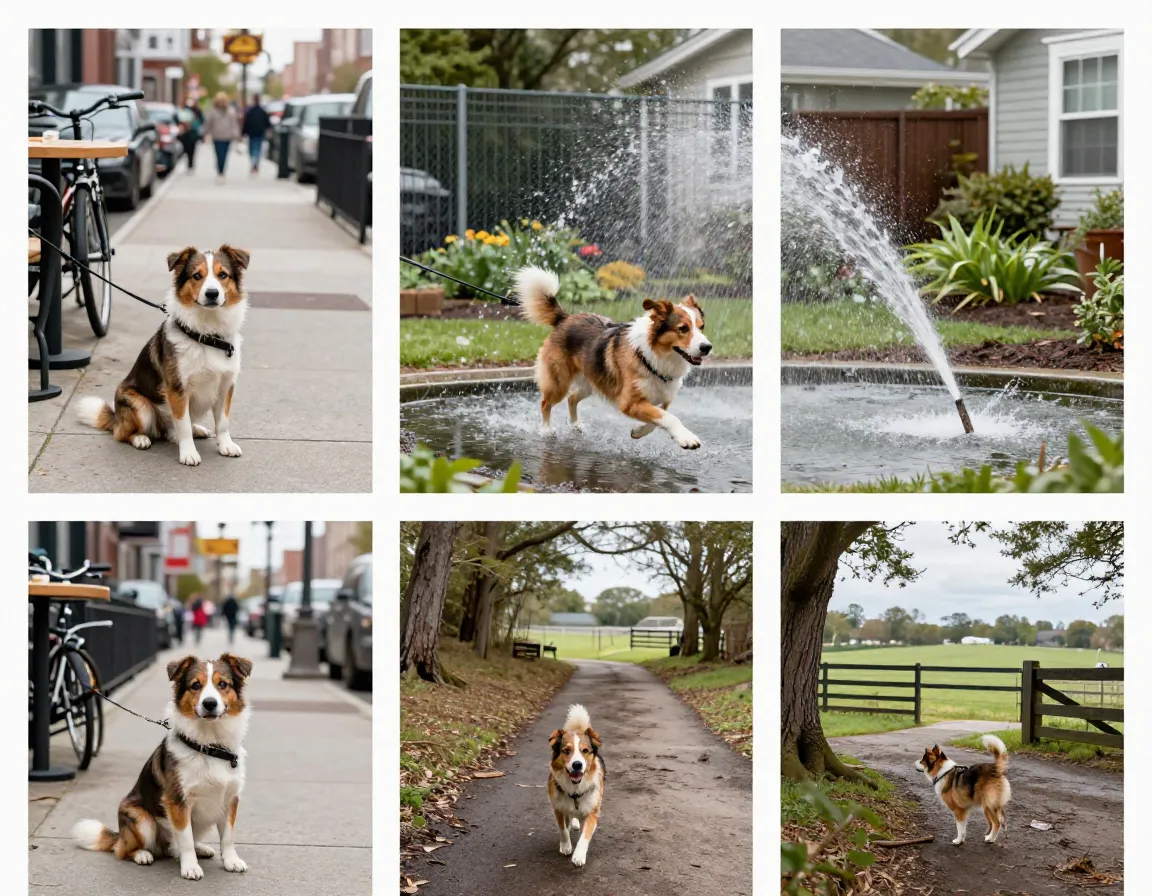
The adaptability of Mini Aussies to various living environments makes them suitable for diverse lifestyles[2]. Whether living in a downtown apartment or a rural farm, these dogs can thrive with proper care and exercise.
Living Situation Flexibility:
- Apartments: Suitable with adequate daily exercise
- Suburban homes: Perfect for families with yards
- Rural properties: Excel in farm and ranch environments
- Urban settings: Adapt well to city life with proper stimulation
Key Adaptation Factors:
- Consistent exercise routine regardless of living space
- Mental stimulation through training and puzzle toys
- Regular socialization opportunities
- Clear boundaries and expectations
7. Moderate Grooming Compared to Some Breeds ✂️
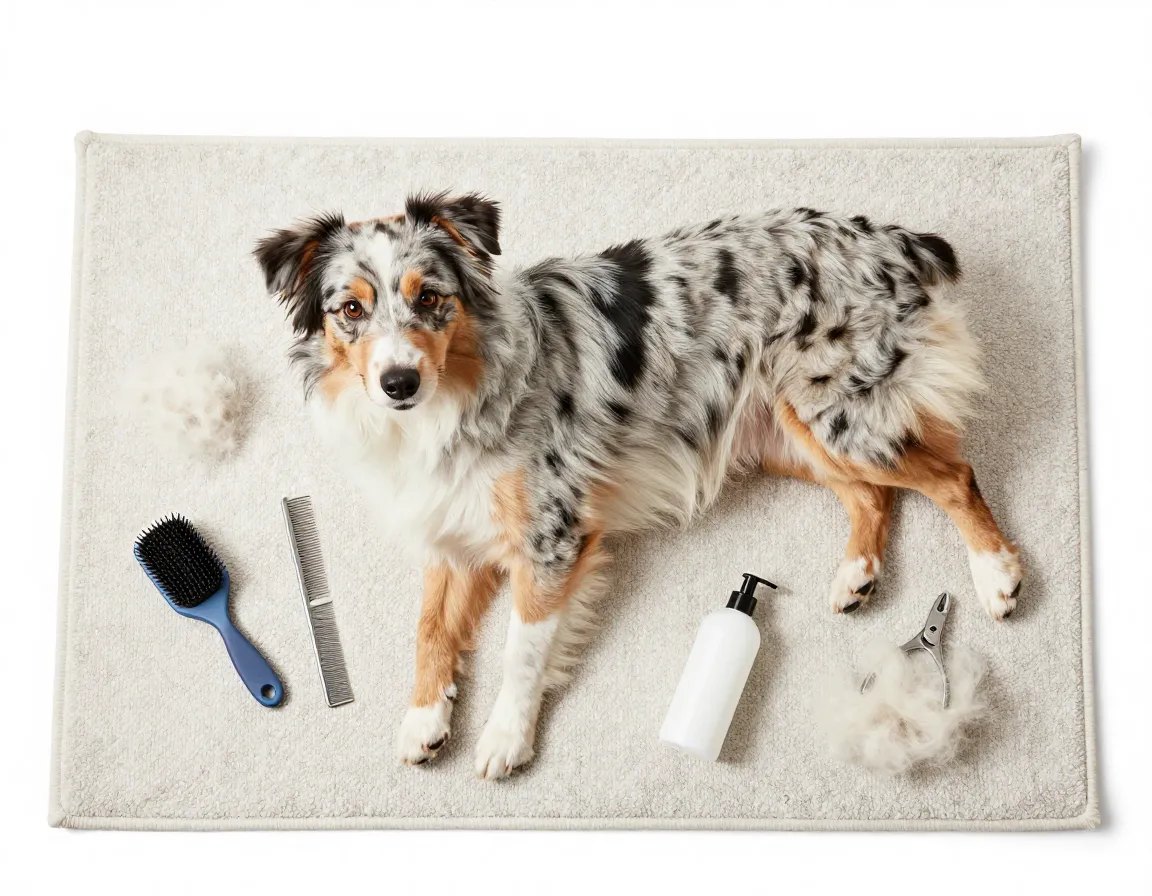
While Mini Aussies do require regular grooming, their needs are moderate compared to some high-maintenance breeds. Their double coat provides protection but doesn’t require professional grooming as frequently as breeds like Poodles or Afghan Hounds.
Grooming Advantages:
- Natural coat protection from weather elements
- Self-cleaning properties that reduce bathing frequency
- Manageable size makes home grooming easier
- Beautiful coat colors that don’t require special maintenance
The Challenges: Understanding Mini Aussie Ownership Realities
1. Demanding Exercise and Energy Requirements 🏃♂️
The most significant challenge in the 7 Pros And Cons Of Owning A Mini Aussie Dog involves their high energy levels that require substantial daily exercise and mental stimulation[1][2]. Without adequate activity, these dogs can become destructive and problematic.
Daily Exercise Needs:
- 60-90 minutes of vigorous exercise minimum
- Mental stimulation through training and puzzle toys
- Variety in activities to prevent boredom
- Consistent schedule regardless of weather conditions
Consequences of Insufficient Exercise:
- Destructive chewing and digging
- Excessive barking and whining
- Hyperactive behavior indoors
- Difficulty settling and relaxing
- Potential aggression from frustration
Exercise Solutions:
- Morning and evening walks or runs
- Interactive play sessions in fenced areas
- Agility training and obstacle courses
- Swimming opportunities when available
- Mental challenges through training sessions
2. Separation Anxiety Challenges 😰
The strong family bonds that make Mini Aussies wonderful companions also create separation anxiety issues when they’re left alone for extended periods[1][2]. This challenge requires careful management and training.
Signs of Separation Anxiety:
- Destructive behavior when left alone
- Excessive barking or howling
- Attempts to escape or follow owners
- Loss of appetite when separated
- Bathroom accidents despite being house-trained
Management Strategies:
- Gradual desensitization to alone time
- Crate training for security and safety
- Interactive toys to provide mental stimulation
- Consistent departure routines to reduce anxiety
- Professional training for severe cases
3. Intensive Grooming Requirements 🧽
Despite being more manageable than some breeds, Mini Aussies still have demanding grooming needs due to their double coat that sheds year-round with seasonal increases[1][2].
Grooming Requirements:
- Daily brushing during shedding seasons
- 3-4 times weekly brushing during normal periods
- Professional grooming every 6-8 weeks
- Regular nail trimming and ear cleaning
- Dental care to prevent oral health issues
Grooming Challenges:
- Seasonal shedding can overwhelm unprepared owners
- Mat formation if brushing is skipped
- Time commitment of 15-30 minutes daily
- Cost of professional grooming services
- Specialized tools required for proper coat care
4. Strong Herding Instincts 🐑
The herding instincts that make Mini Aussies excellent working dogs can create challenges in family settings, particularly with children and other pets[1][2].
Herding Behaviors:
- Nipping at heels of children or other pets
- Circling and controlling movement of family members
- Intense staring and stalking behaviors
- Barking to direct people or animals
- Chasing moving objects like bicycles or cars
Managing Herding Instincts:
- Redirect energy into appropriate activities
- Teach “leave it” and “gentle” commands
- Provide herding outlets through dog sports
- Supervise interactions with small children
- Consistent training from early puppyhood
5. Training Complexity and Stubbornness 📚
While Mini Aussies are highly intelligent, this trait can create training challenges when their intelligence manifests as stubbornness or independent thinking[1].
Training Difficulties:
- Boredom with repetitive training methods
- Selective listening when not properly motivated
- Overthinking commands and hesitating to respond
- Testing boundaries with intelligent disobedience
- Requiring varied training approaches to maintain interest
Effective Training Strategies:
- Positive reinforcement with high-value rewards
- Short, varied training sessions to maintain interest
- Consistent rules from all family members
- Mental challenges incorporated into training
- Professional guidance for complex behavioral issues
6. Reserved Nature with Strangers 👤
Mini Aussies often display a reserved temperament with strangers, requiring extensive early socialization to develop into well-rounded adults[2].
Socialization Challenges:
- Natural wariness of unfamiliar people
- Potential for fearful behaviors without proper exposure
- Difficulty with new situations if under-socialized
- Overprotective tendencies toward family members
- Stress in busy or chaotic environments
Socialization Solutions:
- Early puppy classes for positive exposure
- Regular outings to different environments
- Controlled introductions to new people
- Positive associations with strangers through treats
- Ongoing socialization throughout their lifetime
7. Long-Term Commitment and Lifestyle Impact ⏰
Owning a Mini Aussie represents a significant long-term commitment that impacts daily routines and lifestyle choices for 12-15 years.
Lifestyle Considerations:
- Daily exercise requirements regardless of weather or schedule
- Travel limitations due to their attachment and needs
- Financial commitment for food, grooming, and veterinary care
- Time investment in training and socialization
- Activity level maintenance throughout their lifetime
Making the Right Decision: Is a Mini Aussie Right for You?
When weighing the 7 Pros And Cons Of Owning A Mini Aussie Dog, potential owners should honestly assess their lifestyle, experience level, and long-term commitment capacity. These remarkable dogs thrive with the right families but can become problematic when their needs aren’t met.
Ideal Mini Aussie Owners:
- Active individuals or families who enjoy outdoor activities
- Experienced dog owners comfortable with training challenges
- Consistent daily schedules that accommodate exercise needs
- Patient personalities willing to invest in proper socialization
- Long-term commitment to 12-15 years of dedicated care
Consider Other Breeds If:
- Limited time for daily exercise and mental stimulation
- Preference for low-maintenance grooming requirements
- Frequent travel or long work hours away from home
- First-time dog ownership without training experience
- Desire for a calm, sedentary companion
Conclusion
The 7 Pros And Cons Of Owning A Mini Aussie Dog reveal a breed that offers incredible rewards for the right owners while presenting significant challenges that require careful consideration. These intelligent, loyal, and versatile dogs can become exceptional family companions when their needs for exercise, mental stimulation, and consistent training are met.
Next Steps for Prospective Owners:
- Honestly evaluate your lifestyle and ability to meet their high energy and grooming needs
- Research reputable breeders who health test and properly socialize their puppies
- Connect with local Mini Aussie owners or breed clubs to gain firsthand insights
- Prepare your home and schedule for the demands of an active, intelligent breed
- Budget for ongoing costs including quality food, grooming, training, and veterinary care
Remember that choosing a Mini Aussie means committing to an active partnership that will enrich your life while requiring significant daily investment in their physical and mental well-being. When matched with the right family, these remarkable dogs become irreplaceable companions who bring joy, adventure, and unwavering loyalty to every day.
The decision to welcome a Mini Aussie into your family shouldn’t be taken lightly, but for those prepared to meet their needs, these dogs offer a lifetime of memorable experiences and deep companionship that makes every challenge worthwhile.
References
[1] Mini Australian Shepherd – https://blog.homesalive.ca/dog-blog/mini-australian-shepherd
[2] Pros Cons Of A Mini Aussie – https://www.maranathaaussies.com/pros-cons-of-a-mini-aussie