
7 Myths About Pit Bulls Dogs Debunked By Science & Experts
When a pit bull-type dog makes headlines, the story often reinforces dangerous misconceptions that have plagued these dogs for decades. Despite overwhelming scientific evidence and expert testimony, 7 myths about pit bulls dogs debunked by science & experts continue to influence public perception, breed-specific legislation, and adoption rates across the United States. The truth, backed by rigorous research and veterinary expertise, paints a dramatically different picture than media portrayals suggest.

Key Takeaways
- Temperament testing reveals pit bulls score higher than average: Pit bull-type dogs achieve an 82% pass rate on standardized temperament tests, surpassing the 77% average for all dog breeds
- Breed cannot predict individual behavior: Scientific studies confirm that environment, training, socialization, and health—not genetics—determine a dog’s likelihood to show aggressive behavior
- “Locking jaws” are anatomically impossible: Peer-reviewed research proves all dog breeds share identical jaw structures with no special locking mechanisms
- Bite statistics are misleading without context: Factors like dog size, victim vulnerability, and incident circumstances matter more than breed identification for understanding bite severity
- Expert consensus opposes breed discrimination: Major veterinary organizations, including the AVMA and ASPCA, advocate against breed-specific legislation based on scientific evidence
Understanding the 7 Myths About Pit Bulls Dogs Debunked By Science & Experts
The persistence of pit bull myths stems from a complex mix of media sensationalism, historical context, and confirmation bias. However, when examining peer-reviewed research, veterinary studies, and expert analysis, these misconceptions crumble under scientific scrutiny.
Veterinary professionals and animal behaviorists have spent decades studying dog aggression, temperament, and breed characteristics. Their findings consistently challenge popular assumptions about pit bull-type dogs, revealing that many widely-held beliefs lack factual foundation.
The following seven myths represent the most common misconceptions about pit bulls, each thoroughly debunked by credible scientific research and expert testimony.
Myth-Busting Research: Scientific Evidence Against Common Misconceptions
1. Myth: Pit Bulls Are Naturally More Aggressive Than Other Dogs
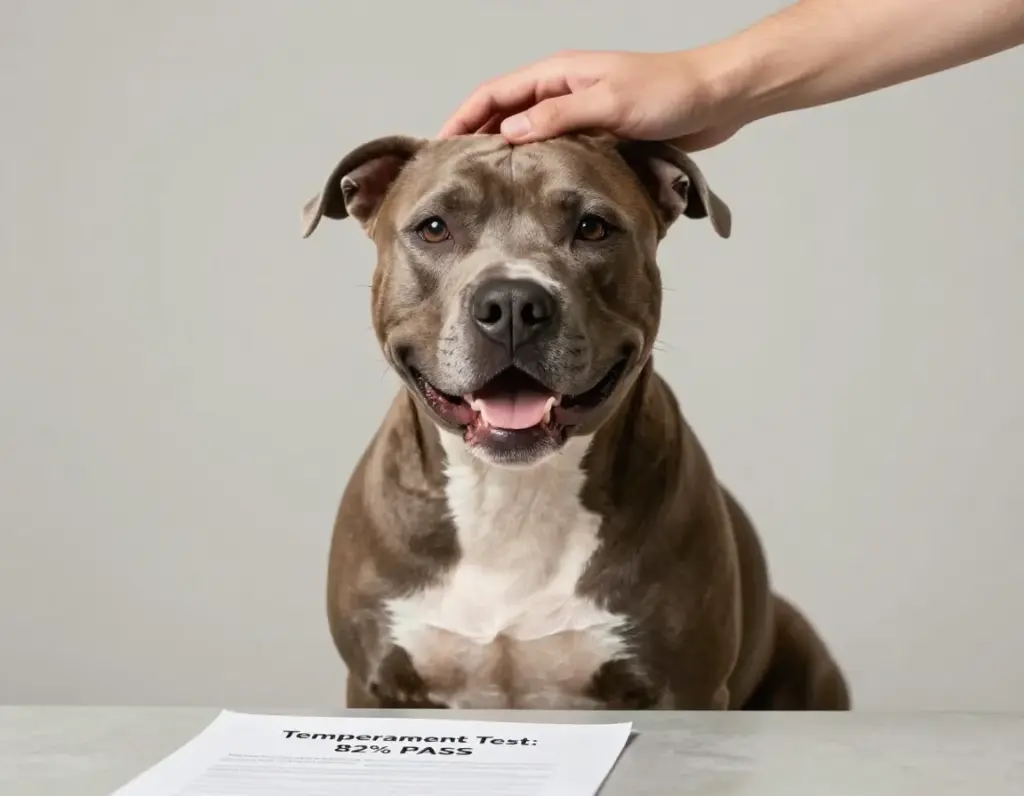
The Science Says Otherwise: This fundamental misconception ignores decades of temperament testing data. The American Temperament Test Society conducts standardized behavioral assessments that measure dogs’ reactions to various stimuli, including strangers, loud noises, and unexpected situations.
Pit bull-type dogs consistently outperform the average dog population in these assessments. According to official testing results, pit bulls achieve an 82% or better passing rate, compared to only 77% for the general dog population [1][2].
The temperament test evaluates:
- Stability under pressure
- Shyness or nervousness
- Aggressiveness toward humans
- Protectiveness of handlers
- Recovery from startling situations
“Research shows pit bulls rank lower in human-directed aggression than breeds like Dachshunds and Chihuahuas” [6]
What This Means: The data reveals that pit bulls demonstrate better emotional stability and lower aggression than many popular family dog breeds. Small breed dogs, including Dachshunds and Chihuahuas, show significantly higher rates of human-directed aggression in controlled studies.
2. Myth: Pit Bulls Have “Locking Jaws” That Make Them More Dangerous
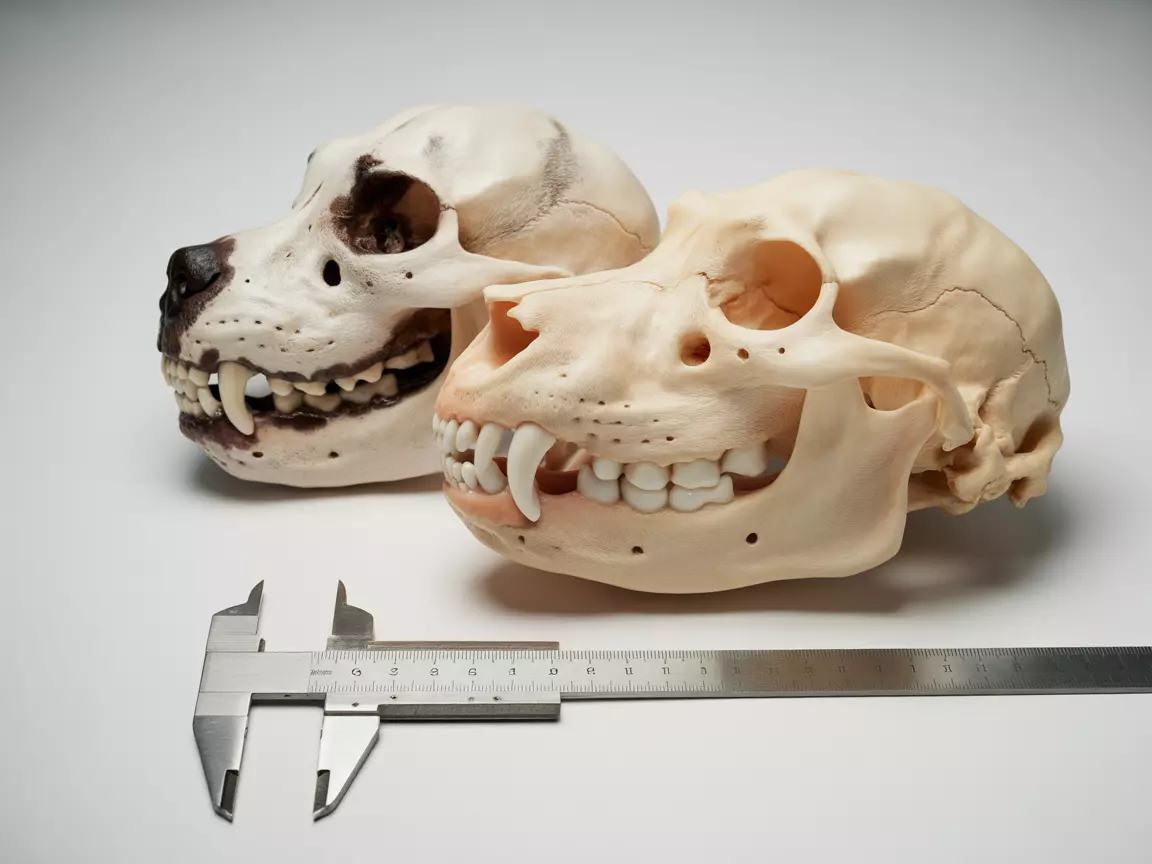
Anatomical Reality: This persistent myth has been thoroughly debunked by veterinary anatomists and peer-reviewed research. No dog breed possesses anatomically unique jaw structures or locking mechanisms [3].
Scientific examination reveals:
- All dog breeds share identical jaw anatomy
- No special muscles or bone structures exist in pit bulls
- Jaw “locking” is physically impossible in any canine
- Bite pressure varies by individual size, not breed
Dr. I. Lehr Brisbin from the University of Georgia’s Savannah River Ecology Laboratory states: “The few studies which have been conducted of the structure of the skulls, mandibles and teeth of pit bulls show that, in proportion to their size, their jaw structure and thus its inferred functional morphology, is no different than that of any breed of dog.”
The Truth: When any dog bites and holds on, it’s due to behavioral choice, not anatomical inability to release. This behavior, called “bite and hold,” can be trained out of any dog regardless of breed.
3. Myth: Breed Determines Aggressive Behavior

Research Contradicts This Assumption: A comprehensive 2022 study by the National Canine Research Council found that breed cannot predict aggressive behavior in individual dogs [4]. Instead, aggression correlates with multiple environmental and individual factors.
Primary Factors Influencing Aggression:
- Socialization during puppyhood
- Training methods used by owners
- Health status and pain levels
- Environmental stressors
- Individual genetics (not breed genetics)
- Owner experience and handling
The American Veterinary Medical Association (AVMA) emphasizes that “a dog’s individual history, behavior, size, and vulnerability of the person bitten—not breed—determine likelihood of biting” [1].
Key Finding: Well-socialized, properly trained pit bulls from responsible owners show no increased aggression risk compared to other breeds of similar size and energy level.
4. Myth: Pit Bull Bites Are More Severe Than Other Dog Bites
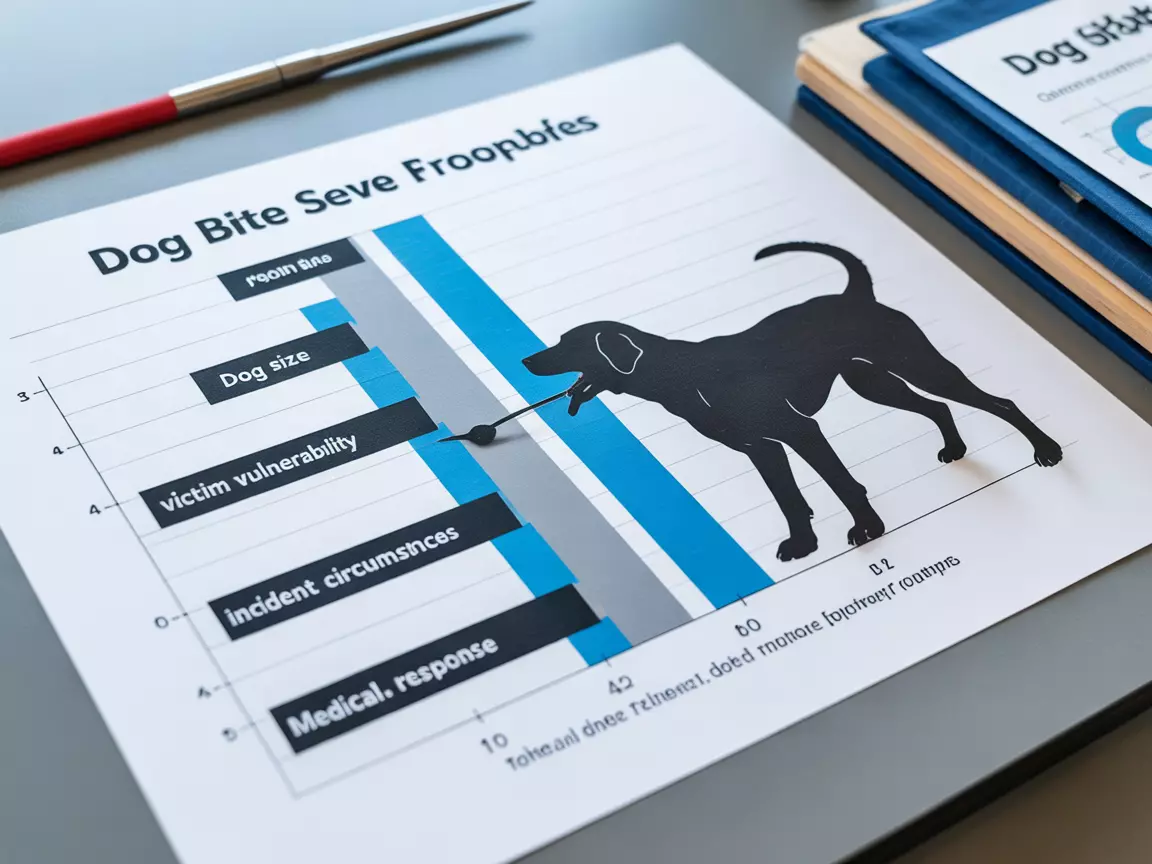
Context Matters More Than Breed: While bite severity varies significantly between incidents, research shows that bite severity correlates more closely with overall size and strength, not breed [5].
Factors Affecting Bite Severity:
- Dog size and muscle mass
- Victim size and vulnerability
- Circumstances of the incident
- Duration of the attack
- Medical response time
- Location of bite wounds
The AVMA’s position paper notes that controlled studies show pit bull-type dogs are “not disproportionately dangerous” when accounting for these variables [1].
Important Context: Many “pit bull” bite reports involve misidentified breeds. Studies reveal that even veterinary professionals correctly identify pit bull-type dogs only 25-50% of the time from photographs alone.
5. Myth: Pit Bulls Were Originally Bred for Fighting Humans
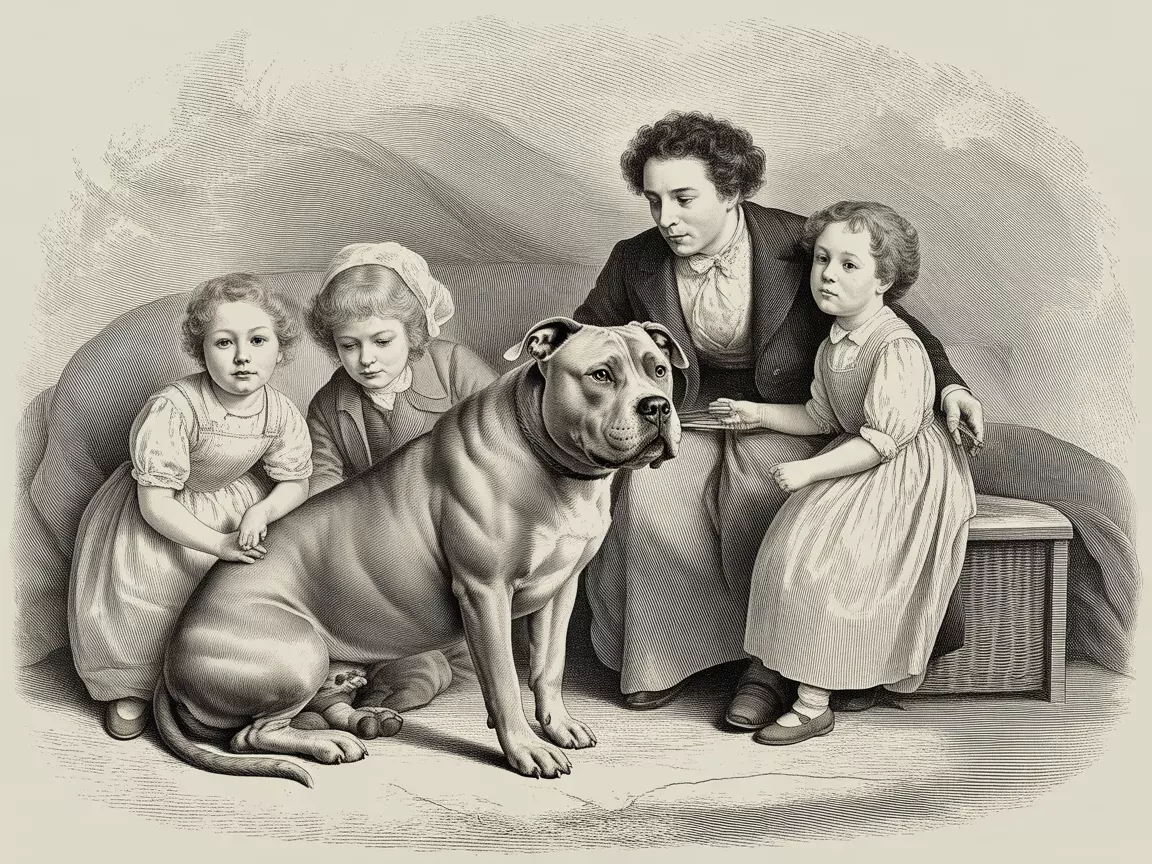
Historical Accuracy: This myth misrepresents the actual breeding history of pit bull-type dogs. Originally developed in 19th-century England, these dogs were bred for bull-baiting and later dog fighting—but never for human aggression.
Historical Facts:
- Dogs showing human aggression were immediately culled from breeding programs
- “Gameness” (persistence) was valued, not human-directed aggression
- Many pit bulls served as family companions and “nanny dogs”
- Working roles included farm work, hunting, and protection
Modern Reality: Today’s pit bull-type dogs are multiple generations removed from any fighting lines. Most come from family breeding programs focused on temperament and companionship.
6. Myth: Pit Bulls Cannot Be Safely Kept as Family Pets

Evidence Supports Family Suitability: Millions of pit bull-type dogs live peacefully in American homes, contradicting claims about their unsuitability as family pets.
Research-Backed Benefits:
- High trainability and eagerness to please
- Strong human bonds and loyalty
- Good with children when properly socialized
- Adaptable to various living situations
- Responsive to positive training methods
According to animal behavior experts, pit bull-type dogs require the same basic care as any medium to large breed: daily exercise, mental stimulation, consistent training, and proper socialization [1].
Success Factors:
- Early socialization with people and animals
- Positive reinforcement training methods
- Adequate exercise and mental enrichment
- Responsible ownership and supervision
- Spaying/neutering for non-breeding dogs
7. Myth: Pit Bulls Are Unpredictable and Can “Snap” Without Warning
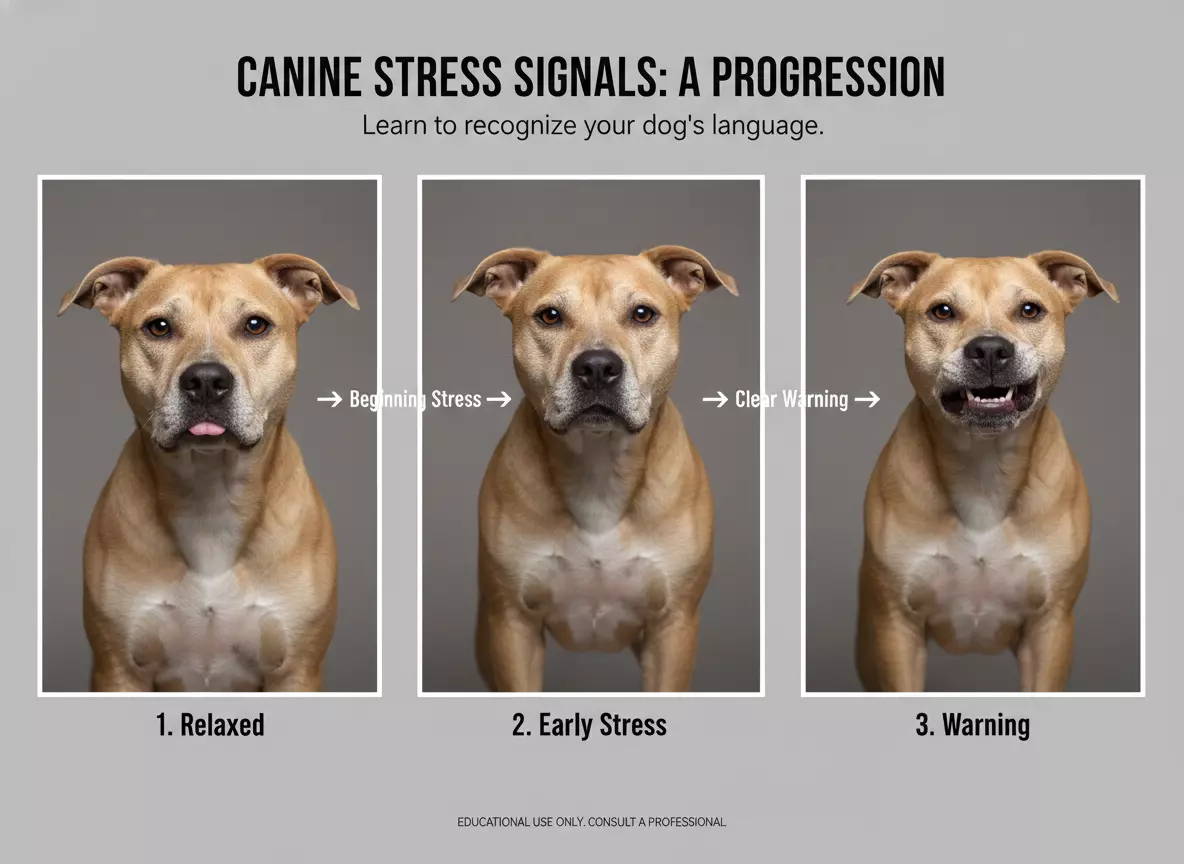
Behavioral Science Refutes This Claim: Dogs don’t “snap” without warning—they communicate through clear body language signals that humans often miss or ignore.
Warning Signs All Dogs Display:
- Stiffening body posture
- Fixed staring or “whale eye”
- Lip lifting or snarling
- Backing away or freezing
- Panting when not hot or tired
- Displacement behaviors (yawning, scratching)
Training challenges with pit bulls are typically environmental rather than instinctual [1]. These dogs respond exceptionally well to consistent, positive training methods.
Prevention Strategies:
- Learn to read dog body language
- Provide adequate exercise and mental stimulation
- Use positive reinforcement training
- Supervise interactions with children
- Address resource guarding early
- Maintain regular veterinary care
Expert Consensus: What Veterinary Professionals Really Say
The overwhelming consensus among veterinary professionals, animal behaviorists, and canine researchers opposes breed-specific discrimination. Major organizations including the American Veterinary Medical Association (AVMA), American Society for the Prevention of Cruelty to Animals (ASPCA), and National Animal Control Association advocate against breed-specific legislation.
Professional Position Statements:
AVMA: “Breed-specific approaches to the problem of dangerous dogs may be simplistic solutions to an issue that is far more complex” [7]
ASPCA: “There is no evidence that breed-specific laws make communities safer for people or companion animals” [7]
These organizations support evidence-based approaches focusing on:
- Responsible ownership education
- Dangerous dog laws based on individual behavior
- Spay/neuter programs to reduce overpopulation
- Positive training resources for owners
- Community education about dog safety
The Real Factors Behind Dog Aggression
Understanding the actual causes of canine aggression helps create safer communities while avoiding breed discrimination. Research consistently identifies these key factors:
Environmental Factors
- Lack of socialization during critical periods
- Inadequate exercise and mental stimulation
- Social isolation or chaining
- Exposure to violence or aggressive training
- Neglect or inconsistent care
Health-Related Factors
- Pain from injury or illness
- Neurological conditions affecting behavior
- Hormonal influences in intact animals
- Age-related cognitive changes
- Medication side effects
Owner-Related Factors
- Training methods and consistency
- Experience level with dogs
- Supervision and management
- Selection of appropriate breed for lifestyle
- Commitment to ongoing care and training
Moving Forward: Evidence-Based Approaches
The scientific evidence overwhelmingly supports individual assessment over breed-based assumptions. Communities seeking to improve public safety should focus on:
Effective Strategies
- Dangerous dog laws based on behavior, not breed
- Owner education programs about responsible pet ownership
- Low-cost spay/neuter services to reduce overpopulation
- Dog bite prevention education for children and adults
- Support for animal shelters and rescue organizations
Individual Owner Responsibilities
- Research before choosing any dog breed
- Commit to proper training and socialization
- Provide adequate exercise and mental stimulation
- Maintain regular veterinary care
- Follow local leash and licensing laws
- Supervise interactions between dogs and children
Conclusion
The 7 myths about pit bulls dogs debunked by science & experts reveal how misconceptions can persist despite overwhelming contradictory evidence. Temperament testing, anatomical studies, behavioral research, and expert consensus all paint a picture dramatically different from media portrayals and popular assumptions.
Key scientific findings demonstrate that pit bull-type dogs:
- Score higher on temperament tests than average dogs
- Possess identical jaw anatomy to other breeds
- Show aggression patterns determined by environment, not genetics
- Succeed as family pets when given proper care and training
- Display predictable warning signs like all dogs
- Respond well to positive training methods
Moving forward, communities benefit most from evidence-based policies focusing on responsible ownership, individual assessment, and education rather than breed-specific discrimination. The science is clear: judging dogs by their individual behavior and history, not their appearance or assumed breed, creates safer communities while giving deserving animals the chance at loving homes they deserve.
Take action by supporting local animal shelters, advocating for evidence-based legislation, and spreading accurate information about these misunderstood dogs. Every pit bull deserves to be judged as an individual, not by the myths that science has thoroughly debunked.
References
[1] Debunking Pit Bull Myths – https://www.thehumanesociety.org/debunking-pit-bull-myths/
[2] Pit Bull Myths Debunked – https://apbf.dog/pit-bull-myths-debunked/
[3] 5 Pit Bull Type Dog Myths Debunked – https://www.sfspca.org/blog/5-pit-bull-type-dog-myths-debunked/
[4] Dismiss The Myth Pit Bulls – https://lifelineanimal.org/dismiss-the-myth-pit-bulls/
[5] Misconceptions About Pit Bull Bites – https://www.pitbullhero.org/misconceptions-about-pit-bull-bites
[6] Pitbull Myths – https://www.herschwilson.com/story-telling/pitbull-myths
[7] Position Statement Pit Bulls – https://www.aspca.org/about-us/aspca-policy-and-position-statements/position-statement-pit-bulls