7 Essential Tips for Dressing a Hairless Cat With a Sweater: Your Complete Guide to Feline Fashion and Comfort
Picture this: you walk into a room and see your Sphynx cat shivering on a cold morning, their wrinkled skin covered in goosebumps. Unlike their furry counterparts, hairless cats face unique challenges when it comes to temperature regulation, making proper clothing not just a fashion statement but a necessity for their health and comfort. As a devoted cat parent, I’ve learned that mastering the art of dressing a hairless cat requires specific knowledge, patience, and the right approach.
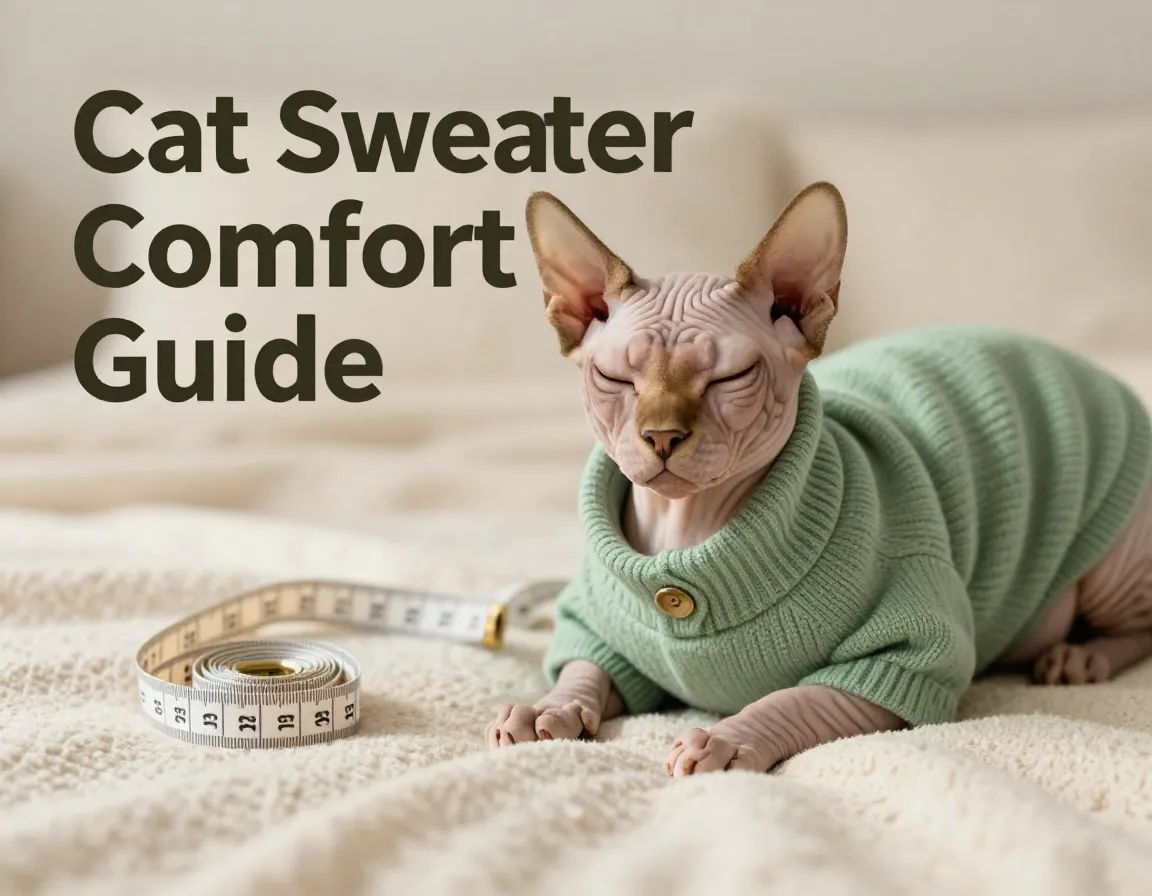
In 2026, more pet owners are discovering the joy of caring for hairless breeds like Sphynx, Peterbald, and Donskoy cats. However, these magnificent felines require special consideration when it comes to clothing. That’s why I’ve compiled these 7 Essential Tips for Dressing a Hairless Cat With a Sweater to help you navigate this important aspect of hairless cat care with confidence and expertise.
Key Takeaways
- Choose breathable, soft materials like organic cotton, bamboo, and fleece to protect sensitive skin while preventing overheating
- Ensure proper fit by measuring your cat from neck to tail and around the chest, selecting snug but not tight clothing
- Start gradually with short wearing periods to help your cat adjust to clothing before extending wear time
- Consider seasonal layering strategies, using lightweight fabrics in warm weather and adding layers for colder temperatures
- Prioritize easy-to-use fasteners like Velcro, snaps, or zippers for stress-free dressing experiences
Understanding the Unique Needs of Hairless Cats
Before diving into our 7 Essential Tips for Dressing a Hairless Cat With a Sweater, it’s crucial to understand why clothing is so important for hairless breeds. Unlike cats with traditional fur coats, hairless cats have exposed skin that’s vulnerable to temperature fluctuations, UV damage, and environmental irritants.
Hairless cats face several challenges:
- 🌡️ Temperature sensitivity – they get cold faster and struggle to regulate body heat
- ☀️ Sun exposure – their skin can burn just like human skin
- 🧴 Oil production – they produce natural oils that can stain furniture and require regular bathing
- 🤧 Allergen exposure – their skin is more susceptible to environmental irritants
These factors make clothing an essential part of hairless cat care, not just a cute accessory. The right sweater can provide warmth, protection, and comfort while allowing your feline friend to maintain their natural behaviors and mobility.
1. Choose the Right Materials for Maximum Comfort
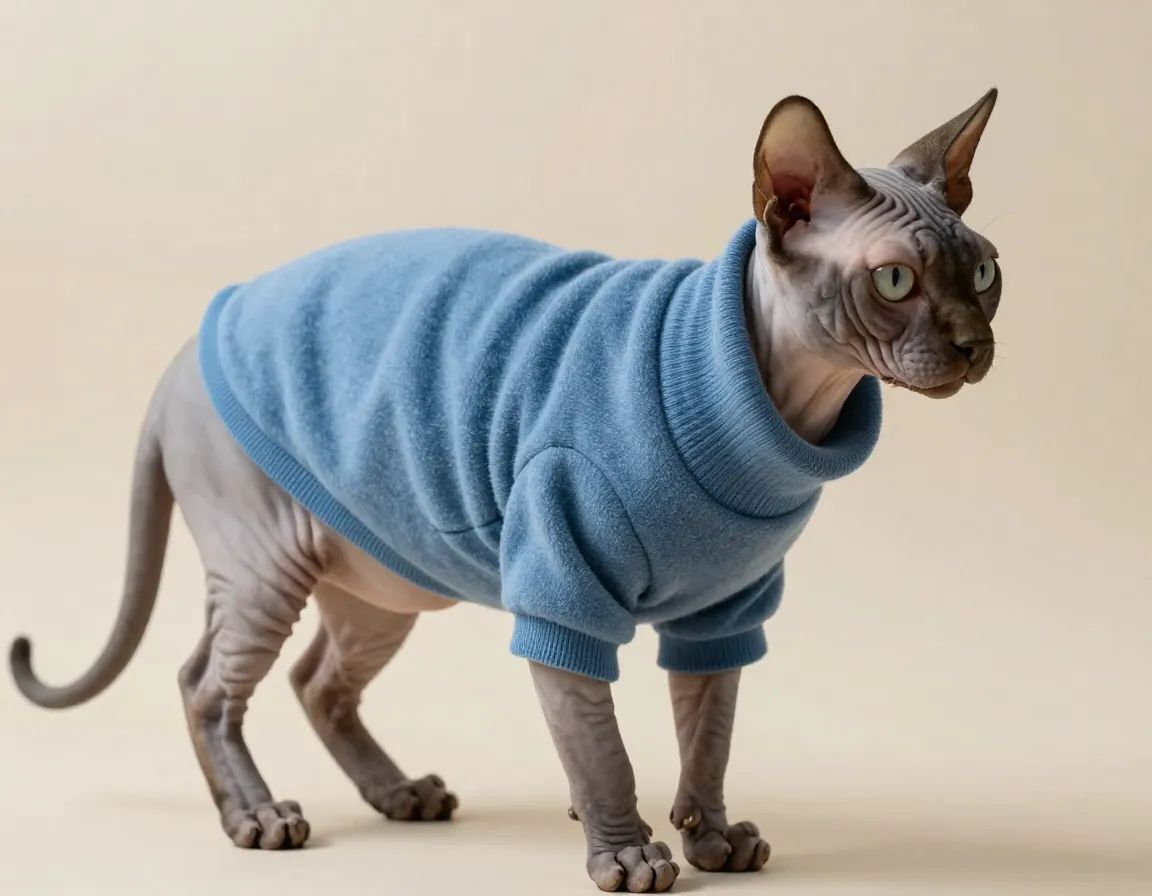
The foundation of successfully dressing a hairless cat lies in selecting appropriate fabrics. Breathable, soft materials are absolutely essential for your cat’s comfort and skin health[1][2][3]. I’ve learned through experience that the wrong fabric choice can lead to skin irritation, overheating, or complete rejection of clothing by your feline friend.
✅ Best Material Options:
Organic Cotton – This natural fiber is gentle on sensitive skin and allows excellent airflow. It’s also machine-washable, which is crucial for maintaining hygiene[1][3].
Bamboo Fabric – Naturally antimicrobial and incredibly soft, bamboo fabric is perfect for cats with extra-sensitive skin[2].
High-Quality Fleece – Provides warmth without bulk, making it ideal for colder weather while maintaining breathability[1][2].
Cotton Blends – Offer durability and comfort when properly selected, combining the benefits of natural fibers with enhanced longevity[3].
❌ Materials to Avoid:
Synthetic Fabrics – These can trap heat and moisture, leading to skin irritation and temperature regulation issues[1][2].
Bulky Knits – Heavy, thick materials can restrict movement and cause overheating[1][2].
Rough Textures – Any fabric that feels scratchy or coarse can irritate your cat’s delicate skin.
💡 Pro Tip: Always wash new clothing items before the first wear to remove any manufacturing residues that could irritate your cat’s skin.
2. Master the Art of Proper Sizing and Fit
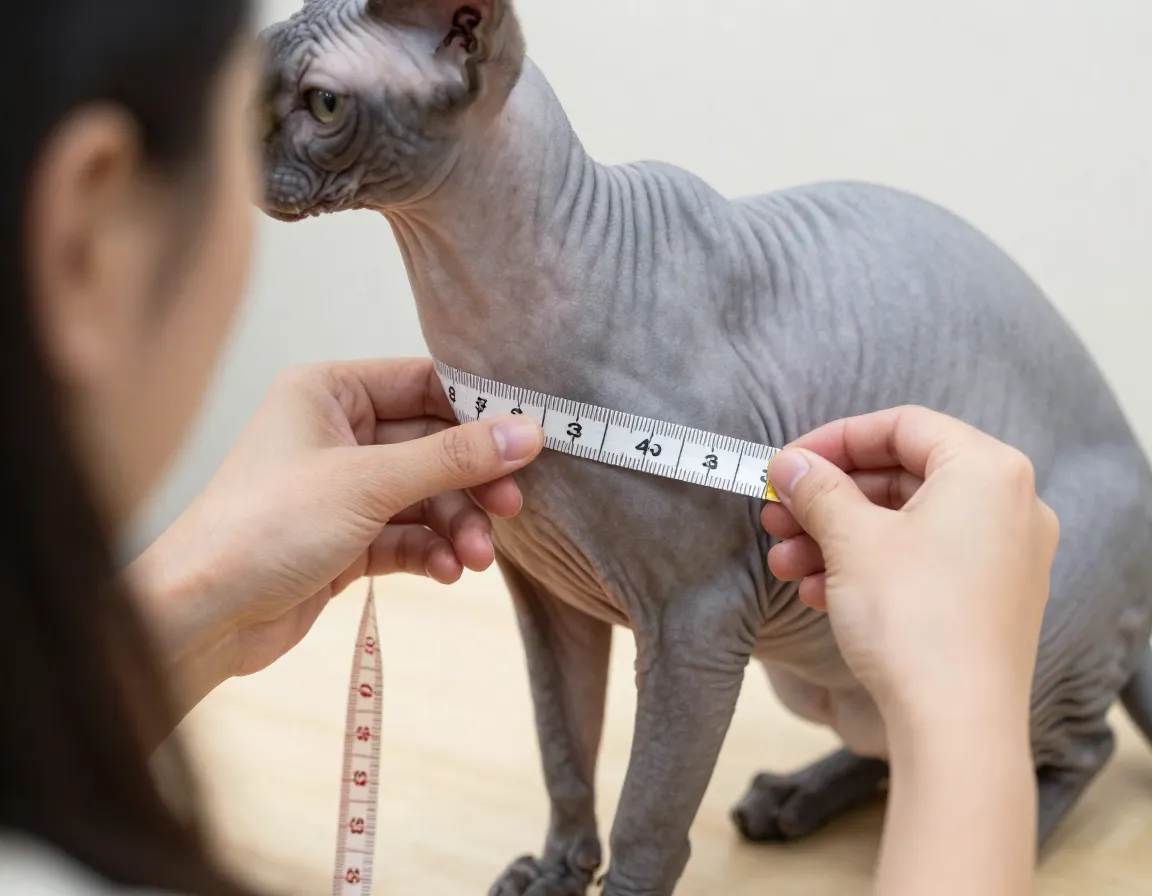
Getting the right fit is crucial when implementing these 7 Essential Tips for Dressing a Hairless Cat With a Sweater. Clothes should be snug but not tight, allowing your cat to move freely without restrictive seams or elastic[1][3]. I’ve found that proper measurement is the key to success.
📏 Essential Measurements:
- Neck to Tail Length – Measure from the base of the neck to the base of the tail[2]
- Chest Circumference – Measure around the widest part of the chest, just behind the front legs[2]
- Neck Circumference – Measure around the base of the neck where a collar would sit
🎯 Sizing Guidelines:
| Measurement Area | Fit Requirement | Why It Matters |
|---|---|---|
| Chest | Snug but allows 1-2 fingers underneath | Prevents restriction while maintaining warmth |
| Length | Covers torso without extending past hind legs | Allows natural movement and bathroom access |
| Armholes | Comfortable around front legs | Prevents chafing and allows full range of motion |
Sphynx cats have unique body proportions – their long torsos and slim frames require breed-specific cuts[1]. Look for clothing specifically designed for hairless breeds rather than adapting dog clothing or generic cat garments.
🔍 Fit Check Points:
- Your cat can sit, stand, and walk normally
- No pulling or bunching of fabric
- Easy access for grooming and bathroom needs
- No red marks or indentations after wearing
3. Prioritize Easy-to-Use Fastening Systems
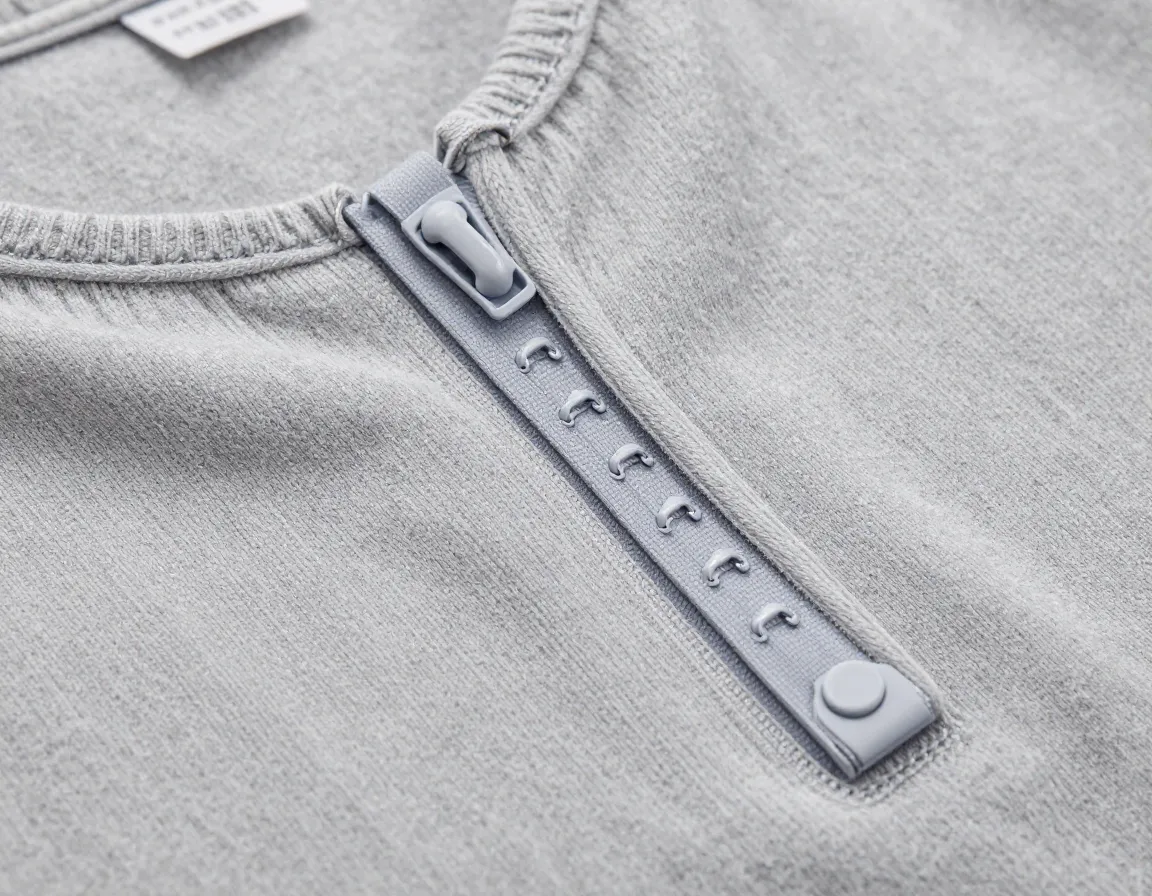
When following these 7 Essential Tips for Dressing a Hairless Cat With a Sweater, the fastening system can make or break the dressing experience. Choose pieces with Velcro, snap buttons, or zippers for easy dressing[3]. The goal is to minimize stress for both you and your cat during the clothing process.
🔧 Best Fastening Options:
Velcro Closures
- ✅ Quick and adjustable
- ✅ Easy for humans to operate
- ⚠️ Can catch on fabric over time
Snap Buttons
- ✅ Secure and durable
- ✅ Won’t catch on other materials
- ⚠️ May require more dexterity to fasten
Quality Zippers
- ✅ Very secure closure
- ✅ Smooth operation when high-quality
- ⚠️ Can be challenging if cat is squirmy
🚫 Fastening Systems to Avoid:
- Tiny buttons – difficult to manage with a moving cat
- Ties or strings – can become choking hazards
- Over-the-head designs – stressful for many cats
- Complex multi-step closures – increase dressing time and stress
💡 Expert Insight: I always test fasteners with one hand while holding my cat with the other. If I can’t operate the closure easily in this position, it’s not practical for real-world use.
4. Implement a Gradual Introduction Strategy
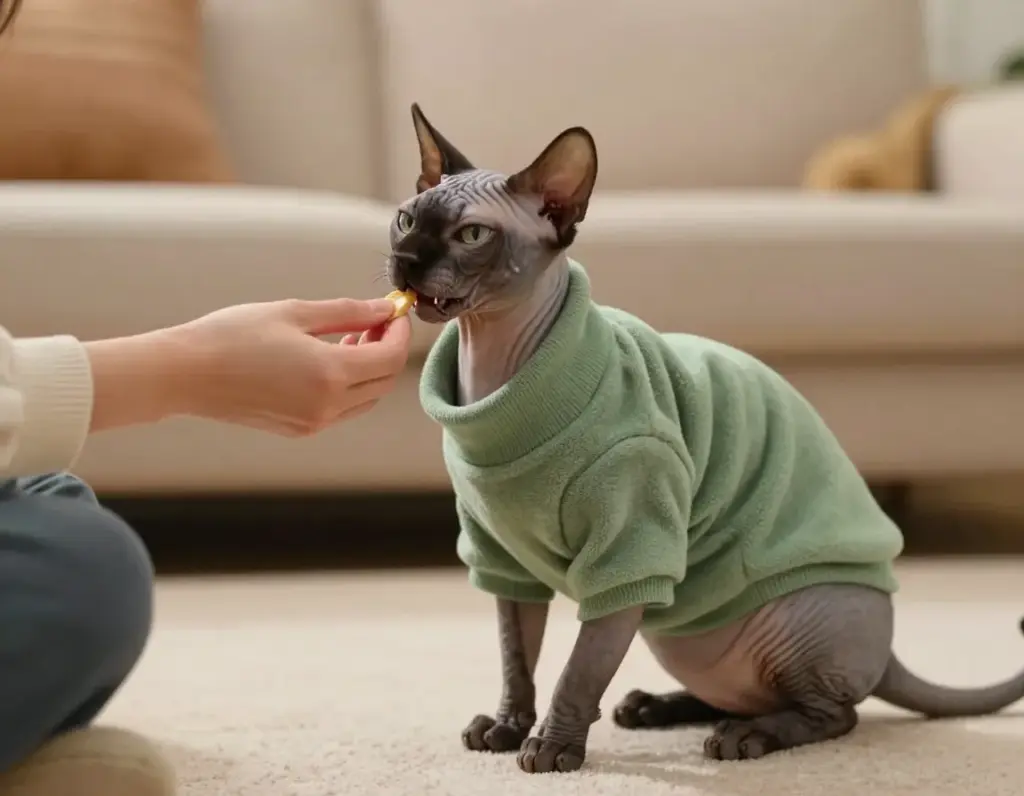
One of the most important aspects of these 7 Essential Tips for Dressing a Hairless Cat With a Sweater is patience. Start slowly by introducing clothing in short periods before gradually increasing wear time[3]. This approach helps your cat develop positive associations with clothing rather than viewing it as a stressful experience.
📅 Week-by-Week Introduction Plan:
Week 1: Familiarization
- Let your cat sniff and investigate the sweater
- Place it near their favorite resting spots
- Offer treats while the clothing is present
Week 2: Brief Contact
- Gently drape the sweater over your cat for 30 seconds
- Immediately remove and offer praise/treats
- Repeat 2-3 times daily
Week 3: Short Wearing Sessions
- Put the sweater on for 2-5 minutes
- Engage in positive activities (treats, gentle play, petting)
- Gradually increase duration based on comfort level
Week 4+: Extended Wear
- Work up to 30+ minute sessions
- Monitor for any signs of stress or discomfort
- Establish regular wearing routine
🎯 Signs Your Cat is Adjusting Well:
- Relaxed body posture while wearing clothing
- Normal eating and drinking behaviors
- Continued play and social interaction
- No excessive grooming or scratching at the garment
🚨 Red Flags to Watch For:
- Excessive panting or drooling
- Inability to move normally
- Aggressive behavior when clothing is introduced
- Skin irritation or redness
5. Master Seasonal Clothing Strategies
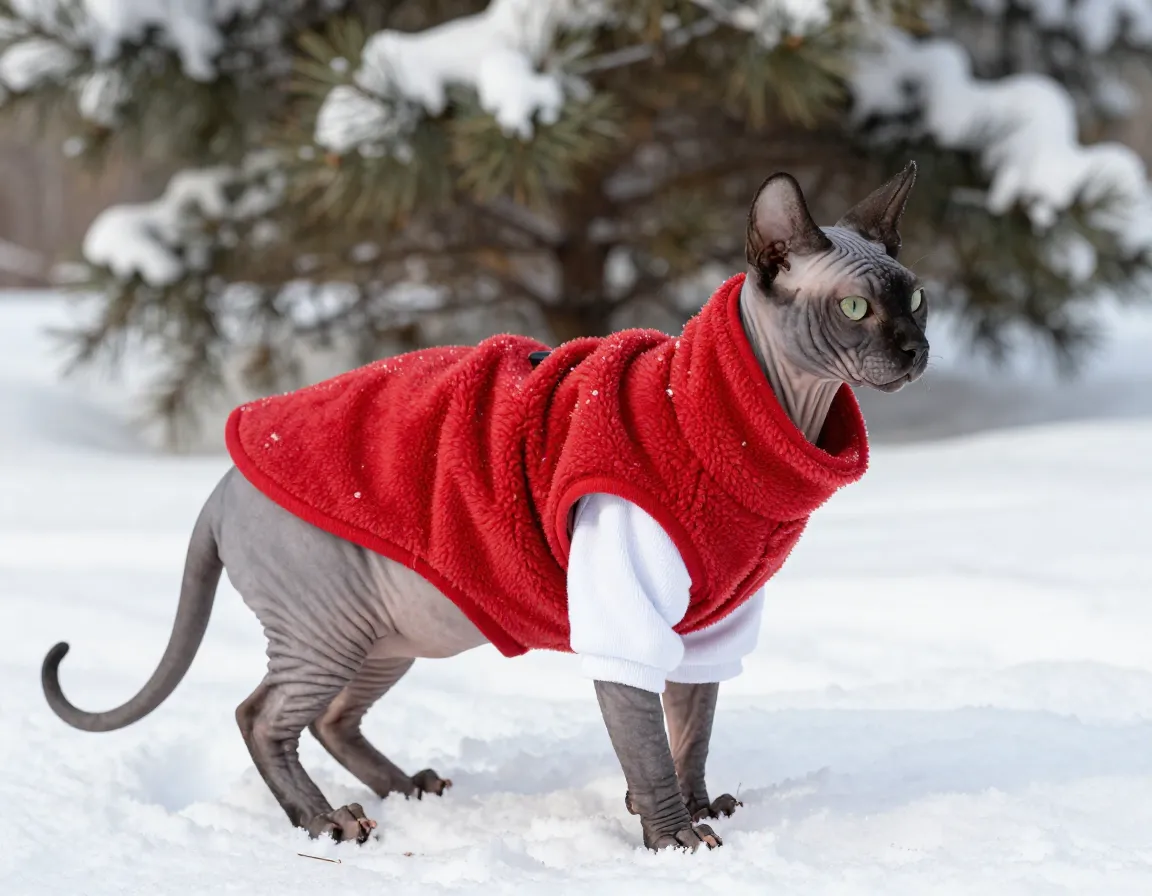
Understanding seasonal needs is crucial when applying these 7 Essential Tips for Dressing a Hairless Cat With a Sweater. Hairless cats require different clothing approaches throughout the year, and mastering this seasonal strategy ensures year-round comfort[2][4].
❄️ Winter Clothing Strategy:
Use a layering approach – start with a thin cotton base and add thicker sweaters or coats for outdoor activities[2]. This system allows you to adjust your cat’s warmth level based on specific conditions.
Base Layer Options:
- Lightweight cotton t-shirts
- Thin bamboo undershirts
- Moisture-wicking tank tops
Outer Layer Choices:
- Fleece sweaters for moderate cold
- Insulated coats for extreme temperatures
- Windproof jackets for outdoor adventures
☀️ Summer Clothing Strategy:
For warmer weather, opt for lightweight tank tops and t-shirts to prevent overheating[4]. The goal shifts from warmth to protection from sun exposure and air conditioning.
Summer Essentials:
- UV-protective lightweight fabrics
- Breathable cotton tank tops
- Minimal coverage designs
- Light colors to reflect heat
🍂 Transitional Season Tips:
Spring and fall require flexible approaches:
- Morning/Evening: Light sweaters for temperature dips
- Midday: Lightweight or no clothing as temperatures rise
- Indoor/Outdoor: Easy-to-remove layers for temperature changes
🌡️ Temperature Guidelines:
- Below 65°F (18°C): Full sweater recommended
- 65-75°F (18-24°C): Light clothing or tank top
- Above 75°F (24°C): Minimal or no clothing needed
6. Prioritize Hygiene and Maintenance
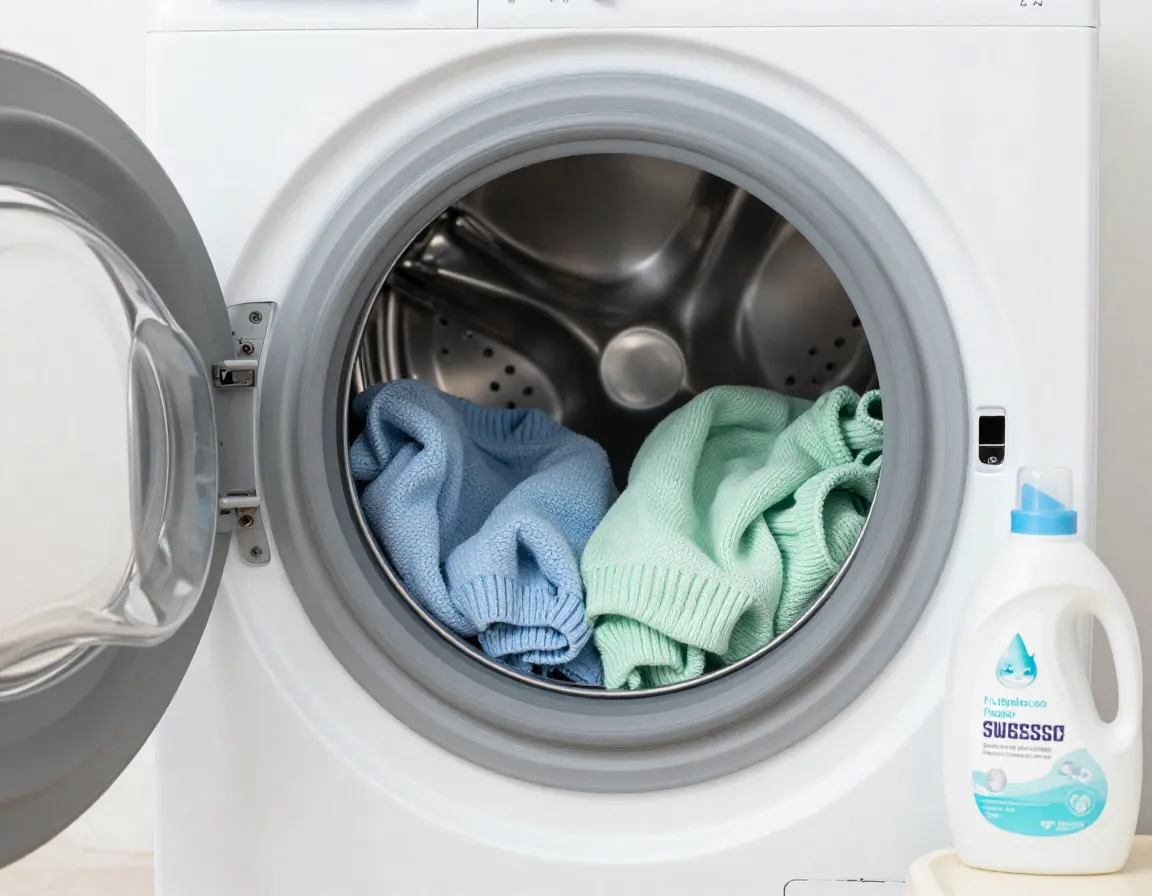
An often-overlooked aspect of these 7 Essential Tips for Dressing a Hairless Cat With a Sweater is ongoing garment care. Machine-washable fabrics are essential due to natural oil buildup on hairless cats’ skin[1][3]. Proper maintenance ensures both hygiene and garment longevity.
🧼 Washing Guidelines:
Frequency:
- Daily wear items: Wash after 1-2 uses
- Occasional wear pieces: Wash after each use
- Base layers: Wash after every use
Washing Process:
- Pre-treat stains with gentle, pet-safe stain remover
- Use hypoallergenic detergent free from fragrances and harsh chemicals
- Wash in warm water (not hot) to maintain fabric integrity
- Double rinse to remove all detergent residue
- Air dry when possible to prevent shrinkage and maintain softness
🧴 Special Considerations for Hairless Cat Clothing:
Oil Management:
- Hairless cats produce natural skin oils that can build up quickly
- Consider having multiple garments to rotate while others are being washed
- Use enzyme-based detergents to break down oil buildup effectively
Fabric Softener Caution:
- Avoid traditional fabric softeners that can irritate sensitive skin
- Use white vinegar in the rinse cycle as a natural alternative
- Consider wool dryer balls instead of dryer sheets
📦 Storage Tips:
- Store clean, dry clothing in breathable containers
- Avoid plastic bags that can trap moisture
- Keep a rotation system to ensure even wear
- Inspect garments regularly for wear, loose threads, or damage
7. Choose Designs Tailored to Feline Anatomy
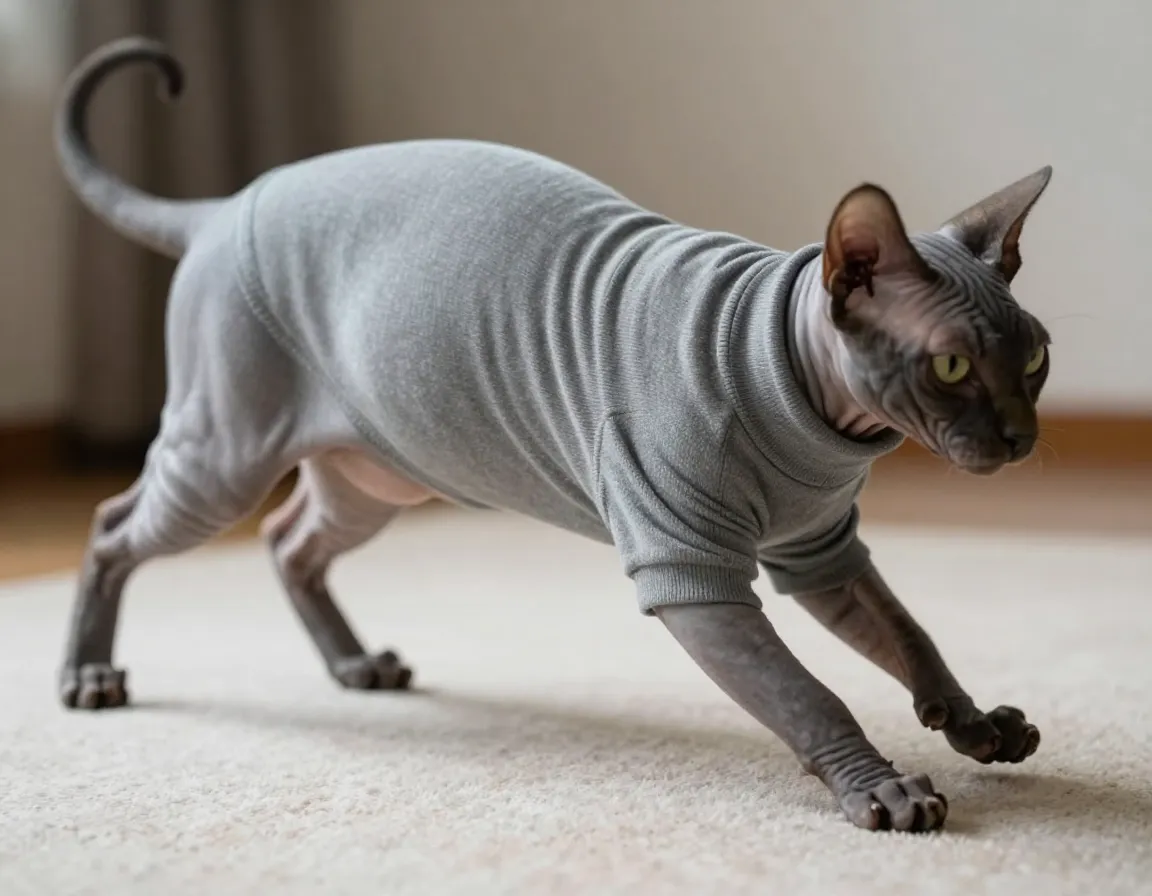
The final tip in our 7 Essential Tips for Dressing a Hairless Cat With a Sweater focuses on anatomical considerations. Look for seamless designs tailored to the Sphynx’s unique body proportions[1]. Understanding feline anatomy and movement patterns is essential for selecting clothing that enhances rather than hinders your cat’s natural behaviors.
🐱 Key Anatomical Considerations:
Shoulder Mobility:
- Cats need full range of motion for climbing and stretching
- Look for raglan sleeves or sleeveless designs
- Avoid tight armholes that restrict movement
Spine Flexibility:
- Feline spines are incredibly flexible
- Choose stretchy fabrics that move with your cat
- Avoid rigid seams along the back
Bathroom Access:
- Ensure easy access for natural functions
- Consider designs with strategic openings
- Avoid overly long garments that could become soiled
🎨 Design Features to Seek:
Seamless Construction:
- Reduces pressure points and chafing
- More comfortable for extended wear
- Often more durable than heavily seamed alternatives
Breed-Specific Cuts:
- Longer torso accommodation for Sphynx proportions
- Appropriate chest and neck sizing
- Consideration for the breed’s slim build
Functional Elements:
- Reinforced stress points for durability
- Strategic stretch panels for comfort
- Thoughtful placement of decorative elements
🔍 Quality Indicators:
| Feature | Good Quality | Poor Quality |
|---|---|---|
| Seams | Flat, reinforced, minimal | Bulky, rough, excessive |
| Fit | Breed-specific proportions | Generic, one-size-fits-all |
| Movement | Allows full range of motion | Restrictive, binding |
| Durability | Maintains shape after washing | Stretches out, pills quickly |
Troubleshooting Common Challenges
Even when following these 7 Essential Tips for Dressing a Hairless Cat With a Sweater, you may encounter some challenges. Here are solutions to common issues:
😾 My Cat Refuses to Wear Clothing
Solutions:
- Slow down the introduction process
- Try different fabric types
- Ensure proper fit – too tight or loose clothing is uncomfortable
- Use high-value treats during dressing sessions
- Consider starting with a simple bandana before progressing to sweaters
🌡️ Overheating Issues
Solutions:
- Switch to lighter fabrics
- Reduce wearing time
- Ensure adequate ventilation in your home
- Monitor for signs of overheating (panting, lethargy)
- Consider sleeveless designs
🧵 Clothing Damage
Solutions:
- Trim your cat’s nails regularly
- Choose more durable fabrics
- Inspect garments regularly for wear
- Have backup clothing items available
- Consider reinforcing high-stress areas
Advanced Tips for Success
🎯 Creating Positive Associations
- Always dress your cat when they’re calm and relaxed
- Follow clothing sessions with favorite activities
- Never force clothing on a stressed or anxious cat
- Use the same gentle voice and movements each time
📱 Monitoring and Adjustment
- Take photos to track fit over time
- Keep a log of which garments work best
- Note seasonal preferences and adjustments
- Regular check-ins with your veterinarian about skin health
🛍️ Building a Wardrobe
Start with basics and gradually expand:
- Essential base layer (lightweight cotton)
- Medium-weight sweater (fleece or cotton blend)
- Warm winter coat (for cold climates)
- Summer protection (lightweight UV-protective garment)
- Special occasion outfit (for photos or events)
Conclusion
Mastering these 7 Essential Tips for Dressing a Hairless Cat With a Sweater will transform your approach to caring for your hairless feline companion. From choosing breathable, skin-friendly materials to implementing gradual introduction strategies, each tip builds upon the others to create a comprehensive approach to feline fashion and comfort.
Remember that patience is key – every cat adjusts to clothing at their own pace. Focus on your cat’s comfort and well-being above all else, and don’t hesitate to adjust your approach based on their individual needs and preferences.
Your Next Steps:
- Assess your current clothing collection – evaluate materials and fit using the guidelines provided
- Measure your cat properly – use the measurement techniques outlined in tip #2
- Start slowly – if your cat is new to clothing, begin with the gradual introduction strategy
- Invest in quality pieces – choose well-made garments with appropriate fastening systems
- Monitor and adjust – keep track of what works best for your cat’s comfort and your lifestyle
By following these evidence-based recommendations, you’ll ensure your hairless cat stays comfortable, protected, and stylish throughout 2026 and beyond. Your feline friend will thank you for the warmth, protection, and care you provide through thoughtful clothing choices.
References
[1] Hairless Cat Clothes Top Picks For Sphynx Breeds – https://pikapikatc.com/blogs/blogs/hairless-cat-clothes-top-picks-for-sphynx-breeds
[2] Dressing Your Sphynx Tips And Trends – https://runjumpscrap.com/2024/07/dressing-your-sphynx-tips-and-trends/
[3] Test For Troubleshooting Only – https://www.mewcats.com/blogs/blog/test-for-troubleshooting-only
[4] Sphynx Cat Clothing Needs – https://www.pinkpalacesphynx.com/post/sphynx-cat-clothing-needs