7 Australian Cattle Dog Puppy Training Tips for a Brilliant Herder
Picture this: you’ve just brought home an adorable Australian Cattle Dog puppy with those signature alert ears and intelligent eyes that seem to take in everything around them. Within days, you notice this little bundle of energy is already trying to “herd” your children, nipping at ankles, and displaying an intensity that’s both impressive and overwhelming. Sound familiar? You’re not alone, and you’ve come to the right place to learn the 7 Australian Cattle Dog puppy training tips for a brilliant herder that will transform your energetic pup into a well-mannered, mentally satisfied companion.
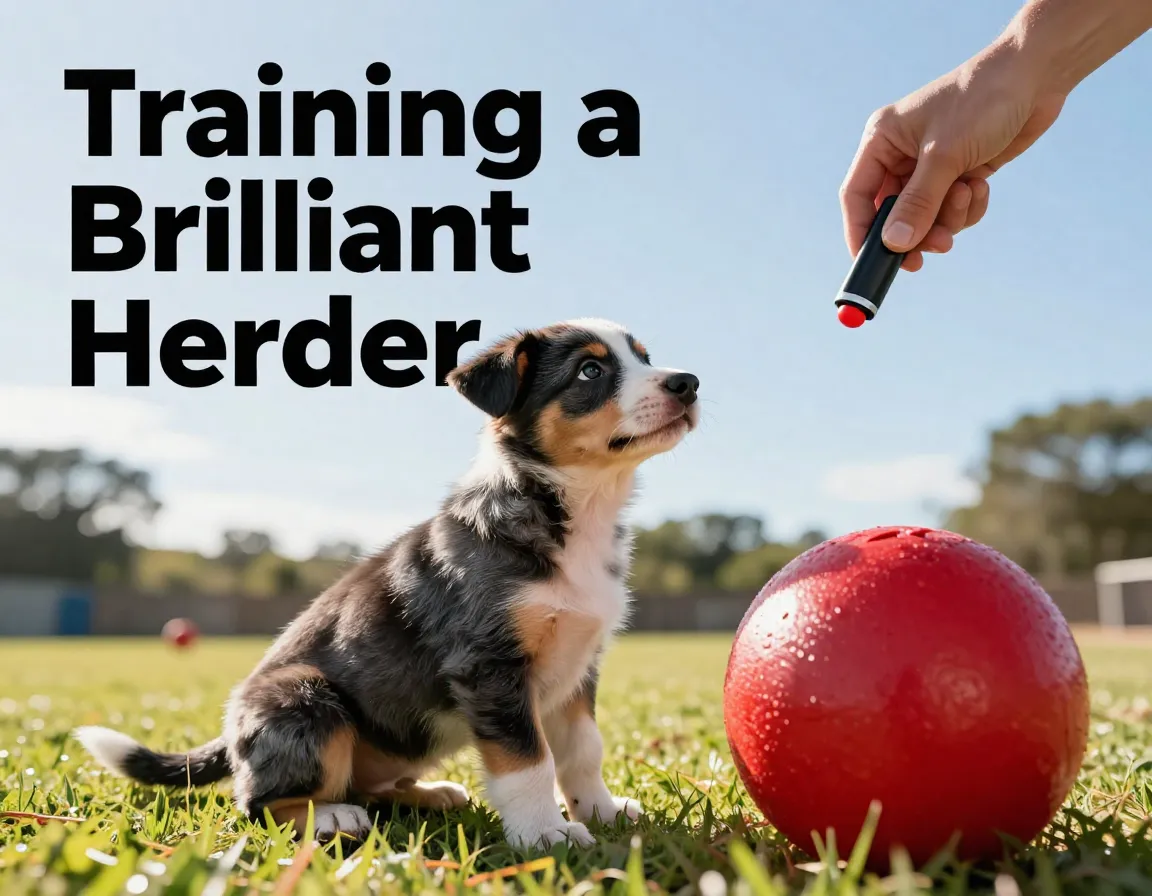
Australian Cattle Dogs, also known as Blue Heelers or Red Heelers, are among the most intelligent and driven working breeds in the world. These remarkable dogs were bred to handle cattle in the harsh Australian outback, which means they come equipped with incredible stamina, sharp problem-solving skills, and an intense desire to work. While these traits make them exceptional working dogs, they can present unique challenges for pet owners who aren’t prepared for their specific needs.
Key Takeaways
- Start with recall and “leave it” commands as your absolute training priorities – these two commands can prevent dangerous behaviors and save your dog’s life
- Keep training sessions short but frequent (5-10 minutes multiple times daily) rather than one long session for maximum effectiveness
- Channel, don’t suppress, their herding instincts through controlled outlets and impulse-control exercises
- Early socialization is critical to prevent fear, aggression, and problematic herding behaviors later in life
- Work-based rewards often outperform food treats for this highly motivated, problem-solving breed
Understanding Your Australian Cattle Dog Puppy’s Unique Needs
Before diving into the specific training tips, it’s essential to understand what makes Australian Cattle Dogs special. These dogs were developed in the 1800s by crossing Dingoes with various herding breeds, creating a dog with unmatched endurance and an almost supernatural ability to read and control livestock [8]. This breeding history means your puppy has inherited some powerful instincts that will influence every aspect of their behavior.
Key Breed Characteristics:
- Extreme intelligence and problem-solving ability
- High energy levels requiring 2-3 hours of activity daily
- Strong herding instincts including nipping, circling, and controlling movement
- Intense loyalty and protective nature
- Need for mental stimulation to prevent destructive behaviors
Understanding these traits helps explain why traditional training methods often fall short with Australian Cattle Dogs. These dogs need specialized approaches that work with their natural instincts rather than against them.
The Foundation: Essential Training Principles for Success
Positive Reinforcement is Non-Negotiable
Modern dog training science has definitively shown that positive reinforcement methods are not only more humane but also more effective than dominance-based techniques [4]. This is especially true for Australian Cattle Dogs, who are sensitive to their handler’s emotions and respond best to clear, consistent communication.
Why Positive Methods Work Best:
- Builds trust and strengthens your bond
- Encourages problem-solving rather than fear-based compliance
- Reduces stress and anxiety
- Creates a dog who wants to work with you, not just avoid punishment
Work-Based Rewards Trump Food Treats
Here’s something many new Australian Cattle Dog owners don’t realize: these dogs are often more motivated by work and play than by food treats [3]. While treats certainly have their place in training, don’t be surprised if your puppy shows more enthusiasm for a game of tug, a training challenge, or the opportunity to “work” for their dinner.
1. Master Recall and “Leave It” Commands First
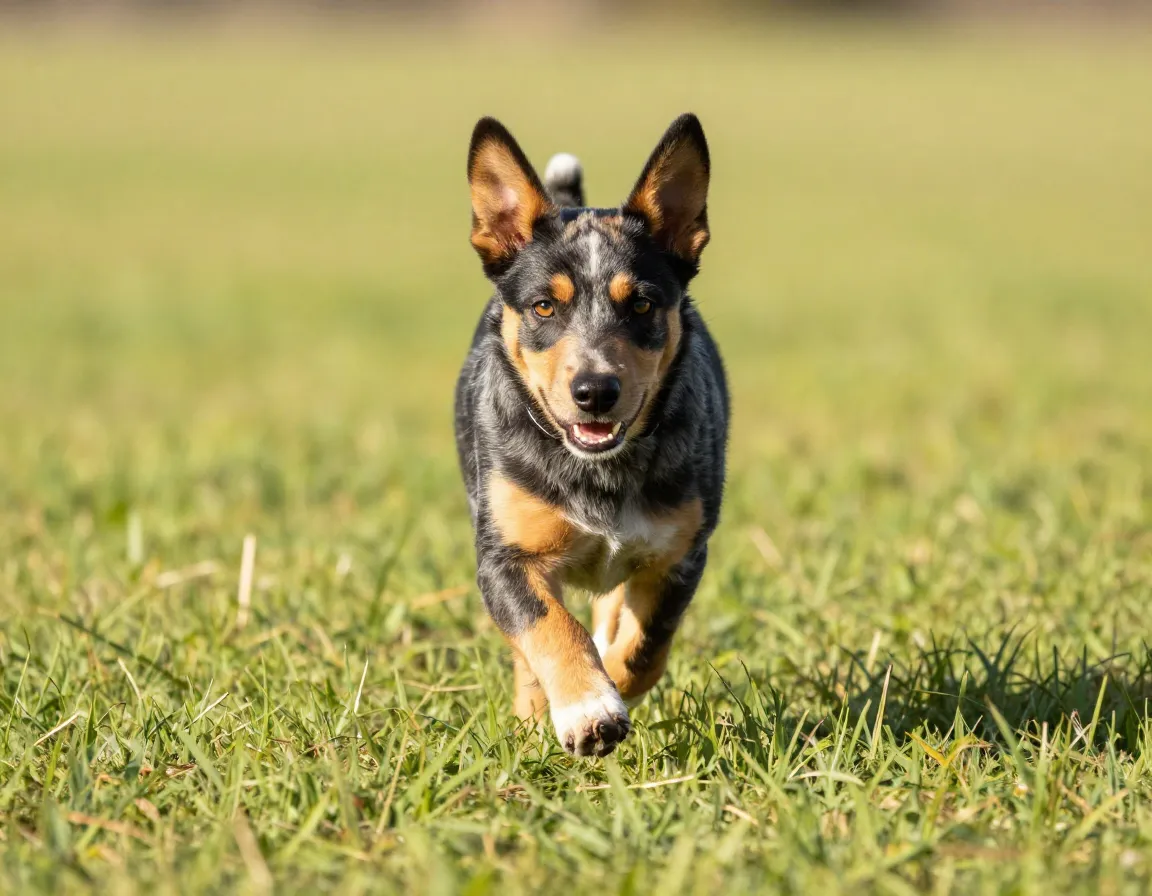
If you’re going to focus on just two commands with your Australian Cattle Dog puppy, make it recall (coming when called) and “leave it” [1][2]. These aren’t just convenient commands – they’re potentially life-saving skills that can prevent dangerous situations like dog fights, traffic accidents, or poisoning incidents.
Why These Commands Are Critical
Australian Cattle Dogs have strong prey drives and intense focus when they’re “working.” A squirrel, another dog, or even a interesting smell can trigger their herding instincts so strongly that they tune out everything else. A solid recall command ensures you can always get your dog’s attention back, while “leave it” prevents them from grabbing dangerous items or engaging in unwanted behaviors.
Training Recall Effectively
Start Indoors: Begin recall training in a small, enclosed space with minimal distractions. Use an excited, happy voice and reward generously when your puppy comes to you.
Use High-Value Rewards: For Australian Cattle Dogs, this might be a favorite toy, a brief training session, or enthusiastic praise rather than just treats.
Never Call for Punishment: Your recall command should always result in something positive. If you need to end playtime or give medication, go get your dog rather than calling them to you.
Practice Daily: Make recall practice part of your daily routine, calling your puppy for meals, walks, and play sessions.
Mastering “Leave It”
The “leave it” command teaches impulse control – a crucial skill for a breed known for their intensity. Start by holding a treat in your closed fist. When your puppy stops pawing or mouthing your hand, mark the behavior with “yes” or a clicker and reward from your other hand. Gradually increase the difficulty by placing items on the floor, then practicing outdoors with more tempting distractions.
2. Implement Short, Frequent Training Sessions
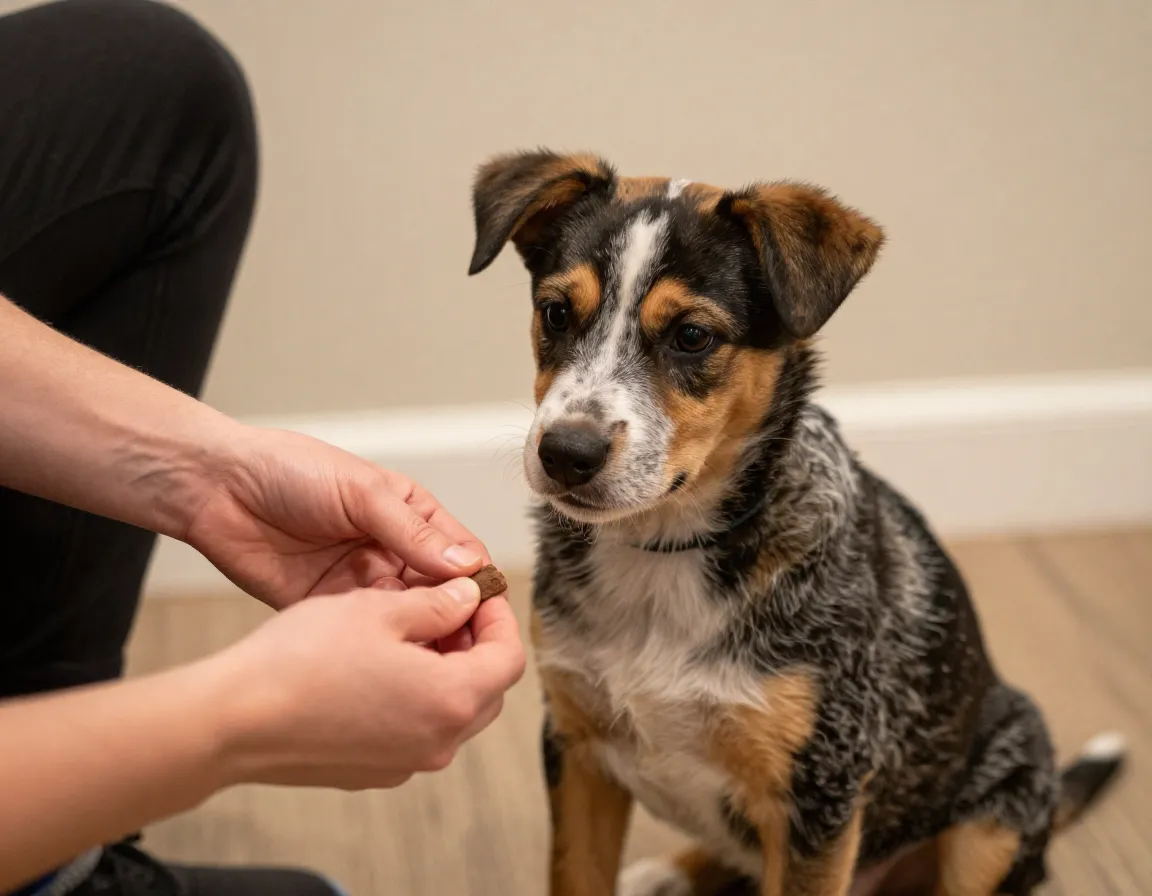
One of the biggest mistakes new Australian Cattle Dog owners make is trying to tire out their puppy with one long training session. Research shows that multiple short sessions (5-10 minutes) throughout the day are far more effective than single lengthy sessions [2][7].
The Science Behind Short Sessions
Puppies have limited attention spans, and Australian Cattle Dogs, despite their intelligence, can become overstimulated or frustrated during long training periods. Short sessions keep training fun and engaging while preventing mental fatigue.
Structuring Your Training Day
Morning Session (5-10 minutes): Focus on basic commands like sit, stay, and down
Midday Session (5-10 minutes): Work on impulse control exercises
Evening Session (5-10 minutes): Practice recall and “leave it” commands
Bedtime Session (5 minutes): Calm activities like “settle” or gentle handling exercises
Signs Your Session Should End
- Loss of focus or attention
- Increased frustration or excitement
- Repetitive mistakes on previously mastered skills
- Excessive panting or restlessness
Remember: End on a positive note! Always finish with a command your puppy knows well so they succeed and feel confident.
3. Prioritize Early Socialization to Prevent Future Problems
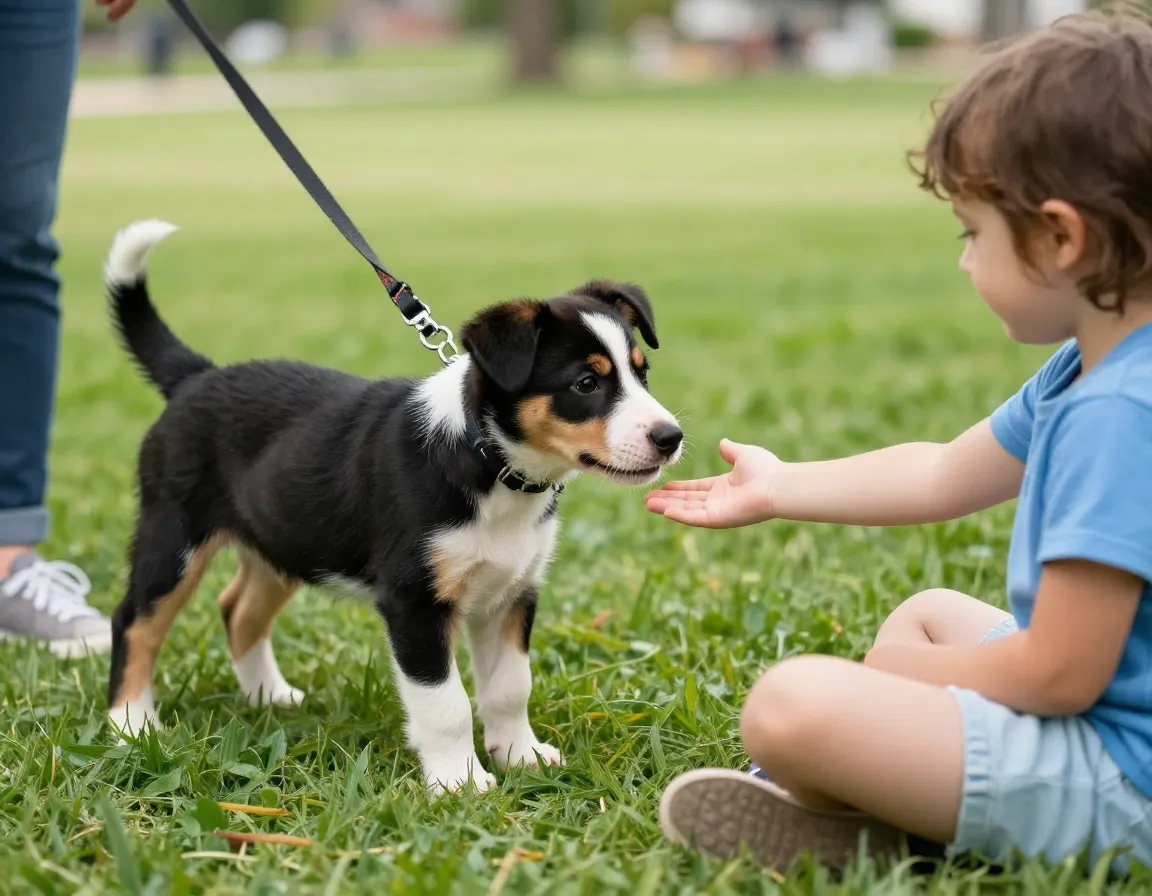
Early socialization is absolutely critical for Australian Cattle Dog puppies to prevent fear, aggression, and excessive herding behaviors later in life [2][3]. The socialization window closes around 16 weeks of age, making this one of your most time-sensitive training priorities.
What Proper Socialization Includes
Socialization isn’t just about meeting other dogs – it’s about exposing your puppy to a wide variety of experiences in a positive, controlled way.
Essential Socialization Experiences:
- Different types of people (children, elderly, people with hats, uniforms, etc.)
- Various animals (cats, livestock, small pets)
- Different environments (urban, rural, indoor, outdoor)
- Sounds (traffic, sirens, construction, thunderstorms)
- Surfaces (grass, concrete, gravel, stairs, bridges)
- Handling (grooming, vet exams, nail trims)
Socialization Safety Tips
Puppy Classes: Enroll in a well-run puppy kindergarten class that requires vaccination records and focuses on positive interactions.
Controlled Meetings: Arrange meetings with known, friendly adult dogs rather than random encounters at dog parks.
Positive Associations: Pair new experiences with good things like treats, play, or attention.
Watch Body Language: Learn to read your puppy’s stress signals and remove them from overwhelming situations before they become fearful.
The Herding Breed Challenge
Australian Cattle Dogs can develop problematic herding behaviors toward children, other pets, or even adults if not properly socialized. Early exposure to different family dynamics and clear boundaries about appropriate behavior prevents these issues from developing.
4. Channel Herding Instincts Through Controlled Outlets
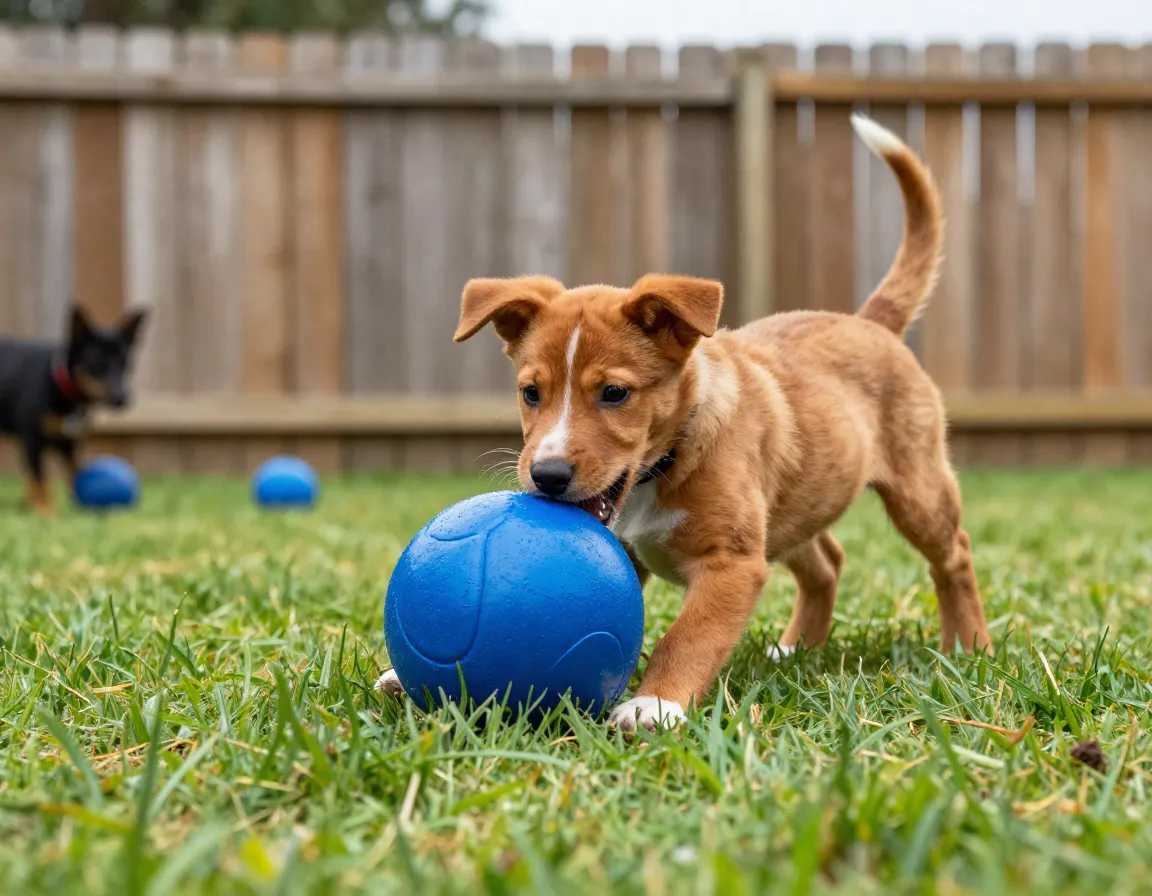
Here’s a crucial point that many trainers miss: you should never try to completely suppress your Australian Cattle Dog’s herding instincts [3]. These behaviors are hardwired into their DNA, and attempting to eliminate them entirely will only create frustration and behavioral problems. Instead, the goal is to channel these instincts into appropriate outlets.
Understanding Herding Behaviors
Natural Herding Behaviors Include:
- Nipping at heels or ankles
- Circling and “gathering” family members
- Intense staring and stalking
- Blocking or controlling movement
- High arousal around running children or animals
Appropriate Outlets for Herding Drive
Herding Balls: Large, sturdy balls designed for herding breeds allow your dog to practice their skills safely. These balls are too big to pick up but can be pushed and “herded” around the yard.
Impulse Control Games: Exercises like “look,” “leave it,” and “sit-stay” teach your dog to control their impulses even when their herding instincts are triggered [3].
Structured Activities: Consider activities like agility, rally obedience, or even actual herding lessons where your dog can use their natural abilities appropriately.
Mental Enrichment: Puzzle toys, food-dispensing toys, and training challenges satisfy their need for mental stimulation.
Redirecting Inappropriate Herding
When your puppy starts herding family members inappropriately:
- Interrupt the behavior with a redirect command like “leave it”
- Immediately provide an appropriate outlet like a herding ball or training exercise
- Reward heavily when they engage with the appropriate activity
- Be consistent – every family member needs to respond the same way
5. Use Positive Reinforcement and Clicker Training
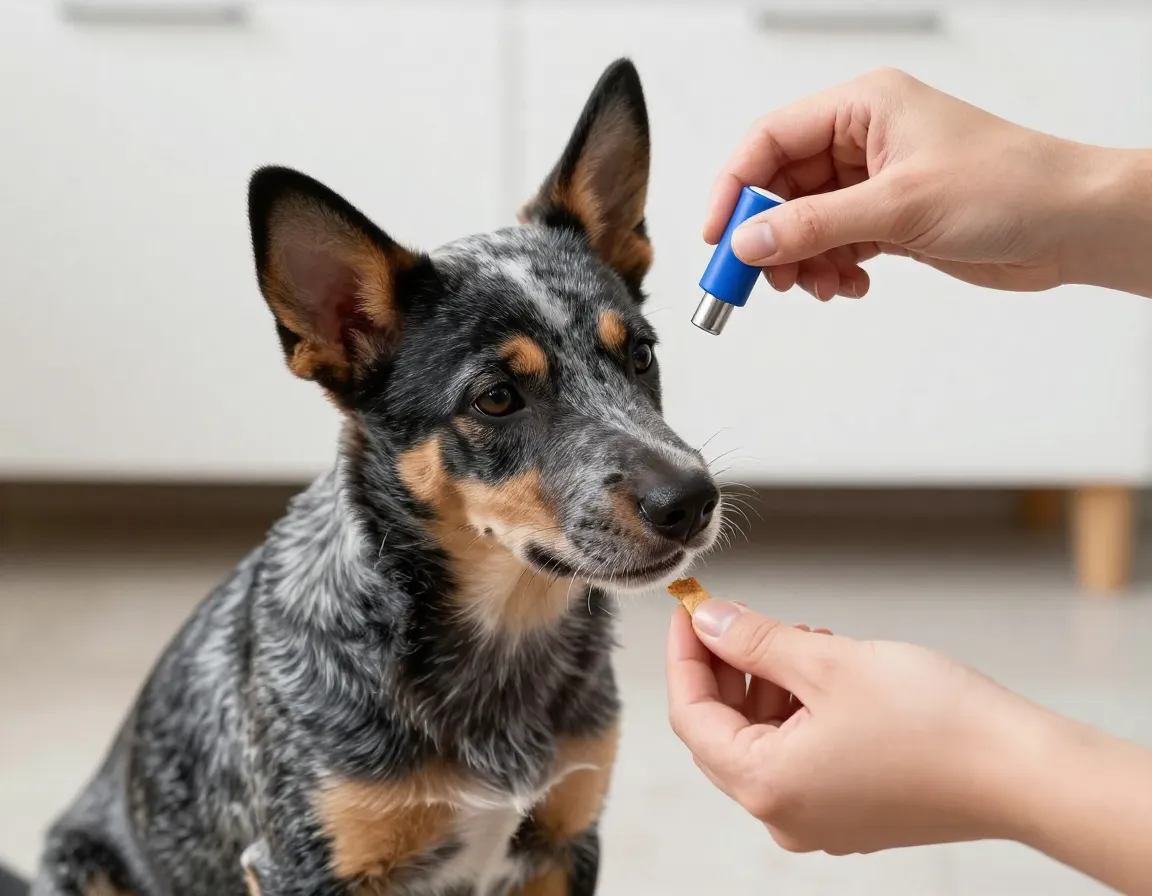
Positive reinforcement and clicker training are essential for Australian Cattle Dog success [4][8]. These methods work particularly well with this breed because they satisfy the dog’s need for clear communication and mental engagement.
Why Clicker Training Works So Well
Australian Cattle Dogs are incredibly intelligent and thrive on precise communication. The clicker provides an exact marker for the moment your dog performs the correct behavior, making learning faster and more accurate.
Benefits of Clicker Training:
- Precise timing marks exact moments of success
- Consistent signal that never varies in tone or emotion
- Builds confidence through clear communication
- Encourages creativity and problem-solving
Getting Started with Clicker Training
Step 1: Charge the Clicker
Spend a few sessions simply clicking and immediately giving a treat. This teaches your dog that the click sound predicts something good.
Step 2: Start with Simple Behaviors
Begin with behaviors your dog already knows, like sitting. Click the moment their bottom touches the ground, then treat.
Step 3: Add New Behaviors Gradually
Once your dog understands the clicker concept, you can use it to shape new behaviors or improve existing ones.
Common Clicker Training Mistakes
- Clicking too late – timing is crucial
- Forgetting to treat after clicking
- Using the clicker as a recall device – it’s a marker, not a command
- Clicking for attention – only click for specific behaviors you want to reinforce
6. Focus on Work-Based Rewards Over Food Treats
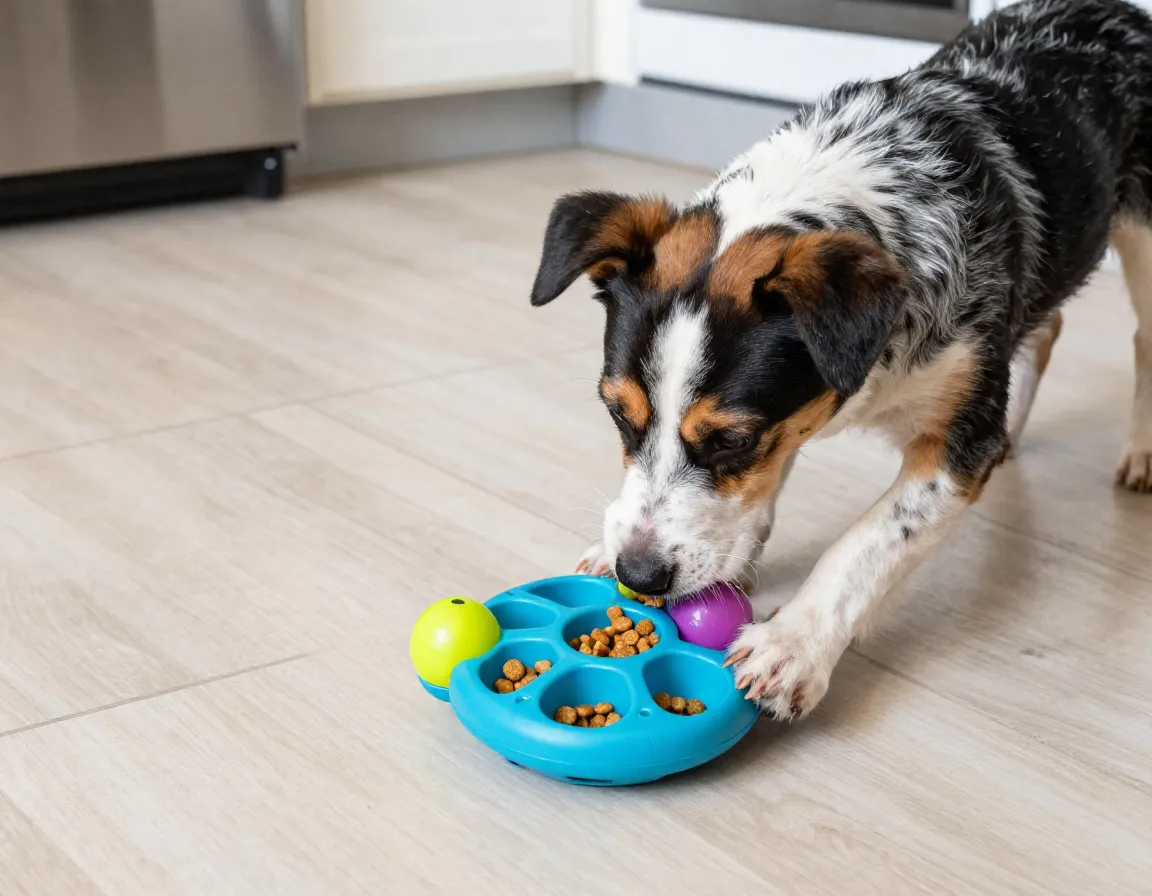
This tip might surprise you, but work-based rewards often outperform food treats for Australian Cattle Dogs [3]. These dogs were bred to find satisfaction in problem-solving and working, which means they’re often more motivated by mental challenges than by food.
Understanding Work-Based Motivation
Australian Cattle Dogs have what trainers call “high toy drive” and “high work drive.” They genuinely enjoy:
- Problem-solving challenges
- Tug games with their handler
- Training sessions themselves
- Freedom to explore or move
- Praise and attention from their person
Implementing Work-Based Rewards
Training as a Reward: Use brief training sessions as rewards for good behavior. For example, if your dog settles nicely while you’re working, reward them with a few minutes of trick training.
Tug Games: A quick game of tug can be more motivating than treats for many Australian Cattle Dogs. Keep a tug toy handy during training sessions.
Life Rewards: Use everyday activities as rewards. Going outside, getting their leash put on, or being released to explore can all serve as powerful motivators.
Puzzle Feeding: Instead of feeding from a bowl, use puzzle toys or training exercises to make your dog “work” for their meals.
Balancing Food and Work Rewards
While work-based rewards are powerful, food still has its place in training:
- Use food for new behaviors when you need quick, frequent reinforcement
- Combine food with work – give a treat, then immediately engage in a brief training game
- Save high-value treats for challenging situations or important breakthroughs
7. Invest in Professional Training Support
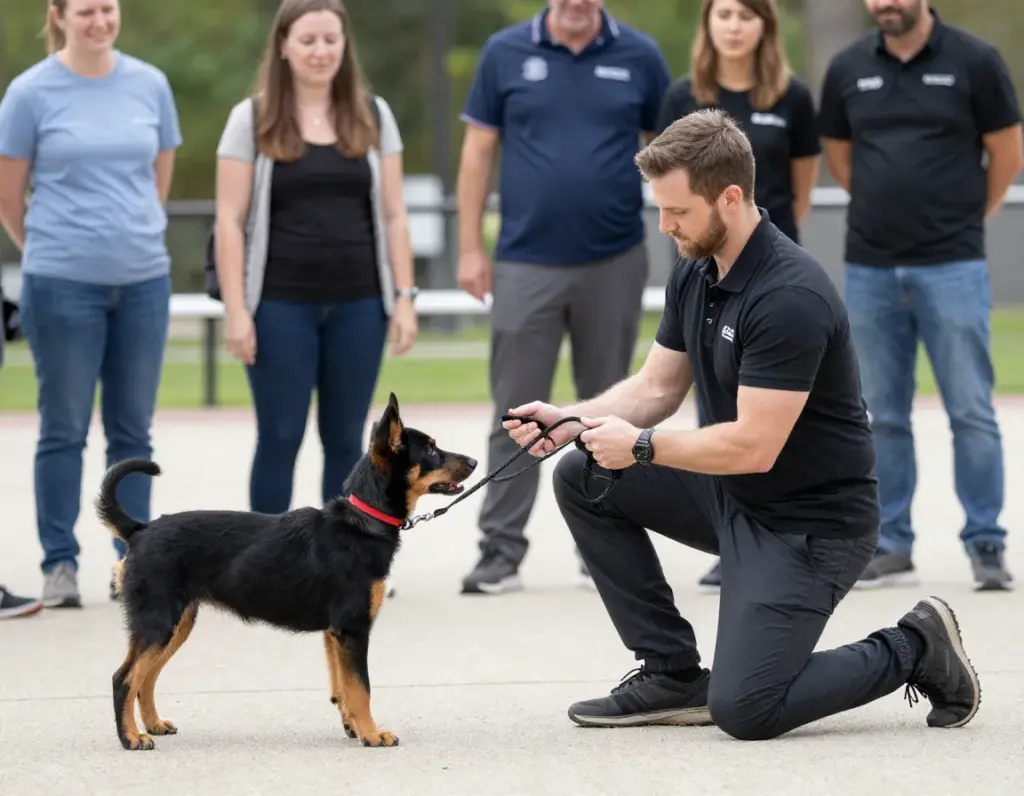
Professional trainers are strongly recommended for Australian Cattle Dog owners [2][4]. This isn’t because the breed is impossible to train – quite the opposite! It’s because their intelligence and intensity require specialized approaches that many pet owners haven’t encountered before.
Why Professional Help Matters
Australian Cattle Dogs can develop behavioral issues quickly if their needs aren’t met properly. A professional trainer can:
- Identify potential problems before they become serious issues
- Provide breed-specific advice tailored to your dog’s individual personality
- Teach you advanced techniques for managing herding behaviors
- Offer ongoing support as your dog matures and their needs change
What to Look for in a Trainer
Positive Methods Only: Ensure any trainer you work with uses modern, science-based positive reinforcement methods [4].
Breed Experience: Look for trainers who have specific experience with herding breeds and understand their unique needs.
Ongoing Education: Choose trainers who continue their education and stay current with the latest training techniques.
Good Communication: Your trainer should be able to explain concepts clearly and teach you to work effectively with your dog.
Types of Professional Support
Puppy Kindergarten: Group classes that focus on socialization and basic manners
Private Training: One-on-one sessions for specific behavioral issues
Specialty Classes: Agility, herding, or other activities that channel your dog’s natural abilities
Behavioral Consultation: For serious issues like aggression or extreme anxiety
Making the Most of Professional Training
Be Honest: Share all of your concerns and challenges with your trainer
Practice Daily: Implement the techniques you learn between sessions
Ask Questions: Don’t hesitate to ask for clarification or additional help
Stay Consistent: Make sure all family members follow the same training protocols
Creating a Long-Term Training Plan
Training your Australian Cattle Dog puppy isn’t a short-term project – it’s an ongoing relationship that will evolve as your dog matures. These 7 Australian Cattle Dog puppy training tips for a brilliant herder provide the foundation, but successful training requires consistency and adaptation over time.
Months 1-3: Foundation Building
Focus on socialization, basic commands, and establishing routines. This is when you’ll implement most of the tips covered in this article.
Months 4-6: Skill Refinement
Build on your foundation with more complex commands, longer training sessions, and increased challenges.
Months 7-12: Advanced Training
Introduce specialized activities like agility, herding, or other dog sports that utilize your dog’s natural abilities.
Ongoing: Maintenance and Growth
Continue providing mental and physical challenges throughout your dog’s life to maintain their training and prevent behavioral regression.
Common Training Challenges and Solutions
Even with the best training approach, you’ll likely encounter some challenges specific to Australian Cattle Dogs. Here are the most common issues and how to address them:
Excessive Energy
Problem: Your puppy seems to have unlimited energy and becomes destructive when bored.
Solution: Increase mental stimulation through training games, puzzle toys, and structured activities. Remember that mental exercise can be more tiring than physical exercise for this intelligent breed.
Nipping and Herding Family Members
Problem: Your puppy tries to “herd” children or other pets by nipping at heels.
Solution: Redirect immediately to appropriate outlets, teach strong impulse control, and ensure all family members respond consistently to unwanted herding attempts.
Overprotectiveness
Problem: Your puppy shows guarding behaviors toward family members or property.
Solution: Continue socialization efforts, teach a strong “leave it” command, and work with a professional trainer to address any concerning protective behaviors early.
The Importance of Patience and Consistency
Training an Australian Cattle Dog puppy requires patience, consistency, and understanding of their unique needs. These dogs are incredibly intelligent, but they’re also intense and driven. What might take other breeds weeks to learn, your Australian Cattle Dog might master in days – but they might also develop unwanted behaviors just as quickly if not properly guided.
Remember that every dog is an individual. While these 7 Australian Cattle Dog puppy training tips for a brilliant herder provide a solid foundation, you’ll need to adapt them to your specific puppy’s personality, energy level, and learning style.
Conclusion
Training an Australian Cattle Dog puppy successfully requires understanding their unique heritage as working dogs bred for intelligence, stamina, and independent problem-solving. The 7 Australian Cattle Dog puppy training tips for a brilliant herder outlined in this article provide a comprehensive foundation for raising a well-behaved, mentally satisfied companion.
The key to success lies in working with your dog’s natural instincts rather than against them. By prioritizing recall and “leave it” commands, implementing short frequent training sessions, focusing on early socialization, channeling herding instincts appropriately, using positive reinforcement methods, incorporating work-based rewards, and seeking professional support, you’ll set both yourself and your puppy up for a lifetime of success.
Your Next Steps:
- Start immediately with recall and “leave it” training – these skills could save your dog’s life
- Enroll in a puppy kindergarten class to begin proper socialization
- Establish a routine of multiple short training sessions throughout the day
- Research local trainers who have experience with herding breeds
- Invest in appropriate outlets for your puppy’s herding drive, such as herding balls or puzzle toys
Remember, raising an Australian Cattle Dog puppy is both challenging and incredibly rewarding. These dogs form intense bonds with their families and, when properly trained, become loyal, intelligent, and capable companions. The effort you put in during the puppy months will pay dividends for years to come, resulting in a dog who is not just well-behaved, but truly brilliant at being your perfect herding partner.
Your Australian Cattle Dog puppy has the potential to be an amazing companion – with the right training approach, patience, and consistency, you’ll help them reach that potential while strengthening the bond between you for life. 🐕✨
References
[1] Watch – https://www.youtube.com/watch?v=HeZ87d5_gQ8
[2] Blue Heeler Training Tips – https://blackpawdogtraining.com/blue-heeler-training-tips/
[3] How To Train A Blue Heeler – https://www.woofz.com/blog/how-to-train-a-blue-heeler/
[4] Living With An Acd – https://www.acdra.org/living-with-an-acd
[5] Australian Cattle Dog Training – https://petageinhumanyearscalculator.com/blog/australian-cattle-dog-training/
[6] Blue Heeler In Arcadia 2026 Local Owners Playbook Costs Options Expectations – https://robsdogs.com/blue-heeler-in-arcadia-2026-local-owners-playbook-costs-options-expectations/
[7] A Complete Guide To Raising Your Blue Heeler Pup – https://a-z-animals.com/slideshows/a-complete-guide-to-raising-your-blue-heeler-pup/
[8] Breed Spotlight Australian Cattle Dog – https://www.animalbehaviorcollege.com/blog/pet-training/breed-spotlight-australian-cattle-dog/
[9] Cattledogacademy – https://www.diydogtrainer.com/cattledogacademy