6 Vital Steps to Socialize Your Dog Puppies: Husky Guide
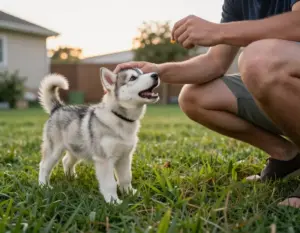
Picture this: a confident Siberian Husky puppy bounding through a dog park, tail wagging as they greet every person and pup with enthusiasm rather than fear or aggression. This dream scenario becomes reality when owners follow the 6 Vital Steps to Socialize Your Dog Puppies: Husky Guide during the critical early months of their puppy’s life. 🐾
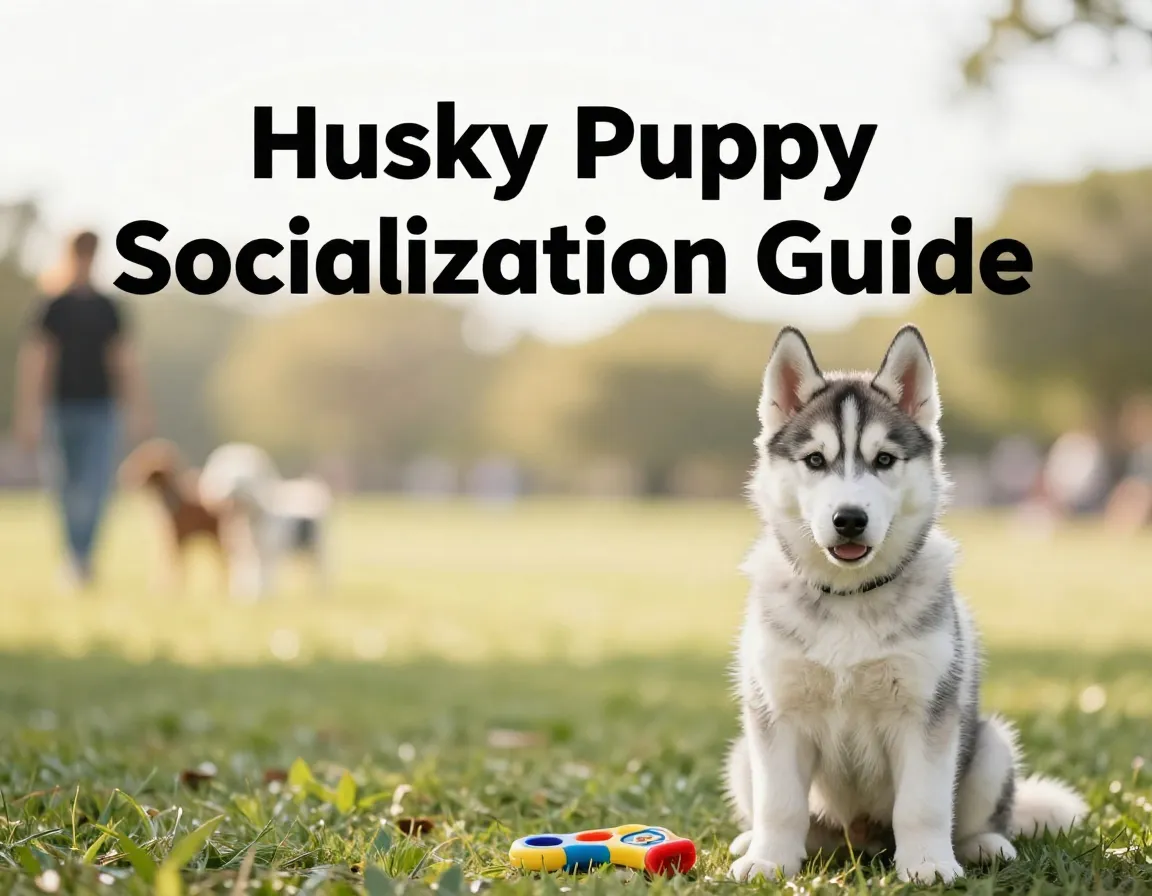
Proper socialization transforms shy, anxious puppies into well-adjusted adult dogs who navigate the world with confidence. For Husky owners in 2026, understanding these essential steps can mean the difference between a lifetime of behavioral challenges and years of joyful companionship with a socially balanced canine partner.
Key Takeaways
- Critical timing matters: The socialization window between 3-14 weeks is crucial for shaping your Husky puppy’s future behavior and confidence levels
- Daily exposure is essential: Consistent positive experiences with people, animals, and environments create lasting behavioral foundations
- Body language awareness: Recognizing stress signals prevents negative associations that can impact your puppy’s development
- Gradual progression works best: Never force interactions; allow your Husky puppy to explore new experiences at their own pace
- Structured classes provide value: Professional puppy socialization programs offer controlled environments for safe learning
Understanding the Critical Socialization Period for Husky Puppies
The foundation of successful puppy development lies in understanding when and how socialization occurs. The critical socialization window spans from 3 to 14 weeks of age, with most puppies arriving in their new homes around 8 weeks old [1]. This narrow timeframe represents a unique developmental phase when puppies are naturally curious and adaptable to new experiences.
During this period, Husky puppies possess an remarkable ability to form positive associations with unfamiliar sights, sounds, people, and situations. Their brains are essentially “wired” to absorb and process new information without the fear responses that typically develop later in life.
Why Huskies Require Special Attention
Siberian Huskies present unique socialization challenges that distinguish them from other breeds. Some Huskies display natural sensitivity and shyness as puppies, particularly during fear periods when they may become more cautious about new experiences [3]. Their strong pack instincts and independent nature mean they require consistent, positive social experiences to develop appropriate interaction skills.
The breed’s high energy levels and intelligence also demand varied socialization experiences. A under-socialized Husky may develop destructive behaviors, excessive vocalization, or difficulty adapting to new environments throughout their adult life.
The Science Behind Early Socialization
Research consistently demonstrates that daily social experiences during the critical period correlate with better behavioral outcomes throughout a dog’s lifetime [1]. Puppies who receive extensive positive exposure to various stimuli during weeks 3-14 show:
- Reduced anxiety in new situations
- Better impulse control
- Improved adaptability to environmental changes
- Enhanced communication skills with humans and other dogs
- Lower likelihood of developing fear-based aggression
1. Master the Timing: Utilizing the Critical 3-14 Week Window
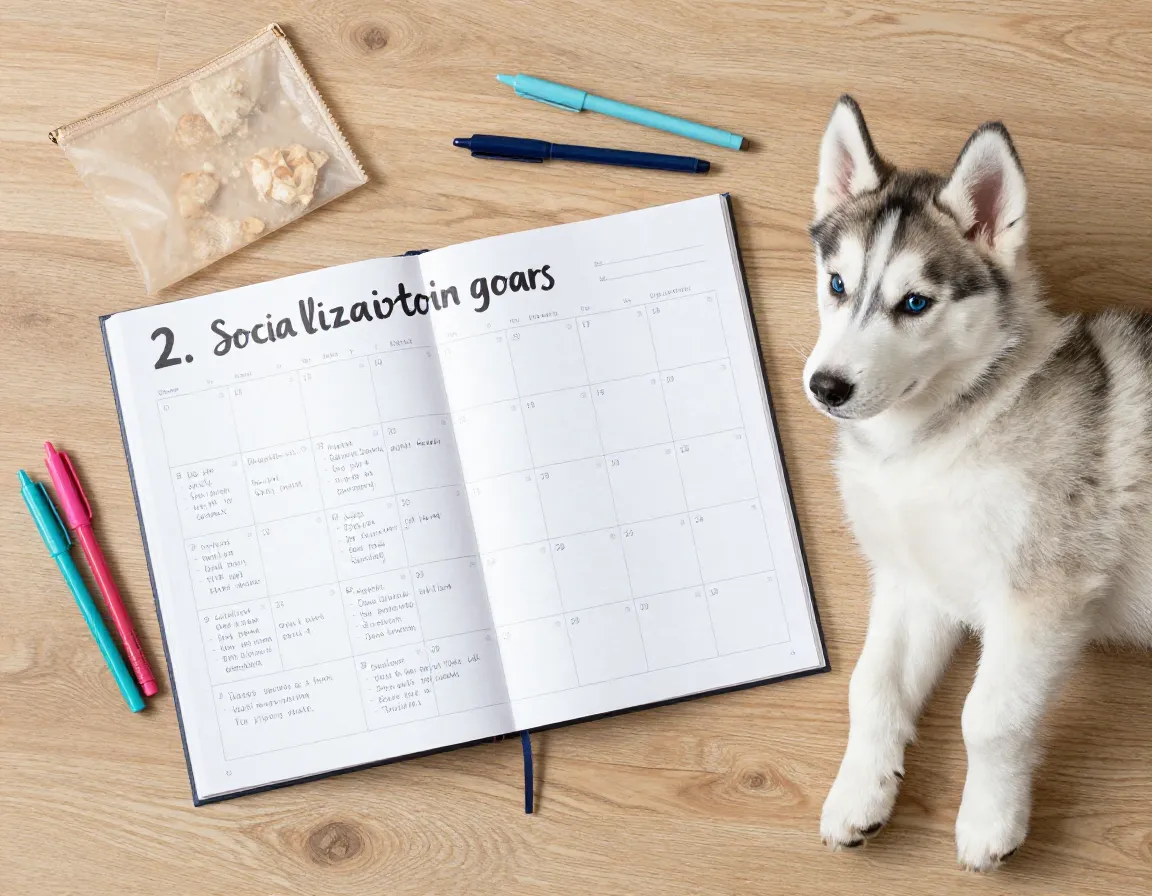
The first vital step in the 6 Vital Steps to Socialize Your Dog Puppies: Husky Guide focuses on maximizing the critical socialization period. This window represents the most important weeks in your puppy’s entire life for behavioral development.
Understanding Developmental Phases
Week 3-5: Initial Awareness
During this phase, puppies begin developing their senses and awareness of their environment. While most puppies remain with their mother and littermates, responsible breeders introduce gentle handling and varied stimuli.
Week 6-8: Rapid Learning
Puppies become increasingly mobile and curious. Their ability to form lasting memories about experiences accelerates dramatically during this period.
Week 9-14: Peak Socialization
This represents the golden window for socialization. Puppies are naturally confident and resilient, making it the ideal time for introducing new experiences.
Daily Socialization Schedule
Creating a structured approach ensures comprehensive exposure during this critical period:
| Week | Daily Goals | Key Activities |
|---|---|---|
| 8-9 | 2-3 new experiences | Household sounds, gentle handling |
| 10-11 | 3-4 new experiences | Meeting new people, car rides |
| 12-13 | 4-5 new experiences | Public spaces, other animals |
| 14+ | Ongoing reinforcement | Complex environments, group classes |
Maximizing Limited Time
Since the socialization window closes rapidly, efficiency becomes crucial. Consistent daily social experiences are recommended to ensure comprehensive development [1]. This means dedicating time each day to purposeful socialization activities rather than hoping random encounters will suffice.
2. Create Positive Human Interactions Across Demographics
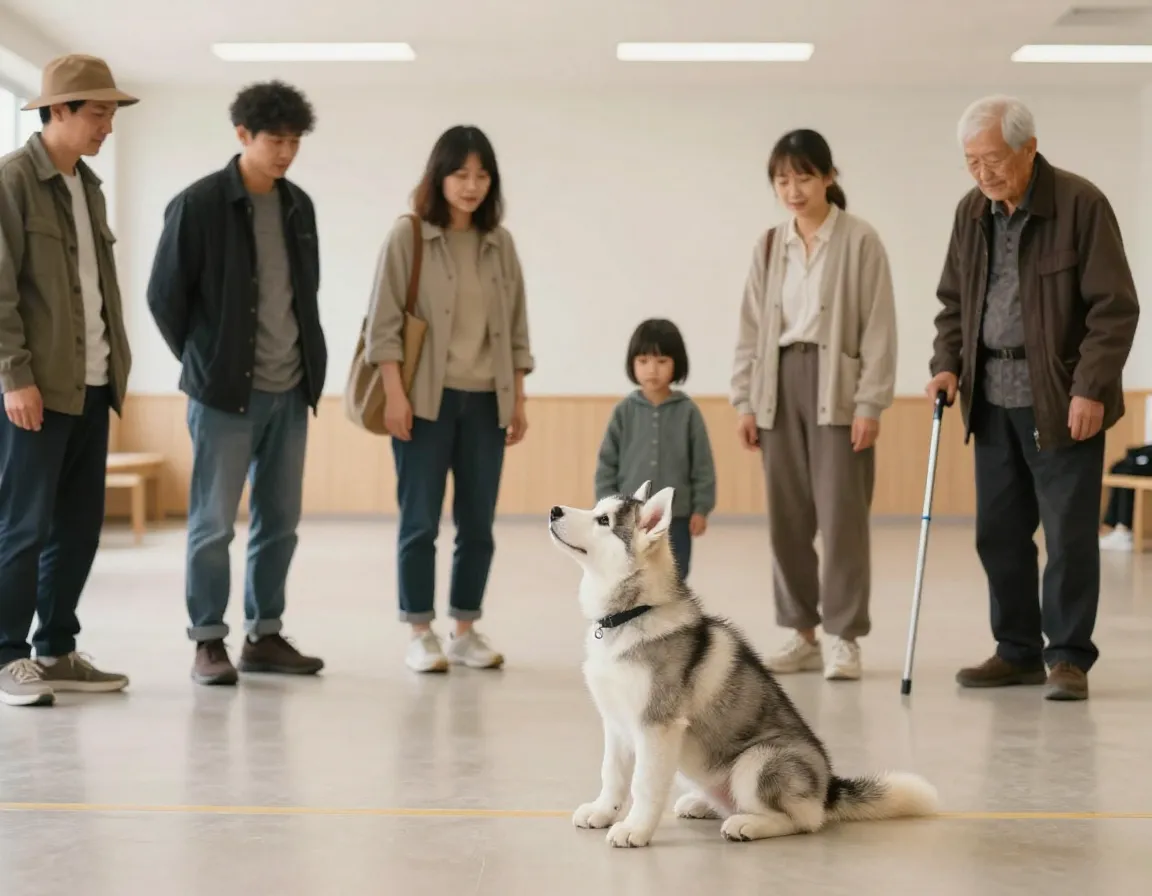
The second step in the 6 Vital Steps to Socialize Your Dog Puppies: Husky Guide emphasizes diverse human exposure. Puppies must learn that humans come in many forms, and each interaction should build confidence rather than create anxiety.
Systematic People Exposure
Introduce puppies to various people including children, men, women, and people wearing hats, carrying bags, or using walking aids [1]. This comprehensive approach prevents your Husky from developing fear or suspicion toward specific types of people.
Essential Human Categories:
- Children of Different Ages
- Toddlers with unpredictable movements
- School-age children with higher energy
- Teenagers with different vocal patterns
- Adults with Varied Characteristics
- Men with deeper voices and larger statures
- Women with different clothing styles
- Elderly individuals who move more slowly
- People with Accessories
- Individuals wearing hats, sunglasses, or uniforms
- People carrying bags, umbrellas, or walking aids
- Those using wheelchairs or mobility devices
Creating Positive Associations
Each human interaction should follow a structured approach:
Step 1: Distance Introduction
Allow your puppy to observe new people from a comfortable distance where they remain calm and curious.
Step 2: Voluntary Approach
Let your puppy choose to move closer rather than forcing interaction. This builds confidence and prevents negative associations.
Step 3: Gentle Interaction
Encourage calm, gentle interactions with treats and praise. Avoid overwhelming your puppy with excessive excitement or attention.
Step 4: Positive Conclusion
End each interaction on a positive note while your puppy is still comfortable and engaged.
Managing Different Personality Types
Husky puppies may respond differently to various human personalities. Some children may be naturally exuberant, while some adults prefer quieter interactions. Teaching your puppy to adapt to different interaction styles prepares them for real-world encounters throughout their lifetime.
3. Facilitate Safe Canine Social Learning
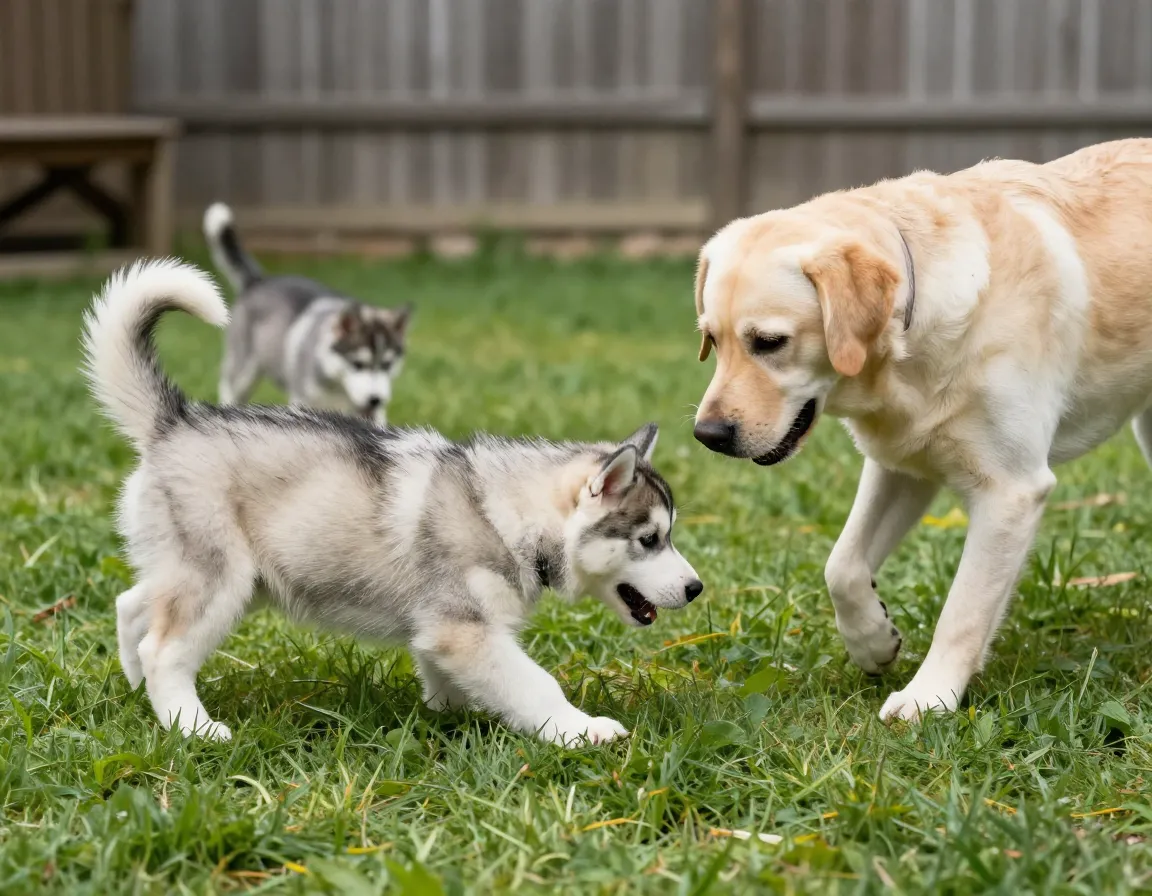
The third crucial element of the 6 Vital Steps to Socialize Your Dog Puppies: Husky Guide involves teaching proper canine communication through controlled dog-to-dog interactions. These experiences shape how your Husky will interact with other dogs for their entire life.
Selecting Appropriate Canine Partners
Arrange playdates with friendly, vaccinated dogs in controlled settings to teach vital canine communication skills [1]. The quality of these interactions matters far more than quantity, making careful selection essential.
Ideal Playmate Characteristics:
- Well-socialized adult dogs who demonstrate appropriate play behavior
- Puppies of similar age from reputable sources with known vaccination status
- Calm, patient dogs who won’t overwhelm or frighten your Husky puppy
- Various sizes and breeds to prevent size or breed-specific fears
Understanding Canine Communication
Husky puppies must learn the subtle language of dog interaction, including:
Play Signals:
- Play bows (front end down, rear end up)
- Bouncy, exaggerated movements
- Open-mouth expressions without tension
Calming Signals:
- Looking away or turning the head
- Yawning when not tired
- Sniffing the ground during interactions
Warning Signs:
- Stiff body posture
- Direct, hard staring
- Raised hackles or rigid tail
Structured Playdate Protocol
- Pre-Meeting Assessment
Ensure all dogs are healthy, vaccinated, and in appropriate mental states for interaction. - Neutral Territory Introduction
Meet in a neutral location rather than one dog’s home territory to prevent resource guarding. - Parallel Walking
Begin with dogs walking parallel at a distance, gradually decreasing space as comfort increases. - Supervised Free Play
Allow off-leash interaction in a secure area with constant supervision and intervention capability. - Regular Breaks
Interrupt play every 5-10 minutes to prevent overstimulation and maintain positive associations.
Building Confidence Through Success
Each positive canine interaction builds your Husky puppy’s confidence and social skills. These experiences teach bite inhibition, appropriate play intensity, and respect for other dogs’ boundaries – skills that prevent future behavioral problems.
4. Introduce Environmental Diversity and Sensory Experiences
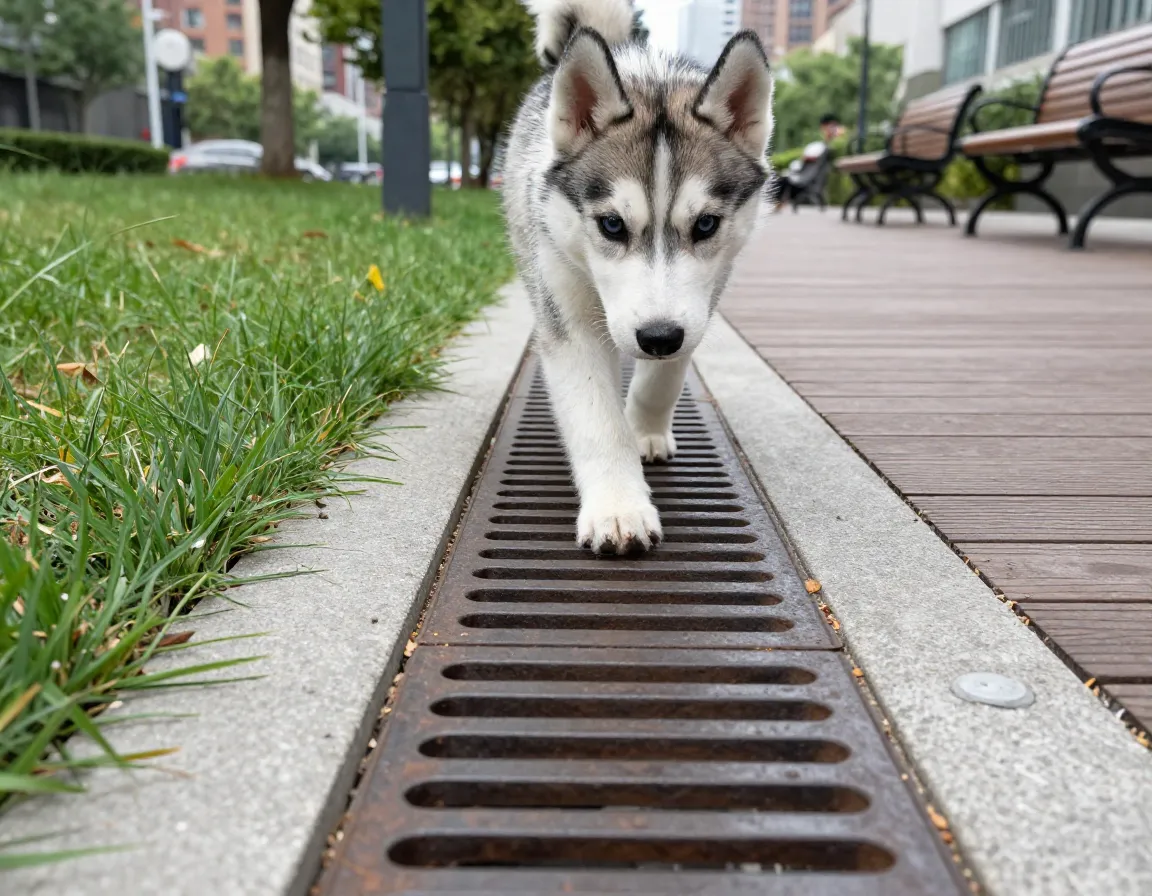
The fourth step in the 6 Vital Steps to Socialize Your Dog Puppies: Husky Guide focuses on environmental adaptation. Husky puppies must learn to navigate various settings with confidence, from busy urban streets to quiet rural paths.
Systematic Environment Exposure
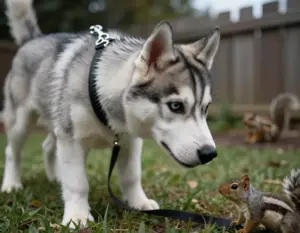
Gradually introduce different settings—parks, busy streets, quiet neighborhoods, and varied surfaces like grass, gravel, wood, and tiles [1][3]. This comprehensive approach prevents environmental phobias and builds adaptability.
Essential Environmental Categories:
Urban Environments:
- Busy sidewalks with pedestrian traffic
- Shopping centers with crowds and noise
- Public transportation stations
- Construction zones with machinery sounds
Natural Settings:
- Parks with varied terrain and wildlife
- Beaches with sand and water
- Hiking trails with natural obstacles
- Open fields with different vegetation
Indoor Spaces:
- Pet-friendly stores with smooth floors
- Veterinary clinics for positive associations
- Friends’ homes with different layouts
- Training facilities with equipment
Surface Variety Training
Different textures under their paws teach puppies to navigate any terrain confidently:
| Surface Type | Benefits | Introduction Method |
|---|---|---|
| Grass | Natural comfort, varied textures | Start here for confidence |
| Concrete | Urban navigation, nail wear | Short sessions with treats |
| Gravel | Paw sensitivity, balance | Gradual exposure with play |
| Sand | Instability training, sensory input | Beach visits or sandbox play |
| Metal grates | Urban obstacles, sound exposure | Slow approach with rewards |
| Stairs | Coordination, confidence building | One step at a time |
Sound Desensitization Program
Expose puppies to household appliances, traffic, and children playing to prevent noise phobias [1]. Sound sensitivity can severely limit a dog’s quality of life, making early exposure crucial.
Progressive Sound Exposure:
Week 1: Household Sounds
- Vacuum cleaners, blenders, washing machines
- Television, radio, doorbell sounds
- Kitchen activities, phone ringing
Week 2: Outdoor Sounds
- Traffic noise, sirens, construction
- Children playing, dogs barking
- Weather sounds like thunder recordings
Week 3: Complex Environments
- Shopping centers, schools, parks
- Sporting events, festivals, markets
- Public transportation, airports
Creating Positive Environmental Associations
Each new environment should be introduced using the same systematic approach:
- Distance Observation: Let your puppy observe from a comfortable distance
- Gradual Approach: Move closer as your puppy shows comfort and curiosity
- Positive Reinforcement: Use treats, praise, and play to create positive associations
- Multiple Visits: Return to the same environments to reinforce positive experiences
5. Establish Handling and Grooming Comfort
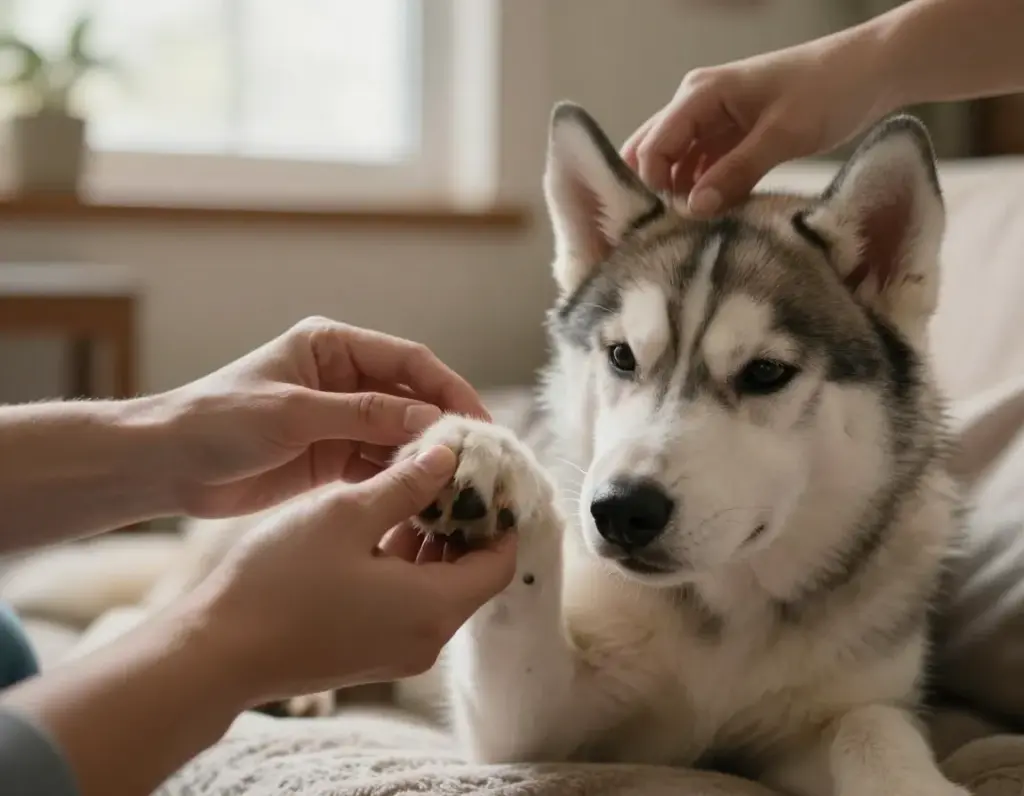
The fifth component of the 6 Vital Steps to Socialize Your Dog Puppies: Husky Guide prepares your puppy for necessary handling throughout their lifetime. This step prevents future struggles during veterinary examinations, grooming sessions, and routine care.
Systematic Body Handling
Gently handle paws, ears, and mouth regularly to prepare for future vet visits and grooming [1][4]. Huskies require regular grooming due to their double coat, making early handling acceptance essential.
Daily Handling Routine:
Paw Handling:
- Touch each toe individually
- Gently separate toes and examine pads
- Practice nail trimming motions with clippers
- Reward calm acceptance with treats
Ear Examination:
- Lift and examine each ear flap
- Gently touch inside the ear (without inserting anything)
- Practice cleaning motions with soft cloths
- Associate ear handling with positive experiences
Mouth and Teeth:
- Lift lips to examine teeth and gums
- Gently open the mouth for brief periods
- Touch teeth with fingers or soft brushes
- Practice giving oral medications with treats
Grooming Tool Introduction
Huskies require extensive grooming throughout their lives, particularly during shedding seasons. Early tool introduction prevents future resistance:
Brushing Tools:
- Start with soft brushes for short sessions
- Gradually introduce slicker brushes and undercoat rakes
- Practice brushing all body areas, including sensitive spots
- Make brushing a bonding and rewarding experience
Bathing Preparation:
- Introduce water gradually through play
- Practice standing in empty tubs with treats
- Use warm, shallow water for positive associations
- Reward calm behavior during mock bath sessions
Veterinary Preparation
Regular veterinary care requires puppies to accept various handling procedures:
Examination Positions:
- Practice standing calmly on tables
- Accept restraint for brief periods
- Allow strangers to handle and examine
- Remain calm during temperature taking
Medical Procedure Simulation:
- Practice injection sites with gentle touches
- Accept stethoscope placement on chest
- Allow eye and ear examinations
- Remain still during weight measurements
Building Trust Through Handling
Each handling session should build trust and confidence rather than create resistance. Never force interactions if the puppy shows hesitation or fear [1]. Instead, proceed slowly and reward even small improvements in acceptance.
The goal is creating a puppy who views human handling as a positive, rewarding experience rather than something to be endured or resisted.
6. Enroll in Structured Puppy Socialization Classes
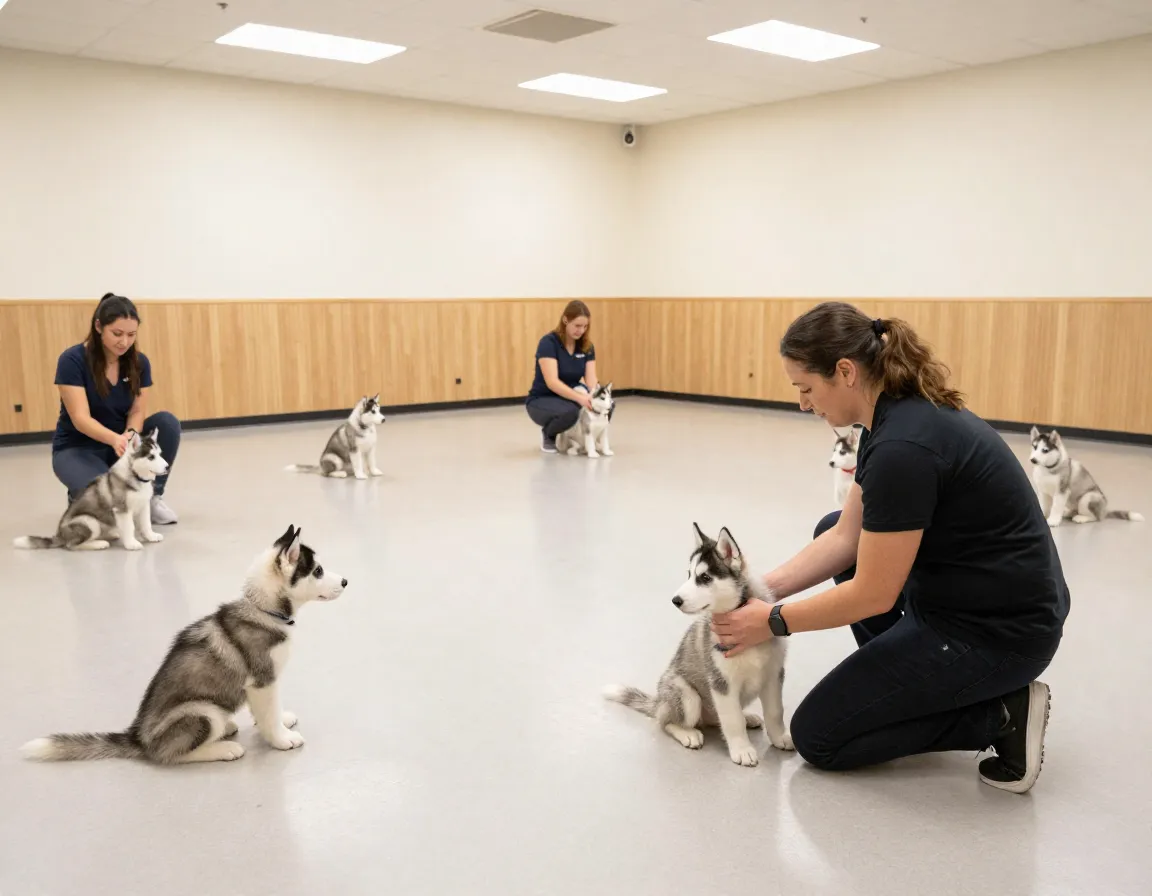
The final step in the 6 Vital Steps to Socialize Your Dog Puppies: Husky Guide involves professional guidance through structured learning environments. These classes provide controlled settings that individual owners cannot replicate at home.
Benefits of Professional Puppy Classes
Structured socialization classes provide controlled environments for interaction with other dogs and people while building foundational obedience [1][2]. These programs offer several advantages over informal socialization attempts:
Expert Supervision:
- Trained instructors recognize stress signals and intervene appropriately
- Professional guidance ensures positive experiences for all participants
- Immediate feedback helps owners improve their handling techniques
Controlled Environment:
- Carefully selected puppies with appropriate vaccination status
- Structured activities that promote positive interactions
- Safe spaces where negative experiences are minimized
Comprehensive Curriculum:
- Basic obedience training integrated with socialization
- Problem-solving for common puppy challenges
- Owner education about canine behavior and development
Selecting Quality Puppy Classes
Not all puppy classes provide equal value. Look for programs that emphasize:
Positive Training Methods:
- Reward-based training without punishment or intimidation
- Focus on building confidence rather than compliance through fear
- Instructors certified in modern, science-based training techniques
Appropriate Class Size:
- Small groups (6-8 puppies maximum) for individual attention
- Similar age ranges to ensure compatible play styles
- Balanced mix of breeds and temperaments
Health and Safety Protocols:
- Vaccination requirements for all participants
- Clean, sanitized training environments
- Protocols for handling accidents or conflicts
Class Structure and Activities
Quality puppy classes typically include:
Structured Play Sessions:
- Supervised off-leash interaction time
- Games that build confidence and social skills
- Intervention when play becomes too intense
Basic Training Elements:
- Name recognition and attention exercises
- Simple commands like sit, stay, and come
- Leash walking and impulse control
Handling Exercises:
- Group handling practice with instructor guidance
- Exposure to grooming tools and procedures
- Mock veterinary examinations
Continuing Education Beyond Classes
Puppy classes represent the beginning rather than the end of socialization. Socialization should continue beyond puppyhood, not just during the critical window [1]. Ongoing exposure to new experiences throughout adolescence and adulthood maintains the foundation built during early puppyhood.
Advanced training classes, dog sports, and regular social outings help maintain and expand your Husky’s social skills throughout their lifetime.
Recognizing and Responding to Stress Signals
Understanding when your Husky puppy feels overwhelmed is crucial for successful socialization. Observation of body language is essential: ignoring signs of stress like tucked tails, pinned-back ears, and excessive whining can create negative associations [1].
Common Stress Indicators
Physical Signs:
- Tucked tail between legs
- Pinned-back or flattened ears
- Panting when not hot or tired
- Trembling or shaking
- Excessive drooling
Behavioral Signs:
- Excessive whining or vocalization
- Attempting to hide or escape
- Freezing or refusing to move
- Loss of bladder or bowel control
- Aggressive displays (growling, snapping)
Subtle Indicators:
- Yawning when not tired
- Excessive lip licking
- Looking away or avoiding eye contact
- Scratching when not itchy
- Sniffing the ground obsessively
Appropriate Response Strategies
When stress signals appear, immediate intervention prevents negative associations:
Remove from Stressful Situation:
- Calmly remove your puppy from the overwhelming environment
- Avoid dramatic reactions that might increase anxiety
- Find a quiet space where your puppy can decompress
Provide Comfort and Support:
- Offer gentle reassurance without reinforcing fearful behavior
- Use calm, soothing voice tones
- Allow your puppy to seek comfort if desired
Gradual Re-exposure:
- Return to the challenging situation at a greater distance
- Reduce intensity or duration of exposure
- Build positive associations before attempting closer proximity
Prevention Through Proper Pacing
The best approach to stress management involves prevention through appropriate pacing:
Start Small:
- Begin with less challenging versions of new experiences
- Gradually increase difficulty as confidence builds
- Celebrate small victories rather than rushing progress
Monitor Energy Levels:
- Avoid socialization when puppies are tired or hungry
- Schedule activities during your puppy’s most alert periods
- Provide rest breaks during extended socialization sessions
Respect Individual Differences:
- Some puppies require more time to adapt than others
- Some Huskies are sensitive and can be shy as puppies, requiring gradual positive exposure [3]
- Adjust expectations based on your individual puppy’s personality
Long-term Benefits of Proper Socialization
The investment in comprehensive puppy socialization pays dividends throughout your Husky’s entire lifetime. Well-socialized dogs demonstrate numerous advantages that enhance both their quality of life and their relationship with their families.
Behavioral Advantages
Confidence in New Situations:
- Adaptability to changes in routine or environment
- Reduced anxiety during travel or relocation
- Comfort in veterinary and grooming settings
- Ease in meeting new people and animals
Better Communication Skills:
- Appropriate responses to other dogs’ social signals
- Clear communication of their own intentions
- Reduced likelihood of fear-based aggression
- Enhanced ability to defuse tense situations
Practical Life Benefits
Easier Veterinary Care:
- Cooperative behavior during examinations
- Reduced stress for both dog and veterinary staff
- More thorough examinations due to patient compliance
- Lower risk of injury during medical procedures
Enhanced Training Success:
- Greater focus and attention in training environments
- Improved ability to learn in distracting situations
- Better generalization of learned behaviors
- Stronger human-dog communication
Expanded Life Experiences:
- Ability to accompany families on outings and trips
- Participation in dog sports and activities
- Enjoyment of dog parks and social gatherings
- Reduced restrictions on lifestyle choices
Community Impact
Well-socialized dogs contribute positively to their communities:
Public Acceptance:
- Positive representation of the breed
- Reduced breed discrimination and restrictions
- Enhanced public safety through predictable behavior
- Greater acceptance in public spaces
Reduced Behavioral Problems:
- Lower likelihood of noise complaints
- Decreased risk of bite incidents
- Reduced property damage from anxiety-related behaviors
- Enhanced neighborhood harmony
Conclusion
The 6 Vital Steps to Socialize Your Dog Puppies: Husky Guide provides a comprehensive roadmap for raising a confident, well-adjusted Siberian Husky. Success requires commitment during the critical 3-14 week window, systematic exposure to diverse experiences, and careful attention to your puppy’s individual needs and stress signals.
Remember that socialization is not a destination but an ongoing journey. The foundation built during puppyhood requires reinforcement and expansion throughout your Husky’s lifetime. By following these six vital steps, owners can ensure their puppies develop into the confident, adaptable companions that make Siberian Huskies such beloved family members.
Next Steps for Success
Immediate Actions:
- Assess your puppy’s current socialization level
- Create a daily socialization schedule
- Research local puppy classes and enroll immediately
- Begin systematic handling and grooming practice
Ongoing Commitment:
- Continue socialization beyond the critical window
- Monitor your puppy’s responses and adjust approaches accordingly
- Seek professional help if behavioral concerns develop
- Maintain consistent positive experiences throughout your dog’s life
The time and effort invested in proper socialization during these early weeks will reward you with years of enjoyable companionship with a well-balanced, confident Husky who enriches your life and positively represents their remarkable breed. 🐺
References
[1] How To Socialize A Husky Puppy Wrong Right Ways – https://iheartdogs.com/how-to-socialize-a-husky-puppy-wrong-right-ways/
[2] Bringing Home Your New Husky Puppy A Comprehensive Step By Step Guide – https://bamahuskies.com/bringing-home-your-new-husky-puppy-a-comprehensive-step-by-step-guide/
[3] Guide How To Train A Husky Puppy – https://zigzag.dog/en-us/blog/puppy-training/breed-specific/guide-how-to-train-a-husky-puppy/
[4] The Ultimate Puppy Socialization Checklist For Pet Parents – https://www.ultimatespetfood.com/the-ultimate-puppy-socialization-checklist-for-pet-parents/