6 Essential Care Tips For First-Time Doberman Pinschers Dog Owners
Bringing home a sleek, powerful Doberman Pinscher for the first time can feel like welcoming both a loyal guardian and an energetic athlete into the family. These magnificent dogs, with their distinctive black and tan coats and alert expressions, represent one of the most intelligent and devoted breeds in the canine world. However, their impressive capabilities come with specific care requirements that can overwhelm new owners who aren’t prepared for the commitment. Understanding the 6 Essential Care Tips For First-Time Doberman Pinschers Dog Owners becomes crucial for ensuring both the dog’s well-being and the owner’s success in building a lasting partnership with this remarkable breed.

Key Takeaways
- Exercise is non-negotiable: Doberman Pinschers require 60-90 minutes of high-intensity daily activity to prevent behavioral issues and maintain physical health
- Early training and socialization: Start obedience training immediately and expose puppies to various people, pets, and situations to build confidence and prevent reactivity
- Grooming consistency matters: Weekly brushing, monthly nail trims, and proper bathing schedules keep Dobermans healthy and comfortable
- Feeding strategy prevents health risks: Split daily food portions into two meals to reduce the risk of bloat, a serious condition common in the breed
- Mental stimulation is essential: These highly intelligent dogs need interactive games and training challenges to prevent destructive behaviors
Understanding the Doberman Pinscher Breed
Before diving into the specific care requirements, first-time owners must understand what makes Doberman Pinschers unique. Originally bred in Germany during the 1890s, these dogs were designed to be the perfect combination of loyalty, intelligence, and protective instinct. Dobermans are working dogs at heart, which means they thrive when given jobs to do and clear expectations to meet.
The breed’s high intelligence ranking makes them incredibly trainable, but it also means they can become bored and destructive without proper mental stimulation. Their natural protective instincts, while valuable for security, require careful socialization to ensure they can distinguish between real threats and normal social situations.
Modern Doberman Pinschers typically weigh between 60-100 pounds and stand 24-28 inches tall, making them substantial dogs that need experienced handling. Their sleek coat and athletic build reflect their need for regular exercise and proper nutrition to maintain optimal health.
1. Master the Exercise Requirements: 60-90 Minutes of Daily Activity
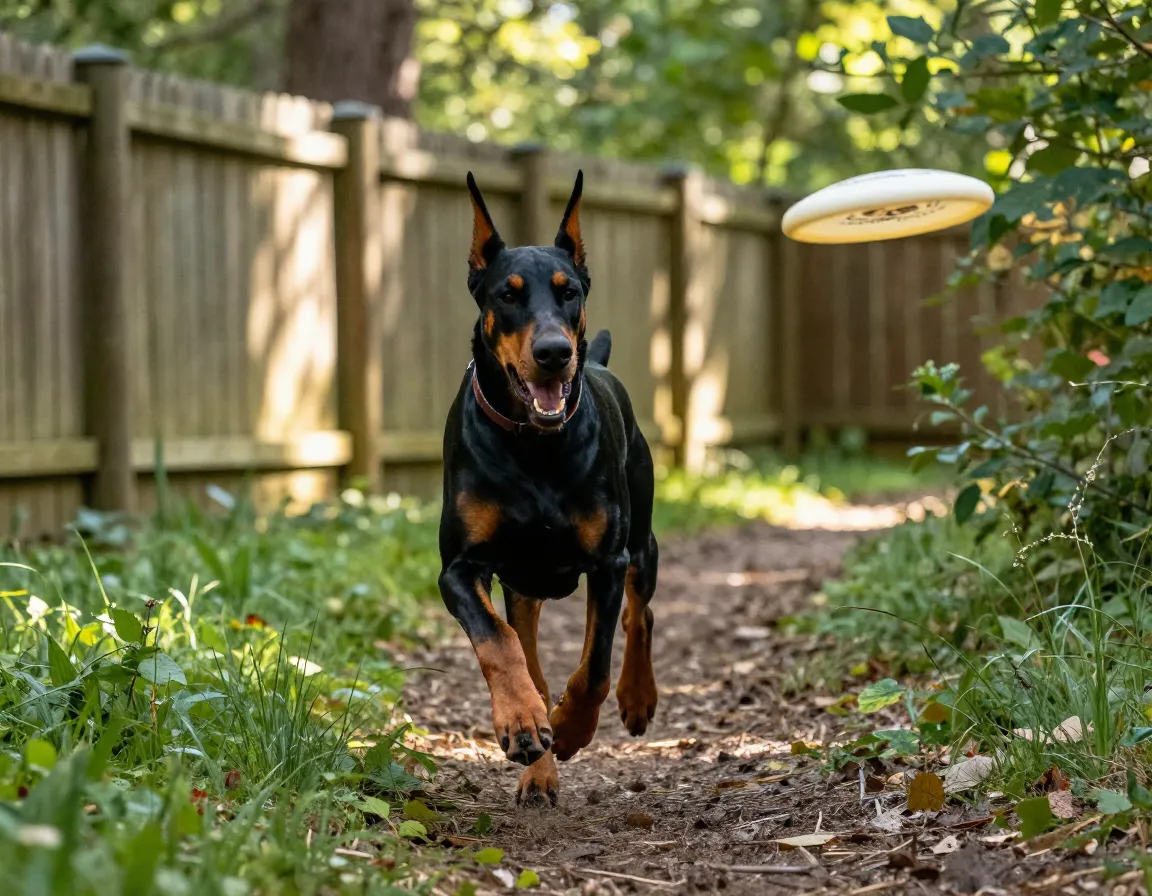
The foundation of successful Doberman ownership lies in meeting their substantial exercise needs. Daily exercise requirements range from 60-90 minutes of high-intensity activity, with some experts recommending up to 2 hours for particularly energetic individuals [1][3][4]. This isn’t a casual walk around the block – Dobermans need vigorous exercise that challenges both their physical capabilities and mental acuity.
Types of Exercise That Work Best
Running and hiking top the list of ideal activities for Dobermans. Their athletic build and endurance make them excellent jogging companions for active owners. Agility training provides both physical exercise and mental stimulation, allowing these intelligent dogs to problem-solve while burning energy.
Fetch and frisbee games offer interactive playtime that strengthens the bond between dog and owner while providing the high-intensity movement Dobermans crave [4]. Tug-of-war sessions can satisfy their natural strength and competitive drive when conducted with proper rules and boundaries.
The Critical Importance of a Fenced Yard
A large fenced yard is critical to the breed’s well-being [5]. Dobermans have very high energy levels, and without adequate space to run and play, they will develop undesirable behaviors like reactivity and separation anxiety [4][6]. The fencing should be tall and secure, as these athletic dogs can easily clear low barriers when motivated.
“Under-exercised Dobermans become destructive, anxious, and difficult to manage. Meeting their exercise needs isn’t optional – it’s essential for a harmonious household.”
Creating an Exercise Schedule
Successful Doberman owners establish consistent exercise routines that include:
- Morning energy burn (30-45 minutes of vigorous activity)
- Midday mental stimulation (training sessions or puzzle toys)
- Evening playtime (30-45 minutes of interactive games)
- Weekend adventures (longer hikes or new environments for exploration)
2. Implement Immediate Training and Socialization Programs

Start obedience training immediately upon bringing a Doberman home. These highly intelligent dogs are eager to please, making them quick learners when approached with the right methods [1][4]. However, their intelligence also means they’ll quickly learn bad habits if not properly guided from the beginning.
Essential Basic Commands
Focus on establishing these fundamental commands as the foundation for all future training:
Sit and Stay: These commands provide the basis for impulse control, crucial for a large, powerful breed. Practice these commands before meals, walks, and any exciting activities.
Come and Down: Reliable recall can be life-saving, while the down command helps establish calm behavior in stimulating situations [4].
Leave It and Drop It: These commands prevent resource guarding and keep curious Dobermans safe from harmful objects or foods.
The Power of Positive Reinforcement
Use consistent, positive reinforcement through treats, praise, and rewards rather than harsh punishments, which can make Dobermans shy or anxious [1][4]. These sensitive dogs respond best to clear expectations combined with enthusiastic praise for correct behavior.
Effective positive reinforcement strategies include:
- High-value treats reserved specifically for training sessions
- Verbal praise delivered with genuine enthusiasm
- Play rewards like brief tug-of-war games after successful commands
- Consistent timing so dogs clearly understand which behavior earned the reward
Critical Socialization Windows
Early socialization is essential for preventing reactivity and building confidence [1][4]. Introduce puppies to other dogs, pets, and people early in controlled, positive environments. The critical socialization period occurs between 3-14 weeks of age, making early exposure vital for long-term behavioral success.
Comprehensive socialization should include:
- Different types of people (children, elderly, people with disabilities, various ethnicities)
- Other animals (dogs of different sizes, cats, small animals)
- Environmental stimuli (traffic sounds, crowds, different surfaces and textures)
- Handling exercises (touching paws, ears, mouth for future grooming and vet visits)
Patience and Consistency
Patience and routine are key, as Dobermans can be stubborn at times [1]. Establishing consistent rules and expectations helps these intelligent dogs understand their place in the family hierarchy while building trust and respect.
3. Establish Proper Grooming and Health Maintenance Routines
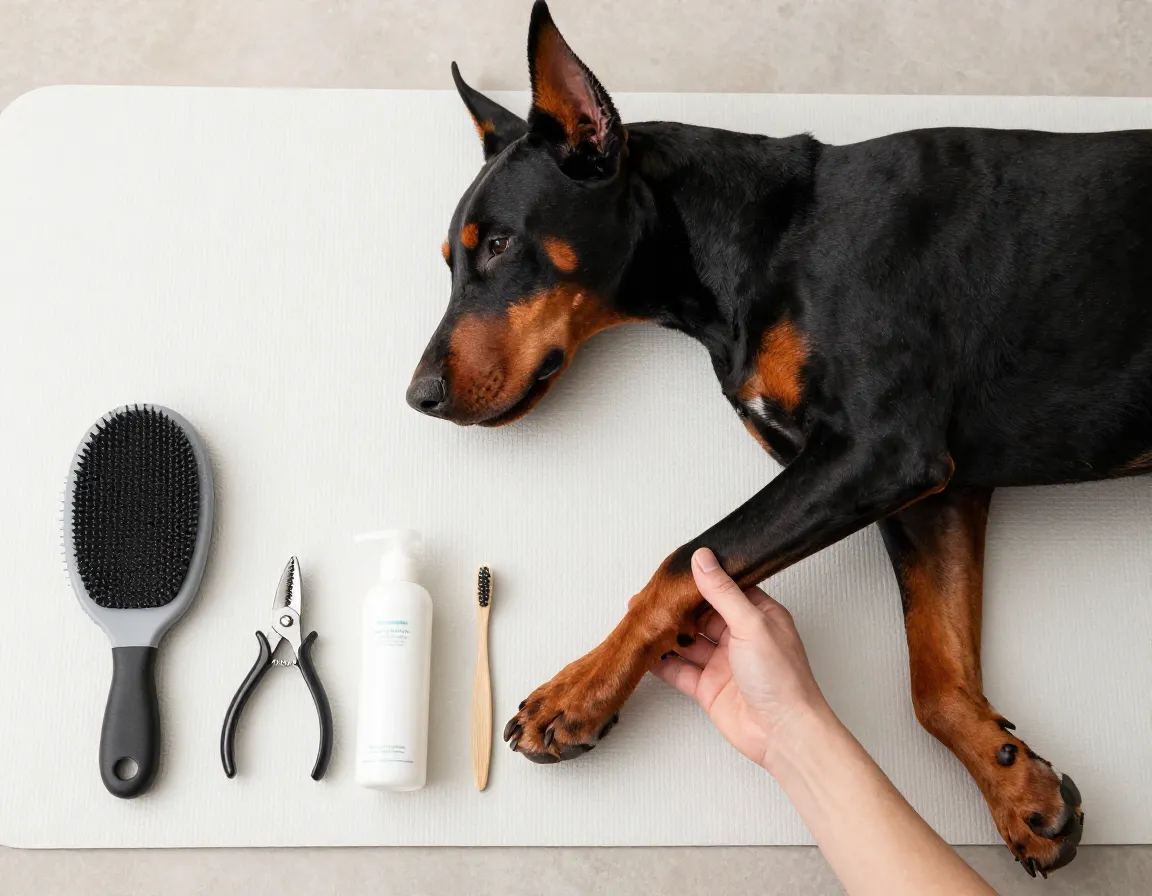
Despite their short coat, Doberman Pinschers require consistent grooming to maintain their health and distinctive appearance. Understanding proper grooming techniques helps prevent skin issues, reduces shedding, and provides opportunities to check for health concerns.
Weekly Brushing Requirements
Brush weekly (once or twice per week) to remove loose hair and maintain coat health [1][2][4]. Use a rubber grooming mitt or short-bristled brush designed for short-haired breeds. Regular brushing distributes natural oils throughout the coat, keeping it shiny and healthy while reducing the amount of hair shed around the home.
The brushing routine should include:
- Gentle, long strokes following the direction of hair growth
- Special attention to areas where dirt and debris collect (legs, chest, belly)
- Inspection for skin issues like hot spots, cuts, or unusual lumps
- Positive association building by offering treats and praise during grooming
Bathing Guidelines
Bathe every 1-2 months as needed, depending on activity level [2]. Frequent shampooing is not advised as it can dry out their skin and strip natural oils from their coat. Dobermans typically stay relatively clean due to their short coat, but active dogs may need more frequent baths.
Proper bathing technique includes:
- Lukewarm water to prevent skin irritation
- Dog-specific shampoo formulated for sensitive skin
- Thorough rinsing to prevent residue buildup
- Complete drying to prevent skin infections
Essential Maintenance Tasks
Trim nails monthly, clean ears weekly, and brush teeth 3-4 times per week [1][5]. These routine maintenance tasks prevent serious health issues and keep Dobermans comfortable.
| Grooming Task | Frequency | Purpose |
|---|---|---|
| Nail Trimming | Monthly | Prevents overgrowth and splitting |
| Ear Cleaning | Weekly | Prevents infections and wax buildup |
| Teeth Brushing | 3-4 times per week | Prevents dental disease and bad breath |
| Coat Brushing | 1-2 times per week | Removes loose hair and distributes oils |
Health Monitoring During Grooming
Regular grooming sessions provide excellent opportunities to monitor Doberman health. Check for:
- Skin abnormalities (rashes, hot spots, unusual lumps)
- Ear infections (redness, odor, excessive wax)
- Dental problems (tartar buildup, red gums, loose teeth)
- Nail issues (splits, infections, overgrowth)
4. Optimize Nutrition and Feeding Strategies
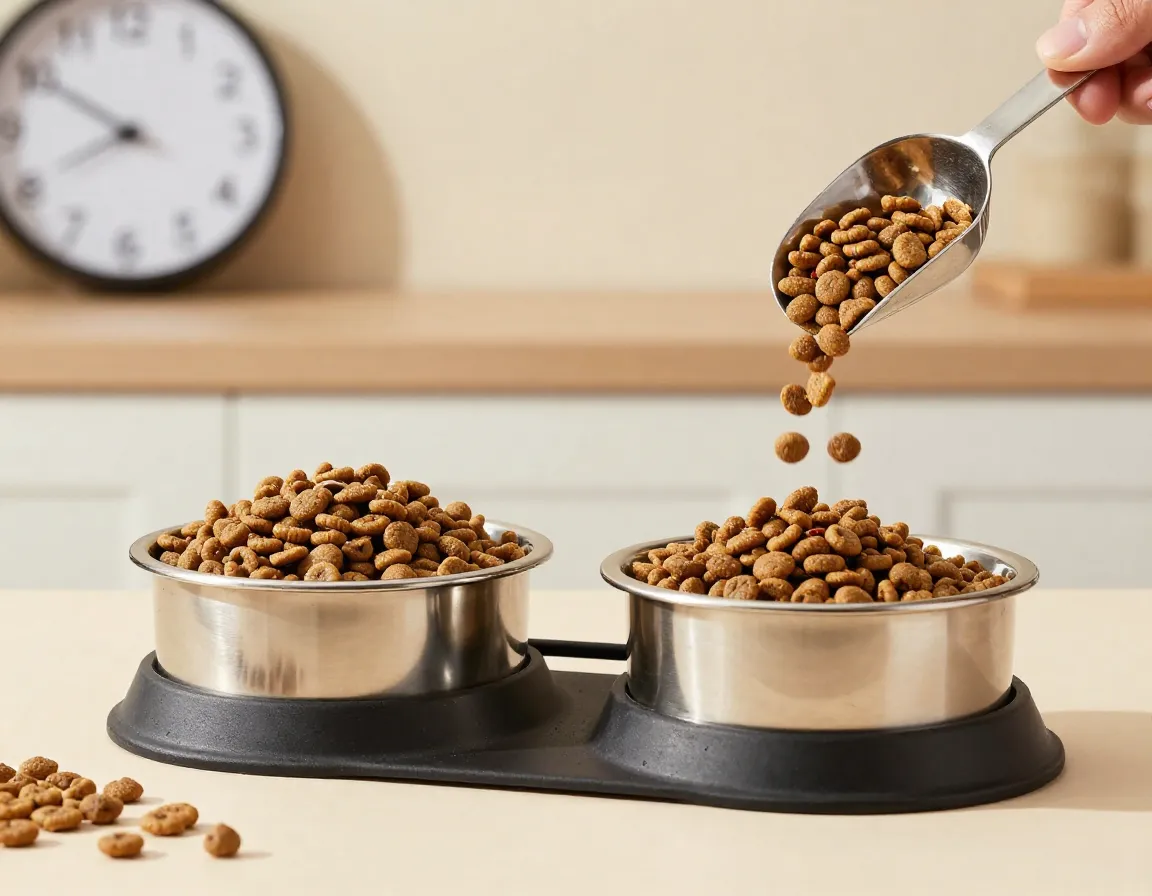
Proper nutrition forms the foundation of Doberman health, supporting their active lifestyle while preventing serious health conditions. Understanding feeding requirements and strategies helps ensure optimal growth, energy levels, and longevity.
Daily Food Requirements
Feed 3-4 cups of high-quality, vet-recommended food daily [4], adjusted for the dog’s sex, activity level, and age [4]. Active adult Dobermans typically require more calories than sedentary dogs, while seniors may need reduced portions to prevent weight gain.
Quality indicators for Doberman food include:
- High-quality protein sources (chicken, beef, fish) as the first ingredient
- Balanced fat content (12-18%) for energy and coat health
- Limited fillers (corn, wheat, soy) that provide little nutritional value
- Age-appropriate formulations (puppy, adult, senior)
Critical Feeding Strategy: Preventing Bloat
Use split feedings (twice daily) instead of one large meal to prevent bloat (gastric torsion), a serious condition in the breed [2][3]. Bloat occurs when the stomach fills with gas and potentially twists, cutting off blood supply and creating a life-threatening emergency.
Bloat prevention strategies include:
- Two smaller meals instead of one large feeding
- Elevated food bowls to reduce air swallowing
- Calm eating environment away from other pets
- Rest periods before and after meals (no exercise for 1-2 hours)
- Slow feeding bowls for dogs who eat too quickly
Feeding Schedule Recommendations
Establish consistent feeding times that work with the family’s schedule:
Morning feeding (6-8 AM): Provides energy for the day’s activities
Evening feeding (5-7 PM): Allows digestion before bedtime
Monitoring Weight and Body Condition
Regular weight monitoring helps prevent obesity, which can exacerbate health problems in Dobermans. Ideal body condition includes:
- Visible waist when viewed from above
- Easily felt ribs without excess fat covering
- Tucked abdomen when viewed from the side
- Active, energetic behavior without excessive panting during normal activity
5. Create Mental Stimulation and Enrichment Programs

Doberman Pinschers’ exceptional intelligence requires constant mental challenges to prevent boredom and destructive behaviors. Mental stimulation often proves as important as physical exercise for maintaining a well-balanced, happy Doberman.
Interactive Training Games
Transform basic obedience into engaging mental workouts:
Hide and Seek: Practice recall commands while hiding in different locations around the house or yard. This game reinforces the “come” command while providing mental stimulation.
Treasure Hunts: Hide treats or toys around the yard and encourage the dog to find them using scent work. This activity engages natural hunting instincts while providing mental challenges.
Trick Training: Teach complex tricks like “play dead,” “roll over,” or “speak” to keep intelligent minds engaged. Break complex behaviors into small steps and reward progress.
Puzzle Toys and Food Dispensers
Interactive feeding toys serve dual purposes by slowing eating (reducing bloat risk) while providing mental stimulation:
- Kong toys stuffed with treats or food
- Puzzle feeders that require manipulation to release kibble
- Snuffle mats that encourage natural foraging behaviors
- Rotating toy selection to maintain novelty and interest
Advanced Training Opportunities
Consider advanced training activities that challenge Doberman intelligence:
Agility Training: Provides physical exercise combined with mental problem-solving as dogs navigate obstacle courses.
Scent Work: Teaches dogs to identify and locate specific scents, engaging their natural abilities while building confidence.
Therapy Dog Training: Well-socialized Dobermans can excel as therapy dogs, providing meaningful work that satisfies their desire to serve.
6. Establish Veterinary Care and Health Monitoring
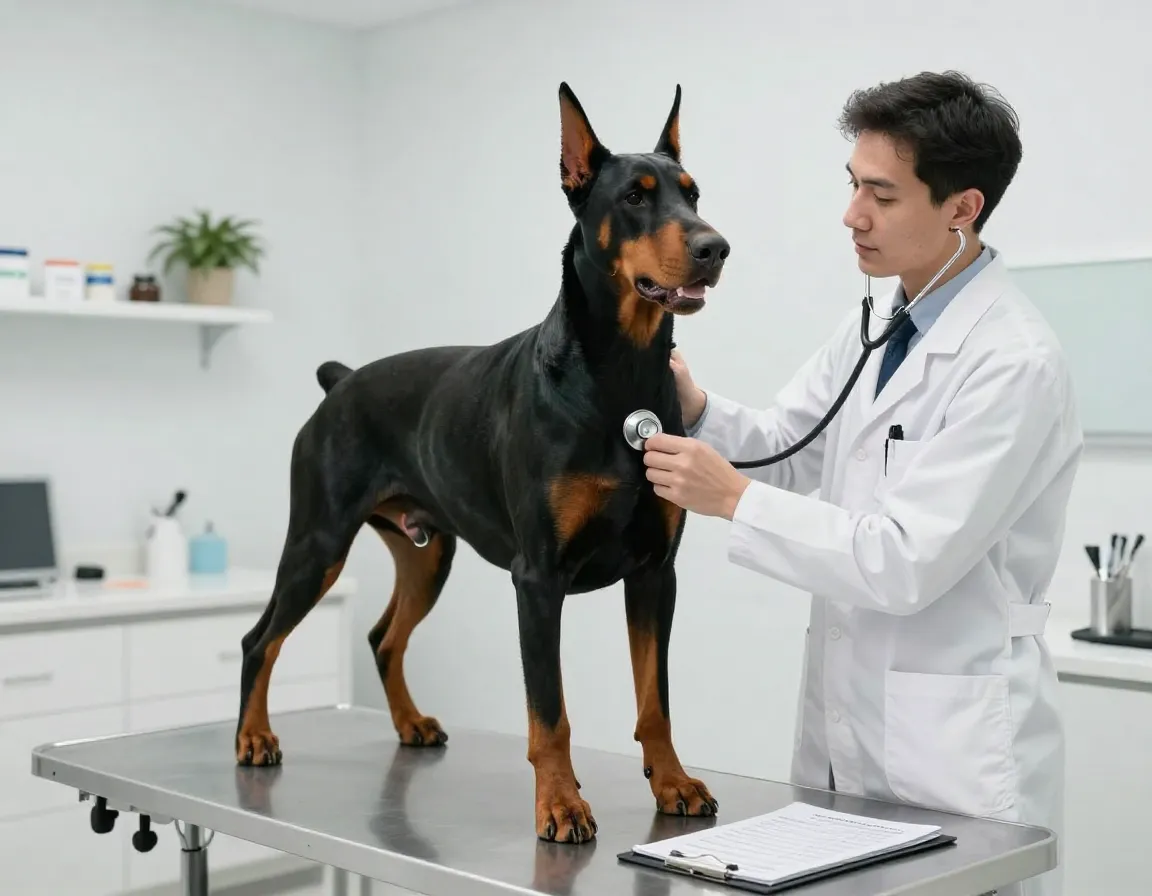
Proactive veterinary care helps identify and prevent health issues common in Doberman Pinschers. Understanding breed-specific health concerns enables owners to work effectively with veterinarians to maintain optimal health throughout the dog’s life.
Regular Veterinary Schedule
Establish relationships with qualified veterinarians who understand Doberman-specific health concerns:
Puppy visits (8-16 weeks): Vaccinations, parasite prevention, and health baseline establishment
Adult check-ups (annually): Comprehensive health assessments and preventive care updates
Senior evaluations (bi-annually after age 7): More frequent monitoring for age-related health changes
Breed-Specific Health Concerns
Dobermans face several genetic health predispositions that require monitoring:
Dilated Cardiomyopathy (DCM): Heart condition requiring regular cardiac evaluations
Von Willebrand’s Disease: Blood clotting disorder requiring genetic testing
Hip Dysplasia: Joint condition requiring proper exercise management and weight control
Hypothyroidism: Thyroid condition requiring blood work monitoring
Preventive Care Essentials
Maintain current preventive care to protect Doberman health:
- Heartworm prevention (monthly medication)
- Flea and tick control (especially important for active outdoor dogs)
- Vaccination schedules (rabies, DHPP, and lifestyle-appropriate vaccines)
- Dental care (professional cleanings and daily maintenance)
Emergency Preparedness
Doberman owners should recognize signs requiring immediate veterinary attention:
Bloat symptoms: Distended abdomen, unproductive vomiting, restlessness, drooling
Heat exhaustion: Excessive panting, weakness, vomiting during hot weather
Injury signs: Limping, bleeding, difficulty breathing, loss of consciousness
Building Long-Term Success with Doberman Ownership
Successfully implementing these 6 Essential Care Tips For First-Time Doberman Pinschers Dog Owners requires commitment, consistency, and patience. These remarkable dogs reward dedicated owners with unwavering loyalty, impressive intelligence, and years of companionship.
Creating Support Networks
Connect with other Doberman owners through:
- Local breed clubs offering training resources and social opportunities
- Online communities providing advice and support from experienced owners
- Professional trainers specializing in working breeds and positive reinforcement methods
- Veterinary specialists familiar with Doberman-specific health concerns
Adapting Care Over Time
Doberman care requirements evolve throughout their lives:
Puppy stage (0-18 months): Focus on socialization, basic training, and establishing routines
Adult stage (18 months-7 years): Maintain exercise routines, advance training, and monitor health
Senior stage (7+ years): Adjust exercise intensity, increase health monitoring, and provide comfort care
Conclusion
Mastering the 6 Essential Care Tips For First-Time Doberman Pinschers Dog Owners sets the foundation for a successful, rewarding relationship with one of the canine world’s most impressive breeds. From meeting their substantial exercise needs to establishing proper training protocols, each element contributes to raising a well-balanced, healthy, and happy Doberman Pinscher.
The commitment required for proper Doberman care extends far beyond basic pet ownership. These intelligent, energetic dogs demand dedicated owners willing to invest time in exercise, training, grooming, nutrition, mental stimulation, and health care. However, owners who embrace these responsibilities discover the profound satisfaction of partnering with a loyal, capable, and devoted companion.
Take action today by implementing these essential care strategies. Start with establishing exercise routines and training schedules, then gradually incorporate grooming, nutrition, and enrichment programs. Remember that consistency and patience yield the best results with this intelligent breed.
Consider connecting with local Doberman communities, consulting with veterinarians experienced in the breed, and continuing education about advanced training techniques. The investment in proper care during the early months and years pays dividends throughout the dog’s life, creating the strong foundation necessary for years of mutual enjoyment and companionship.
The journey of Doberman ownership challenges first-time owners to grow alongside their dogs, developing skills in training, health management, and canine behavior. Embrace this opportunity to build an exceptional partnership with one of the most remarkable breeds in the canine world.
References
[1] Doberman Pinscher Dog Full Guide – https://petageinhumanyearscalculator.com/blog/doberman-pinscher-dog-full-guide/
[2] Taking Care Of Doberman Pinscher Guide For Owners – https://petsworld.in/blogs/news/taking-care-of-doberman-pinscher-guide-for-owners
[3] Doberman Pinscher Dogs Breed Health Care Guide History – https://sundaysfordogs.com/blog/doberman-pinscher-dogs-breed-health-care-guide-history
[4] Explore The Doberman Pinscher Honest Advice From 9000 Dog Owners – https://www.sniffspot.com/blog/dog-breeds/explore-the-doberman-pinscher-honest-advice-from-9000-dog-owners
[5] Basic Care – https://dpca.org/publiced/living-with-a-dobe/basic-care/
[6] Doberman Pinschers – https://www.cascadevetclinics.com/services/dogs/breeds/doberman-pinschers