Killer Clown Ball Python: 6 Must-Know Facts About This Stunning Morph
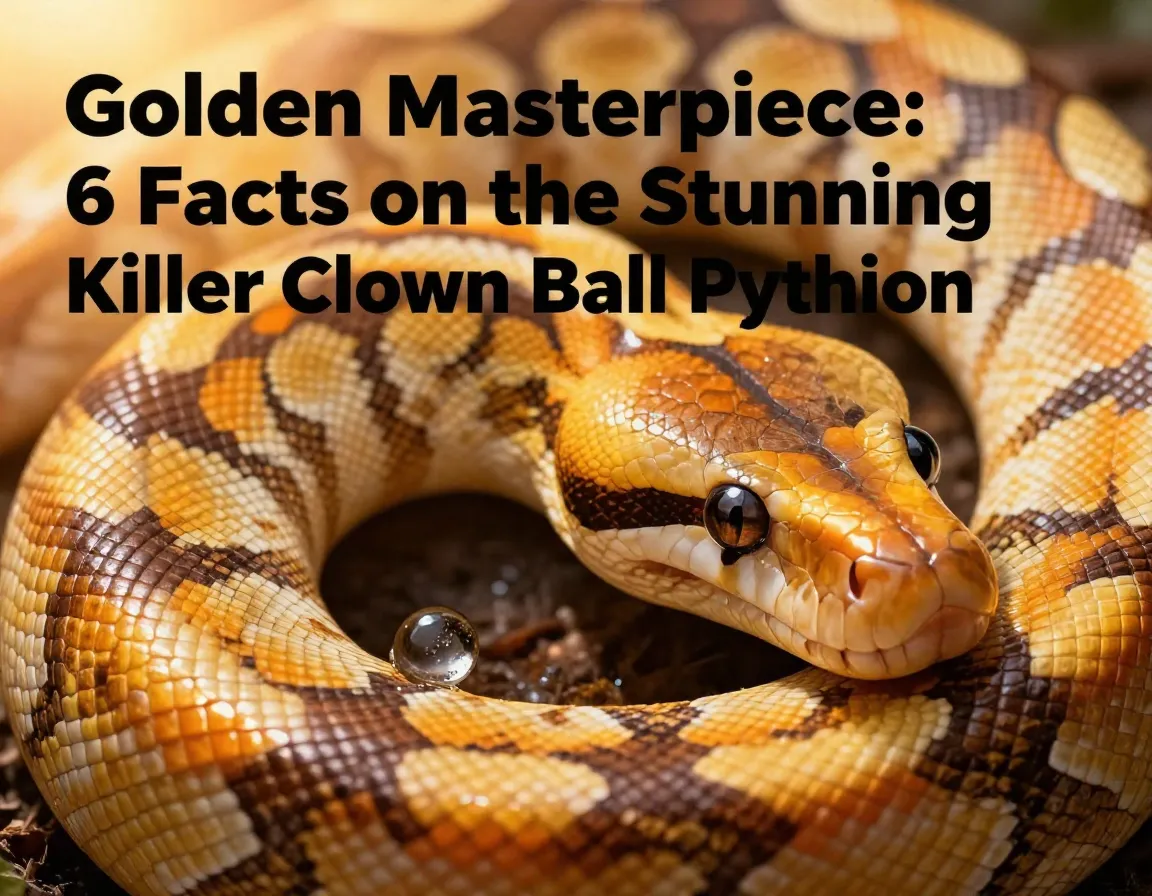
Picture a snake so beautiful that it looks like nature’s own masterpiece painted in gold, orange, and deep chocolate hues. The Killer Clown Ball Python represents one of the most sought-after morphs in the reptile world, combining two incredible genetic traits to create something truly extraordinary. Understanding the Killer Clown Ball Python: 6 Must-Know Facts About This Stunning Morph will help both new and experienced snake enthusiasts appreciate why this particular combination has captivated breeders and collectors worldwide.
Key Takeaways
- Killer Clown Ball Pythons are a combination morph created by breeding Killer Bee and Clown ball pythons together
- These snakes display stunning visual characteristics including bright yellows, oranges, and reduced black patterns
- Genetic inheritance follows specific patterns that affect breeding outcomes and offspring possibilities
- Proper care requirements include specific temperature, humidity, and housing needs similar to other ball python morphs
- Market value remains high due to their rarity and striking appearance, making them valuable breeding animals
Understanding the Genetics Behind Killer Clown Ball Python: 6 Must-Know Facts About This Stunning Morph
1. The Perfect Genetic Combination Creates Magic
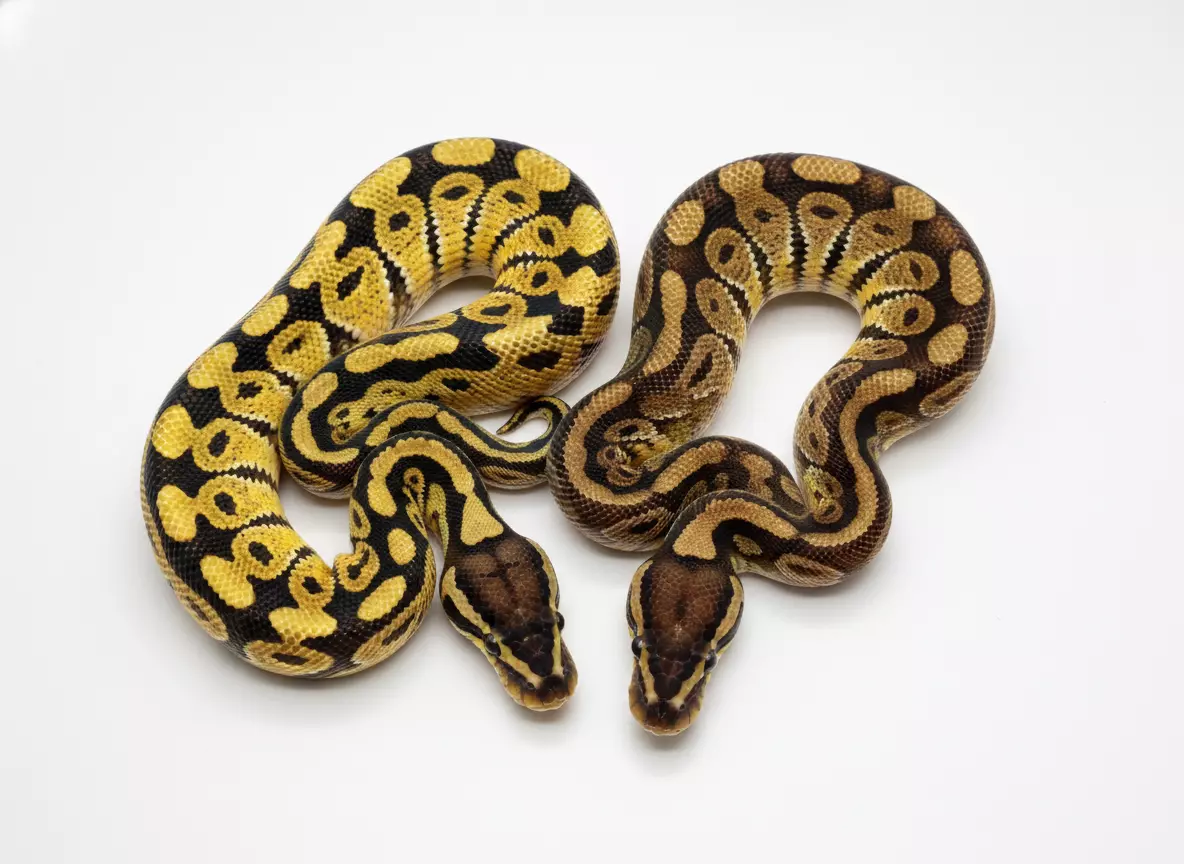
The Killer Clown Ball Python represents a fascinating example of how selective breeding can produce extraordinary results. This morph combines two distinct genetic lines: the Killer Bee and the Clown morphs. Each parent contributes specific traits that, when combined, create the stunning appearance that makes these snakes so desirable.
Killer Bee genetics bring:
- Enhanced yellow coloration
- Reduced black pigmentation
- Distinctive pattern alterations
- Vibrant contrast between colors
Clown genetics contribute:
- Unique head patterns
- Modified body markings
- Altered scale arrangements
- Distinctive facial characteristics
“The Killer Clown combination represents one of the most visually striking examples of how different ball python morphs can complement each other to create something truly spectacular.” – Professional Ball Python Breeder
2. Visual Characteristics That Set Them Apart
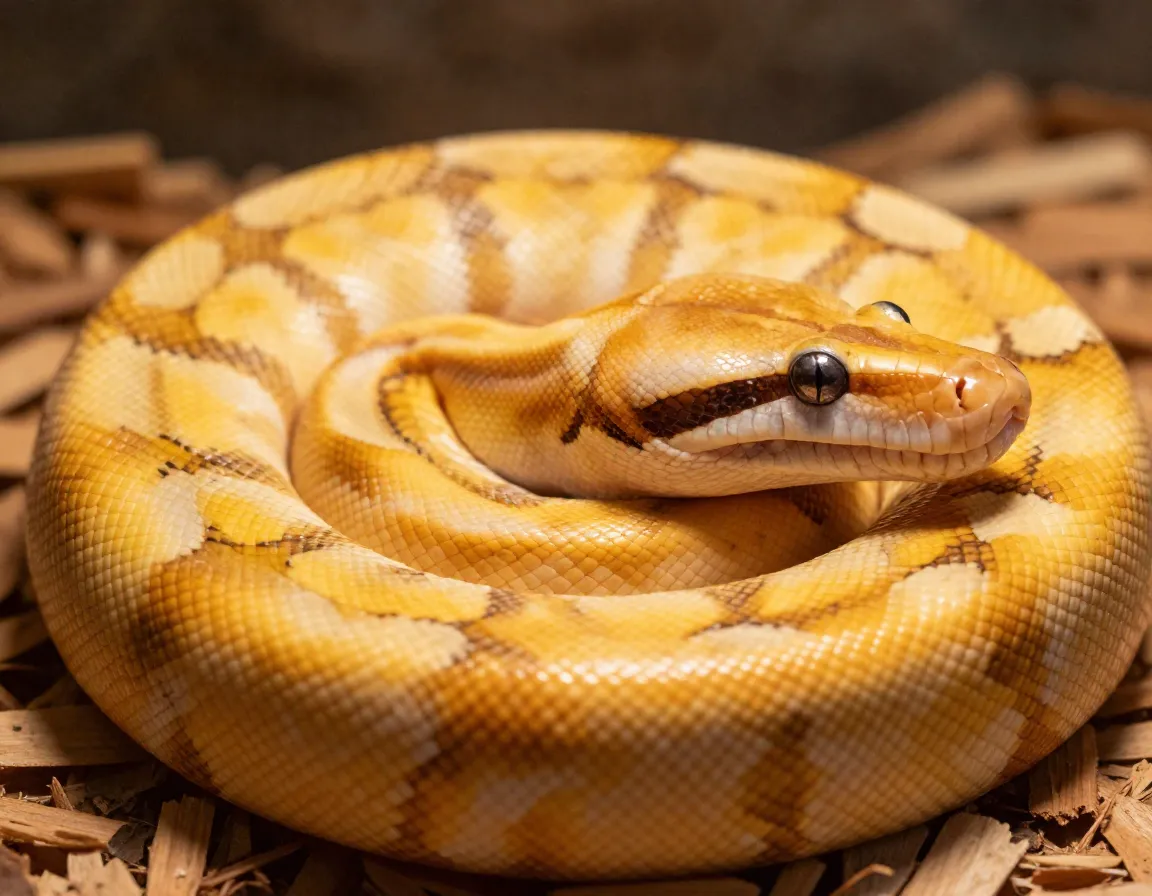
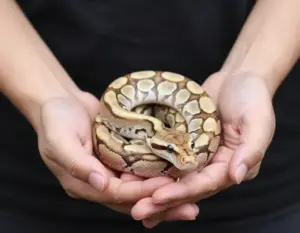
When examining a Killer Clown Ball Python, several distinctive features immediately catch the eye. These snakes showcase a remarkable blend of colors and patterns that make them instantly recognizable among ball python enthusiasts.
Primary visual features include:
| Feature | Description | Impact |
|---|---|---|
| Base Color | Rich golden yellow to bright orange | Creates stunning contrast |
| Pattern Reduction | Significantly reduced black markings | Allows bright colors to dominate |
| Head Pattern | Unique clown-like facial markings | Distinctive identification feature |
| Scale Quality | Enhanced shine and clarity | Improves overall appearance |
The dorsal pattern typically shows greatly reduced black coloration, allowing the warm yellows and oranges to create an almost glowing effect. Many specimens display what breeders call “clean” patterns, where the traditional ball python markings are simplified and enhanced rather than cluttered.
Belly patterns often show minimal marking, presenting as clean cream or light yellow. This clean belly appearance adds to the overall striking visual impact of the morph.
Care and Breeding Considerations for Killer Clown Ball Python: 6 Must-Know Facts About This Stunning Morph
3. Essential Care Requirements for Optimal Health
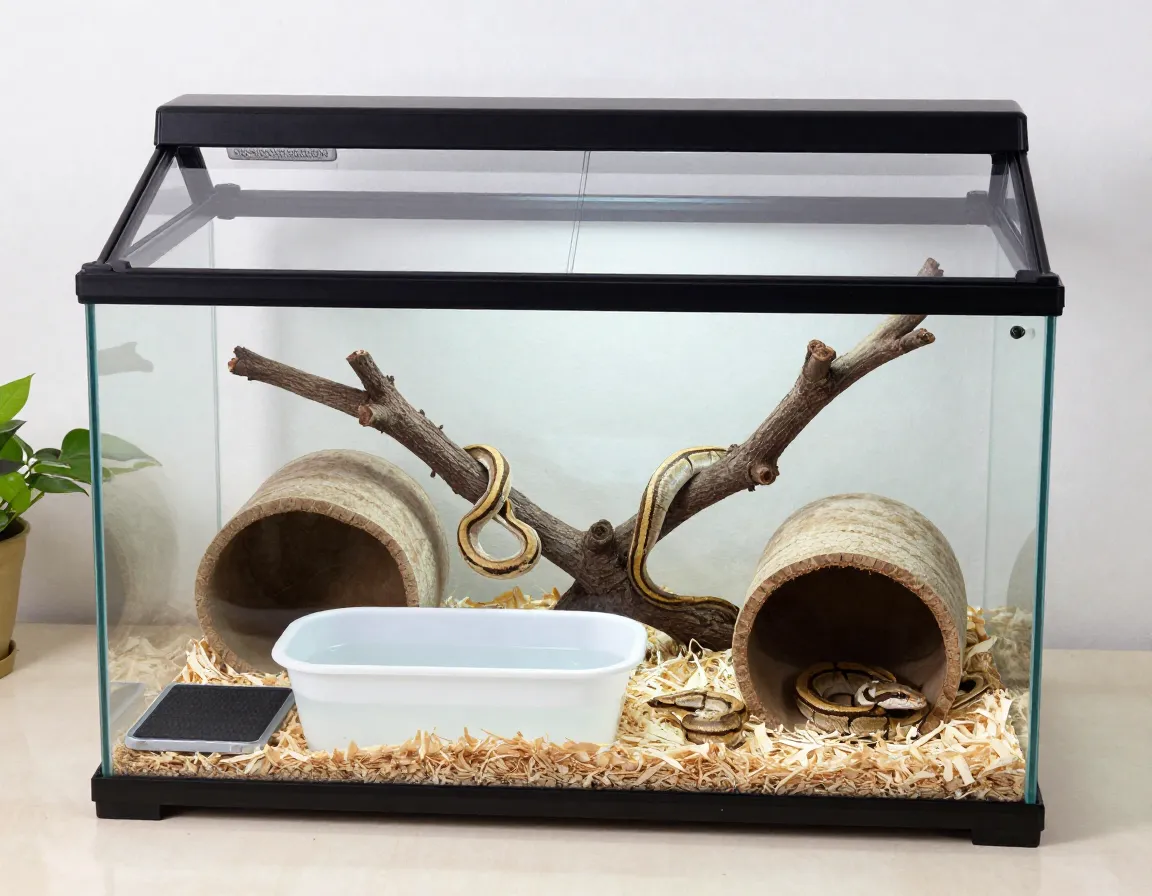
Caring for a Killer Clown Ball Python follows the same fundamental principles as other ball python morphs, but their value and beauty make proper husbandry even more critical. These stunning snakes require specific environmental conditions to thrive and maintain their gorgeous appearance.
Temperature requirements:
- Hot spot: 88-92°F (31-33°C)
- Cool side: 78-80°F (26-27°C)
- Nighttime drop: 75-78°F (24-26°C)
- Basking area: 90-95°F (32-35°C)
Humidity specifications:
- General humidity: 50-60%
- Shedding period: 70-80%
- Monitoring: Digital hygrometer essential
- Adjustment methods: Water bowls, humid hides, substrate moisture
Housing considerations for Killer Clown Ball Pythons:
🏠 Enclosure size: Minimum 40 gallons for adults, larger preferred
🌡️ Heating: Under-tank heaters with thermostats
💧 Water: Fresh water bowl large enough for soaking
🪨 Hiding spots: At least two hides (warm and cool sides)
🌿 Substrate: Aspen shavings, cypress mulch, or paper towels
4. Feeding Guidelines and Nutritional Needs

Killer Clown Ball Pythons have feeding requirements identical to other ball python morphs, but their high value makes proper nutrition crucial for maintaining their health and breeding potential.
Feeding schedule by age:
Juveniles (under 1 year):
- Feed every 5-7 days
- Prey size: 10-15% of snake’s body weight
- Typical prey: Hopper mice to small adult mice
Sub-adults (1-3 years):
- Feed every 7-10 days
- Prey size: 10-15% of snake’s body weight
- Typical prey: Adult mice to small rats
Adults (3+ years):
- Feed every 10-14 days
- Prey size: 5-10% of snake’s body weight
- Typical prey: Medium rats
Important feeding considerations:
- Always use frozen-thawed prey for safety
- Monitor body condition regularly
- Adjust feeding frequency based on growth and body condition
- Maintain detailed feeding records for breeding programs
Breeding and Market Value of Killer Clown Ball Python: 6 Must-Know Facts About This Stunning Morph
5. Breeding Strategies and Genetic Outcomes
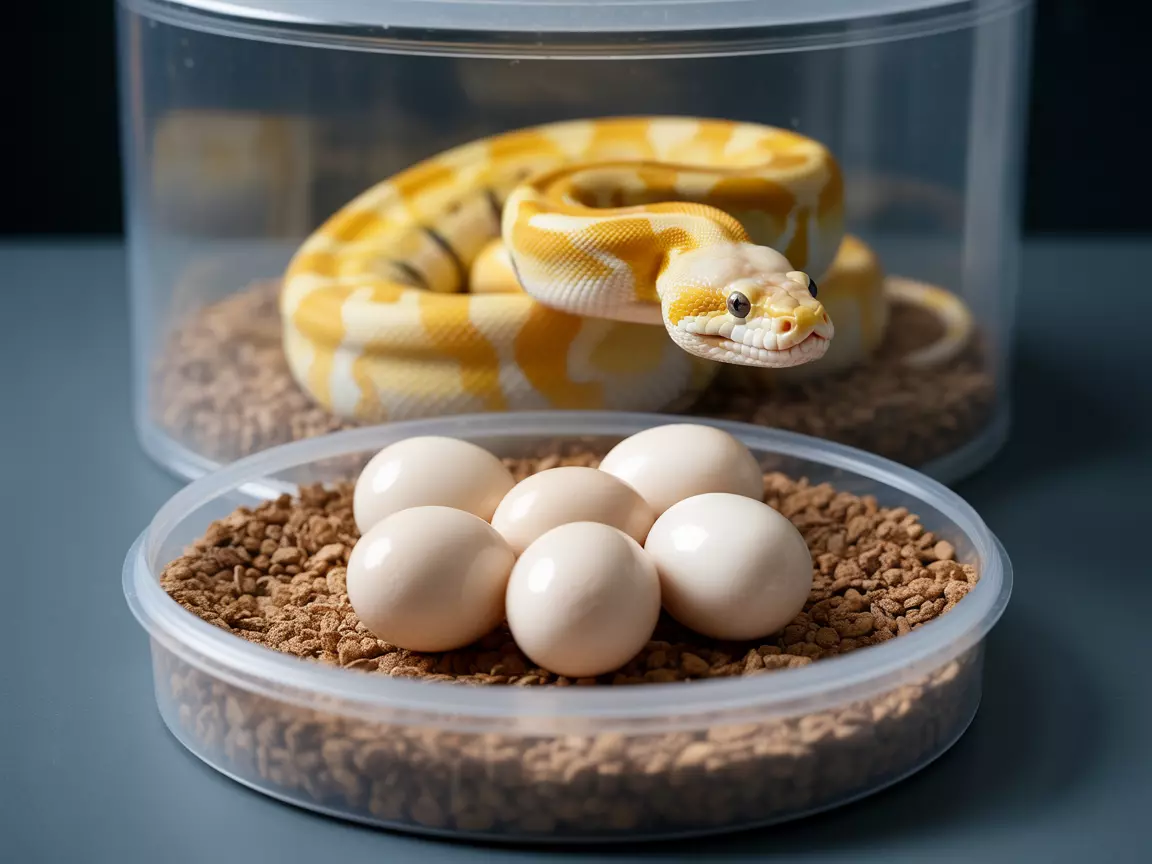
Breeding Killer Clown Ball Pythons requires understanding both the genetic mechanisms involved and the potential outcomes. These snakes can produce various offspring depending on their breeding partners, making them valuable additions to any serious breeding program.
Breeding a Killer Clown Ball Python with different morphs:
Killer Clown × Normal Ball Python:
- 25% Normal offspring
- 25% Killer Bee offspring
- 25% Clown offspring
- 25% Killer Clown offspring
Killer Clown × Killer Clown:
- 100% Killer Clown offspring
- Consistent morph production
- Higher market value offspring
- Predictable breeding outcomes
Advanced breeding combinations:
- Killer Clown × Pastel: Creates Killer Pastel Clown
- Killer Clown × Champagne: Produces Killer Champagne Clown
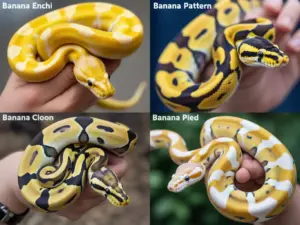
- Killer Clown × Banana: Results in Killer Banana Clown
“Breeding Killer Clowns opens up incredible possibilities for creating even more spectacular combinations. The genetic foundation they provide makes them essential for any serious ball python breeding program.” – Reptile Genetics Specialist
Breeding season considerations:
- Cooling period: 60-65°F for 2-3 months
- Breeding season: December through April
- Gestation period: 55-60 days
- Clutch size: 4-8 eggs typically
6. Market Value and Investment Potential
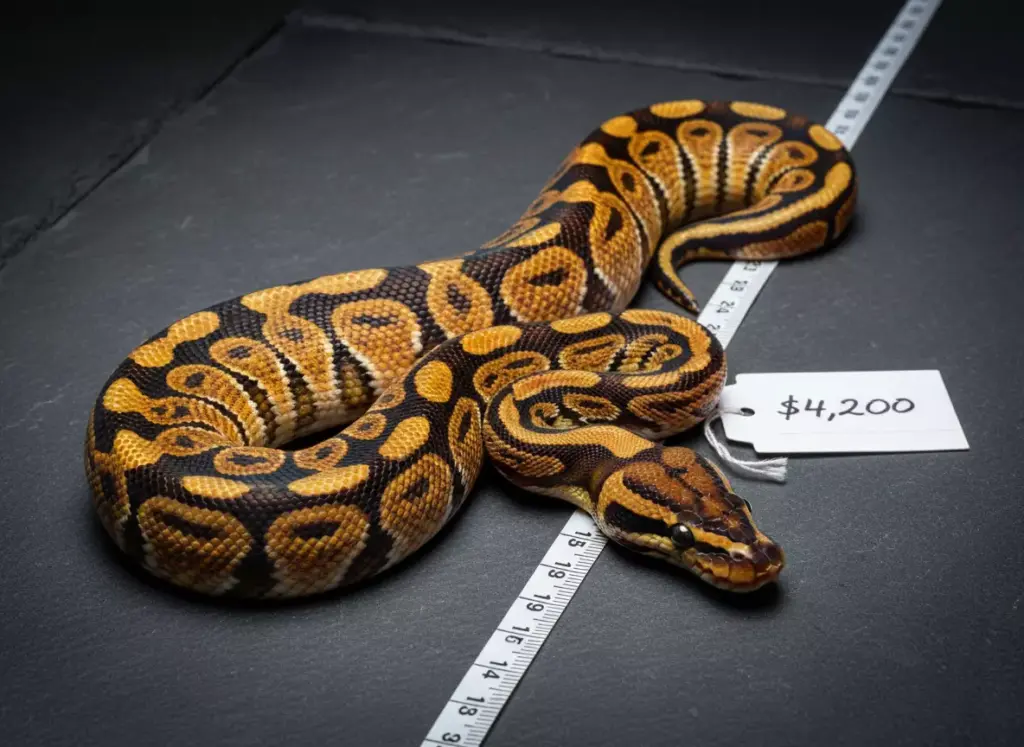
The Killer Clown Ball Python market reflects both the beauty and rarity of this exceptional morph. Understanding current market trends helps both buyers and breeders make informed decisions about these valuable animals.
Current market ranges (2026):
| Quality Grade | Price Range | Characteristics |
|---|---|---|
| Pet Quality | $800-$1,500 | Good color, minor pattern variations |
| Breeding Quality | $1,500-$3,000 | Excellent genetics, proven bloodlines |
| Show Quality | $3,000-$5,000+ | Perfect patterns, exceptional color |
Factors affecting value:
- Color intensity: Brighter yellows and oranges command higher prices
- Pattern clarity: Clean, well-defined patterns increase value
- Size and age: Adult breeding-ready animals cost more
- Genetic history: Proven bloodlines bring premium prices
- Gender: Females typically cost more due to breeding potential
Investment considerations:
✅ Stable demand from collectors and breeders
✅ Limited supply maintains higher prices
✅ Breeding potential offers ongoing income opportunities
✅ Visual appeal ensures continued popularity
⚠️ Market fluctuations can affect values
⚠️ Care costs require ongoing investment
Regional market variations:
- North America: Highest demand and prices
- Europe: Growing market with import considerations
- Asia: Emerging market with increasing interest
- Australia: Limited availability due to import restrictions
Health Considerations and Long-term Care
Common Health Issues in Killer Clown Ball Pythons
While Killer Clown Ball Pythons don’t suffer from morph-specific health problems, their high value makes preventive care essential. Understanding common ball python health issues helps ensure these beautiful snakes live long, healthy lives.
Respiratory infections represent the most common health concern:
- Symptoms: Mouth breathing, wheezing, excess mucus
- Causes: Improper temperatures, high humidity, poor ventilation
- Prevention: Maintain proper environmental conditions
- Treatment: Veterinary care with appropriate antibiotics
Scale rot can affect snakes in overly humid conditions:
- Symptoms: Discolored belly scales, soft spots, odor
- Causes: Excessive moisture, poor substrate choices
- Prevention: Proper substrate and humidity management
- Treatment: Environmental correction and topical treatments
Mites and parasites require immediate attention:
- External parasites: Visible moving dots, excessive soaking
- Internal parasites: Weight loss, regurgitation, poor appetite
- Prevention: Quarantine new animals, maintain cleanliness
- Treatment: Appropriate medications under veterinary guidance
Quarantine Protocols for New Acquisitions
When acquiring a Killer Clown Ball Python, proper quarantine procedures protect both the new animal and any existing collection. The high value of these snakes makes quarantine protocols especially important.
Quarantine setup requirements:
- Separate room: Complete isolation from other reptiles
- Basic housing: Simple, easily cleaned enclosure
- Essential equipment: Separate tools, cleaning supplies
- Duration: Minimum 60-90 days observation period
Monitoring during quarantine:
- Daily observations: Behavior, appetite, elimination
- Weekly weighing: Track weight changes and growth
- Veterinary examination: Professional health assessment
- Fecal testing: Parasite screening before introduction
Advanced Husbandry Techniques
Creating the Perfect Environment
Killer Clown Ball Pythons deserve exceptional care that showcases their beauty while ensuring optimal health. Advanced husbandry techniques can enhance both the snake’s wellbeing and visual appeal.
Lighting considerations:
- Natural lighting cycles: 12-hour day/night cycles
- UVB supplementation: Optional but beneficial for some specimens
- LED systems: Energy-efficient with customizable spectrums
- Viewing lights: Enhance color display without heat stress
Advanced substrate options:
- Bioactive setups: Living ecosystems with cleanup crews
- Cypress mulch blends: Natural appearance with good moisture retention
- Paper towel systems: Maximum cleanliness for breeding animals
- Custom substrate mixes: Tailored for specific humidity needs
Environmental enrichment:
- Climbing opportunities: Branches and elevated platforms
- Multiple hide options: Various sizes and materials
- Texture variety: Different surfaces for natural behaviors
- Seasonal variations: Subtle environmental changes throughout the year
Record Keeping and Documentation
Maintaining detailed records becomes crucial when working with valuable Killer Clown Ball Pythons. Proper documentation supports breeding programs, health management, and potential sales.
Essential record categories:
- Feeding logs: Dates, prey sizes, acceptance rates
- Shed cycles: Frequency, completeness, any complications
- Weight tracking: Regular measurements for growth monitoring
- Breeding records: Pairing dates, egg laying, hatching success
- Health notes: Veterinary visits, treatments, observations
Digital record systems:
- Specialized software: Reptile-specific management programs
- Spreadsheet templates: Customizable tracking systems
- Photo documentation: Regular images showing growth and condition
- Backup procedures: Multiple copies of important data
Future Trends and Developments
Emerging Combinations and New Possibilities
The Killer Clown Ball Python continues to serve as a foundation for new and exciting combinations. Understanding emerging trends helps predict future developments in this dynamic market.
Trending combinations in 2026:
- Killer Clown Pied: Incorporating piebald genetics for white patches
- Killer Clown Lavender: Adding lavender genetics for purple undertones
- Killer Clown Genetic Stripe: Creating striped patterns with killer clown colors
- Killer Clown Enchi: Enhancing pattern clarity and color intensity
Technological advances affecting breeding:
- Genetic testing: More precise identification of genetic markers
- Incubation technology: Improved hatching success rates
- Health monitoring: Advanced diagnostic tools for early problem detection
- Digital platforms: Enhanced marketing and sales opportunities
Conservation and Ethical Breeding
As the ball python hobby continues growing, Killer Clown Ball Python breeders increasingly focus on ethical practices and conservation awareness.
Responsible breeding practices:
- Genetic diversity: Maintaining healthy breeding populations
- Health screening: Comprehensive testing before breeding
- Quality over quantity: Focus on exceptional animals rather than mass production
- Education: Sharing knowledge with new enthusiasts
Supporting conservation efforts:
- Wild population awareness: Understanding natural habitat pressures
- Captive breeding success: Reducing pressure on wild populations
- Research support: Contributing to scientific understanding
- Habitat preservation: Supporting conservation organizations
Conclusion
The Killer Clown Ball Python: 6 Must-Know Facts About This Stunning Morph reveals why these exceptional snakes continue captivating reptile enthusiasts worldwide. From their remarkable genetic combination creating stunning visual appeal to their significant market value and breeding potential, Killer Clown Ball Pythons represent the pinnacle of ball python morph development.
Understanding proper care requirements, genetic inheritance patterns, and market dynamics empowers both new and experienced keepers to make informed decisions about these valuable animals. Whether pursuing breeding programs, building collections, or simply appreciating their beauty, Killer Clown Ball Pythons offer rewarding experiences for dedicated enthusiasts.
Take action today:
- Research reputable breeders in your area
- Prepare proper housing before acquiring your snake
- Connect with local reptile communities for ongoing support
- Consider your long-term goals for breeding or collecting
- Invest in quality equipment for optimal care
The world of Killer Clown Ball Pythons offers endless possibilities for those willing to invest time, effort, and resources into these magnificent creatures. Their combination of beauty, genetics, and value ensures they’ll remain highly sought-after for years to come.