Is Pet Sitting at Home Right for You? 6 Pros and Cons to Consider
Picture this: You’re planning a long-awaited vacation, but the thought of leaving your beloved furry family member behind fills you with anxiety. Should you choose a traditional boarding facility, or is there a better option that keeps your pet comfortable in their own home? Is Pet Sitting at Home Right for You? 6 Pros and Cons to Consider has become a crucial question for millions of pet owners as the industry continues to evolve in 2026.
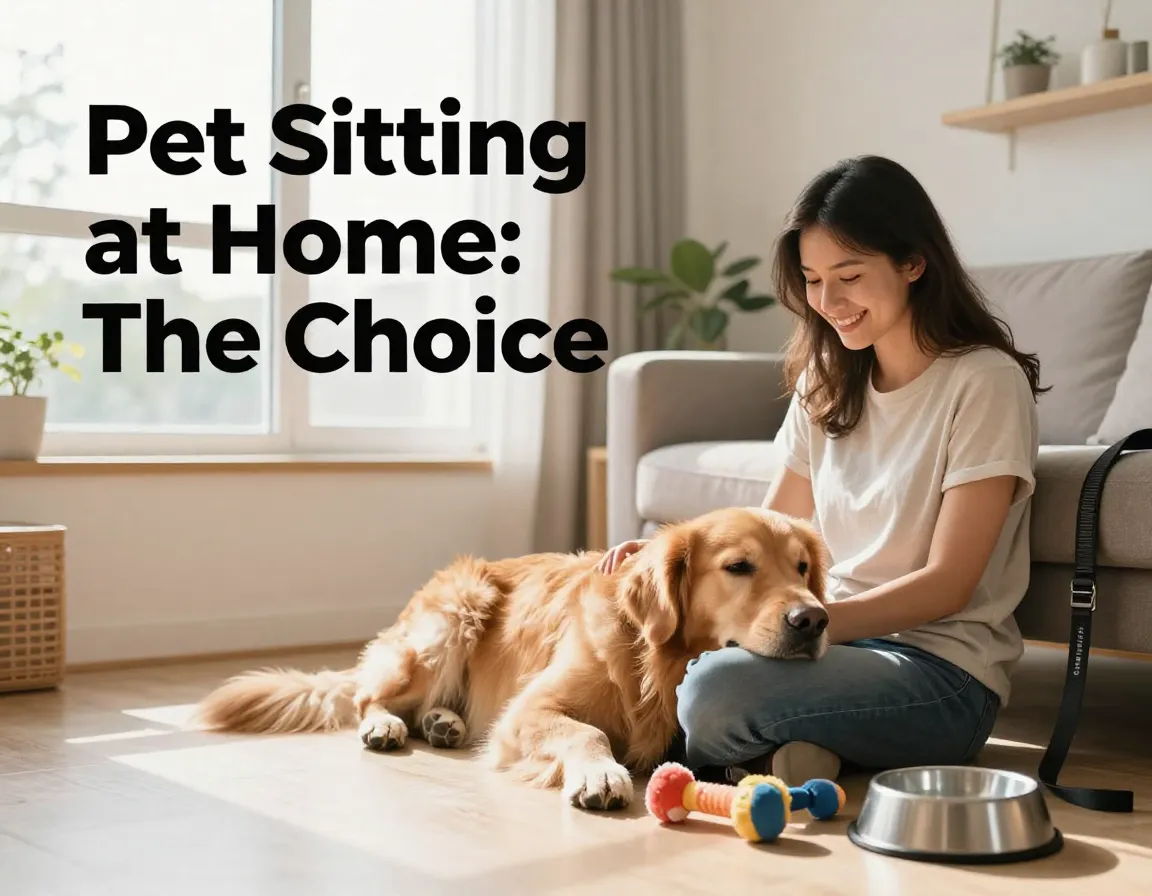
With 94 million U.S. households now owning pets (representing 71% of all households), the demand for quality pet care services has never been higher [1]. The pet sitting industry has responded with innovative solutions, and in-home pet sitting has emerged as a preferred choice for many families. However, like any service decision, it comes with both significant advantages and potential drawbacks that every pet owner should carefully evaluate.
Key Takeaways
- Stress Reduction: In-home pet sitting dramatically reduces stress for pets by maintaining their familiar environment and established routines
- Growing Industry Demand: 78% of cat owners now pay for professional care, with clients increasingly preferring sitters who stay in their homes [1]
- Professional Considerations: The industry shows strong stability with 66% of registered pet sitters operating for over 5 years, but liability and scheduling challenges exist [1]
- Technology Integration: Modern pet sitting increasingly incorporates cameras, GPS trackers, and feeding apps to meet evolving client expectations [2]
- Financial Viability: In-home sitting can be lucrative for providers while offering peace of mind for owners, though costs may be higher than traditional boarding
The Advantages: Why In-Home Pet Sitting Shines
1. Reduced Stress and Anxiety for Your Pets 🐾
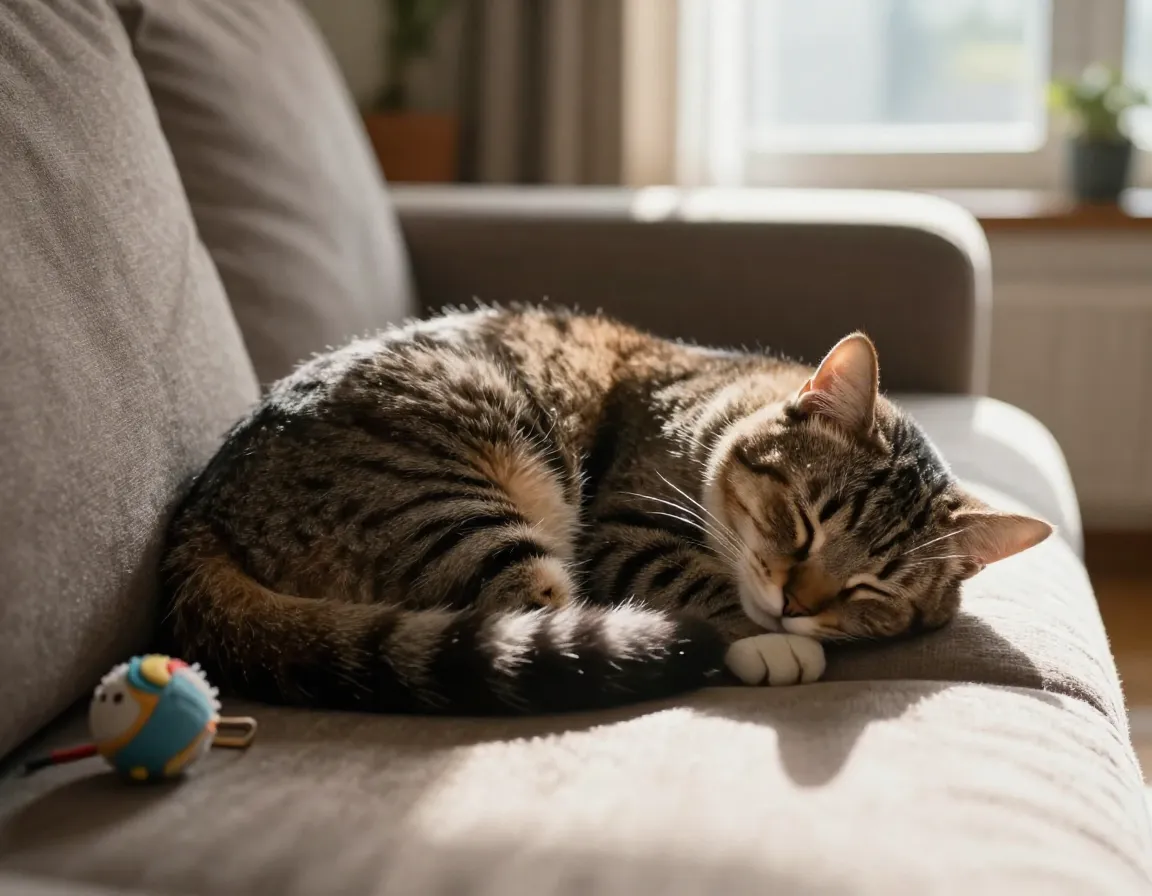
One of the most compelling reasons to consider in-home pet sitting is the dramatic reduction in stress that pets experience when they remain in their familiar environment. Unlike boarding facilities or daycare centers where pets must adapt to new surroundings, sounds, and smells, in-home care allows animals to maintain their sense of security and comfort [4].
Pets experience less stress and are happier in their home environment because they can access their favorite sleeping spots, familiar toys, and established territories [4]. This is particularly important for cats, who are naturally territorial creatures, and older dogs who may struggle with changes to their routine.
The stress reduction benefits extend beyond mere comfort. When pets remain calm and relaxed, they’re less likely to develop behavioral issues, digestive problems, or other stress-related health concerns that can arise from boarding situations.
2. Maintained Diet and Exercise Routines
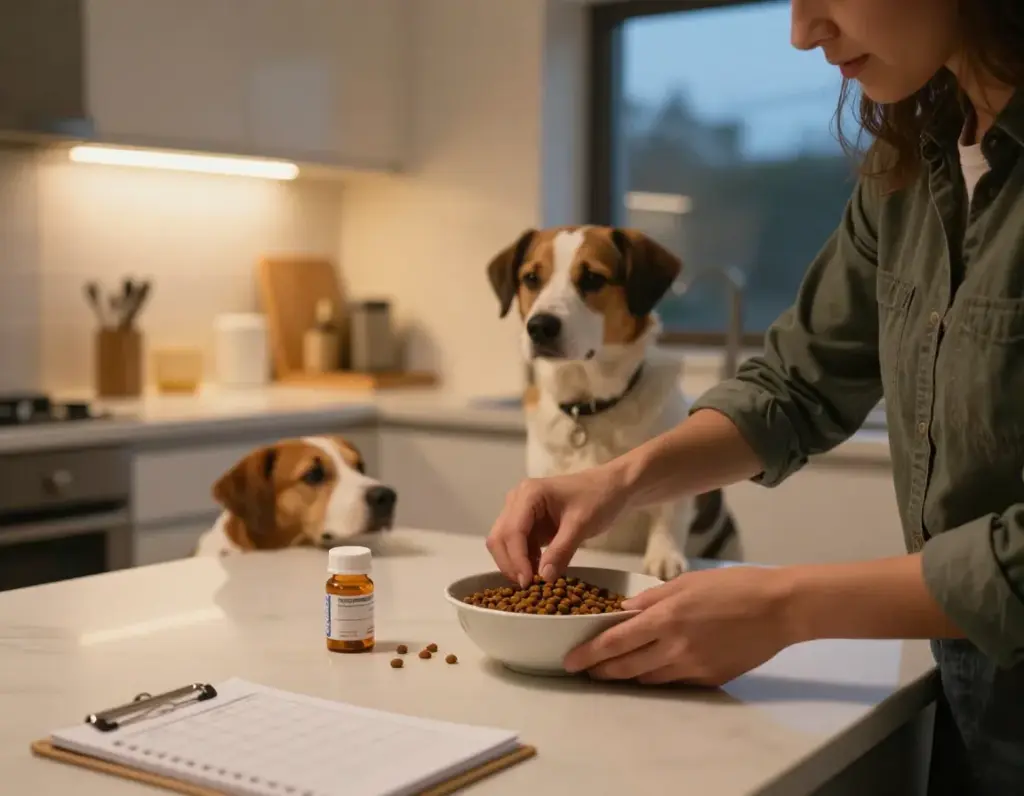
Diet and exercise routines remain uninterrupted during owner absence when utilizing in-home pet sitting services [4]. This consistency is crucial for pets with special dietary needs, medication schedules, or specific exercise requirements.
Professional in-home sitters can:
- Follow exact feeding schedules and portion sizes
- Administer medications at precise times
- Maintain walking routes and exercise intensity
- Preserve playtime routines that pets expect
With basic pet care visits averaging 29.6 minutes in the U.S., professional sitters have adequate time to ensure all routine elements are properly maintained [1]. This attention to detail becomes especially important for senior pets or those with medical conditions requiring strict adherence to schedules.
3. Minimized Exposure to Illness and Disease

In-home pet sitting significantly reduces pets’ exposure to illness compared to group care settings like boarding facilities or doggy daycare [4]. This advantage has become increasingly important as pet owners become more aware of how easily communicable diseases can spread in congregate care environments.
Benefits of reduced illness exposure include:
- Lower risk of kennel cough and other respiratory infections
- Decreased chance of parasites (fleas, ticks, worms)
- Reduced exposure to gastrointestinal viruses
- Elimination of stress-induced immune system suppression
For pets with compromised immune systems, chronic health conditions, or those who are very young or elderly, this protection can be invaluable in maintaining their overall health and well-being.
The Challenges: Potential Drawbacks to Consider
4. Higher Costs Compared to Traditional Boarding

While in-home pet sitting offers numerous advantages, it typically comes with higher costs than traditional boarding facilities. The personalized, one-on-one attention and convenience of in-home care commands premium pricing in the marketplace.
Cost factors to consider:
- Overnight stays can be significantly more expensive than kennel boarding
- Holiday and weekend rates often include substantial surcharges
- Multiple pet discounts may not offset the base cost difference
- Last-minute bookings can result in premium pricing
However, many pet owners find the additional cost justified when considering the peace of mind and reduced stress for their pets [4]. The growing demand suggests that clients increasingly prefer sitters who stay in their homes, which also increases sitter earnings [2].
5. Limited Availability and Scheduling Challenges

The popularity of in-home pet sitting has created scheduling challenges and limited availability, particularly during peak travel seasons. With registered pet sitters performing more than 12 million home visits in 2021, demand often exceeds supply [1].
Common scheduling issues include:
- Holiday blackout periods when premium sitters are fully booked
- Short-notice requests that may be difficult to accommodate
- Geographic limitations in rural or less populated areas
- Sitter reliability concerns if backup options aren’t available
The fact that 66% of registered pet sitters have been in business for over 5 years indicates industry stability, but it also suggests that experienced, reliable sitters are in high demand [1].
6. Liability and Security Considerations

Inviting someone into your home while you’re away introduces liability and security considerations that don’t exist with off-site boarding facilities. While professional pet sitting services typically carry insurance, homeowners should understand the potential risks and protections involved.
Key considerations include:
- Home security and key management protocols
- Property damage coverage and responsibility
- Emergency response procedures and veterinary authorization
- Background checks and professional certifications
The industry has responded to these concerns with increased technology integration, including pet cameras, GPS trackers, and feeding apps that allow owners to monitor their pets and homes remotely [2]. Professional services also typically provide comprehensive insurance coverage and bonding for their sitters.
Making the Decision: Is Pet Sitting at Home Right for You?
When evaluating Is Pet Sitting at Home Right for You? 6 Pros and Cons to Consider, several factors should guide your decision-making process:
Consider in-home pet sitting if:
- Your pet experiences anxiety or stress in new environments
- You have multiple pets with complex care routines
- Your pet requires medication or special dietary management
- You value the security of having someone monitor your home
- Budget allows for premium pet care services
Traditional boarding might be better if:
- Cost is a primary concern
- Your pet enjoys socializing with other animals
- You prefer the structured environment of professional facilities
- In-home sitters aren’t readily available in your area
The Future of In-Home Pet Sitting in 2026
The pet sitting industry continues to evolve rapidly in 2026, with technology playing an increasingly important role in service delivery [2]. Professional sitters now commonly use apps for scheduling, photo updates, GPS tracking during walks, and real-time communication with pet owners.
Emerging trends include:
- Smart home integration for feeding and monitoring
- Telehealth consultations with veterinarians during sits
- Enhanced background screening and certification programs
- Specialized care for senior pets and those with medical needs
With 78% of cat owners paying for professional care while away, the market demonstrates strong demand for quality in-home services [1]. This trend suggests that professional, insured pet sitters will continue to command premium pricing for their specialized services.
Conclusion
Is Pet Sitting at Home Right for You? 6 Pros and Cons to Consider ultimately depends on your specific circumstances, budget, and pet’s individual needs. The advantages of reduced stress, maintained routines, and minimized illness exposure make in-home pet sitting an attractive option for many families. However, the higher costs, scheduling challenges, and security considerations require careful evaluation.
As the pet care industry continues to mature in 2026, in-home pet sitting represents a premium service option that prioritizes pet comfort and owner peace of mind. The growing demand and industry stability suggest this trend will continue, making it an increasingly viable option for discerning pet owners.
Next Steps:
- Assess your pet’s temperament and specific care needs
- Research local professional pet sitting services and read reviews
- Compare costs between in-home sitting and boarding facilities
- Interview potential sitters and verify insurance coverage
- Start with a trial period before committing to longer arrangements
By carefully weighing these six key pros and cons, you’ll be better equipped to make an informed decision that serves both your peace of mind and your pet’s well-being.
References
[1] Pet Sitting Statistics – https://articles.hepper.com/pet-sitting-statistics/
[2] Is Pet Sitting Good Business – https://petme.social/is-pet-sitting-good-business/
[4] Industry Stats And Facts – https://www.petsit.com/industry-stats-and-facts