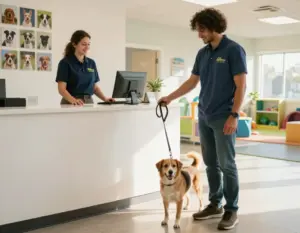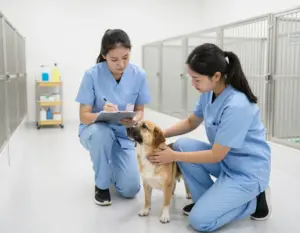
How to Set Up the Perfect Dog Boarding House in 7 Simple Steps
The pet care industry is booming, with Americans spending over $147 billion on their furry companions in 2026. As more pet owners seek reliable boarding services for their beloved dogs, the opportunity to create a successful dog boarding business has never been greater. However, transforming this opportunity into reality requires careful planning, strategic design, and meticulous attention to detail.

Learning how to set up the perfect dog boarding house in 7 simple steps can be the difference between a thriving business and a costly mistake. From space optimization to staff training, every element must work in harmony to create a safe, comfortable environment that both dogs and their owners will trust. This comprehensive guide breaks down the complex process into manageable steps that any aspiring entrepreneur can follow.
Key Takeaways
- Space planning is critical – Proper measurement and layout design directly impacts operational efficiency and animal welfare
- Infrastructure requirements are non-negotiable – Climate control, sanitation systems, and secure kennels form the foundation of any successful facility
- Staff expertise determines success – Well-trained team members ensure safety, health protocols, and exceptional customer service
- Legal compliance varies by location – Zoning requirements, permits, and regulations differ significantly across states and counties
- Daily maintenance protocols are essential – Consistent cleaning, health monitoring, and facility upkeep protect both animals and business reputation
1. Master the Art of Space Planning and Layout Design
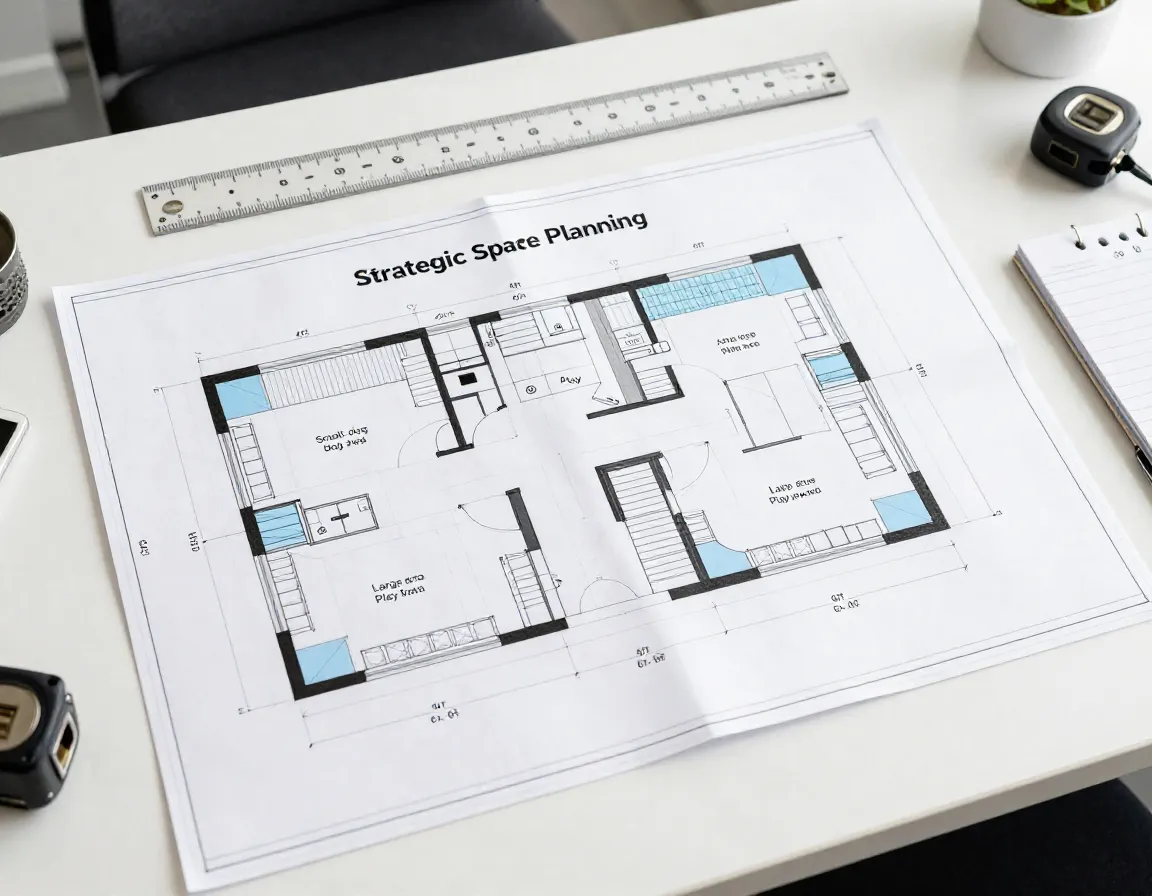
The foundation of any successful dog boarding facility begins with strategic space planning. This critical first step determines everything from operational efficiency to animal welfare standards. Proper space planning requires measuring available space wall-to-wall and accounting for obstacles like electrical panels, light switches, and door swing directions to optimize kennel placement [5].
Essential Space Calculations
When planning the layout, consider that kennel sizing depends on duration of stays. Longer boarding periods require larger kennels, and most construction materials come in 4ft or 6ft increments for efficient building [5]. This standardization helps control costs while ensuring adequate space for different dog sizes.
Key measurements to consider:
- Small dogs: Minimum 4ft x 4ft kennels
- Medium dogs: 4ft x 6ft or 6ft x 6ft kennels
- Large dogs: 6ft x 8ft or larger kennels
- Giant breeds: Custom sizing based on individual needs
Layout Priorities for Maximum Efficiency
When arranging kennels, prioritize ease of cleaning, efficient dog movement in and out, proximity to food storage, noise isolation from lobby areas, and quick access to play yards [5]. These factors directly impact daily operations and staff productivity.
The facility should include distinct spaces for different dog sizes and temperaments, secure fencing, and climate-controlled areas [6]. Separating areas by size and temperament reduces stress and prevents conflicts between incompatible dogs.
Traffic Flow Optimization
Design pathways that allow staff to move efficiently between areas without disturbing resting animals. Create separate entrances for client drop-offs and service areas to maintain a calm environment. Consider sight lines that allow supervision while minimizing visual stress between kenneled dogs.
2. Build Essential Infrastructure and Core Systems
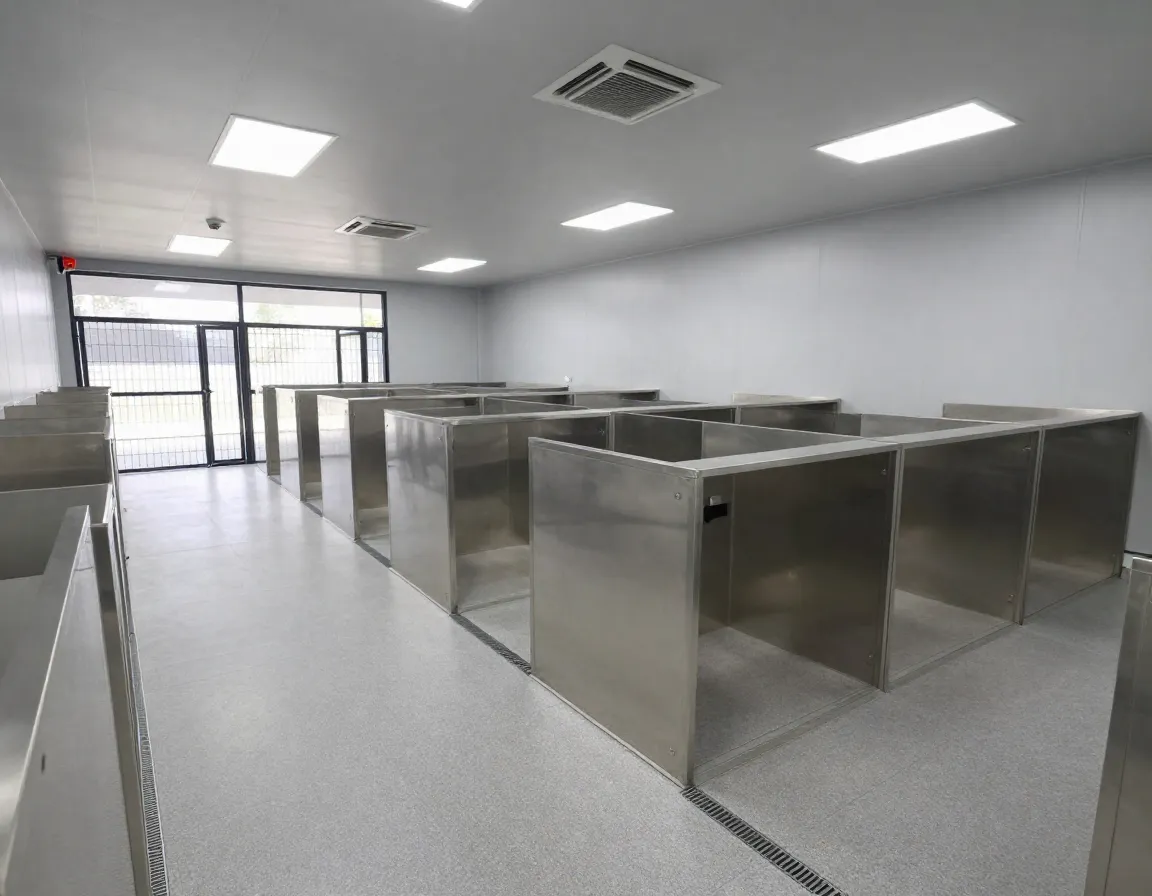
The infrastructure of a dog boarding facility extends far beyond basic kennels. Core infrastructure needed includes secure kennels or suites, indoor/outdoor play areas, climate control systems, sanitation systems, food/water stations, and grooming areas [2][3]. Each system must work together to create a safe, healthy environment.
Climate Control and Ventilation Systems
Proper climate control systems are non-negotiable for animal health and comfort. Dogs are sensitive to temperature extremes, and poor ventilation can lead to respiratory issues and disease transmission. Install commercial-grade HVAC systems designed for animal facilities, with separate zones for different areas.
Essential climate features:
- Temperature control (68-72°F optimal range)
- Humidity control (30-50% relative humidity)
- Air filtration systems
- Adequate ventilation rates
- Emergency backup systems
Sanitation and Water Systems
Sanitation systems form the backbone of health protocols. Install floor drains in all kennel areas, use non-porous flooring materials, and ensure adequate water pressure for cleaning. Consider installing hot water systems for effective sanitization.
Security and Safety Infrastructure
Implement multiple layers of security including:
- Secure fencing with appropriate heights for different dog sizes
- Double-gate entry systems to prevent escapes
- Security cameras in all common areas
- Emergency lighting and backup power systems
- Fire suppression systems designed for animal facilities
3. Design Specialized Areas for Different Dog Needs
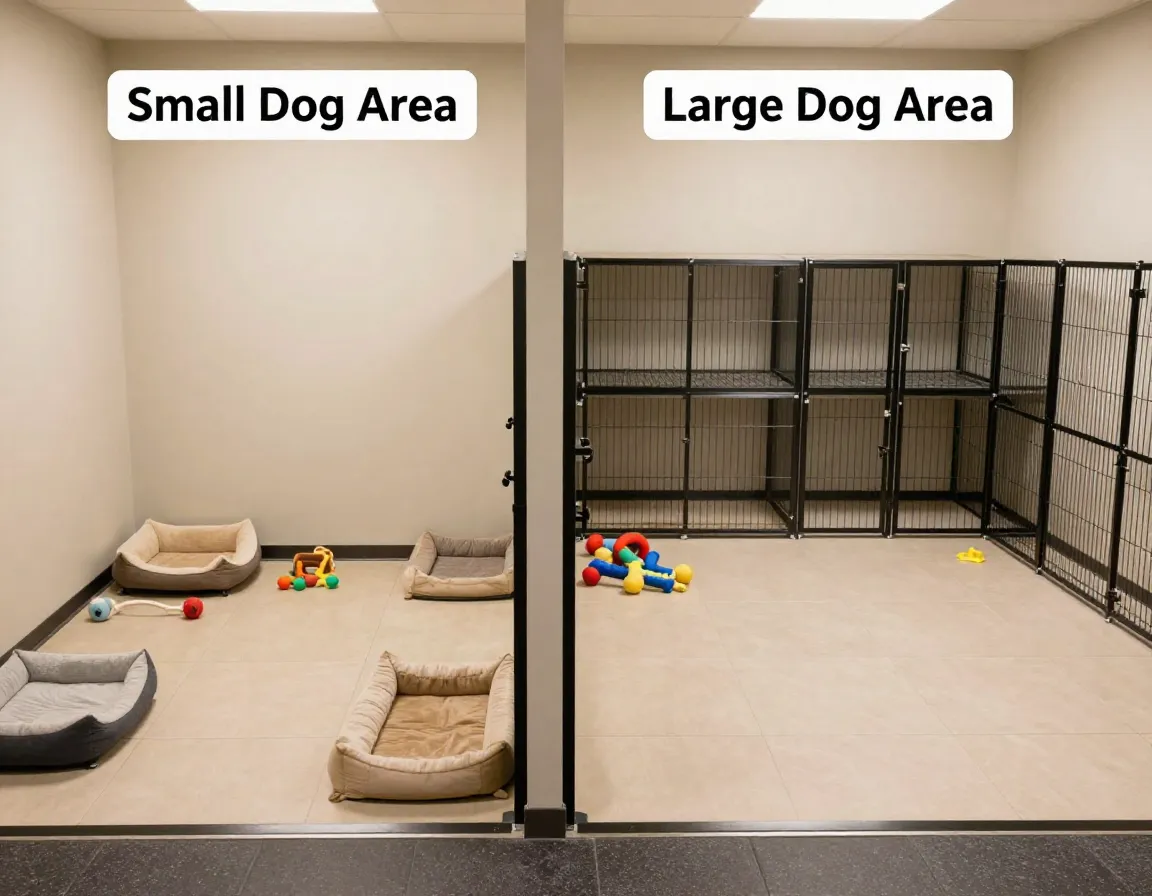
Creating separate areas for different dog sizes and temperaments [6] is crucial for maintaining a peaceful, safe environment. This specialization reduces stress, prevents injuries, and allows for customized care approaches.
Size-Based Separation Zones
Small Dog Areas:
- Lower kennel heights for easier access
- Smaller play equipment
- Quieter zones away from large dog activities
- Temperature considerations for smaller body mass
Large Dog Areas:
- Reinforced kennels and fencing
- Larger play spaces
- Heavy-duty equipment and furnishings
- Enhanced ventilation for higher activity levels
Temperament-Specific Spaces
Design areas for different personality types:
- Quiet zones for anxious or elderly dogs
- High-energy areas with enhanced play equipment
- Isolation areas for new arrivals or health monitoring
- Socialization spaces for group activities
Specialized Function Areas
Beyond basic kenneling, include:
- Grooming stations with professional equipment
- Medical isolation areas for sick animals
- Training spaces for behavioral work
- Client meeting areas for consultations
4. Establish Medical Preparedness and Emergency Protocols
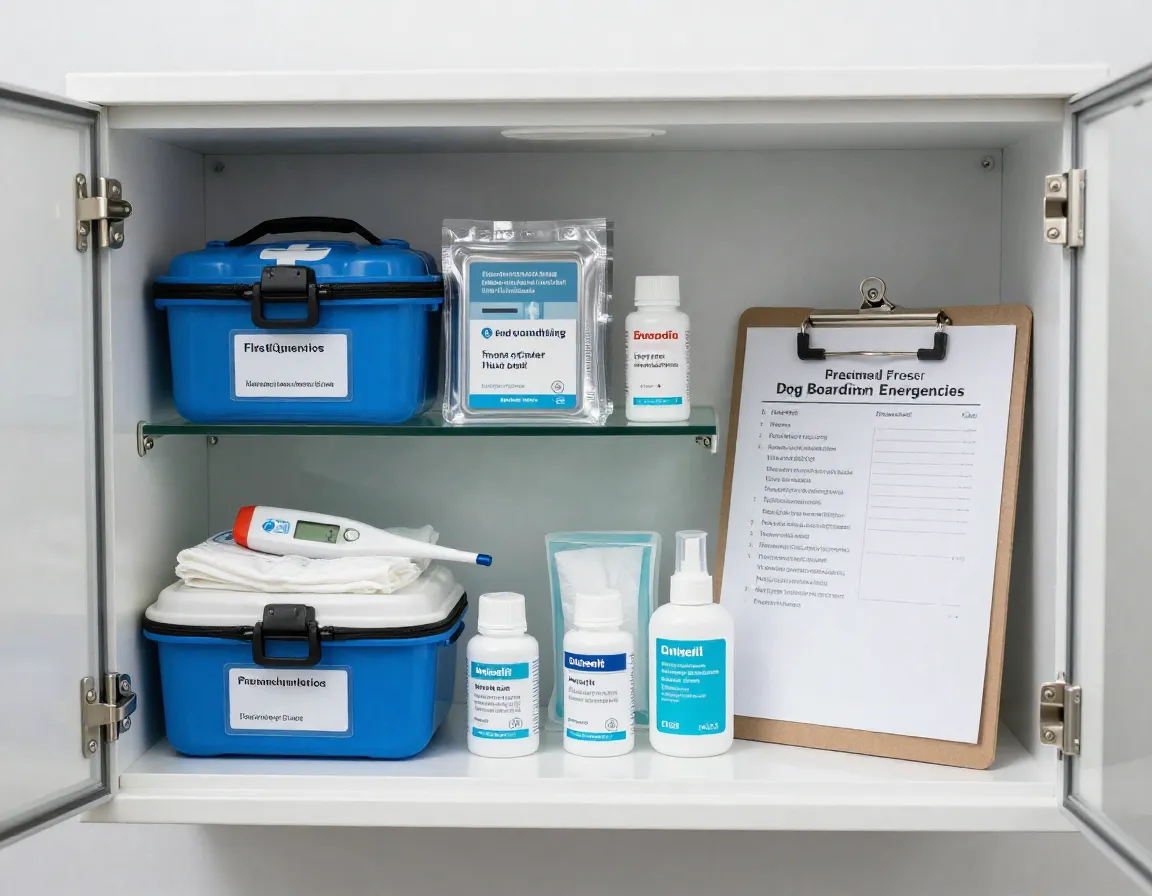
Medical preparedness requires locked medication cabinets, basic first aid supplies for both humans and dogs, and cleaning supplies rated for all surfaces [4]. This preparation can mean the difference between a minor incident and a major emergency.
Essential Medical Supplies
Stock comprehensive medical supplies including:
- First aid kits specifically designed for canines
- Emergency medications (with veterinary oversight)
- Thermometers and basic diagnostic tools
- Wound care supplies and antiseptics
- Emergency contact information for local veterinarians
Health Monitoring Protocols
Implement vaccination requirements, health checks, behavior assessments, emergency handling procedures, and protocols for managing sick or aggressive dogs [2]. These protocols protect all animals in the facility and demonstrate professionalism to clients.
Daily health monitoring should include:
- Visual wellness checks during feeding
- Temperature monitoring for at-risk animals
- Behavior observation and documentation
- Appetite and elimination tracking
- Immediate isolation protocols for illness symptoms
Emergency Response Planning
Develop comprehensive emergency procedures for:
- Medical emergencies requiring immediate veterinary care
- Natural disasters and evacuation procedures
- Escape protocols and recovery procedures
- Aggressive behavior incidents and de-escalation
- Fire safety and emergency evacuation
5. Recruit and Train Expert Staff for Optimal Operations
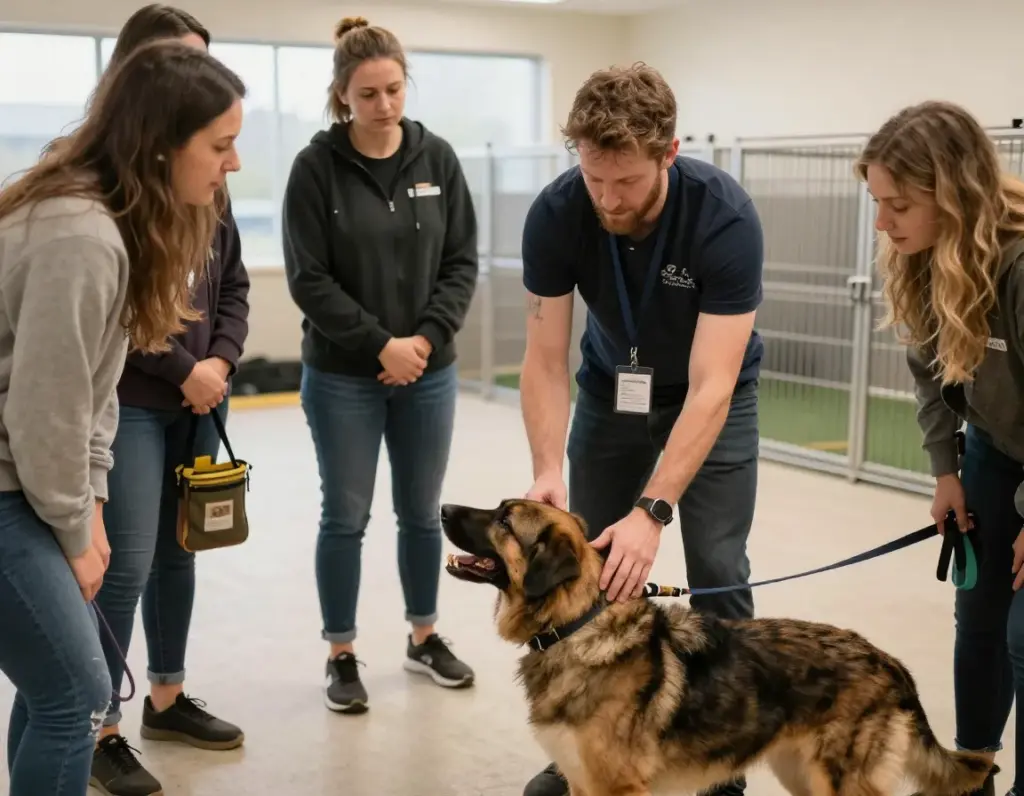
Staff expertise required includes kennel attendants trained in animal behavior, first aid, and customer service; larger facilities may need dedicated groomers, trainers, and administrative staff [3]. The quality of staff directly impacts animal welfare and business success.
Core Staff Positions and Qualifications
Kennel Attendants:
- Animal behavior training
- First aid certification
- Physical stamina for demanding work
- Excellent observation skills
- Customer service experience
Facility Manager:
- Business management experience
- Animal care background
- Staff supervision skills
- Emergency response training
- Client relationship management
Comprehensive Training Programs
Develop training programs covering:
- Animal handling techniques for different temperaments
- Health monitoring and emergency recognition
- Cleaning protocols and sanitation standards
- Customer service and communication skills
- Safety procedures and emergency response
Ongoing Education and Certification
Invest in continuous staff development through:
- Regular training updates on industry best practices
- Professional certification programs
- Veterinary partnership educational sessions
- Customer service skill development
- Emergency response drills and practice
6. Implement Daily Maintenance and Health Protocols
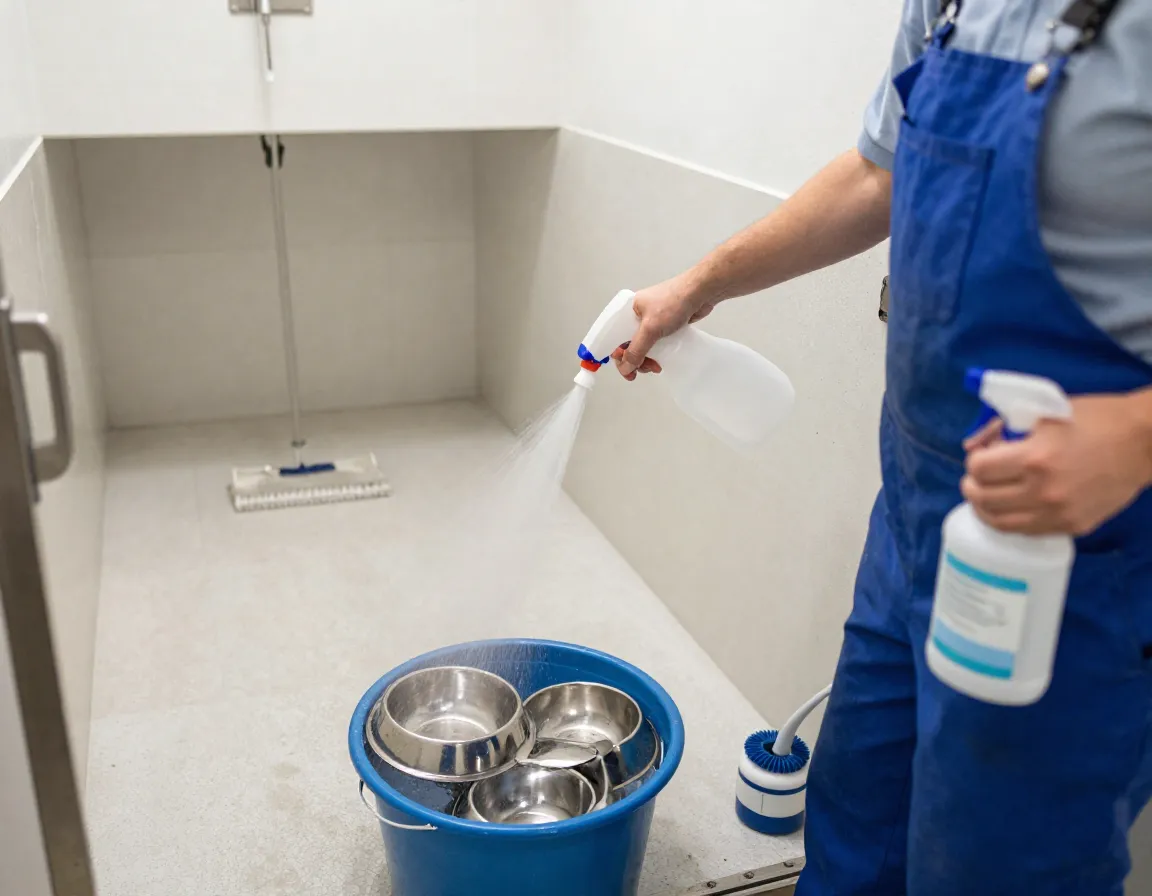
Daily maintenance demands include disinfecting kennels and play areas, sanitizing food/water dishes, and maintaining regular facility cleaning schedules [1]. Consistent maintenance protects animal health and maintains professional standards.
Daily Cleaning Protocols
Establish rigorous daily cleaning schedules:
Morning Routine:
- Health checks and feeding
- Kennel cleaning and disinfection
- Play area inspection and cleaning
- Equipment sanitization
- Facility safety check
Throughout the Day:
- Continuous monitoring and spot cleaning
- Food and water dish sanitization
- Waste removal and disposal
- Activity area maintenance
- Client communication updates
Evening Routine:
- Final health checks
- Deep cleaning of high-traffic areas
- Equipment inspection and maintenance
- Facility security check
- Next-day preparation
Health Protocol Implementation
Vaccination Requirements:
- Verify current vaccination records
- Maintain vaccination databases
- Quarantine protocols for expired vaccinations
- Partnership with local veterinarians
Behavior Assessment Procedures:
- Initial temperament evaluation
- Ongoing behavior monitoring
- Socialization assessments
- Stress indicator recognition
7. Establish Legal Framework and Client Communication Systems

Legal documentation essential includes establishing clear contracts and liability waivers, defining drop-off/pick-up procedures with late policies, and creating client communication guidelines [2]. Proper legal framework protects both business and clients.
Zoning and Regulatory Compliance
Zoning compliance varies significantly by state and county; consulting a local business lawyer is recommended to ensure compliance with building permits, inspections, and fees [7]. This legal foundation prevents costly compliance issues and potential business closure.
Essential legal requirements:
- Business licenses and permits
- Zoning compliance verification
- Building code adherence
- Insurance coverage requirements
- Health department approvals
Client Contract Development
Create comprehensive contracts covering:
- Service agreements and pricing structures
- Liability waivers and risk acknowledgment
- Health requirements and vaccination policies
- Emergency authorization and veterinary care
- Pick-up and drop-off policies with late fees
Communication Systems
Implement professional communication protocols:
- Digital check-in systems for efficiency
- Daily update procedures for pet parents
- Emergency contact protocols and notification systems
- Photo and video sharing for peace of mind
- Feedback collection and service improvement
Financial and Administrative Systems
Establish robust business systems including:
- Payment processing and billing procedures
- Record keeping for health and behavior tracking
- Staff scheduling and payroll management
- Inventory management for supplies and equipment
- Marketing and client acquisition strategies
Conclusion
Successfully implementing how to set up the perfect dog boarding house in 7 simple steps requires careful attention to each critical component. From the initial space planning that optimizes kennel placement and workflow efficiency, to the final legal frameworks that protect both business and clients, every step builds upon the previous foundation.
The key to success lies in understanding that a dog boarding facility is more than just a place to house pets temporarily. It’s a comprehensive care environment that requires professional infrastructure, expert staff, rigorous health protocols, and unwavering commitment to animal welfare. The investment in proper planning, quality systems, and ongoing training pays dividends through satisfied clients, healthy animals, and sustainable business growth.
Take action today by beginning with a thorough assessment of your available space and local zoning requirements. Consult with professionals including business lawyers, veterinarians, and construction specialists to ensure compliance and optimal design. Remember that cutting corners in the planning phase often leads to expensive corrections later.
The pet care industry continues to grow, and well-designed dog boarding facilities that prioritize animal welfare and client satisfaction will thrive in this expanding market. By following these seven essential steps and maintaining high standards in every aspect of operations, entrepreneurs can build successful businesses that serve their communities while providing exceptional care for beloved family pets.
Start your journey toward creating the perfect dog boarding house by taking the first step: comprehensive space planning and design. The investment in proper preparation will establish the foundation for years of successful operations and countless happy, healthy dogs in your care.
References
[1] How To Start A Dog Boarding Business – https://www.timetopet.com/blog/how-to-start-a-dog-boarding-business
[2] How To Start A Dog Boarding Business – https://www.thedogkennelcollection.com/blog/how-to-start-a-dog-boarding-business/
[3] How To Start A Pet Boarding Business A Step By Step Guide – https://www.wexfordins.com/post/how-to-start-a-pet-boarding-business-a-step-by-step-guide
[4] How To Start Dog Boarding Business – https://www.moego.pet/blog/how-to-start-dog-boarding-business
[5] Starting Your Own Dog Daycare Or Boarding Kennel Layout – https://www.gatorkennels.com/blog/starting-your-own-dog-daycare-or-boarding-kennel-layout/
[6] How To Start A Dog Boarding Kennel – https://customcanineunlimited.com/how-to-start-a-dog-boarding-kennel/
[7] How To Start A Dog Boarding Business – https://www.dogster.com/lifestyle/how-to-start-a-dog-boarding-business