Animal Photos With Hilariously Funny Faces You Can’t Unsee
More than 10,000 wildlife photographers from 112 countries submitted images this year hoping to capture one thing: a split-second expression so absurd it stops a scroll dead in its tracks. Out of that massive pool, only a handful of frames earned the kind of reaction that makes people screenshot a photo and send it to five group chats before finishing their coffee. That is the real story behind 6 Animal Photos With Hilariously Funny Faces You Can’t Unsee, these are not staged gags or digitally altered memes. They are real animals, caught by real lenses, doing things that look suspiciously human.
Disclosure: This post contains affiliate links. As an Amazon Associate, we earn from qualifying purchases, and at no extra cost to you.
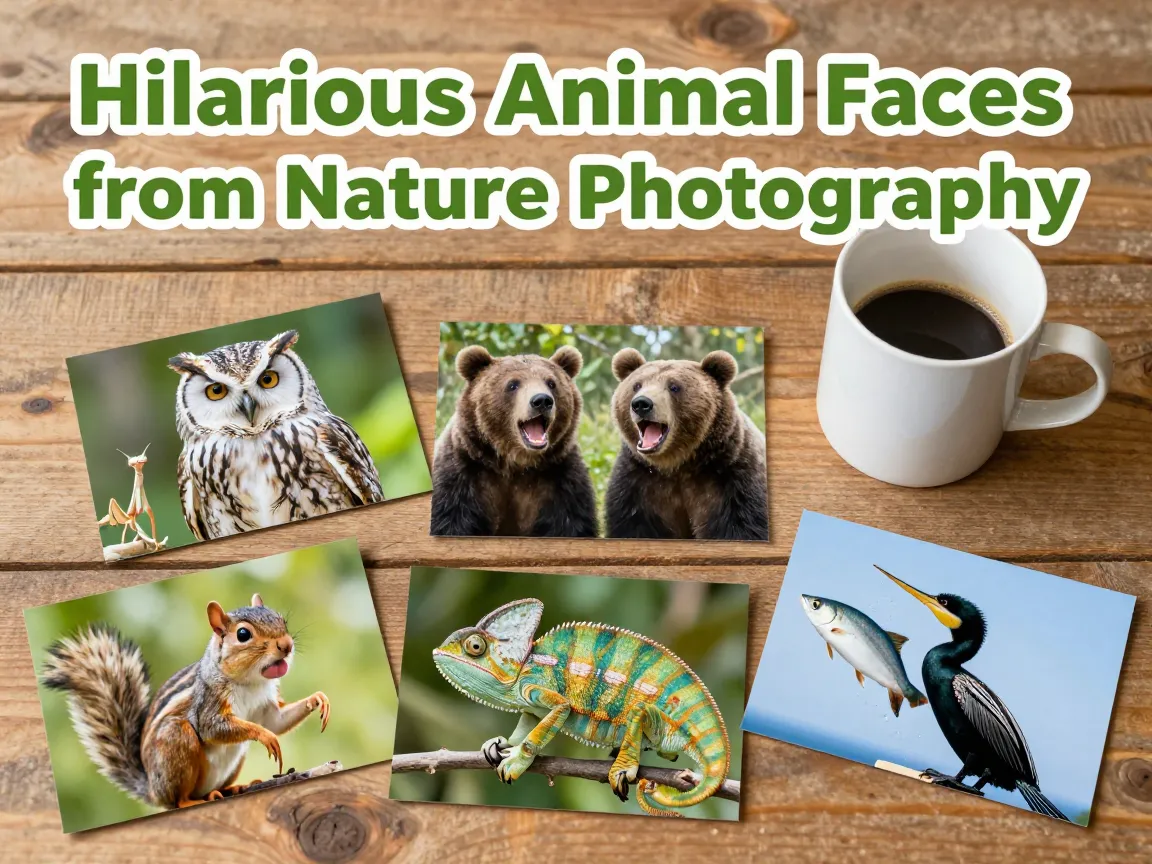
A scowling owl. Two bears that appear to be sharing a joke. A praying mantis lounging like it owns the leaf. These moments exist because nature does not care about dignity, and cameras are now fast enough to catch the exact millisecond when a creature’s face betrays something that looks a lot like personality. This roundup breaks down six of the most talked-about funny animal faces making the rounds right now, explains why they are suddenly everywhere, and looks at what experts say about whether animals are actually “smiling” at all.
Key Takeaways
- The current wave of viral funny animal photos is driven largely by the 2026 Comedy Wildlife Photography Awards, which shortlisted 47 images and 9 videos from more than 10,000 entries across 112 countries.
- Major outlets including BBC, Forbes, and CBS have all run separate galleries this year, proving that “funny animal faces” content now spans serious journalism and casual internet lists alike.
- Scientists remain divided on whether expressions like a bear’s open-mouth grin or a chameleon’s rigid pose reflect real emotion or simply coincidental muscle movement caught at the right instant.
- Six standout images, featuring an owl, two bears, a mantis, a squirrel, a chameleon, and an anhinga, illustrate the range of species and settings producing these unforgettable faces in 2026.
- Responsible viewing matters: wildlife experts encourage enjoying the humor while remembering these are wild animals behaving naturally, not performing for an audience.
What Makes an Animal Photo “Hilariously Funny”?
Not every animal photo earns a double take. The ones that do tend to share a few specific traits that photographers and judges look for when sorting thousands of submissions down to a shortlist. Understanding these traits helps explain why certain images from 6 Animal Photos With Hilariously Funny Faces You Can’t Unsee spread faster than others, and why nature photography competitions have leaned harder into humor over the past decade.
First, timing is everything. A camera shutter firing at the exact moment a bird blinks, a mouth opens mid-yawn, or a limb flails awkwardly can turn an ordinary animal into an accidental comedian. Second, the expression has to resemble something humans instantly recognize, even if the animal has no concept of smiling, scowling, or looking surprised. Human brains are wired to search for faces and emotional cues everywhere, a tendency researchers call pareidolia, and that wiring kicks into overdrive when an owl’s eyebrow-like feathers happen to droop just so.
Third, context adds comedy. A fish leaping directly in front of a bird’s face, a chameleon gripping a branch like a tiny action figure, or a squirrel with cheeks so stuffed it looks ready to pop all rely on an unexpected visual collision. The animal did nothing unusual for its species; the camera simply caught the one frame where biology looked like slapstick.
The table below summarizes the main ingredients judges and viewers consistently respond to when ranking funny animal photography.
| Comedy Factor | What It Looks Like | Example Species |
|---|---|---|
| Split-second timing | Blink, yawn, or mid-motion freeze | Owls, bears, lions |
| Human-like expression | Apparent smile, scowl, or shock | Bears, chimpanzees |
| Unexpected object or angle | Fish blocking a face, stuffed cheeks | Anhinga, squirrel |
| Rigid or stiff posing | Looks like a toy or statue | Chameleon, mantis |
| Awkward body position | Mid-fall, mid-stretch, off-balance | Various birds, primates |
These five factors explain why the Comedy Wildlife Photography Awards, now in its eleventh year, has become the most trusted authority on this genre. Judges are not looking for cute animals. They are hunting for the exact overlap between natural behavior and comedic accident, and this year’s shortlist of 47 images proved that overlap is more common than most people assume.
6 Animal Photos With Hilariously Funny Faces You Can’t Unsee
The following six photos represent some of the most widely shared and critically recognized examples from this year’s wildlife photography cycle. Each one was captured in the field, under natural conditions, by photographers documenting real behavior rather than staging a scene for laughs.
1. The Scowling Mountain Scops Owl
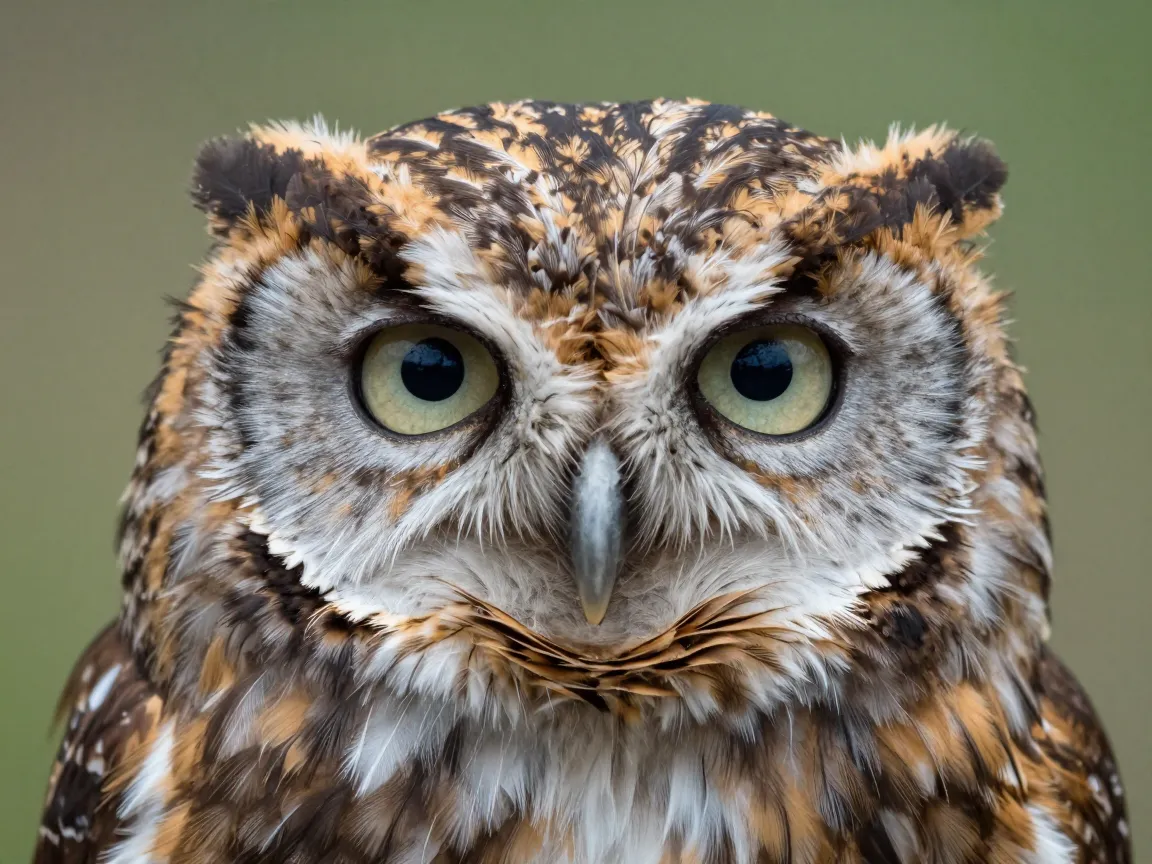
Photographed in China, this small owl stares directly into the lens with an expression that looks unmistakably like irritation. Its feathered brow folds downward in a way that mimics a furrowed human forehead, and its eyes narrow just enough to suggest it has had enough of being photographed. BBC Future highlighted this image as one of the standout entries of the year, noting that the owl’s posture captures a split second of natural behavior rather than any deliberate display of annoyance. Still, once viewers see the resemblance to a grumpy coworker, it is nearly impossible to look at the photo without laughing.
2. Two Teenage Brown Bears Sharing a Laugh
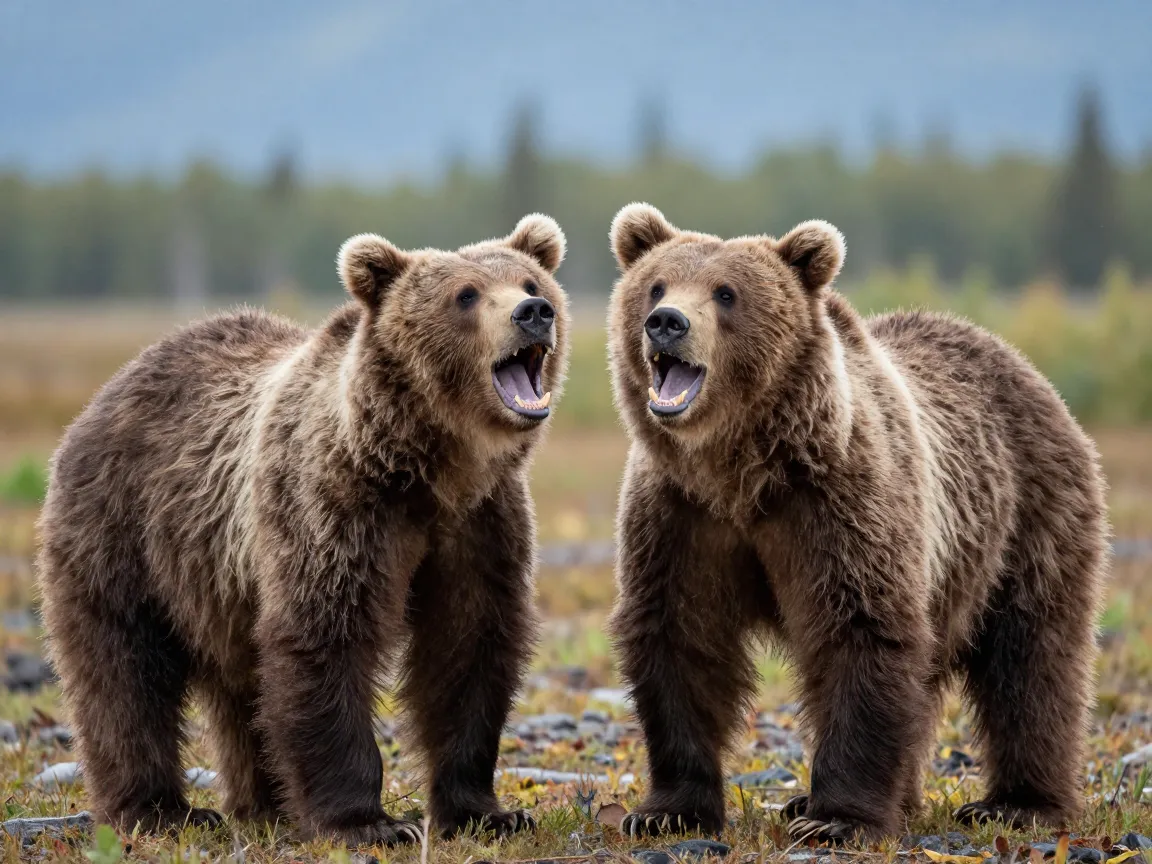
Captured in Alaska, this image shows a pair of young brown bears with their mouths wide open, teeth visible, in a pose that looks exactly like two friends cracking up at the same joke. The photo has become one of the most shared entries from this year’s competition precisely because it reads as so emotionally relatable. Experts quoted in coverage of the image caution that bears open their mouths for many reasons, including communication, play signaling, and simple jaw movement, and that labeling the behavior as “laughing” is more a human interpretation than a confirmed emotional state. Even with that caveat, the photo remains one of the clearest examples of an animal face that looks almost scripted for comedy.
3. The Leisurely Praying Mantis
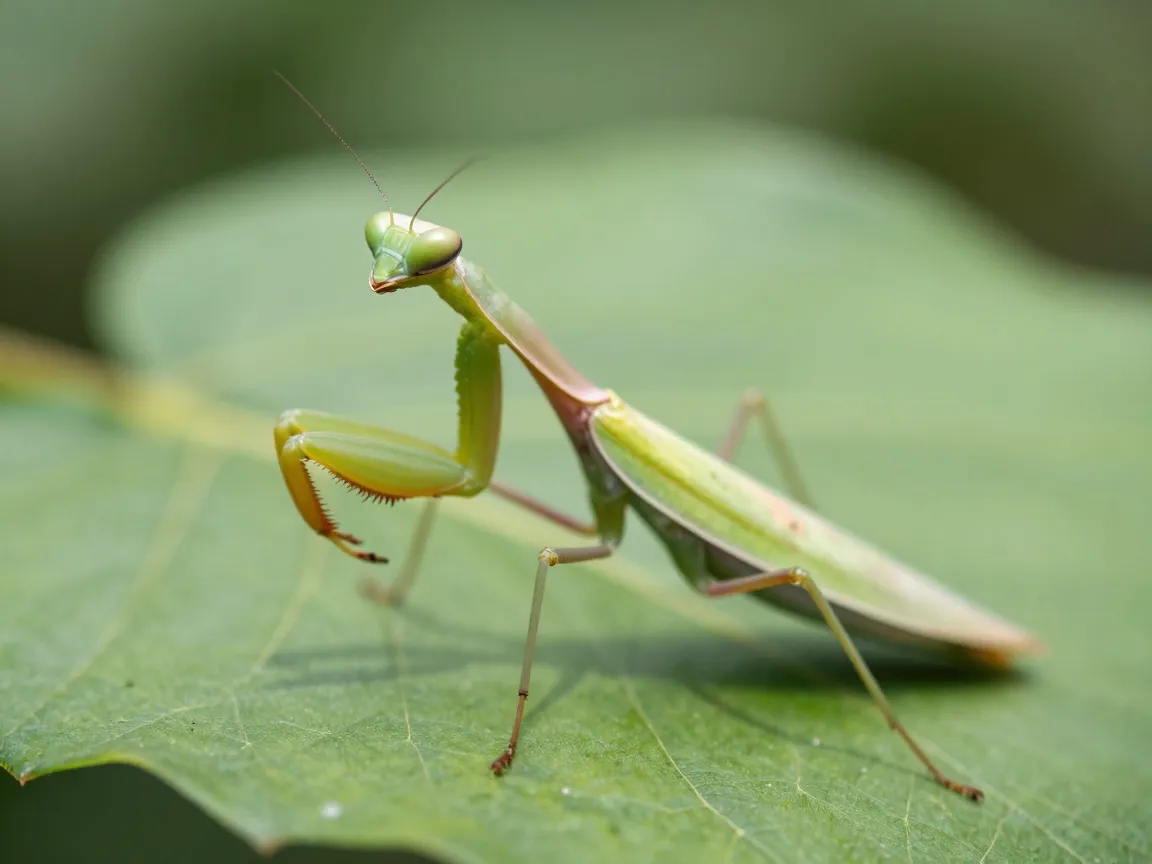
Few insects photograph as expressively as a mantis caught mid-pose, and this particular shot shows one perched on a leaf in a stance that looks remarkably casual, almost as if it is lounging on a porch rather than hunting. Its triangular head and oversized eyes give it an exaggerated, almost cartoonish look that translates well across cultures and languages, which likely explains why this image appears across multiple roundups this year, from mainstream news sites to large social media compilations.
4. The Overstuffed Squirrel
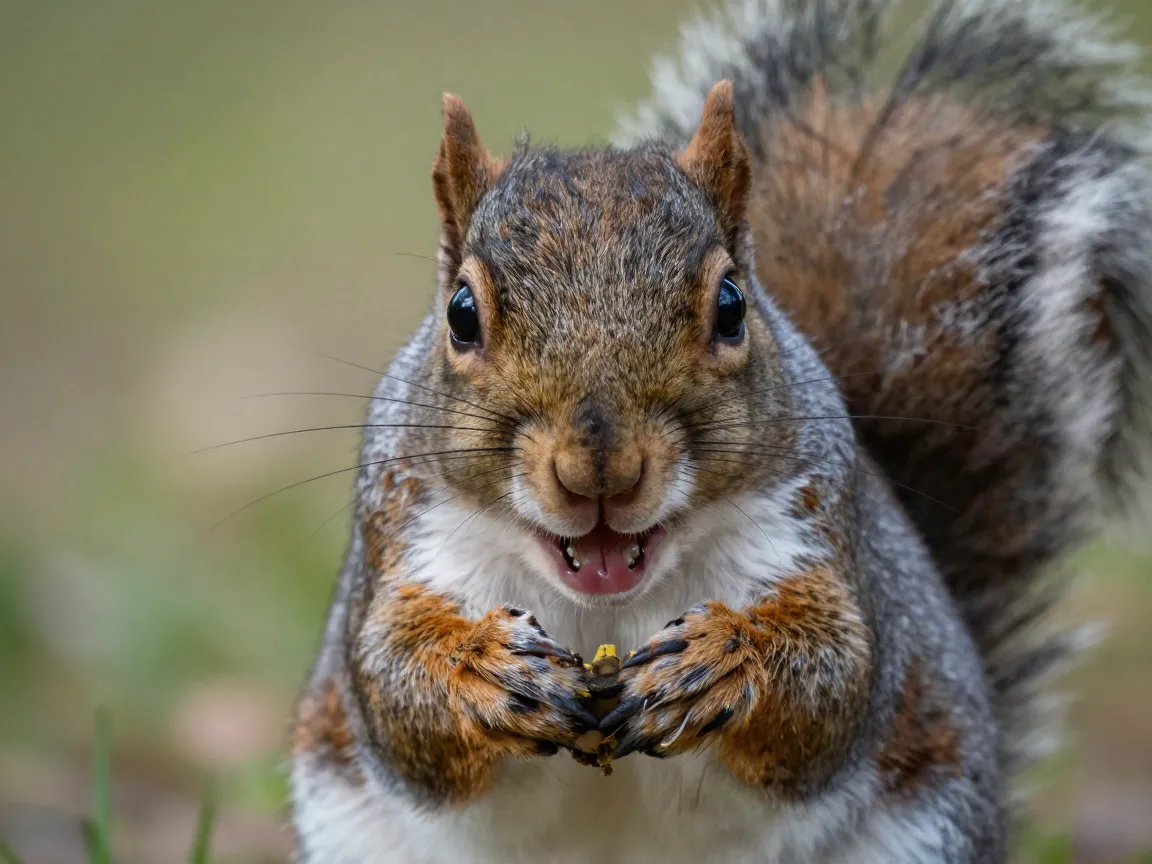
A squirrel photographed with cheeks so dramatically puffed out that its face appears nearly circular has become a recurring favorite in 2026 galleries. The image, featured in a younger-audience gallery from BBC Newsround, shows the animal mid-foraging, likely storing food for winter. The humor comes entirely from proportion: a small mammal with a face temporarily reshaped by its own survival instincts into something resembling a cartoon character mid-bite.
5. The Action-Hero Chameleon
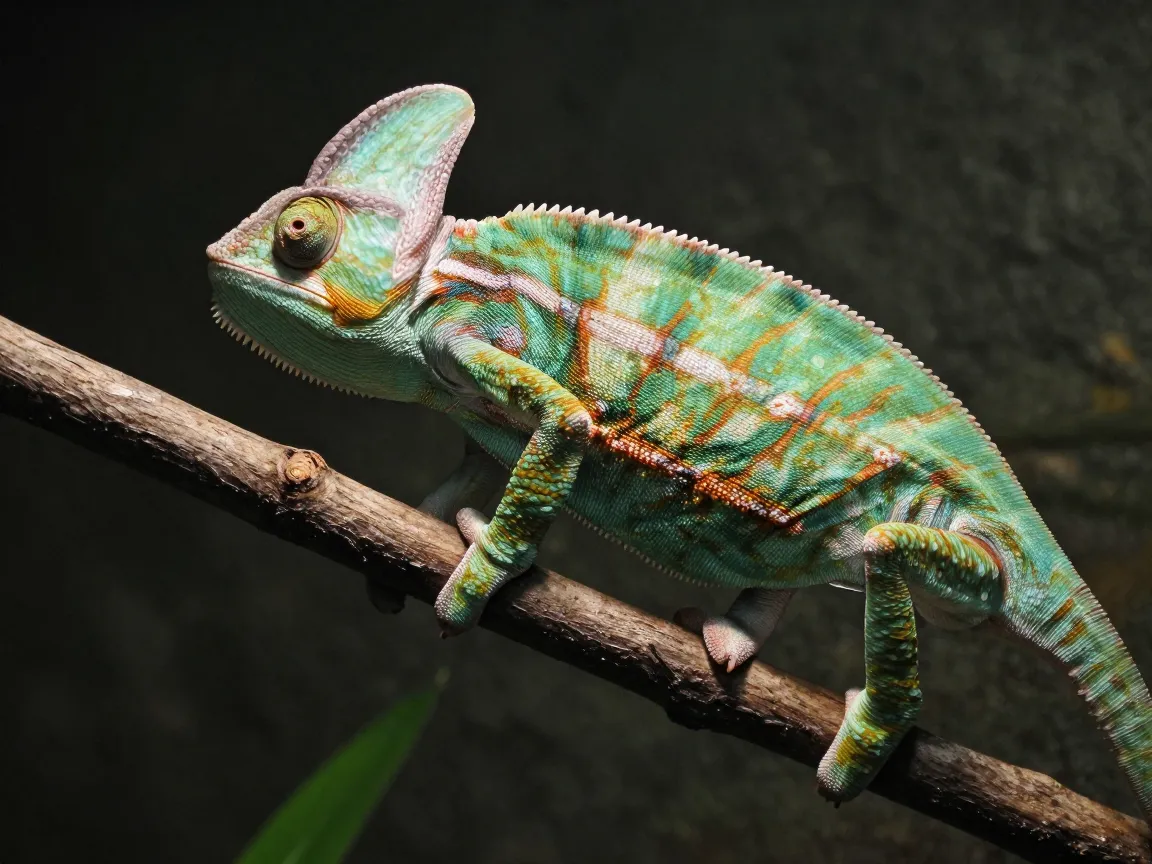
Photographed in a rigid, almost theatrical stance, this chameleon’s pose has drawn comparisons to a tiny green superhero bracing for battle. Its grip on the branch, combined with a slightly turned head and one leg lifted, creates an unintentional action pose that looks engineered rather than accidental. Chameleons move slowly and deliberately by nature, which means photographers have a better chance than most of catching these dramatic in-between moments before the animal shifts again.
6. The Anhinga Blocked by a Leaping Fish
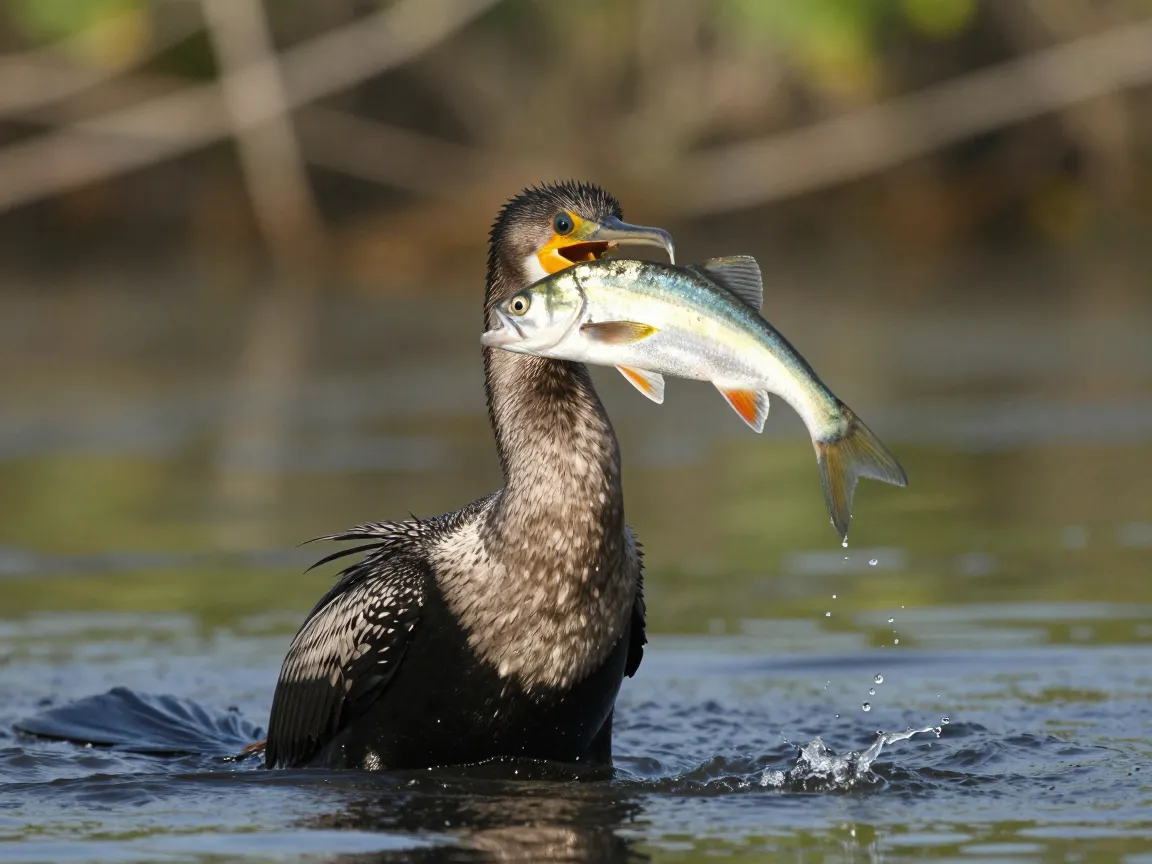
In Costa Rica, a photographer captured an anhinga at the exact moment a fish leapt directly in front of its face, completely obscuring the bird’s expression behind a shining, airborne body. The timing is so precise that the image looks almost staged, yet it is entirely the product of patience and luck. This photo, featured in major 2026 coverage of the Comedy Wildlife shortlist, demonstrates how comedy in nature photography often depends less on the animal’s actual face and more on the chaotic, split-second collision of two separate creatures’ movements.
“The best funny wildlife photos rarely show an animal trying to be funny. They show nature behaving normally at the one moment that looks completely abnormal to a human observer.”
Together, these six images show the range of what qualifies as a “funny face” in 2026: everything from a direct, scowling stare to a face entirely hidden by an airborne fish. Each one earned attention not because the animal was performing, but because a camera happened to freeze a moment that human brains instantly read as comedy.
Why These Funny Animal Faces Go Viral
The internet has always had an appetite for animals with distinctive expressions. Grumpy Cat, a flat-faced feline whose permanent scowl made her a global sensation more than a decade ago, proved that a single consistent expression could build an entire brand. What has changed in 2026 is the scale and legitimacy of the pipeline producing these images. Instead of relying on pet owners posting random snapshots, much of today’s funny animal content now passes through a formal, juried process before it ever reaches a viral feed.
The Comedy Wildlife Photography Awards sits at the center of this shift. Now in its eleventh year, the competition reviewed more than 10,000 submissions from 112 countries before narrowing the field to 47 photos and 9 videos. That scale matters because it means the images reaching mainstream outlets have already been filtered through a rigorous judging process rather than algorithmic luck alone. When BBC Future, CBS, and Forbes all cover the same shortlist within weeks of each other, it signals that funny animal photography has moved from a niche internet genre into a recognized category of nature journalism.
At the same time, large aggregator sites continue to drive raw volume. Yahoo’s roundup of photos funnier than they should be, Bored Panda’s long-running collection of funny animal expressions, and similar lists from AZ Animals and Discover Wildlife show that audiences want more than just the award winners. They want huge, scrollable galleries that deliver dozens of laughs in a single sitting. This two-track system, formal awards plus massive informal lists, explains why a search for funny animal photos in 2026 returns results ranging from a single prestigious shortlist to a list of 99 images.
The Role of Expert Commentary
What separates the more credible sources from pure meme content is the presence of expert voices. Several 2026 articles include interviews or quotes from biologists and photographers discussing anthropomorphism, the tendency to project human traits onto animals. These experts generally agree that while the expressions look like laughter, surprise, or embarrassment, the animals themselves are not experiencing those emotions in a human sense. A yawning lion is regulating oxygen, not expressing boredom. A gorilla covering its face is likely shielding its eyes from sun or dust, not hiding in shame.
This expert framing does not reduce the humor. If anything, it adds a layer of appreciation. Knowing that a bear’s “smile” is actually a complex facial signal tied to communication, or that a squirrel’s puffed cheeks represent an impressive feat of food storage, turns a quick laugh into a small lesson about animal behavior.
The Ethics and Science Behind Funny Animal Expressions
Responsible coverage of funny animal photography has increasingly focused on two questions: are these expressions real, and is it fair to the animals to frame them this way? Both questions matter for anyone sharing or enjoying this type of content.
On the science side, most experts caution against treating animal facial expressions as direct equivalents of human emotion. A bear’s open mouth, a chameleon’s rigid stance, or an owl’s narrowed eyes are shaped by anatomy, instinct, and the specific demands of each species’ environment. Coverage of the laughing bear photo from Alaska explicitly notes that scientists are still debating whether such expressions carry any emotional meaning at all, or whether the resemblance to human laughter is purely coincidental.
On the ethics side, respected wildlife publications emphasize that these animals are not performing. They are hunting, foraging, defending territory, or simply reacting to their surroundings. The photographers behind award-shortlisted images typically spend long hours in the field waiting for natural behavior to unfold, rather than provoking a reaction for a better shot. Competitions like the Comedy Wildlife Photography Awards have built conservation messaging directly into their platform, using the appeal of humor to draw attention to habitat loss, species protection, and the importance of respecting wild animals in their natural environments.
This balance, finding real humor without exploiting or misrepresenting the animal, is part of why juried competitions have gained more authority than random social media posts. A photo that makes a mountain scops owl look irritated or a mantis look relaxed still respects the fact that the animal was simply living its life when the camera happened to catch a perfect frame.
How to Spot the Difference Between Genuine and Staged Funny Photos
Audiences increasingly want to know whether a funny animal photo reflects a real, unscripted moment or a manipulated setup. A few signs help separate the two:
- Natural habitat visible in the background, without props or obvious human staging.
- Consistent lighting and shadow patterns that match outdoor or field conditions rather than studio setups.
- Photographer credit and competition or publication sourcing, since juried contests require documentation of when and where the image was taken.
- Behavior that matches known species patterns, such as yawning, foraging, or territorial display, rather than poses that seem physically impossible for the animal.
- Absence of obvious digital editing artifacts around the face or eyes, which can indicate the expression was altered after the fact.
Photos that pass these checks, including all six highlighted in this roundup, carry more weight than anonymous images circulating without context. They represent real wildlife behavior captured through skill, patience, and a fair amount of luck.
Conclusion
The appeal of 6 Animal Photos With Hilariously Funny Faces You Can’t Unsee comes down to a simple truth: nature produces comedy on its own schedule, and cameras have finally gotten fast enough to catch it. From a scowling owl in China to an anhinga outsmarted by a leaping fish in Costa Rica, each image on this list proves that the funniest moments in wildlife photography are rarely planned. They happen because a photographer waited long enough, in the right place, for an ordinary animal to do something that looked extraordinary for exactly one frame.
For anyone who wants to see more of this material responsibly, the best next step is simple: follow juried, expert-backed sources like the Comedy Wildlife Photography Awards and established nature publications rather than relying solely on unsourced social media lists. These outlets combine genuine humor with context about the animals involved, which makes the laughter last longer and feel a little more informed. Bookmark this year’s shortlist, watch for the award winners when they are announced, and keep an eye out for the next batch of faces that, once seen, simply cannot be unseen.