Cat Laughing Memes That Are Funny And Relatable
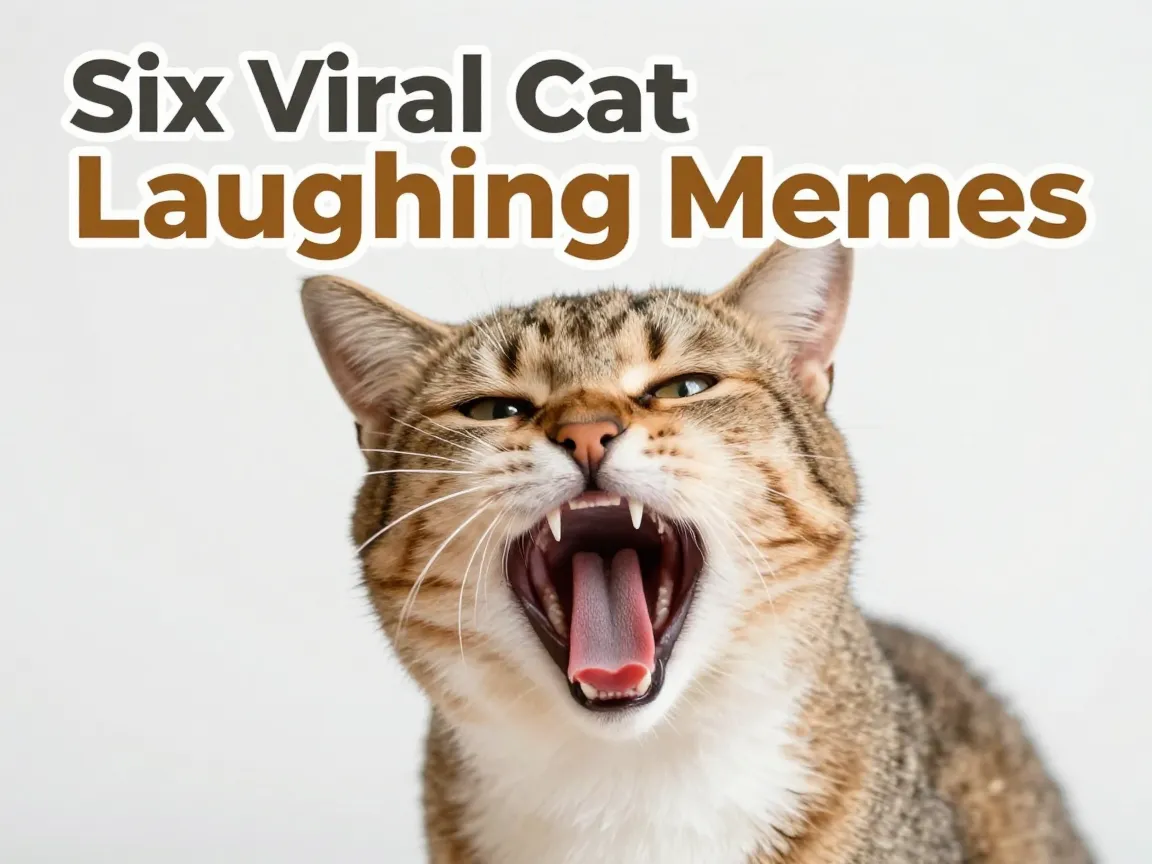
Roundup articles about cat humor are no longer publishing 10 or 20 images. Major outlets now routinely release collections of 40, 60, even 77 cat memes in a single post, and several of those lists were refreshed as recently as August and September 2026. That volume says something important: the internet has not gotten tired of cats pretending to laugh at bad jokes, forced smiles, or Monday mornings. If anything, the appetite has grown. This article narrows that flood down to a focused, easy-to-share set. These 6 Cat Laughing Memes That Are Funny And Relatable capture the specific micro-genre of “laughing cat” content that keeps showing up across pet blogs, meme aggregators, and social feeds.
Disclosure: This post contains affiliate links. As an Amazon Associate, we earn from qualifying purchases, and at no extra cost to you.
Unlike the giant 50-plus-image compilations common on lifestyle sites, this list zeroes in on the laughing subtype specifically: wide-open mouths, squinty eyes, and captions that turn an ordinary day into a punchline. Each entry below explains what the meme looks like, why it resonates, and how it fits into the broader trend of relatable cat humor that pet-media brands and general-interest platforms keep returning to.
Key Takeaways
- Laughing cat memes are a distinct micro-genre within the larger cat-meme category, marked by wide-open mouths, squinty eyes, and exaggerated “funniest joke ever” captions.
- Large publishers package cat humor in batches of 40 to 77-plus images, but the six formats covered here represent the core laughing-cat archetypes that keep recurring across those bigger lists.
- Relatability drives shareability. The memes people tag their friends in usually mirror a specific, universal feeling like forced positivity, workplace dread, or unexpected joy.
- Pet-focused outlets and general portals both treat these compilations as evergreen content, updating them multiple times a year because engagement stays consistent.
- Understanding the format (image style plus caption tone) helps anyone create or choose a laughing cat meme that actually lands with an audience.
Why Cat Laughing Memes Have Taken Over the Internet
Cat memes have been an internet staple for well over a decade, but the specific “laughing cat” subgenre has carved out its own identity in the past few years. Analysis of laughing-cat meme trends points to a simple reason for the format’s staying power: cats are naturally expressive without saying a word. A wide-open mouth mid-yawn looks like a cackle. Squinted eyes during a nap look like a smug grin. Meme creators exploit that ambiguity, pairing the image with a caption that turns an accidental facial expression into a punchline about everyday life.
This is also why the format has proven durable across very different types of publishers. Cat-focused sites frame these images around pet ownership quirks, like a cat judging its owner for buying the wrong treats. General-interest portals and large aggregators lean into universal frustrations, like the deadline that snuck up out of nowhere. Both approaches rely on the same visual trick: a cat’s face doing the emotional heavy lifting while the caption supplies the joke.
Editorial calendars at multiple outlets confirm this is not a fading trend. Several major cat-meme roundups were updated multiple times within 2026 alone, some as late as September, which signals that editors see consistent traffic and engagement from this content category. When a topic gets refreshed that often, it usually means readers keep coming back, sharing, and searching for new examples. That ongoing demand is exactly why a focused list of 6 Cat Laughing Memes That Are Funny And Relatable still has an audience, even in a space already crowded with giant compilation posts.
The 6 Cat Laughing Memes That Are Funny And Relatable
Below is a closer look at six recurring formats that define the laughing-cat genre. Each one draws on the visual and caption patterns seen across major meme collections, distilled into a distinct, nameable type. These are not random screenshots; they represent recognizable templates that meme creators and pet owners return to again and again because they consistently land.
1. The “I Can’t Stop Laughing” Cat
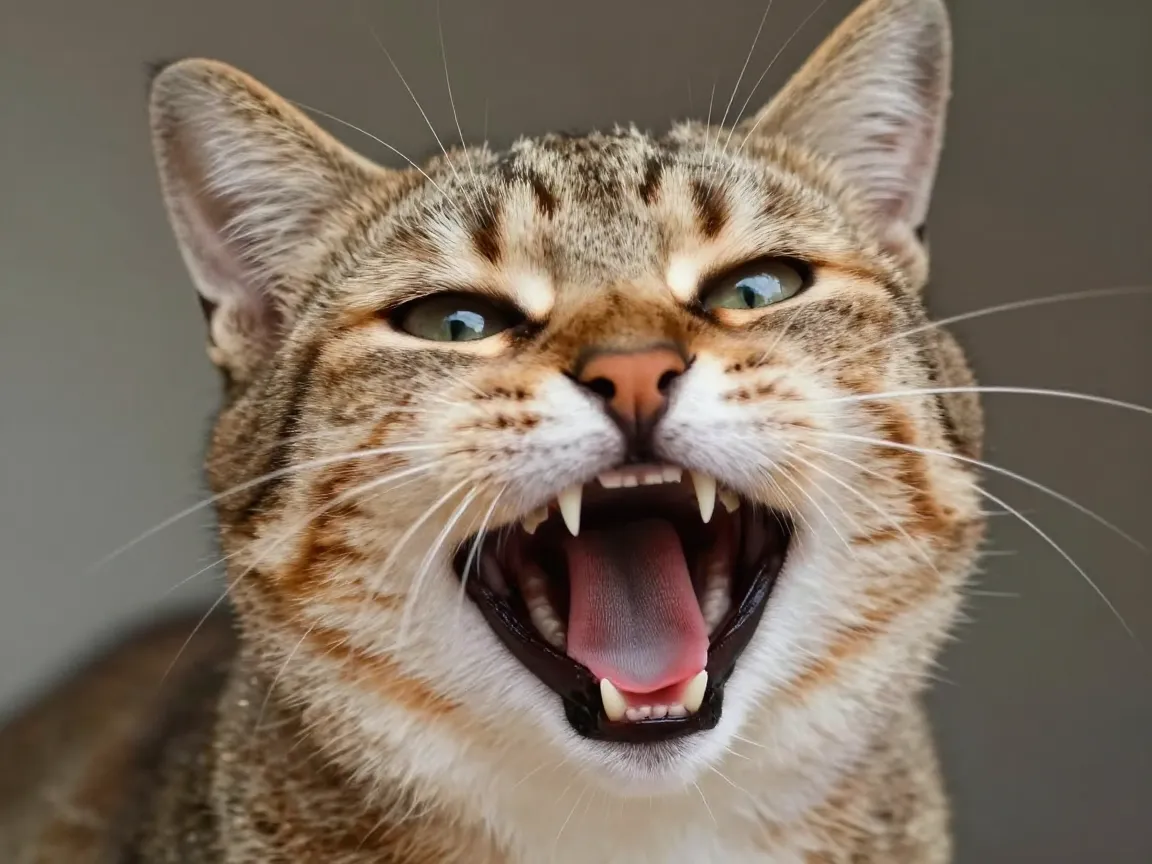
This meme features a cat with its mouth wide open, teeth visible, in an expression that looks exactly like uncontrollable human laughter. The caption almost always describes something mildly absurd being treated as the funniest thing ever said. Think captions like “when someone says ‘let’s circle back’ for the fifth time today.” The joke works because the image looks like genuine hysteria, and the caption applies that intensity to something painfully small and specific.
What makes this one so effective is the mismatch between the size of the reaction and the size of the trigger. Real laughter that intense is usually reserved for something genuinely hilarious, so applying it to a minor annoyance creates instant comedic contrast. This format shows up constantly in the biggest cat-meme roundups because it is easy to recreate with almost any photo of a cat mid-yawn or mid-meow.
2. The “Funniest Joke in the World” Cat
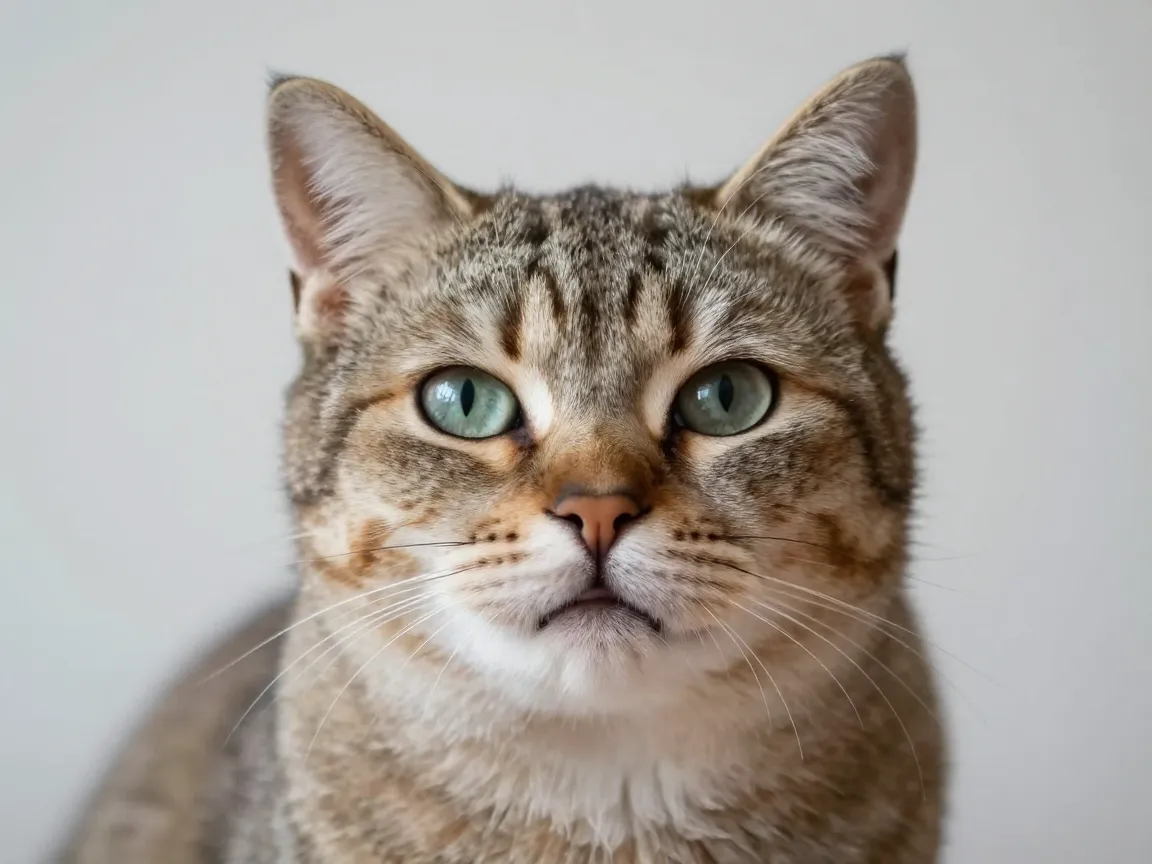
Closely related to the first entry but with its own identity, this version leans on the caption doing more of the work. The cat’s face might be neutral to slightly amused, but the text insists the cat just heard the single funniest joke of all time. It is a favorite in laughing-cat compilations because it plays with expectation. The viewer looks for over-the-top laughter and instead finds something closer to a smirk, which becomes its own kind of funny.
This format is popular with pet owners specifically because it can be paired with almost any photo of their own cat looking even slightly pleased. That flexibility is a big reason this style keeps reappearing across independent meme creators and larger curated lists alike.
3. The Forced Smile, Real Panic Cat
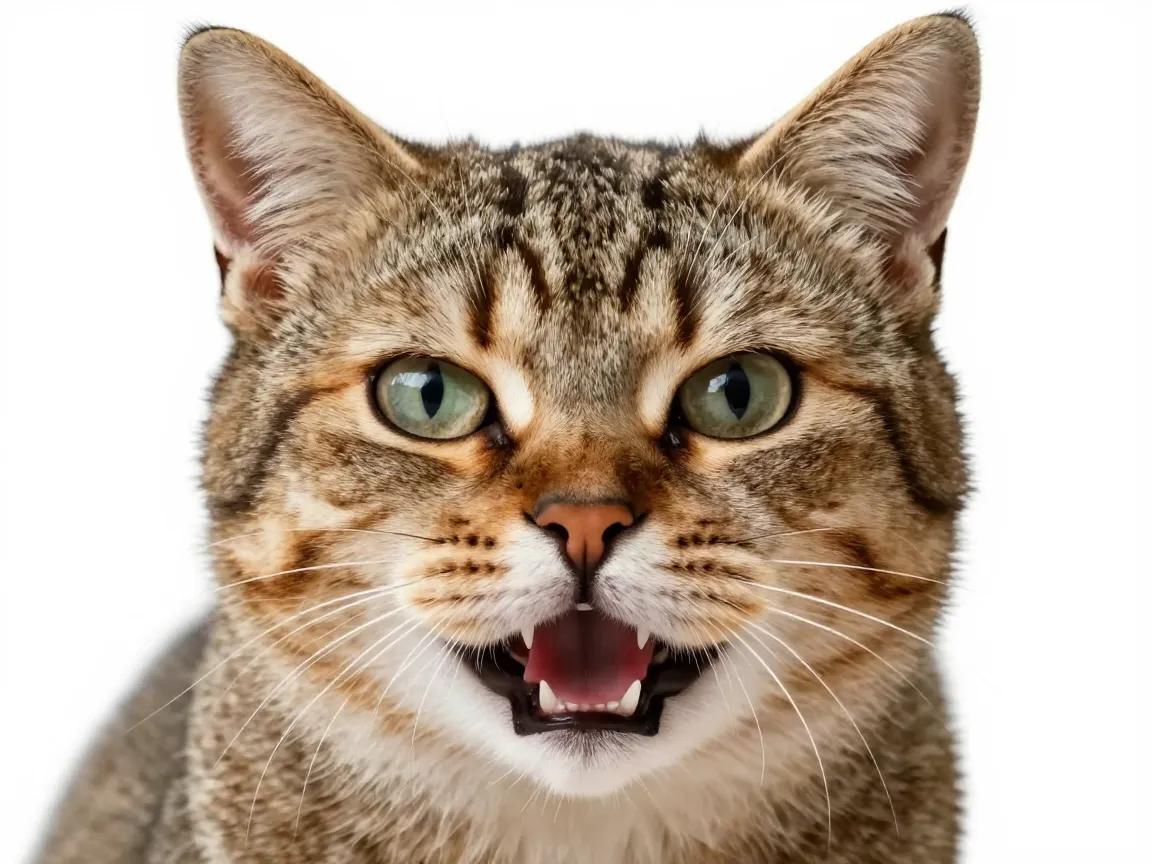
Not every laughing cat meme is about genuine joy. This entry captures a cat with a tense, smile-like expression that reads as put-on positivity masking something stressful underneath. The captions usually reference forcing a smile through a bad day, an awkward conversation, or a task nobody wants to do. It taps into a very human experience: smiling through discomfort because the alternative feels worse.
This format resonates strongly with anyone who has had to fake enthusiasm at work or in a social setting. The cat’s expression does not need to be dramatic. A slightly stiff, wide-eyed look is enough to sell the idea that the smile is covering up something else entirely.
4. The Monday Morning Cackle
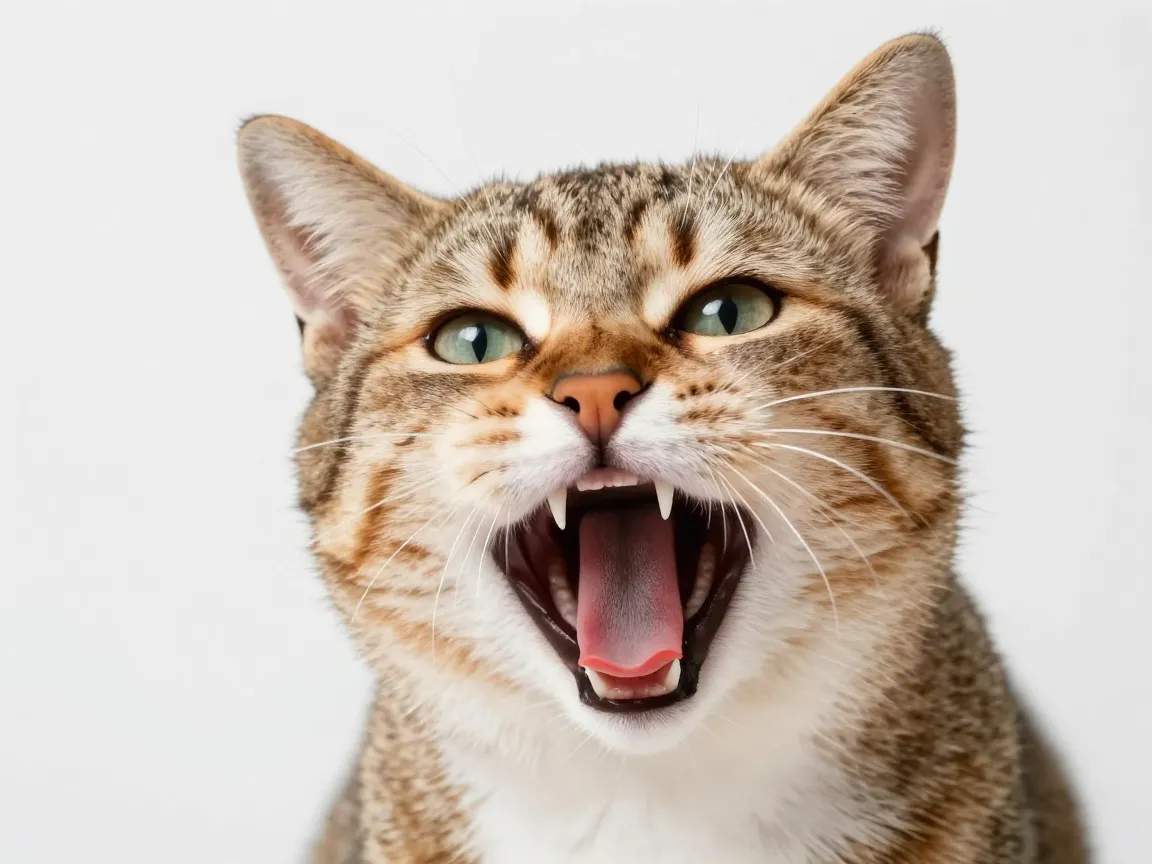
This meme leans into workplace humor specifically. The image usually shows a cat with an open-mouthed expression paired with a caption about surviving Monday, dreading a meeting, or reacting to an early alarm. It is one of the most consistently reused formats because work-related frustration is close to universal, regardless of industry or job type.
The comedic engine here is timing. Nobody feels like laughing on a Monday morning, so seeing a cat apparently cackling about the exact same misery creates a small, satisfying release of tension. This format performs especially well on platforms where people share memes right before or during a workday, since the timing of the joke matches the timing of the scroll.
5. The Self-Aware Stereotype Cat
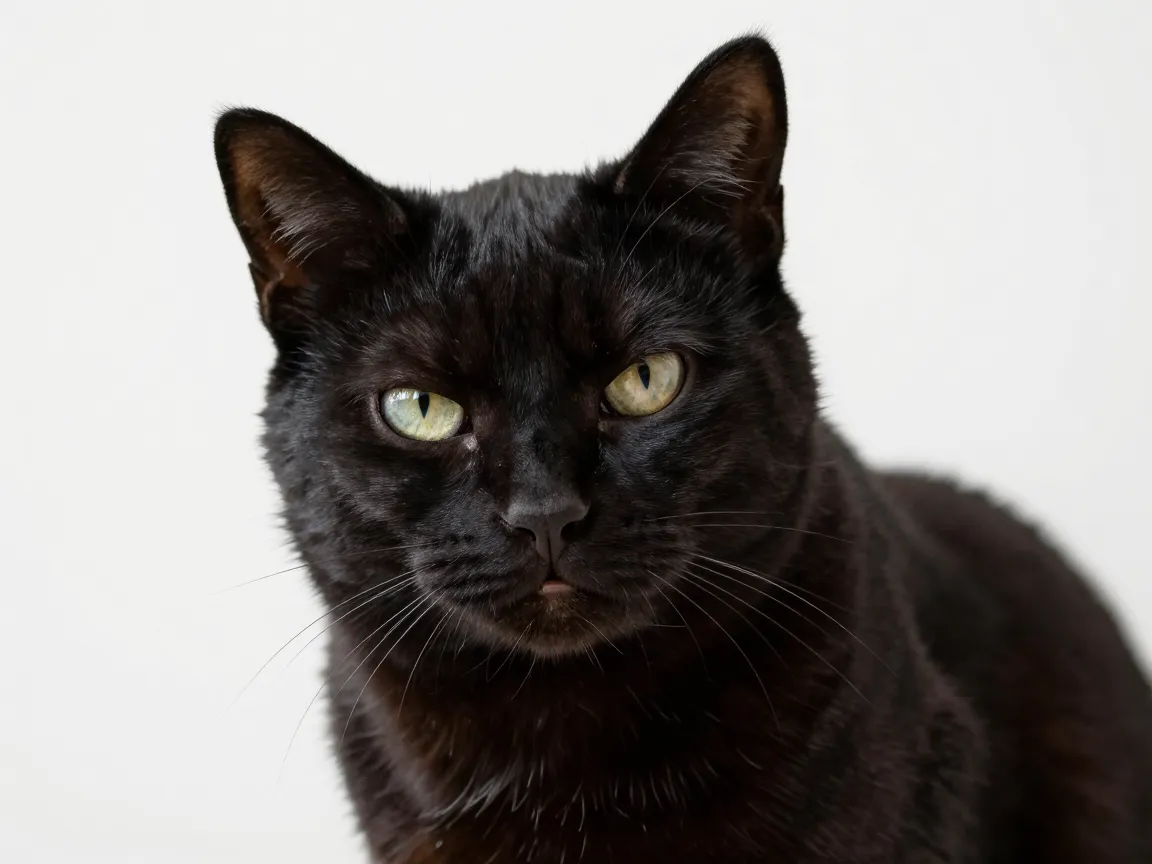
Some of the most shared laughing-cat content plays with stereotypes cats are already associated with, then flips the joke back onto the audience. A black cat commenting on being “the best kind of cat” while looking amused, or a cat mocking the idea that all felines are aloof, both fall into this category. The laughing or smirking expression suggests the cat knows exactly what people think and finds it funny rather than offensive.
This format has particular staying power among cat owners because it feels like an inside joke shared between the pet community and the internet at large. It also tends to be the kind of meme people specifically tag their own cat’s account or a friend’s cat photo underneath, since it invites a personal, “this is so him” reaction.
6. The Silent Wheeze
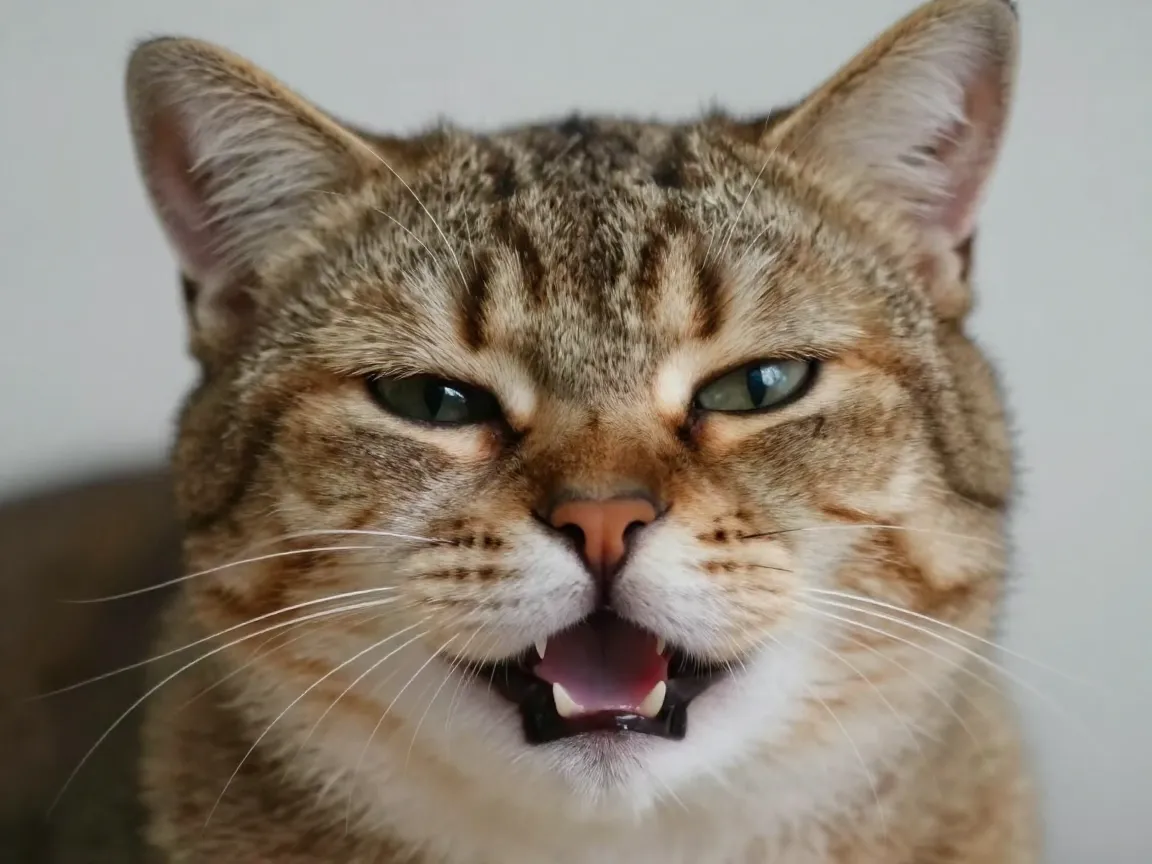
The final entry in this list captures a more restrained version of laughter: mouth open, but the energy reads as a silent, can’t-catch-your-breath wheeze rather than a loud cackle. Captions for this format often describe something that is not loud-funny but is deeply, quietly funny, the kind of joke that gets a delayed reaction rather than an immediate laugh.
This style stands out from the others because it captures a different type of humor entirely. It is less about big, obvious comedy and more about the slow-building kind of funny that sneaks up on someone. That subtlety is why this format shows up less often than the wide-open-mouth cackle, but it tends to get strong engagement when it does appear because it feels more nuanced and less exaggerated than typical reaction memes.
Quick Comparison of the Six Formats
| Meme Type | Facial Expression | Typical Caption Theme |
|---|---|---|
| 1. I Can’t Stop Laughing | Wide open mouth, teeth visible | Overreacting to a small annoyance |
| 2. Funniest Joke in the World | Neutral to slightly amused | Text insists it is hilarious |
| 3. Forced Smile, Real Panic | Tense, stretched smile | Faking positivity through stress |
| 4. Monday Morning Cackle | Open-mouthed, exaggerated | Workplace or early-morning dread |
| 5. Self-Aware Stereotype | Smug or amused smirk | Playing with cat stereotypes |
| 6. Silent Wheeze | Quiet, breathless expression | Slow-building, subtle humor |
“Laughing cat memes work because the image does the emotional exaggeration while the caption grounds it in something painfully ordinary.”
What Makes These 6 Cat Laughing Memes That Are Funny And Relatable So Shareable
There is a clear pattern behind why these six formats keep resurfacing across different platforms, from pet-specific blogs to massive general-interest portals. Three factors show up again and again.
First, the image has to be ambiguous enough to support multiple interpretations. A cat’s open mouth could be a yawn, a meow, or a genuine expression of surprise. That ambiguity is what allows meme creators to attach almost any caption and have it feel plausible. Second, the caption has to reference something specific and small rather than vague and generic. “When the joke is actually funny” is weaker than “when someone says reply-all by accident.” Specificity is what turns a generic reaction image into something people recognize immediately and want to share.
Third, timing and platform context matter. A Monday-morning cackle meme performs differently depending on when it is posted. The same is true for workplace humor, which tends to spread faster during business hours than late at night. Editors at major meme-focused publications adjust their compilations accordingly, which explains why so many large roundups get refreshed multiple times per year rather than published once and left alone.
There is also a social component worth noting. Many of these memes are designed to be tagged. A friend sees a self-aware stereotype cat and immediately thinks of someone else’s black cat. A coworker sees the Monday morning cackle and sends it directly to a group chat instead of just liking it. That built-in “tag a friend” mechanic is part of why cat-meme compilations remain such reliable traffic and engagement drivers for the sites that publish them.
How to Spot a Strong Laughing Cat Meme
Not every photo of a cat with its mouth open becomes a hit. A few practical signs separate a meme that spreads from one that does not.
- Clear facial exaggeration01. The cat’s expression needs to be visually obvious even at a small thumbnail size, since most people scroll past memes quickly on a phone screen.
- A caption tied to a specific moment02. Generic captions rarely land. The best examples reference a precise situation, like a specific type of meeting, a specific chore, or a specific kind of small talk.
- A recognizable format03. Memes that fit into an established template, like the ones listed above, tend to spread faster because the audience already understands the joke structure before reading the caption.
- Room for personalization04. The strongest formats can be recreated with almost any cat photo, which is exactly why pet owners keep applying these templates to their own animals and tagging friends in the process.
- A believable mismatch05. The gap between the intensity of the cat’s expression and the smallness of the caption’s trigger is often the entire joke. Too small a gap feels flat; too large a gap feels forced.
Frequently Asked Questions
What makes a cat meme count as a “laughing” meme specifically?
A laughing cat meme typically shows a cat with an open mouth, exposed teeth, or squinted eyes that visually resembles human laughter, paired with a caption that frames an everyday moment as unexpectedly hilarious.
Why do large websites publish so many cat memes at once?
Publishers have found that big compilations of 40 to 77-plus images perform consistently well and get updated multiple times a year, which suggests strong, repeatable audience engagement rather than a one-time trend.
Are laughing cat memes different from other cat memes?
Yes. While general cat memes cover a wide range of expressions and situations, laughing cat memes specifically rely on an exaggerated, joyful, or wheezing facial expression as the visual anchor for the joke.
Why do people tag their own cats under these memes?
Formats like the self-aware stereotype meme or the forced-smile meme are built to feel personal. Seeing a cat’s expression that closely matches a real pet’s personality naturally prompts people to tag or reference their own animal.
Do these memes only work with real cat photos?
Most of the strongest examples use real, unposed photos rather than illustrations, since genuine facial expressions read as more authentic and relatable than drawn or digitally created cat faces.
Conclusion
The laughing cat meme has earned its place as one of the internet’s most durable comedy formats, and the six types covered here explain why. Each one relies on a simple formula: an expressive, slightly ambiguous cat face paired with a specific, relatable caption. Whether it is the wide-open cackle of the “I Can’t Stop Laughing” cat, the quiet tension of the forced smile, or the dry humor of the silent wheeze, these formats succeed because they turn small, universal frustrations into something visually funny without needing a single word from the cat itself.
Anyone looking to use, create, or simply enjoy this genre should focus on the same principles that make these six examples work: pick an expression with clear visual exaggeration, write a caption tied to a specific and recognizable moment, and lean into formats the audience already understands. For pet owners especially, matching one of these templates to a real photo of a cat can turn an ordinary snapshot into shareable content worth tagging a friend under. The next time a cat’s expression looks a little too dramatic for the moment, it might be worth turning into the seventh entry in this list.