Fascinating Facts About The Rusty Spotted Cat, The World’s Smallest Wildcat
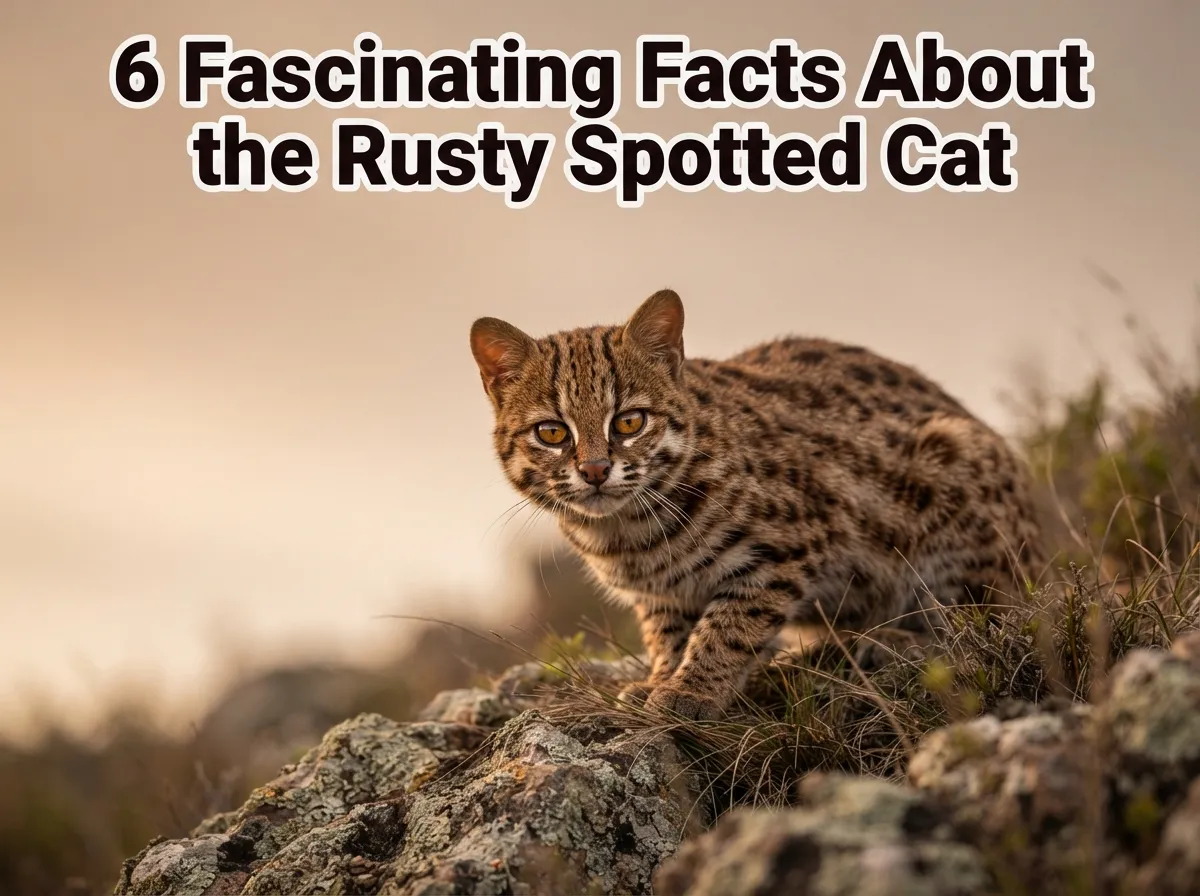
A fully grown rusty spotted cat can weigh as little as two and a half pounds, roughly the weight of a bag of sugar, yet it hunts with the same intensity as a tiger stalking prey across a floodplain. Few people outside South Asia have ever heard of this tiny predator, and even fewer have seen one in the wild. This article covers 6 fascinating facts about the rusty spotted cat, the world’s smallest wildcat, a species that remains one of the least understood carnivores on the planet despite renewed scientific attention in 2025 and 2026.
Disclosure: This post contains affiliate links. As an Amazon Associate, we earn from qualifying purchases, and at no extra cost to you.
Camera traps in India have recently captured fresh footage of this elusive animal, reigniting public curiosity about a cat that can supposedly curl up inside a human palm. Conservationists in Sri Lanka and India are racing to understand its habits before roads, farmland, and shrinking forests push it further into obscurity. What follows is a grounded look at the biology, threats, and future of this remarkable species.
Key Takeaways
- The rusty spotted cat is officially recognized as the smallest wild cat species on Earth, weighing between 2.2 and 3.5 pounds as an adult.
- It is currently classified as Near Threatened, with population numbers considered low and difficult to verify due to its secretive nature.
- New camera-trap records from 2025 and 2026 have expanded its known range in parts of India, offering fresh hope for conservation planning.
- Habitat fragmentation and road networks rank as the top threats, according to recent analyses from wildlife researchers in the region.
- A 2026 breeding initiative at the Big Cat Sanctuary in the United Kingdom marks a significant step for captive conservation of the species.
Understanding The 6 Fascinating Facts About The Rusty Spotted Cat, The World’s Smallest Wildcat
Before diving into the individual facts, it helps to understand why this species draws so much scientific interest despite its small size. The rusty spotted cat, scientifically named Prionailurus rubiginosus, belongs to the same broader cat family as leopards and tigers but occupies a completely different ecological niche. It survives in dry scrublands, grasslands, and rocky outcrops across India and Sri Lanka, areas that are rapidly changing due to human development.
Researchers view this cat as a useful indicator species. Because it depends on connected patches of scrub and forest, its presence or absence tells conservationists a great deal about the health of an entire ecosystem. That is one reason the 6 fascinating facts about the rusty spotted cat, the world’s smallest wildcat, matter far beyond simple trivia. Each fact reflects a broader story about biodiversity loss, habitat connectivity, and the challenges of studying rare, nocturnal animals.
1. It Holds The Title Of The Smallest Wild Cat On Earth
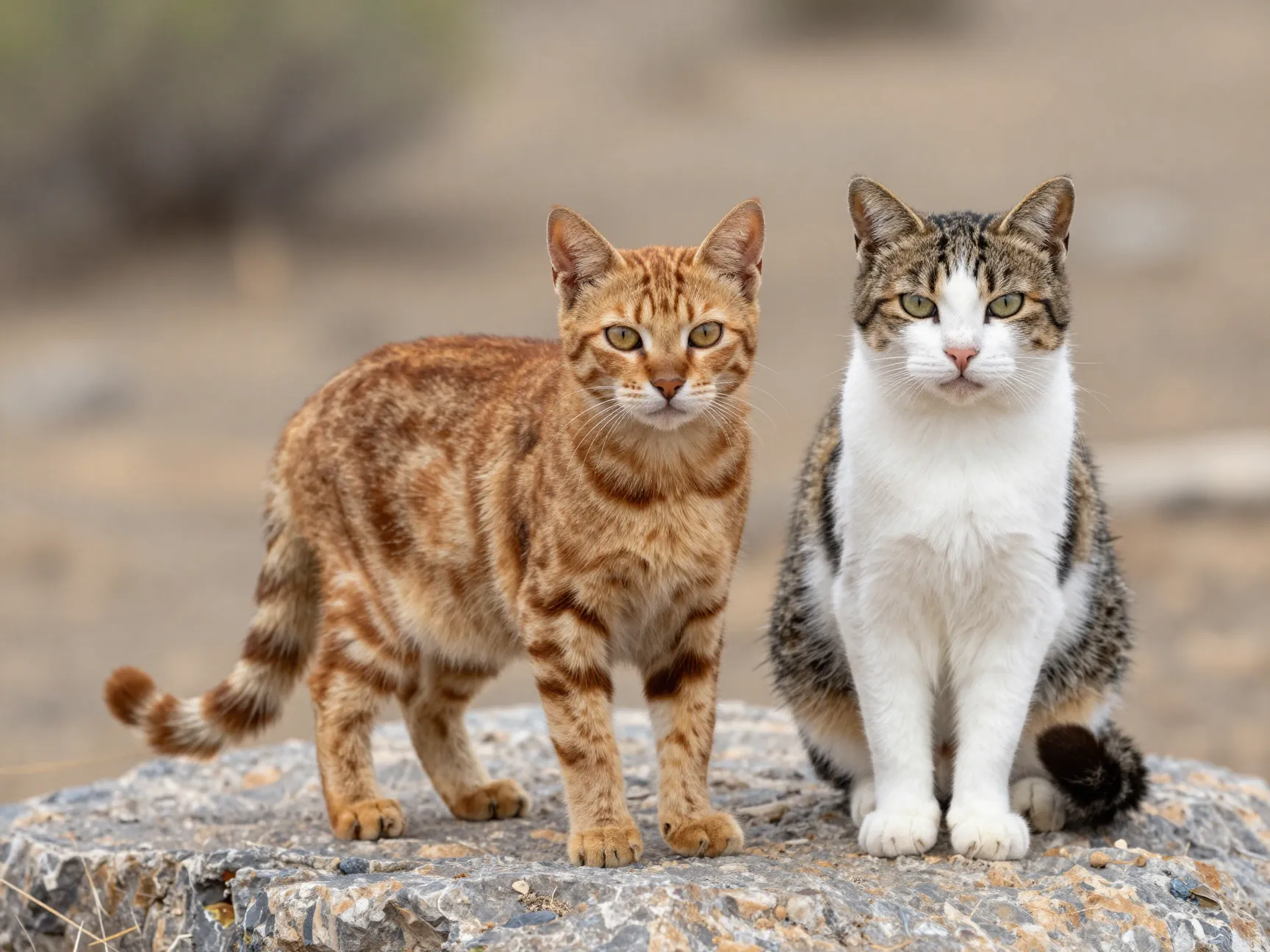
The rusty spotted cat is formally recognized by mammal researchers as the smallest member of the wild cat family, edging out the black-footed cat of southern Africa in most weight comparisons. Adults typically measure between 14 and 19 inches in body length, not counting the tail, and weigh between 2.2 and 3.5 pounds. For comparison, an average domestic house cat weighs between 8 and 10 pounds, meaning a rusty spotted cat can be roughly a third the size of the tabby curled up on a living room couch.
Updated 2026 measurements from field researchers confirm this size range has remained stable across populations in both India and Sri Lanka, though Sri Lankan individuals tend to run slightly larger than their mainland Indian counterparts. This size difference has led some researchers to treat the two populations as distinct subspecies for conservation planning purposes.
The table below puts this size comparison into perspective.
| Animal | Average Weight | Average Body Length |
|---|---|---|
| Rusty spotted cat | 2.2 to 3.5 lbs | 14 to 19 inches |
| Domestic house cat | 8 to 10 lbs | 18 to 20 inches |
| Black-footed cat | 2.4 to 4.2 lbs | 14 to 20 inches |
| Bobcat | 15 to 35 lbs | 25 to 41 inches |
2. Its Conservation Status Reflects A Genuinely Uncertain Future
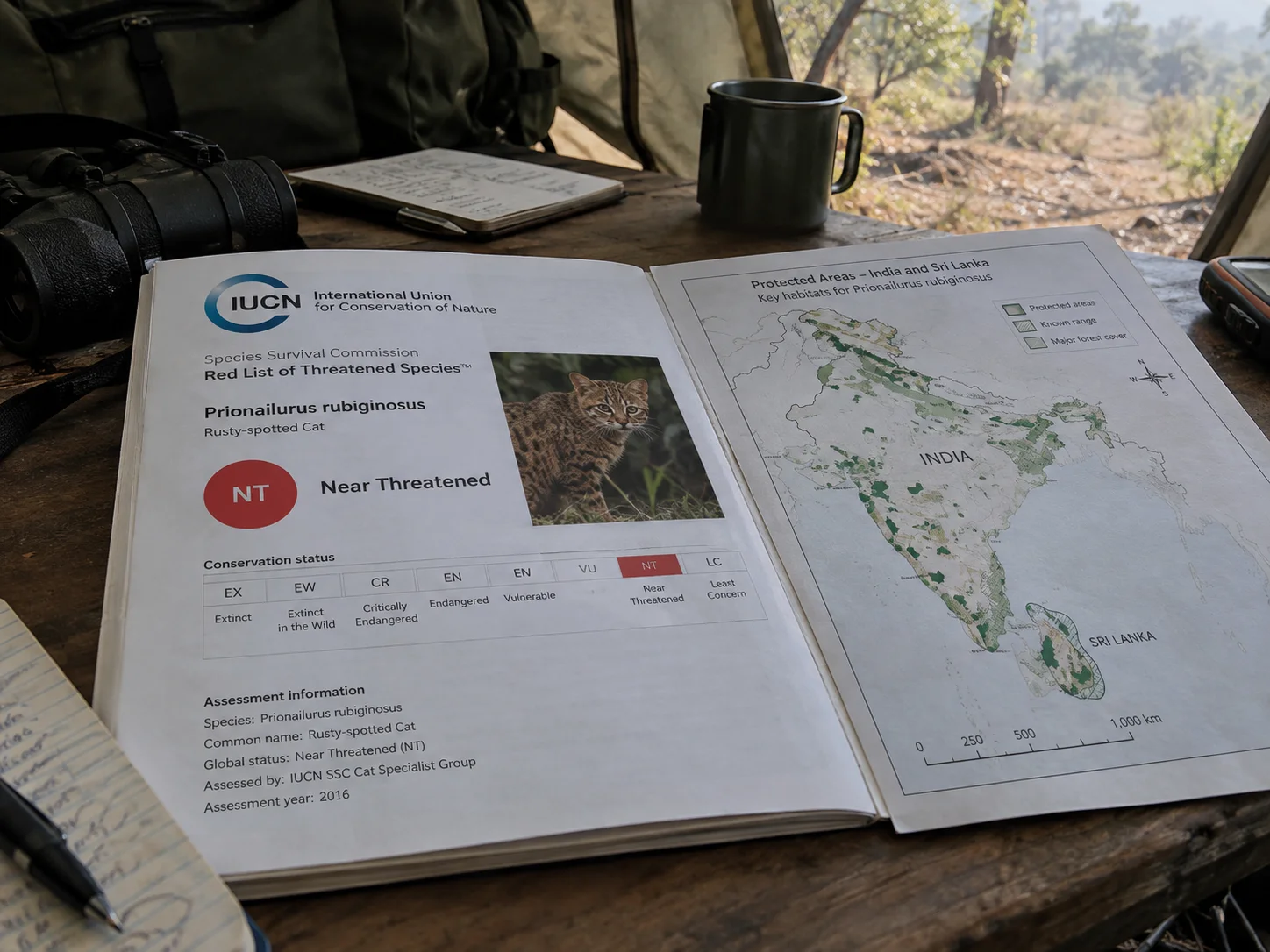
The International Union for Conservation of Nature currently lists the rusty spotted cat as Near Threatened. This classification sits just above Vulnerable, signaling that while the species is not yet in immediate crisis, its population trend is heading in the wrong direction. In India, the species receives the highest level of legal protection available under national wildlife law, placing it in the same protected category as tigers and elephants.
Sri Lanka similarly protects the species under its national fauna and flora ordinance. This dual layer of legal protection across both range countries reflects growing recognition that the rusty spotted cat, despite its small size, plays an important ecological role as a mid-tier predator controlling rodent and small bird populations.
“A cat this small and this secretive is easy to overlook, but overlooking it comes at a cost to the entire ecosystem it represents.” This sentiment, echoed by multiple field biologists working across the Indian subcontinent, underscores why legal protection alone is not enough without habitat safeguards.
3. Nobody Knows Exactly How Many Exist In The Wild
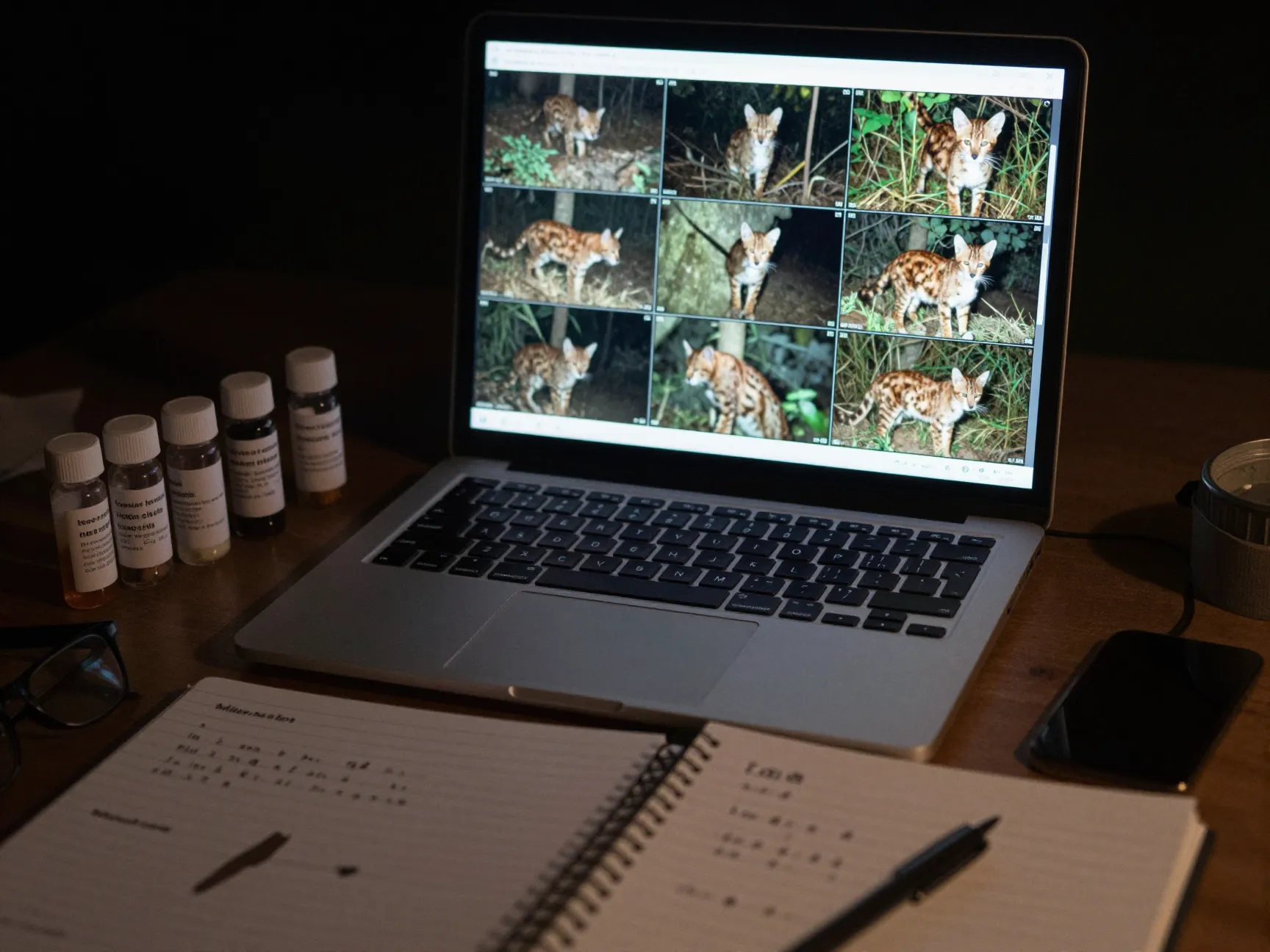
Population estimates for the rusty spotted cat remain frustratingly vague. Unlike larger predators that can be tracked with radio collars or counted through well-established survey grids, this cat’s small size, nocturnal habits, and dense scrub habitat make direct counting nearly impossible. Researchers instead rely on camera-trap detection rates, local sighting reports, and genetic sampling from scat to estimate relative abundance.
Most current estimates suggest the global population likely numbers in the low thousands, though this figure carries significant uncertainty. Some regional surveys in central India report detection rates that are lower than those recorded a decade ago, a trend that concerns conservationists even though the data cannot yet confirm a precise decline percentage. This uncertainty itself is considered one of the most pressing research gaps facing the species today.
4. Fresh Camera Trap Records Are Expanding Its Known Range

Between 2025 and 2026, wildlife researchers working in several Indian states recorded new camera-trap sightings of the rusty spotted cat in areas where its presence had not been formally documented before. These records, gathered as part of broader biodiversity monitoring projects, extended the species’ confirmed range into fragmented forest patches previously assumed to be unsuitable habitat.
This expanded range data matters for two reasons. First, it suggests the species may be more adaptable to disturbed or semi-degraded habitats than earlier studies assumed. Second, it gives conservation planners new priority zones to consider when designing protected corridors. Several of these new records came from areas close to human settlements, reinforcing observations that the rusty spotted cat can sometimes persist near agricultural land and rural villages, provided enough scrub cover remains intact.
5. Recent Sightings Have Sparked Renewed Public Fascination
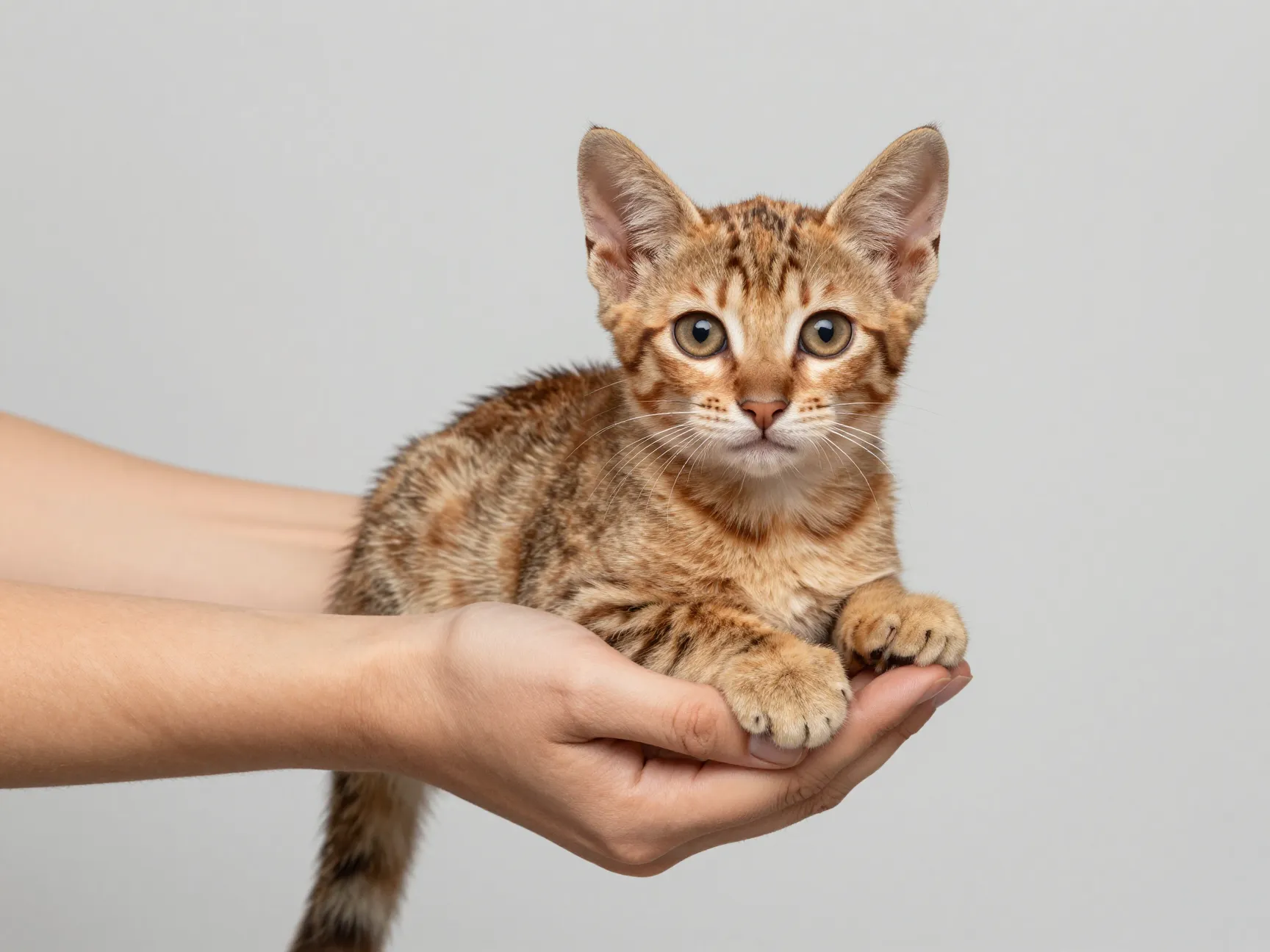
In 2026, a handful of viral wildlife photographs and videos showing rusty spotted cats small enough to fit inside a single human hand reignited widespread public interest in the species. These images, shared by field researchers and wildlife photographers, highlighted just how genuinely tiny and delicate this predator appears compared to its ferocious hunting reputation.
This renewed attention has translated into practical benefits. Wildlife organizations report increased public reporting of sightings through citizen science platforms, giving researchers more data points from regions that lack formal survey coverage. Increased visibility has also helped fundraising efforts for habitat protection projects in both India and Sri Lanka, where conservation budgets remain limited compared to those allocated for larger, more charismatic species like tigers and elephants.
6. Captive Breeding Efforts Reached A Milestone In 2026
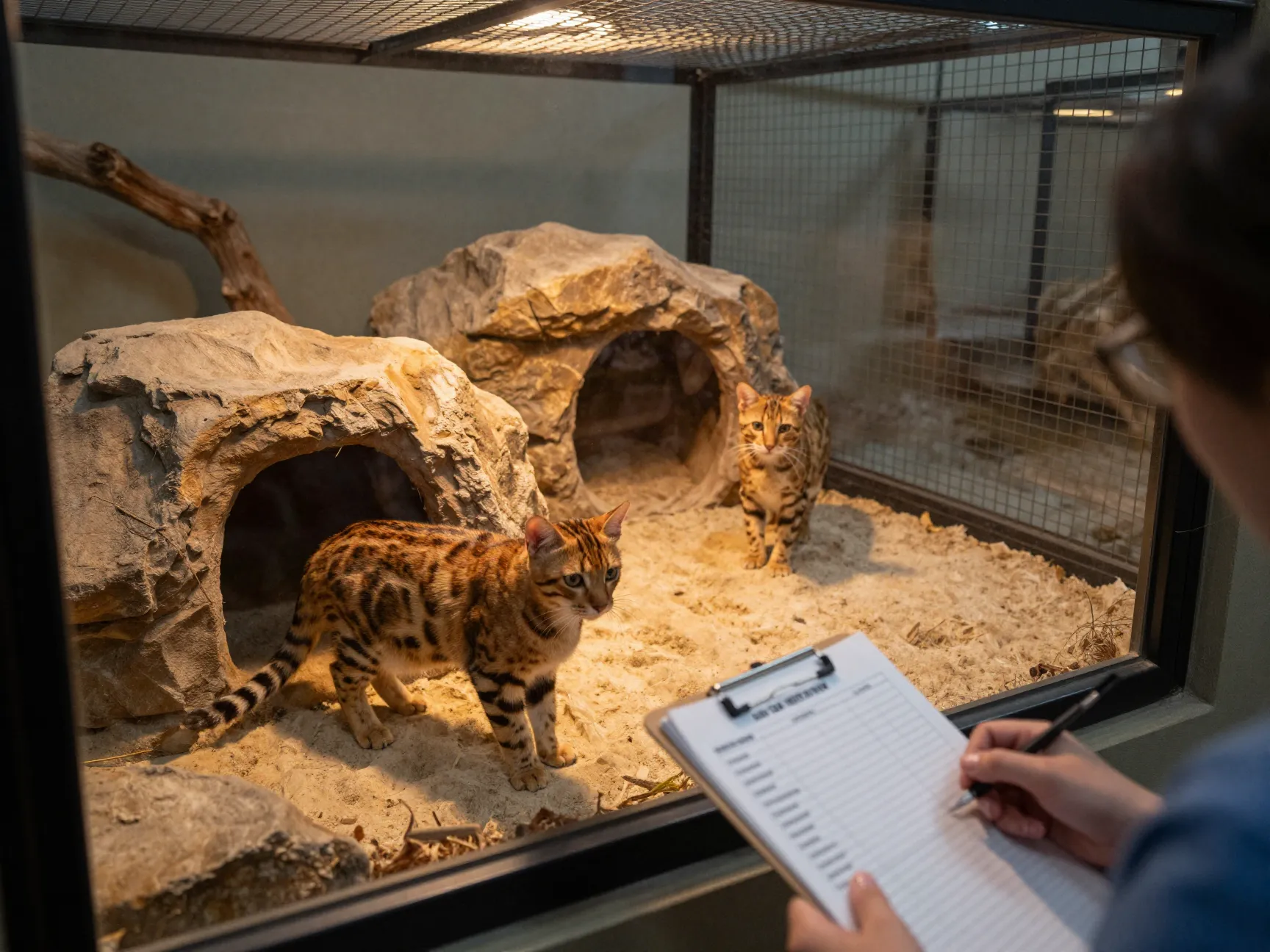
Outside its native range, the rusty spotted cat remains exceptionally rare in captivity. In 2026, the Big Cat Sanctuary in the United Kingdom announced a new breeding initiative focused specifically on this species, marking one of the most significant captive conservation efforts undertaken for the rusty spotted cat outside South Asia. The program aims to build a genetically diverse insurance population while contributing behavioral and reproductive data back to field researchers.
Captive breeding of small, secretive wild cats presents unique challenges. Unlike larger predators, rusty spotted cats are highly sensitive to stress, and successful breeding programs require carefully controlled environments that mimic natural denning conditions. Early results from the 2026 program have been described by keepers as promising, though long-term success will depend on sustained genetic management across multiple generations.
Key Threats Facing The Rusty Spotted Cat Today
Habitat loss stands as the single greatest threat to the species’ long-term survival. As agricultural land expands across central and southern India, the scrub forests and grasslands the rusty spotted cat depends on are shrinking and becoming disconnected from one another. Recent analyses from 2025 and 2026 point to habitat fragmentation, rather than direct hunting or poaching, as the dominant pressure facing wild populations.
Roads represent a particularly underappreciated danger. Vehicle collisions have been documented as a meaningful cause of mortality in areas where new highway construction cuts through remaining scrub habitat. Because the species already exists in small, isolated populations, even modest additional mortality from road strikes can have an outsized impact on local population stability.
The following threats consistently appear across recent research:
- Fragmentation01 Loss of connected scrub forest and grassland habitat due to agricultural expansion.
- Roads02 Increasing vehicle strike mortality as new highways bisect remaining habitat patches.
- Development03 Conversion of dry forest edges into settlements and infrastructure projects.
- Data Gaps04 Insufficient long-term population monitoring, making trend detection difficult.
- Climate Pressure05 Changing rainfall patterns affecting prey availability in dry scrub ecosystems.
Conservation Efforts And National Perspectives
India and Sri Lanka approach rusty spotted cat conservation from somewhat different angles, shaped by differences in habitat type and research capacity. In India, conservation work tends to focus on integrating the species into broader landscape-level protected area planning, since much of its range overlaps with tiger reserves and buffer zones already receiving conservation attention.
Sri Lankan researchers, working with a geographically smaller and more isolated population, have placed greater emphasis on community outreach and local awareness campaigns. Field teams there report that many rural residents mistake the rusty spotted cat for a young leopard cub or a feral domestic cat, occasionally leading to accidental persecution. Education programs aimed at correcting this misidentification have become a core part of national conservation strategy.
Experts working across both countries generally agree on three priorities for the coming years:
- Expand01 camera-trap and genetic monitoring programs to build more reliable population estimates.
- Integrate02 road planning with wildlife corridor considerations before new highway projects break ground.
- Strengthen03 international captive breeding partnerships to create a genetic safety net outside the wild range.
What Current Research Focuses On, And What It Still Misses
Much of the scientific literature on the rusty spotted cat concentrates on distribution mapping and basic habitat association studies. Researchers have made steady progress documenting where the species occurs, thanks largely to expanding camera-trap networks across India and Sri Lanka. However, significant gaps remain in understanding its reproductive biology, home range size, and social behavior in the wild.
Very little direct behavioral observation exists because the species is almost impossible to track visually in dense scrub at night. Most behavioral knowledge comes indirectly from captive individuals, which may not perfectly reflect wild behavior patterns. Researchers have specifically flagged this gap as a priority for future study, noting that without better behavioral data, conservation planners are essentially designing protection strategies for a species whose daily life remains largely a mystery.
Outlook: What The Data Suggests For The Years Ahead
Based on current trends through 2026, several developments seem likely, though these should be read as informed projections rather than certainties. Camera-trap networks are expected to continue expanding across previously unsurveyed regions of India, likely revealing additional range extensions similar to those recorded in 2025 and 2026. This could modestly improve population estimates, though true certainty about total numbers will remain elusive without sustained, long-term monitoring investment.
Road infrastructure growth across rural India is expected to continue at a rapid pace, meaning the threat from vehicle collisions will likely intensify unless wildlife crossings and corridor planning become standard practice in road design. On the conservation side, the 2026 captive breeding milestone at the Big Cat Sanctuary may encourage additional zoos and conservation centers to pursue similar programs, gradually building a more robust safety net population outside South Asia.
Frequently Asked Questions
Is the rusty spotted cat dangerous to humans?
No. Despite its fierce hunting behavior toward small prey like rodents, birds, and insects, the rusty spotted cat poses no meaningful threat to humans due to its tiny size.
Can the rusty spotted cat be kept as a pet?
No. It is a protected wild species in both India and Sri Lanka, and keeping one privately is illegal. Captive individuals exist only within accredited conservation and research institutions.
Where is the rusty spotted cat found?
It lives primarily in India and Sri Lanka, favoring dry deciduous forests, scrublands, and grassy habitats, with recent camera-trap records expanding its known range within India.
Why is it considered fascinating despite being so small?
Its combination of extreme size, intense hunting behavior, secretive nocturnal habits, and rarity in both the wild and captivity make it one of the most scientifically intriguing small carnivores in the world.
Conclusion
The 6 fascinating facts about the rusty spotted cat, the world’s smallest wildcat, reveal an animal that punches far above its weight class in ecological importance and scientific mystery. From its record-setting small size to the uncertain population numbers, expanding range records, and the 2026 captive breeding milestone in the United Kingdom, this species continues to surprise researchers who study it closely.
Protecting this tiny predator requires practical, coordinated action rather than sentiment alone. Supporting habitat corridor planning, backing wildlife-friendly road design in India and Sri Lanka, and contributing to citizen science reporting platforms all represent concrete steps that individuals and organizations can take today. Continued investment in camera-trap monitoring and captive breeding partnerships will likely determine whether this remarkable little cat thrives or quietly fades from the landscapes it has called home for thousands of years.