Jayfeather Warrior Cats Fanart Poses To Draw Your Favorite Character
Search interest in “Jayfeather fanart poses” spikes every single time a new Warriors arc trends on TikTok, yet no publisher, artist guild, or official Warriors style guide has ever ranked a definitive set of poses for this character. The idea of a fixed pose list is entirely fan-made, built from thousands of sketches, redraw challenges, and Pinterest boards rather than any rulebook. That grassroots energy is exactly why this guide to 6 Jayfeather Warrior Cats Fanart Poses To Draw Your Favorite Character exists: to organize the most common, most requested, and most technically useful poses artists actually use when drawing this beloved blind medicine cat.
Disclosure: This post contains affiliate links. As an Amazon Associate, we earn from qualifying purchases, and at no extra cost to you.
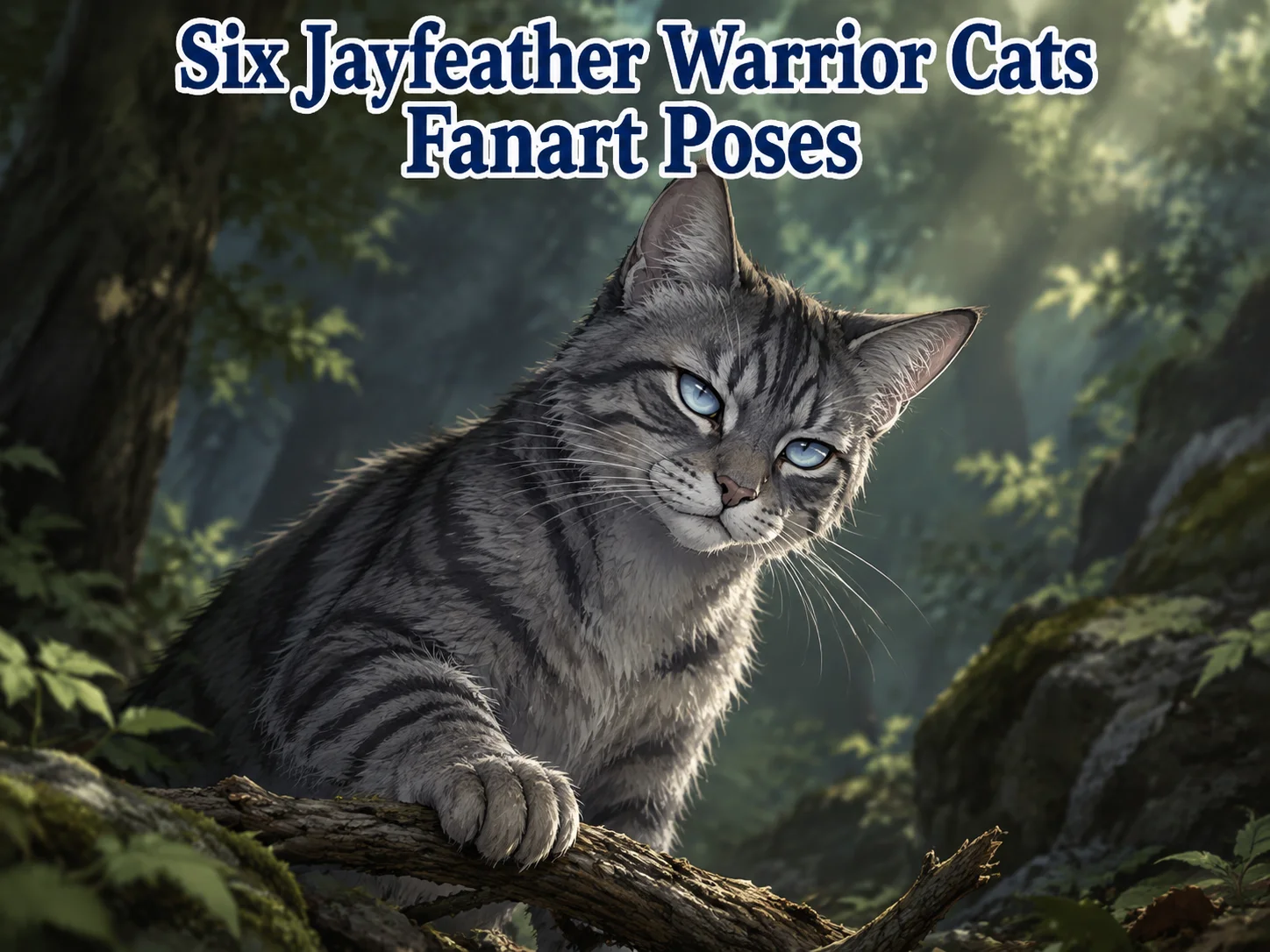
Jayfeather remains one of the most drawn characters in the Warriors fandom because his physical traits, sightless blue eyes, a lanky gray tabby frame, and his signature stick, give artists a rich set of visual details to interpret. Whether the goal is a quiet character study or a dramatic action shot, the six poses covered here reflect what working fan artists actually produce, backed by patterns seen across social platforms and community art challenges in 2026.
Key Takeaways
- There is no official “6 poses” list for Jayfeather; the concept comes from fan communities, not the Warriors publishers.
- Updated 2026 official character art has reshaped how fans interpret his build, markings, and expression.
- The six poses range from calm and authoritative to dynamic and playful, covering nearly every drawing skill level.
- Step-by-step construction techniques matter more than copying a fixed pose, according to most authoritative drawing tutorials.
- Pinterest, TikTok, and Instagram continue to drive new pose experimentation among Warriors fan artists in 2026.
Why Jayfeather Warrior Cats Fanart Poses Matter for Artists
Jayfeather occupies a unique spot in the Warriors universe. He is blind, sharp-tongued, and deeply respected as a medicine cat, which gives artists an unusual mix of physical and emotional traits to capture in a single drawing. Unlike characters defined mostly by action or color, Jayfeather’s appeal comes from contradiction: a physically limited cat who is one of the most powerful and perceptive characters in the series.
This contradiction is exactly why the community keeps returning to certain poses. Drawing him standing tall and composed signals his authority as a healer. Drawing him with his stick signals vulnerability and resourcefulness. Because there is no single canonical pose guide from the Warriors publishing team, fans have effectively built their own visual language over more than a decade of fanart, and that language has only gotten more detailed since the official character art was refreshed in 2026.
That refresh matters more than casual fans might expect. Updated official artwork typically clarifies proportions, fur texture, and facial structure, details that ripple outward into how thousands of fan artists redraw the character afterward. When official reference art shifts even slightly, entire waves of fanart adjust to match, which is part of why pose trends evolve year over year rather than staying static.
The 6 Jayfeather Warrior Cats Fanart Poses To Draw Your Favorite Character
The following six poses represent the most consistently observed approaches across fan art challenges, redraw threads, and platform trends. They are not ranked by difficulty or popularity in a strict order; instead, they cover a spectrum from calm character studies to high-energy action shots, giving artists at any skill level a place to start.
1. Composed Upright Medicine-Cat Stance
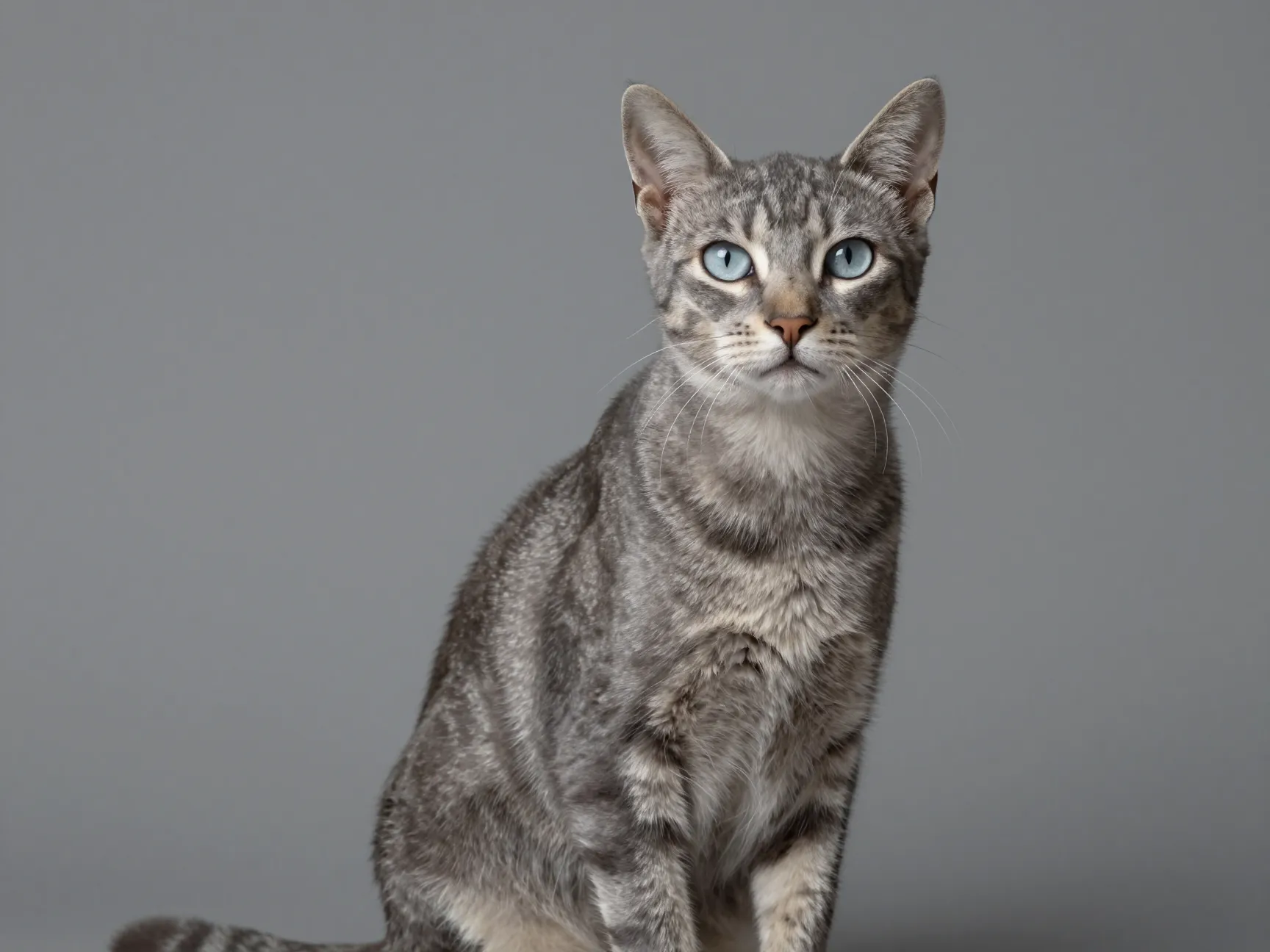
The first pose in this list of 6 Jayfeather Warrior Cats Fanart Poses To Draw Your Favorite Character is the composed, upright stance. This pose shows Jayfeather sitting or standing tall with a straight spine, alert ears, and a calm, focused expression. It is often used in portrait-style fanart meant to highlight his role as ThunderClan’s medicine cat rather than his physical limitations.
Key details artists tend to emphasize in this pose include:
- Straight posture that conveys authority and calm confidence.
- A slightly tilted head, suggesting he is listening rather than looking.
- Subtle texture in his gray tabby coat to show depth and shading.
- Clouded, pale blue eyes drawn without pupils to reflect his blindness.
This pose works well for beginners because it relies on simple geometric shapes, an oval body, a rounded head, and triangular ears, before any detailed shading is added.
2. Sitting or Crouched With His Stick
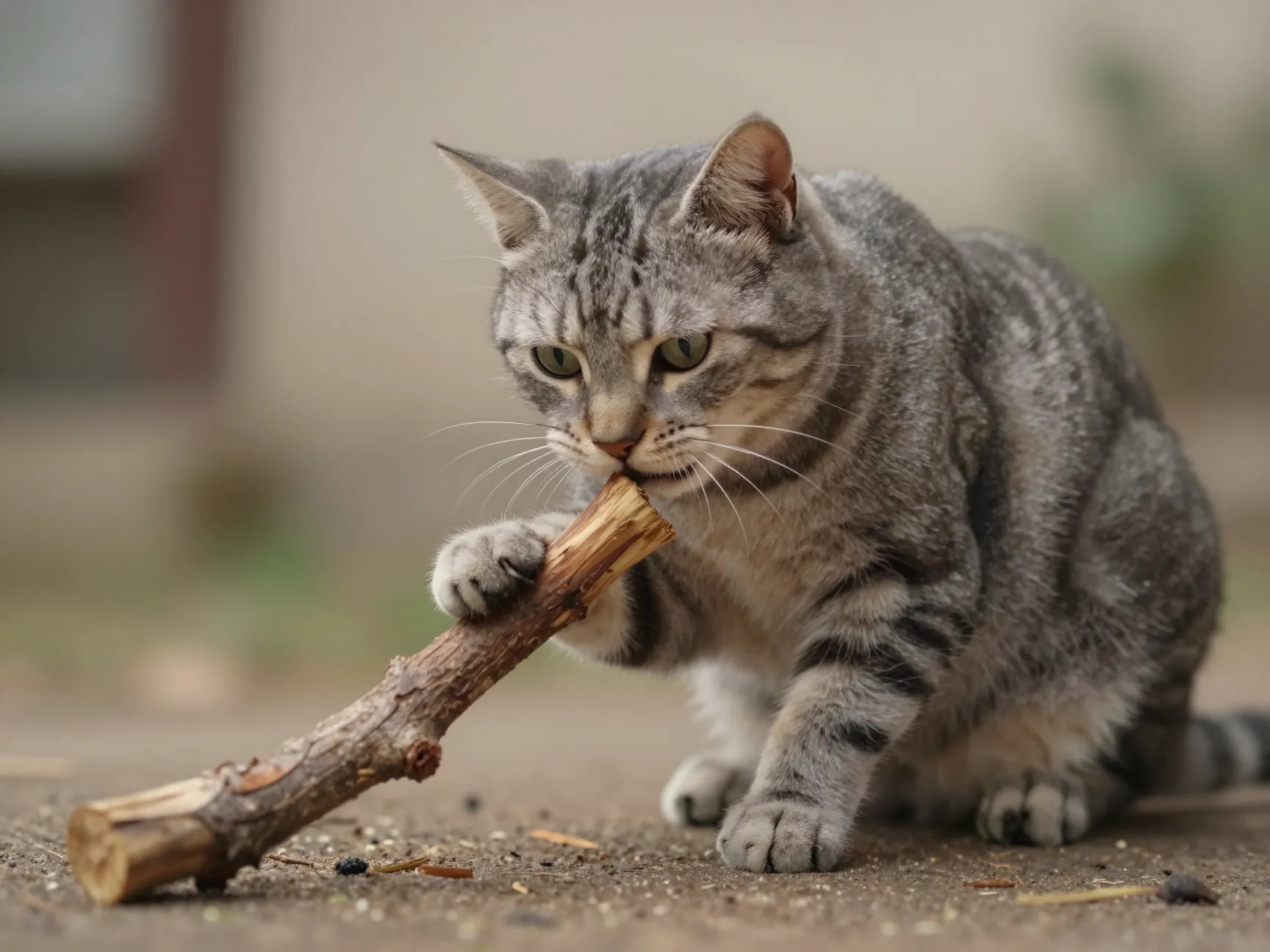
Few images are as instantly recognizable in Warriors fanart as Jayfeather with his stick. This second pose has become something of a visual shorthand for the character, similar to how certain heroes are always drawn with a signature weapon or prop. In this pose, Jayfeather is shown sitting or crouched low, one paw resting near or on the stick, sometimes gnawing on it or holding it steady on the ground.
Artists favor this pose because it does two things at once. It nods to his blindness by showing a tool he might use for navigation or comfort, and it adds a strong, simple prop that makes the composition feel grounded and story-driven rather than a plain character bust. Many step-by-step drawing tutorials use this exact setup as a practice exercise because the stick gives beginners a fixed anchor point to build the rest of the pose around.
3. Focused Profile or Three-Quarter Walking Pose
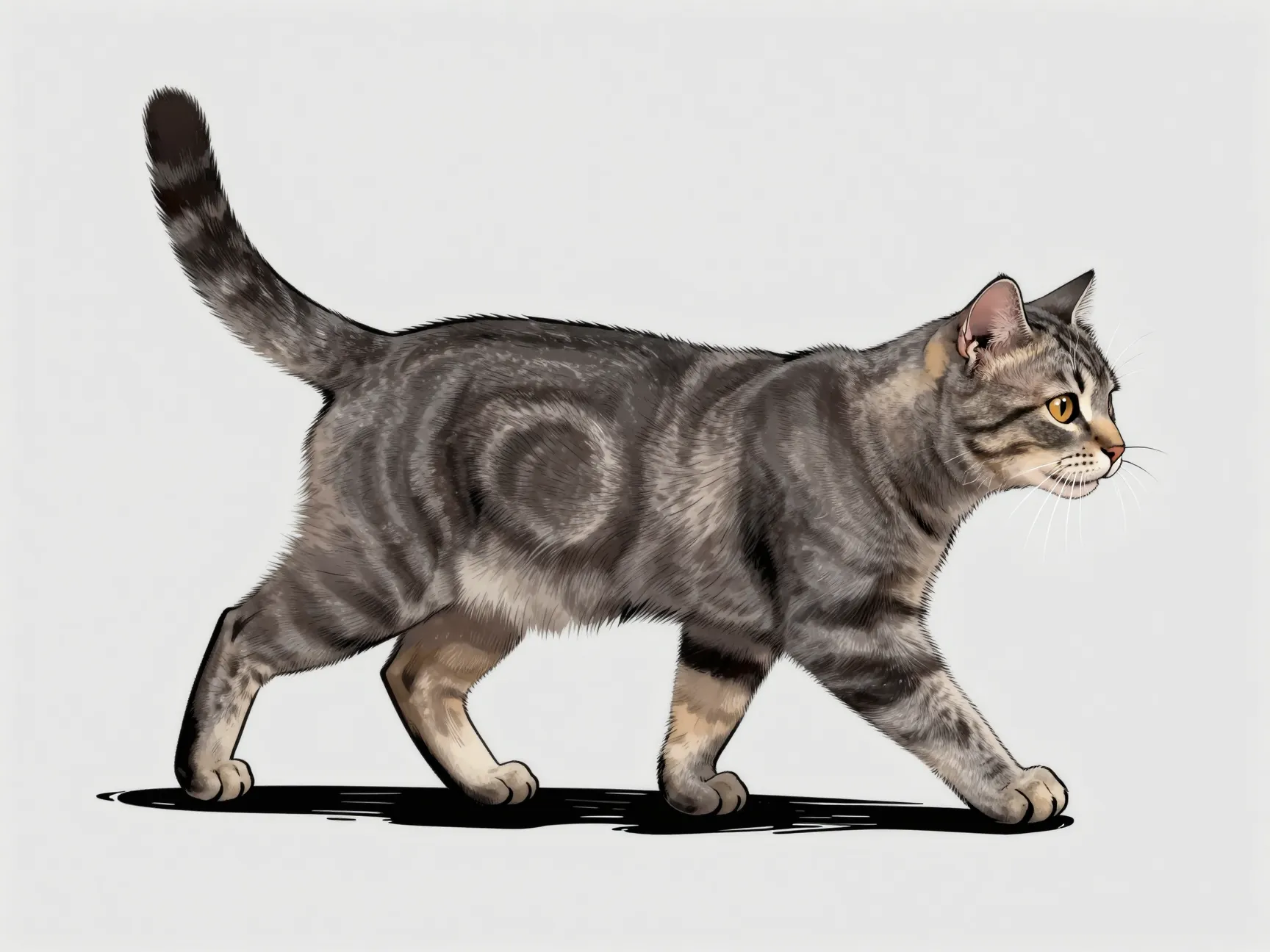
The third entry among these 6 Jayfeather Warrior Cats Fanart Poses To Draw Your Favorite Character is the walking profile or three-quarter view. This pose captures Jayfeather mid-stride, usually shown from the side or at a slight angle, which highlights his lanky, long-limbed build. Because he is often described as taller and leaner than many of his Clanmates, this pose gives artists room to show off that distinctive body type.
A well-drawn walking pose typically includes:
- A slightly arched back, suggesting forward motion.
- Front and back legs staggered in a natural walking rhythm.
- A long tail used for balance, often curved rather than straight.
- Ears turned slightly forward or to the side, since he relies heavily on sound.
This pose is popular in comic-style fanart and multi-panel sequences where Jayfeather needs to appear active without a full action scene.
4. Intense Close-Up Headshot
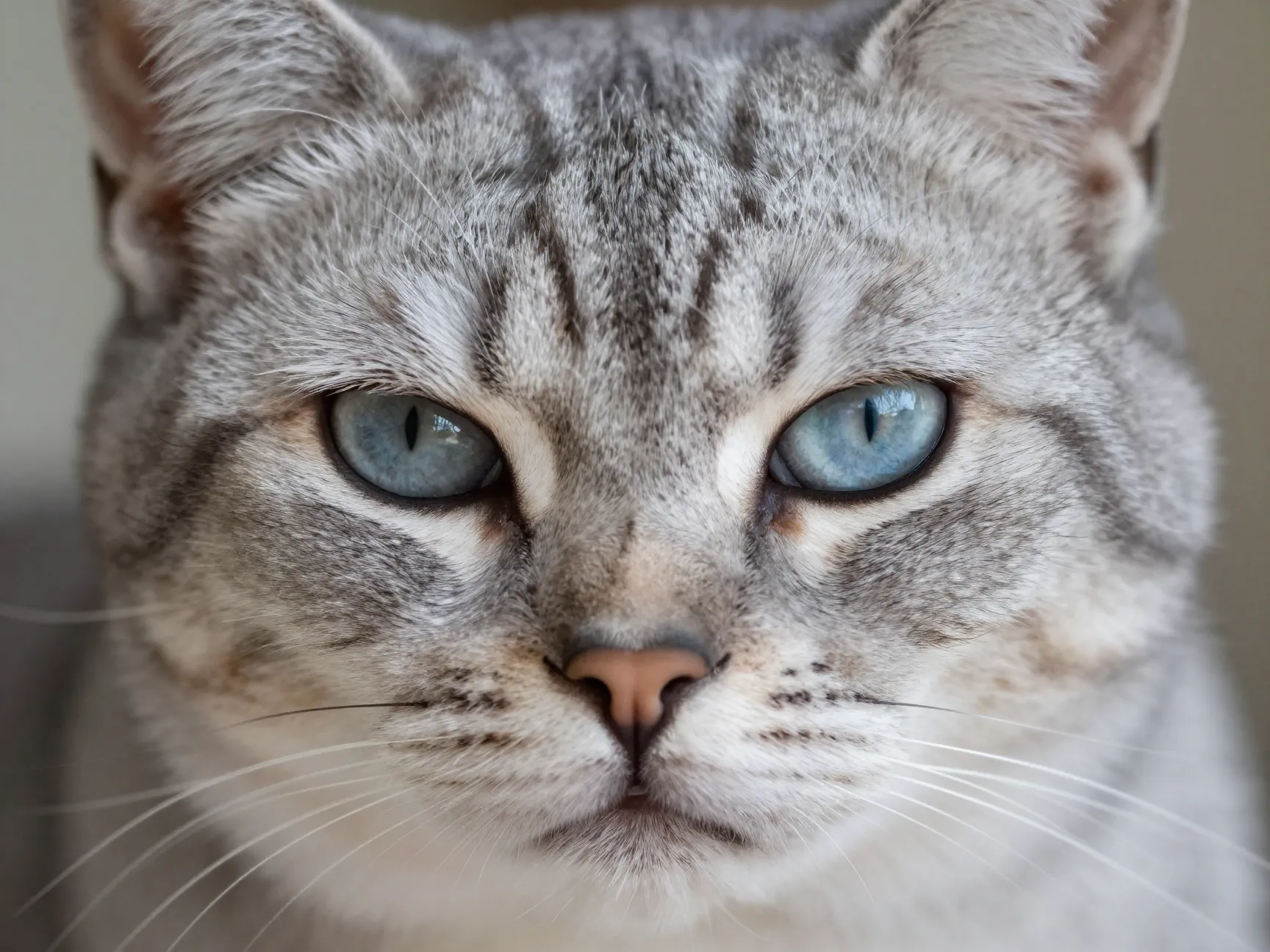
The fourth pose zooms all the way in. Close-up headshots of Jayfeather are extremely common because they let artists focus entirely on two of his most defining features: his blind, pale eyes and his famously grumpy expression. This pose strips away the body and background almost entirely, putting full attention on facial structure and emotion.
Artists drawing this pose usually pay close attention to:
- Eye shape and shading, since his eyes are described as unfocused or clouded rather than simply closed.
- A slightly narrowed or flattened brow to convey his sharp, sometimes irritable personality.
- Whisker placement and thickness for added texture and realism.
- Ear position, often pinned slightly back to suggest tension or annoyance.
Because this pose requires almost no full-body anatomy knowledge, it is one of the most beginner-friendly entries on this list while still producing a striking, recognizable result.
5. Dynamic Leap or Pounce
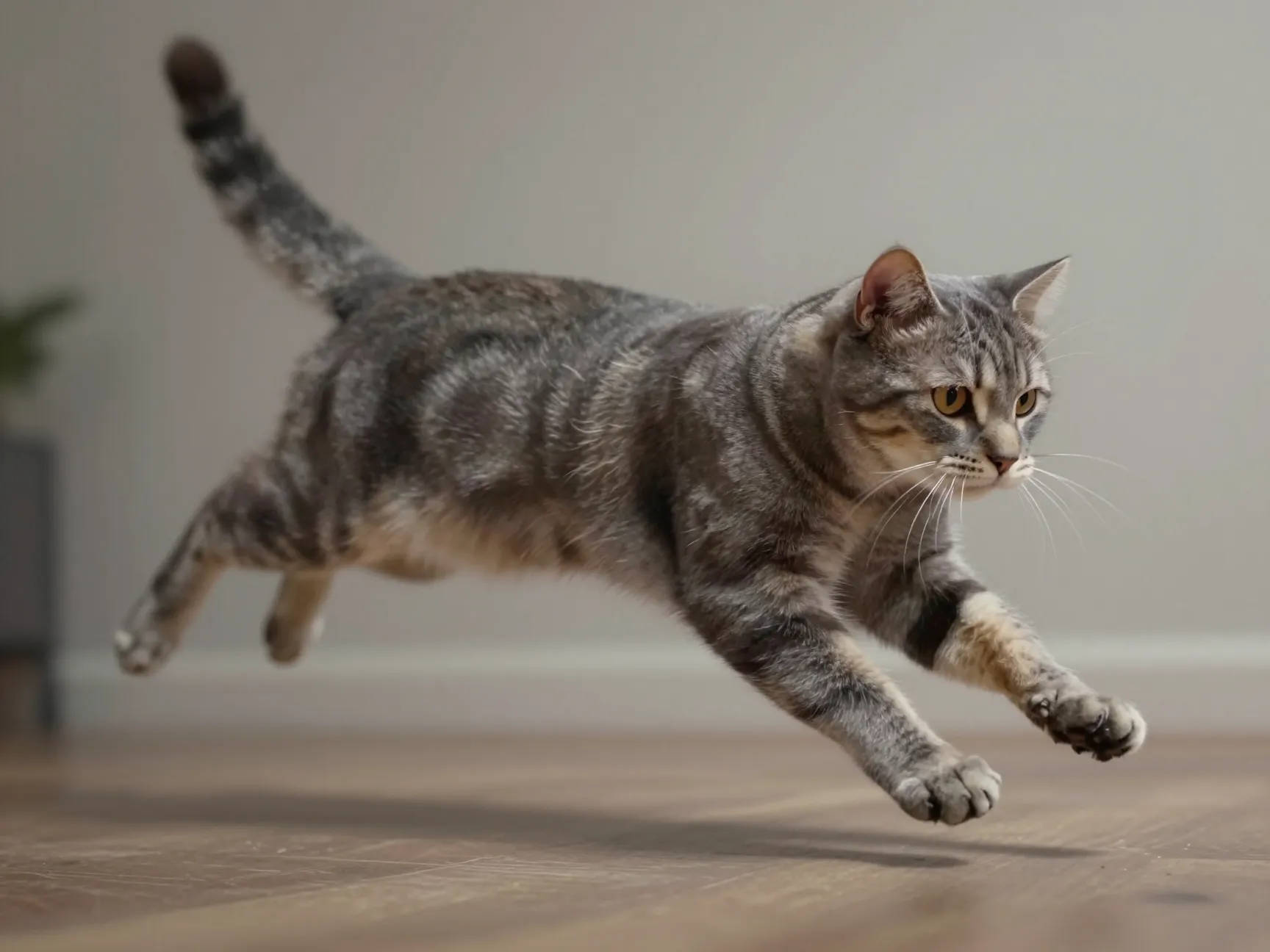
Where the first four poses lean calm or contemplative, the fifth pose flips the tone entirely. A dynamic leap or pounce shows Jayfeather in mid-air, muscles extended, claws sometimes visible, capturing a burst of agility that surprises fans who mostly know him as a healer rather than a fighter.
This pose is used less often in official-style art and far more often by fan artists specifically exploring an alternate side of his character, showing that even a blind cat can move with speed and precision when needed. Common techniques for this pose include:
- A stretched, diagonal body line running from nose to tail tip.
- Splayed front paws to suggest a pounce or attack motion.
- Motion lines or blurred background elements to emphasize speed.
- A slightly lowered head, since he would rely on sound and instinct rather than sight to time the movement.
Artists who enjoy action-oriented fanart tend to gravitate toward this pose because it lets them experiment with more advanced anatomy and movement studies.
6. Younger Jaypaw, Curious or Playful
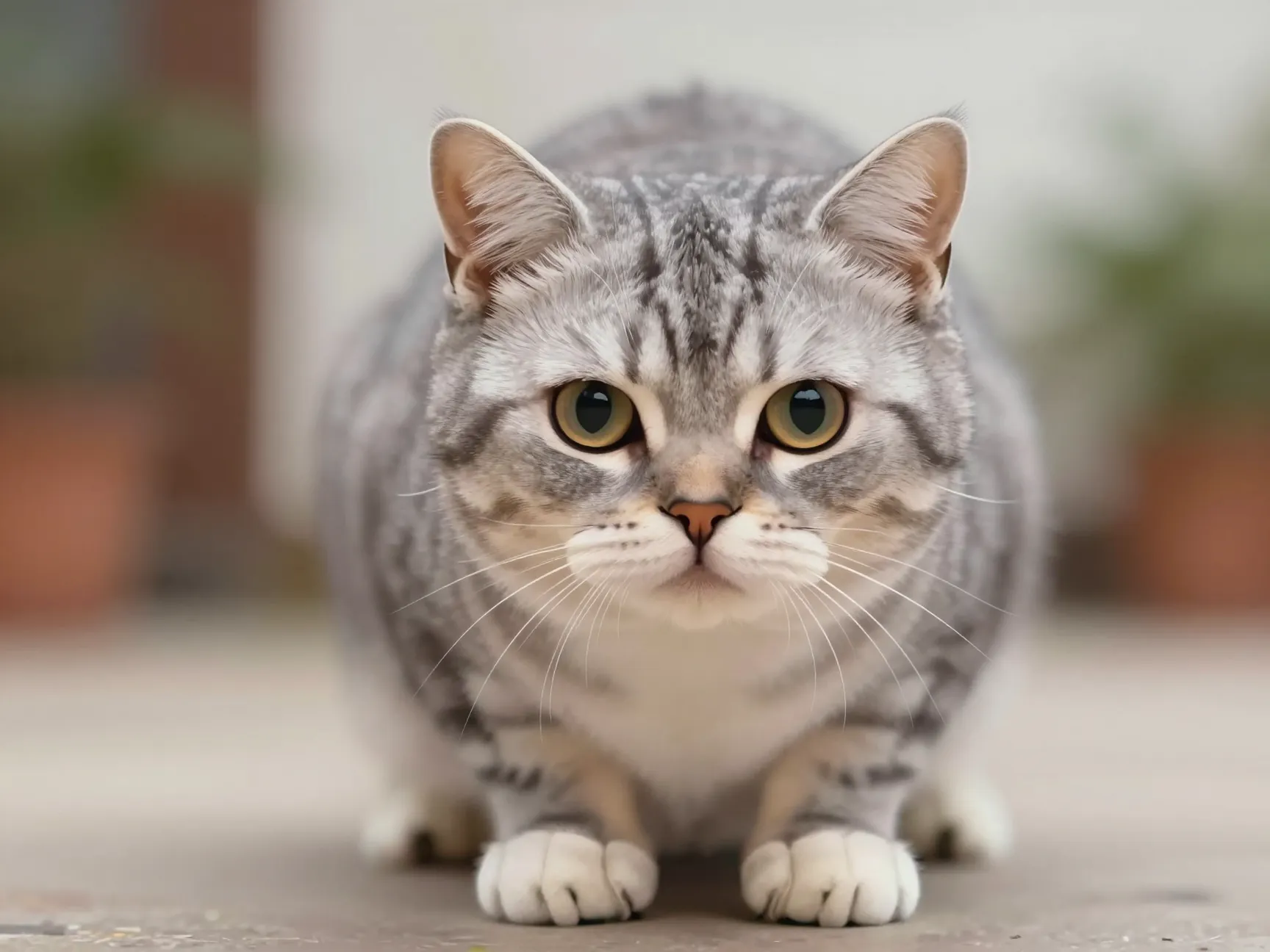
The sixth and final pose steps back in time. Before he became Jayfeather, he was Jaypaw, a curious, sometimes mischievous apprentice still learning to navigate the world despite his blindness. This pose typically shows a smaller, rounder body with larger paws relative to his frame, a common trait in younger cat designs, paired with a tilted head or perked ears that suggest curiosity rather than the guarded seriousness of his adult self.
This pose has become especially popular in “six fanarts” style challenges, where artists redraw a character at different ages or in different moods within a single post. Younger Jaypaw poses often appear alongside adult Jayfeather drawings specifically to highlight how much his posture and expression have changed over time, making it a natural pairing piece for artists who want to show range in a single set.
Tips to Nail Any Jayfeather Warrior Cats Fanart Pose
Choosing one of the 6 Jayfeather Warrior Cats Fanart Poses To Draw Your Favorite Character is only the first step. Authoritative drawing resources consistently emphasize that strong fanart comes from solid construction technique, not from copying a fixed pose outline. The following approach works across all six poses described above.
Start with basic shapes. Most experienced cat artists build a rough skeleton using simple ovals and circles for the head, ribcage, and hips before adding any fur or detail. This keeps proportions consistent no matter which pose is chosen.
Study real cat anatomy, then adjust. Warriors characters are stylized, but their movement is still based on real feline anatomy. Reference photos of actual cats sitting, walking, and leaping help ground even a highly stylized drawing of Jayfeather in believable motion.
Treat blindness as a design detail, not an afterthought. Because Jayfeather’s eyes lack normal pupils, many artists soften the eye shading, use a pale, slightly glassy color, and avoid sharp catchlights that would normally suggest focused vision. This single detail does more to make a drawing instantly recognizable as Jayfeather than almost any other feature.
Use his stick sparingly but intentionally. Not every pose needs the stick, but when it appears, it should look like a natural extension of the scene rather than a random prop dropped into the frame.
Practice expression separately from pose. Because his personality is often described as blunt and grumpy, many artists sketch several small headshot studies focusing only on eyebrow and mouth shape before committing to a full-body pose.
The table below summarizes how these six poses differ in difficulty and best use case, which can help artists choose a starting point based on skill level.
| Pose | Skill Level | Best For |
|---|---|---|
| 1. Composed Stance | Beginner | Character portraits |
| 2. Sitting With Stick | Beginner to Intermediate | Iconic, story-driven scenes |
| 3. Walking Profile | Intermediate | Comic panels, sequences |
| 4. Close-Up Headshot | Beginner | Emotional expression studies |
| 5. Dynamic Leap | Advanced | Action and motion practice |
| 6. Young Jaypaw | Intermediate | Character growth comparisons |
Where Artists Find New Pose Ideas in 2026
The fanart landscape around Warriors characters has shifted noticeably with the rise of short-form video and visual discovery platforms. Pinterest remains one of the most reliable places to browse curated boards of Jayfeather fanart, since its search and recommendation system tends to group similar poses together, making it easy to compare dozens of interpretations of the same idea side by side.
TikTok has added a different kind of influence: speed-drawing videos and pose challenge trends now regularly feature Warriors characters, including Jayfeather, with artists filming themselves sketching a pose in real time. These videos often spark small waves of copycat poses as other artists attempt the same challenge with their own style.
Instagram continues to function as a portfolio-style hub where more polished, finished versions of these poses get shared, often alongside process shots showing the rough sketch, line art, and final coloring stages. Together, these three platforms explain why pose trends for a single character like Jayfeather can shift within months rather than staying fixed for years.
“Fanart pose lists like this one exist because artists build shared visual habits over time, not because a publisher wrote them down.”
It is worth repeating that no official source has ever published a definitive pose guide for Jayfeather or any other Warriors character. What exists instead is a living, community-shaped set of habits, and the six poses covered in this guide reflect that community consensus as it stands heading into 2026.
Frequently Asked Questions
Is there an official list of Jayfeather poses from the Warriors publishers?
No. The idea of a fixed set of poses comes entirely from fan communities. Official artwork provides reference for proportions and markings, but pose choices are driven by fan artists, not by any publisher guideline.
What is the easiest Jayfeather pose for a beginner to draw?
The composed upright stance and the close-up headshot are generally considered the most beginner-friendly, since both rely on simple shapes and do not require advanced knowledge of motion or foreshortening.
Why is Jayfeather so often drawn with a stick?
The stick has become a widely recognized visual detail among fans, often used to suggest his connection to nature and his role navigating the world despite being blind. It also gives artists a simple, grounding prop for composition.
Do the six poses apply only to Jayfeather, or can they be used for other Warriors characters?
While this guide focuses on Jayfeather specifically because of his popularity in fan communities, the same construction principles, basic shapes, walking cycles, close-up expression studies, and action poses, apply to drawing almost any Warriors cat character.
How did the 2026 official art update affect fan interpretations?
Updated official character art typically refines details like fur texture, eye shading, and body proportions. When these references change, fan artists often adjust their own interpretations to stay visually consistent with the newest official look.
Conclusion
Jayfeather remains one of the most consistently drawn characters in the Warriors fandom precisely because his design invites contrast: a blind medicine cat who is also lean, sharp-tongued, and unexpectedly agile. The six poses outlined in this guide to 6 Jayfeather Warrior Cats Fanart Poses To Draw Your Favorite Character, from the composed medicine-cat stance to the playful young Jaypaw sketch, reflect years of community experimentation rather than a fixed official standard.
For artists ready to start, the most useful next step is simple: pick one pose from this list, sketch basic shapes first, and focus on one signature detail, his clouded eyes, his stick, or his lanky stride, before adding full shading and color. Revisiting updated 2026 official reference art alongside trending fan interpretations on Pinterest, TikTok, and Instagram will keep any new drawing both technically sound and visually current with where the fandom stands today.