German Shepherd Dogs and Puppies: 9 Crucial Differences Every Owner Must Know
Only 35% of first-time German Shepherd owners report feeling fully prepared for how dramatically their dog changes between puppyhood and adulthood — and that gap in knowledge leads to real problems, from joint injuries to behavioral meltdowns. If you’ve ever watched a fluffy, floppy-eared GSD puppy transform into a powerful, focused adult and wondered whether the rulebook completely changed, you’re right. It did.
Disclosure: This post contains affiliate links. As an Amazon Associate, we earn from qualifying purchases, and at no extra cost to you.
Understanding German Shepherd Dogs and Puppies: 9 Crucial Differences Every Owner Must Know is not just helpful trivia — it’s the foundation of responsible ownership. Whether you’re raising your first GSD puppy or welcoming a rehomed adult, the differences between these two life stages touch everything: diet, exercise, training, grooming, and even the emotional bond you’ll build. This guide breaks down each of those nine differences clearly and practically so you can give your German Shepherd exactly what they need at every stage of life.
Key Takeaways
- 🐾 Exercise rules change completely: Puppies need short, controlled bursts of activity; adults need 1–2 hours daily.
- 🥩 Protein needs drop with age: GSD puppies require ~29% protein; adults need ~18%.
- 🧠 Training windows matter: Puppies have critical socialization periods that adults have already passed.
- 📏 Size is deceptive early on: That tiny puppy will grow into a 65–90 lb adult — plan your space accordingly.
- 💡 Mental stimulation is non-negotiable at every age — but the methods differ significantly between puppies and adults.
Why German Shepherd Owners Must Understand Life Stage Differences
German Shepherds are the third most intelligent dog breed in the world, excelling in working intelligence and problem-solving [4]. That brilliance is a double-edged sword. A GSD that gets the wrong care for its life stage doesn’t just underperform — it develops anxiety, aggression, physical injury, or chronic boredom-related destruction.
“A German Shepherd treated like a puppy forever, or rushed into adult expectations too soon, rarely reaches its full potential.”
These dogs serve as guide dogs, therapy animals, search-and-rescue workers, police and military partners, and narcotics and explosives detection specialists [2]. That versatility is built on a breed that responds intensely to how it’s raised and managed. Getting the puppy-to-adult transition right isn’t optional — it’s everything.
German Shepherd Dogs and Puppies: 9 Crucial Differences Every Owner Must Know
1. Physical Size and Growth Rate
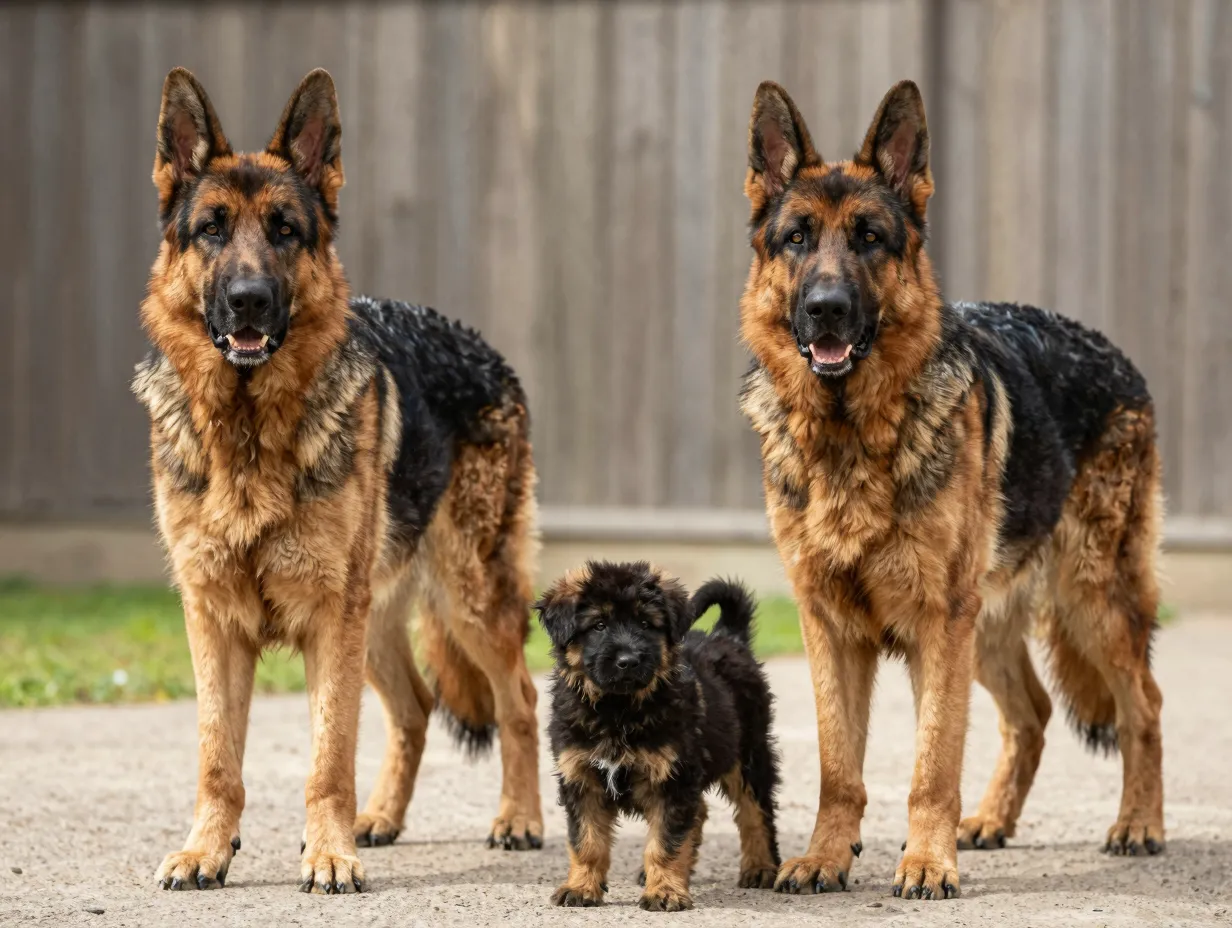
One of the most visually obvious differences between GSD puppies and adults is sheer size — and how fast that size arrives.
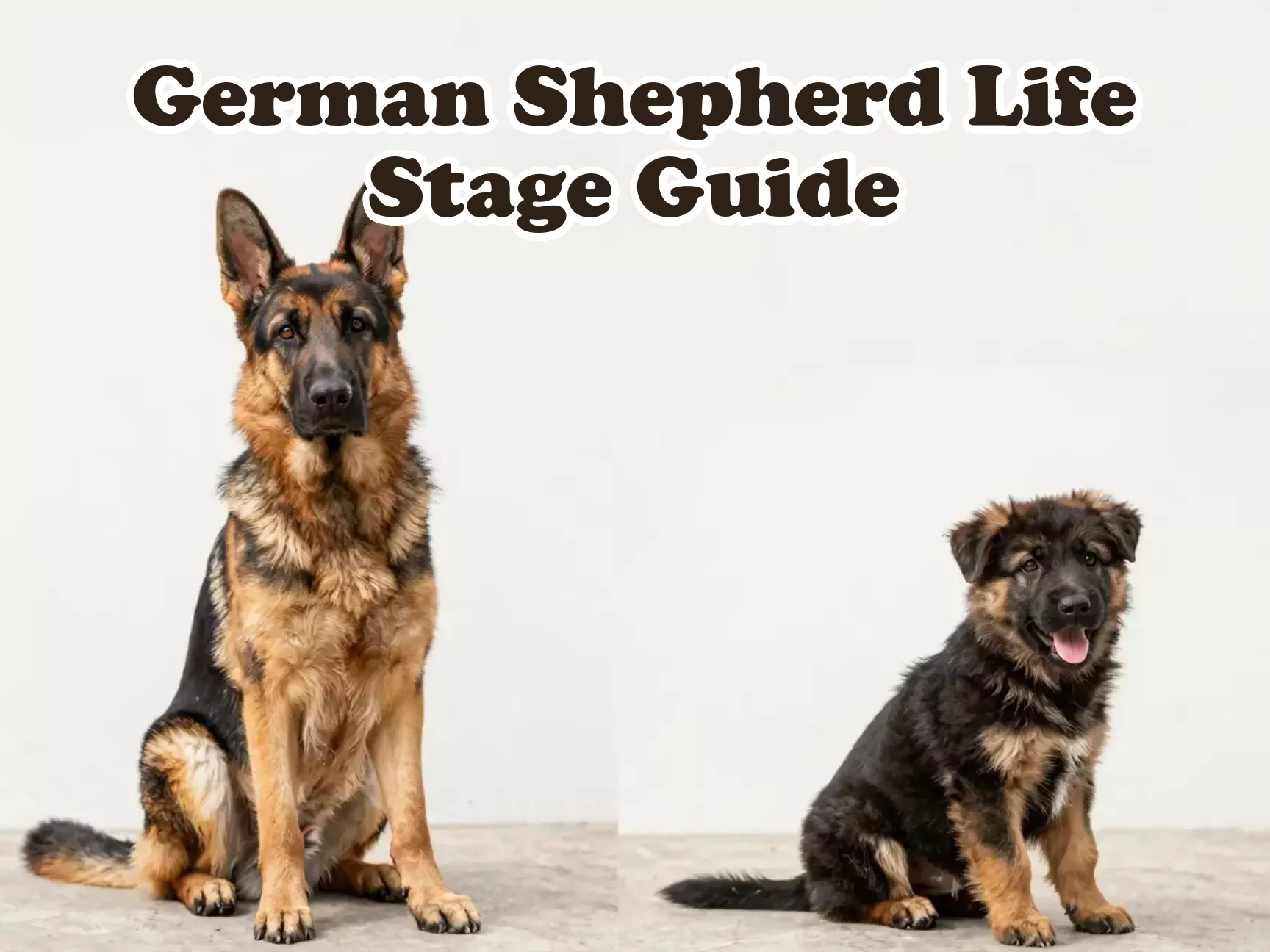
Adult male German Shepherds typically weigh 65–90 lbs, while females weigh 50–70 lbs, with both sexes reaching 22–26 inches in height [1]. But here’s what surprises most new owners: GSD puppies reach roughly 70% of their adult size by six months, then continue filling out in muscle mass and bone density until around 18–24 months.
| Stage | Weight Range | Key Physical Trait |
|---|---|---|
| Puppy (8 weeks) | 13–15 lbs | Soft coat, floppy ears |
| Puppy (6 months) | 45–57 lbs | Ears beginning to stand |
| Adult (18+ months) | 50–90 lbs | Dense double coat, erect ears |
That rapid growth is exactly why puppy care must be handled differently from adult care. Bones and joints are still forming, making certain activities dangerous until full maturity is reached.
2. Exercise Requirements: A Critical Difference Between GSD Puppies and Adults
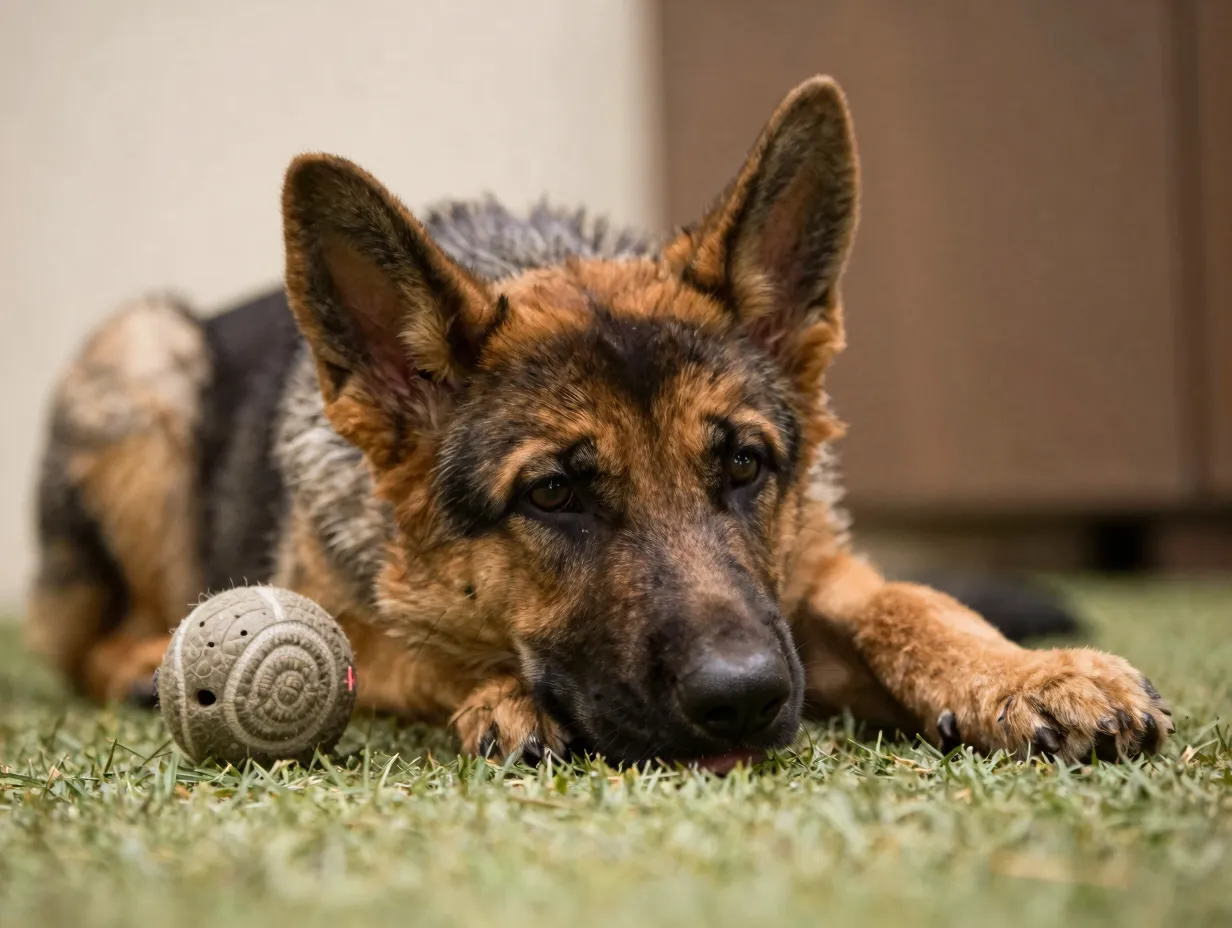
This is arguably the most important difference — and the most commonly misunderstood.
Adult German Shepherds need 1–2 hours of vigorous daily exercise to stay physically and mentally healthy [4]. They thrive on running, hiking, fetch, agility work, and structured walks. Under-exercised adults become destructive, anxious, and difficult to manage.
GSD puppies, on the other hand, need carefully limited exercise. The widely respected guideline is five minutes of exercise per month of age, repeated 2–3 times daily [4]. So a 3-month-old puppy gets 15-minute sessions, not hour-long runs.
Why the restriction? 🦴 Puppies have growth plates — soft areas of developing cartilage at the ends of long bones. High-impact exercise like jumping, long runs, or rough play on hard surfaces can permanently damage these growth plates, leading to joint problems that last a lifetime.
Avoid with puppies:
- Jogging or running on pavement
- Jumping on/off furniture repeatedly
- Forced fetch sessions on hard ground
- Stairs (limit where possible under 12 weeks)
Great for adult GSDs:
- Off-leash trail runs
- Agility and obstacle courses
- Swimming (joint-friendly and excellent cardio)
- Structured fetch and frisbee sessions
3. Nutritional Needs and Protein Requirements
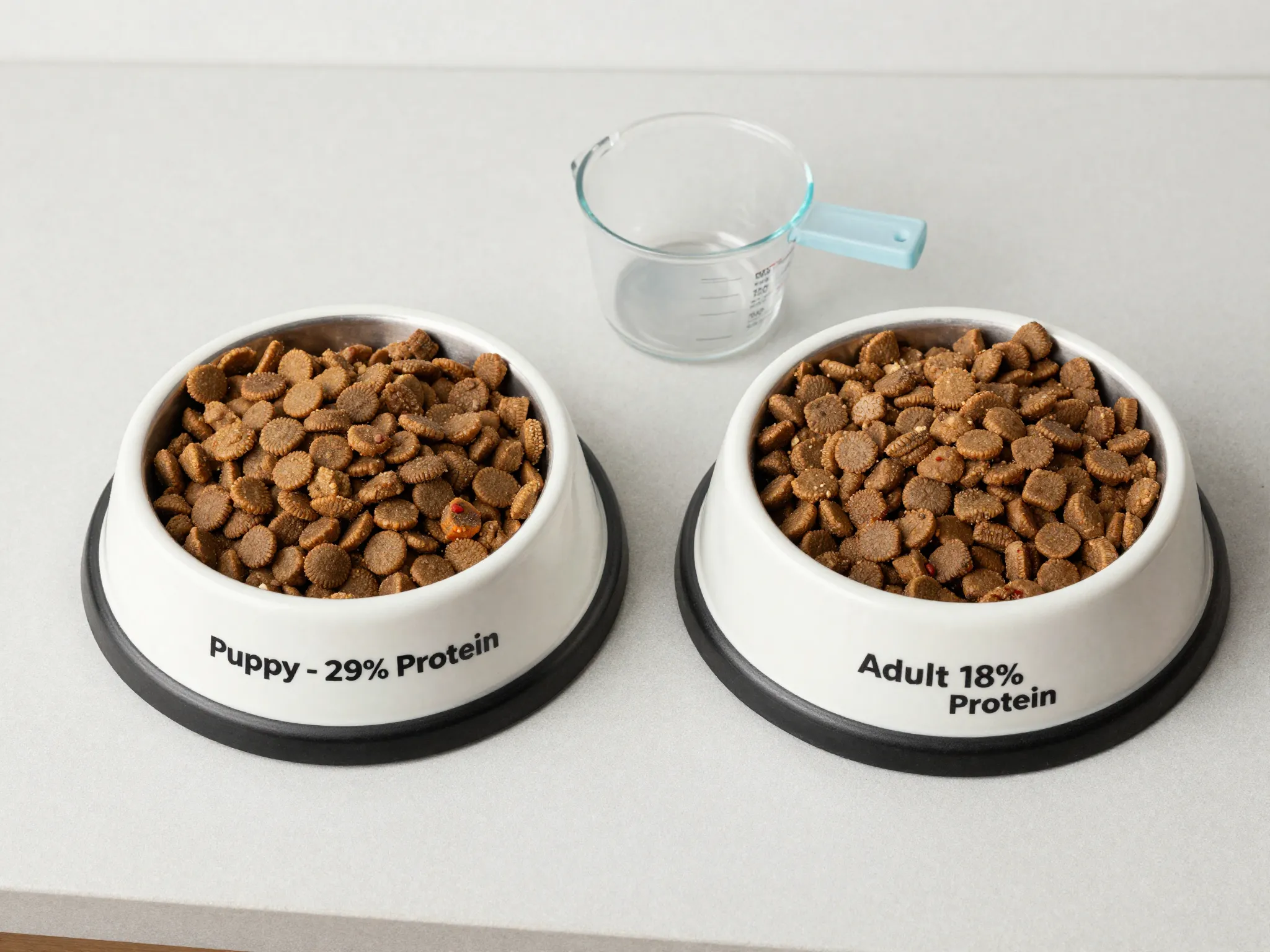
What goes in the bowl changes dramatically across life stages, and getting it wrong affects everything from coat quality to joint development.
GSD puppies require approximately 29% protein in their diet to support rapid muscle and tissue growth [1]. They also need higher levels of calcium and phosphorus for bone development — but in a carefully balanced ratio. Too much calcium in a large-breed puppy diet can actually cause skeletal problems, which is why large-breed puppy formulas exist for a reason.
Adult German Shepherds need approximately 18% protein [1] — significantly less than puppies. Their metabolism has stabilized, and excess protein in adults can stress the kidneys over time.
💡 Pro tip: Never feed a GSD puppy a generic “all breeds” adult formula. Always choose a food specifically formulated for large-breed puppies until your dog reaches 12–18 months.
Feeding frequency also differs:
- Puppies (8–16 weeks): 3–4 meals per day
- Puppies (4–6 months): 3 meals per day
- Adults (12+ months): 2 meals per day
Portion control matters too. Adult GSDs are prone to bloat (gastric dilatation-volvulus), a life-threatening condition. Feeding two smaller meals rather than one large one reduces this risk significantly.
4. Training Approach and Socialization Windows
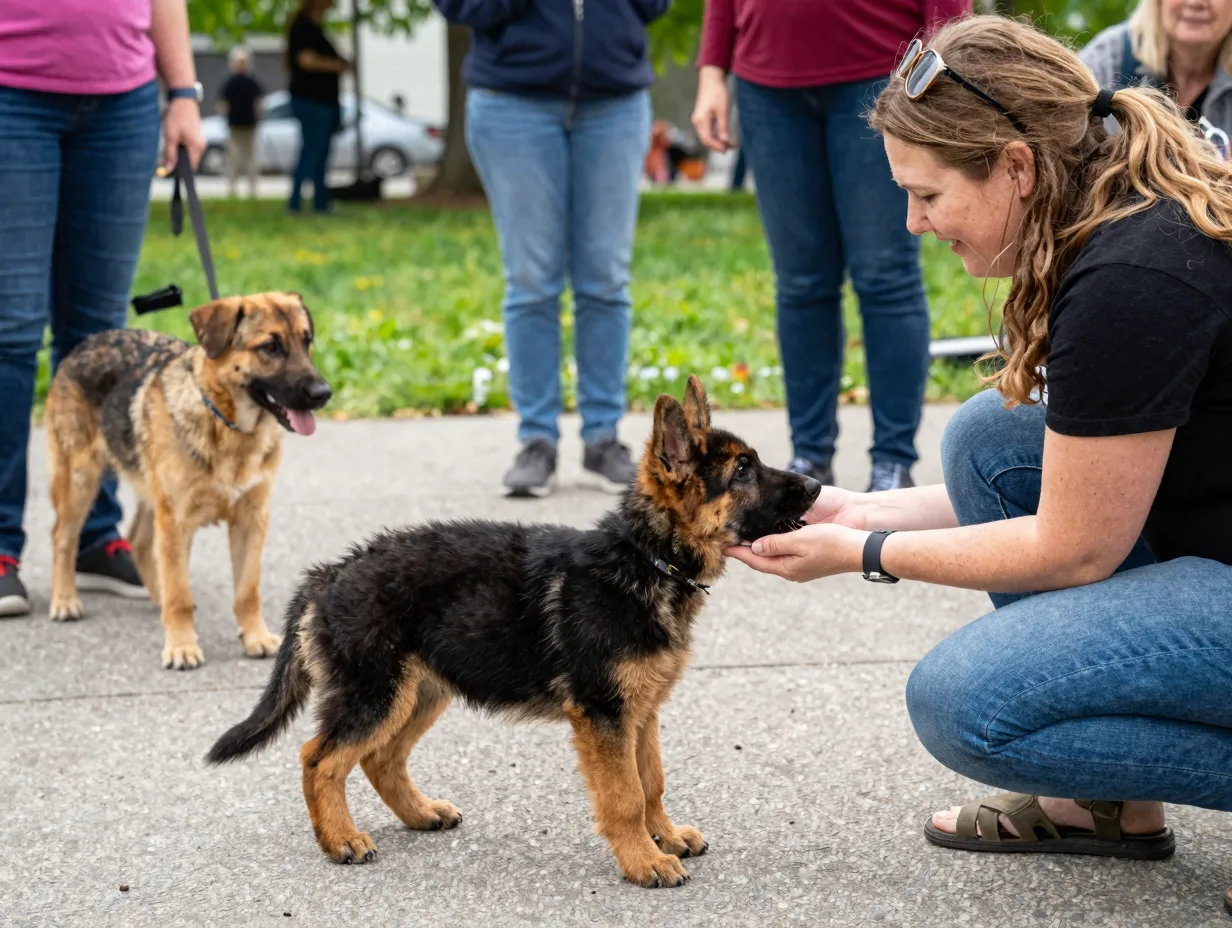
German Shepherd puppies have a critical socialization window that closes around 12–16 weeks of age. During this period, positive exposure to different people, animals, sounds, surfaces, and environments shapes the dog’s temperament for life [3]. Miss this window, and you may spend years working against fear-based reactions that could have been prevented in a few weeks.
Adult German Shepherds can absolutely be trained — they’re highly intelligent and respond well to consistent positive reinforcement. But the type of training shifts:
| Training Focus | Puppy (0–6 months) | Adult (18+ months) |
|---|---|---|
| Priority | Socialization, basic commands | Advanced commands, task work |
| Session length | 5–10 minutes max | 15–30 minutes |
| Key method | Positive reinforcement, play-based | Positive reinforcement, structured |
| Common challenges | Short attention span | Established habits (good or bad) |
With adults, especially rehomed or rescued GSDs, you may need to undo learned behaviors before installing new ones. That takes patience and consistency — but it’s entirely achievable with this breed.
5. Coat Development and Grooming Demands
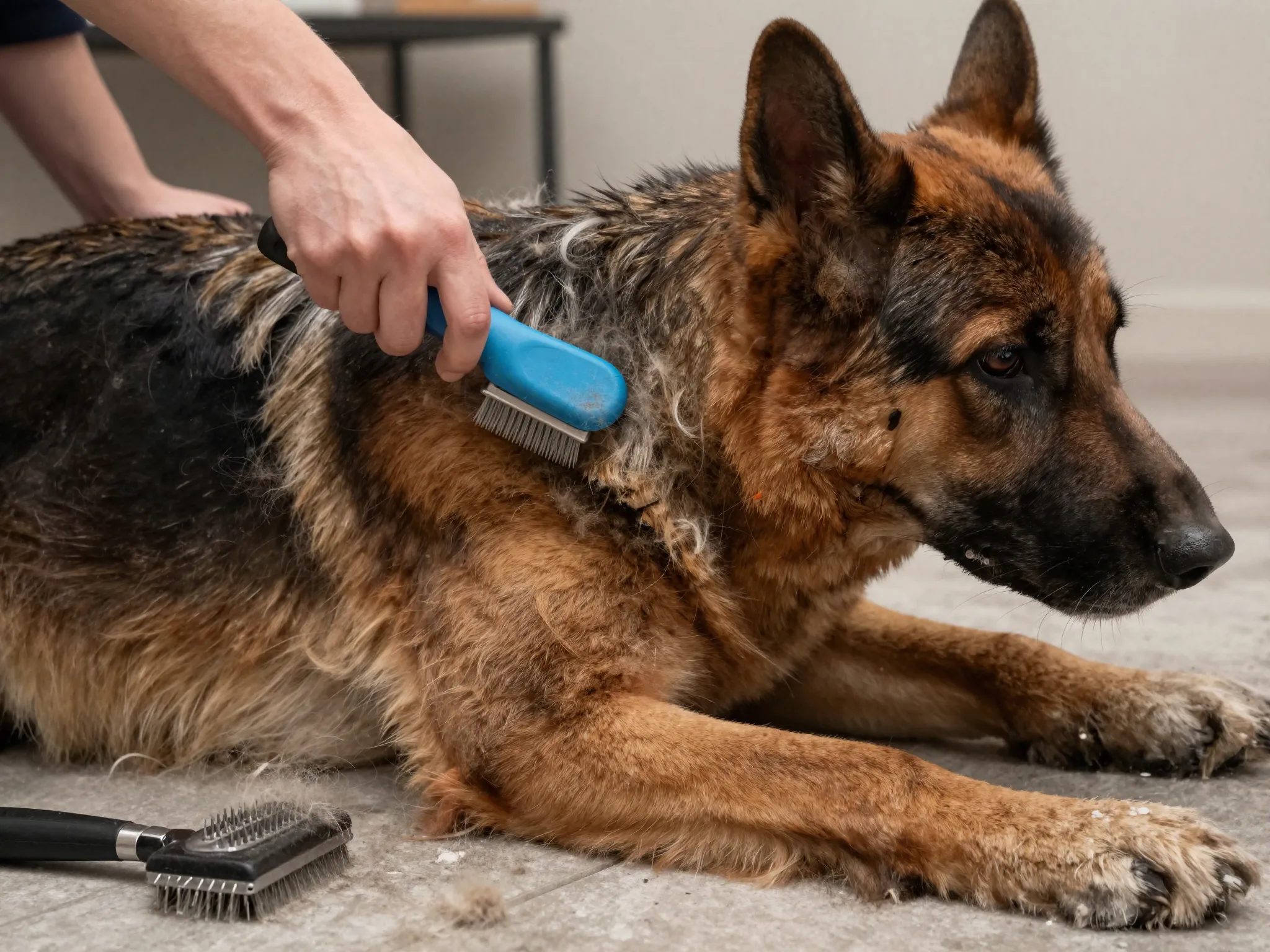
German Shepherds are legendary shedders — and that’s true at every life stage. But the grooming demands shift as the coat matures [1].
GSD puppies are born with a soft, fluffy single coat. This puppy coat is relatively easy to manage with light brushing 2–3 times per week. Around 4–6 months, the adult double coat begins growing in, and you’ll notice a dramatic increase in shedding.
Adult German Shepherds develop a dense, weather-resistant double coat consisting of a thick undercoat and a coarser outer coat [7]. This coat sheds heavily year-round and reaches peak shedding intensity twice a year during seasonal “coat blows” — typically spring and fall.
Grooming comparison:
- 🐶 Puppy: Soft brush 2–3x weekly, occasional bath, nail trims
- 🐕 Adult: Slicker brush + undercoat rake 4–5x weekly, deshedding tool during coat blows, monthly baths, regular nail trims and ear checks
One thing that doesn’t change: never shave a German Shepherd’s double coat. The double coat regulates body temperature in both heat and cold. Shaving it disrupts this natural system and can cause coat texture problems that never fully reverse.
6. Mental Stimulation Needs
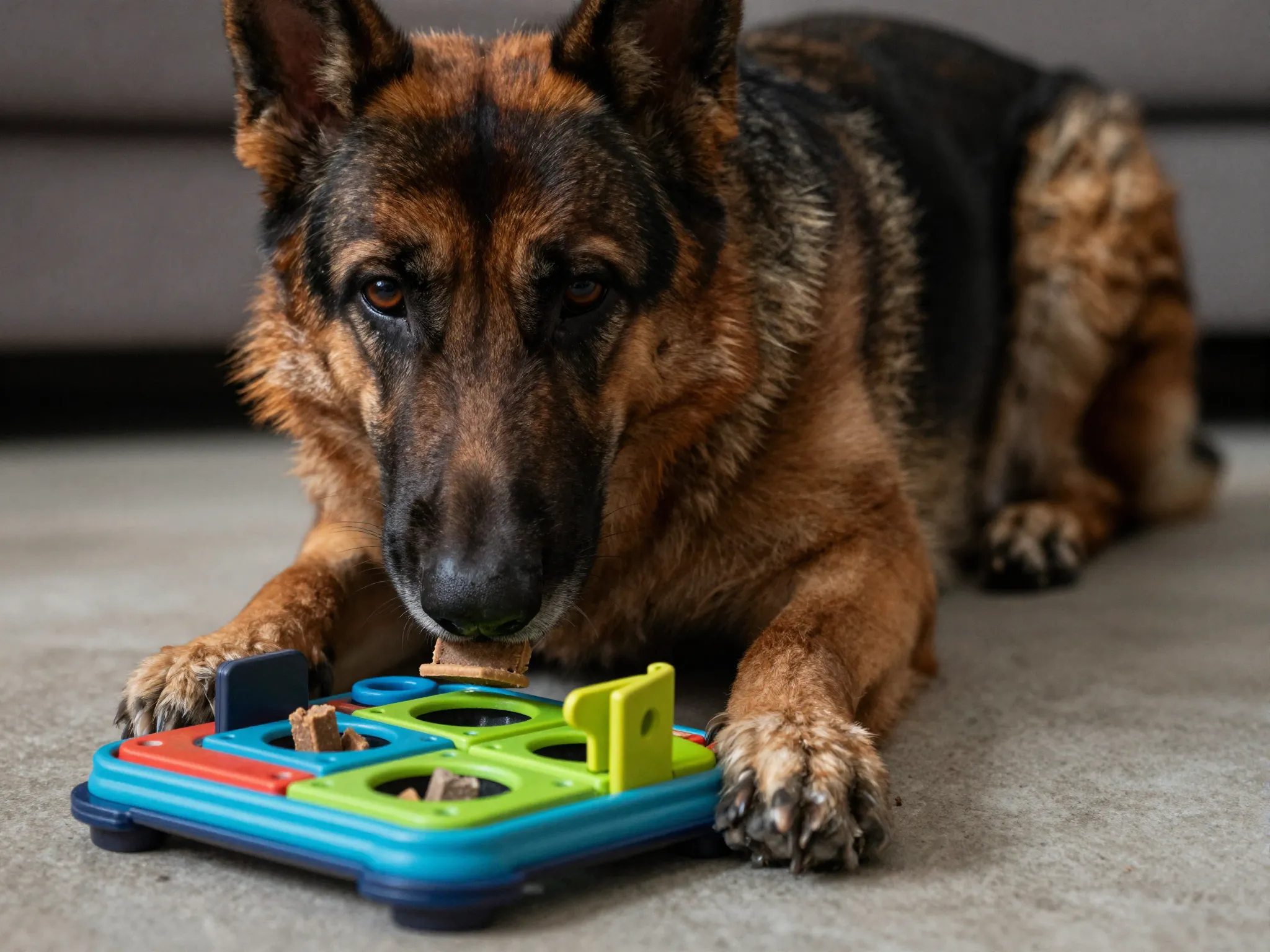
Mental exercise is just as important as physical activity for German Shepherds at every life stage — but the delivery method changes significantly [1].
GSD puppies have explosive curiosity but tiny attention spans. Short, varied enrichment activities work best: sniff games, simple puzzle feeders, basic training games, and supervised exploration of new environments. Overstimulation is a real risk — an overtired puppy becomes nippy, frantic, and difficult.
Adult German Shepherds can handle — and need — more complex mental challenges. Without adequate mental stimulation, adult GSDs develop destructive behaviors, excessive barking, and anxiety [1]. This is a breed that was designed to work, and a bored adult GSD will find its own “job” — usually one you won’t like.
Mental enrichment ideas by age:
For puppies:
- Simple Kong stuffed with puppy food
- Name recognition games
- Short training sessions (sit, stay, come)
- Supervised sniff walks
For adults:
- Advanced obedience and trick training
- Nose work and scent detection games
- Puzzle toys with increasing difficulty
- Dog sports (agility, tracking, Schutzhund)
7. Health Vulnerabilities and Veterinary Care
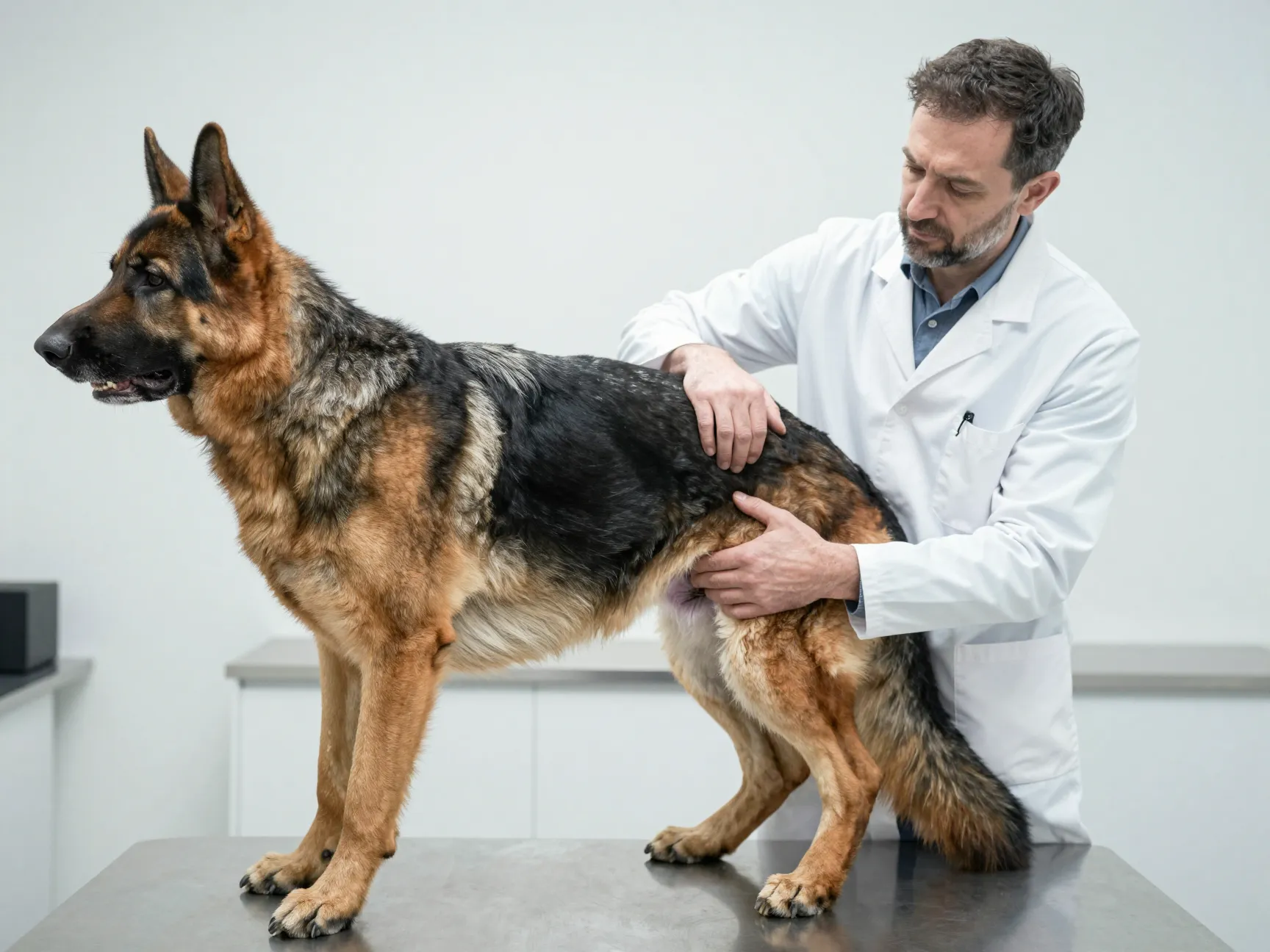
The health concerns that affect GSD puppies and adults are meaningfully different, and your vet schedule should reflect that.
Puppies are most vulnerable to:
- Parvovirus and distemper (vaccination series critical)
- Intestinal parasites
- Growth-related joint issues (hip and elbow dysplasia early signs)
- Hypoglycemia from missed meals
Adults are most commonly affected by:
- Hip and elbow dysplasia — a genetic predisposition in the breed [2]
- Degenerative myelopathy — a progressive neurological condition
- Bloat (GDV) — particularly in deep-chested adults
- Skin allergies and ear infections
German Shepherds have a life expectancy of 12–14 years when well cared for [1]. Preventive care — including regular vet checkups, appropriate weight management, and joint supplements for aging adults — plays a major role in reaching that upper range.
Vet visit frequency:
- Puppies: Every 3–4 weeks until 16 weeks for vaccine series, then 6-month checkup
- Adults: Annual wellness exams; twice yearly for seniors (7+ years)
8. Behavioral Traits and Temperament Expression
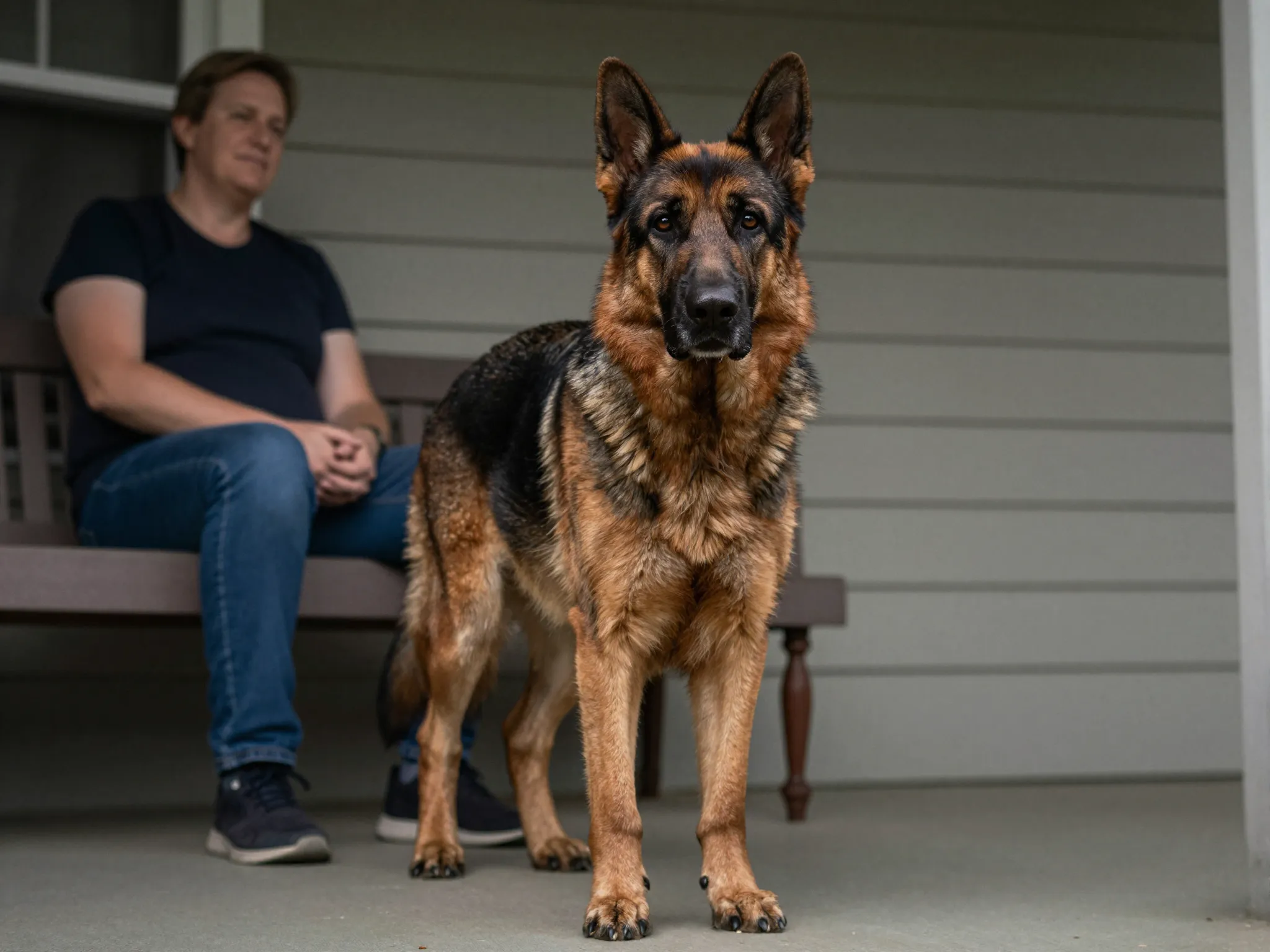
A GSD puppy and a GSD adult can feel like entirely different animals — and in many ways, they are.
Puppies are characterized by:
- High energy and impulsiveness
- Intense mouthing and nipping (normal but needs redirection)
- Fearful reactions to new stimuli if undersocialized
- Strong attachment to their primary caregiver
- Short emotional regulation — they crash hard after play
Adults express their temperament more fully:
- Confident, calm alertness (when well-raised)
- Protective instincts become more pronounced
- Strong loyalty and bonding to family
- Potential for territorial behavior if not properly socialized
- Ability to “read” human emotions with striking accuracy
One behavioral trait that intensifies with age is the GSD’s protective drive. A puppy may bark at strangers; an adult may position itself between you and a perceived threat instinctively. This is a feature of the breed — but it requires proper socialization and training to ensure it stays appropriate and controlled.
9. Time and Lifestyle Commitment Required
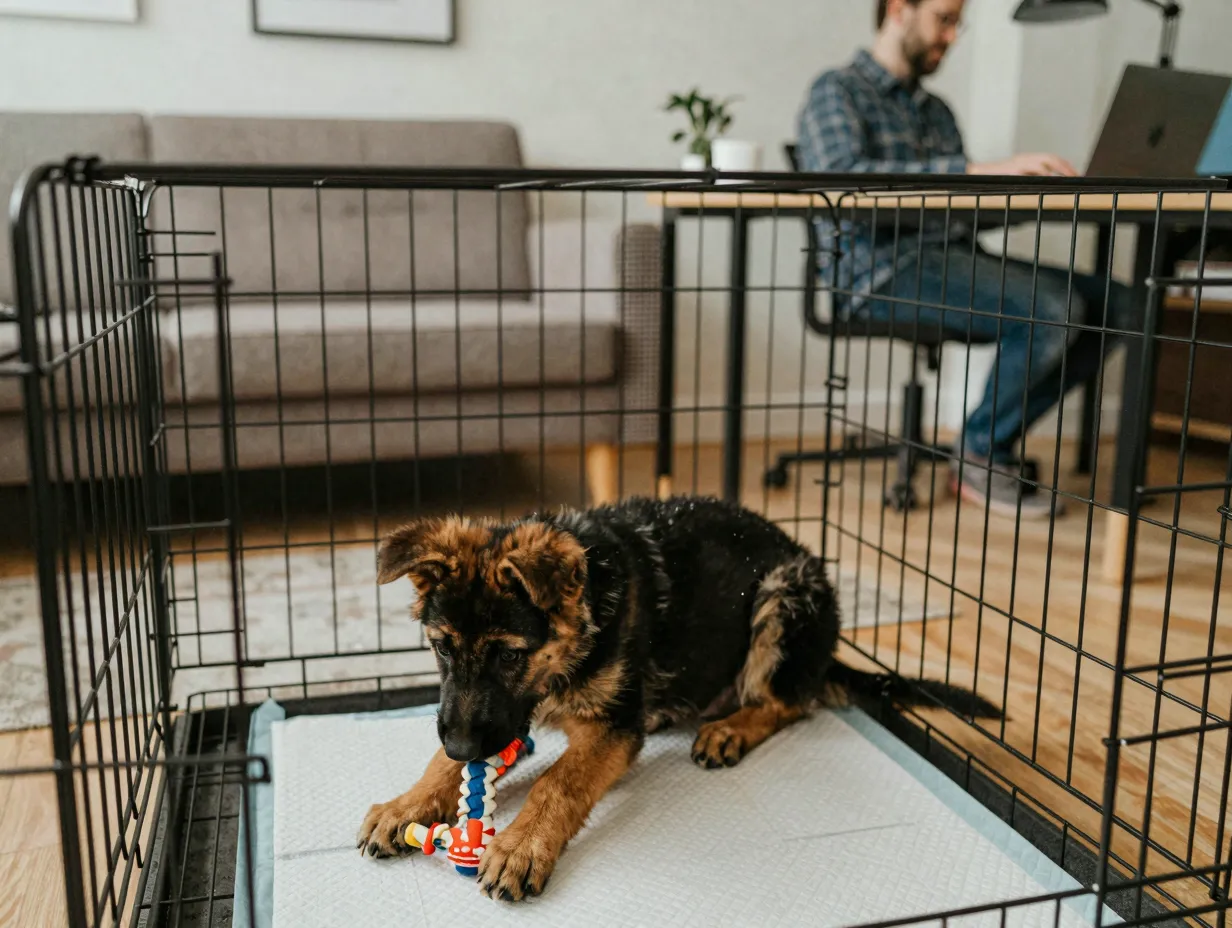
The final — and often most underestimated — difference between raising a GSD puppy versus managing an adult is the raw time investment required.
GSD puppies demand near-constant supervision, especially in the first 6 months. They cannot be left alone for more than 2–3 hours at a time without risk of accidents, destructive behavior, or anxiety. Crate training, potty training, and socialization all require active, daily effort from the owner.
Adult German Shepherds are more independent but still require significant daily engagement. They are not a breed that does well with long hours alone. Adults left alone for 8+ hours regularly often develop separation anxiety, which manifests as destructive behavior, excessive vocalization, and self-harm.
Weekly time commitment comparison:
| Activity | Puppy | Adult |
|---|---|---|
| Exercise | 3–5 hrs (short sessions) | 7–14 hrs |
| Training | 3–5 hrs | 2–4 hrs |
| Grooming | 1–2 hrs | 3–5 hrs |
| Supervision/enrichment | 20–30 hrs | 10–15 hrs |
The good news? That investment pays off. A well-raised, well-exercised, well-trained adult German Shepherd is one of the most rewarding companions a dog owner can have — loyal, intelligent, protective, and deeply bonded to their family.
Bringing It All Together: German Shepherd Dogs and Puppies: 9 Crucial Differences Every Owner Must Know
Here’s a quick-reference summary of all nine differences:
- Physical size — Puppies grow fast; adults reach 50–90 lbs by 18–24 months
- Exercise needs — Puppies: 5 min/month of age; Adults: 1–2 hours daily
- Nutrition — Puppies need ~29% protein; adults need ~18%
- Training approach — Puppies need socialization windows; adults need structured reinforcement
- Coat and grooming — Puppy coat is soft and easy; adult double coat requires intensive maintenance
- Mental stimulation — Both need enrichment, but complexity and duration increase with age
- Health vulnerabilities — Puppies face infectious disease risk; adults face degenerative conditions
- Behavioral expression — Puppies are impulsive; adults are protective and emotionally complex
- Lifestyle commitment — Puppies need constant supervision; adults need consistent daily engagement
Conclusion: What Every GSD Owner Should Do Next
Owning a German Shepherd — at any life stage — is a privilege that comes with real responsibility. The nine differences outlined in this guide aren’t minor footnotes. They’re the framework for raising a healthy, confident, well-behaved dog that can live a full 12–14 years by your side [1].
Here are your actionable next steps:
- Audit your current routine. Are you exercising your GSD appropriately for their age? Check the 5-minutes-per-month rule for puppies and the 1–2 hour standard for adults [4].
- Review your dog’s food label. Confirm the protein percentage matches your dog’s life stage — ~29% for puppies, ~18% for adults [1].
- Schedule a vet visit if you haven’t had a wellness check in the past 12 months — or if your puppy is behind on vaccines.
- Add one new mental enrichment activity this week. Puzzle feeders, nose work, or a new training trick all count [1].
- Join a GSD-specific community or training class. Connecting with experienced owners and trainers accelerates your learning curve dramatically.
German Shepherds are extraordinary dogs. In 2026, with more resources than ever available to owners, there’s no reason your GSD shouldn’t thrive at every life stage. Start with these nine differences, apply them consistently, and watch your dog become everything this remarkable breed is capable of being. 🐾
References
[1] What To Expect From German Shepherd Dog Real Insights From Dog Owners – https://www.sniffspot.com/blog/dog-breeds/what-to-expect-from-german-shepherd-dog-real-insights-from-dog-owners
[2] Facts About German Shepherds – https://www.aspcapetinsurance.com/resources/facts-about-german-shepherds/
[3] A Guide To Puppy Breeds German Shepherds – https://www.thepuppyacademy.com/blog/2021/12/6/a-guide-to-puppy-breeds-german-shepherds
[4] Ten Things You Need To Know About The German Shepherd Before You Buy One – https://www.pets4homes.co.uk/pet-advice/ten-things-you-need-to-know-about-the-german-shepherd-before-you-buy-one.html
[7] A Guide To German Shepherds – https://www.bellaandduke.com/dogs/expert-advice/dog-breeds/a-guide-to-german-shepherds/