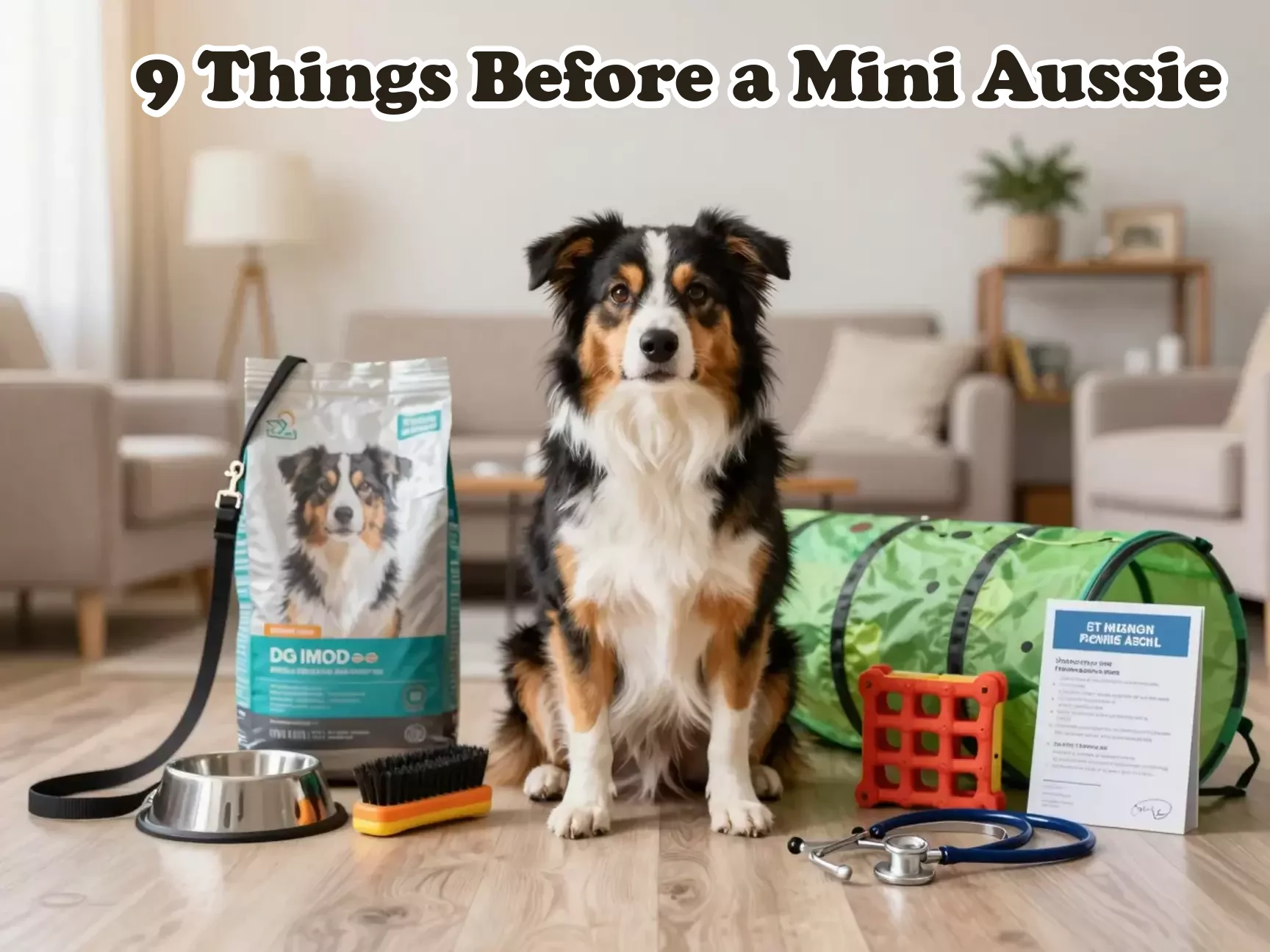
9 Things to Know Before Bringing Home a Miniature Australian Shepherd Dog
Only 30% of first-time dog owners research their chosen breed thoroughly before adoption — and for high-drive breeds like the Miniature Australian Shepherd, that gap in preparation can lead to real problems fast. If you are considering adding one of these compact, brilliant dogs to your life, understanding the full picture before day one is not optional. It is essential.
Disclosure: This post contains affiliate links. As an Amazon Associate, we earn from qualifying purchases, and at no extra cost to you.
This guide covers the 9 things to know before bringing home a Miniature Australian Shepherd dog — from their intense exercise needs and grooming demands to health costs and family compatibility. Whether you are a first-time dog owner or a seasoned pet parent, these insights will help you set yourself and your new dog up for long-term success.
Key Takeaways
- 🐾 Mini Aussies need at least one hour of vigorous exercise daily — their small size does not mean low energy.
- 🧠 They are highly intelligent and require consistent training and mental stimulation to stay well-behaved.
- 💰 Ownership costs go far beyond adoption fees — budget for vet care, grooming, food, and more.
- 🏠 They can adapt to apartment living only if their exercise and social needs are fully met.
- ❤️ With proper preparation, Mini Aussies make loyal, joyful, and deeply rewarding companions.
Understanding the 9 Things to Know Before Bringing Home a Miniature Australian Shepherd Dog
Before we dive into each point, let me be clear: the Miniature Australian Shepherd is not a “starter dog” for someone looking for a low-maintenance pet. These dogs are smart, energetic, and emotionally sensitive. They thrive when their owners are equally committed. Here is what you need to know.
1. They Have High Energy Requirements That Demand Real Commitment
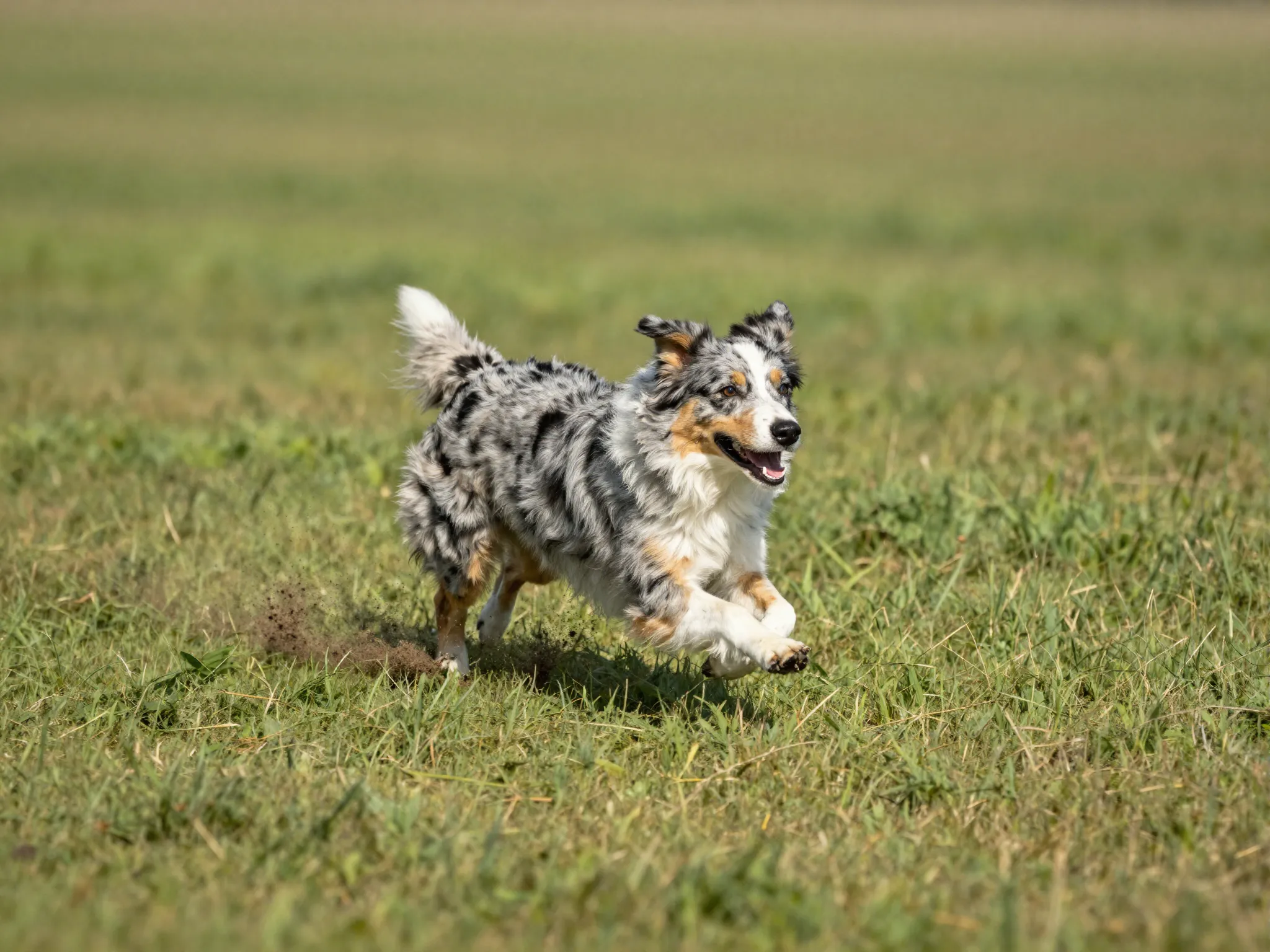
Do not let the word “miniature” fool you. Mini Australian Shepherds carry the same working-dog drive as their full-sized counterparts, just in a smaller package. These dogs need at least one hour of vigorous exercise per day, and many benefit from even more [1][2].
They are natural partners for outdoor activities:
- 🥾 Hiking
- 🏃 Running
- 🎾 Fetch and agility sports
- 🚴 Cycling alongside their owners
“A bored Mini Aussie is a destructive Mini Aussie.” If their physical energy is not channeled properly, expect chewed furniture, excessive barking, and a very unhappy household.
If your lifestyle involves long work hours with little time for outdoor activity, this breed may not be the right fit — at least not without a solid dog-walking or daycare plan in place.
2. Their Intelligence Is a Double-Edged Sword
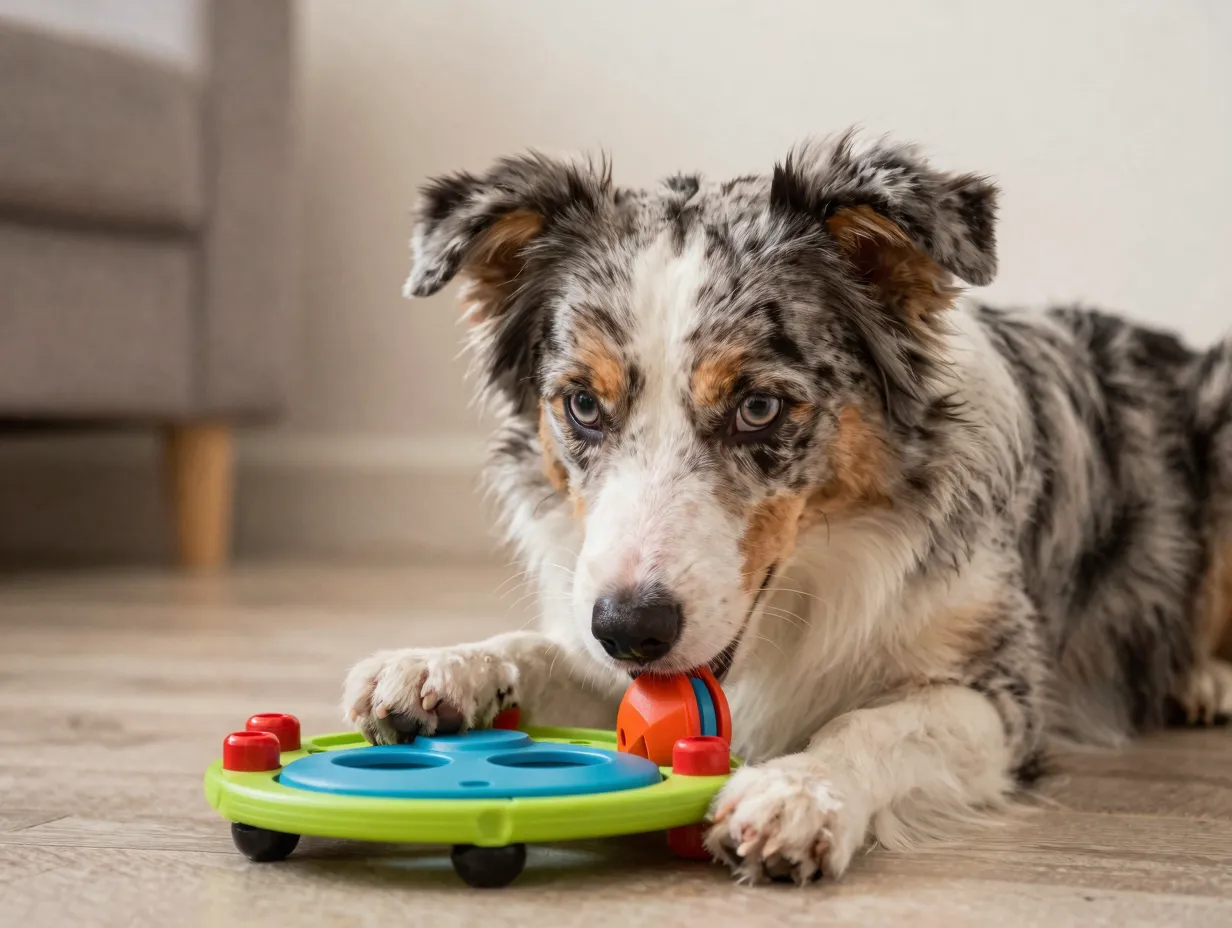
Mini Aussies are ranked among the most intelligent dog breeds in the world. They are eager to please, quick to learn, and highly responsive to training [1]. This sounds wonderful — and it is — but it also means they need consistent mental stimulation on top of physical exercise.
Training highlights:
| Training Activity | Benefit |
|---|---|
| Agility courses | Channels energy + builds focus |
| Flyball | Encourages teamwork and speed |
| Obedience training | Establishes clear leadership |
| Puzzle toys | Keeps the mind sharp between sessions |
Without clear leadership and consistent boundaries, a smart Mini Aussie will find its own ways to stay entertained — and those ways are rarely what you want [1]. Start training early, use positive reinforcement, and keep sessions short but frequent for best results.
3. They Cannot Be Left Alone for Long Periods
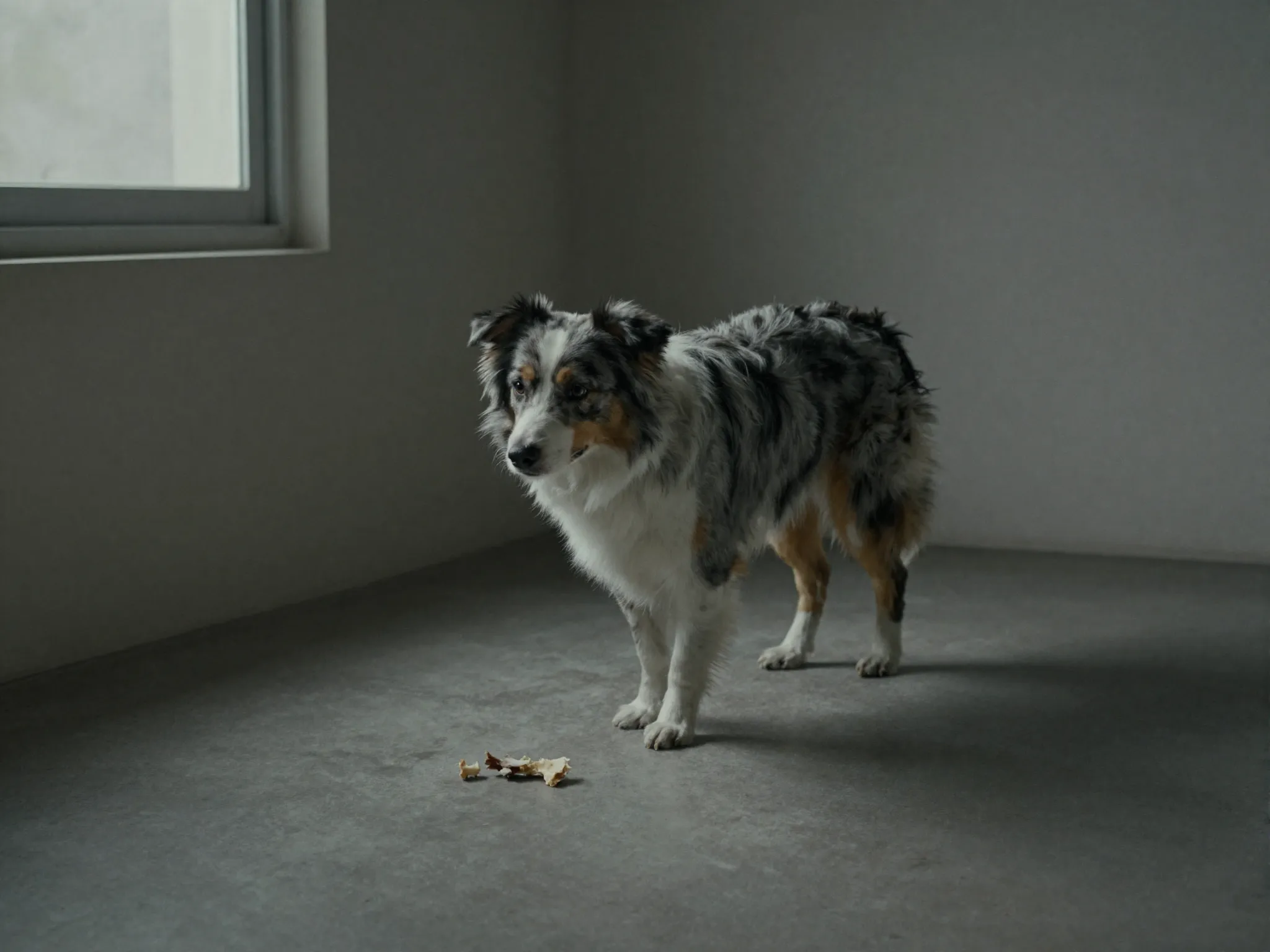
This is one of the most important of the 9 things to know before bringing home a Miniature Australian Shepherd dog, and it is often underestimated.
Mini Aussies are deeply social animals. When left alone for extended periods, they are prone to:
- Excessive barking 🔊
- Destructive chewing 🪵
- Separation anxiety 😟
- Restlessness and pacing
They are accustomed to the company of their littermates from birth, and that social need does not disappear when they come home with you [3]. A calm, predictable environment during the early adjustment period is critical [3].
Practical tips for working owners:
- Consider doggy daycare on long workdays.
- Hire a dog walker for midday breaks.
- Use crate training to create a safe, comfortable space.
- Gradually increase alone time rather than leaving them for hours on day one.
4. Grooming Is More Demanding Than Most People Expect
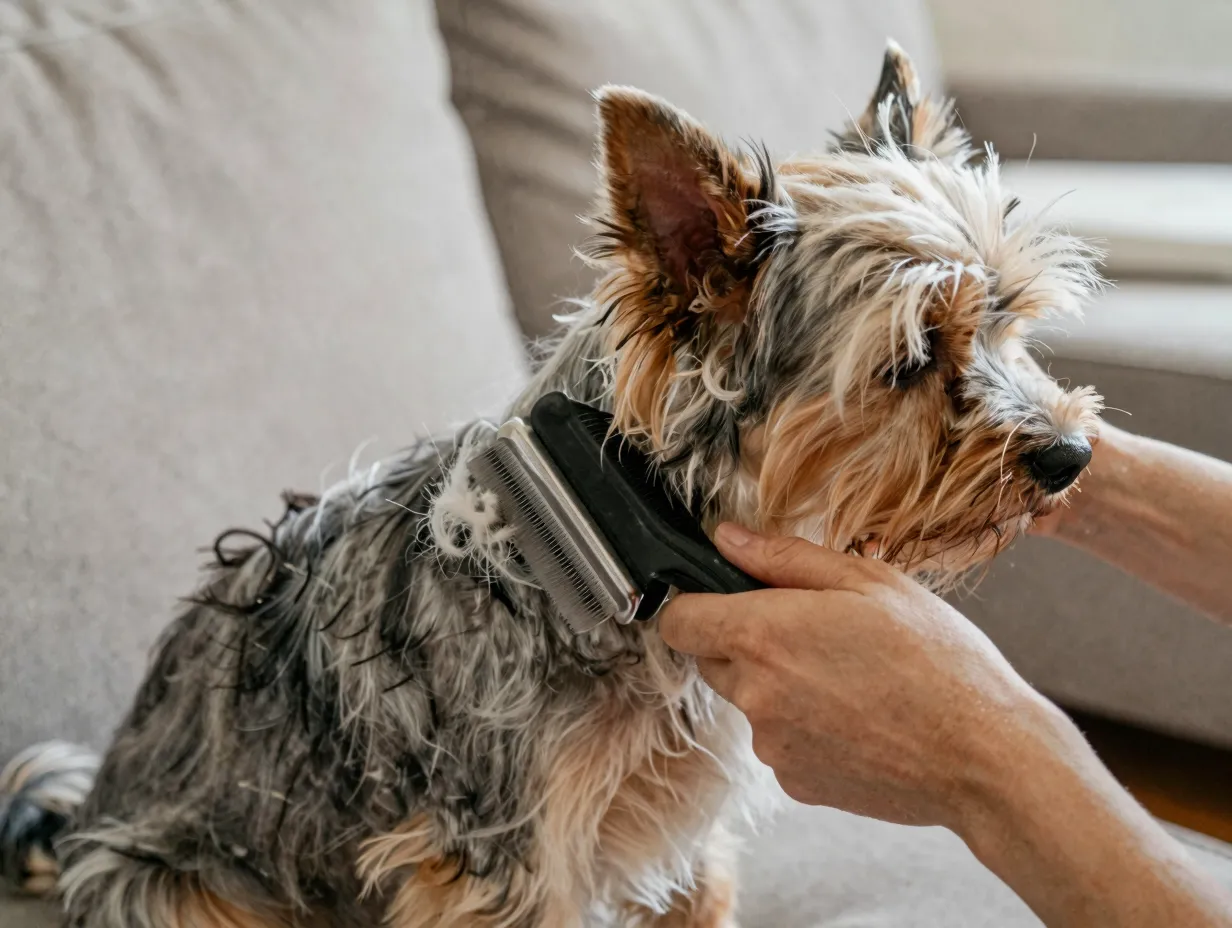
Mini Aussies have a beautiful double coat — but that coat comes with real maintenance responsibilities. Plan on brushing 2 to 3 times per week to manage everyday shedding and prevent matting [1][4].
Grooming schedule at a glance:
| Task | Frequency |
|---|---|
| Brushing | 2–3 times per week |
| Bathing | Every 6–8 weeks |
| Nail trimming | Monthly |
| Ear cleaning | Every 2–4 weeks |
| Professional grooming | Every 8–12 weeks (optional) |
Twice a year, Mini Aussies “blow coat” — a heavy seasonal shed where they lose large amounts of undercoat over a few weeks [2][4]. During these periods, daily brushing is strongly recommended. Investing in a quality de-shedding brush and an undercoat rake will save your furniture and your sanity.
5. Shedding Is Year-Round, Not Just Seasonal
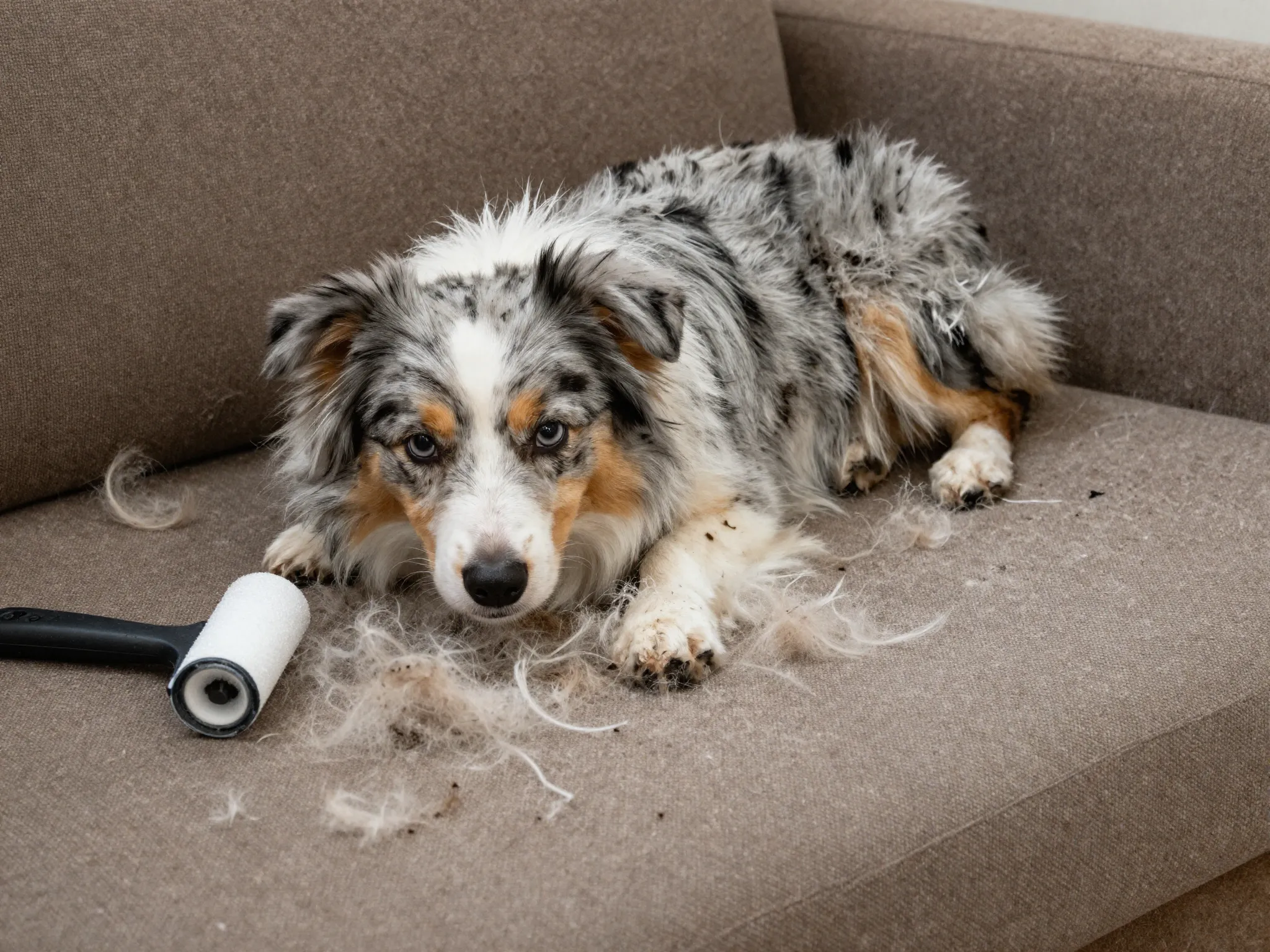
Building on point four, it is worth emphasizing that shedding is not limited to those twice-yearly blowouts. Mini Aussies shed consistently throughout the year due to their thick, weather-resistant double coats [2].
Pro tip: Keep a lint roller in every room. Seriously.
If anyone in your household has dog allergies, this breed is likely not a good match. There is no such thing as a truly hypoallergenic double-coated dog, and Mini Aussies produce a meaningful amount of dander and loose fur year-round.
Multiple weekly brushing sessions are necessary to keep shedding manageable [2]. Skipping brushing sessions leads to matting, which can be painful for the dog and expensive to address professionally.
6. They Are Excellent Family Dogs — With the Right Socialization
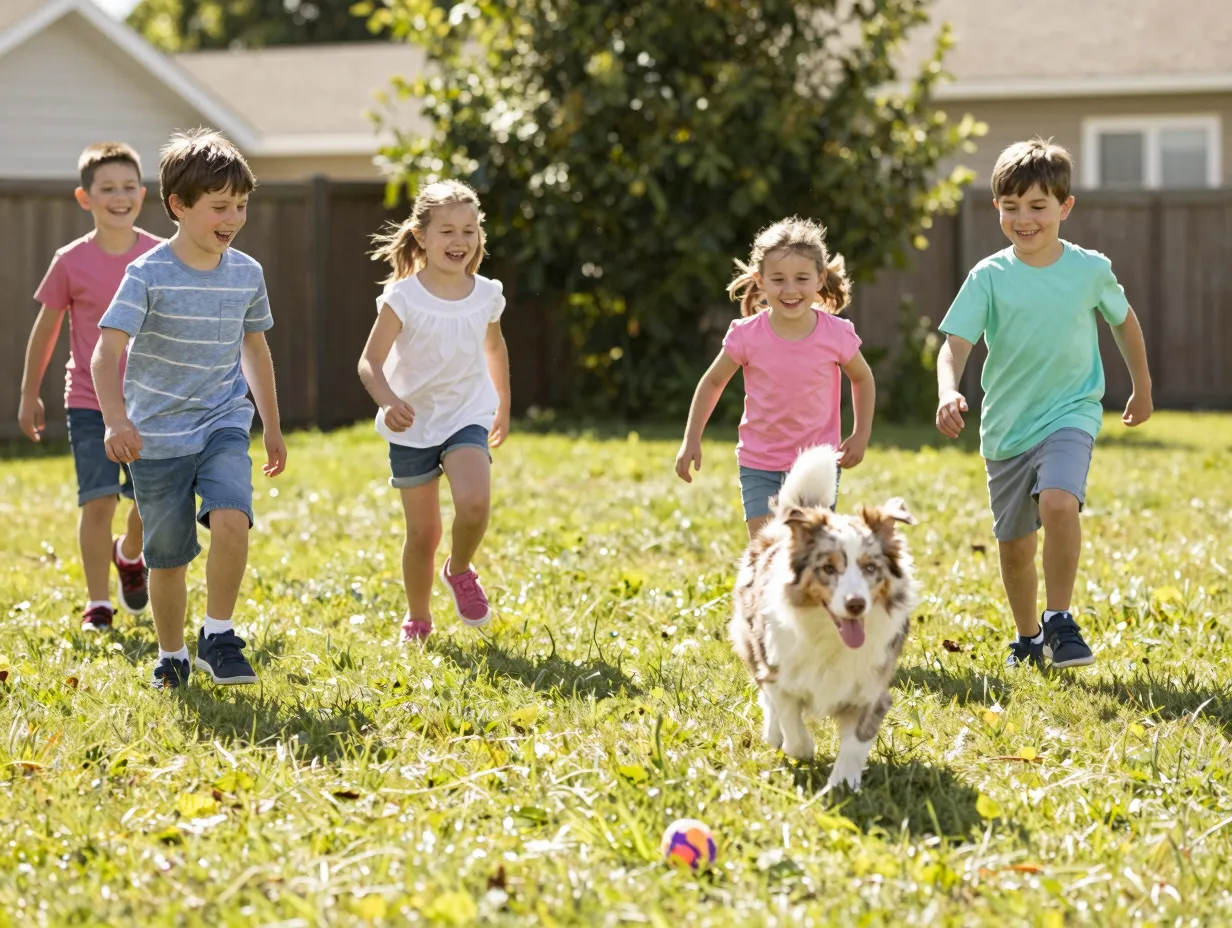
Mini Aussies genuinely love people, especially children. They thrive in active family environments and enjoy being involved in household activities [2]. When socialized early and consistently, they also get along well with other dogs and household pets [1].
Family compatibility checklist:
- ✅ Active families with outdoor lifestyles
- ✅ Homes with children who understand how to interact with dogs
- ✅ Multi-pet households with early socialization
- ✅ Owners who can commit to daily engagement
- ❌ Families who want a calm, low-energy lap dog
- ❌ Households where the dog will be left alone most of the day
Mini Aussies may try to “herd” small children by nipping at their heels — a natural instinct from their herding heritage. Teaching children how to interact calmly with the dog, and training the dog to redirect this behavior, is an important early step.
7. They Are Environmentally Sensitive and Need a Calm Introduction
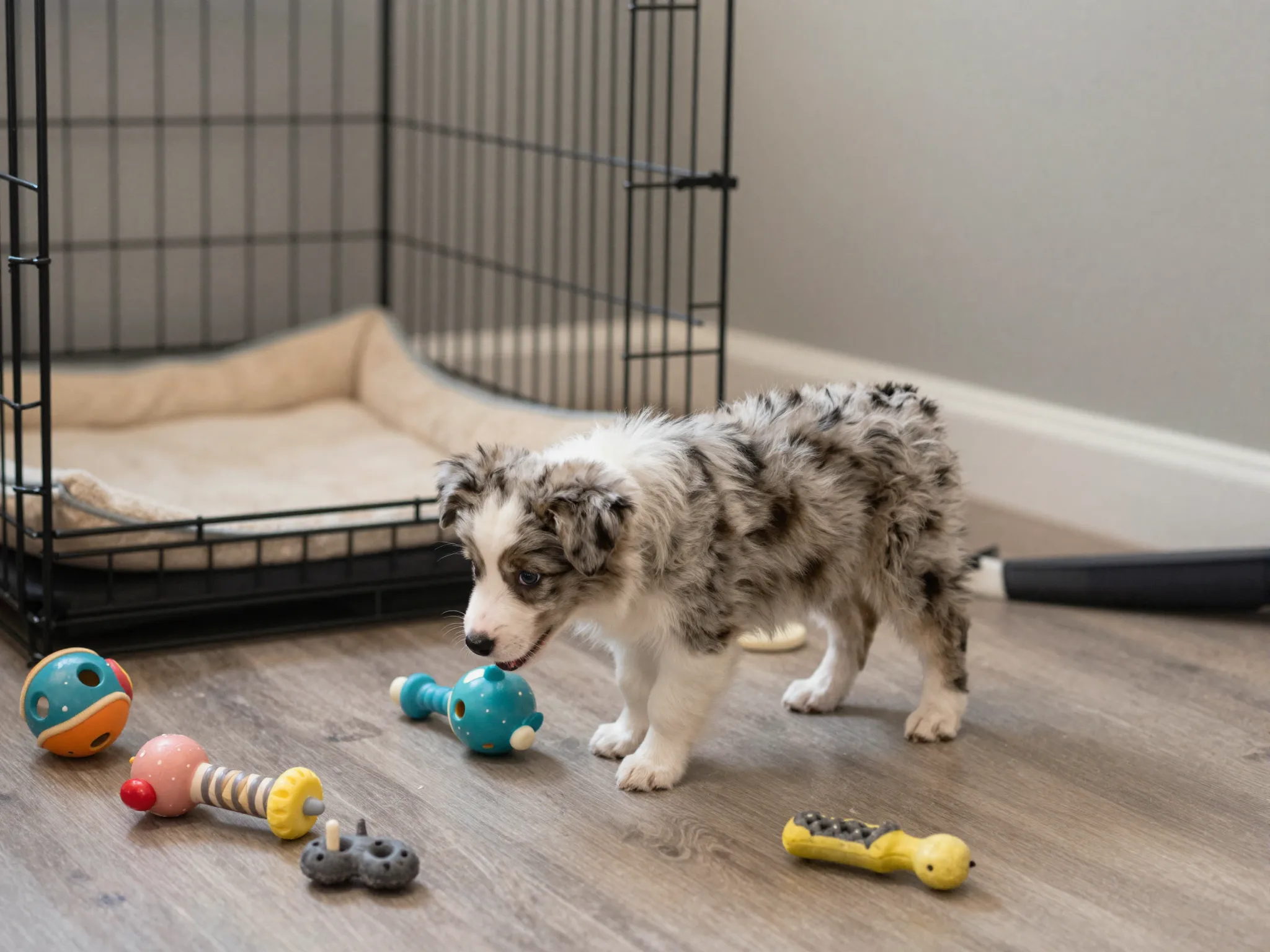
Australian Shepherd puppies — including the miniature variety — are highly sensitive to their surroundings. They respond to light changes, sounds, and even their owner’s facial expressions [3]. This sensitivity makes them incredibly attuned companions, but it also means the transition to a new home needs to be handled carefully.
What to do before your puppy arrives:
- Puppy-proof your home — secure loose wires, toxic plants, and small objects.
- Set up a crate in a quiet area away from high-traffic zones.
- Stock up on appropriate chew toys and puzzle feeders.
- Establish a daily routine for feeding, play, and rest.
- Create a housebreaking plan from day one [7][8].
Avoid loud gatherings, chaotic introductions, or overwhelming the puppy with too many new people at once [3]. Give your new Mini Aussie time to adjust gradually — the patience you invest in the first few weeks pays dividends for years.
8. Common Health Issues and Costs You Should Budget For
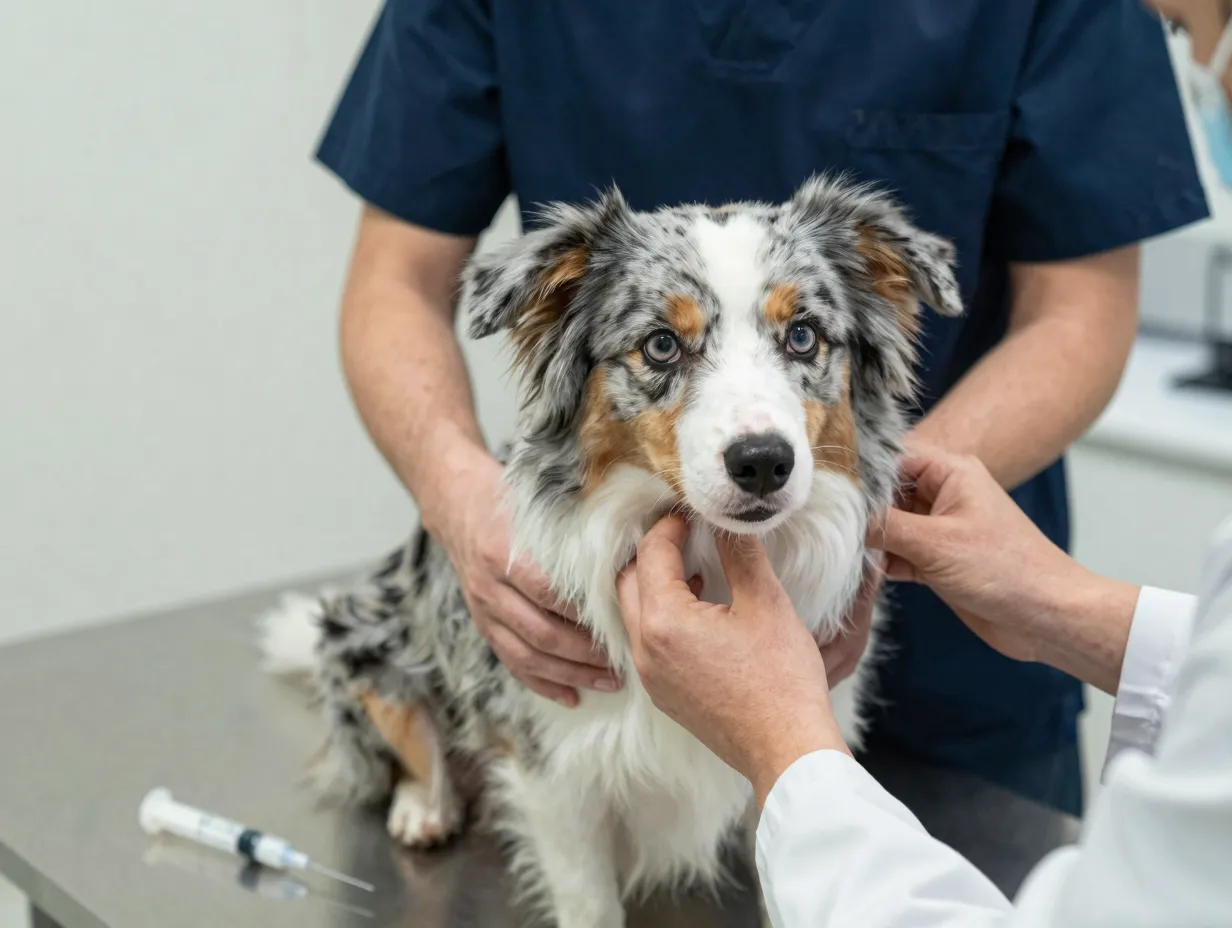
Like all purebred dogs, Mini Aussies are prone to certain health conditions. Being aware of these before you bring your dog home allows you to plan financially and catch issues early.
Most common health concerns and average treatment costs [2]:
| Health Issue | Average Cost |
|---|---|
| Gastrointestinal problems | ~$345 |
| Vomiting | ~$350 |
| Diarrhea | ~$300 |
| Eye issues | ~$170 |
| Behavioral conditions | ~$125 |
Beyond these specific conditions, Mini Aussies can also be prone to hip dysplasia, epilepsy, and the MDR1 gene mutation — a genetic variant that makes them sensitive to certain common medications. Always inform your veterinarian that your dog is an Australian Shepherd before any medication is prescribed.
Annual health budget essentials:
- Yearly wellness exams
- Core vaccinations and boosters
- Flea, tick, and heartworm prevention
- Dental cleanings (often overlooked but important)
- Pet insurance (strongly recommended for this breed)
Mini Aussies typically live around 13 years [2], so this is a long-term financial commitment — not a one-time expense.
9. The True Financial Cost of Ownership Goes Beyond the Purchase Price
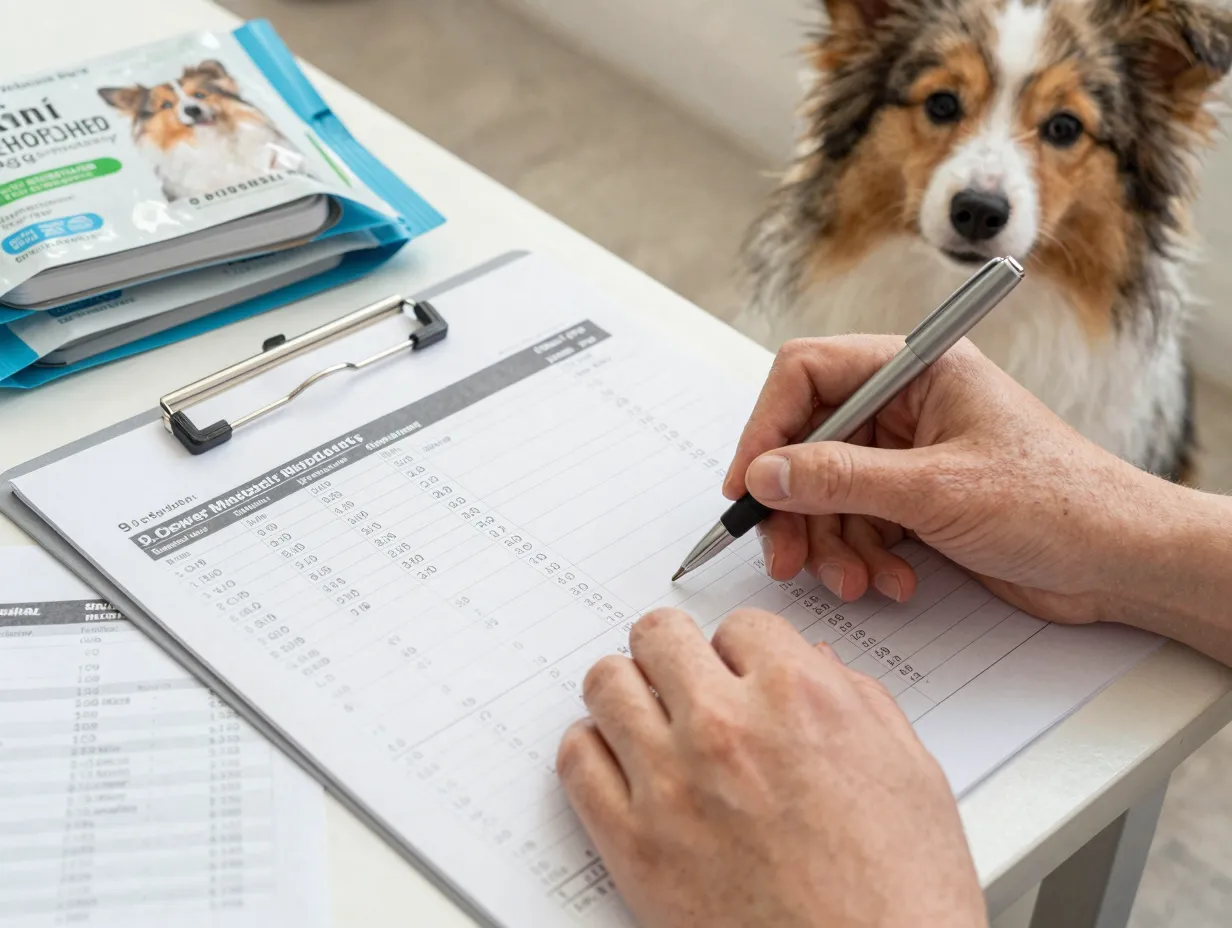
The final item in the 9 things to know before bringing home a Miniature Australian Shepherd dog is one that surprises many new owners: the ongoing cost of ownership.
The initial adoption or purchase fee is just the beginning. Here is a realistic look at what to budget for [2]:
One-time startup costs:
- Crate and bedding
- Collar, leash, and ID tags
- Food and water bowls
- Initial vet visit and vaccinations
- Puppy training classes
Recurring monthly/annual costs:
- High-quality dog food
- Grooming supplies or professional grooming services
- Veterinary appointments and preventive medications
- Toys and enrichment items
- Pet insurance premiums
- Potential pet rent if you live in an apartment
Bottom line: Owning a Mini Aussie in 2026 can cost anywhere from $1,000 to $3,000+ per year depending on your location, lifestyle, and the dog’s health needs. Planning ahead prevents financial stress from affecting your relationship with your pet.
Apartment Living With a Mini Aussie: Is It Possible?
One of the most common questions prospective owners ask is whether a Mini Aussie can live in an apartment. The short answer: yes, but with significant caveats.
Because of their smaller size compared to standard Australian Shepherds, Mini Aussies can physically fit into apartment life [1]. However, their energy levels and need for mental stimulation do not shrink with their body size. Without adequate daily exercise and outdoor time, behavioral problems will develop quickly [1].
If you live in an apartment, you must commit to:
- At least one hour of outdoor exercise daily
- Multiple shorter walks throughout the day
- Regular visits to dog parks or open spaces
- Mental enrichment activities indoors (puzzle toys, training games)
Apartment dwellers should also factor in pet rent and pet deposits, which can add meaningfully to monthly housing costs [2].
A Note on Bringing Home a Miniature Australian Shepherd Puppy vs. an Adult Dog
Many of the challenges outlined in the 9 things to know before bringing home a Miniature Australian Shepherd dog apply most intensely to puppies. Adult Mini Aussies adopted from rescues often come already house-trained, with established temperaments, and sometimes with basic obedience training already in place.
If you are a first-time dog owner or have a particularly busy lifestyle, adopting an adult Mini Aussie from a rescue organization may be worth serious consideration. You still get all the loyalty, intelligence, and energy of the breed — with a slightly smoother adjustment period.
That said, puppies allow you to shape behavior from the ground up, which can be deeply rewarding if you have the time and patience to invest.
Conclusion: Are You Ready for a Miniature Australian Shepherd?
The Miniature Australian Shepherd is one of the most rewarding breeds you can share your life with — but only if you go in fully prepared. These dogs give everything they have to their families. They deserve owners who are ready to meet them at that level.
Here are your actionable next steps before bringing your Mini Aussie home:
- Honestly assess your lifestyle — Can you commit to 1+ hours of exercise daily?
- Budget realistically — Account for food, vet care, grooming, and unexpected health costs.
- Puppy-proof your home — Secure hazards and set up a crate before day one.
- Research local training classes — Start obedience training within the first few weeks.
- Connect with a reputable breeder or rescue — Ask about health testing, temperament, and socialization history.
- Consider pet insurance — Given the health costs associated with this breed, early enrollment makes financial sense.
If you can say yes to these steps, a Mini Aussie will reward you with years of adventure, laughter, and unwavering loyalty. There are few dogs as fully present in their owner’s life — and that is exactly what makes them so special.
References
[1] Adopting Mini Australian Shepherd – https://www.adoptapet.com/blog/breeds/adopting-mini-australian-shepherd
[2] All About Miniature Australian Shepherds – https://www.aspcapetinsurance.com/resources/all-about-miniature-australian-shepherds/
[3] Bringing Home An Australian Shepherd Puppy What You Need To Know To Get Ready – https://karenshanley.com/bringing-home-an-australian-shepherd-puppy-what-you-need-to-know-to-get-ready/
[4] Caring For Your Mini Australian Shepherd A Comprehensive Guide – https://marlowinaussies.com/f/caring-for-your-mini-australian-shepherd-a-comprehensive-guide
[7] Preparing For Your Puppy – https://www.foothill-aussies.com/preparing-for-your-puppy.html
[8] Getting Ready For Your Aussie – https://aussie.home.blog/2018/10/29/getting-ready-for-your-aussie/