8 Reasons Why Your Domestic Cat Tabby is the Perfect Pet
Over 45.3 million U.S. households own at least one cat — and a striking majority of those cats share one defining trait: the tabby coat pattern. Yet despite their overwhelming popularity, tabby cats are still underestimated as pets. Many people assume all cats are aloof, expensive, or difficult to train. The truth is almost the opposite. In this article, I’ll walk you through the 8 reasons why your domestic cat tabby is the perfect pet, backed by real data, expert sources, and the kind of everyday experience that only comes from living alongside these remarkable animals. Whether you’re a first-time pet owner or a seasoned animal lover, these reasons will make a compelling case for welcoming a tabby into your home.
Disclosure: This post contains affiliate links. As an Amazon Associate, we earn from qualifying purchases, and at no extra cost to you.
Key Takeaways 🐾
- Tabby cats are not a breed — they are a coat pattern found across many domestic cat breeds, making them widely available and diverse in personality.
- They cost significantly less to own than dogs, with first-year expenses averaging around $1,904 versus $3,221 for a dog.
- Tabbies are highly adaptable, thriving in apartments, condos, and large homes alike.
- They are intelligent, trainable, and social, making them ideal companions for families, singles, and seniors.
- Low-maintenance grooming and self-sufficient habits make them one of the easiest pets to care for without sacrificing companionship.
What Exactly Is a Domestic Cat Tabby? 🐱
Before diving into the 8 reasons why your domestic cat tabby is the perfect pet, it helps to understand what a tabby actually is. Contrary to popular belief, “tabby” is not a breed — it refers to a coat pattern characterized by distinctive stripes, swirls, spots, or ticked markings, usually accompanied by the iconic “M” shape on the forehead [6]. This pattern appears across dozens of domestic cat breeds, including Maine Coons, Bengals, American Shorthairs, and mixed-breed cats.
There are four main tabby patterns:
| Pattern | Description |
|---|---|
| Mackerel | Narrow parallel stripes running down the sides |
| Classic | Bold, swirling blotched patterns |
| Spotted | Distinct spots instead of stripes |
| Ticked | Agouti hairs with no obvious stripes on the body |
The science behind these patterns is fascinating — the tabby markings are determined during fetal development, shaped by a protein called Dickkopf-related protein 4 (DKK4), which creates a pre-pattern in the skin before the fur even grows [8]. This means every tabby’s coat is essentially a biological fingerprint — unique and irreplaceable.
8 Reasons Why Your Domestic Cat Tabby is the Perfect Pet
1. Tabbies Have an Exceptionally Affectionate and Social Nature
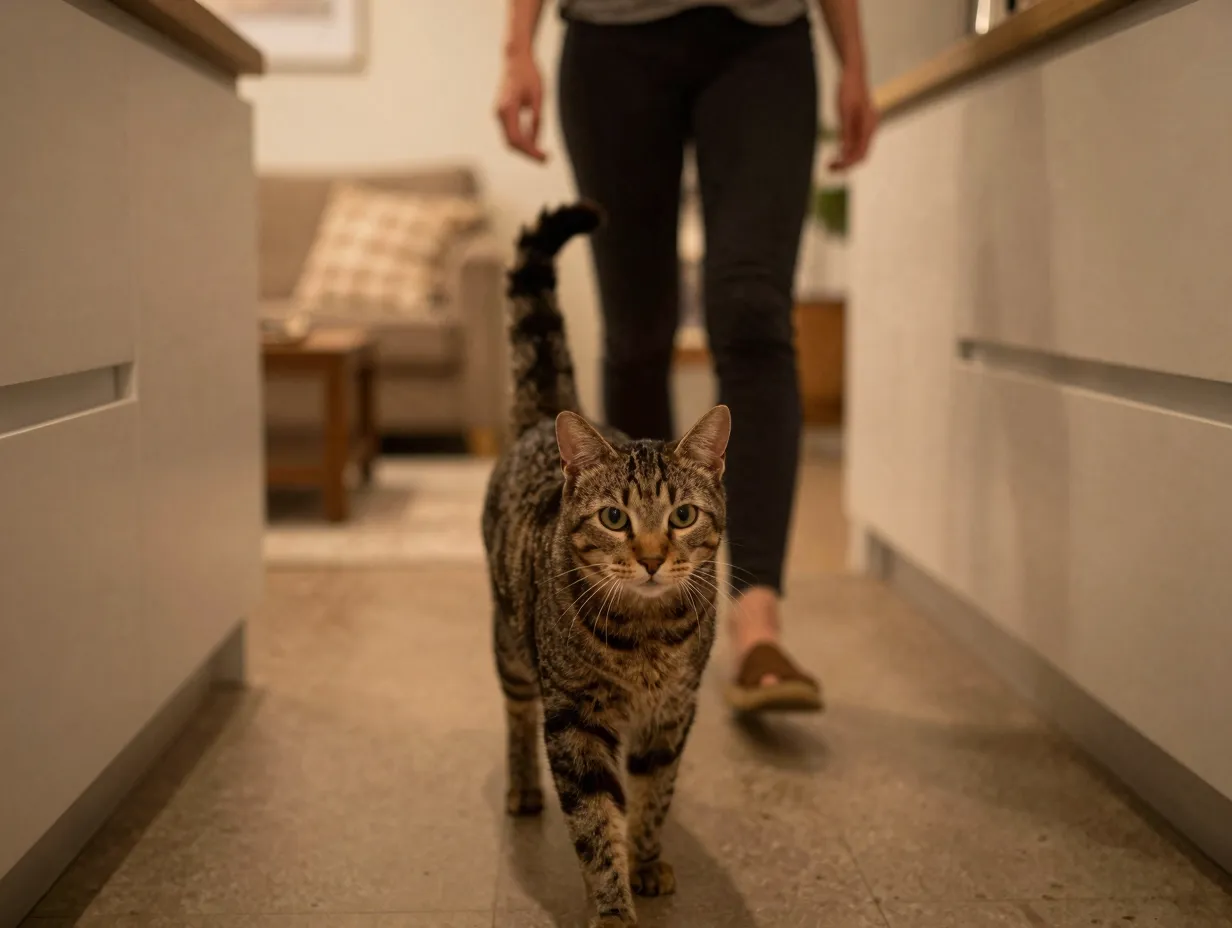
One of the most common misconceptions about cats is that they are cold or indifferent. Tabby cats actively challenge this stereotype. They are known for their friendly, outgoing demeanor and genuinely enjoy interacting with the people around them [1]. Many tabby owners describe their cats as “dog-like” in their social behavior — following you from room to room, greeting you at the door, and settling beside you on the couch during movie nights.
💬 “Tabby cats often seek out human interaction on their own terms, which makes each moment of affection feel earned and genuine — and that’s incredibly rewarding.”
Unlike some more reserved breeds, tabbies tend to integrate seamlessly into family routines. They enjoy being part of household activities, whether that means supervising dinner prep from a kitchen counter or curling up next to a child doing homework [5]. This social warmth makes them ideal companions for people of all ages, from toddlers to retirees.
2. They Are Highly Intelligent and Endlessly Playful 🧠
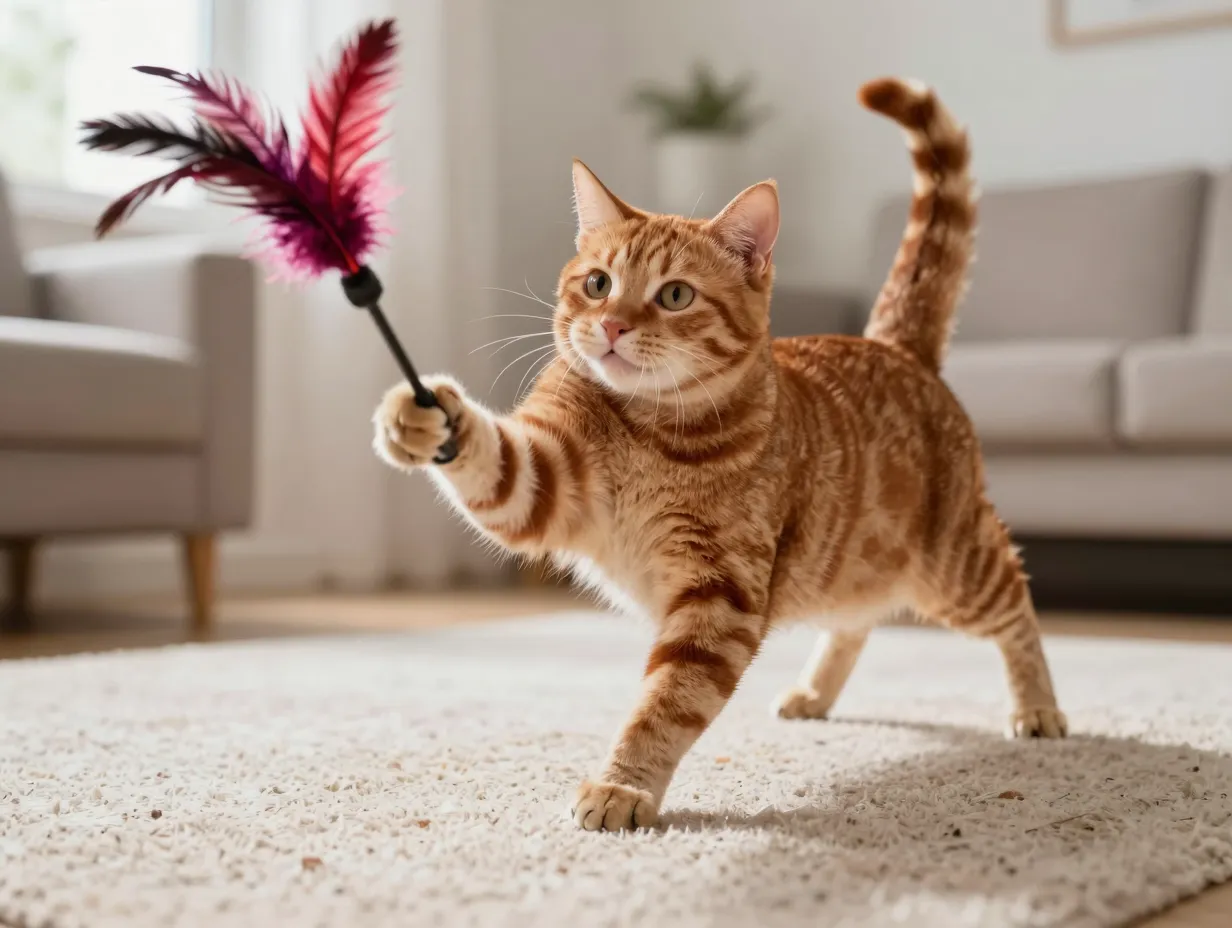
Tabbies are sharp. They enjoy puzzle toys, interactive games, and mentally stimulating play sessions that keep both their minds and bodies active [1]. This intelligence means they are rarely bored when given the right environment — and an engaged cat is a happy, well-behaved cat.
Here are some great ways to stimulate a tabby’s mind:
- Puzzle feeders that dispense kibble as the cat solves a challenge
- Wand toys with feathers or ribbons for interactive play
- Window perches with bird feeders placed outside for visual stimulation
- Rotating toy collections to maintain novelty
- Laser pointer games followed by a physical toy “catch” to satisfy hunting instincts
Their playful nature also makes them wonderful companions for children [1]. When play sessions are supervised and age-appropriate, tabbies engage enthusiastically and can help teach kids about empathy, responsibility, and gentle handling.
3. Tabby Cats Adapt to Almost Any Living Space 🏠
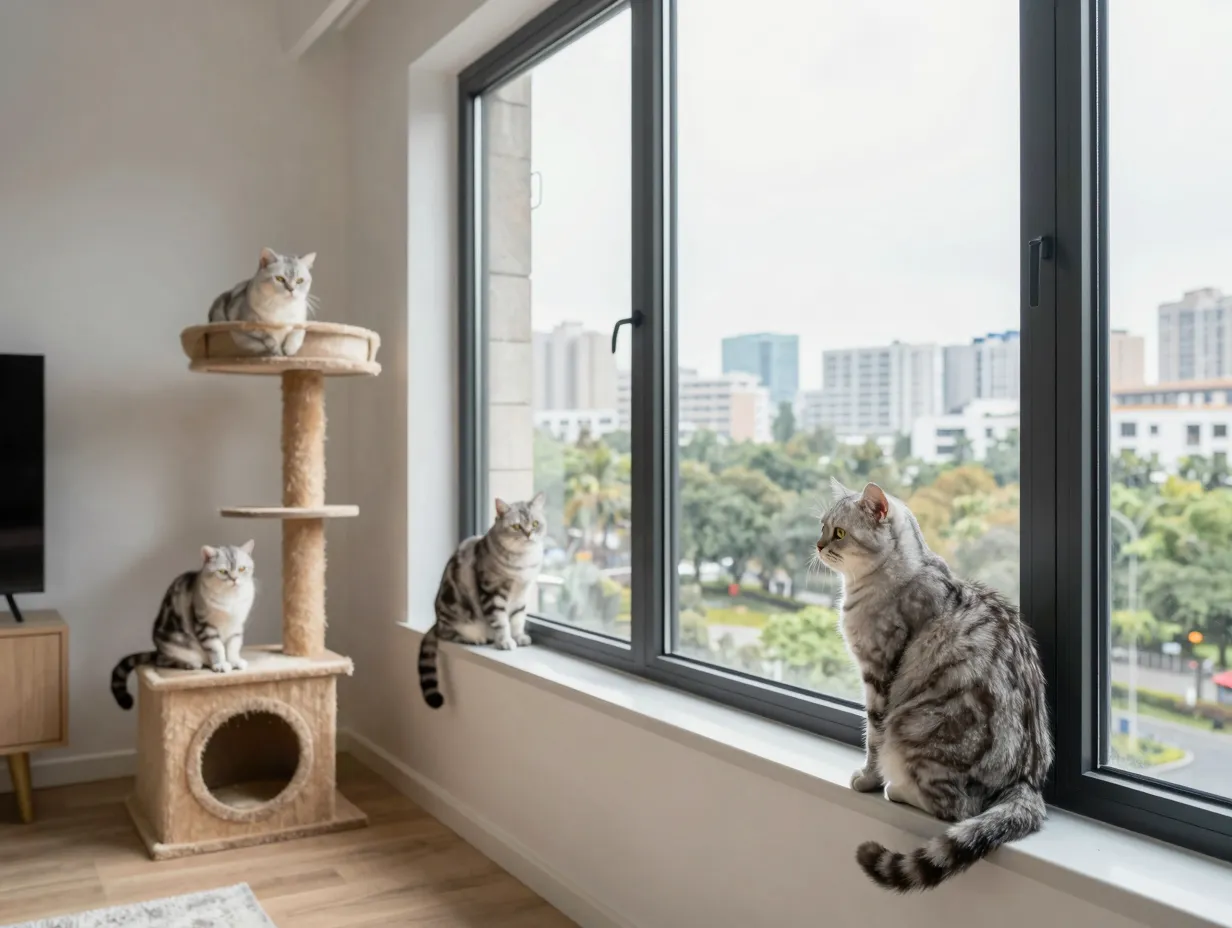
Not everyone lives in a sprawling house with a backyard — and that’s perfectly fine for a tabby. These cats adapt remarkably well to apartments, condos, studio flats, and suburban homes alike [1]. They don’t require outdoor access to thrive, though many enjoy supervised outdoor time or enclosed catio spaces.
What makes tabbies so adaptable?
- Moderate activity levels that can be satisfied indoors with proper enrichment
- Comfort with routine, which helps them settle quickly into new environments
- Small space efficiency — a cat can be perfectly content in 500 square feet if their needs are met [4]
This adaptability makes the domestic cat tabby one of the most practical pets for urban dwellers. You don’t need a yard, a large budget, or a flexible schedule to give a tabby a fulfilling life.
4. They Are Significantly More Affordable Than Dogs 💰
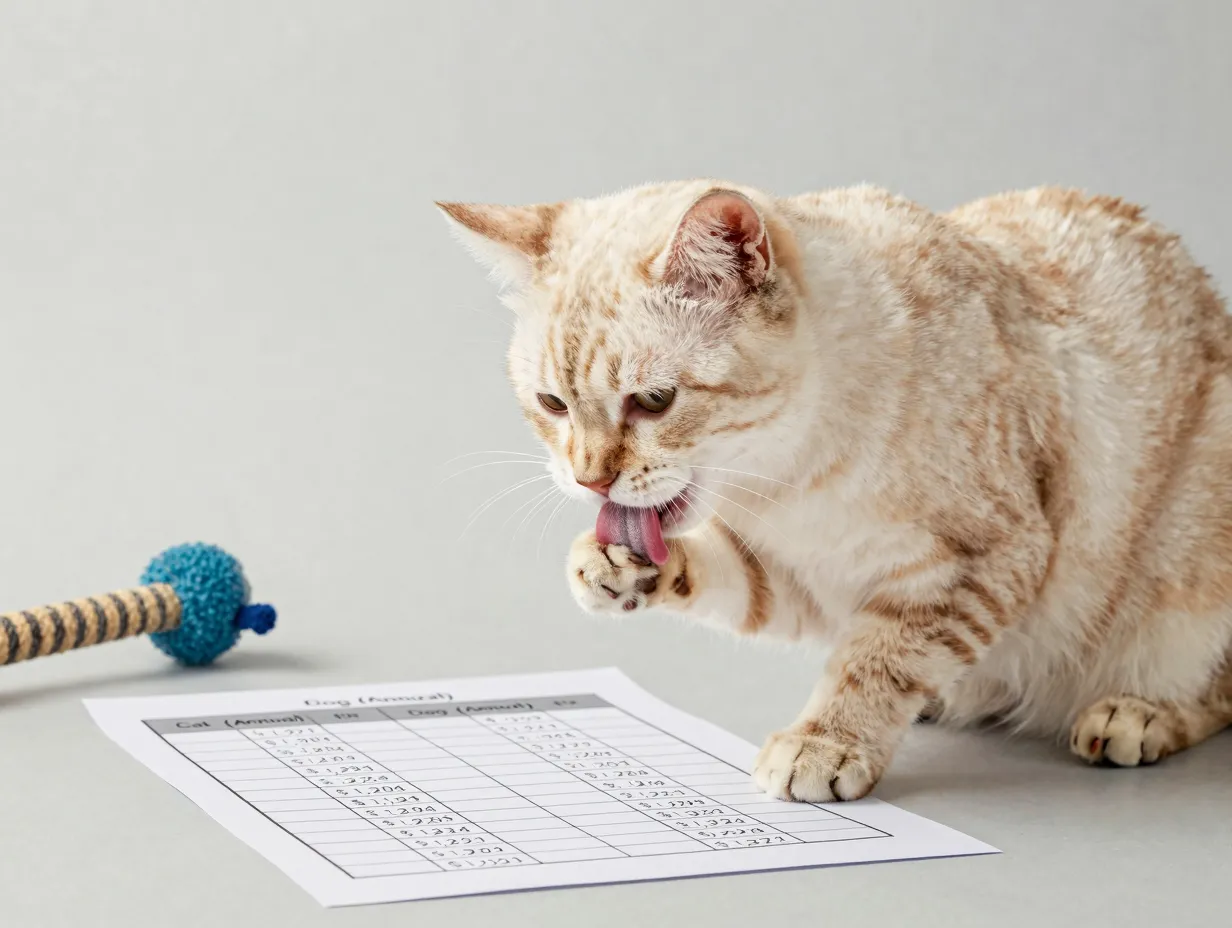
Let’s talk numbers. The ASPCA estimates that owning a cat costs approximately $1,904 in the first year, compared to $3,221 for a dog [1][3]. That’s a difference of over $1,300 — and the savings continue year after year.
| Expense Category | Cat (Annual) | Dog (Annual) |
|---|---|---|
| Food | ~$250 | ~$400–$700 |
| Veterinary care | ~$200–$400 | ~$400–$600 |
| Grooming | Minimal (self-grooming) | $200–$500 |
| Boarding/pet-sitting | Lower frequency | Higher frequency |
| Toys & accessories | ~$50–$100 | ~$100–$200 |
Beyond the numbers, cats are self-grooming animals, which eliminates most professional grooming costs. They don’t need daily walks, doggy daycare, or professional training classes to become well-mannered household members [1]. For budget-conscious pet lovers, a tabby delivers exceptional companionship at a fraction of the cost.
5. Tabbies Are Quiet and Wonderfully Self-Sufficient 🤫
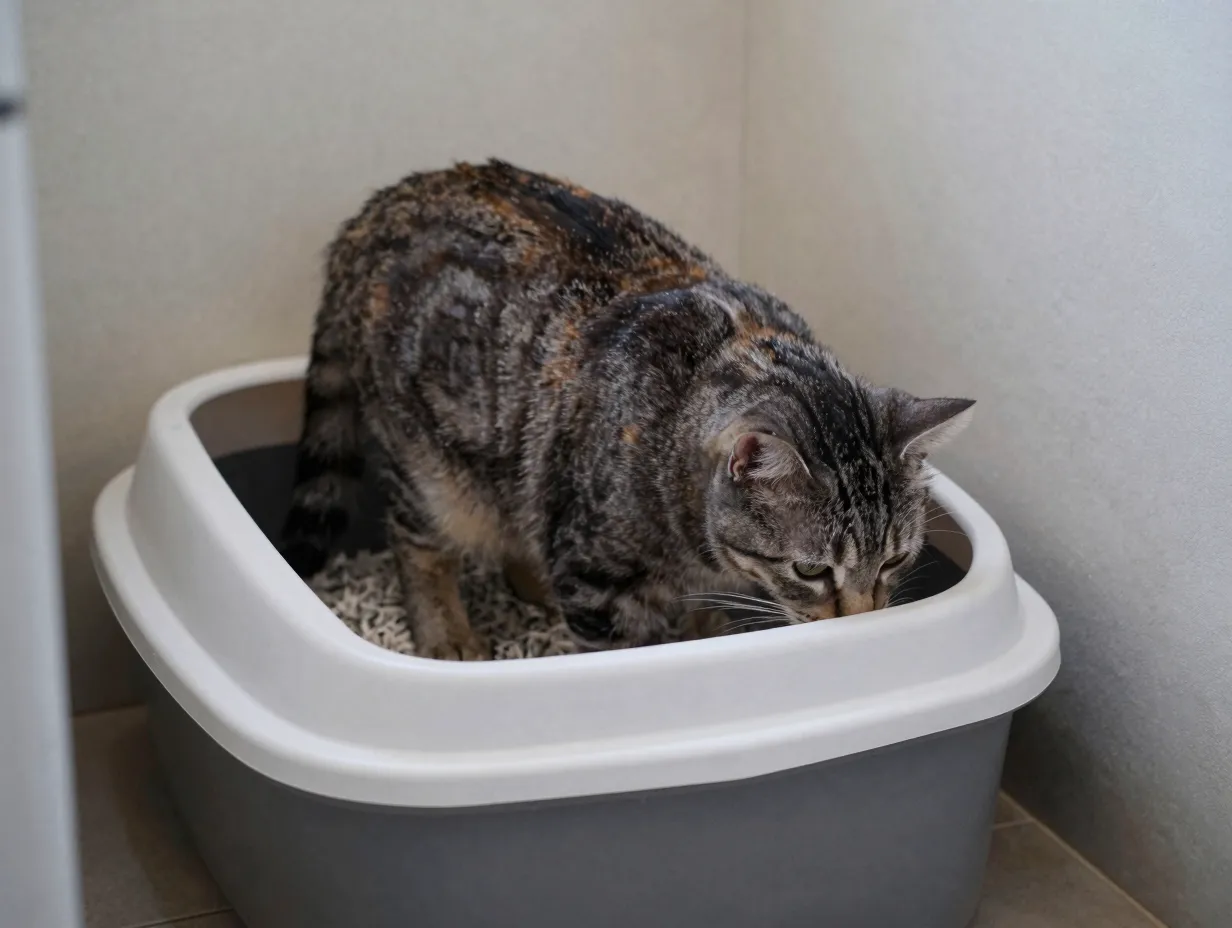
One of the most practical advantages of owning a domestic cat tabby is how low-demand they are on a daily basis. Cats house-train themselves — introduce a litter box, show them where it is once, and they handle the rest [2]. No midnight walks in the rain. No frantic barking when a delivery driver rings the bell.
This self-sufficiency is a game-changer for:
- Working professionals who spend 8–10 hours away from home
- Apartment residents with noise-sensitive neighbors
- Travelers who can leave a cat with a pet-sitter or automated feeder for short trips
- Seniors or people with limited mobility who want companionship without physical demands
That said, self-sufficient does not mean emotionally detached. Tabbies still crave connection — they simply don’t demand it every waking moment. This balance of independence and affection is one of the qualities that makes them such a perfect fit for modern lifestyles [2].
6. They Are Wonderful with Children and Other Pets 👨👩👧
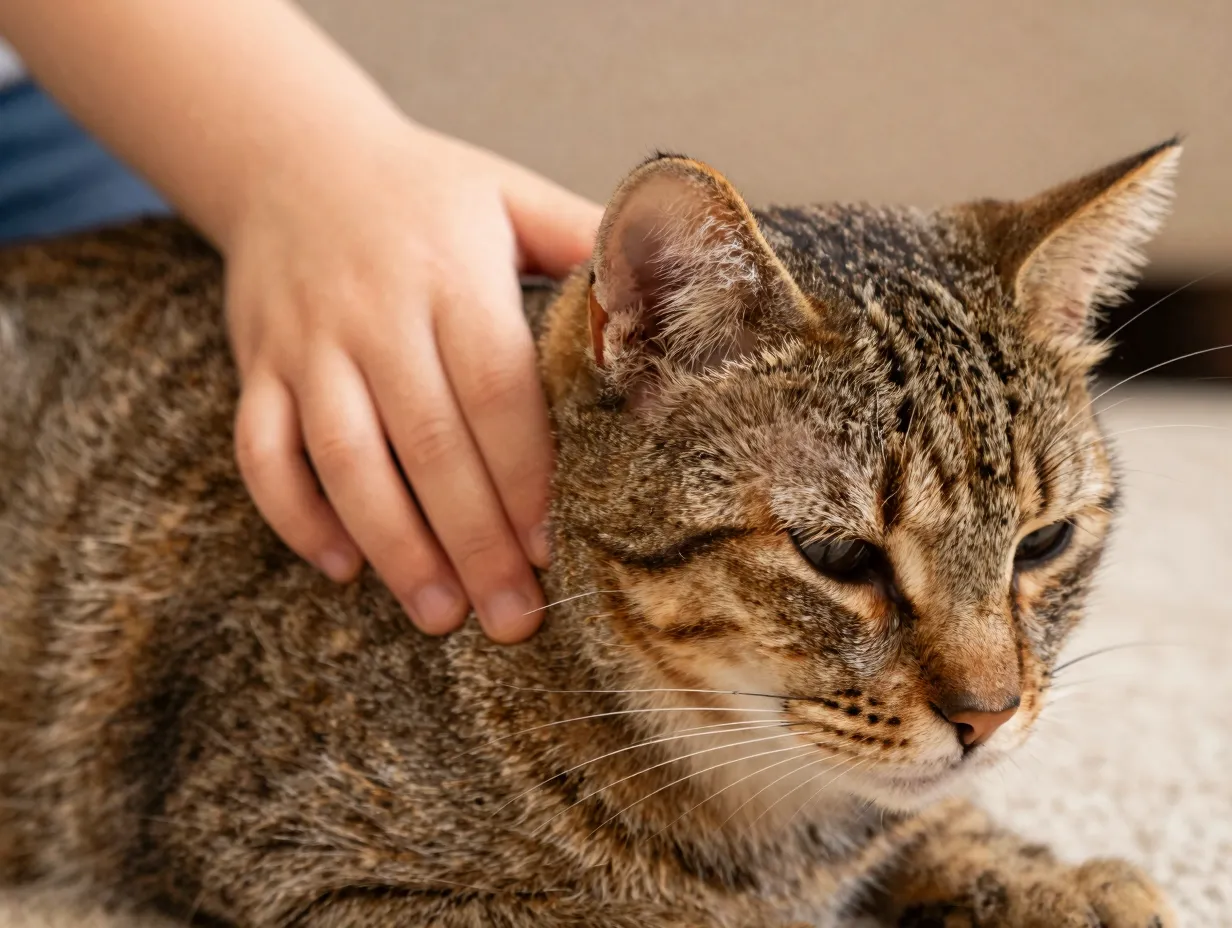
When introduced properly and treated with respect, tabby cats can be incredibly tolerant and affectionate with children [4]. Their playful energy matches well with kids who want an active companion, while their calm moments teach children the value of reading an animal’s body language and respecting boundaries.
Tips for introducing a tabby to children:
- Teach children to approach the cat calmly and let it sniff their hand first
- Avoid picking up the cat without warning — let it come to you
- Never disturb a sleeping or eating cat
- Reward gentle behavior from both the child and the cat
- Supervise early interactions until trust is fully established
Tabbies also tend to coexist well with other cats and even dogs, especially when introductions are gradual and positive. Their social nature means they often seek out companionship from other household animals rather than avoiding it [5].
7. Tabby Cats Have a Curious and Exploratory Spirit 🔍
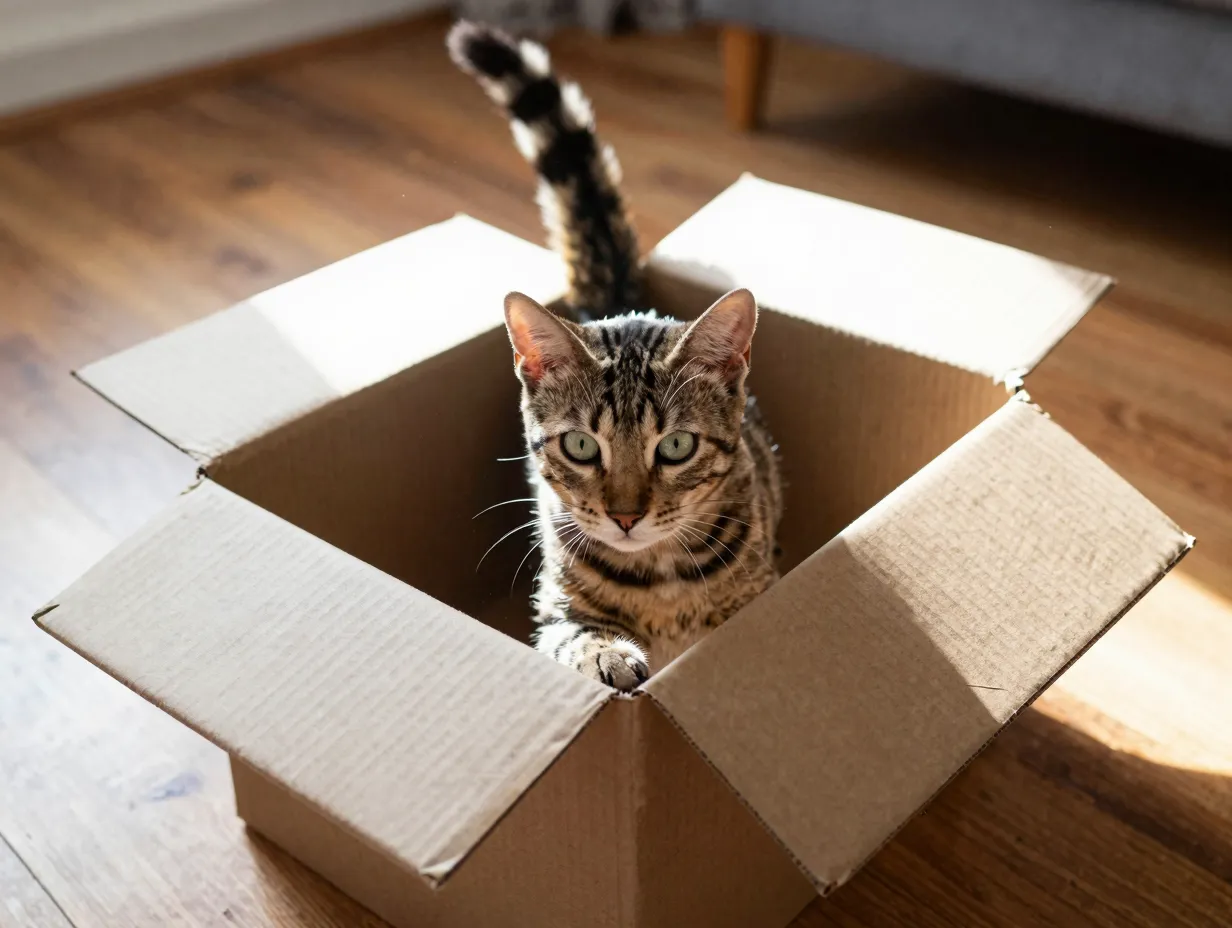
There’s a reason cats are famous for curiosity — and tabbies exemplify it. They love to explore their surroundings, investigate new objects, and discover changes in their environment [5]. This curiosity keeps them mentally active and makes every day slightly different from the last.
💬 “A tabby will find entertainment in a paper bag, a sunbeam, or a cardboard box. Their ability to find joy in simple things is genuinely infectious.”
This exploratory spirit also means tabbies are highly responsive to environmental enrichment. Simple additions to your home can dramatically improve their quality of life:
- Cat trees and shelving for vertical exploration
- Window perches for outdoor observation
- Rotating toys to simulate novelty
- Hidden treat puzzles to engage their hunting instincts
Their curiosity is not just entertaining to watch — it’s a sign of a healthy, engaged mind. A curious tabby is a thriving tabby.
8. They Respond Remarkably Well to Positive Training 🎓
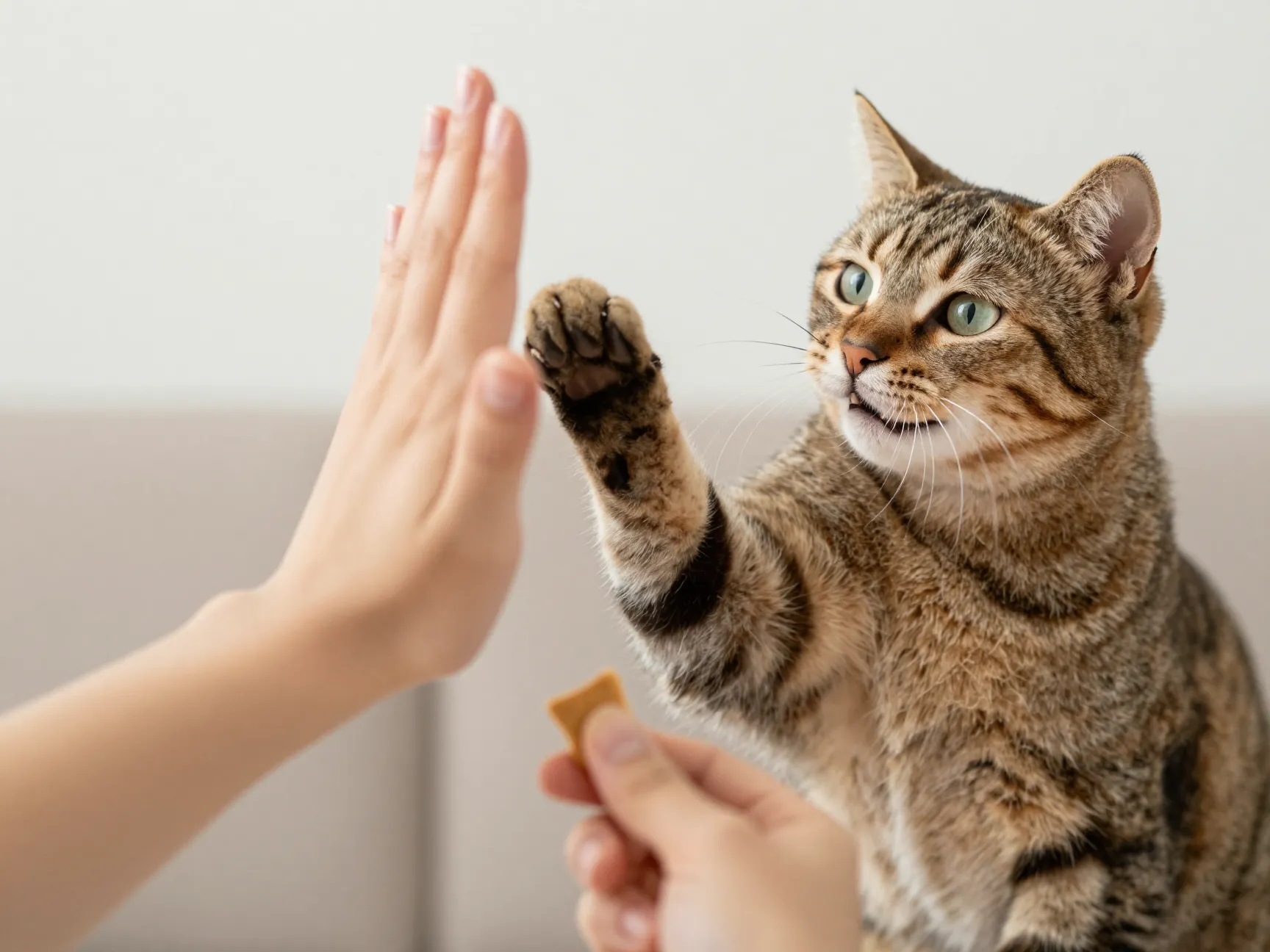
Many people believe cats cannot be trained. This is simply not true — especially when it comes to tabbies. These cats react positively to immediate reinforcement with treats and affection, allowing owners to shape desired behaviors effectively over time [5].
Tabbies can learn to:
- Come when called by name
- Sit, stay, and perform basic commands
- Use a scratching post instead of furniture
- Walk on a leash with a harness
- Perform tricks like high-five or jumping through a hoop
The key is timing and consistency. Reward the desired behavior within seconds of it occurring, keep training sessions short (5–10 minutes), and always end on a positive note. Avoid punishment-based methods — they erode trust and are counterproductive with cats [5].
This trainability makes tabbies not just entertaining companions but genuinely manageable household members whose behavior can be guided thoughtfully over time.
Bonus: The Unique Beauty of the Tabby Coat ✨
Beyond personality and practicality, there’s something undeniably beautiful about the tabby coat. Each pattern — whether mackerel, classic, spotted, or ticked — is genetically unique [8]. The swirling whorls of a classic tabby or the precise parallel stripes of a mackerel tabby are works of natural art.
Tabby cats come in a wide range of colors, including:
- Brown/black tabby (the most common)
- Orange/red tabby (often associated with bold personalities)
- Silver tabby (striking contrast between light base and dark markings)
- Blue/grey tabby (softer, muted elegance)
- Cream tabby (warm, pale tones)
This variety means that no matter your aesthetic preference, there’s a tabby that will feel like it was made for your home [6][9].
Common Tabby Cat Care Tips 🛁
To get the most out of your relationship with a domestic cat tabby, here are some essential care practices:
| Care Area | Recommendation |
|---|---|
| Diet | High-protein, moisture-rich food (wet food preferred) |
| Grooming | Weekly brushing to reduce shedding |
| Vet visits | Annual check-ups; vaccinations and parasite control |
| Exercise | 15–20 minutes of interactive play daily |
| Mental stimulation | Puzzle feeders, rotating toys, window access |
| Litter box | One box per cat plus one extra; cleaned daily |
Tabbies are generally hardy and healthy cats, but like all pets, they benefit enormously from preventive care and a consistent routine [1].
Conclusion: Why the Domestic Cat Tabby Truly Is the Perfect Pet
The 8 reasons why your domestic cat tabby is the perfect pet aren’t just talking points — they reflect a lifestyle reality that millions of cat owners already know. From their affectionate social nature and sharp intelligence to their adaptability, affordability, and trainability, tabby cats offer a rare combination of companionship and practicality that few pets can match.
Whether you live in a studio apartment or a family home, work long hours or spend most of your time at home, a tabby cat can fit seamlessly into your life and enrich it in ways that are hard to fully articulate until you’ve experienced it firsthand.
✅ Actionable Next Steps
- Visit a local shelter or rescue — the majority of cats in shelters are tabbies, and many are waiting for exactly the right home.
- Prepare your space before bringing your tabby home: set up a litter box, scratching post, feeding station, and at least one cozy resting spot.
- Schedule a vet appointment within the first week of adoption to establish a health baseline.
- Invest in enrichment — a cat tree, window perch, and a few puzzle toys will dramatically improve your tabby’s quality of life.
- Start positive training early — even a few minutes a day of treat-based reinforcement will build trust and shape great habits.
The domestic cat tabby is not just a popular pet. It’s a companion, a source of daily joy, and — for many of us — a genuine member of the family. 🐾
References
[1] Tabby Cat Care – https://www.petworks.com/articles/tabby-cat-care/
[2] 8 Reasons Why Cats Are The Best Pets – https://www.cats.org.uk/cats-blog/8-reasons-why-cats-are-the-best-pets
[3] Why Cats Make The Perfect Pet – https://www.catster.com/lifestyle/why-cats-make-the-perfect-pet/
[4] 14 Reasons Why Cats Are Great Pets – https://www.thehonestkitchen.com/blogs/pet-obsessed/14-reasons-why-cats-are-great-pets
[5] Tabby Breed Guide – https://vetslovepets.com.au/blogs/breed-guides/tabby-breed-guide
[6] Tabby Cats – https://cats.com/tabby-cats
[8] How Tabby Cats Get Fur Pattern – https://www.popsci.com/environment/how-tabby-cats-get-fur-pattern/
[9] 6 Terrific Tabby Facts About Terrific Tabby Cats – https://www.meowingtons.com/blogs/lolcats/6-terrific-tabby-facts-about-terrific-tabby-cats