
9 Things to Know About the Rare Golden Retriever in White
Have you ever spotted a Golden Retriever so pale it looked almost white and wondered if you were looking at a completely different breed? You are not alone. The so-called “white Golden Retriever” has captured the hearts of dog lovers across the country — and sparked plenty of debate along the way. Before you fall for the marketing hype or open your wallet for a “rare” puppy, there are some essential facts every prospective owner should know. This guide covers 9 Things to Know About the Rare Golden Retriever in White, separating truth from fiction so you can make the best decision for your family.

Disclosure: This post contains affiliate links. As an Amazon Associate, we earn from qualifying purchases, and at no extra cost to you.
Key Takeaways 🐾
- True white Golden Retrievers do not exist — what you see is actually a very light cream or pale gold coat.
- The AKC officially classifies these dogs as “light-golden” (Code 119), not white.
- Purebred Golden Retrievers lack the genetic ability to produce a solid white coat.
- Light-colored Goldens are not as rare as many breeders claim — they are increasingly common in the U.S.
- Understanding the facts helps you avoid overpaying and find a reputable breeder.
Introduction: The Allure of the “White” Golden Retriever
Golden Retrievers have always been one of America’s most beloved dog breeds. But in recent years, a particular variation — the creamy, almost-white-coated Golden — has surged in popularity. Breeders market them as “rare,” “English Cream,” or simply “white Golden Retrievers,” often charging premium prices. But how much of this is fact, and how much is clever marketing?
Understanding 9 Things to Know About the Rare Golden Retriever in White is not just interesting trivia — it is genuinely useful knowledge that can save you money, protect you from unethical breeders, and help you give a dog the best possible home. Let’s dig in. 🐕
1. True White Golden Retrievers Do Not Exist Genetically

Let’s start with the most important fact: a purebred Golden Retriever cannot be solid white. This is not a matter of opinion — it is genetics.
According to breed experts, purebred Golden Retrievers physically and genetically cannot produce a solid white coat. They simply do not carry the genes required for true white pigmentation [2]. What appears to be “white” is actually an extremely light shade of cream or pale gold. When you see one of these dogs in certain lighting — especially bright sunlight — the coat can look almost white, which is where the confusion begins.
💬 “Purebred Golden Retrievers physically and genetically cannot be solid white. They don’t have the genes.” [2]
This matters because breeders who advertise “white Golden Retriever puppies” are either misinformed or deliberately misleading buyers. The dog is still a Golden Retriever — just a very light-colored one.
2. The Official AKC Color Classification Is “Light-Golden,” Not White
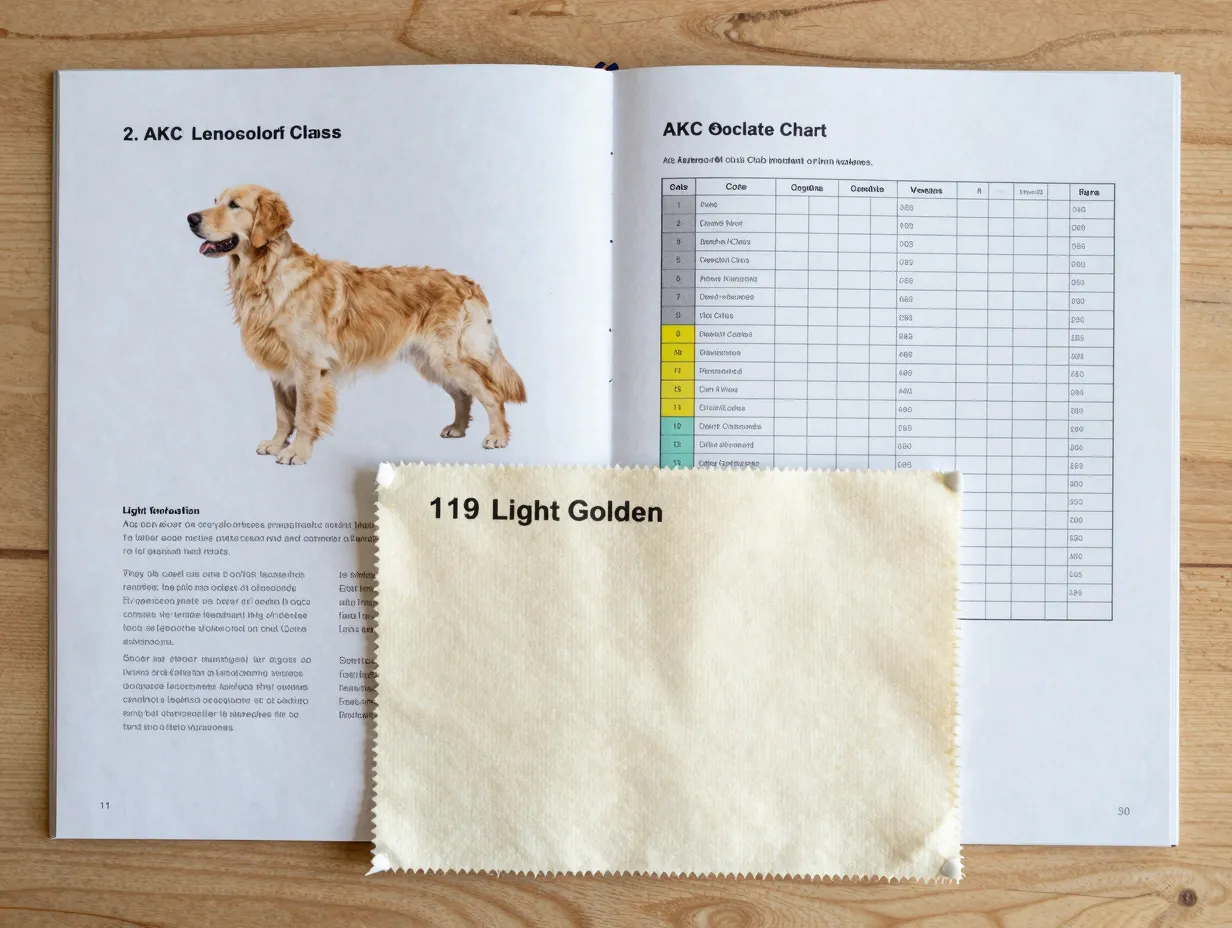
The American Kennel Club (AKC) is the gold standard for breed classification in the United States, and their stance is clear. The official AKC designation for extremely pale-colored Golden Retrievers is “light-golden” (Code 119) [1].
There is no AKC color code for “white” in Golden Retrievers. Here is a quick breakdown of the three official AKC color categories:
| AKC Color Code | Color Name | Description |
|---|---|---|
| 093 | Dark Golden | Rich, deep gold coat |
| 080 | Golden | Standard medium gold |
| 119 | Light Golden | Very pale, cream-like gold |
When a breeder registers a litter with the AKC, they must use one of these three codes. If they are calling the dogs “white,” that label exists purely for marketing — not for any official breed standard recognition [1].
3. These Dogs Are Not as Rare as Breeders Claim

One of the biggest myths surrounding the pale Golden Retriever is that it is exceptionally rare. This claim is used to justify sky-high price tags, sometimes two or three times the cost of a standard Golden Retriever puppy. But the reality tells a different story.
Breed experts have noted that lighter shades of gold may have been less common in the United States 15 or 20 years ago, but that is no longer the case. One expert put it plainly: “I see just as many, if not more light Goldens around town than any other shade.” [2]
Light-colored Golden Retrievers have become increasingly common in the U.S., partly due to the import of English-style Golden Retrievers, which tend to have lighter coats [2]. So if a breeder is charging a premium specifically because of coat color, that is a red flag worth taking seriously. 🚩
4. The “English Cream” Label Is a Marketing Term

You have probably seen the phrase “English Cream Golden Retriever” used alongside “white Golden Retriever.” These terms are often used interchangeably, but neither is an officially recognized breed name.
The term “English Cream” refers to Golden Retrievers bred from British or European bloodlines, which do tend to have lighter, creamier coats compared to American-bred Goldens. However, calling them a separate breed — or implying they are superior — is misleading [3].
Here is what the “English Cream” label actually means in practice:
- Coat color: Lighter, creamier shades compared to American Goldens
- Build: Often stockier and broader-headed than American lines
- Breed status: Still a Golden Retriever — same breed, different bloodline
- AKC recognition: Registered as Golden Retrievers, not a separate breed
Reputable breeders who use this term are typically just describing the lineage of their dogs. But when it is paired with claims of rarity or health superiority, buyer beware [3].
5. Coat Color Does Not Determine Health or Temperament

This is a big one. Many breeders marketing “white” or “English Cream” Golden Retrievers also claim these dogs are healthier, calmer, or live longer than their darker-coated counterparts. This is not supported by scientific evidence.
A Golden Retriever’s coat color is determined by pigmentation genes — specifically, variations in the genes that control how much eumelanin and phaeomelanin are expressed. These genes have no known connection to temperament, intelligence, or lifespan [3].
What actually determines a Golden Retriever’s health and personality includes:
- Genetics from both parents — health testing of the sire and dam matters far more than coat color
- Early socialization — puppies exposed to varied environments tend to be more adaptable
- Breeder practices — ethical breeders screen for hip dysplasia, heart conditions, and eye issues
- Diet and exercise — proper nutrition and activity levels throughout a dog’s life
Do not let coat color be the deciding factor in choosing a puppy. Focus on the breeder’s health testing records and the temperament of the parents instead. 🏥
6. Unethical Breeders Use the “Rare White” Label to Overcharge

Understanding the marketing tactics behind the “rare white Golden Retriever” label can save you a significant amount of money. Breeders who capitalize on the perception of rarity often charge $2,500 to $5,000 or more for puppies that are, in reality, simply light-colored Golden Retrievers [1].
Breed experts and consumer advocates warn that the “rare white” marketing strategy is a well-known upsell tactic in the dog breeding world [1]. Here are some warning signs of a breeder you should avoid:
- ❌ Claims the puppies are “rare white” or “pure white” Golden Retrievers
- ❌ Charges significantly more based solely on coat color
- ❌ Cannot provide AKC registration papers or health clearances
- ❌ Does not allow you to visit the facility or meet the parents
- ❌ Promises traits like “calmer” or “healthier” based on color
A reputable breeder will be transparent about the breed standard, provide health testing documentation, and will not use misleading color labels to inflate prices.
7. The Breed Standard Differences Between American and British Goldens

One reason the “white Golden Retriever” conversation gets complicated is that there are genuine differences between American and British (English) Golden Retriever lines — just not the ones often advertised.
Here is a factual comparison:
| Feature | American Golden Retriever | British/English Golden Retriever |
|---|---|---|
| Coat color | Medium to dark gold | Cream to light gold |
| Build | Leaner, more athletic | Stockier, broader skull |
| AKC standard | Accepts light to dark gold | Light gold is more common |
| KC (UK) standard | N/A | Cream is preferred |
The British Kennel Club (KC) actually prefers cream-colored coats in their breed standard, which is why English-line Goldens tend to be lighter. This is a legitimate breed line distinction — but it does not make these dogs a separate breed or inherently superior [3].
Understanding this helps you have more informed conversations with breeders and make smarter decisions when searching for a puppy.
8. What to Look for in a Reputable Breeder of Light-Colored Goldens

Whether you call them “light-golden,” “English Cream,” or simply pale Golden Retrievers, finding a reputable breeder is the most important step in bringing one home. Here is what a trustworthy breeder should offer:
Health Testing ✅
- OFA (Orthopedic Foundation for Animals) hip and elbow certifications
- CAER (Companion Animal Eye Registry) eye clearances
- Cardiac evaluations by a board-certified cardiologist
Transparency ✅
- Willingness to show you the facility
- Allows you to meet both parents (or at least the mother)
- Provides AKC registration paperwork
Ethical Practices ✅
- Does not breed females more than recommended
- Offers a health guarantee
- Asks YOU questions to ensure the puppy is going to a good home
Honest Communication ✅
- Does not market puppies as “rare white” to inflate prices
- Accurately describes the coat color using AKC terminology
- Is upfront about the breed’s health challenges, including cancer risk
A good breeder is your partner in ensuring your dog lives a long, healthy life. Take your time, ask lots of questions, and never rush the process. 🐾
9. Caring for a Light-Colored Golden Retriever: Special Considerations

Once you bring your pale Golden Retriever home, there are a few care considerations that are particularly relevant to light-coated dogs. While most Golden Retriever care is universal, the lighter coat does come with some nuances.
Coat Maintenance
Light-colored coats can show dirt, tear stains, and debris more visibly than darker coats. Regular grooming — brushing at least 3 to 4 times per week — helps keep the coat clean and tangle-free. Bathing every 4 to 6 weeks with a gentle, whitening shampoo formulated for dogs can help maintain that bright, clean appearance.
Sun Sensitivity
Very pale dogs can sometimes be more sensitive to sun exposure, particularly around the nose and ears. While Golden Retrievers are not as sun-sensitive as some breeds, it is worth monitoring light-skinned areas during prolonged outdoor activities.
Staining Prevention
Light coats are prone to showing reddish-brown staining around the eyes, mouth, and paws — caused by a compound called porphyrin in saliva and tears. Keeping these areas clean and dry helps minimize staining.
General Golden Retriever Health Needs
Beyond coat-specific care, all Golden Retrievers — regardless of color — share the same health considerations:
- Regular vet checkups (at least annually)
- Hip and joint monitoring, especially as they age
- Dental care — brushing teeth several times per week
- Appropriate exercise — 1 to 2 hours of activity daily
- A balanced, high-quality diet appropriate for their age and weight
💡 Pro Tip: Golden Retrievers have a higher-than-average cancer rate compared to other breeds. Regular veterinary screenings and a healthy lifestyle are your best tools for early detection and prevention.
Bonus: Frequently Asked Questions About White Golden Retrievers
Q: Can a Golden Retriever be born white and darken with age?
A: Yes! Many Golden Retriever puppies are born with very pale coats that gradually deepen to their adult color. A puppy that looks almost white at birth may develop a medium gold coat by adulthood. The ears often give the best indication of the adult coat color.
Q: Are white Golden Retrievers hypoallergenic?
A: No. No Golden Retriever — regardless of coat color — is hypoallergenic. They are moderate to heavy shedders and produce dander that can trigger allergies.
Q: Is the “English Cream” Golden Retriever recognized by the AKC?
A: No. The AKC does not recognize “English Cream” as a separate breed or variety. These dogs are registered simply as Golden Retrievers under the “light-golden” color code [1].
Q: Do light-colored Goldens have different exercise needs?
A: No. Exercise needs are determined by age, health, and individual personality — not coat color. All Golden Retrievers are active, energetic dogs that need regular physical and mental stimulation.
Conclusion: What You Should Do Next
Now that you know the 9 Things to Know About the Rare Golden Retriever in White, you are in a much stronger position to make an informed decision. Here is a quick recap of your actionable next steps:
- Stop chasing “rare white” puppies — understand that what you are looking for is a light-golden Golden Retriever, and they are not as rare as breeders claim [2].
- Research reputable breeders who provide full health testing documentation and AKC registration papers.
- Ask the right questions — request OFA and CAER certifications, ask to meet the parents, and visit the facility in person.
- Set a realistic budget — a fair price for a well-bred Golden Retriever from a health-tested litter is typically $1,500 to $3,000, not $5,000+ based on coat color alone.
- Consider adoption — Golden Retriever rescue organizations sometimes have light-colored dogs available for adoption at a fraction of the cost.
- Focus on temperament and health over coat color — the color of a dog’s fur has no bearing on how wonderful a companion they will be.
A light-golden Golden Retriever can be an absolutely stunning, loving, and loyal companion — but only if you find one through ethical channels. Do your homework, trust reputable sources, and you will find the perfect dog for your family. 🐕✨
References
[1] Why Are Some Golden Retrievers White – https://www.snowypineswhitelabs.com/blog/why-are-some-golden-retrievers-white/
[2] The Truth About English Cream Golden Retrievers – https://thecaninechasm.com/the-truth-about-english-cream-golden-retrievers/
[3] The Truth About English Cream Golden Retrievers – https://pethelpful.com/dogs/the-truth-about-english-cream-golden-retrievers