8 Puppy Training Tips and Tricks Every New Owner Needs
Picture this: you’ve just brought home an adorable bundle of fur, complete with needle-sharp teeth, boundless energy, and absolutely zero understanding of house rules. Your new puppy is simultaneously the cutest thing you’ve ever seen and a tiny tornado of chaos. If you’re feeling overwhelmed by the prospect of transforming this lovable little rebel into a well-behaved family member, you’re not alone. The good news? With the right approach and these 8 puppy training tips and tricks every new owner needs, you can set both you and your furry friend up for a lifetime of success and happiness.
Disclosure: This post contains affiliate links. As an Amazon Associate, we earn from qualifying purchases, and at no extra cost to you.
Training a puppy doesn’t have to feel like an impossible mission. In fact, with consistent effort and the proven strategies I’ll share in this guide, you’ll be amazed at how quickly your puppy can learn the ropes. Whether you’re dealing with potty accidents, excessive nipping, or a puppy who thinks your favorite shoes are chew toys, these evidence-based techniques will help you navigate the exciting but challenging world of puppy parenthood.
Key Takeaways
- Start early and stay consistent: Begin socialization between 3-20 weeks and basic command training at 7-8 weeks for optimal results
- Keep training sessions short but frequent: 5-10 minute sessions multiple times daily work better than long, overwhelming training periods
- Use positive reinforcement exclusively: Praise, treats, and affection create lasting behavioral changes without fear or stress
- Focus on the fundamentals first: Master basic commands (sit, stay, come, down) before moving to advanced tricks
- Patience and consistency are your best tools: Expect mistakes and maintain the same cues and routines for faster learning
The Foundation: Understanding Your Puppy’s Learning Window
1. Start Socialization During the Critical Period (3-20 Weeks)
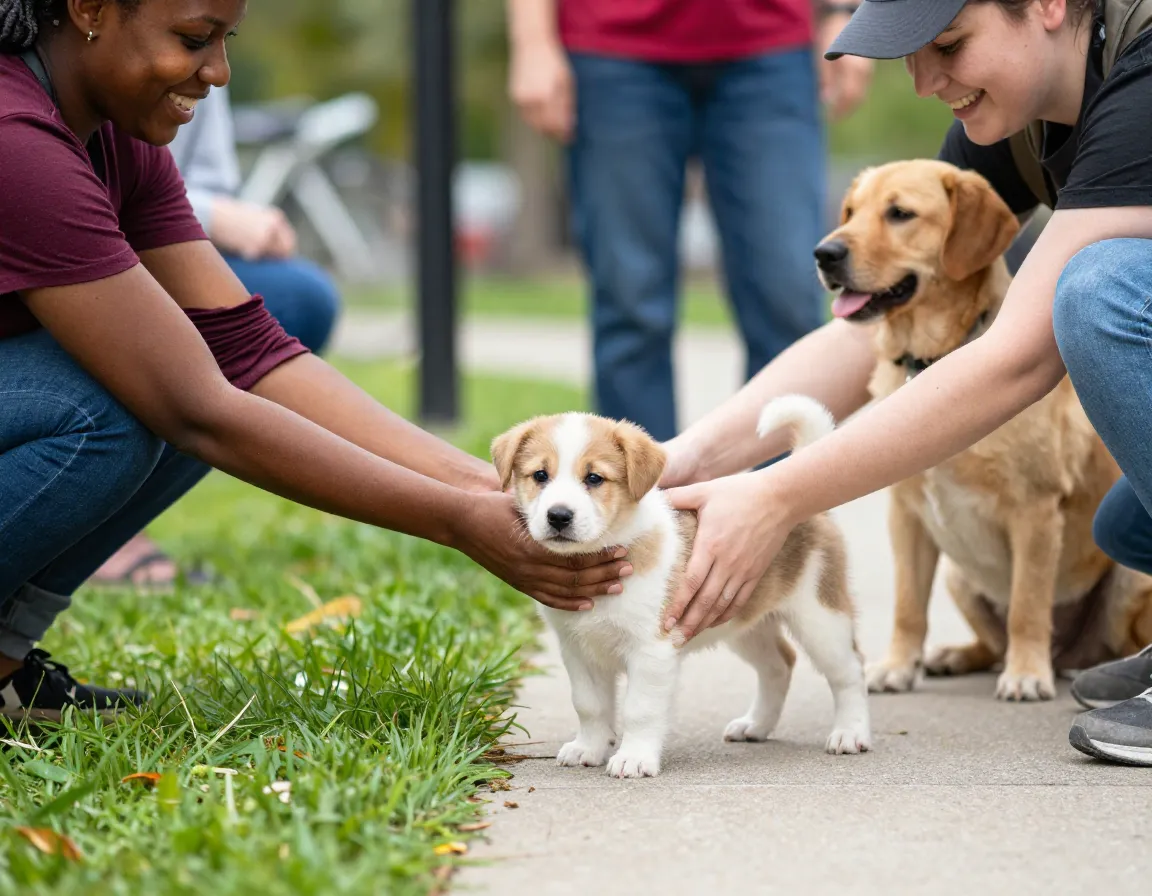
The foundation of successful dog training begins with socialization, which should start during the critical window between three and twenty weeks of age [1]. This period represents your puppy’s most receptive learning phase, when their brain is like a sponge, absorbing experiences that will shape their behavior for life.
During this crucial time, expose your puppy to:
- Different people (various ages, ethnicities, clothing styles)
- New environments (parks, sidewalks, pet stores, friends’ homes)
- Various sounds (traffic, vacuum cleaners, children playing, doorbells)
- Other animals (well-socialized dogs, cats, even farm animals if possible)
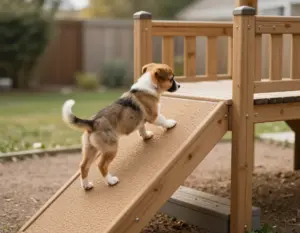
- Different surfaces (grass, concrete, sand, stairs, grates)
The goal isn’t to overwhelm your puppy but to create positive associations with new experiences. Always ensure interactions are positive and controlled. If your puppy seems scared or overwhelmed, take a step back and try again later with a gentler approach.
“Proper socialization during the critical period can prevent behavioral problems that might otherwise plague your dog for years to come.”
Remember to balance socialization with your veterinarian’s advice about vaccination schedules. Many vets recommend puppy socialization classes as a safe way to expose your puppy to new experiences while maintaining health protocols.
2. Begin Basic Commands at 7-8 Weeks Old
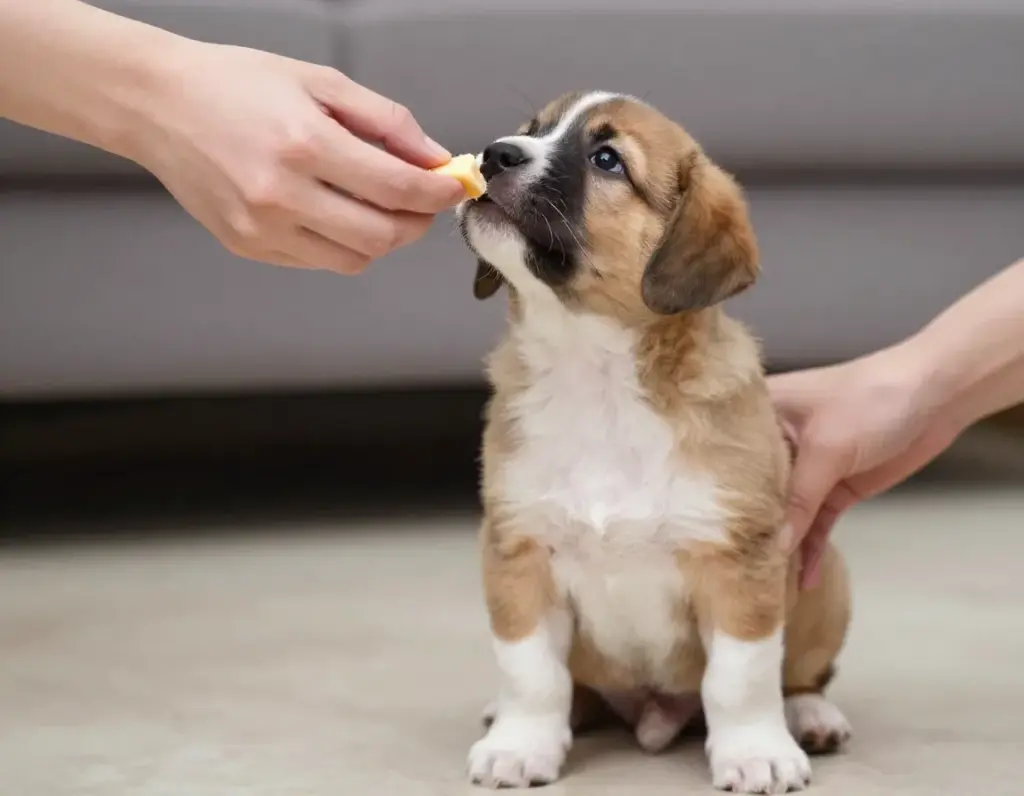
Contrary to what many new owners believe, puppies are ready to start learning basic commands as early as seven to eight weeks of age [1]. The seven crucial canine commands that every puppy should master include:
- Sit – The foundation command for all other training
- Down – Teaches impulse control and calm behavior
- Stay – Builds patience and strengthens the sit/down commands
- Wait – Useful for doorways, feeding time, and safety situations
- Leave it – Prevents your puppy from picking up dangerous items
- Drop it – Essential for when they’ve already grabbed something they shouldn’t have
- Come – The most important safety command for recall
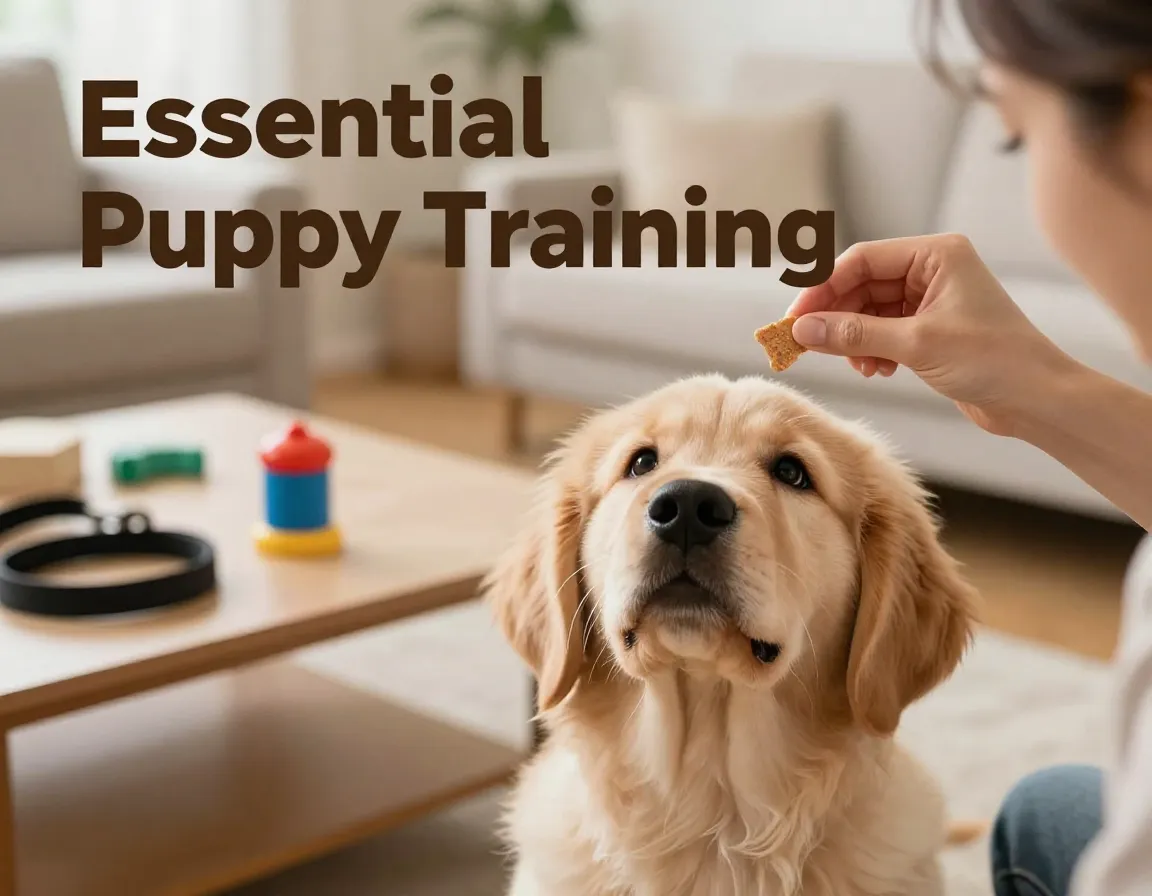
Start with “sit” as it’s often the easiest for puppies to understand. Hold a treat close to your puppy’s nose, slowly lift it over their head, and most puppies will naturally sit to keep watching the treat. The moment their bottom touches the ground, say “Yes!” or use a clicker, give the treat, and offer praise.
Pro tip: Give commands only once, then guide your dog into the desired position and reward [3]. Repeating commands endlessly teaches your puppy that they don’t need to respond the first time.
Essential Training Techniques That Work
3. Master the Art of Short, Frequent Training Sessions
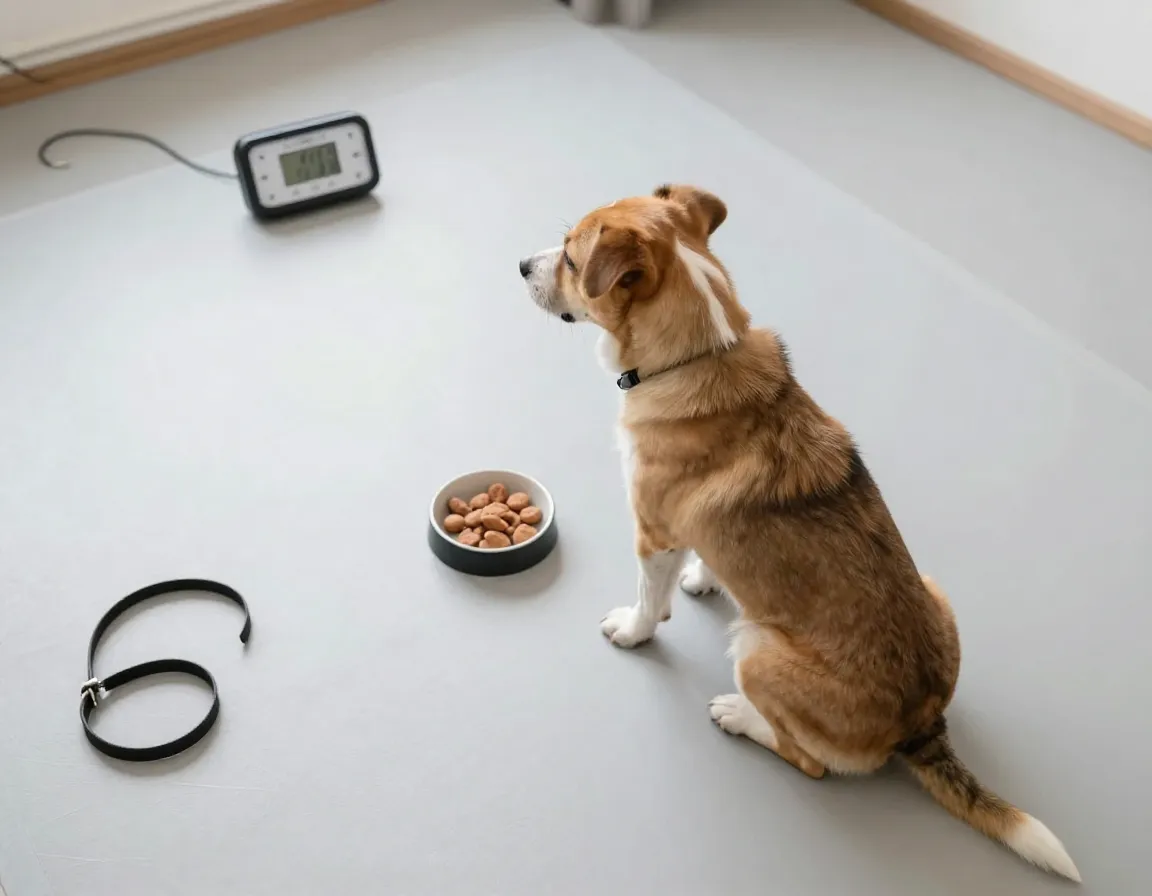
One of the biggest mistakes new puppy owners make is trying to cram too much training into long sessions. Puppies have incredibly short attention spans, so keeping initial training sessions to 5-10 minutes per session, several times a day is far more effective than hour-long training marathons [1][3][5].
Here’s how to structure your daily training schedule:
| Time of Day | Training Focus | Duration |
|---|---|---|
| Morning (after breakfast) | Basic commands review | 5-7 minutes |
| Mid-morning | Socialization/new experiences | 10 minutes |
| Afternoon | Leash training practice | 5-10 minutes |
| Early evening | Command practice + tricks | 5-7 minutes |
| Before bed | Calm commands (sit, down, stay) | 3-5 minutes |
The beauty of this approach is that just 5-10 minutes of daily intentional training can transform your puppy’s manners at home, improve leash walks, and strengthen your bond [5]. Multiple short sessions also help prevent both you and your puppy from becoming frustrated or overwhelmed.
Always end training sessions positively with treats, praise, or a fun game so your puppy looks forward to the next session [1]. If your puppy seems distracted or tired, it’s better to end early on a positive note than to push through and create negative associations with training.
4. Embrace Positive Reinforcement Exclusively
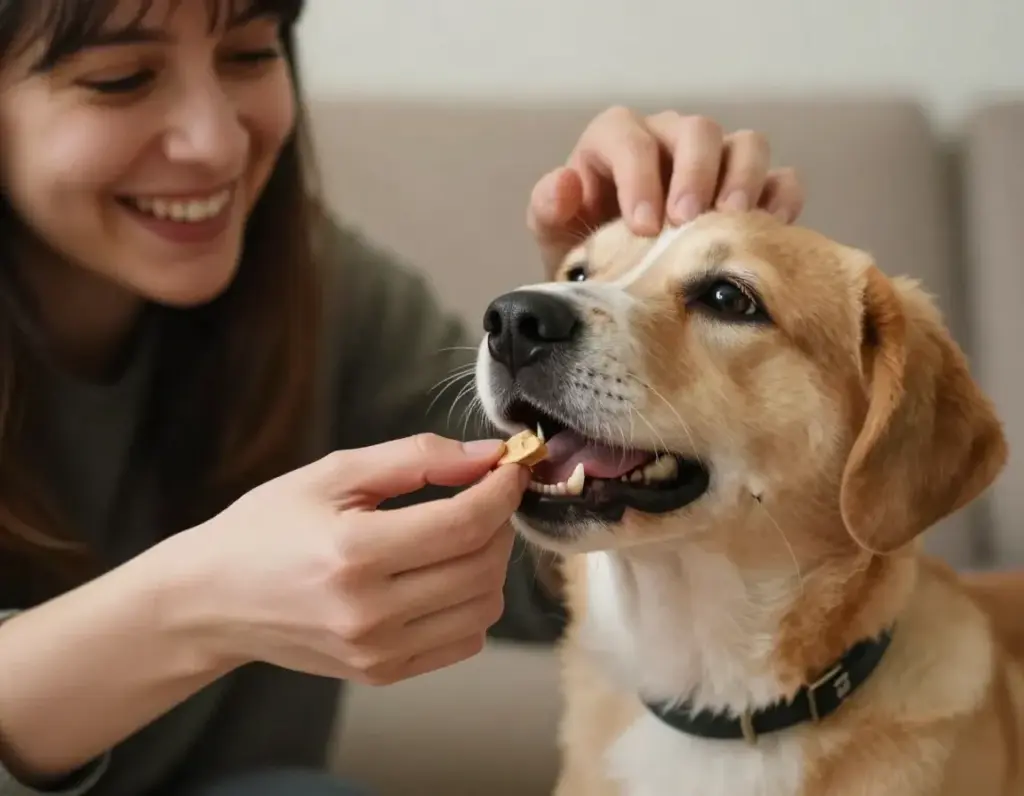
Modern dog training has moved far beyond outdated dominance-based methods. Today’s most effective approach relies entirely on positive reinforcement – using praise, treats, head scratches, and loving pats to reward good behavior [4]. This method creates a dog that genuinely wants to behave well, rather than one whose natural instincts are merely suppressed through fear.
What positive reinforcement looks like in practice:
✅ Do: Reward immediately when your puppy does something right
✅ Do: Use high-value treats (small pieces of chicken, cheese, or special training treats)
✅ Do: Combine treats with enthusiastic verbal praise
✅ Do: Vary your rewards to keep training interesting
❌ Don’t: Use force, intimidation, or punishment-based methods
❌ Don’t: Yell at or physically correct your puppy
❌ Don’t: Use shock collars, prong collars, or other aversive tools
❌ Don’t: Ignore good behavior – always acknowledge and reward it
The science behind positive reinforcement is clear: dogs learn faster and retain information longer when training is enjoyable and stress-free. Plus, this approach strengthens your bond rather than creating fear-based compliance.
5. Implement Consistent Verbal Cues and Hand Signals
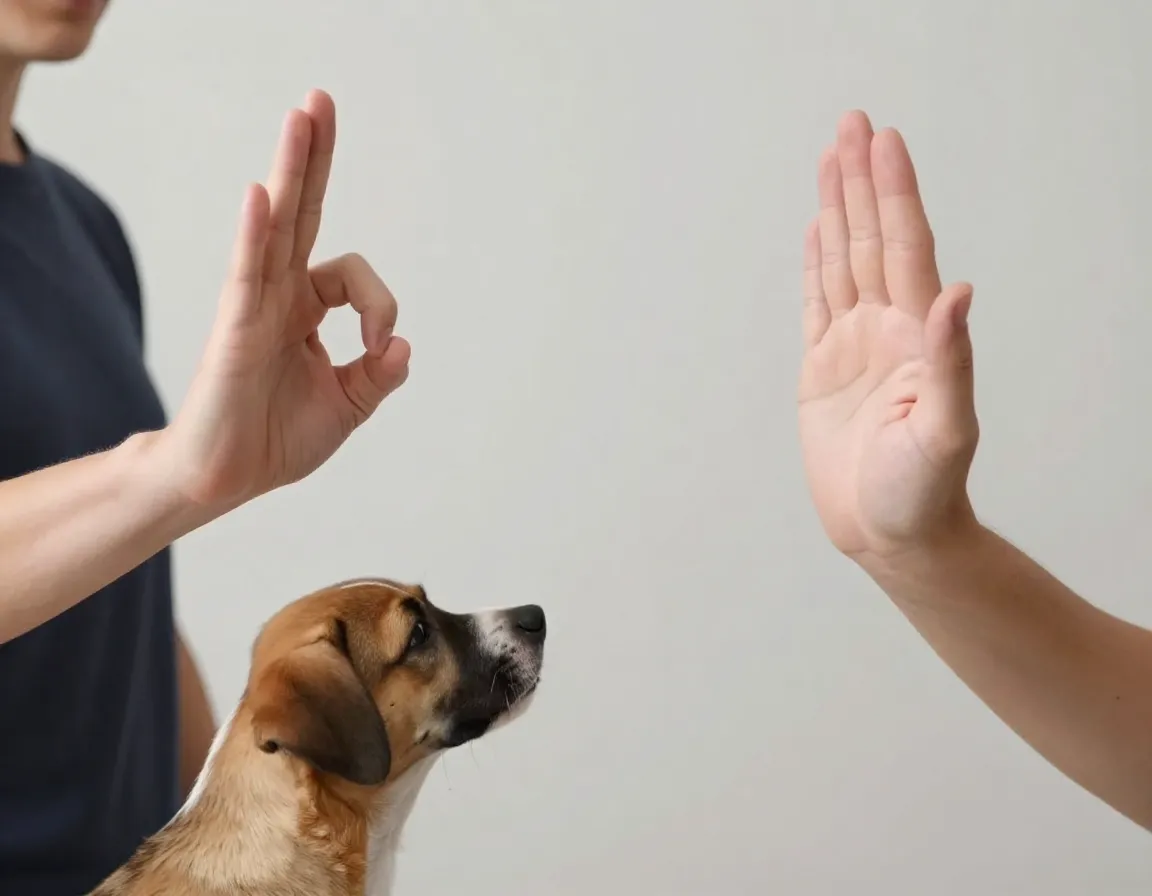
Consistency is absolutely crucial for successful puppy training. Use the same verbal cues and hand gestures for every training session, and make sure all family members use identical commands [1]. Mixed signals confuse puppies and slow down the learning process significantly.
Choose your words carefully and stick to them:
- “Sit” (not “sit down” or “sit boy”)
- “Down” (not “lie down” or “lay”)
- “Stay” (not “wait there” or “don’t move”)
- “Come” (not “come here” or “get over here”)
Many trainers recommend adding hand signals to verbal commands because dogs are naturally visual learners. For example:
- Sit: Raise your hand palm-up from waist to chest level
- Down: Start with hand raised, then sweep down to the ground
- Stay: Hold your hand out like a stop sign
- Come: Pat your leg or sweep your arm toward your body
Remember, consistency can make or break everything you’ve built with your puppy, especially once they start responding well to commands [1][4]. One family member using different commands can undo weeks of progress.
Solving Common Puppy Problems
6. Perfect the “Housetraining Triangle” Method
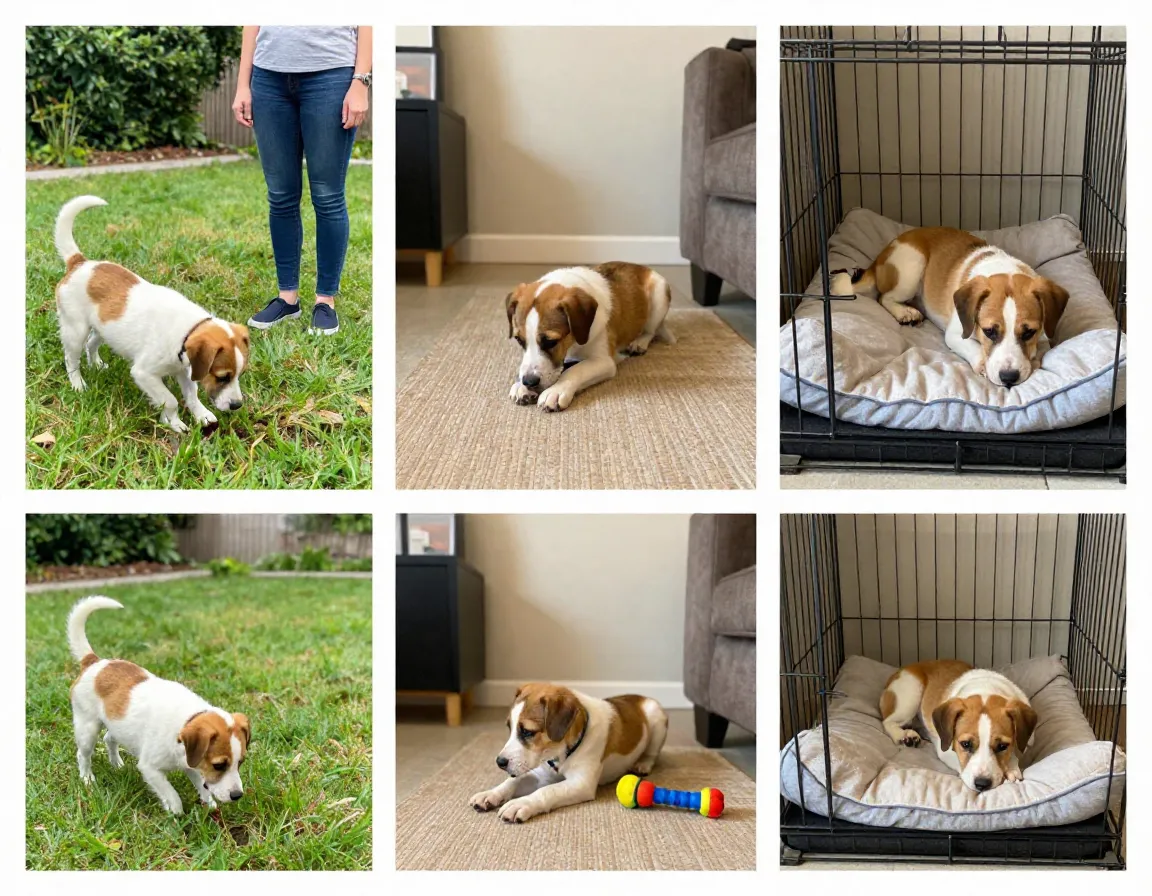
Potty training often feels like the most daunting aspect of puppy ownership, but the “housetraining triangle” method provides a structured approach that works [1]. This system creates a predictable cycle that helps your puppy understand when and where they should eliminate.
The Housetraining Triangle Process:
- Outside for potty break → Take your puppy to their designated bathroom spot
- Inside for supervised free time → Allow play and interaction while watching for signs they need to go out
- Crate time for 3 hours → Provide a safe, comfortable space for rest
Repeat this cycle throughout the day, gradually increasing playtime and reducing crate time by 15-20 minutes daily as your puppy proves they can hold it longer [1].
Key success factors:
- Take your puppy out immediately after meals, naps, and play sessions
- Use the same door and go to the same spot outside every time
- Stay outside with your puppy until they eliminate, then reward enthusiastically
- Never punish accidents – simply clean thoroughly and try again
- Watch for signs like sniffing, circling, or whining that indicate they need to go out
Realistic timeline expectations: Most puppies aren’t fully housetrained until 4-6 months old. Small breeds may take longer due to their smaller bladders. Patience and consistency are essential during this process [1][4].
7. Master Loose Leash Walking from Day One
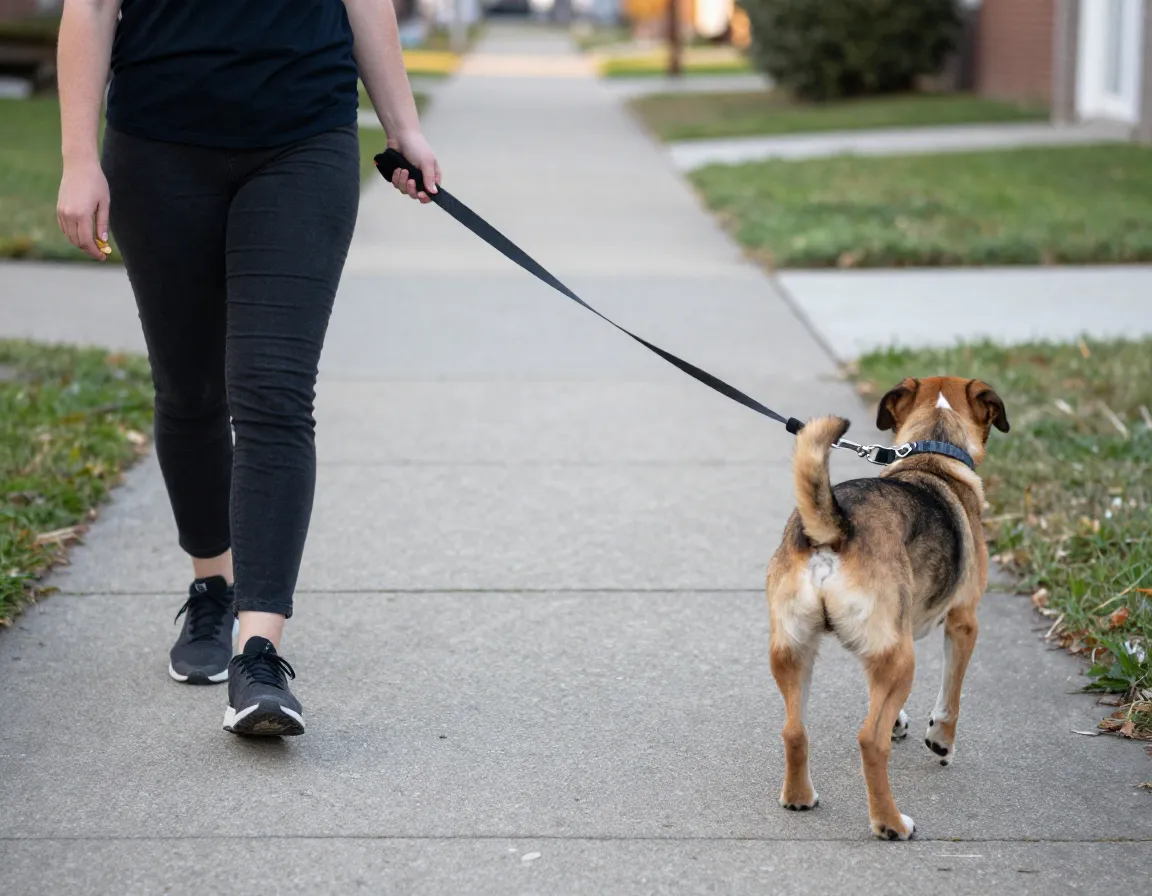
Teaching your puppy to walk nicely on a leash is one of the most practical skills you can develop together. The key is starting with the right technique from the very first walk. Have your puppy walk close to you on your left side, and establish clear rules about pulling [1].
The Stop-and-Go Method:
- Start walking with your puppy on your left side
- The moment your puppy pulls or walks ahead, immediately stop walking
- Don’t move forward until your puppy stops pulling
- Turn in the opposite direction if they continue pulling
- Praise enthusiastically when your puppy sits and waits for your command to continue
- Resume walking only when the leash is loose
Pro tips for leash training success:
- Use a standard 6-foot leash (avoid retractable leashes during training)
- Keep high-value treats in your left pocket for easy access
- Practice in low-distraction environments first (your yard or quiet street)
- Keep initial walks short (5-10 minutes) and focus on training rather than exercise
- Be patient – leash training takes time and consistency
Remember, every walk is a training opportunity. Consistency during this phase will save you years of being dragged down the street by an adult dog who never learned proper leash manners.
8. Redirect Nipping Behavior Immediately
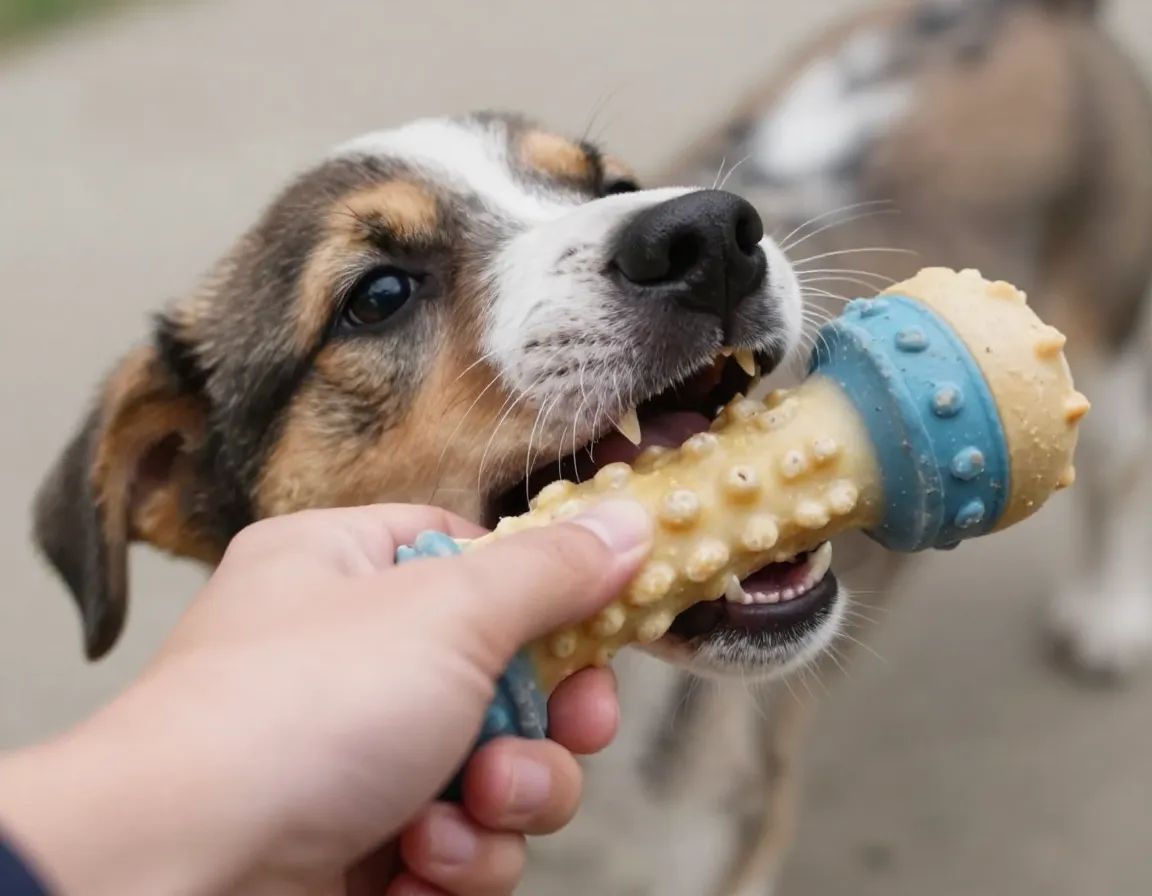
Puppy nipping is completely normal but needs to be addressed from day one. As soon as your puppy arrives, redirect nipping onto appropriate chew toys to establish good habits from the start [3]. This proactive approach prevents the behavior from becoming a deeply ingrained habit.
The Redirection Method:
- The moment teeth touch skin, say “Ouch!” in a high-pitched voice and immediately stop interaction
- Redirect to an appropriate chew toy – have one readily available at all times
- Praise enthusiastically when your puppy chews the toy instead of you
- If nipping continues, calmly walk away and ignore your puppy for 30-60 seconds
- Resume interaction only when your puppy is calm
What NOT to do:
- Never hit, flick, or grab your puppy’s muzzle
- Don’t play rough games that encourage biting
- Avoid pulling your hands away quickly (this triggers prey drive)
- Don’t yell or use intimidation tactics
Provide appropriate outlets:
- Rotate different textured chew toys to keep things interesting
- Offer frozen Kong toys stuffed with treats
- Provide bully sticks or other long-lasting chews during teething
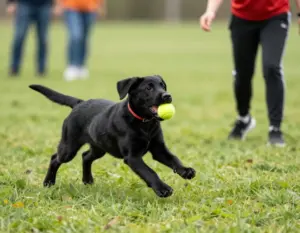
- Ensure your puppy gets enough physical and mental exercise
Most puppies outgrow the nipping phase by 4-5 months old, but consistent redirection during the early months is crucial for success.
Creating Long-Term Success
The journey of training your puppy extends far beyond these initial weeks and months. Consistency, patience, and positive reinforcement remain your most powerful tools throughout your dog’s life. Remember that every puppy learns at their own pace, and what works perfectly for one dog might need adjustment for another.
As you implement these 8 puppy training tips and tricks every new owner needs, celebrate small victories along the way. The puppy who sits for three seconds today will be the dog who stays reliably for minutes tomorrow. The little one who has accidents this week will be the house-trained companion who rings a bell to go outside next month.
Most importantly, remember that training is not just about creating a well-behaved dog – it’s about building a lifelong bond based on mutual respect, clear communication, and lots of love. Every training session is an opportunity to strengthen your relationship and set both you and your puppy up for years of happiness together.
Conclusion
Training a puppy can feel overwhelming at first, but with these 8 puppy training tips and tricks every new owner needs, you now have a roadmap for success. From starting socialization during that critical 3-20 week window to mastering the art of positive reinforcement, each technique builds upon the others to create a comprehensive training foundation.
Your next steps are simple but crucial:
- Start today – Don’t wait for the “perfect” moment to begin training
- Focus on consistency – Use the same commands and routines every single day
- Keep sessions short – Remember that 5-10 minutes of focused training beats hour-long sessions
- Celebrate progress – Acknowledge every small victory along the way
- Stay patient – Your puppy is learning an entirely new language and way of life
The investment you make in training during these early months will pay dividends for years to come. A well-trained dog is not only a joy to live with but also safer, happier, and more confident in the world around them.
Remember, you don’t have to navigate this journey alone. Consider enrolling in puppy training classes, consulting with professional trainers when needed, and connecting with other dog owners who can offer support and advice. With dedication, consistency, and the proven techniques outlined in this guide, you and your puppy are well on your way to building a beautiful partnership that will last a lifetime. 🐾
References
[1] When To Start Training A Puppy – https://www.masterclass.com/articles/when-to-start-training-a-puppy
[2] Puppy Training Tips – https://thedogalliance.org/puppy-training-tips/
[3] The Ultimate Dog Training Guide – https://www.petworks.com/articles/the-ultimate-dog-training-guide/
[4] How To Train Your Dog Expert Tips For Lasting Results – https://www.clickondetroit.com/news/local/2026/01/17/how-to-train-your-dog-expert-tips-for-lasting-results/
[5] Puppy Training Resolutions For 2026 Basic Skills Every Dog Should Know – https://www.playfulpupsretreat.com/blog/puppy-training-resolutions-for-2026-basic-skills-every-dog-should-know/