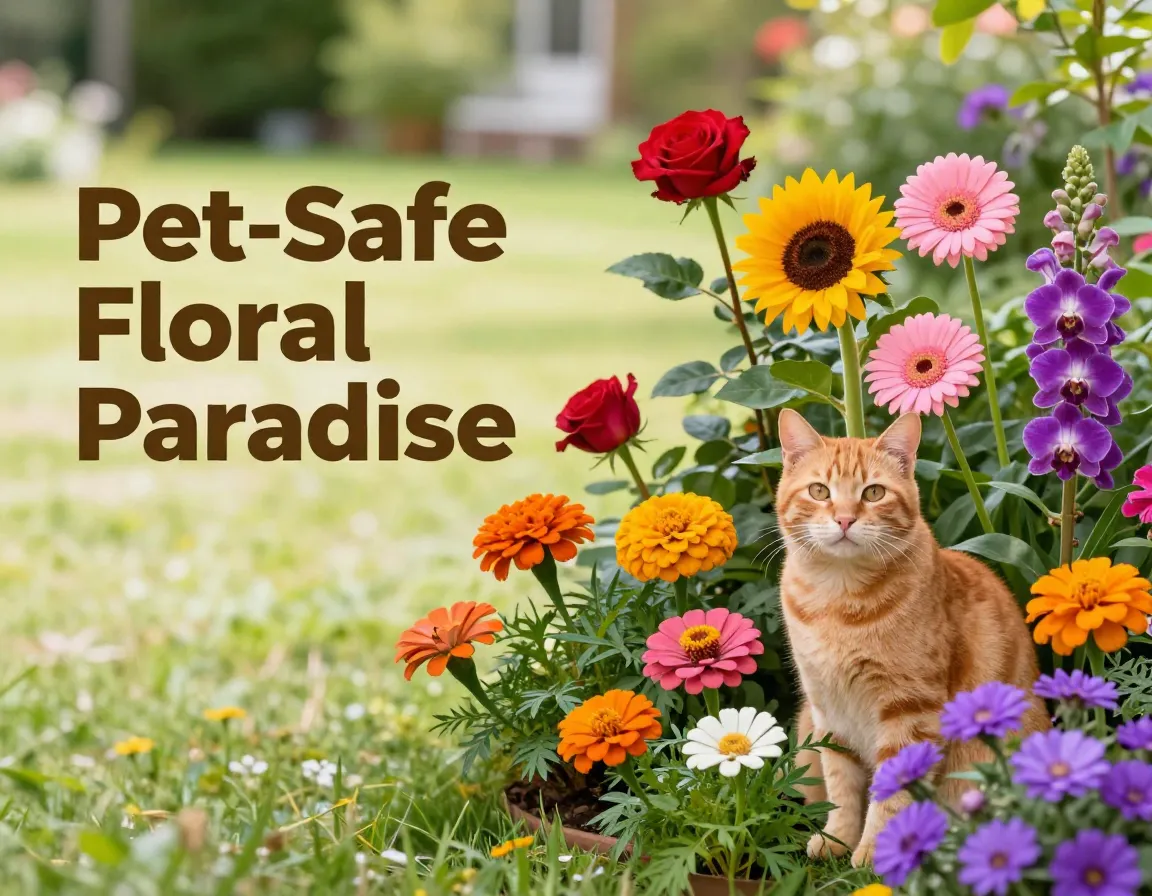
8 Beautiful Flowers Not Poisonous to Cats for a Pet-Safe Garden
Picture this: you’re sipping your morning coffee, gazing out at your vibrant garden, when you spot your beloved feline friend gracefully weaving between colorful blooms. Instead of panic, you feel pure joy – because every single flower in your garden is completely safe for your curious cat. Creating a stunning garden that’s both beautiful and pet-safe isn’t just possible; it’s easier than you might think.
Disclosure: This post contains affiliate links. As an Amazon Associate, we earn from qualifying purchases, and at no extra cost to you.
As a devoted cat parent and gardening enthusiast, I understand the constant worry that comes with wanting both a gorgeous outdoor space and a safe environment for our furry family members. The good news? You don’t have to choose between beauty and safety. These 8 beautiful flowers not poisonous to cats for a pet-safe garden will transform your outdoor space into a colorful paradise where both you and your feline companions can enjoy nature without worry.
Key Takeaways
- Eight stunning flower varieties – including roses, sunflowers, and orchids – are completely safe for cats and create vibrant garden displays
- Natural pest control benefits come with some cat-safe flowers like marigolds, which repel mosquitoes while adding color
- Year-round blooming options ensure your pet-safe garden maintains beauty across seasons with proper flower selection
- Indoor and outdoor versatility allows these flowers to brighten both your garden beds and home arrangements safely
- ASPCA verification confirms these flowers pose no toxicity risks, giving pet owners complete peace of mind
Why Choose Cat-Safe Flowers for Your Garden?
Creating a pet-safe garden isn’t just about avoiding emergency vet visits – though that’s certainly important. According to the ASPCA Animal Poison Control Center, “while any plant material can cause mild stomach upset, some plants are much more dangerous,” which emphasizes why selecting genuinely non-toxic species matters so much [1].
When I first started gardening with cats, I made the mistake of assuming that beautiful meant dangerous. However, after researching extensively and consulting with veterinarians, I discovered that some of the most stunning flowers are actually completely safe for our feline friends.
Benefits of cat-safe gardening include:
- Peace of mind when cats explore outdoors
- Reduced veterinary emergencies from plant toxicity
- Enhanced outdoor enjoyment for both pets and owners
- Beautiful, thriving gardens without safety compromises
- Natural enrichment for curious cats who love to explore
The Complete Guide to 8 Beautiful Flowers Not Poisonous to Cats for a Pet-Safe Garden
1. Roses 🌹
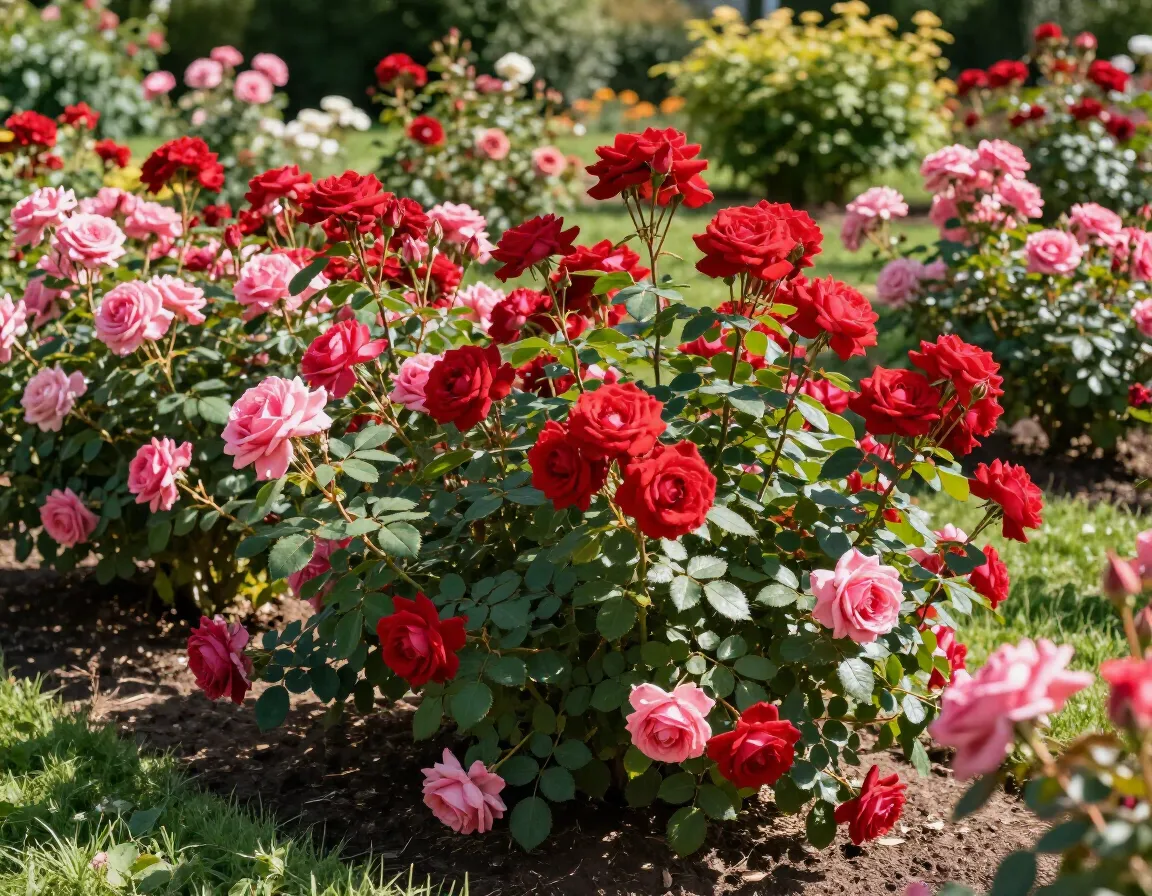
Roses top my list of beautiful flowers not poisonous to cats because they’re both classic and completely safe. These timeless beauties contain no poisonous compounds that could harm your feline friend [1][2]. However, there’s one important caveat to consider.
While roses themselves are non-toxic, their thorns can cause scratches or become embedded in your cat’s skin or mouth [1]. I recommend choosing thornless varieties or placing thorny roses in areas where cats are less likely to brush against them.
Best rose varieties for cat owners:
- Knockout roses (disease-resistant and low-maintenance)
- David Austin English roses (fragrant and beautiful)
- Drift roses (compact and perfect for borders)
Growing tips:
- Plant roses in sunny locations with good drainage
- Water at the base to prevent fungal diseases
- Deadhead regularly for continuous blooms
2. Sunflowers 🌻

Nothing says summer joy quite like towering sunflowers swaying in the breeze. These cheerful giants contain no poisonous compounds for cats or dogs and are safe for both indoor and outdoor display [1][2]. I love watching cats investigate these massive blooms – their curious nature seems particularly drawn to the large flower heads.
Sunflowers are incredibly easy to grow and provide multiple benefits beyond their safety. They attract beneficial pollinators, produce seeds for wildlife, and create natural privacy screens in larger gardens.
Sunflower varieties to consider:
- Russian Giant (traditional tall variety)
- Teddy Bear (dwarf, fluffy blooms)
- Autumn Beauty (multi-colored petals)
Care requirements:
- Full sun exposure (6+ hours daily)
- Well-draining soil
- Regular watering during establishment
- Support for taller varieties
3. Gerbera Daisies 🌼
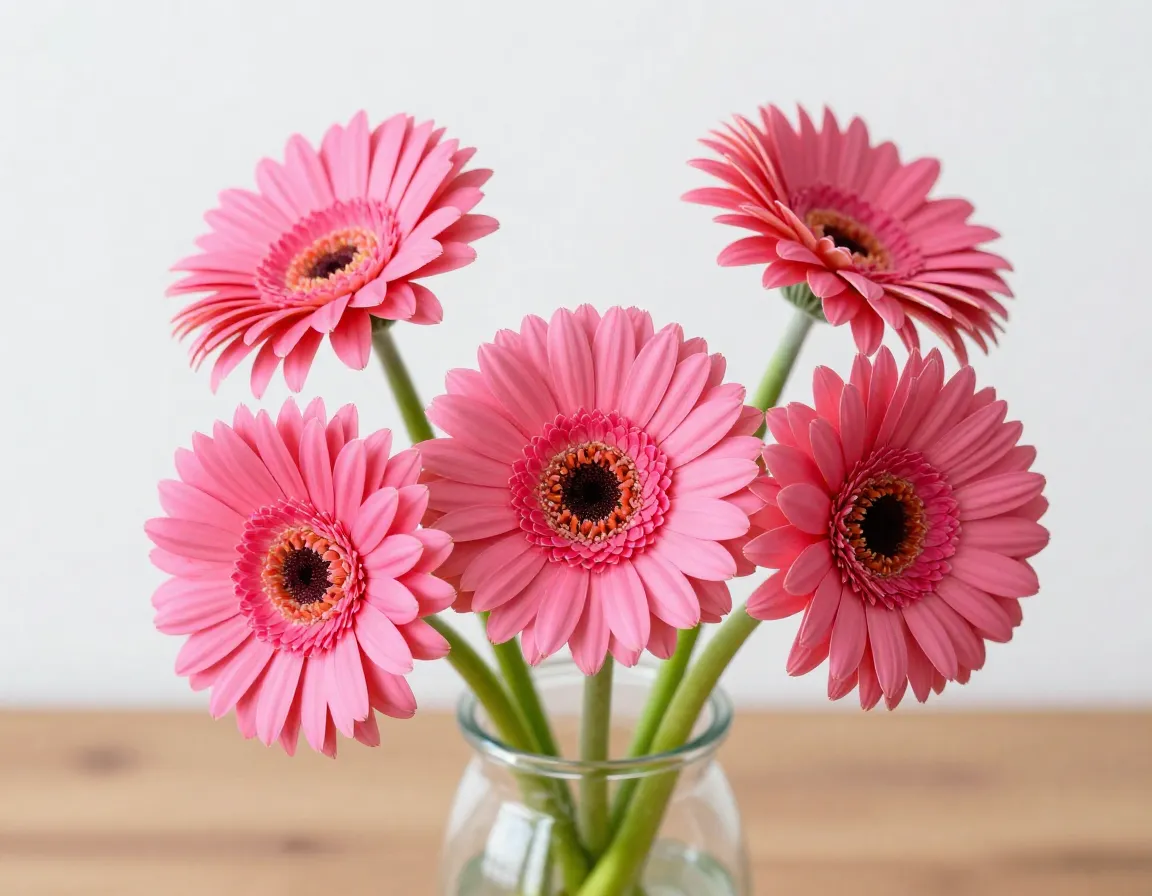
These vibrant, cheerful flowers are among the most popular pet-friendly flowers available. Gerbera daisies bloom in stunning shades of pink, red, yellow, and white without any toxicity concerns for cats [1][2]. Their large, colorful blooms create instant impact in garden beds or containers.
I particularly love using gerbera daisies as cut flowers for indoor arrangements. Since they’re completely cat-safe, I don’t worry when my curious cats investigate the vase or accidentally knock petals onto the floor.
Color options include:
- Bright pink and magenta
- Sunny yellow and orange
- Pure white and cream
- Deep red and burgundy
Growing success tips:
- Plant in partial shade to full sun
- Ensure excellent drainage to prevent crown rot
- Water at soil level, avoiding wet foliage
- Deadhead spent blooms regularly
4. Orchids 🌺
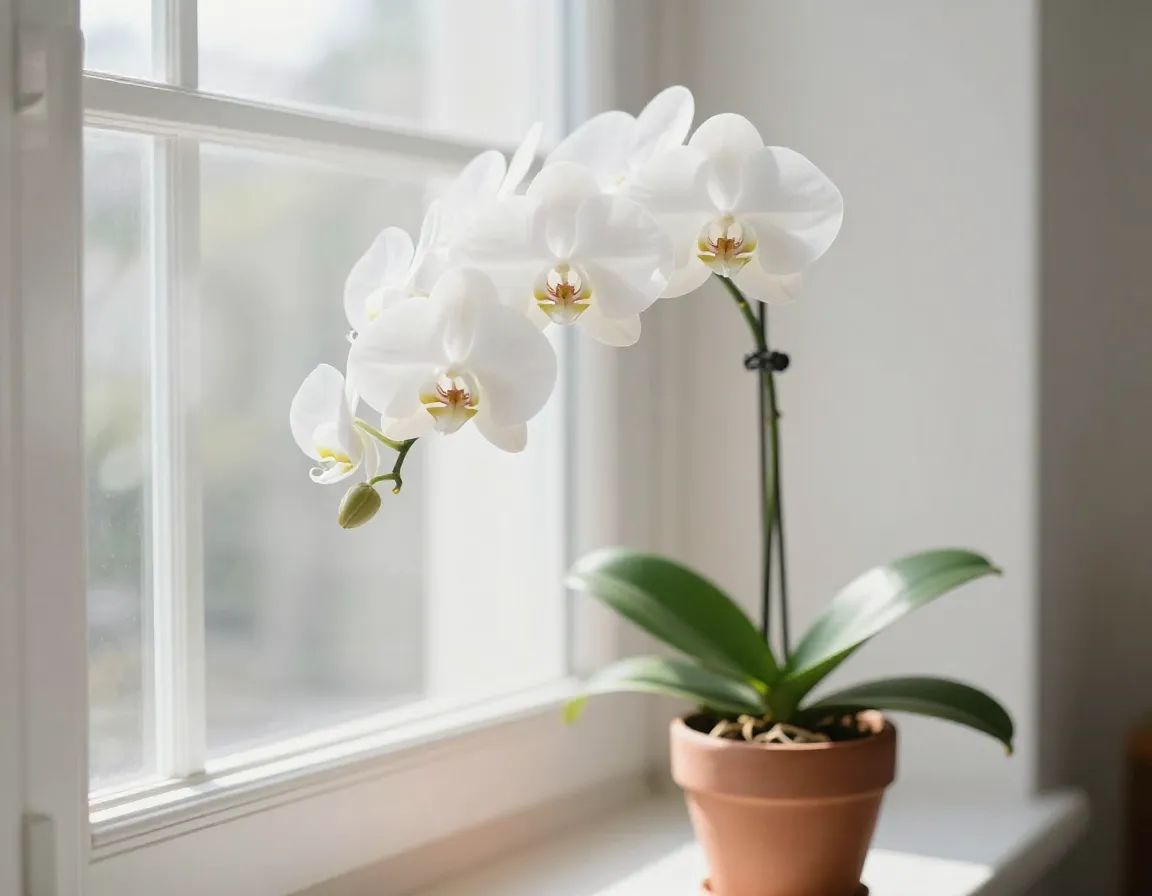
Orchids bring exotic elegance to any space while being completely non-toxic to cats across all varieties. Whether you choose Brazilian Orchids, Cattleyas, or Dancing Doll Orchids, these sophisticated flowers pose zero risk to feline family members [1][2].
As someone who initially found orchids intimidating, I’ve learned they’re much easier to care for than their reputation suggests. Many varieties thrive indoors, making them perfect for cat owners who want beautiful blooms year-round.
Popular cat-safe orchid types:
- Phalaenopsis (moth orchids) – easiest for beginners
- Cattleya – large, fragrant blooms
- Dendrobium – long-lasting flowers
- Oncidium – dancing lady orchids
Care essentials:
- Bright, indirect light
- Well-draining orchid bark mix
- Weekly watering with drainage
- Monthly orchid fertilizer
5. Snapdragons 🌸
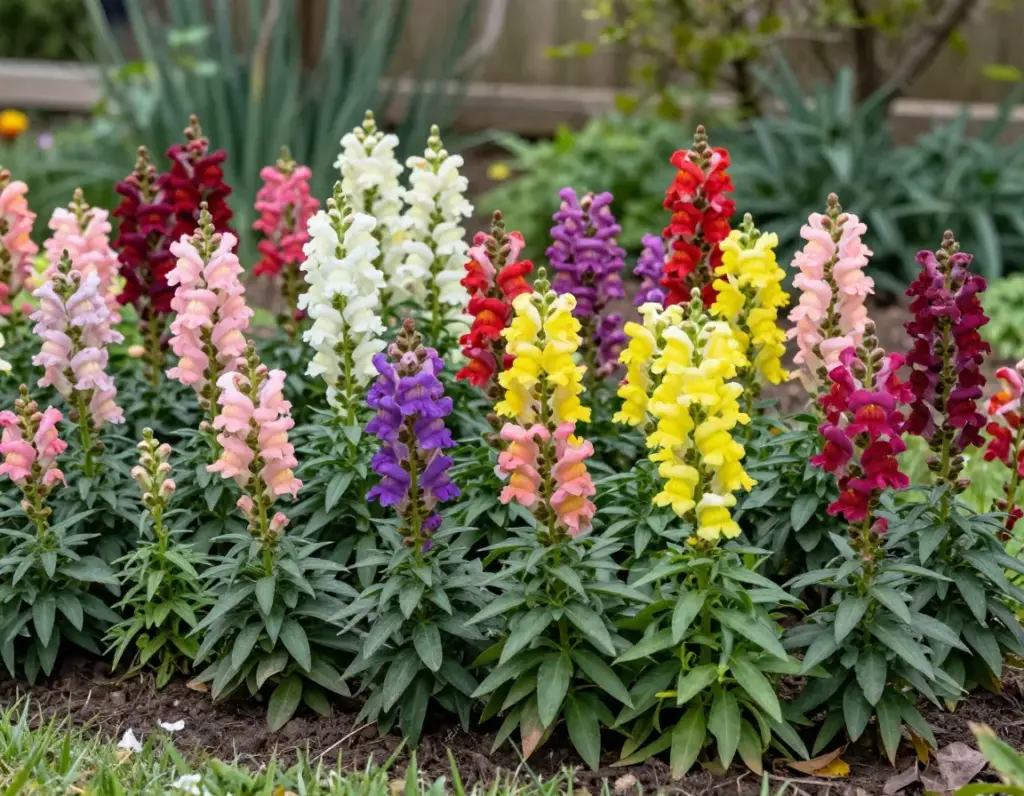
Snapdragons are recognized as feline-friendly flowers and make safe, delightful additions to pet households [1][4]. These charming flowers get their name from the way their blooms “snap” open and closed when gently squeezed – a feature that often fascinates both children and cats.
I love snapdragons for their vertical growth habit and long blooming season. They’re perfect for adding height to flower borders and come in an incredible range of colors from soft pastels to vibrant brights.
Height varieties available:
- Dwarf (6-8 inches) – perfect for containers
- Medium (12-18 inches) – ideal for borders
- Tall (24-36 inches) – excellent for cutting gardens
Seasonal growing tips:
- Cool-season annual in most climates
- Plant in early spring or fall
- Prefer temperatures between 40-70°F
- May self-seed for next year’s blooms
6. Marigolds 🧡
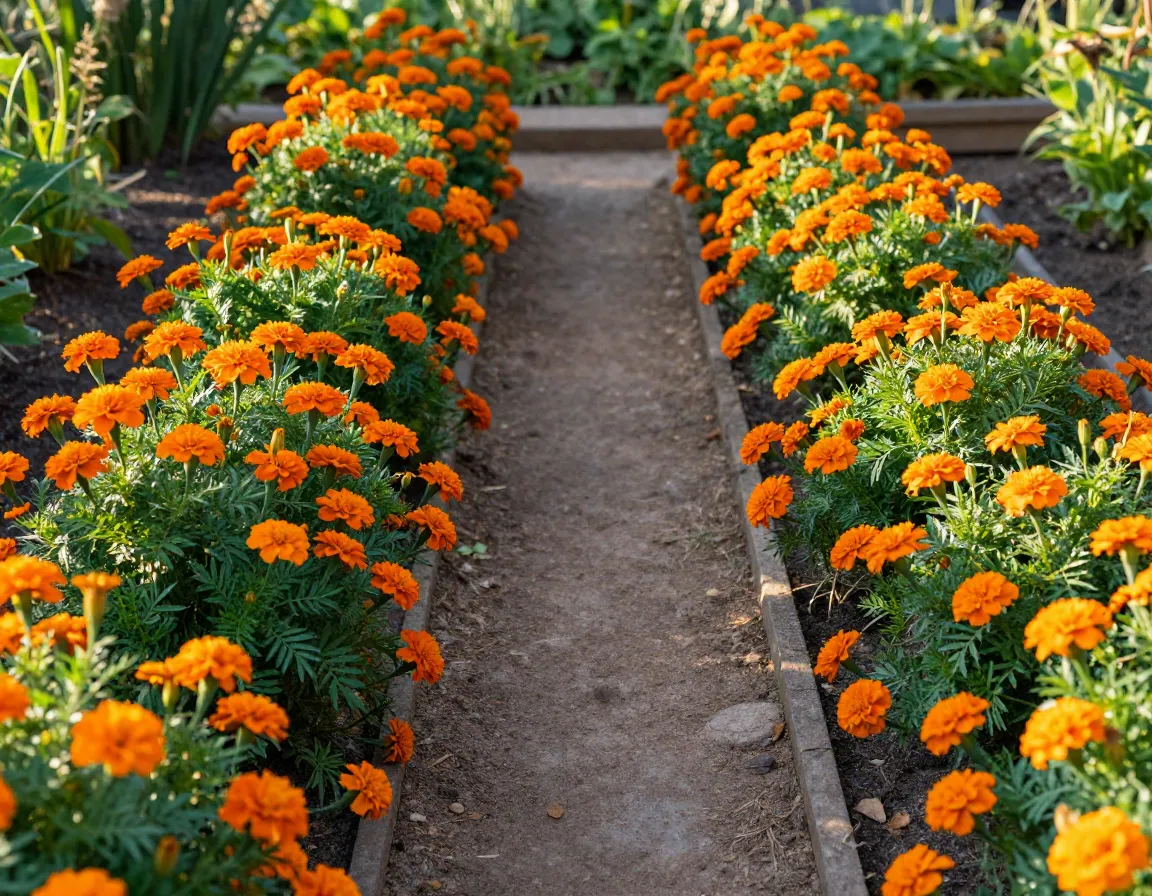
Marigolds offer double benefits for cat owners – they’re non-toxic to cats and function as natural insect repellents against mosquitoes [2]. These hardy, cheerful flowers bloom continuously from spring until frost, providing months of color and pest protection.
I strategically plant marigolds near outdoor seating areas where my cats like to lounge. The mosquito-repelling properties create a more comfortable environment for both humans and pets during summer evenings.
Marigold types to grow:
- French marigolds (compact, abundant blooms)
- African marigolds (large, showy flowers)
- Signet marigolds (edible, delicate blooms)
Companion planting benefits:
- Repel aphids from vegetables
- Deter nematodes in soil
- Attract beneficial insects
- Reduce mosquito populations naturally
7. Zinnias 🌈
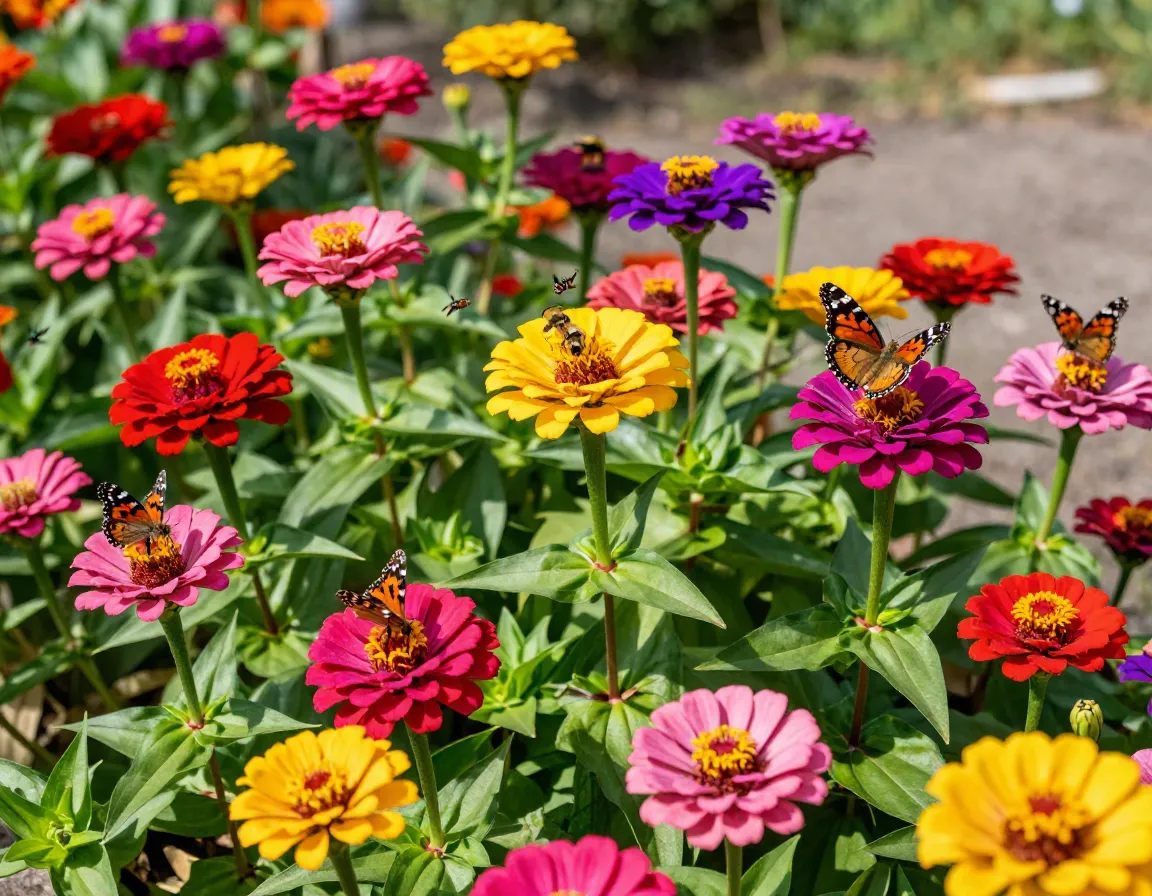
Zinnias are listed among the most reliable pet-friendly flowers safe for cat exposure [2]. These vibrant annuals are absolute workhorses in the garden, blooming non-stop from summer through fall with minimal care required.
What I love most about zinnias is their incredible diversity. From tiny dwarf varieties perfect for edging to giant dinner-plate sized blooms that create stunning focal points, there’s a zinnia for every garden style and space.
Popular zinnia series:
- State Fair Mix (large, traditional blooms)
- Profusion series (disease-resistant, compact)
- Queen Red Lime (unique bicolor variety)
- Zinnia elegans (classic garden variety)
Low-maintenance benefits:
- Drought tolerant once established
- Attract butterflies and beneficial insects
- Excellent cut flowers with long vase life
- Self-seed readily for next year’s garden
8. Asters 💜
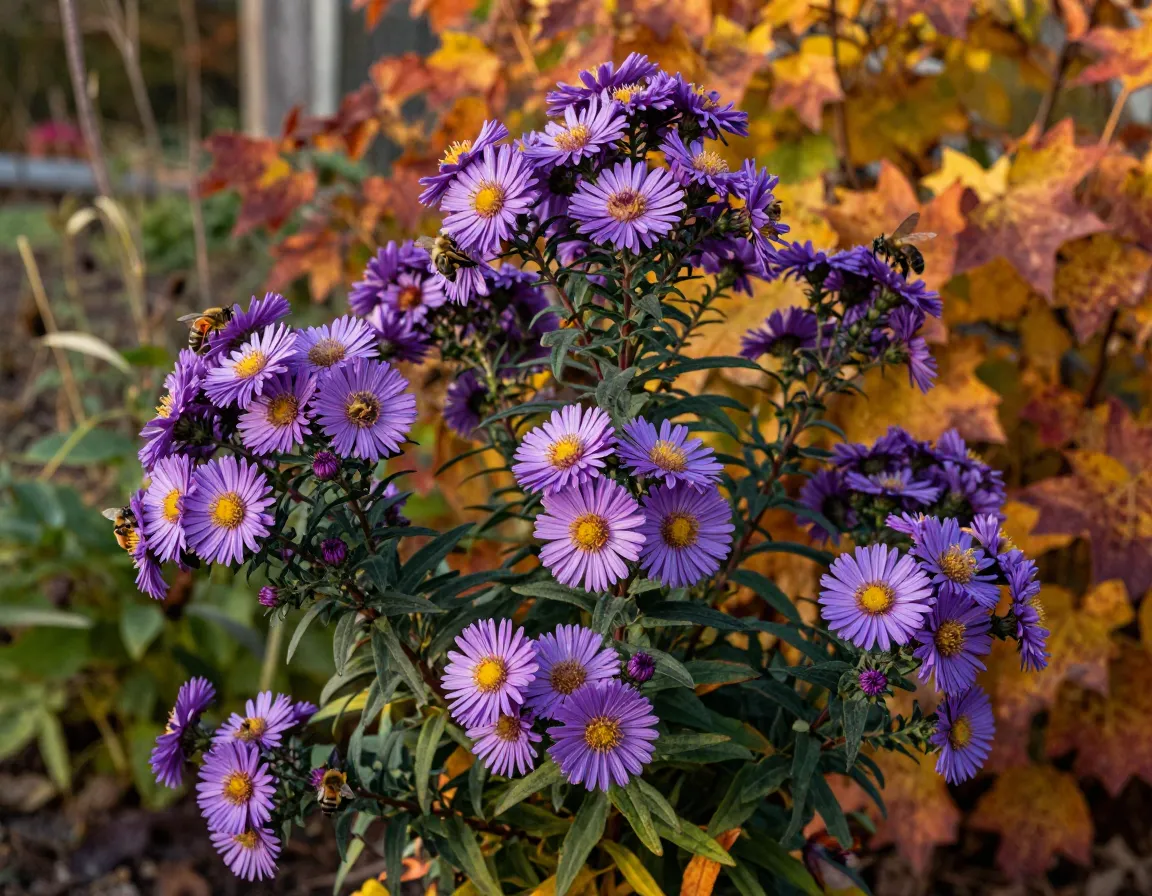
Asters round out our list of beautiful flowers not poisonous to cats for a pet-safe garden with their late-season blooms and pollinator-friendly nature. These confirmed cat-safe flowering plants provide crucial late-season nectar when many other flowers have finished blooming [1][2].
I particularly appreciate asters for extending garden color well into fall. When most annuals are fading, asters burst into bloom with clouds of small, daisy-like flowers in shades of purple, pink, and white.
Aster varieties to consider:
- New England asters (native, tall variety)
- Aromatic asters (compact, fragrant)
- Smooth asters (drought-tolerant option)
- Fall-blooming asters (September-October color)
Wildlife benefits:
- Essential late-season pollinator food
- Seeds provide winter bird food
- Native varieties support local ecosystems
- Attract monarch butterflies during migration
Creating Your Complete Pet-Safe Garden Design
Now that you know these 8 beautiful flowers not poisonous to cats, let’s discuss how to incorporate them into a cohesive, stunning garden design that maximizes both beauty and safety.
Seasonal Planting Strategy
Spring plantings:
- Start snapdragons and sweet peas early
- Plant rose bushes after last frost
- Begin marigold seeds indoors
Summer additions:
- Direct sow sunflowers and zinnias
- Add gerbera daisies to containers
- Plant heat-tolerant varieties
Fall preparations:
- Enjoy peak aster blooms
- Collect seeds for next year
- Plan winter protection for perennials
Garden Layout Considerations
When designing your cat-safe garden, consider your feline’s natural behaviors:
High-traffic cat areas: Use sturdy, low-growing flowers like marigolds and dwarf zinnias that can withstand occasional cat traffic.
Exploration zones: Plant taller flowers like sunflowers and roses (thornless varieties) where cats can investigate safely.
Rest spots: Create shaded areas with orchids or other flowers that thrive in partial shade where cats can relax.
Additional Safety Tips for Cat Gardening
While focusing on these 8 beautiful flowers not poisonous to cats for a pet-safe garden, remember these important safety considerations:
Soil and Fertilizer Safety
- Use organic, pet-safe fertilizers
- Avoid cocoa mulch (toxic to pets)
- Choose natural pest control methods
- Keep compost bins secured from curious cats
Water Feature Considerations
- Ensure easy exit points from water features
- Use pet-safe algae control methods
- Provide fresh drinking water sources
- Consider cat-friendly water plants
The Safest Plant Overall
According to research, cat grass containing oat, wheat, barley, alfalfa, or rye grass is identified as the safest plant for cats overall [1]. Consider adding dedicated cat grass areas to your garden design to provide safe nibbling options for your feline friends.
Maintenance and Care for Your Pet-Safe Garden
Maintaining your cat-safe flower garden requires some special considerations to keep both plants and pets healthy and happy.
Organic Pest Management
Since cats will be exploring your garden, stick to pet-safe pest control methods:
- Companion planting with marigolds for natural pest deterrence
- Beneficial insect habitats using native flowers like asters
- Hand-picking larger pests when possible
- Organic sprays specifically labeled as pet-safe
Pruning and Deadheading
Regular maintenance keeps your flowers blooming and prevents any potential hazards:
- Remove spent blooms to encourage continued flowering
- Trim any damaged or diseased plant material promptly
- Keep pathways clear for easy cat navigation
- Dispose of plant debris safely away from pet areas
Troubleshooting Common Cat Garden Challenges
Even with the safest flowers, you might encounter some challenges when gardening with cats. Here are solutions I’ve developed over years of cat-friendly gardening:
Digging Prevention
Problem: Cats love to dig in soft garden soil.
Solutions:
- Use decorative stones or mulch around plants
- Install low decorative fencing around flower beds
- Provide designated digging areas with sand
- Plant densely to reduce open soil space
Plant Protection for Young Seedlings
Problem: Curious cats may damage delicate young plants.
Solutions:
- Start seeds indoors until plants are established
- Use temporary plant cages for protection
- Choose robust varieties that handle some disturbance
- Create raised beds that are less accessible
Seasonal Care Calendar for Your Cat-Safe Flower Garden
Spring (March-May)
- Plant cool-season flowers like snapdragons
- Prepare soil with organic amendments
- Start warm-season seeds indoors
- Divide perennial asters and other established plants
Summer (June-August)
- Plant heat-loving flowers like zinnias and marigolds
- Maintain consistent watering schedules
- Deadhead flowers regularly for continuous blooms
- Monitor for pests using pet-safe methods
Fall (September-November)
- Enjoy peak aster and late-season rose blooms
- Collect seeds from zinnias and marigolds
- Plant spring bulbs for next year’s color
- Begin winter preparation for tender plants
Winter (December-February)
- Plan next year’s garden layout
- Order seeds and plants for spring
- Care for indoor orchids and other houseplants
- Research new cat-safe varieties to try
Conclusion
Creating a garden filled with 8 beautiful flowers not poisonous to cats proves that you never have to choose between stunning beauty and pet safety. From the classic elegance of roses to the cheerful faces of sunflowers, these carefully selected flowers offer endless possibilities for creating a vibrant, cat-friendly outdoor space.
The journey to a pet-safe garden begins with a single flower. Whether you start with easy-to-grow marigolds or splurge on exotic orchids, each cat-safe bloom you add creates a safer, more beautiful environment for your entire family.
Your next steps:
- Choose 2-3 flowers from this list that appeal to your style and growing conditions
- Plan your garden layout considering your cat’s favorite outdoor areas
- Start small with containers or a dedicated bed before expanding
- Document your success by taking photos and noting which varieties your cats enjoy most
- Share your experience with other cat-loving gardeners to spread the joy of pet-safe gardening
Remember, the most beautiful garden is one where every family member – including your curious, whisker-faced companions – can explore, relax, and thrive together safely. Your cats will thank you with purrs, and you’ll thank yourself every time you watch them peacefully enjoying their safe, colorful paradise.
References
[1] Plants Safe For Cats – https://www.petmd.com/cat/general-health/plants-safe-for-cats
[2] Pet Friendly Flowers Cats Dogs – https://orchidrepublic.com/blogs/news/pet-friendly-flowers-cats-dogs
[3] Cat Friendly Plants Top 34 Easy To Care For Nontoxic Varieties – https://planetdesert.com/blogs/news/cat-friendly-plants-top-34-easy-to-care-for-nontoxic-varieties
[4] Factsheet Cat Friendly Flowers – https://catprotection.org.au/cat-care-factsheets/factsheet-cat-friendly-flowers/