8 Beautiful Flowers Not Toxic to Cats for a Pet-Safe Garden
Picture this: you’re sipping your morning coffee, watching your beloved feline friend gracefully navigate through your garden, when suddenly panic strikes. Did Whiskers just nibble on those gorgeous lilies you planted last week? If you’re a cat parent who loves gardening, this scenario might feel all too familiar. The good news is that creating a stunning garden that’s completely safe for your curious cats is not only possible—it’s easier than you think.
Disclosure: This post contains affiliate links. As an Amazon Associate, we earn from qualifying purchases, and at no extra cost to you.
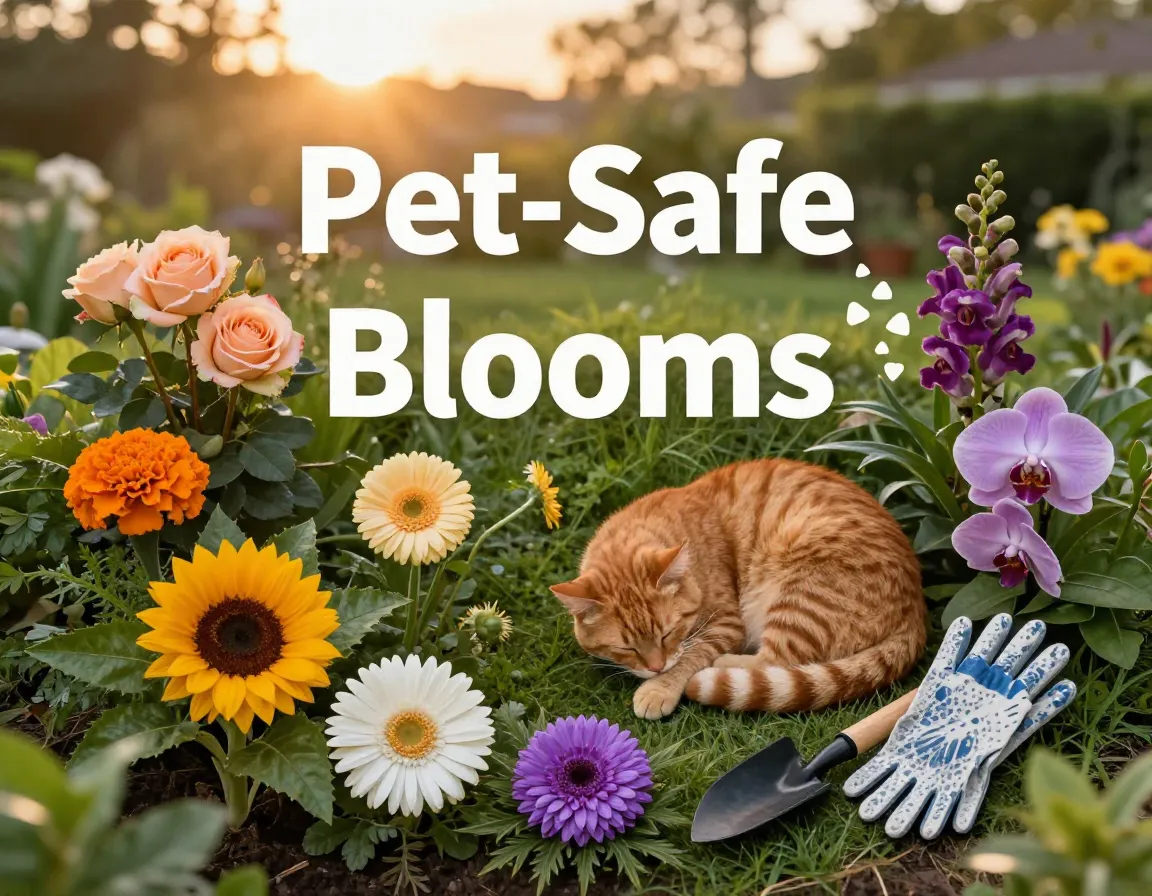
Finding 8 beautiful flowers not toxic to cats for a pet-safe garden has become a priority for millions of pet owners in 2026, as more people recognize the importance of creating outdoor spaces that protect their furry family members. With the right knowledge and plant choices, you can enjoy vibrant blooms while ensuring your cats can explore, play, and even taste-test without any health risks.
Key Takeaways
- Eight stunning flower varieties including roses, sunflowers, and orchids are completely safe for cats and create beautiful garden displays
- ASPCA-verified safety ensures these flowers pose no toxicity risks to feline companions when ingested
- Natural deterrents like thorny rose stems help protect plants while keeping cats safe from harmful varieties
- Year-round blooming options provide continuous color and visual interest in pet-safe garden designs
- Easy maintenance requirements make these cat-friendly flowers perfect for both novice and experienced gardeners
Why Choose Cat-Safe Flowers for Your Garden?
Creating a pet-safe garden isn’t just about avoiding emergency vet visits—though that’s certainly important. Cats are naturally curious creatures who explore their environment through all their senses, including taste. Unlike dogs, cats lack certain liver enzymes that help process plant toxins, making them particularly vulnerable to poisoning from common garden flowers [6].
The 8 beautiful flowers not toxic to cats for a pet-safe garden featured in this guide have all been verified as safe by the ASPCA and other veterinary organizations [1][9]. This means you can plant with confidence, knowing that even if your cat decides to take a nibble, they’ll remain healthy and happy.
Benefits of choosing cat-safe flowers include:
- ✅ Peace of mind during outdoor playtime
- ✅ Reduced veterinary emergency risks
- ✅ Beautiful, vibrant garden displays
- ✅ Natural insect deterrent properties (in some varieties)
- ✅ Year-round blooming options
The Complete List: 8 Beautiful Flowers Not Toxic to Cats for a Pet-Safe Garden
1. Roses 🌹
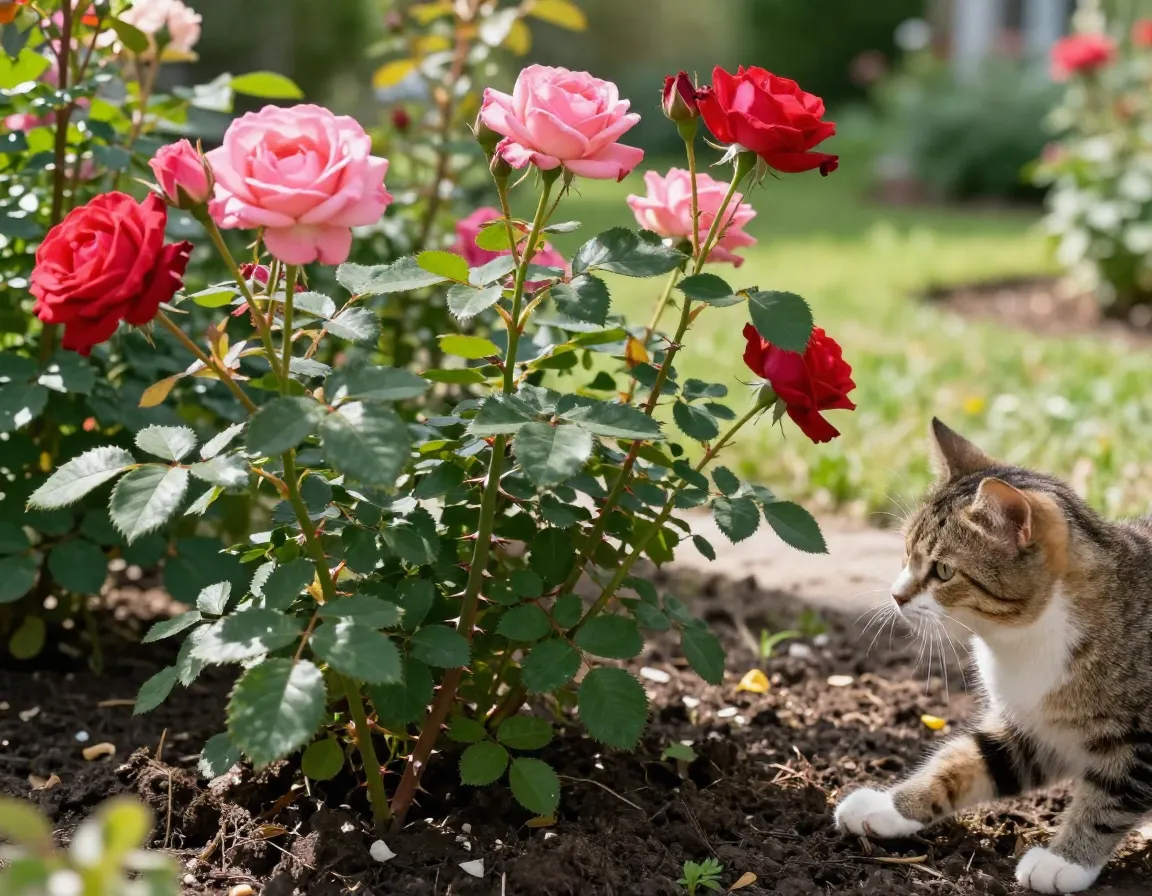
Roses top our list of cat-safe flowers, and for good reason. Despite their reputation for thorny stems, roses are completely non-toxic to cats [1][6]. The thorns actually work in your favor, naturally deterring cats from getting too close while still allowing them to safely enjoy the garden space.
Key Features:
- Available in countless colors and varieties
- Blooming season: Spring through fall
- Natural protection from thorny stems
- Classic beauty and fragrance
Planting Tips: Choose disease-resistant varieties and plant in well-draining soil with at least 6 hours of daily sunlight. The thorns provide natural protection, but trim any low-hanging branches that might scratch curious cats.
2. Sunflowers 🌻
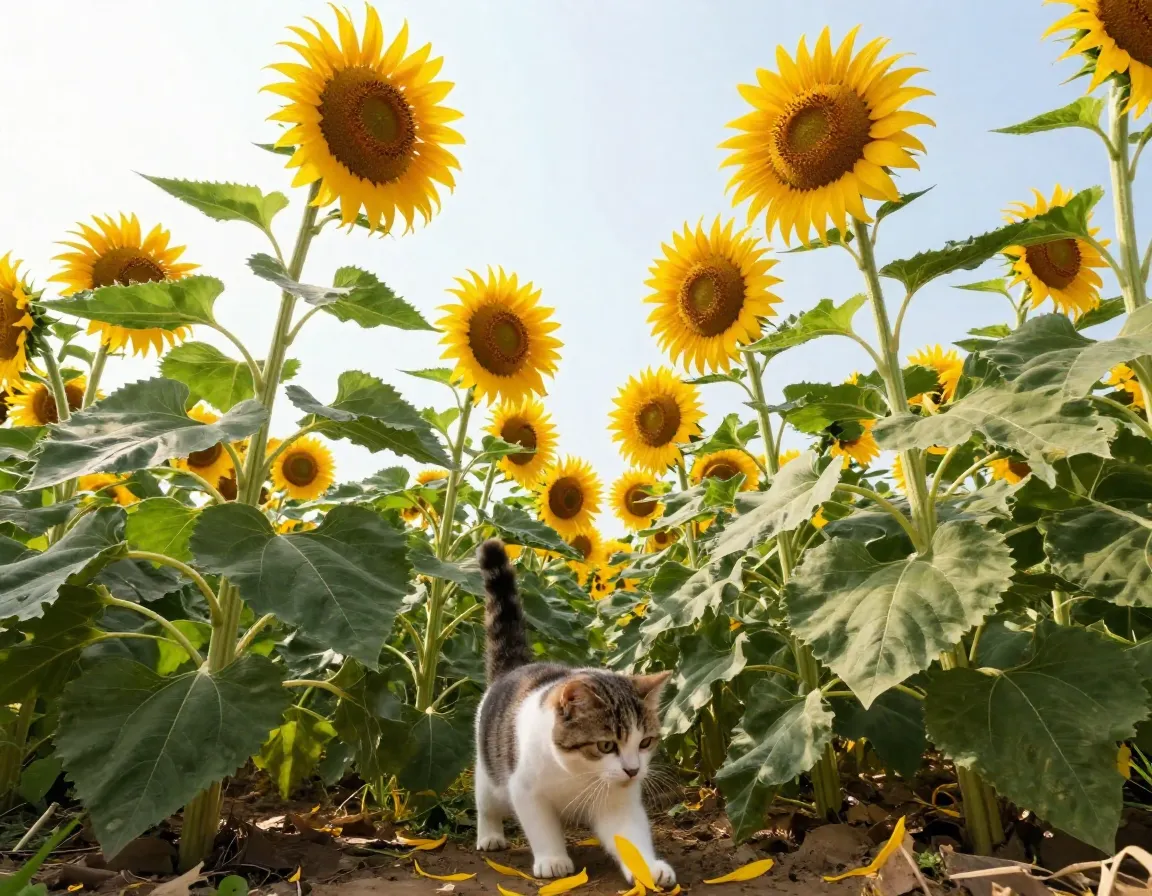
These cheerful giants bring instant joy to any garden while remaining completely safe for cats [3][6]. Sunflowers are particularly wonderful because their height keeps the blooms out of most cats’ reach, while their non-toxic nature means even fallen petals pose no risk.
Key Features:
- Bright yellow blooms up to 12 inches across
- Heights ranging from 2-15 feet
- Attracts beneficial pollinators
- Edible seeds (safe for cats in small amounts)
Garden Benefits: Sunflowers create natural vertical interest and can serve as living privacy screens. Their sturdy stems withstand wind, and they’re remarkably low-maintenance once established.
3. Marigolds 🧡
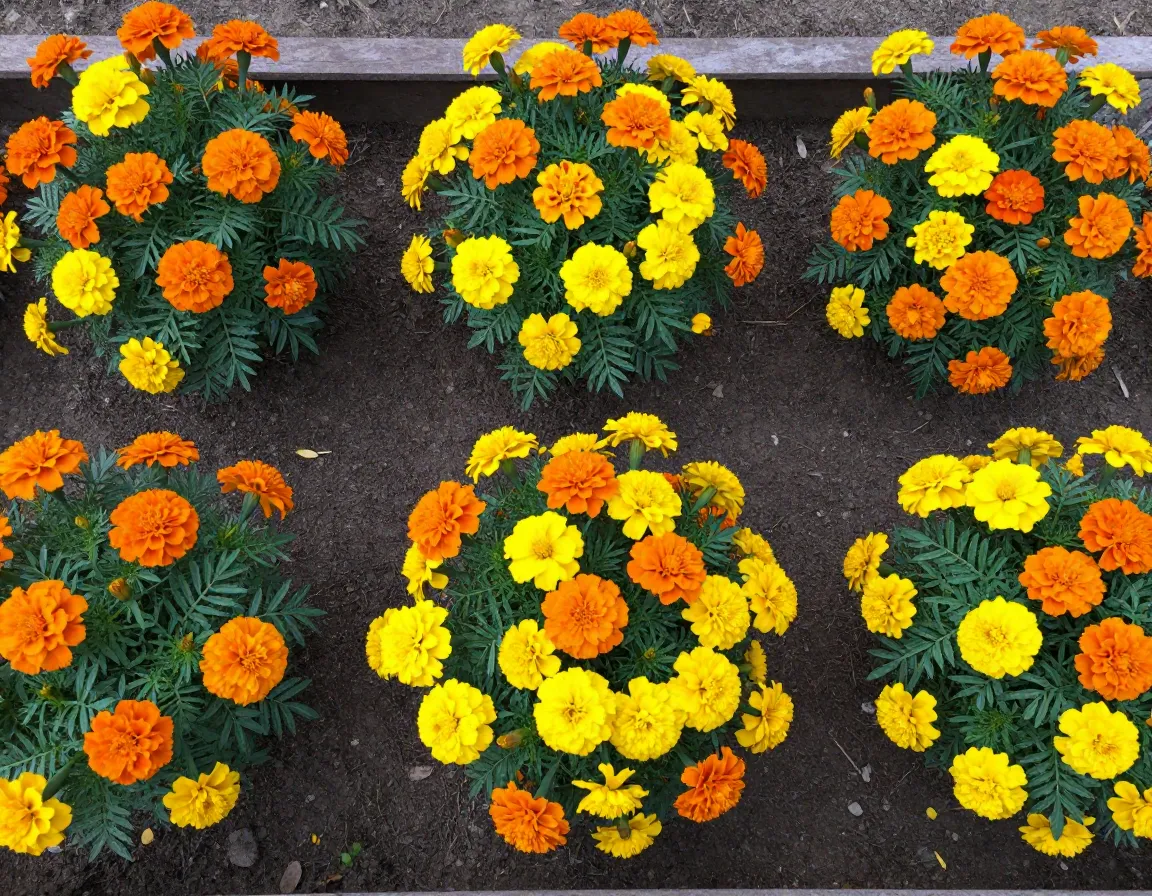
Marigolds offer double benefits in cat-safe gardens: they’re completely non-toxic to felines while naturally repelling many garden pests [3]. These vibrant flowers bloom continuously from spring until the first frost, providing consistent color throughout the growing season.
Key Features:
- Natural insect repellent properties
- Continuous blooming habit
- Available in yellow, orange, and red varieties
- Extremely easy to grow from seed
Pro Tip: Plant marigolds around the perimeter of your garden beds to create a natural barrier against harmful insects while adding bright pops of color.
4. Gerbera Daisies 🌼
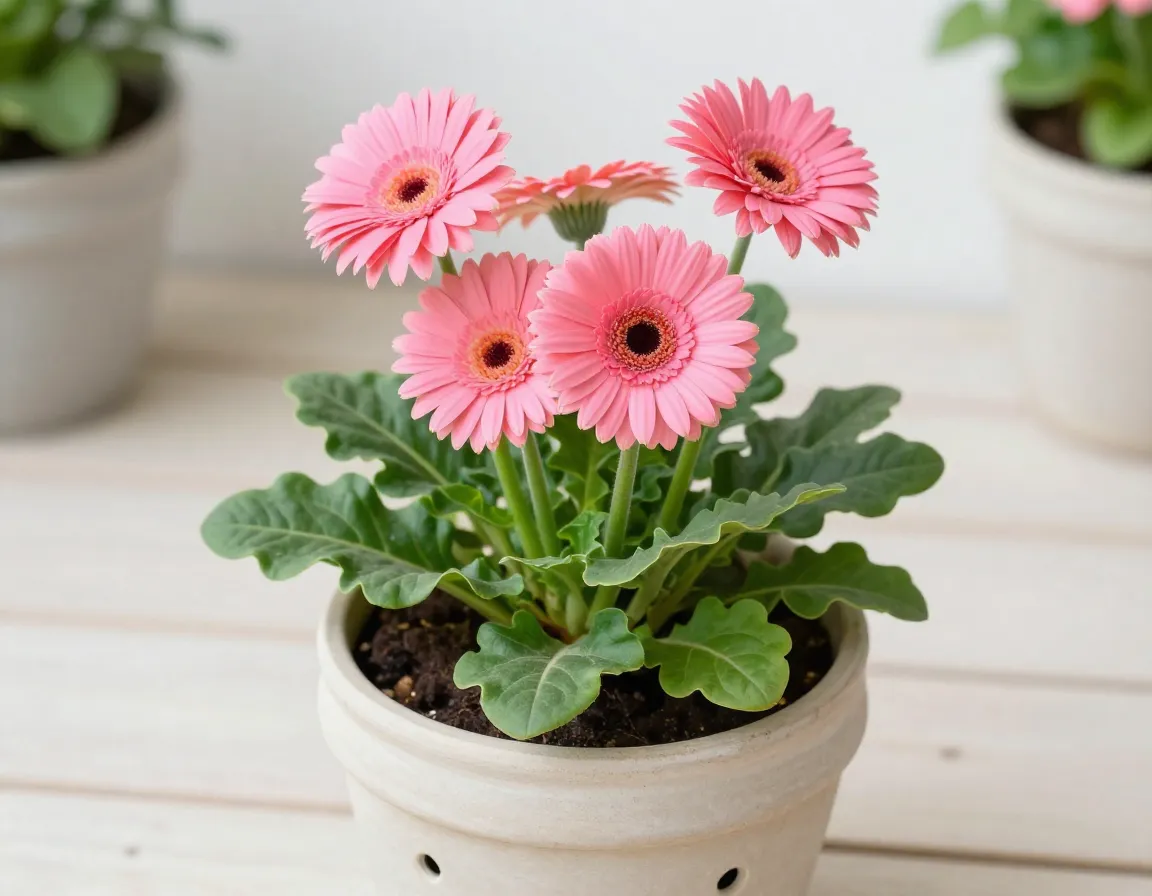
With their bold, cheerful blooms in vibrant pink, red, yellow, and white, gerbera daisies are perfect for adding instant color to cat-safe gardens [3][8]. These flowers work beautifully in both garden beds and containers, making them versatile choices for any space.
Key Features:
- Large, showy blooms up to 5 inches across
- Long-lasting cut flowers
- Available in numerous bright colors
- Compact growth habit (12-18 inches)
Care Requirements: Gerbera daisies prefer well-draining soil and morning sun with afternoon shade in hot climates. They’re perfect for container gardens where you can easily move them to optimal locations.
5. African Violets 💜
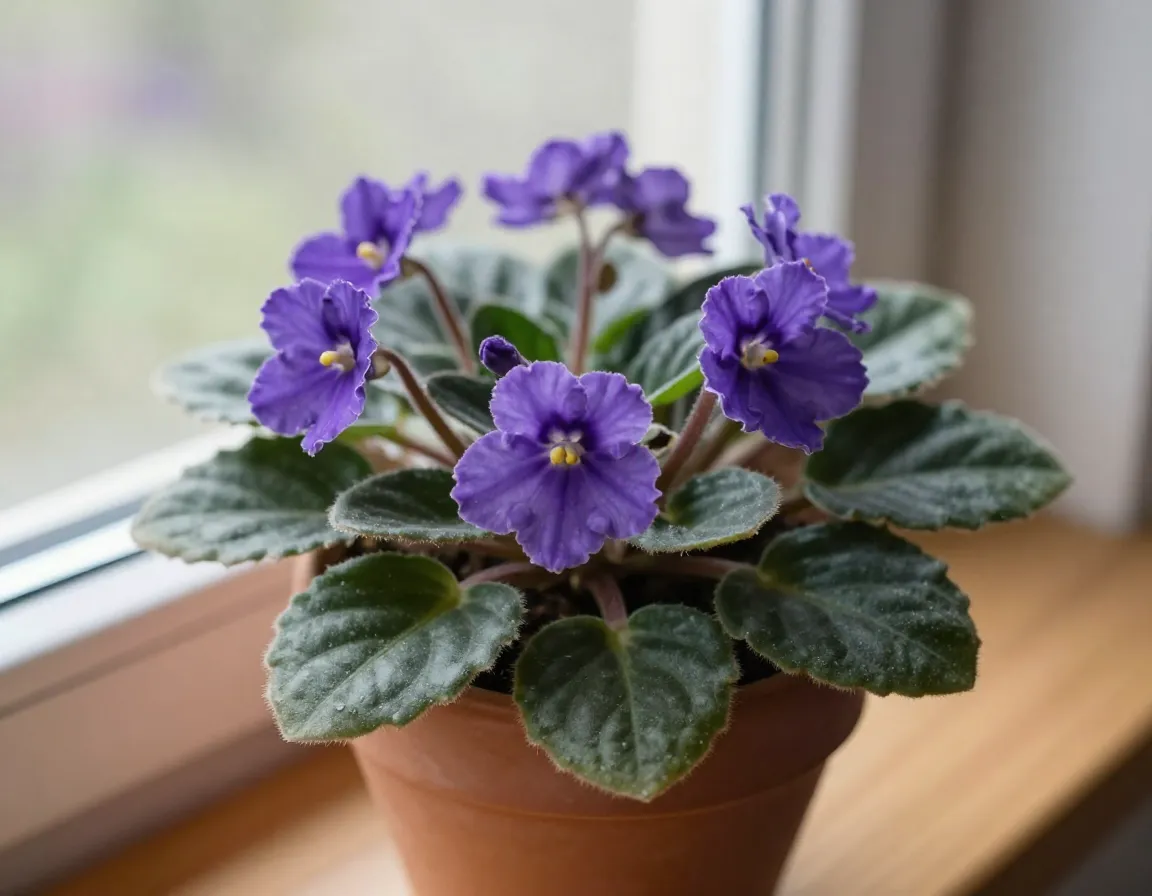
African violets bring delicate beauty to indoor and outdoor spaces while remaining completely safe for cats [4][5]. These charming plants produce clusters of small flowers in purple, pink, and white, making them perfect for adding subtle elegance to your pet-safe garden.
Key Features:
- Compact size (6-8 inches)
- Low maintenance requirements
- Blooms year-round indoors
- Soft, velvety leaves
Indoor/Outdoor Versatility: African violets thrive in bright, indirect light and make excellent houseplants. During warm weather, they can be moved outdoors to shaded garden areas or covered patios.
6. Snapdragons 🐉
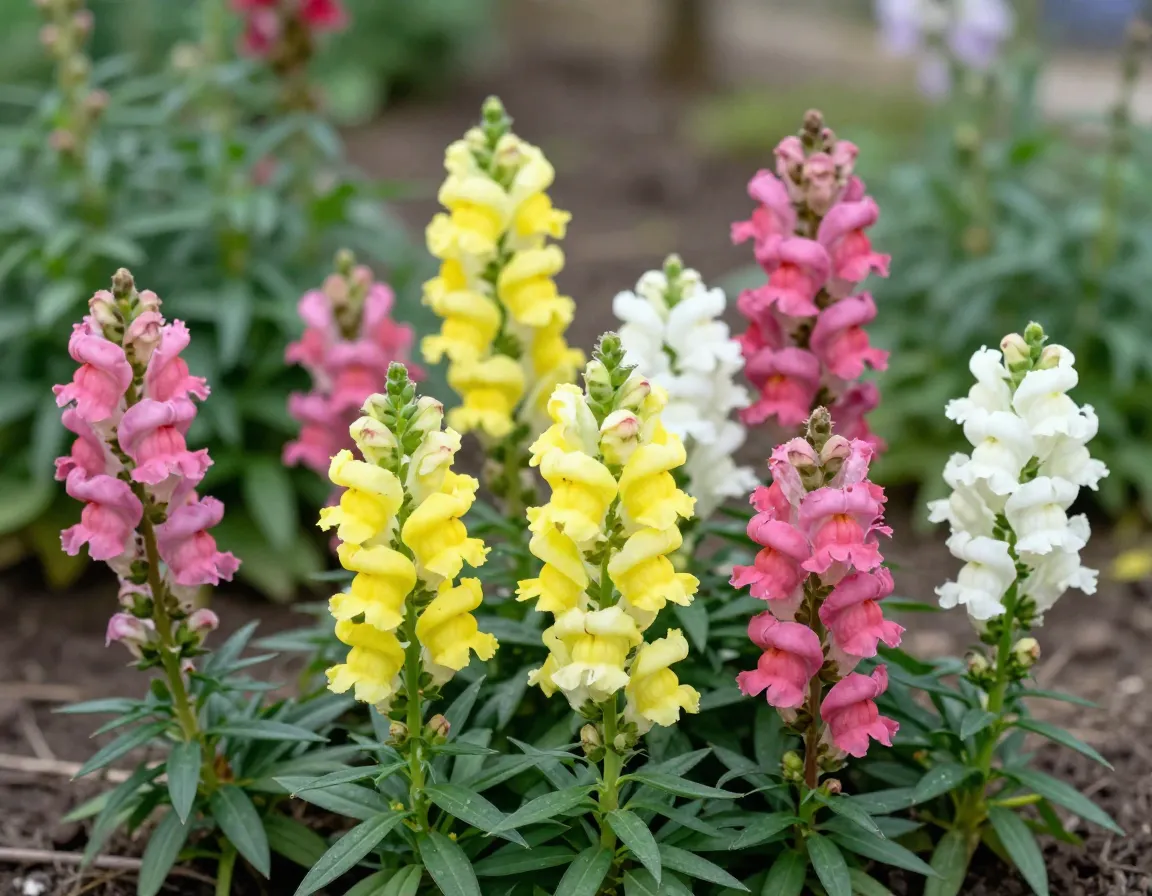
The whimsical snapdragons add vertical interest and playful charm to cat-friendly gardens [6][7]. Their unique “dragon mouth” flowers come in a rainbow of colors and create stunning displays when planted in groups.
Key Features:
- Unique flower shape that “snaps” when squeezed
- Available in heights from 6 inches to 3 feet
- Cool-weather bloomers (spring and fall)
- Excellent cut flowers
Garden Design: Use tall varieties as background plants and shorter ones for borders. Snapdragons prefer cooler weather and may stop blooming during hot summer months, but they’ll often return with vigor in fall.
7. Orchids 🌺
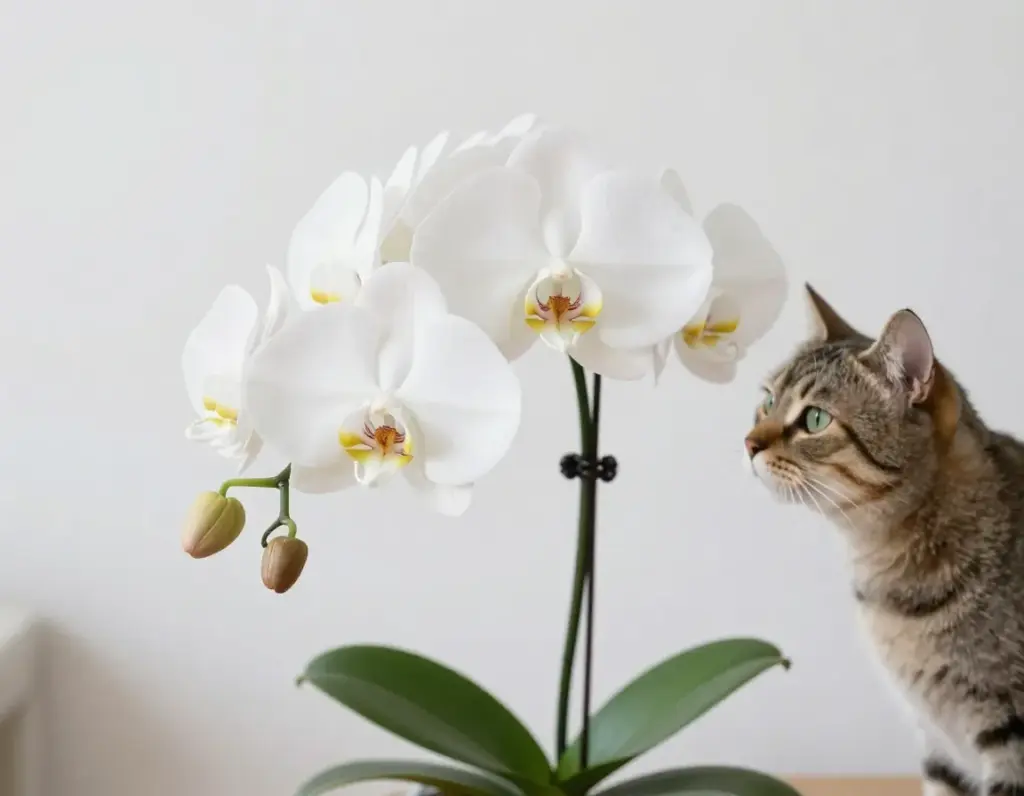
Orchids might seem like exotic, high-maintenance choices, but many varieties are surprisingly easy to grow and completely safe for cats [3]. Cattleya, Oncidium, and Epidendrum species are particularly good choices for beginners.
Key Features:
- Exotic, elegant blooms
- Long-lasting flowers (weeks to months)
- Multiple safe varieties available
- Can be grown indoors or in protected outdoor areas
Growing Success: Start with easier varieties like Phalaenopsis (moth orchids) which adapt well to home conditions. Provide bright, indirect light and good air circulation for best results.
8. Asters ⭐
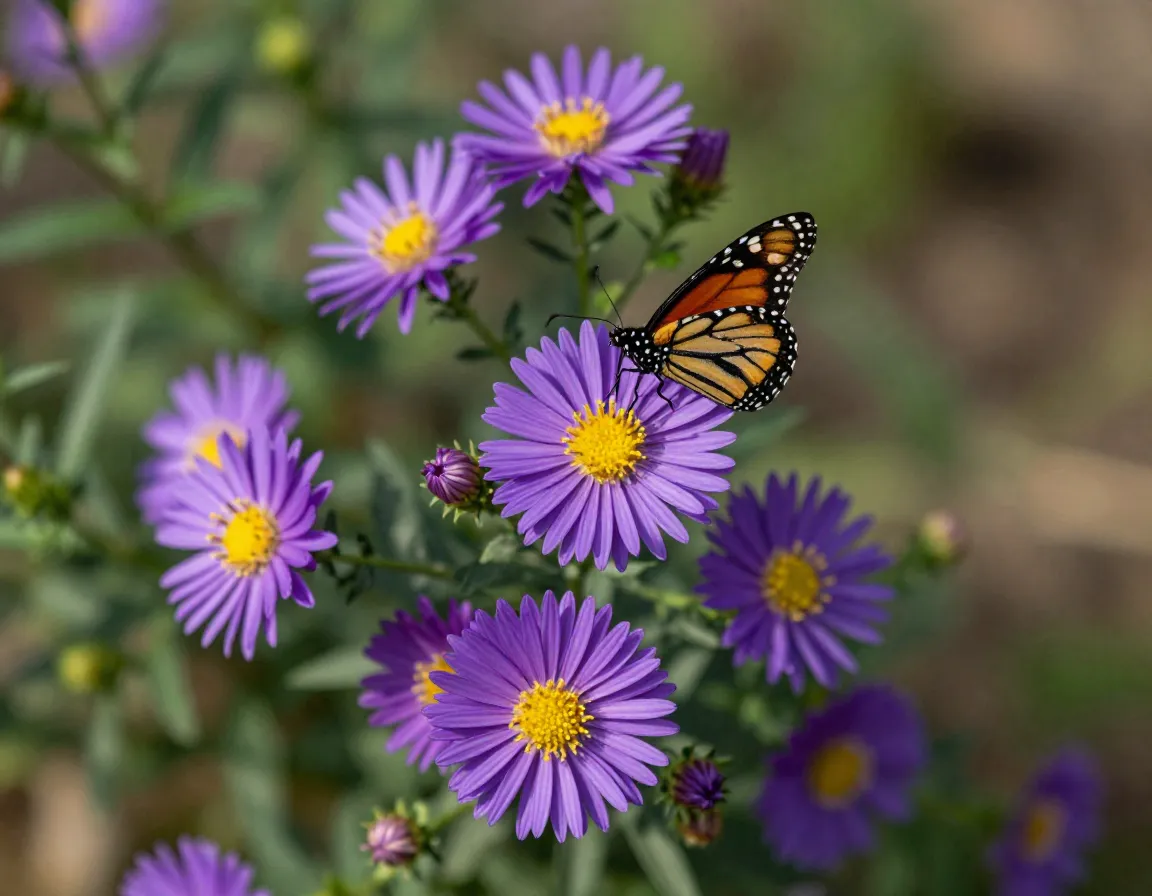
Asters round out our list with their star-shaped flowers in shades of pink, blue, and white [5]. These late-season bloomers provide important color when many other flowers are fading, making them valuable additions to cat-safe gardens.
Key Features:
- Late summer and fall blooming
- Star-shaped flowers in clusters
- Attracts butterflies and beneficial insects
- Perennial varieties return year after year
Seasonal Value: Asters are particularly valuable because they bloom when many other flowers are finishing for the season, extending your garden’s color well into autumn.
Creating Your Cat-Safe Garden Design
When planning your 8 beautiful flowers not toxic to cats for a pet-safe garden, consider both aesthetics and functionality. Here’s how to design a space that’s beautiful for humans and safe for cats:
Layout Considerations:
Vertical Layering:
- Tall plants (sunflowers, tall snapdragons) in back
- Medium height (roses, gerbera daisies) in middle
- Low-growing (African violets, short marigolds) in front
Color Coordination:
- Warm palette: Yellow sunflowers, orange marigolds, red roses
- Cool palette: Purple asters, white gerbera daisies, pink snapdragons
- Mixed rainbow: Incorporate all colors for maximum impact
Seasonal Interest:
- Spring: Snapdragons, early roses
- Summer: Sunflowers, marigolds, gerbera daisies
- Fall: Asters, late-blooming roses
- Year-round: African violets, orchids (in protected areas)
Cat-Friendly Features:
Safe Exploration Paths:
Create wide pathways between flower beds so cats can patrol their territory without trampling delicate plants. Use materials like:
- Smooth river rocks
- Cat-safe mulch (avoid cocoa mulch which is toxic)
- Stepping stones
- Grass pathways
Shade and Shelter:
Include areas where cats can rest and observe their domain:
- Garden benches with space underneath
- Large planters that create natural hideaways
- Pergolas or arbors with climbing roses
Flowers to Avoid: Keeping Cats Safe
While focusing on the 8 beautiful flowers not toxic to cats for a pet-safe garden, it’s equally important to know which flowers pose serious risks. The following flowers should never be planted in gardens accessible to cats:
Extremely Dangerous Flowers:
Lilies 🚫 – All lily varieties can cause acute kidney failure in cats, even from small amounts of pollen [5][6]
Tulips 🚫 – Contain compounds that cause vomiting, diarrhea, and central nervous system depression [6]
Daffodils 🚫 – Bulbs are particularly toxic and can cause severe digestive upset and heart problems [6]
Carnations 🚫 – Can cause mild gastrointestinal upset and skin irritation [6]
Baby’s Breath 🚫 – Contains compounds that cause vomiting and diarrhea [6]
Emergency Action Plan:
If you suspect your cat has ingested a toxic plant:
- Remove any plant material from their mouth
- Don’t induce vomiting unless specifically instructed by a veterinarian
- Contact your veterinarian or pet poison control immediately
- Bring a sample of the plant for identification
Maintenance and Care Tips
Maintaining your 8 beautiful flowers not toxic to cats for a pet-safe garden requires some special considerations when cats are part of the equation:
Cat-Friendly Gardening Practices:
Organic Pest Control:
- Use beneficial insects instead of chemical pesticides
- Companion planting with marigolds for natural pest deterrence
- Hand-picking pests when possible
- Neem oil applications (ensure cats can’t access treated areas until dry)
Safe Fertilization:
- Choose organic, pet-safe fertilizers
- Avoid bone meal and blood meal which can attract cats
- Use compost and organic matter for soil improvement
- Water thoroughly after fertilizing to prevent cats from accessing granules
Pruning and Deadheading:
- Remove spent blooms to encourage continued flowering
- Prune roses carefully to maintain natural thorn barriers
- Clean up fallen petals and leaves regularly
- Dispose of plant material in secured compost bins
Seasonal Care Calendar:
Spring:
- Plant annual varieties after last frost
- Divide and transplant perennials
- Begin regular watering schedule
- Apply organic mulch around plants
Summer:
- Deadhead spent blooms regularly
- Provide extra water during hot spells
- Monitor for pests and diseases
- Enjoy peak blooming season
Fall:
- Collect seeds from annual flowers
- Cut back perennials after first frost
- Plant spring-blooming bulbs (cat-safe varieties only)
- Prepare tender plants for winter protection
Winter:
- Plan next year’s garden additions
- Order seeds and plants for spring
- Maintain indoor plants like African violets and orchids
- Research new cat-safe varieties to try
Cost-Effective Ways to Grow Your Cat-Safe Garden
Creating a stunning display of 8 beautiful flowers not toxic to cats for a pet-safe garden doesn’t have to break the budget. Here are smart strategies for growing beautiful, safe flowers economically:
Budget-Friendly Approaches:
Start from Seeds:
- Marigolds and sunflowers are especially easy to grow from seed
- One packet of seeds can produce dozens of plants
- Save seeds from this year’s flowers for next year’s garden
- Share seeds with friends and neighbors for variety
Propagation Methods:
- Divide perennial asters and African violets
- Take cuttings from roses and snapdragons
- Share plant divisions with other cat-owning gardeners
- Join local plant swap groups
Container Gardening:
- Start with smaller spaces and expand gradually
- Reuse containers with proper drainage holes
- Move tender plants indoors during winter
- Create mobile displays that can be rearranged
Conclusion
Creating a garden filled with 8 beautiful flowers not toxic to cats for a pet-safe garden proves that you don’t have to choose between stunning landscaping and pet safety. From the classic elegance of roses to the cheerful faces of sunflowers, these verified cat-safe options provide endless possibilities for beautiful, worry-free gardens.
The eight flowers featured in this guide—roses, sunflowers, marigolds, gerbera daisies, African violets, snapdragons, orchids, and asters—offer diverse colors, textures, and blooming seasons to create year-round interest. Each has been confirmed as non-toxic by veterinary experts, giving you complete peace of mind as your cats explore and enjoy their outdoor environment.
Your Next Steps:
- Assess your current garden and remove any toxic plants that pose risks to your cats
- Choose 3-4 varieties from this list to start your cat-safe garden transformation
- Plan your layout considering sun requirements, mature plant sizes, and cat pathways
- Start small with container gardens or a single bed, then expand as you gain confidence
- Connect with other cat-owning gardeners to share experiences and plant swaps
Remember, the best garden is one where both you and your cats can relax and enjoy the beauty of nature together. By choosing these verified safe flowers, you’re creating a space that nurtures both your love of gardening and your commitment to keeping your feline friends healthy and happy.
Your cats will thank you for the safe exploration opportunities, and you’ll love having a garden that’s both gorgeous and worry-free. Start planning your pet-safe paradise today! 🌸🐱
References
[1] 15 Cat Friendly Plants For Your Garden – https://blog.greatgardenplants.com/15-cat-friendly-plants-for-your-garden/
[2] 15 Cat Friendly Plants – https://ferrymorse.com/blogs/the-greenhouse/15-cat-friendly-plants
[3] Pet Friendly Flowers Cats Dogs – https://orchidrepublic.com/blogs/news/pet-friendly-flowers-cats-dogs
[4] Cat Friendly Plants Top 34 Easy To Care For Nontoxic Varieties – https://planetdesert.com/blogs/news/cat-friendly-plants-top-34-easy-to-care-for-nontoxic-varieties
[5] Non Toxic Flowers For Cats – https://www.verchawaii.com/blog/non-toxic-flowers-for-cats
[6] Factsheet Cat Friendly Flowers – https://catprotection.org.au/cat-care-factsheets/factsheet-cat-friendly-flowers/
[7] Beautiful Pet Safe Flowers For Home And Garden – https://www.preventivevet.com/pets/beautiful-pet-safe-flowers-for-home-and-garden
[8] 25 Cat Friendly Flowers Safe For Your Pets 2025 Guide – https://smartpetsinfo.com/25-cat-friendly-flowers-safe-for-your-pets-2025-guide/
[9] Cats Plant List – https://www.aspca.org/pet-care/animal-poison-control/cats-plant-list