
8 Reasons Your Cat’s Eyes Are Dilated & When to Call the Vet
Have you ever noticed your feline friend staring at you with pupils so wide they look like black saucers? 🐱 While it might seem mysterious or even a bit unsettling, dilated pupils in cats are actually quite common and can tell us a lot about what’s happening with our furry companions. Understanding the 8 reasons your cat’s eyes are dilated & when to call the vet can be the difference between a normal behavioral response and catching a serious health issue early.
Disclosure: This post contains affiliate links. As an Amazon Associate, we earn from qualifying purchases, and at no extra cost to you.
As a cat owner, I’ve learned that our pets communicate with us in countless ways—and their eyes are one of the most revealing windows into their physical and emotional state. Sometimes dilated pupils are perfectly normal, but other times they signal that immediate veterinary attention is needed.
Key Takeaways
- Environmental factors like low light and excitement during play commonly cause normal pupil dilation in healthy cats
- Medical emergencies such as head trauma, glaucoma, and toxin ingestion require immediate veterinary care
- Chronic conditions including hypertension, infectious diseases, and neurological disorders can cause persistent pupil dilation
- Uneven pupil dilation (anisocoria) is always a red flag that warrants prompt veterinary evaluation
- When in doubt, call your vet—sudden changes in pupil size, especially when accompanied by other symptoms, should never be ignored
Understanding Normal vs. Abnormal Pupil Dilation
Before diving into the specific reasons behind dilated pupils, it’s important to understand what’s normal for your cat. Healthy feline pupils naturally adjust to light conditions throughout the day, expanding in dim environments and contracting in bright light. However, when pupils remain consistently dilated regardless of lighting, or when dilation occurs alongside other concerning symptoms, it’s time to investigate further.
The 8 reasons your cat’s eyes are dilated & when to call the vet range from completely harmless behavioral responses to serious medical emergencies. Learning to distinguish between these scenarios empowers you to provide the best care for your feline companion.
1. Low Light and Environmental Conditions
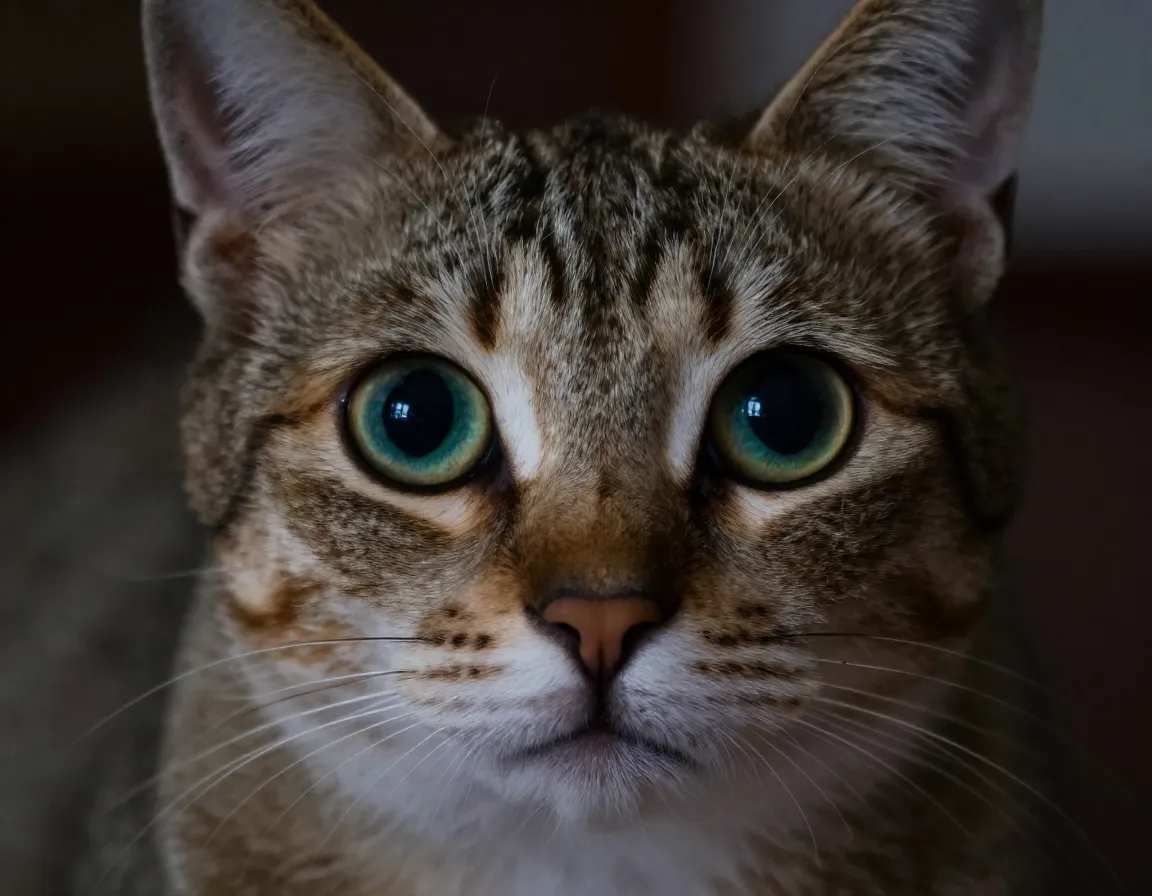
The most common and completely normal reason for pupil dilation is environmental lighting. Cat pupils naturally dilate in low light or dark environments to allow more light into the eyes for improved vision in dim conditions[1]. This evolutionary adaptation makes cats exceptional hunters during dawn and dusk hours.
What’s Normal:
- Pupils expanding when your cat enters a darker room
- Gradual dilation as evening approaches
- Pupils returning to normal size in brighter light
- Both eyes dilating equally
When to Monitor:
If your cat’s pupils remain dilated even in bright light, or if the dilation persists for extended periods regardless of environmental changes, this could indicate an underlying issue requiring veterinary attention.
2. Excitement and Active Playfulness

When cats engage in active play—pouncing on toys or chasing—their pupils expand significantly, allowing more light in to enhance vision during high-energy moments[1][3]. This physiological response helps cats track fast-moving objects and react quickly during interactive play sessions.
Typical Play-Related Dilation:
- Hunting behavior: Stalking toys or laser pointers
- Interactive games: Feather wands, catnip mice
- Zoomies: Sudden bursts of energy and running
- Social play: Wrestling with other cats
The dilation during play is temporary and should return to normal within minutes after the activity ends. This response demonstrates your cat’s natural predatory instincts and is generally a sign of a healthy, engaged feline.
3. Fear, Anxiety, and Stress Responses
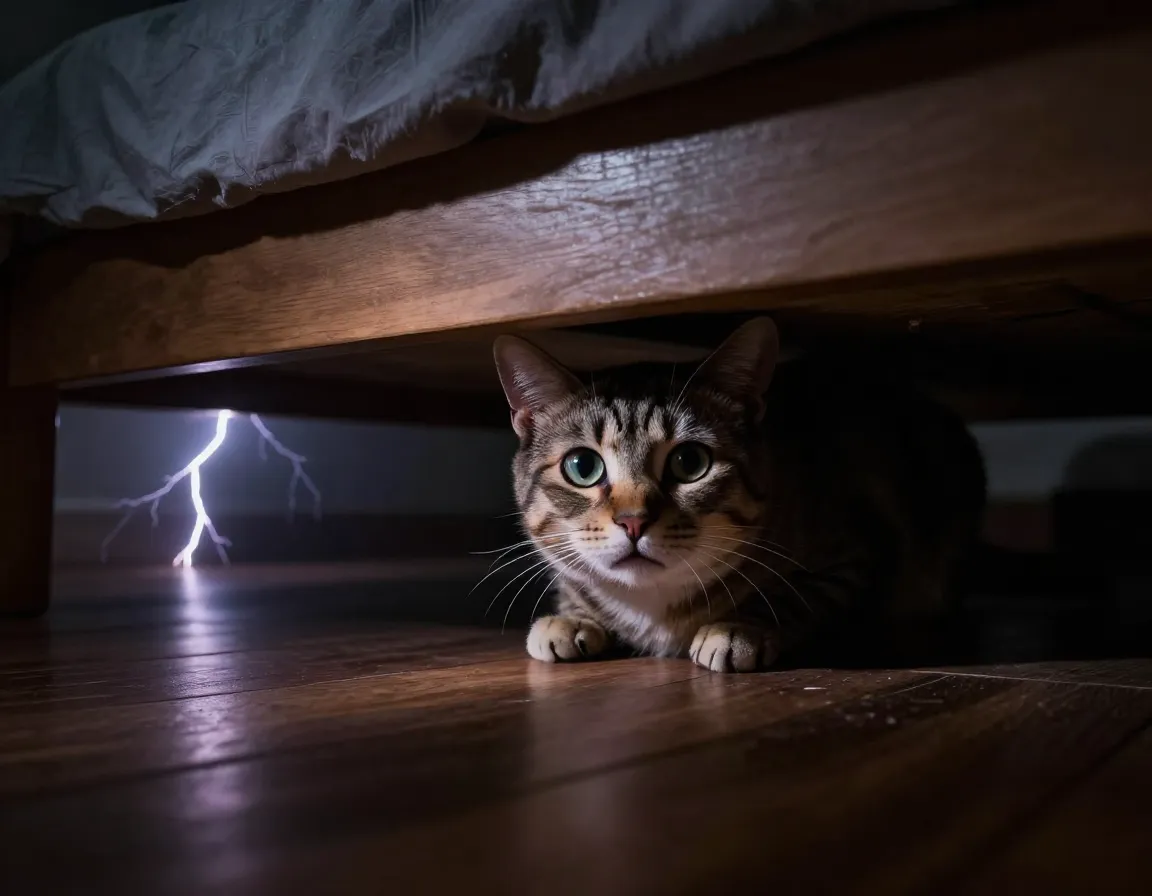
Dilated pupils can indicate that a cat is terrified and may be experiencing emotional distress[1]. The sympathetic nervous system triggers this “fight or flight” response, preparing your cat’s body to react to perceived threats.
Common Stress Triggers:
- Loud noises: Thunderstorms, fireworks, construction
- New environments: Moving to a new home, vet visits
- Unfamiliar people or animals: Strangers in the house
- Changes in routine: New feeding schedules, rearranged furniture
Additional Stress Signs to Watch For:
- Hiding or seeking elevated spaces
- Excessive vocalization or unusual silence
- Changes in appetite or litter box habits
- Aggressive or withdrawn behavior
While stress-related dilation is normal, chronic stress can impact your cat’s overall health. If your cat shows persistent signs of anxiety, consult your veterinarian about behavioral management strategies.
4. Head Trauma and Neurological Injuries
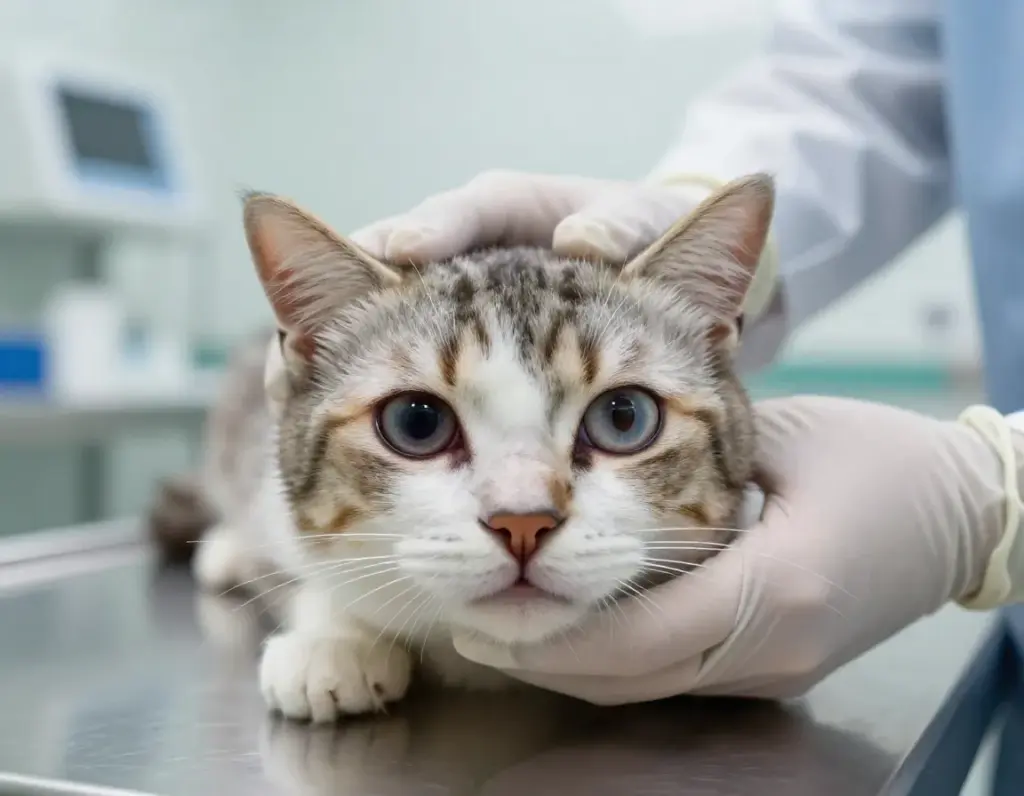
Head trauma represents one of the most serious causes requiring immediate veterinary attention. Traumatic brain injuries can cause pupil dilation, with symptoms ranging from minor neurological deficits to life-threatening impairment[2].
Emergency Warning Signs:
- Unequal pupil sizes (anisocoria)
- Pupils that don’t respond to light changes
- Loss of consciousness or altered mental state
- Difficulty walking or loss of coordination
- Seizures or tremors
- Vomiting or loss of appetite
Common Causes of Head Trauma:
- Falls from heights (high-rise syndrome)
- Vehicle accidents
- Blunt force injuries
- Attacks by other animals
🚨 EMERGENCY ALERT: Head trauma requires immediate veterinary care. Even if your cat seems alert after an incident, internal injuries may not be immediately apparent. When dealing with potential head trauma, time is critical for the best outcomes.
5. Glaucoma and Increased Eye Pressure
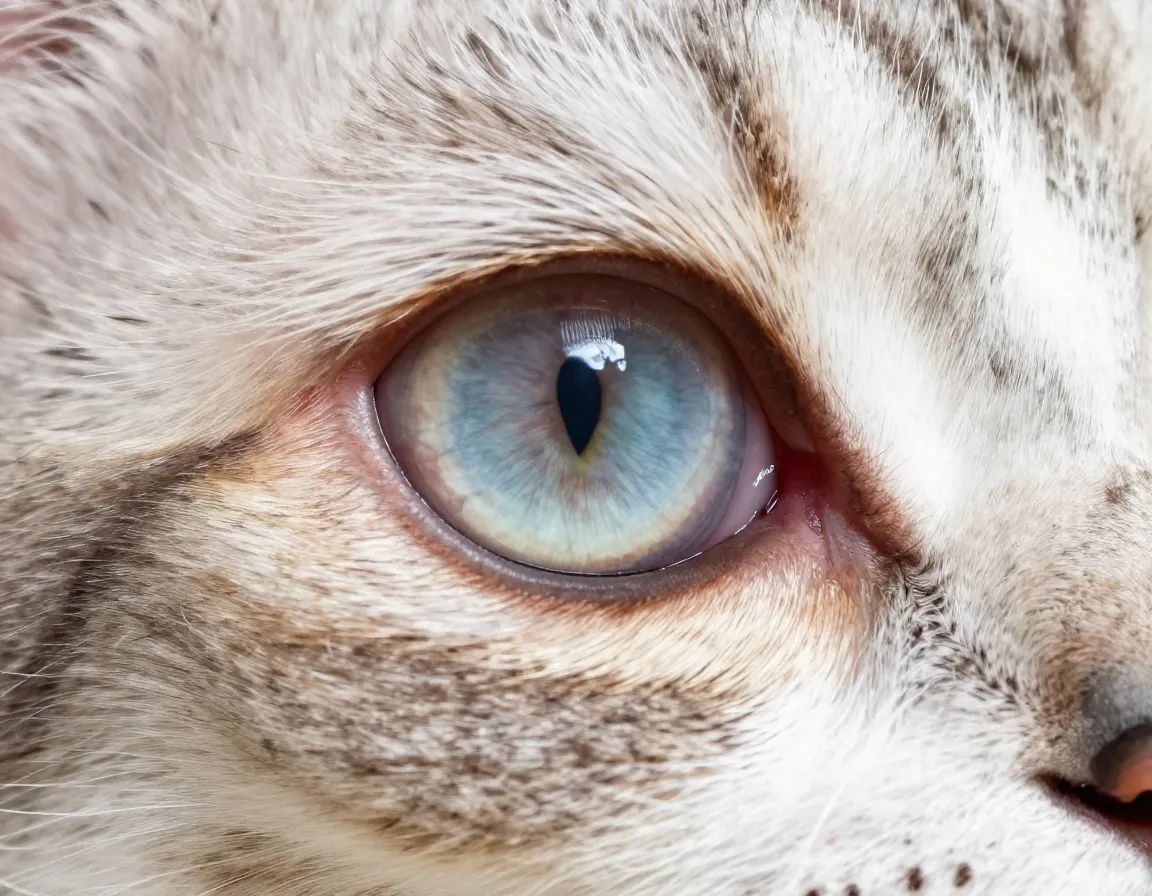
Glaucoma occurs when increased intraocular pressure results in persistently widened pupils and requires immediate veterinary attention[1][2]. This condition can cause permanent vision loss if not treated promptly.
Glaucoma Symptoms:
- Consistently dilated pupils that don’t respond to light
- Eye pain: Squinting, pawing at the eye, reluctance to be touched
- Cloudy or hazy appearance of the eye
- Redness in the white part of the eye
- Vision changes: Bumping into objects, hesitation when moving
Risk Factors:
- Senior cats (over 7 years old)
- Certain breeds with genetic predisposition
- Previous eye injuries or infections
- Other underlying eye conditions
Glaucoma can develop rapidly, and the pressure buildup causes significant discomfort. Early intervention is crucial for preserving vision and managing pain.
6. Progressive Retinal Atrophy and Vision Loss
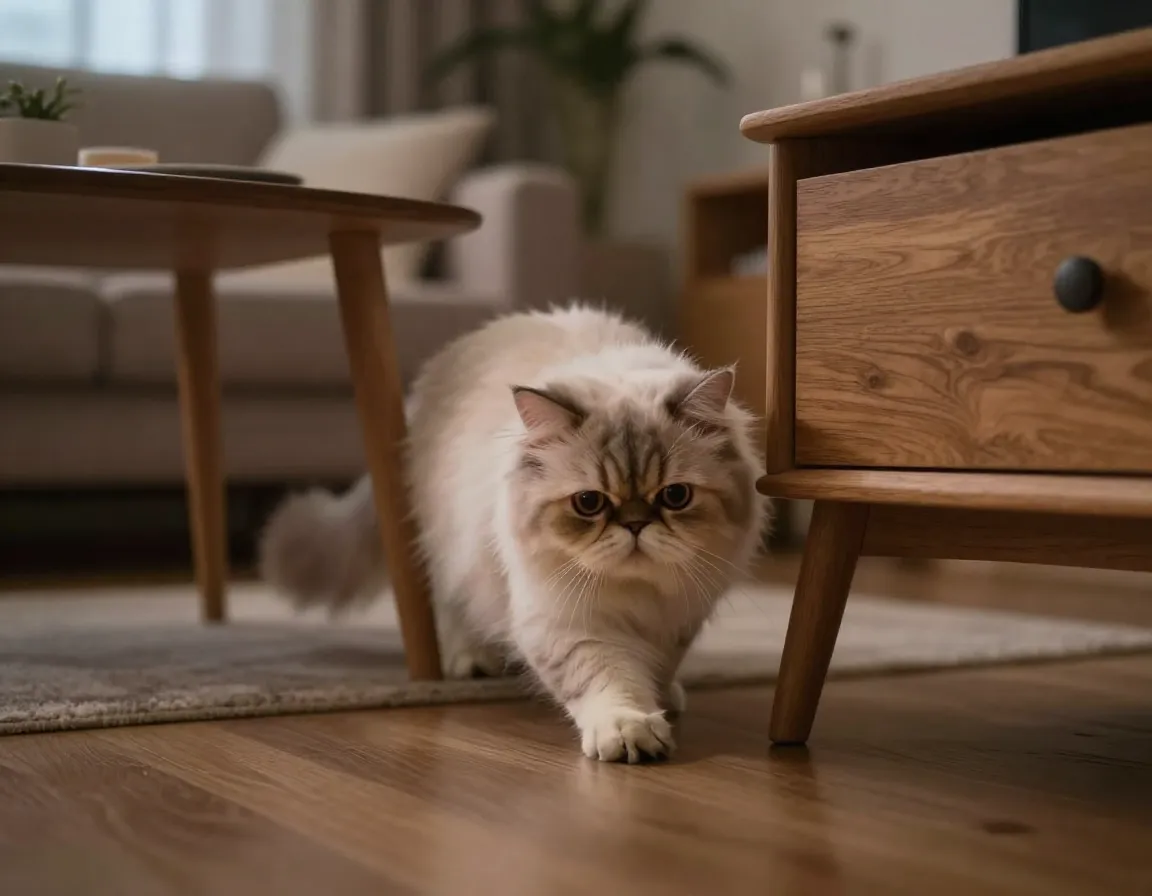
Progressive Retinal Atrophy (PRA) involves the weakening of cells in the eye over time, which can lead to dilated pupils and potentially blindness[1]. This genetic condition typically develops gradually, making early detection challenging.
PRA Progression Signs:
- Night blindness: Difficulty navigating in low light
- Hesitation in familiar spaces: Cautious movement, especially in dim areas
- Bumping into objects: Particularly in changed environments
- Dilated pupils: Often more noticeable in one eye initially
Breeds at Higher Risk:
- Abyssinian cats
- Somali cats
- Persian cats
- Certain mixed breeds with genetic predisposition
While PRA cannot be cured, cats can adapt remarkably well to vision changes when the condition progresses slowly. Your veterinarian can help develop management strategies to keep your cat comfortable and safe.
7. Ocular Tumors and Cancer
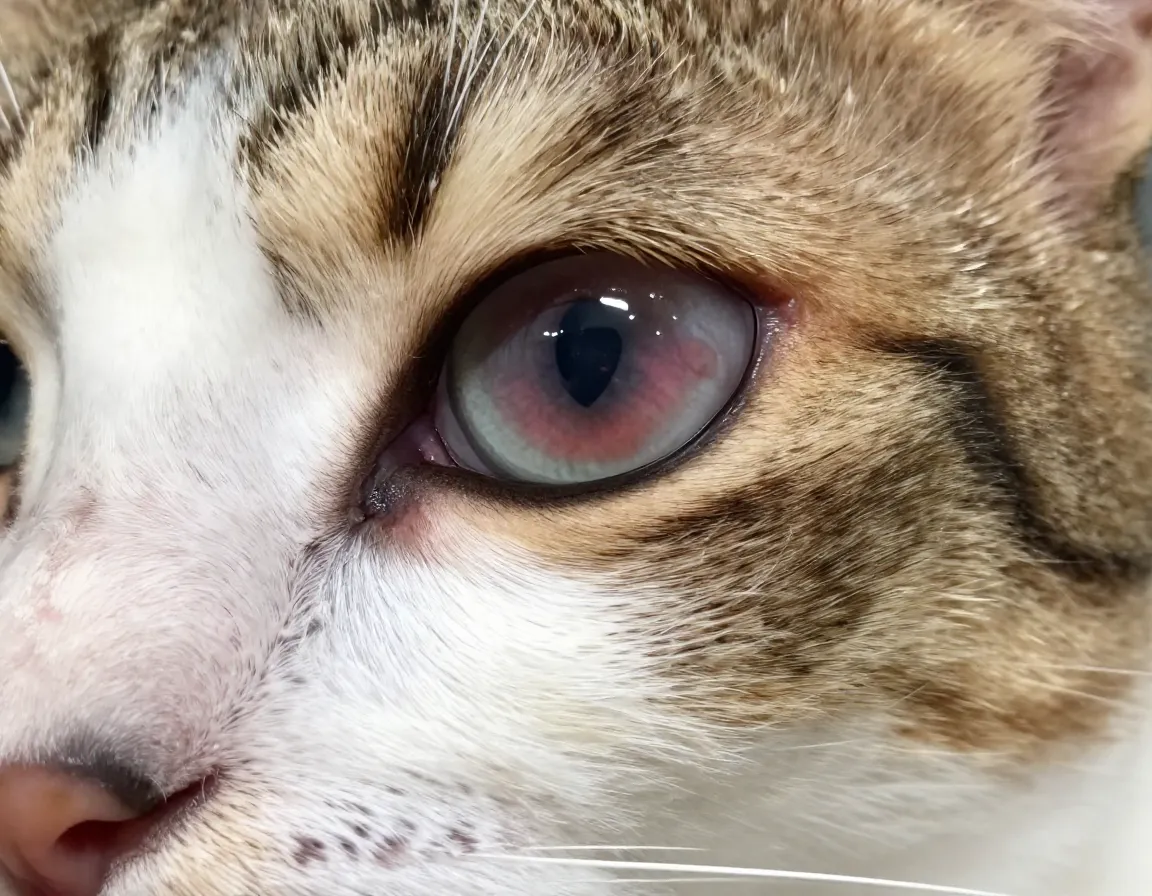
Ocular tumors affecting eye structures can trigger wide pupils, potentially accompanied by chronic pain, third eyelid changes, or cloudy eyes[1]. According to recent veterinary oncology guidelines, early detection significantly improves treatment outcomes[5][8].
Tumor-Related Eye Changes:
- Persistent pupil dilation in one or both eyes
- Visible masses or growths around the eye area
- Changes in eye color or appearance
- Third eyelid protrusion (nictitating membrane)
- Discharge from the affected eye
- Behavioral changes indicating pain or discomfort
Types of Eye Tumors:
- Primary ocular tumors: Originating in eye tissues
- Secondary tumors: Spreading from other body locations
- Benign growths: Non-cancerous but potentially problematic
- Malignant cancers: Requiring aggressive treatment
The 2026 AAHA oncology guidelines emphasize the importance of prompt evaluation for any suspicious eye changes[6]. Early intervention often provides more treatment options and better quality of life outcomes.
8. Systemic Conditions: Infections, Hypertension, and Toxins
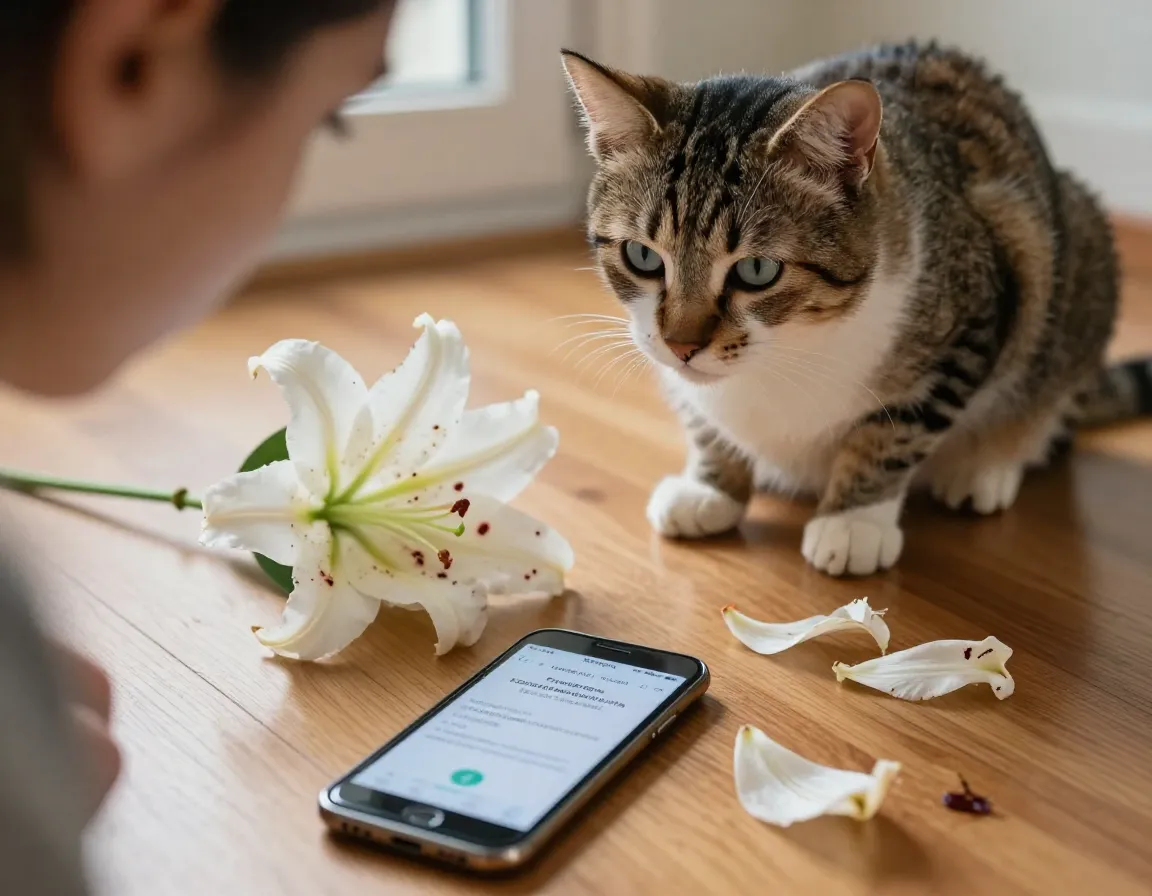
Several systemic health conditions can manifest as dilated pupils, making this symptom an important indicator of overall feline health.
Infectious Diseases
Feline Leukemia (FeLV) and Feline Herpesvirus can cause pupil dilation[1] among other serious symptoms:
- Weight loss and decreased appetite
- Respiratory symptoms
- Recurring infections
- Lethargy and behavioral changes
Hypertension (High Blood Pressure)
High blood pressure may cause dilated pupils along with weight loss, appetite changes, and poor coat quality[1]. Hypertension often develops secondary to other conditions:
- Kidney disease
- Hyperthyroidism
- Heart disease
- Diabetes
Feline Dysautonomia
This neurological condition affecting the autonomic nervous system results in dilated pupils and respiratory symptoms[1]:
- Difficulty swallowing
- Regurgitation of food
- Constipation
- Reduced tear production
Toxin Ingestion
Certain household chemicals, plants, and human foods/drugs can cause eye dilation[1][2]:
Common Household Toxins:
- Cleaning products
- Essential oils
- Certain houseplants (lilies, azaleas)
- Human medications
- Chocolate and caffeine
⚠️ POISON EMERGENCY: If you suspect toxin ingestion, contact your veterinarian or pet poison control hotline immediately. Quick action can prevent serious complications or save your cat’s life.
When to Call Your Veterinarian: Red Flag Symptoms
Understanding when dilated pupils require professional attention is crucial for every cat owner. While some causes are harmless, others demand immediate intervention.
Call Your Vet Immediately If:
| Emergency Symptoms | Possible Causes |
|---|---|
| Unequal pupil sizes | Head trauma, neurological issues |
| Pupils don’t respond to light | Glaucoma, severe trauma |
| Sudden onset with other symptoms | Toxin ingestion, acute illness |
| Signs of pain or distress | Eye injury, increased pressure |
| Loss of coordination | Neurological emergency |
| Difficulty breathing | Dysautonomia, severe stress |
Schedule an Appointment Within 24-48 Hours If:
- Pupils remain dilated for more than a few hours in normal lighting
- Gradual vision changes or bumping into objects
- Changes in appetite, behavior, or litter box habits
- Any discharge from the eyes
- Third eyelid becoming visible
Monitor at Home If:
- Dilation occurs during play and returns to normal quickly
- Pupils respond normally to light changes
- No other concerning symptoms present
- Cat behaves normally otherwise
Prevention and Home Monitoring Tips
While you can’t prevent all causes of pupil dilation, several strategies can help maintain your cat’s eye health and catch problems early:
Regular Health Monitoring:
- Weekly eye checks: Look for changes in pupil size, clarity, discharge
- Behavior observation: Note any vision-related hesitation or changes
- Environmental safety: Remove toxic plants and secure harmful substances
- Stress reduction: Maintain consistent routines and safe spaces
Professional Care:
- Annual veterinary exams: Include thorough eye examinations
- Senior cat care: Increased monitoring for cats over 7 years old
- Breed-specific awareness: Know your cat’s genetic predispositions
- Prompt attention: Don’t delay when concerning symptoms appear
Creating a Safe Environment for Your Cat
Environmental modifications can help prevent some causes of pupil dilation and support cats with vision changes:
Safety Measures:
- Secure balconies and high areas to prevent falls
- Remove or relocate toxic plants
- Store medications and chemicals safely
- Provide consistent lighting in main living areas
Stress Reduction:
- Maintain predictable daily routines
- Create quiet retreat spaces
- Use pheromone diffusers during stressful periods
- Introduce changes gradually
Conclusion
The 8 reasons your cat’s eyes are dilated & when to call the vet encompass everything from normal behavioral responses to serious medical emergencies. As responsible cat owners, our ability to recognize these differences can significantly impact our pets’ health and quality of life.
Remember these key points:
- Environmental factors and excitement often cause harmless, temporary dilation
- Medical conditions like glaucoma, head trauma, and toxin exposure require immediate attention
- Systemic diseases can manifest through eye changes before other symptoms appear
- When in doubt, it’s always better to consult your veterinarian
Take Action Today:
- Observe your cat’s normal pupil behavior in different lighting conditions
- Create a safe environment by removing potential toxins and hazards
- Schedule regular veterinary checkups to catch problems early
- Keep your vet’s contact information easily accessible for emergencies
- Trust your instincts—you know your cat better than anyone
Your cat’s eyes truly are windows into their health and well-being. By staying informed about the 8 reasons your cat’s eyes are dilated & when to call the vet, you’re taking an important step in providing the best possible care for your feline companion. Remember, prompt attention to eye changes can prevent serious complications and ensure your cat enjoys a long, healthy, and comfortable life.
References
[1] Why Do Cats Eyes Dilate – https://total.vet/why-do-cats-eyes-dilate/
[2] Cats Eyes Are Dilated – https://petcube.com/blog/cats-eyes-are-dilated/
[3] 397795e5186a1856422d416b00ae7240 – https://www.oreateai.com/blog/the-fascinating-science-behind-your-cats-dilated-eyes-during-playtime/397795e5186a1856422d416b00ae7240
[4] Why Are My Cat S Eyes Dilated – https://bluegrassanimalhospital.net/blogs/why-are-my-cat-s-eyes-dilated
[5] 2026 Aaha Oncology Guidelines For Dogs And Cats – https://www.aaha.org/resources/2026-aaha-oncology-guidelines-for-dogs-and-cats/
[6] Revamped Aaha Oncology Guidelines Coming 2026 – https://www.avma.org/news/revamped-aaha-oncology-guidelines-coming-2026
[7] January 2026 Ce – https://www.vetmed.ucdavis.edu/sites/g/files/dgvnsk491/files/inline-files/January-2026-CE.pdf
[8] Key Takeaways From Aaha S 2026 Oncology Guidelines – https://www.dvm360.com/view/key-takeaways-from-aaha-s-2026-oncology-guidelines