6 Crucial Red Flags to Avoid When Finding a Husky Puppy for Sale
The excitement of bringing home a fluffy Husky puppy can quickly turn into heartbreak and financial loss if warning signs are ignored. In 2026, puppy scams have reached alarming levels, with fraudulent sellers targeting eager families seeking these beautiful, energetic companions. Understanding the 6 crucial red flags to avoid when finding a Husky puppy for sale can protect families from devastating scams and ensure they welcome a healthy, well-bred puppy into their homes.
Disclosure: This post contains affiliate links. As an Amazon Associate, we earn from qualifying purchases, and at no extra cost to you.
Key Takeaways
- Health documentation is non-negotiable – Reputable breeders always provide genetic testing results and health clearances for breeding dogs
- Direct communication matters – Legitimate sellers welcome phone calls, video chats, and in-person visits to meet puppies and parent dogs
- Payment pressure indicates fraud – Responsible breeders never demand full payment upfront or rush buyers into quick decisions
- Photo verification prevents scams – Reverse image searches can reveal stolen photos used across multiple fraudulent listings
- Age requirements protect puppies – Ethical breeders never sell puppies younger than 8-10 weeks old, following current veterinary guidelines
Understanding the Stakes: Why These Red Flags Matter
The Siberian Husky breed has captured hearts worldwide with their striking appearance, intelligence, and loyal nature. However, this popularity has created a breeding market filled with both ethical professionals and opportunistic scammers. Recognizing red flags when searching for Husky puppies for sale protects families from financial fraud while ensuring puppies receive proper early care.
Puppy scams cost Americans millions of dollars annually, with victims losing an average of $750 per incident. Beyond financial loss, families experience emotional trauma when anticipated puppies never arrive or arrive sick from unethical breeding operations.
1. Absence of Health Testing Documentation 🏥
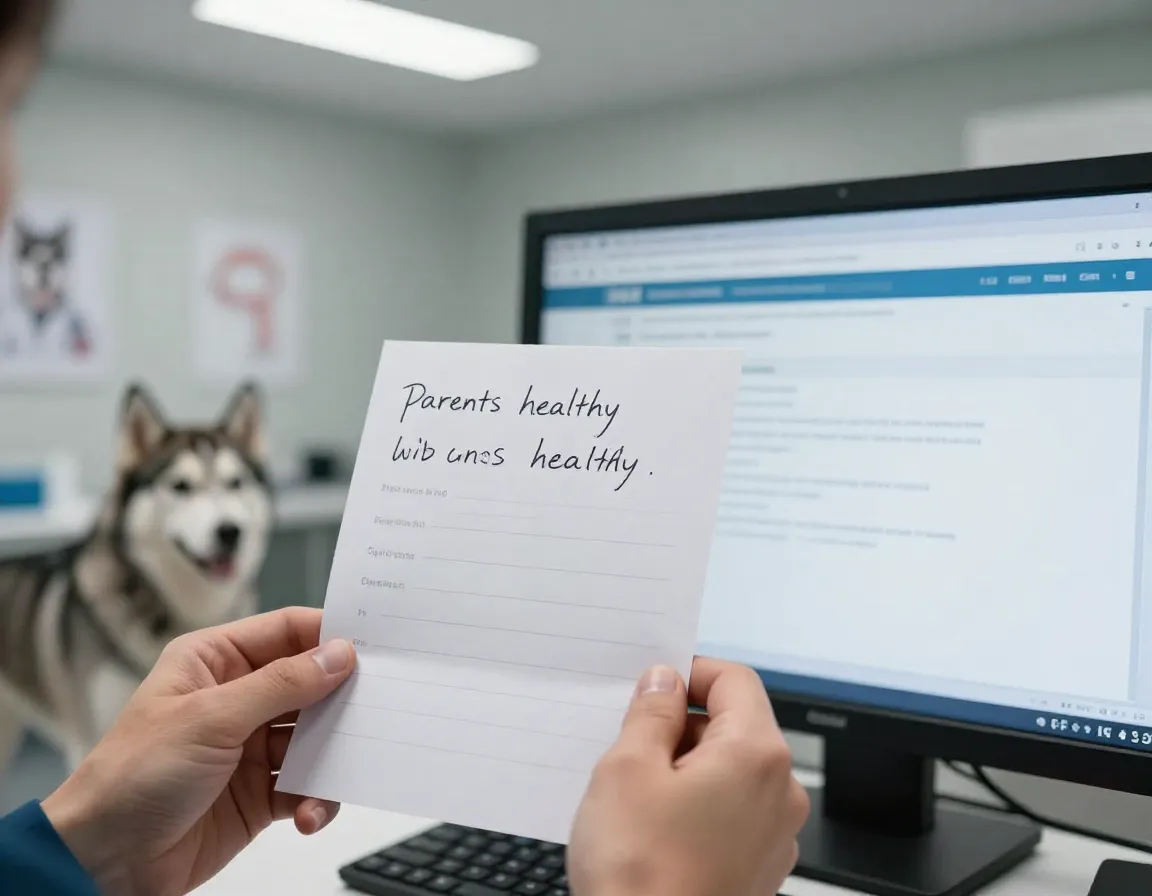
The most critical red flag when evaluating Husky breeders involves their inability or unwillingness to provide comprehensive health testing documentation. Reputable Husky breeders conduct extensive genetic testing on breeding dogs to screen for hereditary conditions common in the breed [2].
Essential Health Tests for Husky Breeding Dogs
| Health Condition | Test Type | Why It Matters |
|---|---|---|
| Hip Dysplasia | OFA/PennHIP X-rays | Prevents painful joint problems |
| Eye Conditions | CERF/OFA Eye Exam | Screens for hereditary blindness |
| Degenerative Myelopathy | DNA Test | Identifies progressive spinal disease |
| Exercise-Induced Collapse | Genetic Screen | Prevents dangerous exercise intolerance |
Warning Signs of Inadequate Health Testing
- Vague health claims without specific test results
- Refusal to show documentation when requested
- Claims that “parents are healthy” without proof
- Missing OFA or equivalent certifications
- No veterinary records for breeding dogs
Legitimate breeders proudly share health testing results and often post them on their websites. They understand that transparent health documentation builds trust and demonstrates their commitment to breeding healthy puppies.
“Responsible breeders are transparent and happy to answer questions about their breeding practices; evasiveness is a significant warning sign.” [2]
2. Refusal to Allow Direct Communication or Visits 📞

One of the most telling red flags involves sellers who avoid phone conversations, video calls, or in-person meetings. Fraudulent sellers often operate internationally and exclusively use email communication to hide their true locations and avoid detection [3].
Communication Red Flags to Recognize
Email-Only Communication:
- Sellers who refuse phone calls or video chats
- Generic email responses that don’t address specific questions
- Delayed responses or evasive answers
- Poor grammar suggesting non-native English speakers
Visit Avoidance:
- Refusal to schedule facility tours
- Excuses about “biosecurity” without valid explanations
- Inability to arrange video calls showing puppies
- Claims that puppies are “not ready” for extended periods
What Legitimate Breeders Offer
Ethical Husky breeders welcome communication and visits because they’re proud of their facilities and breeding programs. They typically:
- Answer phones promptly during reasonable hours
- Schedule facility tours for serious buyers
- Provide video calls to show puppies and parents
- Encourage questions about their breeding practices
- Maintain professional websites with contact information
Meeting the mother dog is particularly important, as it allows buyers to assess her temperament and health while observing the puppy’s early environment [1].
3. Pressure for Immediate Decisions and Full Payment 💰
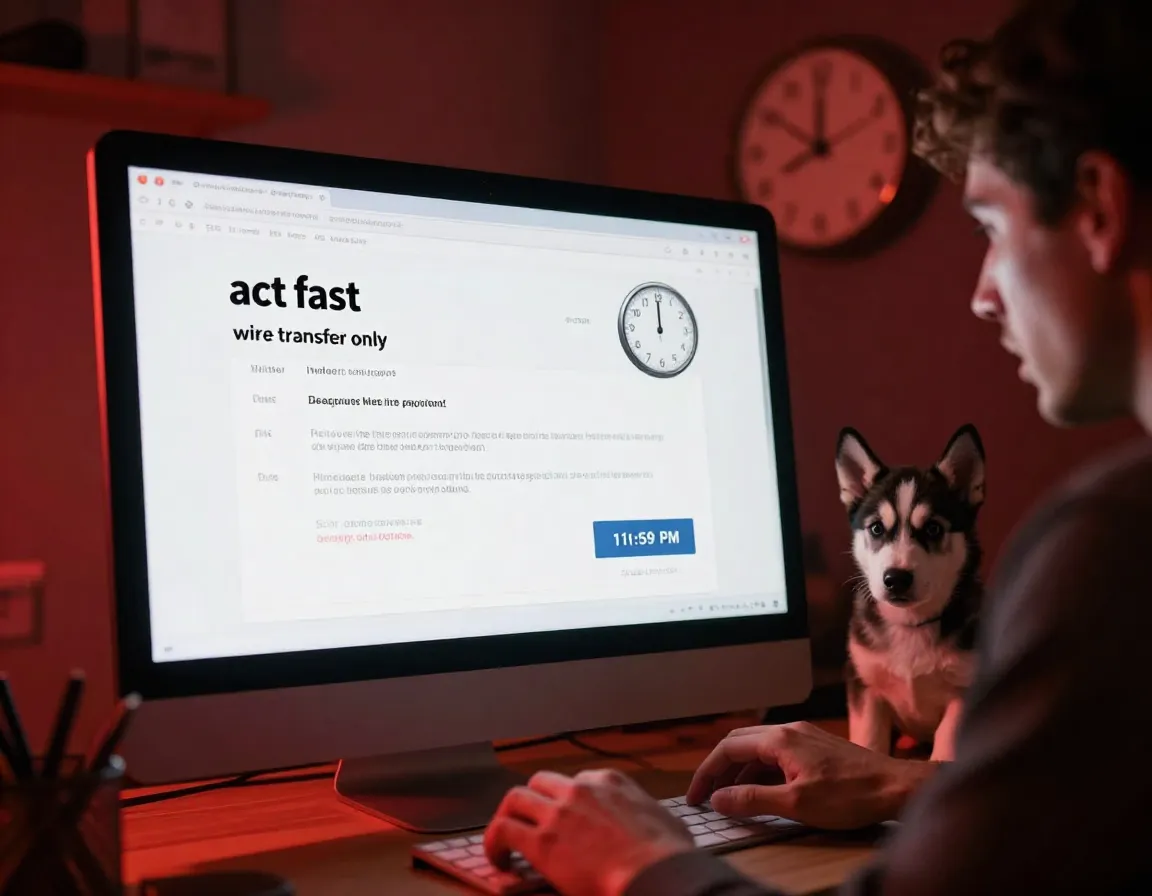
Aggressive sales tactics and payment demands represent major warning signs when evaluating Husky sellers. Legitimate breeders understand that choosing a puppy is a significant decision requiring careful consideration [4].
Payment Red Flags That Signal Trouble
Unreasonable Payment Demands:
- Full payment required before meeting the puppy
- Wire transfers or gift cards as preferred payment methods
- Pressure to “act fast” due to artificial urgency
- Deposits exceeding $300 without justification
- Refusal to accept credit cards or PayPal protection
Safe Payment Practices
| Payment Method | Safety Level | Buyer Protection |
|---|---|---|
| Credit Cards | ✅ High | Chargeback protection |
| PayPal Goods & Services | ✅ High | Dispute resolution |
| Personal Checks | ⚠️ Medium | Limited protection |
| Wire Transfers | ❌ Low | No recovery options |
| Gift Cards | ❌ None | Immediate loss |
Responsible breeders typically request modest deposits ($200-$300) to reserve puppies, with final payment due upon pickup or delivery [4]. They provide contracts outlining terms and offer reasonable timeframes for decision-making.
Recognizing Pressure Tactics
- “This is the last puppy available” claims
- Artificial deadlines for decision-making
- Emotional manipulation about puppy welfare
- Refusal to hold puppies with reasonable deposits
- Multiple “interested buyers” creating false urgency
4. Suspicious Photos and Copied Advertisements 📸

Visual evidence often reveals fraudulent listings when sellers use stolen photos or duplicate advertisements across multiple platforms. Modern technology makes photo verification simple and essential [3].
How to Verify Photo Authenticity
Reverse Image Search Steps:
- Right-click on puppy photos in listings
- Select “Search Google for image” or use TinEye
- Review search results for duplicate usage
- Check multiple photos from the same listing
- Document suspicious findings for reference
Common Photo Scam Indicators
- Professional studio photos that seem too polished
- Identical images across different seller websites
- Stock photo watermarks or copyright notices
- Inconsistent backgrounds between photos
- Missing timestamp information or metadata
Legitimate breeders take original photos showing puppies in their actual environment with consistent backgrounds and lighting. They often provide multiple photos upon request and welcome video calls to show puppies in real-time.
Advertisement Red Flags
Copied Content Warning Signs:
- Identical descriptions on multiple websites
- Generic breed information without specific details
- Pricing that seems too good to be true
- Multiple litters available simultaneously
- Vague location information or missing addresses
5. Poor Living Conditions and Breeding Practices 🏠
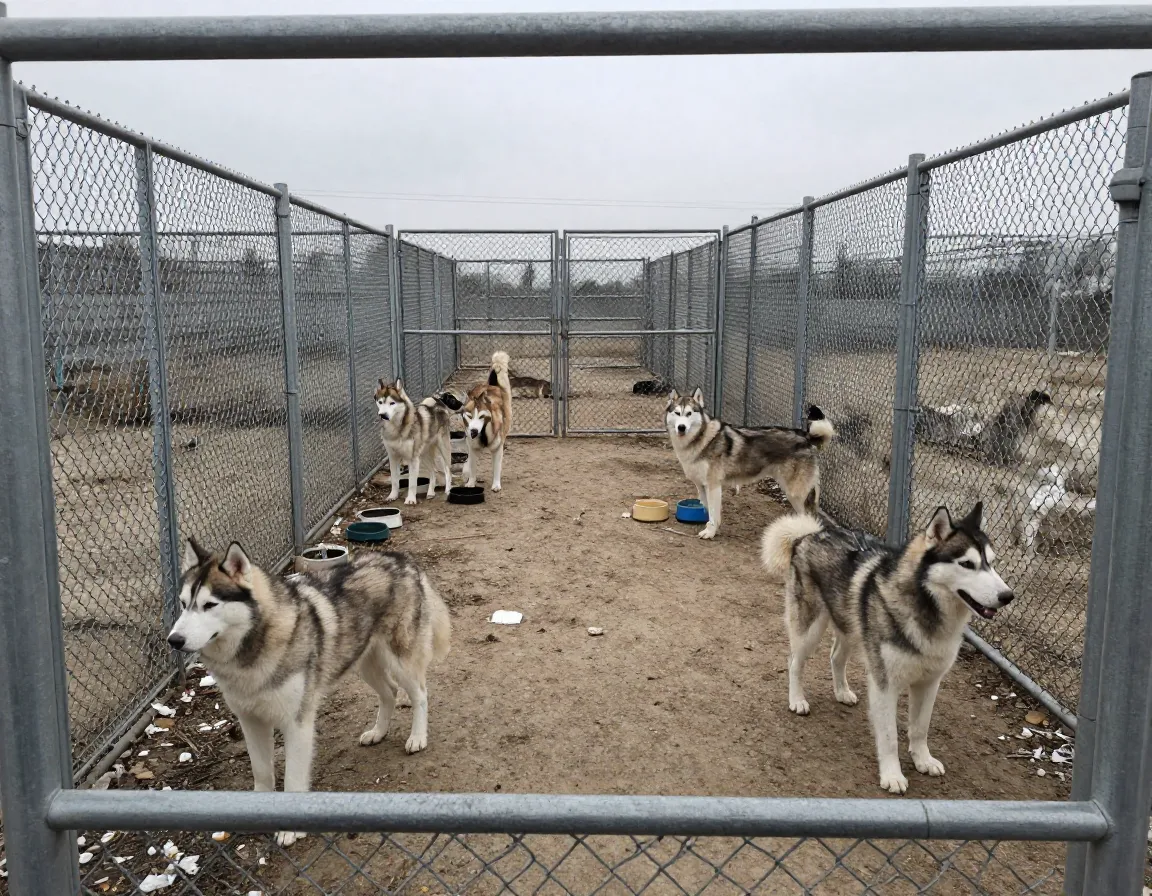
The environment where puppies are raised significantly impacts their health, socialization, and future development. Observing living conditions provides crucial insights into breeder ethics and puppy welfare [2].
Facility Red Flags to Recognize
Concerning Environmental Conditions:
- Overcrowded spaces with too many dogs
- Poor sanitation and waste management
- Limited access to food, water, or shelter
- Lack of enrichment activities or toys
- Stressed or fearful adult dogs
- Multiple breeds being bred simultaneously
Signs of Puppy Mill Operations
Commercial breeding operations often prioritize profit over animal welfare, resulting in:
- High-volume breeding with numerous litters
- Minimal veterinary care or health monitoring
- Early weaning before 8-10 weeks of age
- Limited human socialization for puppies
- Breeding dogs kept in poor conditions
- Focus on quantity over quality breeding
What Quality Facilities Look Like
Ethical Husky breeders maintain:
- Clean, spacious living areas for dogs and puppies
- Proper temperature control and ventilation
- Regular exercise opportunities and enrichment
- Separate areas for different age groups
- Visible food and water stations
- Comfortable resting areas with appropriate bedding
“Facilities should be clean, spacious, and well-maintained, with dogs appearing healthy and having access to food, water, and enrichment activities.” [2]
6. Unrealistic Pricing and Age Violations ⏰
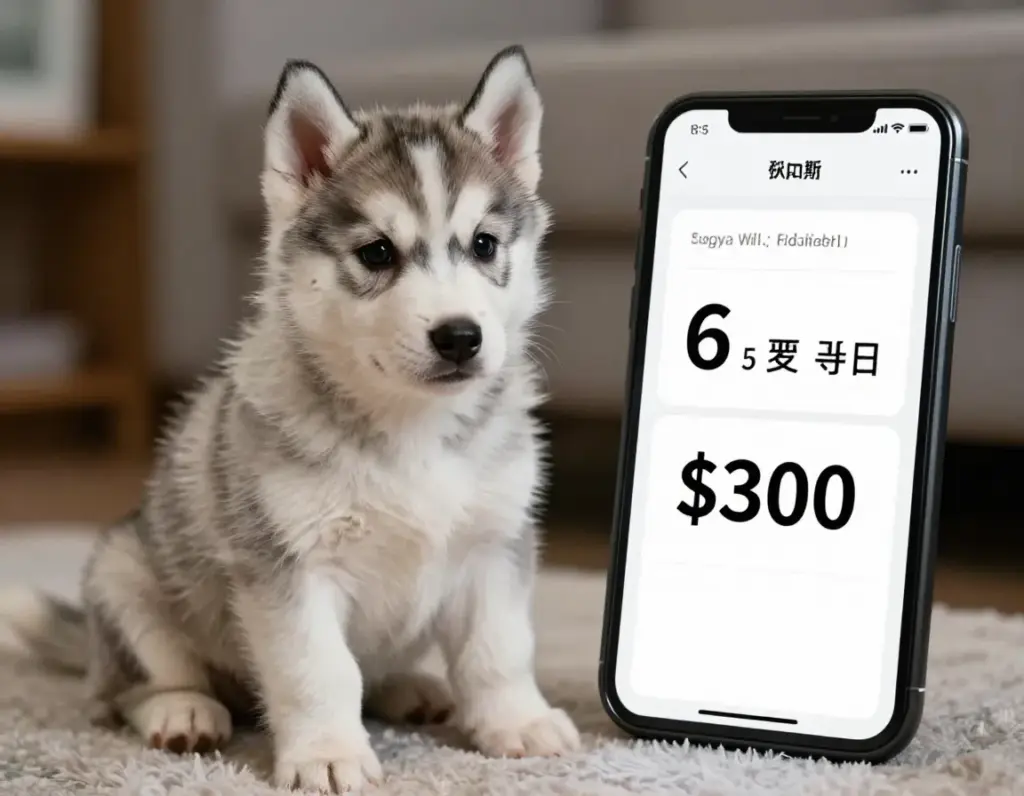
Pricing that seems too good to be true often indicates scams, health problems, or unethical breeding practices. Similarly, selling puppies too young violates current veterinary guidelines and suggests irresponsible breeding [5].
Understanding Fair Market Pricing
Typical Husky Puppy Price Ranges (2026):
- Pet Quality: $800 – $1,500
- Show Quality: $1,500 – $3,000
- Champion Bloodlines: $2,500 – $5,000+
- Rare Colors: Premium pricing may apply
Age-Related Red Flags
Current veterinary guidelines recommend puppies remain with mothers until at least 8-10 weeks of age, with many experts preferring 10-12 weeks for optimal development [5].
Warning Signs of Early Selling:
- Puppies available at 6-7 weeks old
- Pressure to pick up very young puppies
- Claims that early weaning is beneficial
- Missing vaccination schedules due to young age
- Underdeveloped social skills in puppies
Pricing Red Flags
Suspiciously Low Prices Often Indicate:
- Health problems or genetic issues
- Puppy mill operations cutting costs
- Mixed breeding without disclosure
- Scam operations with no actual puppies
- Stolen or sick animals being sold quickly
Extremely High Prices May Signal:
- Unethical focus on rare colors over health
- Inexperienced breeders overvaluing puppies
- Marketing gimmicks without substance
- Fraudulent claims about bloodlines
Additional Warning Signs to Consider
Social Media and Marketing Red Flags
Excessive online advertising often indicates commercial operations rather than ethical breeders who typically maintain waiting lists [1]. Watch for:
- Daily puppy advertisements across multiple platforms
- Always having puppies available without waiting periods
- Generic social media profiles with limited history
- Inconsistent information across different platforms
- Multiple phone numbers or contact methods
Documentation and Contract Issues
Professional breeders provide comprehensive documentation:
- Written contracts outlining responsibilities
- Health guarantees with specific terms
- Registration papers for purebred puppies
- Vaccination records and schedules
- Feeding instructions and care guidelines
How to Find Reputable Husky Breeders
Research Strategies
Start with breed organizations:
- Siberian Husky Club of America breeder directories
- American Kennel Club marketplace listings
- Local kennel clubs and breed-specific groups
- Dog show participants and competitors
- Veterinary referrals from Husky-experienced vets
Questions to Ask Potential Breeders
- Can you provide health testing results for both parents?
- May I visit your facility and meet the mother dog?
- What health guarantees do you offer?
- How do you socialize your puppies?
- What support do you provide after purchase?
- Can you provide references from previous buyers?
Conclusion
Recognizing the 6 crucial red flags to avoid when finding a Husky puppy for sale empowers families to make informed decisions while protecting themselves from scams and unethical breeders. The absence of health documentation, communication avoidance, payment pressure, suspicious photos, poor living conditions, and unrealistic pricing all signal potential problems that could lead to heartbreak and financial loss.
Take action by thoroughly researching potential breeders before making any commitments. Verify health testing documentation, insist on facility visits or video calls, use secure payment methods, and trust your instincts when something feels wrong. Remember that reputable breeders welcome questions and transparency because they’re proud of their breeding programs and genuinely care about puppy welfare.
Your next steps should include:
- Creating a checklist based on these red flags
- Researching multiple breeders before deciding
- Asking for references from previous buyers
- Scheduling facility visits or video calls
- Verifying all documentation before payment
By staying vigilant and informed, families can successfully navigate the process of finding a healthy, well-bred Husky puppy from ethical breeders who prioritize animal welfare over profit.
References
[1] Thinking Of A New Puppy 7 Red Flags That Could Mean Its A Scam – https://rockykanaka.com/thinking-of-a-new-puppy-7-red-flags-that-could-mean-its-a-scam/
[2] Husky Puppies For Sale Expert Tips For Selecting The Right Breeder – https://bamahuskies.com/husky-puppies-for-sale-expert-tips-for-selecting-the-right-breeder/
[3] Spot Puppy Scam – https://www.akc.org/expert-advice/advice/spot-puppy-scam/
[4] Watch – https://www.youtube.com/watch?v=qEUYqGftT7M
[5] Dog Breeder Red Flags – https://www.kinship.com/dog-lifestyle/dog-breeder-red-flags