
7 Care Tips for Your Tiny Dachshund Puppy’s Big Personality
Picture this: a pint-sized pup with the confidence of a Great Dane, the stubbornness of a mule, and the heart of a lion. Welcome to life with a Dachshund puppy! 🐕 These “sausage dogs” may be small in stature, but their personalities are absolutely enormous. Behind those adorable floppy ears and tiny legs lies a fearless hunter’s spirit that can turn your quiet home into an adventure zone overnight.

Disclosure: This post contains affiliate links. As an Amazon Associate, we earn from qualifying purchases, and at no extra cost to you.
Bringing home a Dachshund puppy means welcoming a bold, intelligent, and sometimes mischievous companion who will challenge everything you thought you knew about small dogs. These remarkable little dogs were originally bred to hunt badgers in German burrows, which explains why your 8-week-old puppy acts like they own the entire house! Understanding these 7 care tips for your tiny Dachshund puppy’s big personality will help you navigate the exciting journey ahead while keeping your furry friend healthy, happy, and well-behaved.
Key Takeaways
- Protect their spine: Use harnesses instead of collars and implement ramp training early to prevent back injuries
- Feed appropriately: Small-breed formulas support their rapid growth and high energy needs
- Train smartly: Keep sessions short (5 minutes max) and focus on positive reinforcement methods
- Exercise carefully: Low-impact activities and mental stimulation are better than high-impact play
- Start dental care early: Daily brushing prevents future dental problems common in the breed
Understanding Your Dachshund Puppy’s Unique Needs
Before diving into the specific 7 care tips for your tiny Dachshund puppy’s big personality, it’s essential to understand what makes these dogs so special. Dachshunds were bred for independence, courage, and determination – traits that served them well when hunting dangerous prey underground[5]. Today, these same characteristics can manifest as stubbornness during training, fearlessness around much larger dogs, and an unwavering belief that they’re the boss of the household.
Their elongated spine and short legs create unique physical considerations that don’t apply to other breeds. Meanwhile, their hunting instincts mean they’ll chase anything that moves, from squirrels to shadows. Understanding these breed-specific traits is crucial for providing proper care that honors both their physical limitations and their spirited personalities.
Essential Physical Care and Safety Measures
1. Implement Harness Training and Spinal Protection
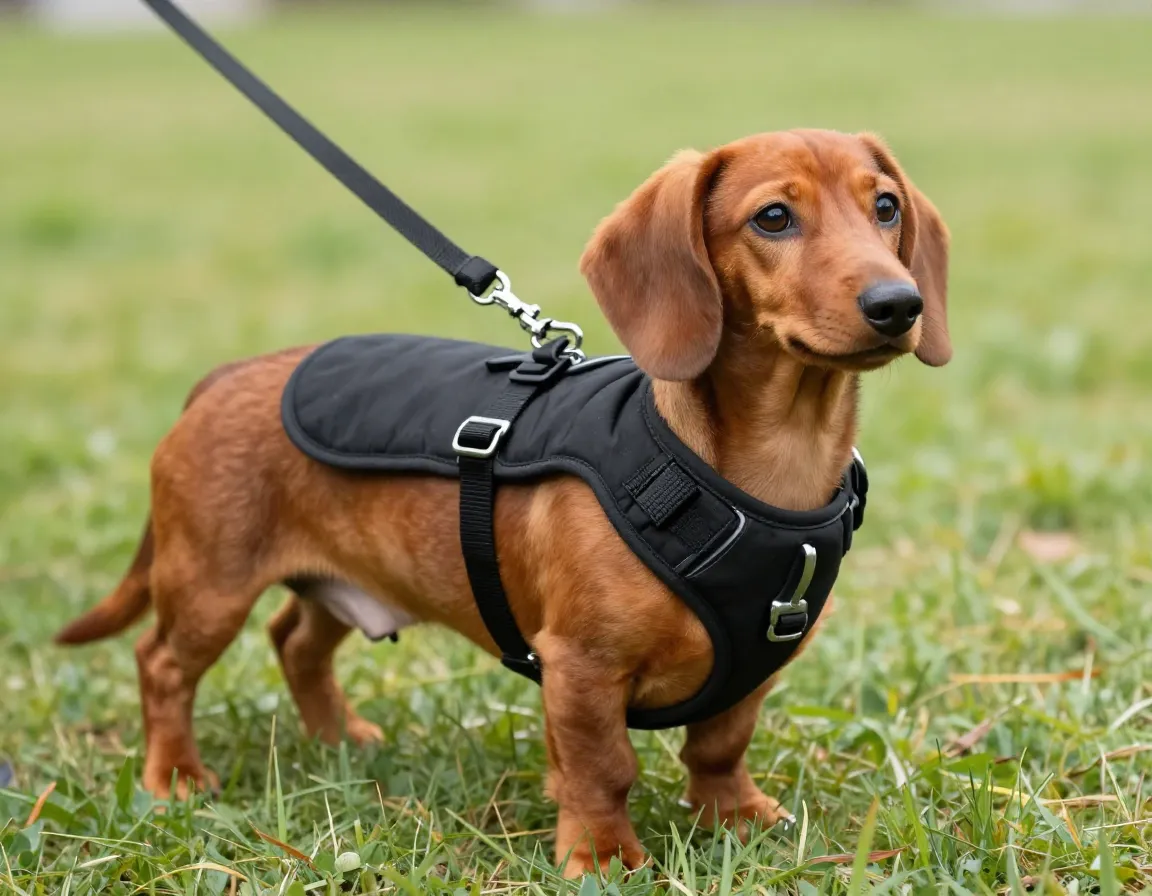
The first of our 7 care tips for your tiny Dachshund puppy’s big personality focuses on protecting their most vulnerable feature – their spine. Harness-style leashes are absolutely essential for Dachshunds because their delicate throats and necks cannot handle the pressure from traditional collars[1]. Even gentle pulling can cause serious injury to their trachea and cervical vertebrae.
Key harness features to look for:
- Wide chest plate for pressure distribution
- Adjustable straps for growing puppies
- Soft padding to prevent chafing
- Front-clip attachment to discourage pulling
2. Start Ramp Training Immediately
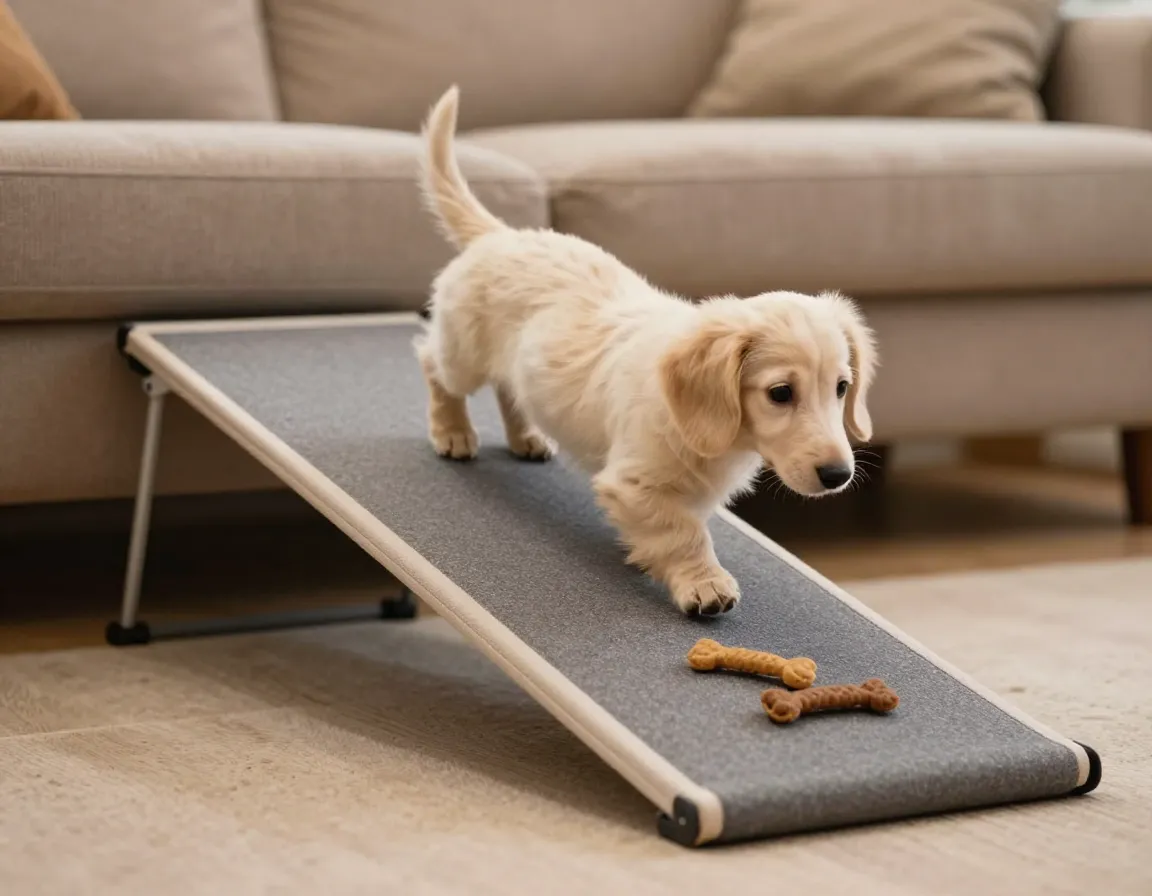
Ramp training should begin as early as possible because jumping from furniture can cause significant spinal injury over time[2]. Even a small jump from a couch can compress their vertebrae and lead to painful conditions like intervertebral disc disease (IVDD) later in life.
Ramp training steps:
- Place the ramp at a gentle angle next to low furniture
- Use treats to encourage your puppy to walk up and down
- Practice daily until it becomes second nature
- Gradually increase the height as they grow comfortable
- Never allow jumping even when they seem eager
“Prevention is always better than treatment when it comes to Dachshund spinal health. Teaching ramp use early can save your dog from painful surgeries and mobility issues later in life.”
3. Choose the Right Nutrition for Rapid Growth

Small-breed formulas are specifically designed for Dachshunds to support their rapid growth and high energy levels[1]. These puppies burn calories quickly and need nutrient-dense food that provides sustained energy without causing weight gain that could stress their spine.
Feeding guidelines:
- Consult your veterinarian for proper portion sizes based on age and weight
- Feed 3-4 small meals daily rather than one large meal
- Monitor body condition – you should feel ribs easily but not see them
- Avoid overfeeding as excess weight puts dangerous pressure on their back
| Age Range | Meals Per Day | Key Nutrients |
|---|---|---|
| 8-12 weeks | 4 meals | High protein, DHA |
| 3-6 months | 3 meals | Balanced calcium/phosphorus |
| 6+ months | 2 meals | Maintained protein levels |
Training and Behavioral Development
4. Master the Art of Short, Positive Training Sessions
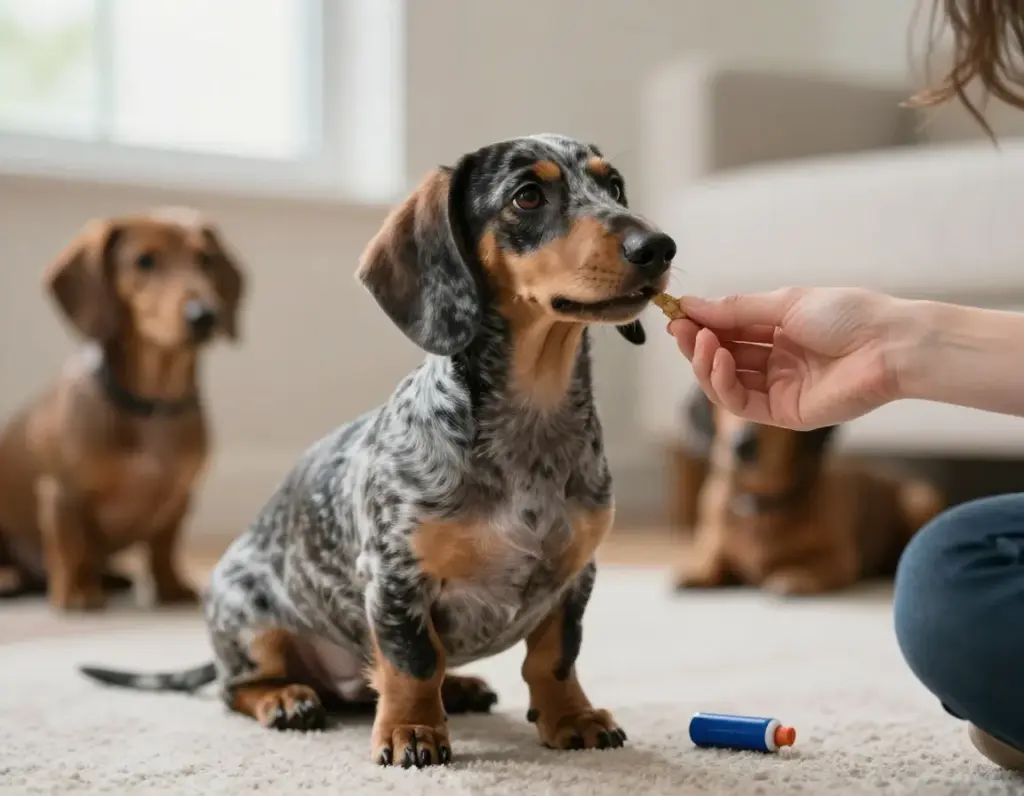
Understanding your Dachshund puppy’s attention span is crucial for successful training. These intelligent dogs can become easily distracted or bored, so keeping training sessions to five minutes maximum ensures they stay engaged and retain what they learn[5].
Effective training strategies:
- Use rewards-based methods with treats, praise, and affection[7]
- Avoid harsh punishments which can damage trust and increase stubbornness
- Focus on one command per session
- End on a positive note with successful completion
- Practice multiple short sessions throughout the day
5. Prioritize Recall Training for Safety
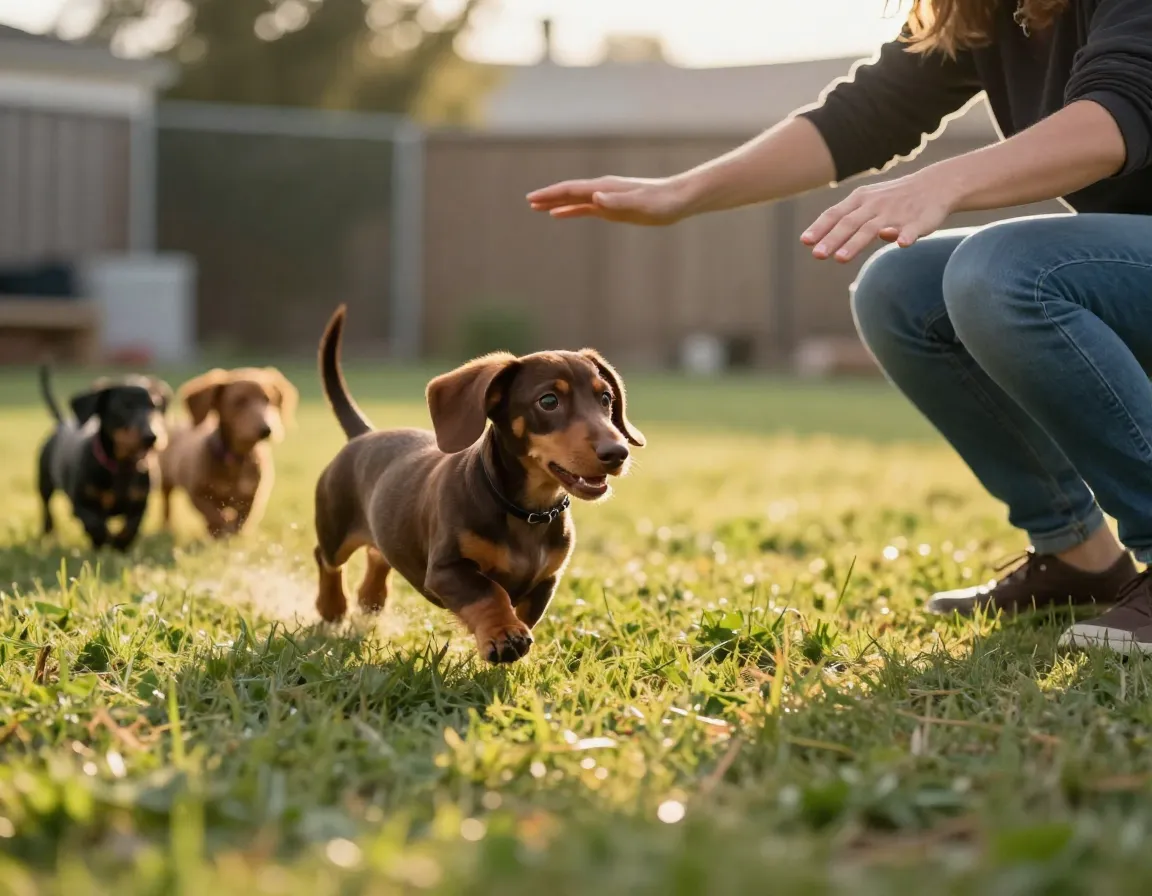
Recall training is absolutely critical because Dachshunds are hunting dogs with an incredibly high prey drive[5]. They will chase squirrels, rabbits, or anything that moves, often ignoring their owner’s calls when distracted. This instinct can put them in dangerous situations if they’re not properly trained to respond to their name.
Recall training essentials:
- Start indoors in a distraction-free environment
- Use high-value treats that your puppy finds irresistible
- Practice the “come” command during meal times
- Gradually add distractions as they improve
- Never call them to come for something they perceive as negative
- Always reward when they respond, even if it takes time
6. Address Resource Guarding Early
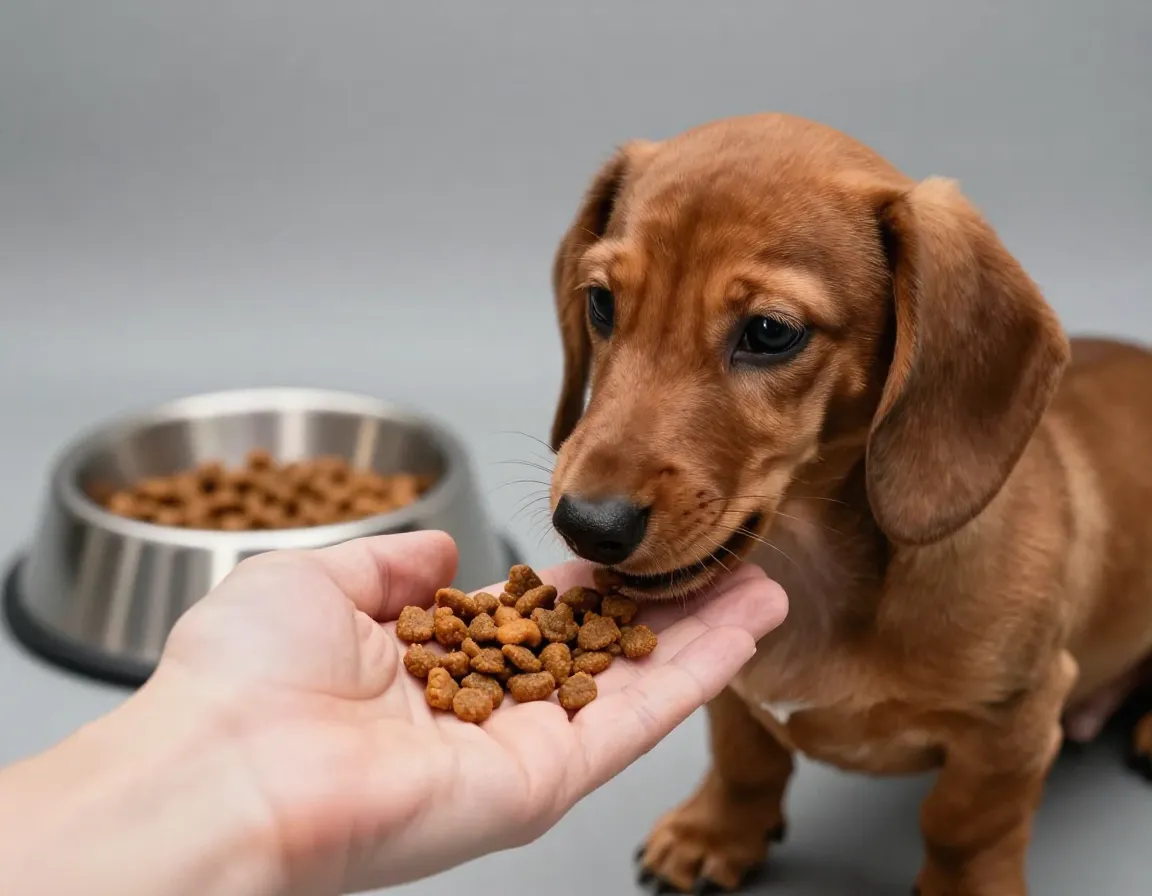
Resource guarding prevention should start immediately with your Dachshund puppy. Their strong personalities can sometimes manifest as possessiveness over food, toys, or favorite spots. Address this behavior early by gently touching your puppy during meals and occasionally hand-feeding to establish positive associations[2].
Prevention techniques:
- Hand-feed occasionally to build trust around food
- Practice “trade” games with toys and treats
- Touch their food bowl while they eat (gently and briefly)
- Teach “drop it” and “leave it” commands consistently
- Supervise interactions with other pets during meal times
Exercise and Mental Stimulation
7. Focus on Low-Impact Exercise and Mental Challenges
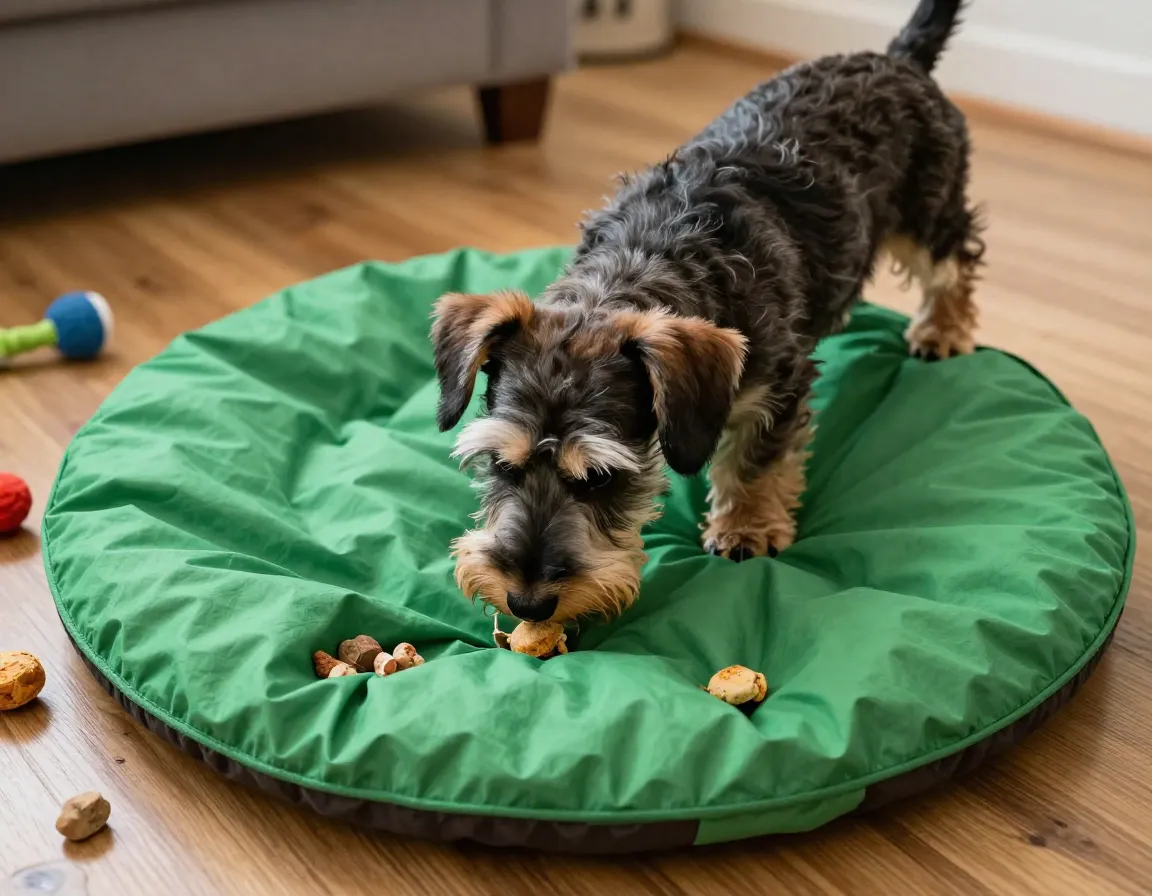
The final tip in our 7 care tips for your tiny Dachshund puppy’s big personality involves creating an exercise routine that protects their physical health while satisfying their mental needs. Start with 5-10 minutes of low-impact activity twice daily, gradually building up as your puppy grows[2].
Recommended activities:
- Gentle walks on flat surfaces
- Interactive puzzle toys that challenge their problem-solving skills
- Sniffing games that engage their hunting instincts safely
- Snuffle mats for mental stimulation during meal times
- Basic obedience training as mental exercise
Activities to avoid:
- ❌ High-impact jumping or agility courses
- ❌ Long-distance running until fully grown
- ❌ Rough play with larger dogs
- ❌ Stair climbing until their joints are mature
Mental stimulation ideas:
- Hide treats around the house for scavenger hunts
- Rotate toys weekly to maintain novelty
- Teach new tricks regularly to keep their minds active
- Use food-dispensing toys to slow down eating
- Practice scent work games that tap into their natural abilities
Health and Wellness Considerations
Daily Dental Care
Brush your puppy’s teeth daily with dog-safe toothpaste, as Dachshunds are prone to dental issues with age[2]. Starting this routine early helps your puppy accept dental care as a normal part of their grooming routine.
Potty Training Success
Establish regular potty training routines with designated outdoor spots after meals, naps, and playtime[1]. Use positive rewards rather than punishment, and remember that Dachshunds can be particularly stubborn about house training.
Potty training schedule:
- Immediately after waking up
- 15-30 minutes after eating
- After play sessions
- Before bedtime
- Every 2-3 hours during the day
Socialization Priorities
Proper socialization helps balance your Dachshund’s naturally bold personality with appropriate social skills. Expose them to various people, sounds, and experiences during their critical socialization period (8-16 weeks).
Socialization checklist:
- ✅ Different types of people (children, elderly, people in hats)
- ✅ Various environments (parks, pet stores, car rides)
- ✅ Other friendly dogs of different sizes
- ✅ Common household sounds (vacuum, doorbell, TV)
- ✅ Handling exercises (touching paws, ears, mouth)
Creating a Dachshund-Friendly Environment
Home Safety Modifications
Puppy-proof your home with special attention to your Dachshund’s unique needs:
- Install baby gates to prevent stair access
- Use non-slip rugs on smooth floors
- Secure electrical cords that might tempt chewing
- Remove small objects that could be swallowed
- Block access under furniture where they might get stuck
Essential Supplies Checklist
| Category | Essential Items |
|---|---|
| Safety | Harness, ramps, baby gates |
| Feeding | Small-breed puppy food, slow-feeder bowls |
| Training | High-value treats, clicker, puzzle toys |
| Comfort | Orthopedic bed, blankets, crate |
| Health | Dog toothbrush, nail clippers, first aid kit |
Troubleshooting Common Challenges
Dealing with Stubbornness
Dachshund puppies are notorious for their independent thinking. When your puppy decides they don’t want to cooperate:
- Stay patient and consistent
- Make training more rewarding with better treats
- Break commands into smaller steps
- End sessions before frustration sets in
- Seek professional help if needed
Managing Excessive Barking
These vocal dogs love to announce everything they see or hear:
- Identify triggers (doorbell, other dogs, strangers)
- Teach “quiet” command using positive reinforcement
- Provide adequate mental stimulation to reduce boredom barking
- Don’t reinforce attention-seeking barking with responses
Addressing Separation Anxiety
Dachshunds often form strong bonds and may struggle when left alone:
- Practice short departures gradually increasing duration
- Create positive associations with alone time using special toys
- Maintain calm energy during hellos and goodbyes
- Consider crate training for security and safety
Long-Term Success Strategies
Building Lifelong Habits
The care routines you establish now will serve your Dachshund throughout their 12-16 year lifespan. Consistency in the early months creates habits that become second nature for both you and your puppy.
Monitoring Growth and Development
Regular veterinary checkups are essential for tracking your puppy’s growth and catching any potential issues early. Dachshunds should reach their adult weight between 12-18 months, and monitoring their development helps ensure they’re growing at a healthy rate.
Preparing for Adolescence
Around 6-18 months, your sweet puppy may become a challenging teenager. Maintaining consistent training and boundaries during this period prevents behavioral issues from becoming permanent problems.
Conclusion
Successfully raising a Dachshund puppy requires understanding that their tiny bodies house enormous personalities that need careful guidance and protection. These 7 care tips for your tiny Dachshund puppy’s big personality provide the foundation for a healthy, happy relationship with your new companion. From protecting their vulnerable spine with harnesses and ramps to channeling their intelligence through positive training methods, each tip addresses the unique needs of this remarkable breed.
Remember that patience and consistency are your best tools when working with these strong-willed puppies. Their hunting heritage means they’re naturally independent thinkers, but with proper guidance, this independence becomes confidence rather than defiance. The time you invest in proper care, training, and socialization during puppyhood will pay dividends throughout your Dachshund’s long, healthy life.
Your next steps:
- Invest in a quality harness and begin training immediately
- Set up ramps throughout your home before your puppy gets comfortable jumping
- Establish a consistent training schedule with short, positive sessions
- Schedule a veterinary consultation to discuss nutrition and growth expectations
- Begin socialization in safe, controlled environments
Your tiny Dachshund’s big personality is what makes them such wonderful companions. With proper care and understanding, you’ll enjoy many years of adventures with your fearless, loyal, and endlessly entertaining friend! 🎾
References
[1] Guide To Dachshund Puppies – https://k9sportsack.com/blogs/news/guide-to-dachshund-puppies
[2] Dachshund Puppies Everything You Need To Know – https://www.rover.com/blog/dachshund-puppies-everything-you-need-to-know/
[3] Dachshund Puppy Essentials – https://www.dachshundstation.com/dachshund-puppy-essentials/
[4] Dachshund – https://www.vidavetcare.com/dog-breed/dachshund/
[5] How To Train A Dachshund Puppy – https://www.akc.org/expert-advice/training/how-to-train-a-dachshund-puppy/
[6] First Week With My Dachshund Puppy Lessons Learned And Tips For Success – https://youdidwhatwithyourweiner.com/first-week-with-my-dachshund-puppy-lessons-learned-and-tips-for-success/
[7] Caring For Your Dachshund A Complete Guide – https://worlddachshundday.com/f/caring-for-your-dachshund-a-complete-guide