7 Things Nobody Tells You About Living With Great Dane Dogs Puppies
Picture this: a tiny Great Dane puppy fits perfectly in your lap, weighing just 15 pounds and melting your heart with those enormous paws and soulful eyes. Fast forward 18 months, and that same “baby” now weighs 150 pounds and can accidentally knock over a small child with an enthusiastic tail wag. 7 Things Nobody Tells You About Living With Great Dane Dogs Puppies goes far beyond the obvious size considerations that most people expect when bringing home one of these gentle giants.

Disclosure: This post contains affiliate links. As an Amazon Associate, we earn from qualifying purchases, and at no extra cost to you.
While everyone knows Great Danes grow large, the reality of raising these magnificent dogs involves countless surprises that can catch even experienced dog owners off guard. From specialized feeding schedules that prevent life-threatening bloat to training techniques that differ dramatically from other breeds, Great Dane puppies require a unique approach that most pet guides simply don’t cover.
Key Takeaways
- Training sessions must be short and frequent – Great Danes learn best with 5-10 minute sessions multiple times daily, not lengthy training marathons
- Feeding requires strict scheduling and portion control – Multiple smaller meals prevent dangerous bloat, with specialized large-breed nutrition essential for proper growth
- Early socialization and gentle training methods are non-negotiable – Their eventual size makes behavioral issues potentially dangerous if not addressed in puppyhood
- Financial costs extend far beyond initial purchase – From specialized food to oversized equipment, ongoing expenses significantly exceed typical dog ownership costs
- Living space considerations involve more than square footage – Furniture placement, safety measures, and daily logistics require complete household adjustments
The Hidden Realities of Great Dane Puppy Ownership
1. Training Sessions Need to Be Short and Sweet, Not Marathon Efforts
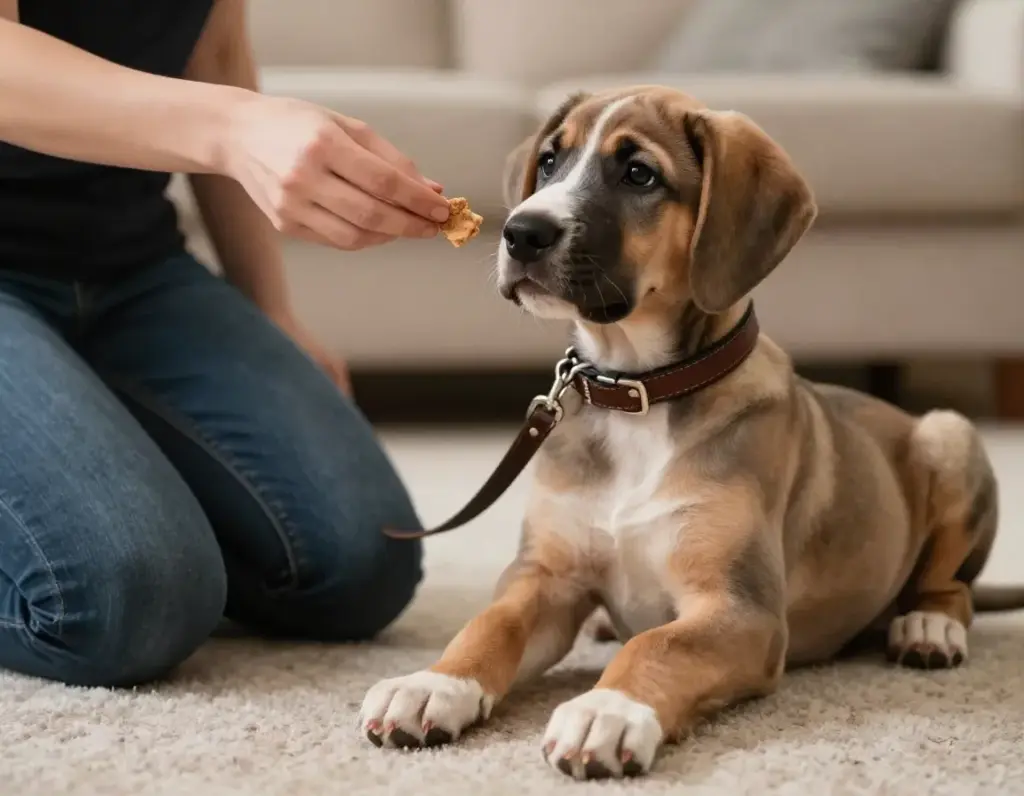
Most dog training advice suggests longer, comprehensive training sessions to build skills and reinforce learning. However, Great Dane puppies operate on a completely different learning schedule that catches many new owners by surprise.
Great Danes learn best with 5-10 minute training sessions, conducted two or three times daily [2], rather than the 30-45 minute sessions that work well for breeds like German Shepherds or Border Collies. Their attention spans during puppyhood are surprisingly short, and they become overwhelmed or disinterested when training drags on too long.
Why Short Sessions Work Better:
- Great Danes are sensitive dogs that process information differently than high-energy working breeds
- Extended training can lead to stress and shutdown behaviors
- Multiple short sessions throughout the day reinforce learning more effectively
- Puppies retain information better when training ends on a positive note
The key lies in consistency rather than duration. Three 7-minute training sessions spread throughout the day will yield far better results than one 21-minute session. Focus on one specific skill per session, whether it’s basic commands, leash walking, or house training reinforcement.
Training Schedule Example:
- Morning (7 minutes): Basic commands (sit, stay, come)
- Afternoon (5 minutes): Leash walking practice
- Evening (10 minutes): House training and crate conditioning
This approach respects the Great Dane’s learning style while building a strong foundation for more advanced training as they mature.
2. Feeding Schedules Are Critical for Preventing Life-Threatening Bloat
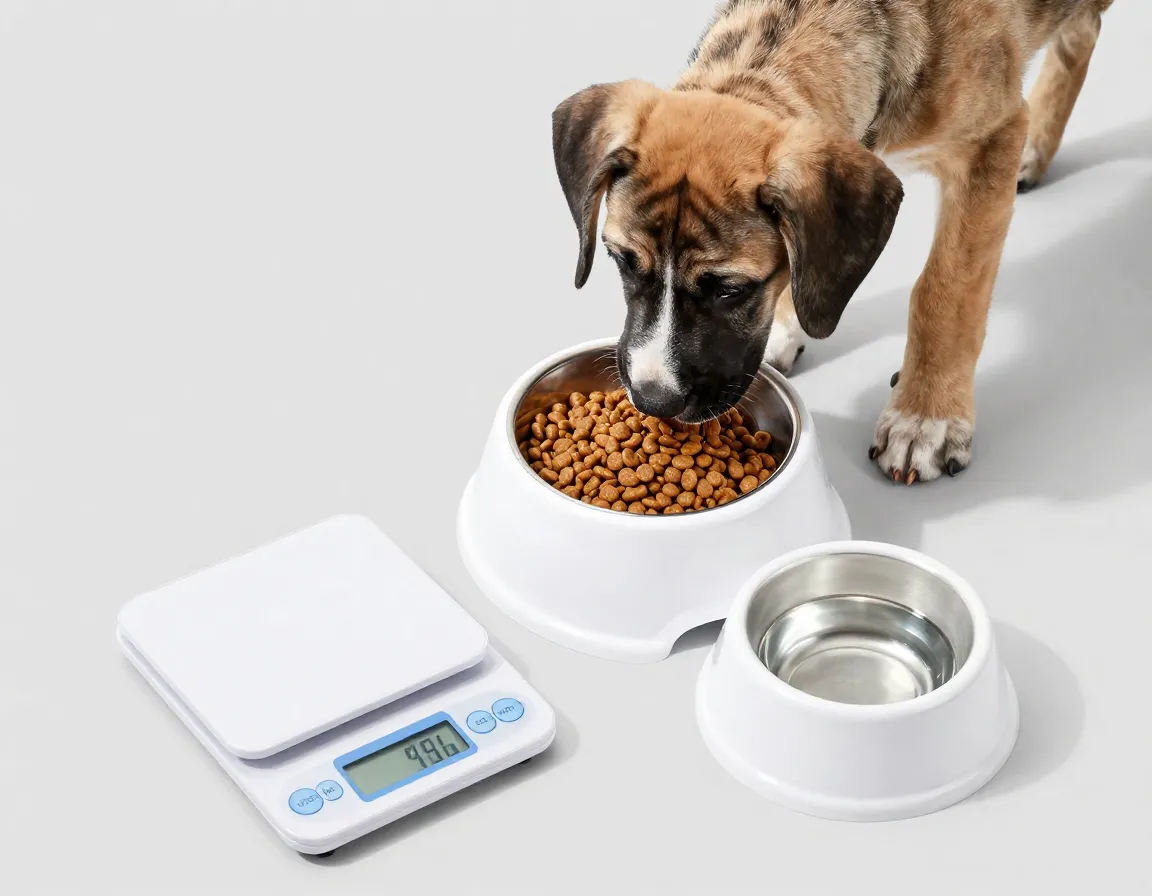
While most dog owners worry about overfeeding or choosing the right food brand, Great Dane puppy feeding involves life-or-death considerations that extend far beyond basic nutrition. Bloat, also known as gastric dilatation-volvulus (GDV), poses a serious threat to Great Danes throughout their lives, and feeding habits established during puppyhood can significantly impact this risk.
Adult Great Danes require up to ten cups of food split into two or more daily meals [3], and feeding one large meal dramatically increases bloat risk [3]. However, puppies have their own specialized requirements that many owners don’t anticipate.
Critical Feeding Guidelines for Great Dane Puppies:
🍽️ Meal Frequency: Three meals daily minimum (never just one or two)
🕐 Timing: Avoid vigorous exercise for 1-2 hours before and after meals [3]
📏 Portion Control: Measure food precisely using a scale, not just measuring cups
🥣 Elevated Bowls: Use raised feeding stations to reduce air intake while eating
Great Dane puppies require three meals daily of special large breed puppy food [3] with carefully balanced calcium and phosphorus ratios [1]. This isn’t standard puppy food – the mineral balance must be specifically formulated to prevent developmental orthopedic diseases that can plague giant breeds.
“The wrong calcium-to-phosphorus ratio during the rapid growth phase can lead to permanent skeletal deformities and joint problems that will affect your Great Dane for life.”
Feeding Schedule Example (4-month-old puppy):
- 7:00 AM: 1.5 cups large breed puppy food
- 12:00 PM: 1.5 cups large breed puppy food
- 6:00 PM: 1.5 cups large breed puppy food
Monitor your puppy’s body condition closely and adjust portions based on growth rate and veterinary guidance. The goal is steady, controlled growth rather than maximum size as quickly as possible.
3. Leash Training Becomes a Safety Issue, Not Just Good Manners
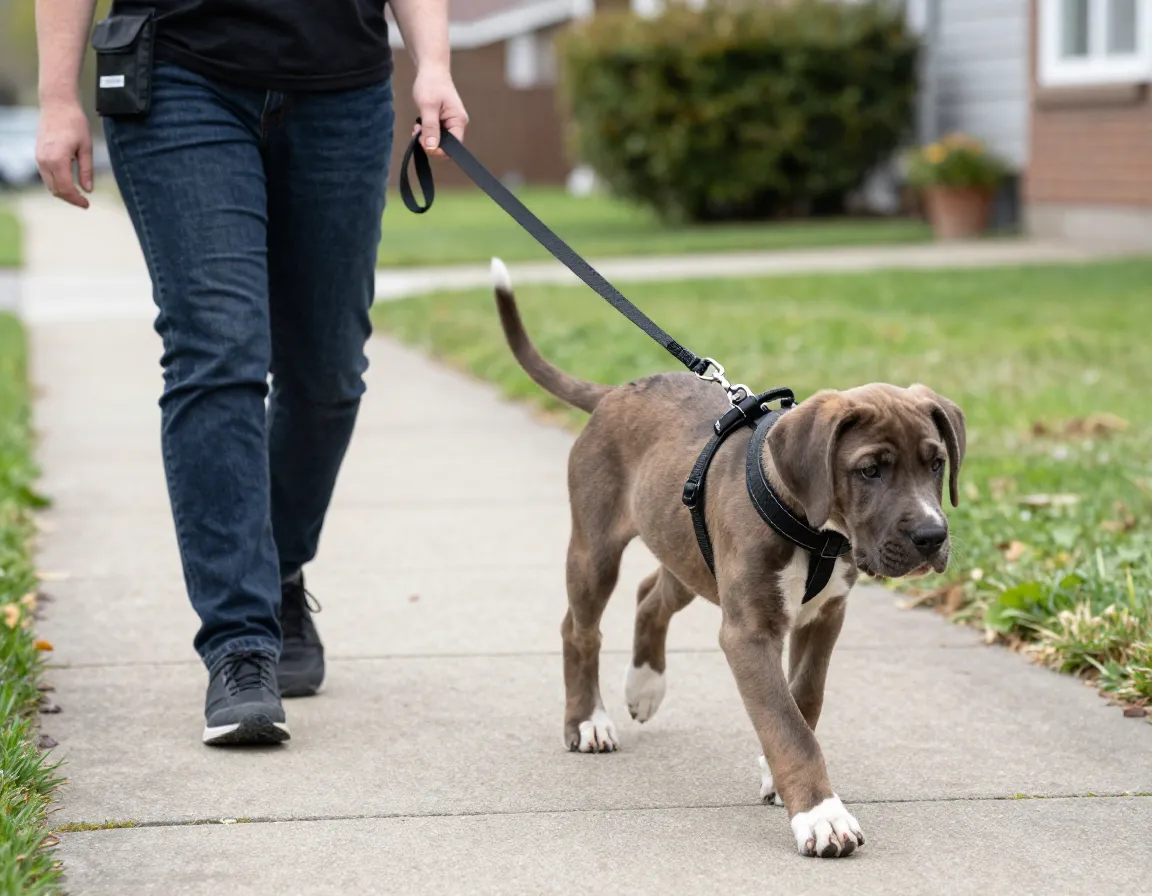
Most dog owners view leash training as a matter of convenience and politeness. With Great Dane puppies, leash training transforms into a critical safety skill that can determine whether walks become enjoyable bonding time or dangerous struggles for control.
A fully grown Great Dane can easily overpower an owner if untrained [4], making early leash training one of the most essential skills to master [2]. What seems manageable with a 25-pound puppy becomes a serious safety concern when that same dog weighs 140 pounds and spots a squirrel across the street.
Essential Leash Training Components:
Equipment Selection:
- Wide, padded collar (never choke or prong collars)
- 6-foot leather or heavy-duty nylon leash
- Front-clip harness for better control during training
- Treat pouch for immediate positive reinforcement
Training Progression:
- Indoor Introduction: Let puppy wear collar and drag leash indoors under supervision
- Backyard Practice: Short 5-minute sessions in familiar, enclosed space
- Sidewalk Training: Brief walks focusing on loose leash walking
- Gradual Exposure: Slowly introduce distractions and new environments
Common Mistakes to Avoid:
- ❌ Using retractable leashes (teaches pulling behavior)
- ❌ Allowing any pulling, even from small puppies
- ❌ Inconsistent training between family members
- ❌ Skipping practice sessions due to puppy’s small size
The investment in proper leash training during puppyhood pays dividends throughout the dog’s life. A well-trained Great Dane becomes a joy to walk, while an untrained one can pose risks to both the owner and the public.
4. They’re Emotionally Sensitive Giants, Not Just Large Dogs
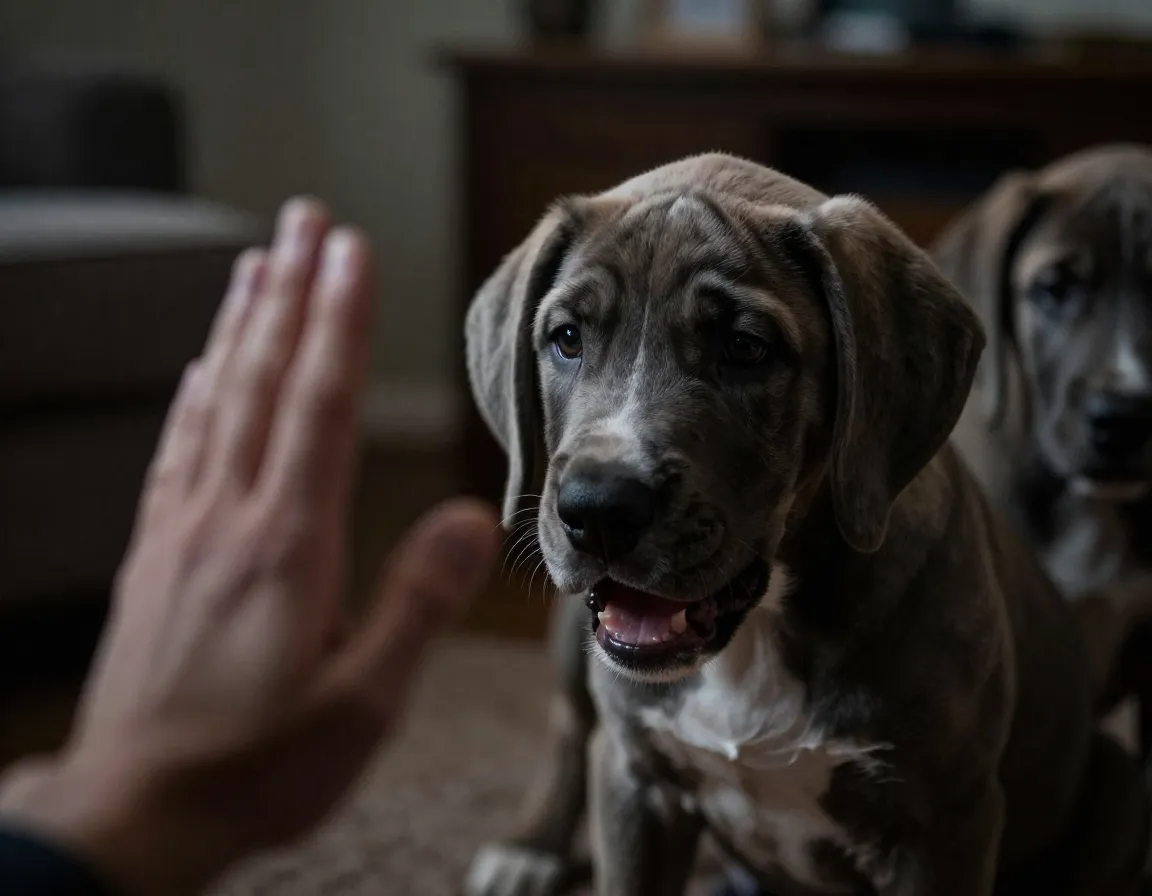
One of the most surprising aspects of 7 Things Nobody Tells You About Living With Great Dane Dogs Puppies involves their emotional sensitivity. Despite their imposing eventual size, Great Danes possess remarkably gentle, sensitive temperaments that require completely different training approaches than many owners expect.
Great Danes respond poorly to harsh corrections, and shock collars or prong collars can create fear-induced reactions [1] that damage the human-dog bond permanently. Their sensitivity means that positive reinforcement isn’t just preferred – it’s essential for successful training [4].
Signs of Emotional Sensitivity in Great Dane Puppies:
- Shutting down or cowering when voices are raised
- Excessive stress panting during training sessions
- Hiding or avoiding family members after corrections
- Loss of appetite following negative experiences
- Regression in house training when stressed
Positive Training Techniques That Work:
🎯 Reward-Based Methods:
- High-value treats for immediate positive reinforcement
- Praise and petting for emotional connection
- Play sessions as training rewards
- Clicker training for precise communication
🚫 Avoid These Approaches:
- Yelling or harsh verbal corrections
- Physical punishment or alpha rolling
- Intimidation-based training methods
- Punishment-focused obedience techniques
“Great Danes are like gentle souls in giant bodies. They want to please their families but need patience and understanding to build confidence.”
This sensitivity extends to household dynamics as well. Great Dane puppies pick up on family stress, arguments, and emotional tension, often becoming anxious or withdrawn when their environment feels unstable. Creating a calm, consistent household atmosphere benefits both the puppy’s development and the family’s relationship with their new companion.
5. Crate Training Serves Multiple Purposes Beyond House Training
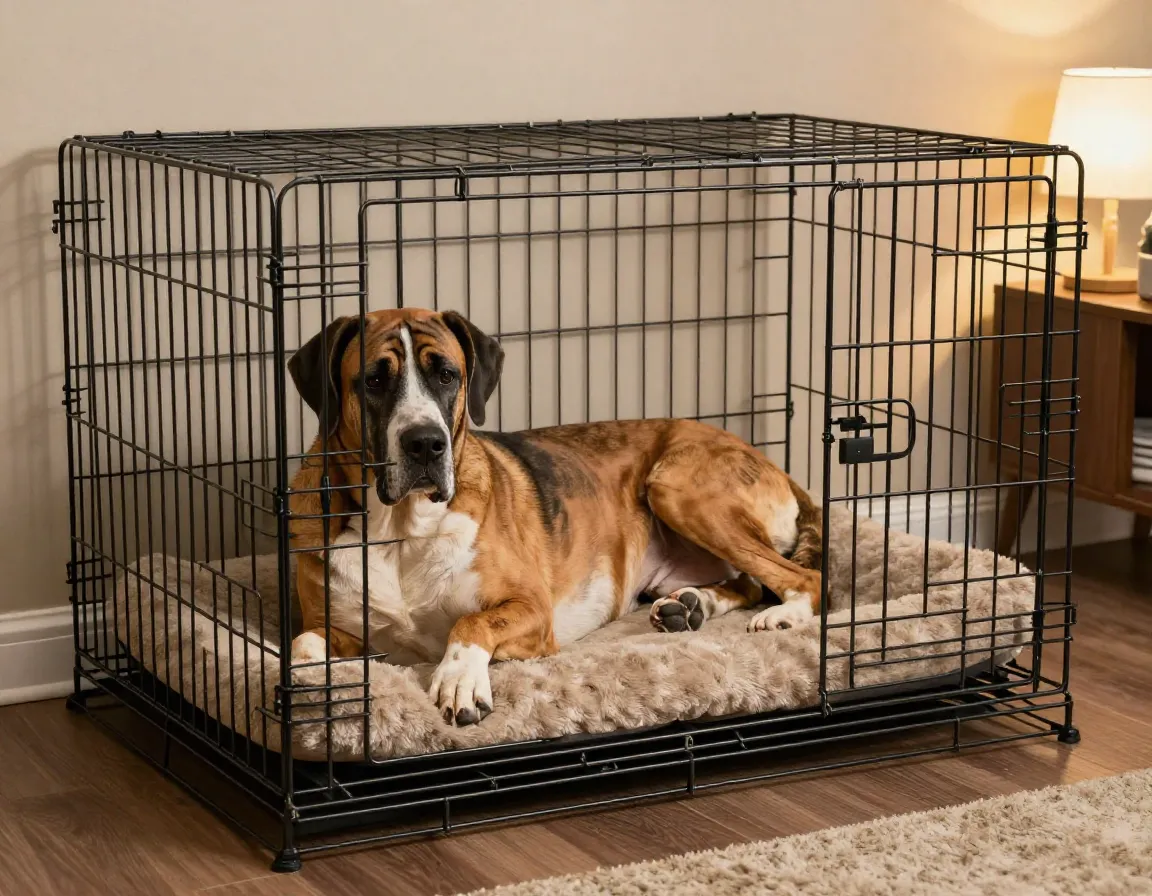
Most new dog owners understand that crate training helps with house breaking, but crate training for Great Dane puppies involves several additional benefits that become crucial as these dogs mature into their impressive adult size.
A properly conditioned crate becomes a positive refuge for the dog, not punishment [1]. Given that Great Danes can eventually reach eye level with kitchen counters and dining tables, having a reliable “place” command and crate comfort prevents countless household management issues.
Multi-Purpose Benefits of Crate Training:
🏠 Household Management:
- Prevents counter surfing and food theft
- Provides safe space during parties or gatherings
- Reduces destructive behavior when unsupervised
- Creates boundaries in multi-pet households
🚗 Travel and Veterinary Care:
- Makes car travel safer and less stressful
- Reduces anxiety during veterinary visits
- Provides familiar comfort in new environments
- Essential for emergency evacuation situations
📏 Size Considerations for Great Dane Crates:
- Puppy Stage: 42-48 inch crate with divider panels
- Adult Size: 54-inch minimum length crate
- Height Requirements: Minimum 45 inches for standing room
- Weight Capacity: Heavy-duty construction rated for 150+ pounds
Crate Training Timeline:
- Week 1-2: Feed meals in open crate, no door closing
- Week 3-4: Close door for 5-10 minutes during meals
- Week 5-6: Extend crate time to 30 minutes with toys
- Week 7-8: Build up to 2-3 hour periods for house training
The investment in a high-quality, appropriately sized crate pays dividends throughout the dog’s life. Many Great Dane owners report that their adult dogs voluntarily retreat to their crates during thunderstorms, when feeling overwhelmed, or simply for afternoon naps.
6. Socialization and Obedience Training Prevent Dangerous Adult Behaviors
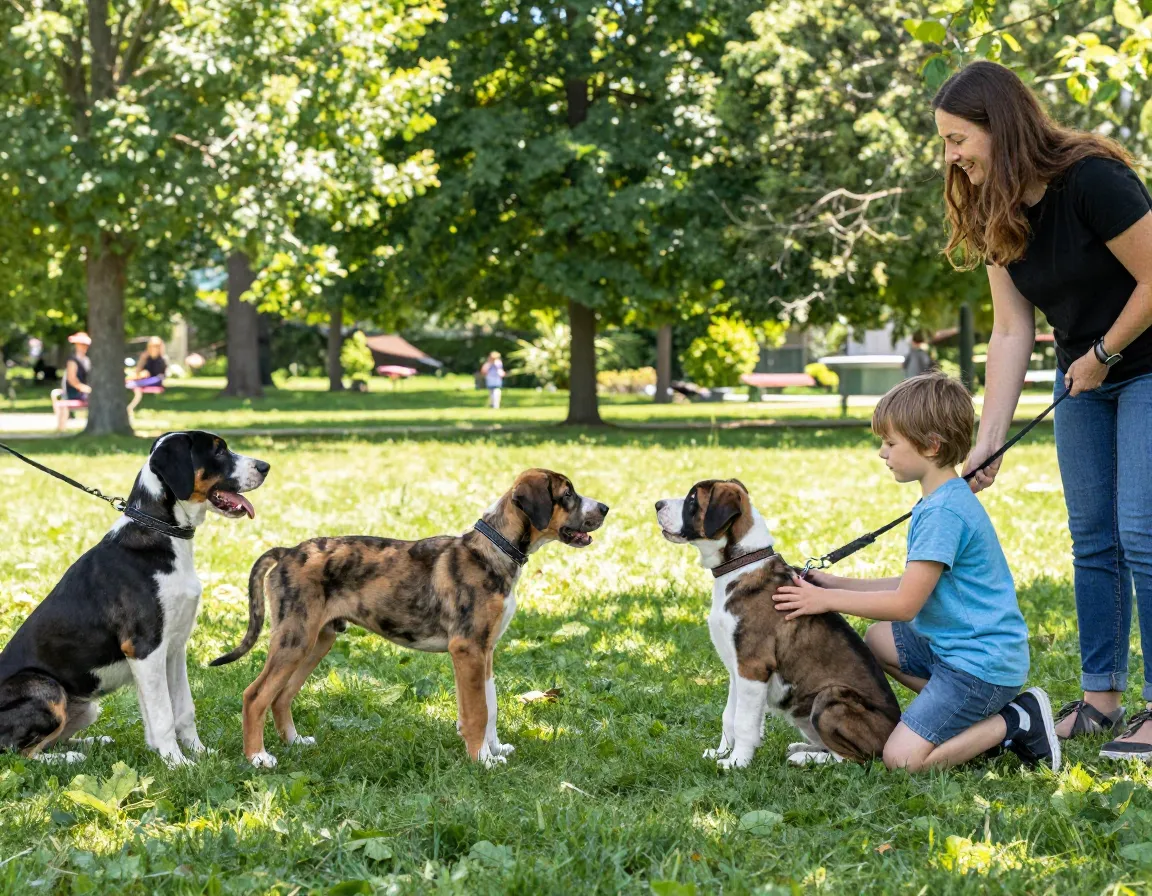
While socialization matters for all puppies, the stakes become dramatically higher with Great Dane puppies due to their eventual size and strength. Behavioral issues that might be merely annoying in smaller dogs can become genuinely dangerous when displayed by a 150-pound adult Great Dane.
Socialization and obedience training from early puppyhood are essential [3] for preventing problems that become increasingly difficult to manage as the dog grows. The window for optimal socialization closes around 16 weeks of age, making early intervention crucial.
Critical Socialization Experiences:
👥 People Exposure:
- Children of various ages (supervised interactions)
- Elderly individuals with mobility aids
- People wearing uniforms (postal workers, delivery drivers)
- Individuals with different physical appearances
🐕 Animal Interactions:
- Well-vaccinated adult dogs with stable temperaments
- Cats and small animals (under controlled conditions)
- Other puppies in supervised puppy classes
- Various livestock if living in rural areas
🌍 Environmental Exposure:
- Different surfaces (grass, concrete, gravel, sand)
- Urban sounds (traffic, sirens, construction)
- Various weather conditions
- Public spaces like pet stores and outdoor cafes
Obedience Training Priorities:
- Impulse Control: “Wait” and “stay” commands prevent rushing through doors
- Recall Training: Reliable “come” command for off-leash safety
- Gentle Mouth: Teaching soft bite inhibition prevents accidental injury
- Space Awareness: “Back up” and “move” commands for household navigation
Professional Training Considerations:
- Enroll in puppy kindergarten classes by 10-12 weeks
- Seek trainers experienced with giant breeds
- Focus on positive reinforcement methods exclusively
- Continue training throughout the first two years of life
The time and effort invested in comprehensive socialization and training during puppyhood creates a confident, well-adjusted adult dog that can safely interact with the world around them.
7. Hidden Costs Extend Far Beyond the Purchase Price
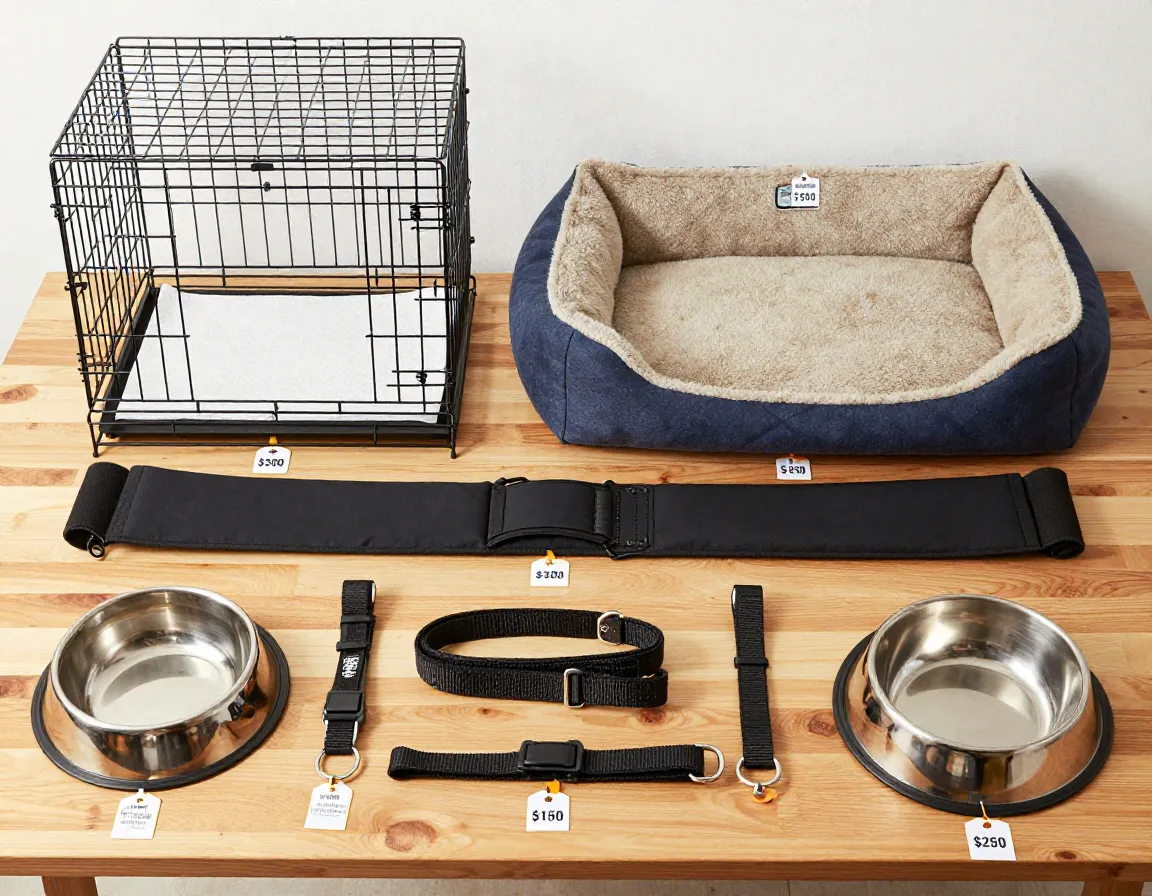
When people research 7 Things Nobody Tells You About Living With Great Dane Dogs Puppies, they often focus on the obvious expenses like food and veterinary care. However, the hidden costs of Great Dane ownership can catch families off guard and significantly impact household budgets.
Specialized Equipment Costs:
| Item | Standard Dog Cost | Great Dane Cost | Difference |
|---|---|---|---|
| Crate | $75-150 | $300-500 | +200-250% |
| Dog Bed | $50-100 | $150-300 | +200% |
| Car Barrier | $80-120 | $200-350 | +150-200% |
| Leash/Collar Set | $25-50 | $60-120 | +140% |
| Food/Water Bowls | $20-40 | $50-100 | +150% |
Ongoing Monthly Expenses:
- Food Costs: $80-120 monthly for high-quality large breed food
- Preventive Medications: Heartworm, flea, and tick prevention sized for giant breeds
- Grooming Supplies: Professional nail trimming every 4-6 weeks
- Dental Care: Specialized dental chews and regular professional cleanings
Unexpected Expenses:
🏠 Home Modifications:
- Reinforced fencing (6+ feet high)
- Baby gates rated for large dogs
- Furniture protection and replacement
- Flooring considerations for joint health
🚗 Vehicle Considerations:
- SUV or larger vehicle for comfortable transport
- Heavy-duty seat covers and barriers
- Ramp or steps for older dogs
Veterinary Care Specifics:
- Anesthesia costs increase with body weight
- Medication dosages based on size
- Specialized orthopedic care for joint issues
- Emergency care costs scale with dog size
Financial Planning Tips:
- Budget $200-300 monthly for all Great Dane expenses
- Establish emergency fund for veterinary care ($3,000-5,000)
- Research pet insurance options before health issues develop
- Factor in decreased mobility costs as dog ages
Dental Care Requirements:
Great Danes require active dental maintenance, including brushing teeth 2-3 times weekly with dog-safe toothpaste [4] to prevent tartar buildup and gum disease, which the breed is particularly prone to developing. Professional dental cleanings may be needed annually, with costs ranging from $500-1,200 depending on the extent of care required.
Understanding these financial realities helps families make informed decisions about Great Dane ownership and avoid the stress of unexpected expenses during the puppy’s rapid growth phase.
Preparing for Success with Great Dane Puppies
Successfully raising a Great Dane puppy requires understanding that these gentle giants need specialized care from day one. The 7 Things Nobody Tells You About Living With Great Dane Dogs Puppies highlighted in this guide represent just the beginning of the unique considerations involved in giant breed ownership.
Essential Preparation Checklist:
✅ Research veterinarians experienced with giant breeds
✅ Budget for ongoing expenses beyond typical dog ownership costs
✅ Puppy-proof home with Great Dane adult size in mind
✅ Establish training schedule with short, frequent sessions
✅ Source high-quality large breed puppy food
✅ Plan socialization experiences during critical period
✅ Invest in properly sized equipment from the start
The rewards of Great Dane ownership are immense – these dogs form incredibly strong bonds with their families and bring joy, laughter, and companionship that’s hard to match. However, success requires preparation, patience, and understanding of their unique needs from puppyhood through their adult years.
Conclusion
The journey of raising a Great Dane puppy involves surprises that extend far beyond their impressive eventual size. From the specialized feeding schedules that prevent life-threatening bloat to the gentle training approaches their sensitive temperaments require, these magnificent dogs need owners who understand their unique characteristics from day one.
Key action steps for prospective Great Dane owners:
- Start training immediately with short, positive sessions focusing on leash skills and basic obedience
- Establish proper feeding routines with multiple daily meals and exercise restrictions around mealtimes
- Invest in quality equipment sized for adult dogs to avoid repeated purchases
- Budget comprehensively for ongoing expenses that exceed typical dog ownership costs
- Prioritize early socialization during the critical puppy development window
- Find experienced professionals including veterinarians and trainers familiar with giant breeds
The 7 Things Nobody Tells You About Living With Great Dane Dogs Puppies covered in this guide provide the foundation for successful ownership, but remember that every dog is an individual. Working with experienced Great Dane breeders, veterinarians, and trainers will help navigate the specific needs of your puppy as they grow into their role as a gentle giant family member.
With proper preparation and understanding, Great Dane ownership becomes one of life’s most rewarding experiences, filled with the unconditional love and impressive presence that only these remarkable dogs can provide.
References
[1] How To Train A Great Dane Puppy – https://www.akc.org/expert-advice/puppy-information/how-to-train-a-great-dane-puppy/
[2] Great Dane Training – https://petageinhumanyearscalculator.com/blog/great-dane-training/
[3] Great Dane Breed Guide – https://www.pawlicy.com/blog/great-dane-breed-guide/
[4] Great Dane Breed Guide – https://vetslovepets.com.au/blogs/dog/great-dane-breed-guide