7 Yorkie Puppy Dog Care Tips for First-Time Owners: Your Complete Guide to Raising a Happy, Healthy Yorkshire Terrier
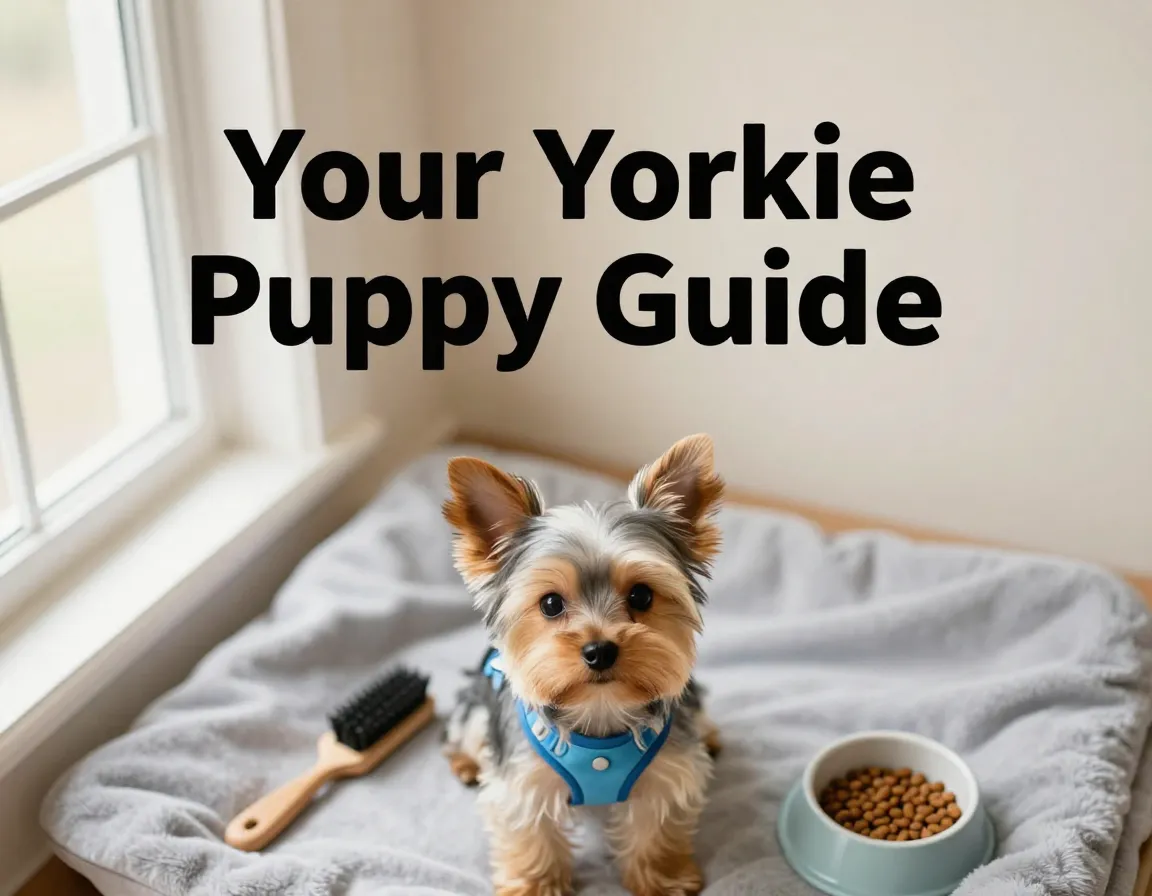
Bringing home a Yorkshire Terrier puppy is like welcoming a tiny bundle of energy and personality into your family. These pint-sized companions may weigh only 4-7 pounds when fully grown, but they pack the heart of a much larger dog into their petite frames. For first-time Yorkie owners, the journey ahead is filled with joy, challenges, and countless adorable moments that make every effort worthwhile.
Disclosure: This post contains affiliate links. As an Amazon Associate, we earn from qualifying purchases, and at no extra cost to you.
Understanding the unique needs of Yorkshire Terrier puppies is crucial for their healthy development and your peace of mind. These 7 Yorkie puppy dog care tips for first-time owners will provide you with the essential knowledge needed to navigate the exciting first months with your new furry family member. From proper nutrition and feeding schedules to grooming techniques and training strategies, each tip addresses the specific requirements that make Yorkies such special companions.
Key Takeaways
- Frequent feeding is essential: Yorkie puppies need meals every 3-4 hours during the day to prevent hypoglycemia due to their tiny size and high metabolism
- Positive reinforcement training works best: Short 5-minute training sessions with high-value treats and praise are more effective than harsh corrections for these sensitive dogs
- Daily grooming prevents matting: Yorkshire Terriers require daily brushing with specialized tools to maintain their beautiful silky coat and prevent painful tangles
- Harnesses are safer than collars: Due to their delicate trachea, Yorkies should wear harnesses to protect their neck and breathing during walks
- Consistent schedules build confidence: Regular feeding, potty, and sleep routines help Yorkie puppies feel secure and accelerate house training success
Understanding Your Yorkshire Terrier Puppy’s Unique Needs
Yorkshire Terriers are not just small dogs—they’re a breed with distinct characteristics that set them apart from other toy breeds. Originally bred in Yorkshire, England, during the 19th century to catch rats in textile mills, these dogs possess a bold and confident personality that often surprises new owners. Despite their tiny stature, Yorkies exhibit the courage and determination of much larger working dogs.
The transition from breeder to your home represents a significant change for your Yorkie puppy. During their first few weeks with you, they’ll be adjusting to new sights, sounds, smells, and routines. This adjustment period typically lasts 2-4 weeks, during which your puppy may seem anxious, clingy, or hesitant to explore their new environment.
Physical development in Yorkie puppies follows a predictable pattern, with healthy puppies typically gaining 2-4 ounces per week until reaching about 3-4 pounds in adulthood[4]. Understanding this growth trajectory helps you monitor your puppy’s health and adjust their care accordingly. Their small size makes them more vulnerable to temperature changes, injuries from falls, and hypoglycemia, requiring extra vigilance from their owners.
The socialization window for Yorkie puppies is particularly important, as their naturally protective instincts can develop into excessive barking or fearfulness if not properly managed. Between 8-16 weeks of age, exposing your puppy to various people, sounds, and experiences in a controlled manner will help them develop into a well-adjusted adult dog.
1. Master Proper Nutrition and Feeding Schedules
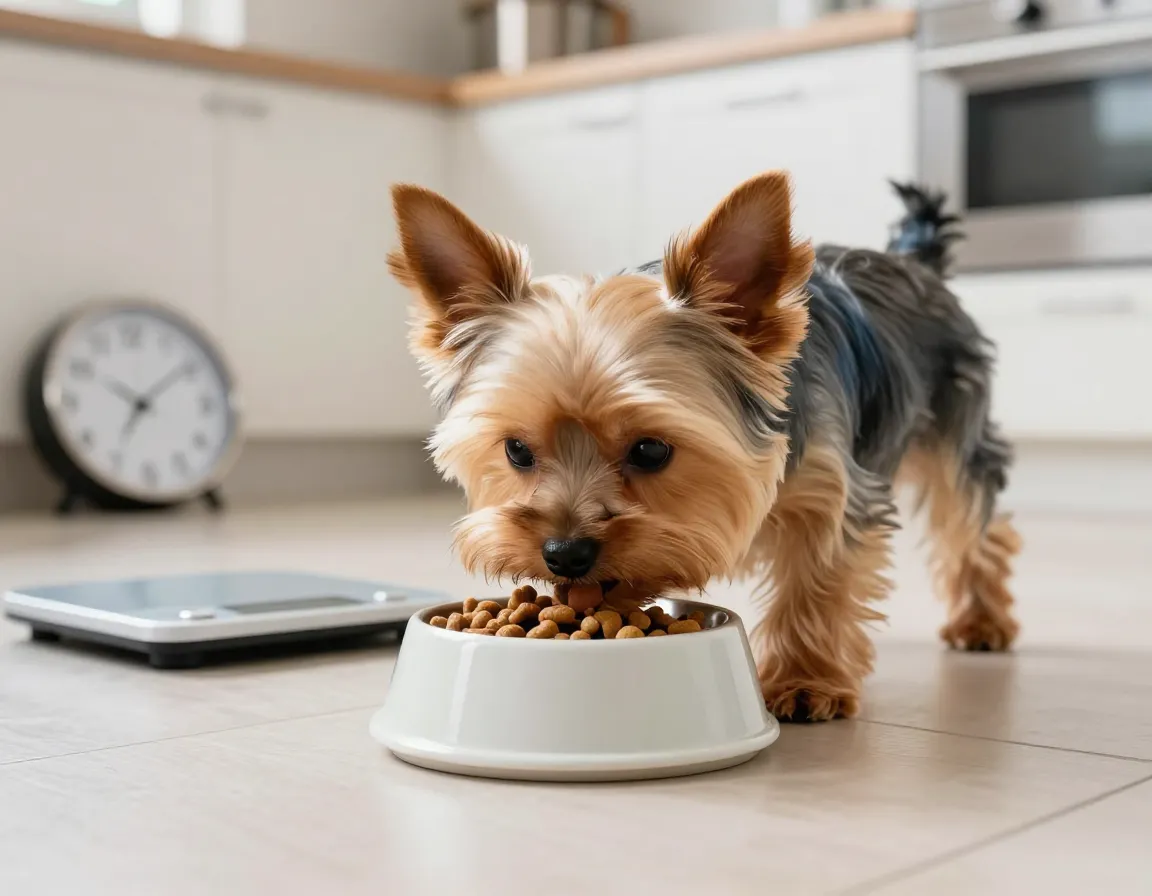
Nutrition forms the foundation of your Yorkie puppy’s health and development. Due to their extremely small size and rapid metabolism, Yorkshire Terrier puppies have unique dietary requirements that differ significantly from larger breeds. Never let your Yorkie puppy go more than 4 hours without food during the day, or 6 hours overnight[1], as their tiny bodies cannot store enough glucose to maintain stable blood sugar levels for extended periods.
Choosing the Right Food
Select a high-quality small-breed puppy formula specifically designed for toy breeds. These formulas contain smaller kibble sizes that are easier for tiny mouths to chew and digest, plus they provide the higher calorie density that small breeds require. Look for foods with real meat as the first ingredient and avoid fillers like corn, wheat, or by-products that provide little nutritional value.
Feeding Schedule and Portions
Establish a consistent feeding routine with meals every 3-4 hours throughout the day. A typical schedule for an 8-12 week old Yorkie puppy includes:
- 7:00 AM – Breakfast
- 11:00 AM – Mid-morning meal
- 3:00 PM – Afternoon meal
- 7:00 PM – Dinner
- 10:00 PM – Small bedtime snack (optional)
Measure portions carefully using a kitchen scale rather than relying on measuring cups, as accuracy is crucial for such small dogs. Most Yorkie puppies need approximately 1/4 to 1/2 cup of food daily, divided among their meals.
Treat Guidelines and Restrictions
Limit treats to no more than 10% of daily food intake, choosing only small-breed puppy options[4]. High-value training treats should be tiny—about the size of a pencil eraser—to prevent overfeeding during training sessions. Popular options include freeze-dried liver, small training treats, or even tiny pieces of cooked chicken.
Avoid table scraps during the puppy stage to prevent digestive issues and picky eating[4]. Human food can upset your puppy’s delicate digestive system and create behavioral problems around mealtime. Additionally, many common human foods like chocolate, grapes, onions, and garlic are toxic to dogs and can be particularly dangerous for small breeds.
Monitoring Growth and Health
Track your puppy’s weight weekly using a digital scale to ensure they’re gaining weight appropriately. Healthy Yorkie puppies typically gain 2-4 ounces per week until reaching about 3-4 pounds in adulthood[4]. If your puppy isn’t gaining weight consistently or seems lethargic after meals, consult your veterinarian immediately, as hypoglycemia can be life-threatening in toy breeds.
2. Implement Effective Training Techniques
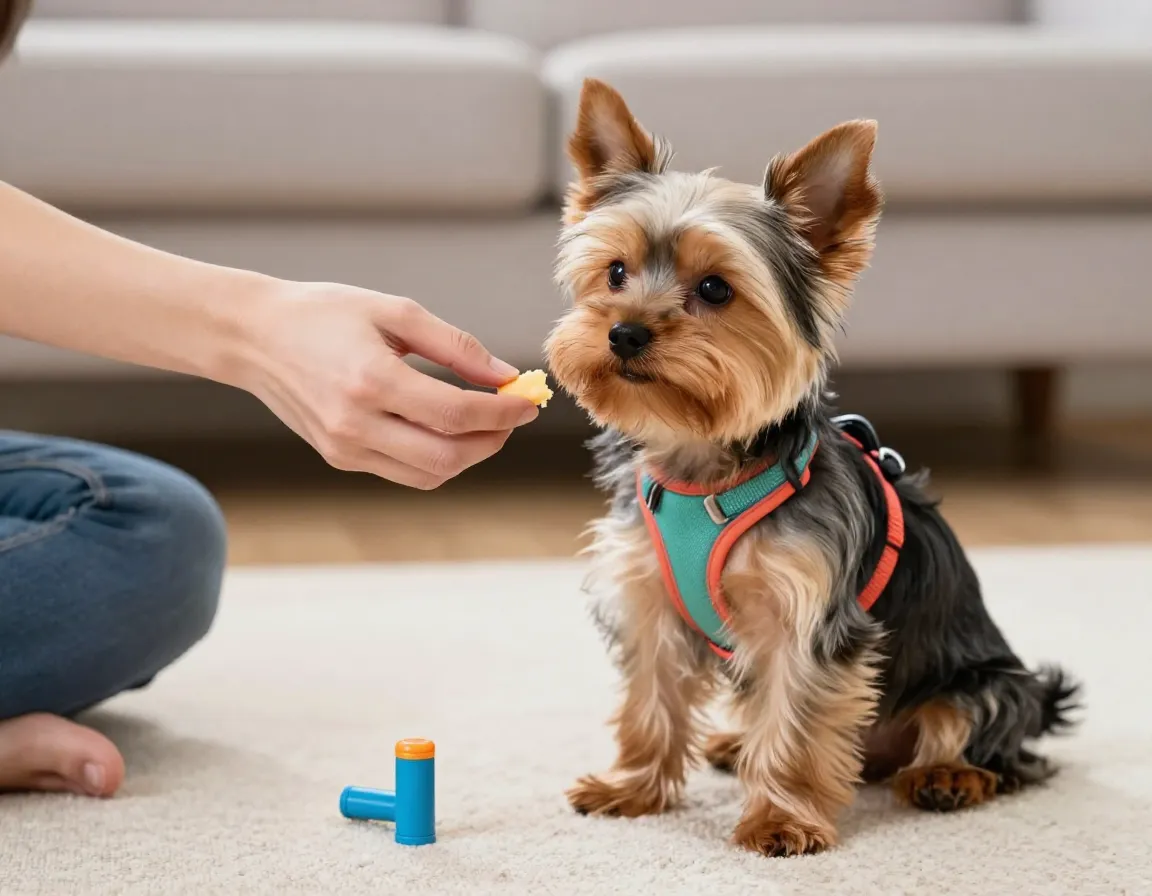
Training a Yorkshire Terrier puppy requires patience, consistency, and an understanding of their unique personality traits. These intelligent dogs are eager to please but can also be stubborn and strong-willed. The key to successful training lies in using positive reinforcement with tiny, high-value treats rather than harsh corrections[1][2], as Yorkies respond much better to encouragement than intimidation.
Basic Command Training
Start with fundamental commands that will keep your puppy safe and well-behaved. Keep training sessions short—around 5 minutes—focusing on basic commands like “sit” and “come”[1]. Yorkie puppies have short attention spans, and brief, frequent sessions are more effective than longer, infrequent ones.
Essential commands to teach first:
- “Sit” – Hold a treat close to your puppy’s nose, slowly lift it over their head, and say “sit” as their bottom touches the ground
- “Come” – Start in a small, enclosed area and call your puppy’s name followed by “come” while backing away
- “Stay” – Begin with very short durations (2-3 seconds) and gradually increase the time
- “Down” – From the sit position, lower a treat to the ground between their paws
Leash Training Fundamentals
Learning to walk on a leash typically takes about a week, using positive reinforcements such as treats like Cheerios or shredded cheese[2]. Start leash training indoors where your puppy feels comfortable and secure. Allow them to wear their harness for short periods initially, rewarding them with treats and praise for calm behavior.
Use a harness rather than a collar, which is better suited to their small size[2]. Collars can damage a Yorkie’s delicate trachea and cause breathing problems, while a well-fitted harness distributes pressure across their chest and shoulders more safely.
Addressing Common Behavioral Challenges
Yorkshire Terriers are naturally protective and may develop excessive barking habits if not properly trained. Address barking early by:
- Identifying triggers – Note what causes your puppy to bark (doorbell, strangers, other dogs)
- Redirecting attention – Use treats and commands to refocus their attention when they start barking
- Avoiding reinforcement – Don’t comfort or pet your puppy when they bark, as this rewards the behavior
Socialization training is equally important for preventing fearfulness and aggression. Expose your puppy to various people, sounds, and environments during their critical socialization period (8-16 weeks). Always ensure these experiences are positive and never overwhelming.
Training Schedule and Consistency
Incorporate training into your daily routine rather than treating it as a separate activity. Practice commands before meals, during play time, and throughout regular interactions. Consistency is crucial—all family members should use the same commands and reward system to avoid confusing your puppy.
Create a simple training log to track your puppy’s progress:
| Week | Commands Practiced | Success Rate | Notes |
|---|---|---|---|
| 1 | Sit, Come | 60% | Responds better with chicken treats |
| 2 | Sit, Come, Stay | 75% | Improving focus, shorter sessions work best |
| 3 | All commands + Down | 85% | Ready for outdoor practice |
3. Establish House Training and Potty Routines
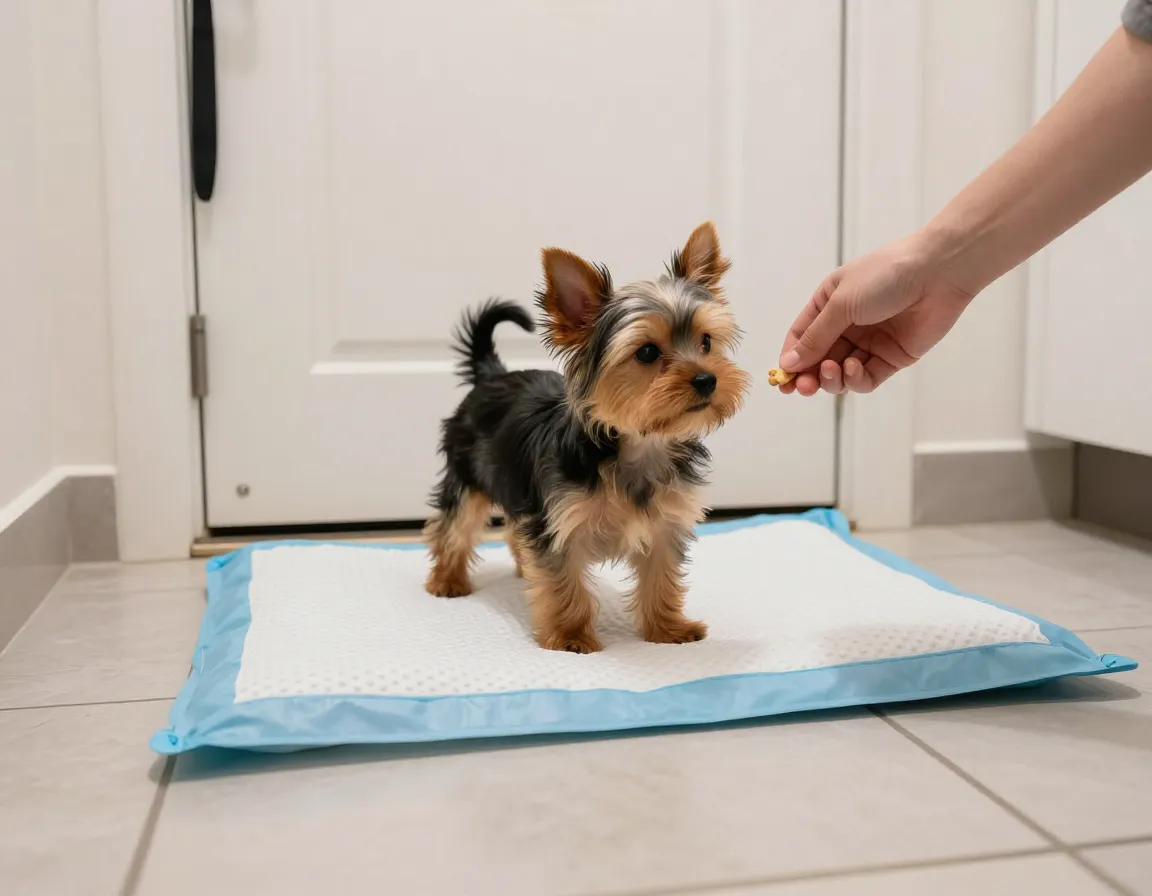
House training a Yorkshire Terrier puppy requires extra patience and consistency due to their tiny bladders and high metabolism. Establish consistent feeding and potty schedules with breaks every 2-3 hours due to their small bladders[1][4]. Understanding that accidents are inevitable during the learning process will help you maintain a positive attitude throughout the training journey.
Creating an Effective Potty Schedule
Potty breaks should occur immediately after waking, within 15-20 minutes of eating, and before bedtime[4]. This predictable routine helps your puppy learn when and where they should eliminate, reducing accidents and building confidence.
Sample potty schedule for Yorkie puppies:
- Upon waking (6:30-7:00 AM)
- After breakfast (7:30 AM)
- Mid-morning (10:00 AM)
- After lunch (12:30 PM)
- Mid-afternoon (3:00 PM)
- After dinner (6:00 PM)
- Evening break (8:30 PM)
- Before bed (10:30 PM)
Positive Reinforcement Techniques
Use positive reinforcement with immediate treats and praise[4] when your puppy eliminates in the appropriate location. The timing of rewards is crucial—praise and treat your puppy within 3-5 seconds of them finishing their business outside. This immediate connection helps them understand exactly what behavior you’re rewarding.
Choose a specific “potty command” like “go potty” or “do your business” and use it consistently each time you take your puppy outside. Eventually, they’ll associate this phrase with the desired behavior and may eliminate on command.
Indoor Options and Management
For Yorkshire Terriers, indoor potty options can be helpful, especially during harsh weather or for owners who work long hours. Puppy pads or artificial grass systems can serve as backup options, but they should supplement, not replace, outdoor training.
Setting up indoor potty areas:
- Choose a consistent location away from food and sleeping areas
- Use high-quality, absorbent pads with attractant scents
- Gradually move the pads closer to the door, then outside
- Clean accidents thoroughly with enzymatic cleaners to eliminate odors
Managing Accidents and Setbacks
Accidents are part of the learning process, especially with toy breeds who have smaller bladders and less control. Never punish accidents—instead, clean them thoroughly and increase supervision. If you catch your puppy in the act, interrupt with a gentle “no” and immediately take them to the appropriate location.
Signs your puppy needs to go outside:
- Sniffing the ground intensely
- Circling or pacing
- Whining or restlessness
- Standing by the door
- Sudden stopping during play
Track your puppy’s progress with a simple chart noting successful outdoor eliminations versus accidents. Most Yorkie puppies show significant improvement within 4-6 weeks of consistent training, with full house training typically achieved by 6-8 months of age.
4. Master Grooming and Coat Care
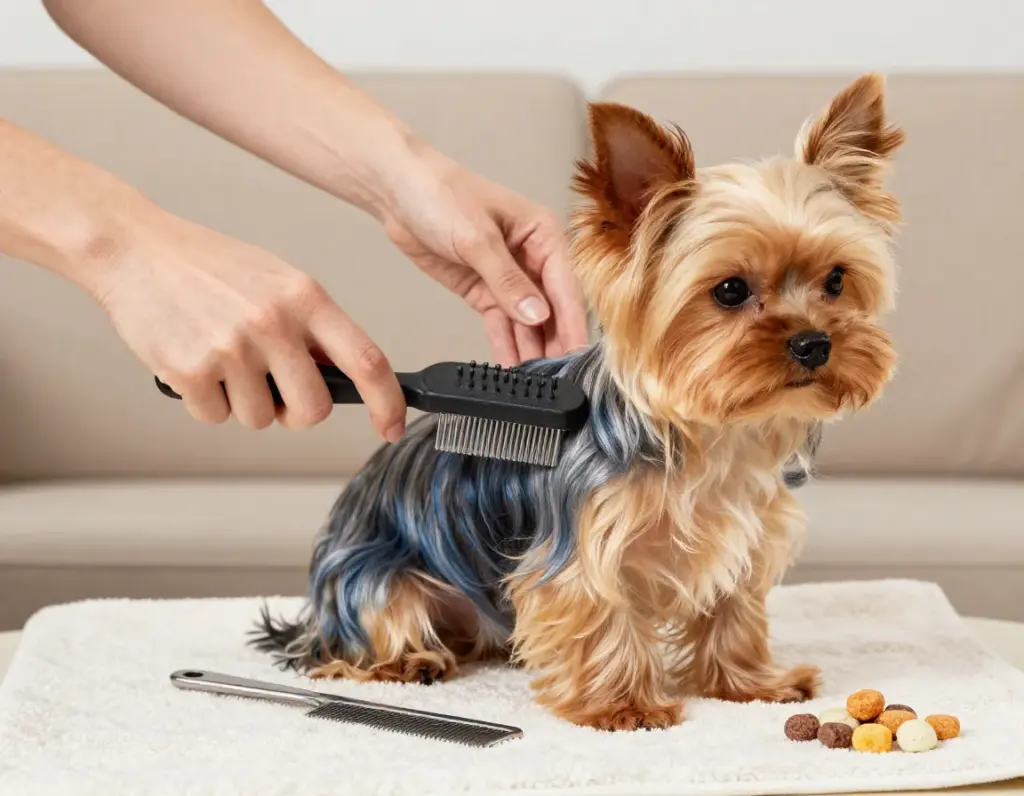
The Yorkshire Terrier’s beautiful silky coat is one of their most distinctive features, but it requires dedicated daily care to maintain its health and appearance. Daily brushing prevents painful mats in their fine hair using a pin brush and metal comb designed for long-haired breeds[1]. Understanding proper grooming techniques from the beginning will save you time, money, and stress while keeping your puppy comfortable and healthy.
Essential Grooming Tools
Invest in quality grooming tools specifically designed for long-haired toy breeds. Required tools include:
- Pin brush with rounded tips – For daily brushing and detangling
- Metal comb with fine and wide teeth – For working through mats and finishing touches
- Slicker brush – For removing loose undercoat
- Small scissors with rounded tips – For trimming around eyes and paws
- Nail clippers designed for small dogs – For weekly nail maintenance
- High-quality dog shampoo – Gentle formula for sensitive skin
Daily Brushing Routine
Start grooming sessions when your puppy is calm and relaxed, such as after a meal or play session. Begin with short 5-minute sessions and gradually increase the duration as your puppy becomes more comfortable with the process.
Step-by-step daily brushing:
- Start with gentle petting to help your puppy relax
- Use the pin brush to work through the coat in sections, starting from the head and working backward
- Pay special attention to mat-prone areas – behind the ears, under the legs, and around the collar area
- Follow with the metal comb to catch any remaining tangles
- Reward with treats and praise throughout the session
Bathing and Skin Care
Yorkshire Terrier puppies typically need baths every 2-3 weeks, or when they become dirty or smelly. Over-bathing can strip natural oils from their skin and coat, leading to dryness and irritation.
Proper bathing technique:
- Use lukewarm water (test with your elbow)
- Wet the coat thoroughly, working from neck to tail
- Apply a small amount of puppy-safe shampoo and massage gently
- Rinse completely—leftover soap can cause skin irritation
- Towel dry gently and use a blow dryer on cool setting if your puppy tolerates it
Eye and Ear Care
Yorkies are prone to tear staining around their eyes due to their facial structure. Clean the eye area daily with a damp, soft cloth or specialized tear stain wipes. Trim hair around the eyes carefully to prevent irritation, or consider using small hair ties to keep long hair out of their eyes.
Ear cleaning should be done weekly using a veterinarian-approved ear cleaning solution. Yorkies’ upright ears generally have good air circulation, but regular cleaning prevents wax buildup and infections.
Nail and Dental Care
Nail trimming should begin early to help your puppy become comfortable with the process. Yorkie nails grow quickly and can become painful if allowed to get too long. Trim just the white tips, avoiding the pink “quick” inside the nail.
Dental care is crucial for toy breeds, who are prone to dental problems. Start brushing your puppy’s teeth with a finger brush and dog-safe toothpaste, gradually working up to a small toothbrush. Aim for daily brushing, or at minimum three times per week.
Professional Grooming Considerations
While daily maintenance can be done at home, many Yorkie owners choose professional grooming every 6-8 weeks for trimming and styling. Popular Yorkie cuts include:
- Puppy cut – Short, even length all over (easiest to maintain)
- Traditional show cut – Long coat with topknot
- Schnauzer cut – Shorter body with longer leg hair
5. Prioritize Health Care and Veterinary Needs

Establishing a strong relationship with a qualified veterinarian is one of the most important steps in caring for your Yorkshire Terrier puppy. Small breeds like Yorkies have specific health vulnerabilities that require proactive monitoring and preventive care. Regular veterinary checkups, proper vaccination schedules, and early detection of breed-specific health issues can significantly impact your puppy’s quality of life and longevity.
Initial Veterinary Visit and Health Assessment
Schedule your puppy’s first veterinary appointment within 48-72 hours of bringing them home. This initial visit serves multiple purposes: establishing baseline health measurements, discussing vaccination schedules, and identifying any immediate health concerns that may need attention.
What to expect during the first visit:
- Complete physical examination – Weight, temperature, heart rate, and overall body condition
- Vaccination planning – Discussion of core and non-core vaccines based on your lifestyle
- Parasite screening – Fecal examination for worms and discussion of flea/tick prevention
- Nutrition consultation – Feeding recommendations based on your puppy’s specific needs
- Spaying/neutering timeline – Planning for future reproductive health decisions
Vaccination Schedule and Preventive Care
Yorkshire Terrier puppies require a series of vaccinations to protect against serious diseases. Core vaccines include distemper, hepatitis, parvovirus, parainfluenza, and rabies. The typical vaccination schedule begins at 6-8 weeks and continues every 3-4 weeks until 16 weeks of age.
Sample vaccination timeline:
| Age | Vaccines | Additional Care |
|---|---|---|
| 6-8 weeks | DHPP (first round) | Deworming, fecal exam |
| 10-12 weeks | DHPP (second round) | Heartworm prevention discussion |
| 14-16 weeks | DHPP (final round), Rabies | Microchip placement |
| 12-16 months | Annual boosters | Spay/neuter consideration |
Common Health Issues in Yorkshire Terriers
Understanding breed-specific health concerns helps you recognize early warning signs and seek appropriate treatment. Common Yorkie health issues include:
Luxating Patella (Kneecap Dislocation)
- Symptoms: Limping, holding leg up, difficulty jumping
- Prevention: Maintain healthy weight, avoid excessive jumping
- Treatment: Ranges from management to surgical correction
Tracheal Collapse
- Symptoms: Honking cough, difficulty breathing, exercise intolerance
- Prevention: Use harnesses instead of collars, maintain healthy weight
- Treatment: Medication, lifestyle modifications, sometimes surgery
Hypoglycemia (Low Blood Sugar)
- Symptoms: Lethargy, weakness, trembling, seizures
- Prevention: Frequent small meals, avoid prolonged fasting
- Treatment: Immediate sugar supplementation, emergency veterinary care
Dental Problems
- Symptoms: Bad breath, difficulty eating, loose teeth
- Prevention: Daily teeth brushing, dental chews, regular cleanings
- Treatment: Professional dental cleanings, extractions if necessary
Emergency Preparedness
Due to their small size, Yorkshire Terrier puppies can develop serious health problems quickly. Keep emergency contact information readily available, including your regular veterinarian, nearest emergency clinic, and pet poison control hotline.
Emergency kit essentials:
- Karo syrup or honey (for hypoglycemic episodes)
- Digital thermometer (normal temperature: 101-102.5°F)
- Gauze and medical tape
- Emergency veterinary contact numbers
- Recent photo of your puppy
- Medical history and vaccination records
Spaying and Neutering Considerations
Discuss the timing of spaying or neutering with your veterinarian, as recommendations may vary based on your puppy’s size and health status. For toy breeds, many veterinarians recommend waiting until 6-12 months of age to allow for proper growth and development, though individual circumstances may warrant different timing.
6. Create a Safe Home Environment
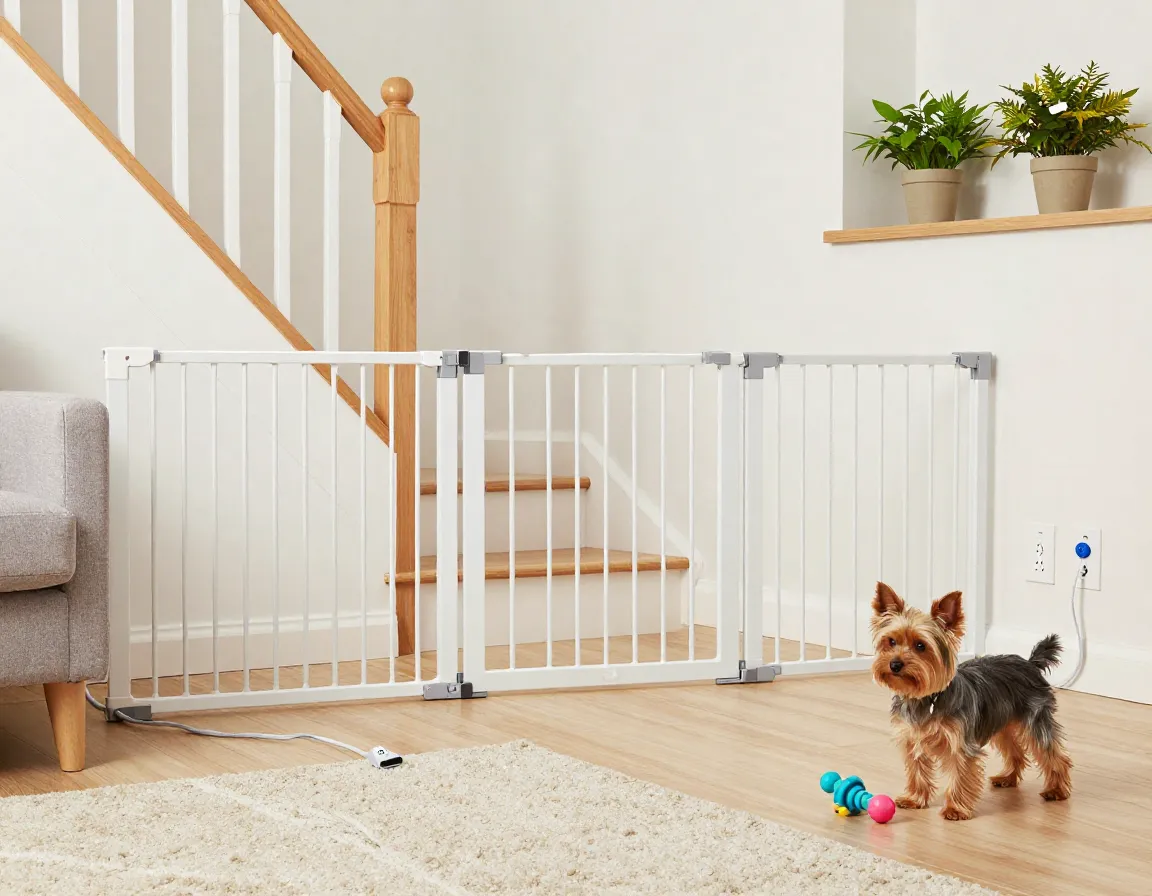
Yorkshire Terrier puppies are naturally curious and fearless, often unaware of the dangers their small size presents in a human-sized world. Puppy-proofing your home is essential to prevent injuries, poisoning, and other accidents that could be life-threatening for such tiny dogs. Creating a safe environment requires thinking from your puppy’s perspective and identifying potential hazards at their eye level.
Puppy-Proofing Essentials
Start by getting down on your hands and knees to see your home from your puppy’s viewpoint. Common household hazards for Yorkie puppies include:
Electrical hazards:
- Exposed electrical cords (use cord protectors or covers)
- Outlets at floor level (install safety plugs)
- Small appliances with dangling cords
Toxic substances:
- Household cleaners and chemicals
- Human medications
- Certain houseplants (lilies, azaleas, sago palms)
- Chocolate, grapes, onions, and other toxic foods
Physical dangers:
- Small objects that could cause choking
- Sharp furniture corners
- Gaps between furniture where puppies could get stuck
- Open staircases without barriers
Room-by-Room Safety Checklist
Kitchen Safety:
- Install cabinet locks on lower cabinets containing cleaning supplies
- Use trash cans with secure lids
- Keep knives and sharp utensils in closed drawers
- Ensure no food items are accessible on counters or tables
Living Room Safety:
- Secure or remove breakable decorative items
- Check for loose carpet edges or area rugs that could cause tripping
- Install barriers around fireplaces
- Ensure houseplants are out of reach or non-toxic
Bathroom Safety:
- Keep toilet lids closed (drowning hazard)
- Store medications in locked cabinets
- Remove or secure small items like hair ties, cotton swabs
- Use non-slip mats to prevent falls on wet surfaces
Bedroom Safety:
- Keep clothing and shoes in closed closets
- Secure jewelry and small accessories
- Ensure your puppy cannot fall from beds or furniture
- Remove or secure electrical cords from lamps and electronics
Establishing Safe Zones
Create designated safe areas where your puppy can play and rest without constant supervision. Exercise pens or baby gates can help confine your puppy to puppy-proofed areas while still allowing them freedom to move around.
Safe zone essentials:
- Comfortable bedding or crate
- Fresh water in a tip-resistant bowl
- Appropriate toys for solo play
- Easy-to-clean flooring in case of accidents
Outdoor Safety Considerations
If you have a yard, ensure it’s properly secured before allowing your Yorkie puppy outside unsupervised. Fence requirements for Yorkies are more stringent than for larger dogs due to their ability to squeeze through small spaces.
Outdoor safety checklist:
- Check fence for gaps larger than 2 inches
- Remove toxic plants from landscaping
- Secure or remove garden chemicals and fertilizers
- Install barriers around pools, ponds, or water features
- Check for escape routes under decks or sheds
Temperature and Climate Control
Yorkshire Terriers are sensitive to temperature extremes due to their small size and single-layer coat. Maintain comfortable indoor temperatures between 68-72°F, and be prepared to adjust based on your puppy’s comfort level.
Temperature management:
- Provide warm bedding in cooler months
- Ensure adequate ventilation in warmer weather
- Consider puppy sweaters for cold weather
- Never leave your puppy in a car, regardless of weather
- Monitor for signs of overheating or hypothermia
7. Build Proper Socialization and Exercise Routines
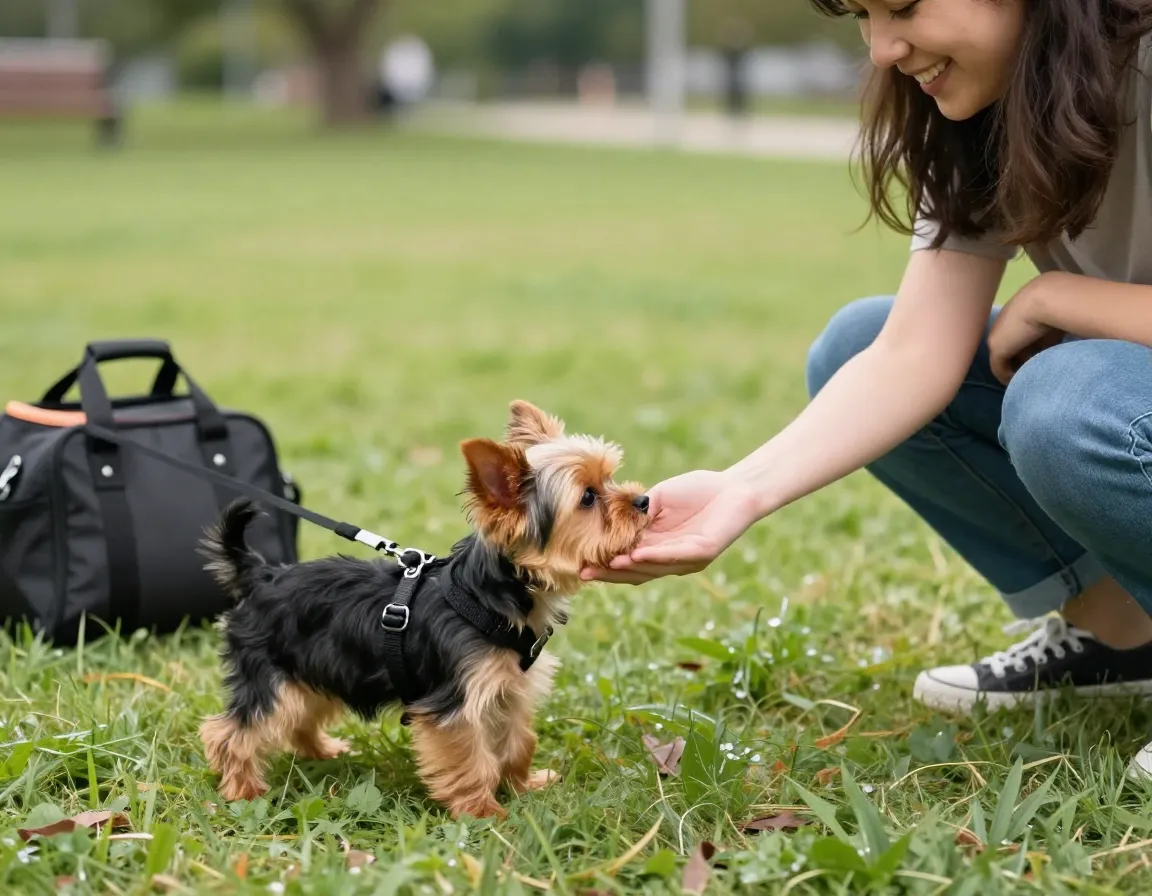
Socialization and exercise are crucial components of raising a well-adjusted Yorkshire Terrier puppy. Proper socialization during the critical period between 8-16 weeks helps prevent behavioral problems like excessive barking, fearfulness, and aggression that can develop in under-socialized dogs. However, Yorkies require a carefully balanced approach to both socialization and exercise due to their small size and unique personality traits.
Understanding the Socialization Window
The critical socialization period for puppies occurs between 3-14 weeks of age, with the most important phase happening between 8-11 weeks. During this time, puppies are naturally more open to new experiences and less likely to develop fear responses to unfamiliar stimuli. Missing this window can result in lifelong behavioral challenges that are difficult to overcome.
Key socialization goals for Yorkie puppies:
- Exposure to different types of people (children, elderly, different ethnicities)
- Familiarity with various sounds (traffic, appliances, music)
- Positive interactions with other vaccinated, friendly dogs
- Experience with different surfaces and environments
- Comfort with handling (grooming, veterinary exams)
Safe Socialization Strategies
Before your puppy completes their vaccination series, socialization must be approached carefully to avoid exposure to diseases. Carry your puppy in a secure carrier to expose them to new environments without risking contact with contaminated surfaces.
Pre-vaccination socialization activities:
- Puppy parties at home with vaccinated, friendly dogs
- Car rides to different locations (staying in the car)
- Meeting people in controlled environments
- Sound exposure through recordings or controlled real-life situations
- Handling exercises to prepare for grooming and veterinary care
Post-Vaccination Socialization
Once your puppy has completed their vaccination series and received veterinary clearance, expand their socialization experiences gradually. Start with less overwhelming environments and progress to busier locations as your puppy gains confidence.
Progressive socialization plan:
Week 1-2 (Post-vaccination):
- Quiet neighborhood walks
- Meeting calm, friendly neighbors
- Exploring different surfaces (grass, concrete, gravel)
Week 3-4:
- Visits to pet-friendly stores
- Controlled interactions with other puppies
- Introduction to basic grooming tools
Week 5-8:
- Dog parks during less busy times
- Exposure to children and elderly individuals
- Practice with car travel and crate confinement
Exercise Requirements and Limitations
Yorkshire Terriers have moderate exercise needs, but their small size means they tire more quickly than larger breeds. A typical adult Yorkie needs 20-30 minutes of exercise daily, while puppies require shorter, more frequent play sessions to avoid overexertion.
Age-appropriate exercise guidelines:
8-12 weeks:
- 5-10 minute play sessions, 3-4 times daily
- Indoor games and short outdoor explorations
- Focus on mental stimulation over physical exertion
3-6 months:
- 10-15 minute walks, twice daily
- Interactive play sessions
- Introduction to basic agility or trick training
6+ months:
- 20-30 minute walks daily
- More challenging mental stimulation games
- Participation in puppy training classes
Mental Stimulation Activities
Yorkshire Terriers are intelligent dogs that require mental challenges to prevent boredom and destructive behaviors. Mental exercise can be as tiring as physical exercise for smart breeds like Yorkies.
Mental stimulation ideas:
- Puzzle toys with hidden treats
- Training sessions teaching new commands or tricks
- Hide and seek games with treats or toys
- Rotating toy selection to maintain novelty
- Interactive feeding using puzzle bowls or Kong toys
Recognizing Overstimulation
Due to their small size and sensitive nature, Yorkie puppies can become overstimulated more easily than larger breeds. Watch for signs of stress or fatigue and be prepared to end activities early if needed.
Signs of overstimulation:
- Excessive panting or drooling
- Trembling or shaking
- Withdrawal or hiding behavior
- Aggressive responses to handling
- Loss of bladder control
Recovery strategies:
- Provide a quiet, comfortable space for rest
- Reduce environmental stimuli (noise, activity)
- Offer fresh water and a small snack
- Allow 30-60 minutes of quiet time before resuming activities
Conclusion
Raising a Yorkshire Terrier puppy as a first-time owner is both rewarding and challenging, requiring dedication, patience, and a thorough understanding of their unique needs. These 7 Yorkie puppy dog care tips for first-time owners provide the foundation for building a strong, healthy relationship with your new companion while ensuring their physical and emotional well-being.
The journey ahead will include moments of frustration alongside countless joyful experiences as you watch your tiny puppy grow into a confident, well-adjusted adult dog. Remember that consistency is key in all aspects of care—from feeding schedules and training routines to grooming habits and socialization efforts. Every investment you make in your puppy’s early development pays dividends in their future behavior, health, and happiness.
Your next steps should include:
- Schedule your puppy’s first veterinary appointment within 48-72 hours of bringing them home
- Establish consistent daily routines for feeding, potty breaks, and training sessions
- Begin socialization immediately while following safe practices for unvaccinated puppies
- Invest in quality supplies including appropriate food, grooming tools, and safety equipment
- Connect with local resources such as puppy training classes and Yorkshire Terrier breed groups
The bond you’ll develop with your Yorkshire Terrier puppy through proper care and training will last a lifetime. These intelligent, loyal companions thrive when given structure, love, and appropriate guidance during their formative months. With patience, consistency, and the knowledge gained from these essential care tips, you’ll be well-equipped to provide your Yorkie puppy with the best possible start in life.
Remember that every puppy develops at their own pace, and what works for one may not work for another. Stay flexible, observe your puppy’s individual needs, and don’t hesitate to seek professional guidance when needed. Your commitment to following these proven care strategies will help ensure your Yorkshire Terrier puppy grows into the healthy, happy companion you’ve dreamed of welcoming into your family.
References
[1] Yorkie Puppy – https://rubyloo.co/blogs/news/yorkie-puppy
[2] Yorkie Puppy First Year Training Timeline – https://www.akc.org/expert-advice/training/yorkie-puppy-first-year-training-timeline/
[3] Yorkshire Terrier Puppies Everything You Need To Know – https://www.rover.com/blog/yorkshire-terrier-puppies-everything-you-need-to-know/
[4] Small Paws Big Hearts A Complete Guide To Caring For Your Yorkie Puppy – https://www.fitwarm.com/blogs/news/small-paws-big-hearts-a-complete-guide-to-caring-for-your-yorkie-puppy
[5] Taking Care Of Your New Puppy – https://www.valnessyorkies.com/taking-care-of-your-new-puppy
[6] How To Prepare For A Yorkshire Terrier Puppy – https://wagwalking.com/lifestyle/dog-ownership/how-to-prepare-for-a-yorkshire-terrier-puppy
[7] Watch – https://www.youtube.com/watch?v=7yDcHS2IuSc