6 Expert Tips for Newborn Cat Care You Can’t Miss
Bringing home a newborn kitten can be one of life’s most rewarding experiences, but it also comes with tremendous responsibility. These tiny, vulnerable creatures require specialized care that differs dramatically from adult cat care. Without proper knowledge, even well-intentioned caregivers can inadvertently harm these delicate babies. Understanding the 6 Expert Tips for Newborn Cat Care You Can’t Miss can mean the difference between a thriving kitten and a tragic outcome.
Disclosure: This post contains affiliate links. As an Amazon Associate, we earn from qualifying purchases, and at no extra cost to you.
Newborn kittens are entirely dependent on their caregivers for survival during their first few weeks of life. Unlike adult cats, they cannot regulate their body temperature, eliminate waste independently, or even open their eyes initially. This complete helplessness makes proper care absolutely critical for their development and long-term health.
Key Takeaways
- Temperature control is crucial: Newborn kittens require precise heating between 29-32°C for the first weeks of life
- Feeding frequency matters: Kittens need specialized milk replacer every 2-3 hours, never cow’s milk
- Daily monitoring is essential: Weighing kittens daily helps detect health issues early and ensures proper growth
- Elimination assistance is necessary: Caregivers must stimulate urination and defecation after each feeding
- Veterinary care is non-negotiable: Professional health checks at 6-8 weeks are vital for vaccinations and disease prevention
Understanding the Critical First Weeks: Why These 6 Expert Tips for Newborn Cat Care You Can’t Miss Matter
The first eight weeks of a kitten’s life represent the most vulnerable period in their entire lifespan. During this time, their immune systems are underdeveloped, their bodies cannot perform basic functions independently, and they rely completely on external care for survival[1]. This is why mastering the 6 Expert Tips for Newborn Cat Care You Can’t Miss becomes absolutely essential for anyone taking on this responsibility.
The Vulnerability Window
Newborn kittens face numerous challenges that make them extremely fragile:
- Incomplete thermoregulation: Unable to maintain body temperature for the first 3 weeks
- Underdeveloped immune system: Susceptible to infections and diseases
- Dependency for elimination: Cannot urinate or defecate without stimulation
- Nutritional requirements: Need specific nutrients that only specialized formulas can provide
- Rapid growth demands: Require precise feeding schedules to support healthy development
Understanding these vulnerabilities helps explain why each of the six expert tips plays such a crucial role in kitten survival and development.
1. Master Temperature Control: The Foundation of Newborn Kitten Survival

Temperature regulation stands as the most critical aspect of newborn kitten care. Unlike adult cats, kittens cannot shiver or regulate their body temperature effectively for the first three weeks of life[1][4]. This makes maintaining proper environmental temperature absolutely essential for their survival.
Precise Temperature Requirements
The temperature needs of newborn kittens change as they develop:
| Age Range | Required Temperature | Key Considerations |
|---|---|---|
| 0-1 weeks | 29-32°C (85-90°F) | Most critical period |
| 2 weeks | 26-30°C (80-85°F) | Gradual temperature reduction |
| 3-4 weeks | 24-27°C (75-80°F) | Beginning self-regulation |
Creating the Perfect Heating Environment
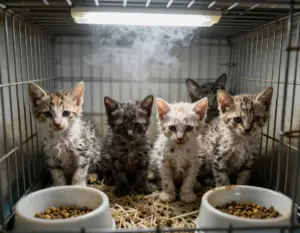
Heating Pad Setup: Use heating pads specifically designed for pets, always covered with multiple layers of blankets[1][5]. This prevents direct contact that could cause burns while providing consistent warmth.
Escape Route: Always ensure kittens can move away from the heat source if they become too warm[4]. Overheating can be just as dangerous as being too cold.
Temperature Monitoring: Use a reliable thermometer to check both ambient temperature and the kitten’s body temperature regularly. A healthy kitten should feel warm to the touch, not hot or cold.
Warning Signs of Temperature Problems
Watch for these indicators that temperature control needs adjustment:
- Too Cold: Lethargy, weak crying, cold extremities, seeking heat sources
- Too Hot: Excessive panting, restlessness, moving away from heat, red skin
“Proper temperature control is literally a matter of life and death for newborn kittens. Even a few degrees difference can significantly impact their ability to digest food and fight off infections.” – Veterinary Care Guidelines[1]
2. Perfect the Feeding Protocol: Nutrition That Supports Healthy Growth
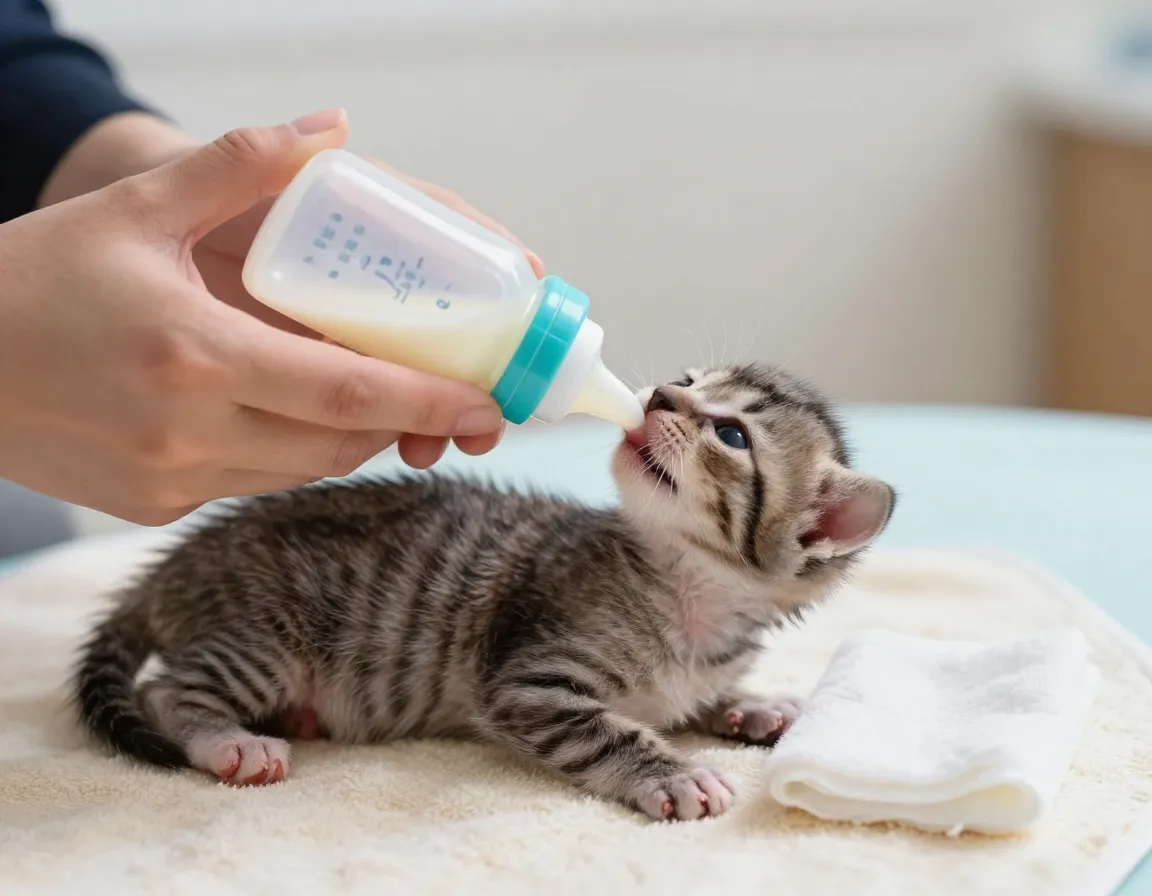
Feeding newborn kittens requires precision, patience, and the right equipment. The 6 Expert Tips for Newborn Cat Care You Can’t Miss emphasize that improper feeding can quickly lead to serious health complications or death.
The Critical “Never” Rules
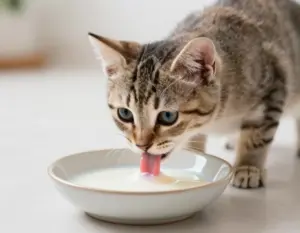
Never use cow’s milk: Cow’s milk causes severe digestive upset in kittens and can lead to dangerous diarrhea and dehydration[1][4]. Always use kitten milk replacer (KMR) specifically formulated for their nutritional needs.
Never feed on their backs: Always position kittens on their stomachs during feeding to prevent aspiration pneumonia[1][5]. This mimics their natural nursing position with their mother.
Feeding Schedule and Quantities
Frequency: Feed every 2-3 hours around the clock for the first few weeks[1]. This frequent feeding schedule supports their rapid growth and high metabolic needs.
Formula Preparation: Always warm the formula to body temperature (around 38°C/100°F) before feeding. Test the temperature on your wrist – it should feel slightly warm, never hot[5].
Feeding Amounts: Start with small amounts and gradually increase based on the kitten’s appetite and growth rate. A general guideline is 2-6ml per feeding for very young kittens, increasing as they grow.
Proper Feeding Technique
- Sterilize equipment: Always sterilize bottles and nipples before each use[1]
- Position correctly: Hold the kitten on its stomach at a slight upward angle
- Allow natural sucking: Let the kitten suckle at its own pace – never force feed
- Monitor intake: Ensure the kitten is actively swallowing and not just playing with the nipple
- Discard leftovers: Always discard any leftover formula after feeding to prevent bacterial growth[1]
Signs of Proper Nutrition
Healthy, well-fed kittens will display:
- Steady weight gain: 10-14 grams per day[1][2]
- Active suckling: Strong sucking reflex during feeding
- Contentment: Quiet, peaceful sleep between feedings
- Normal elimination: Regular urination and defecation when stimulated
Implementing the Complete 6 Expert Tips for Newborn Cat Care You Can’t Miss Protocol
Successfully caring for newborn kittens requires integrating all six expert tips into a comprehensive care routine. Each element supports the others, creating a complete care system that addresses every aspect of kitten health and development.
3. Daily Weight Monitoring: Your Early Warning System
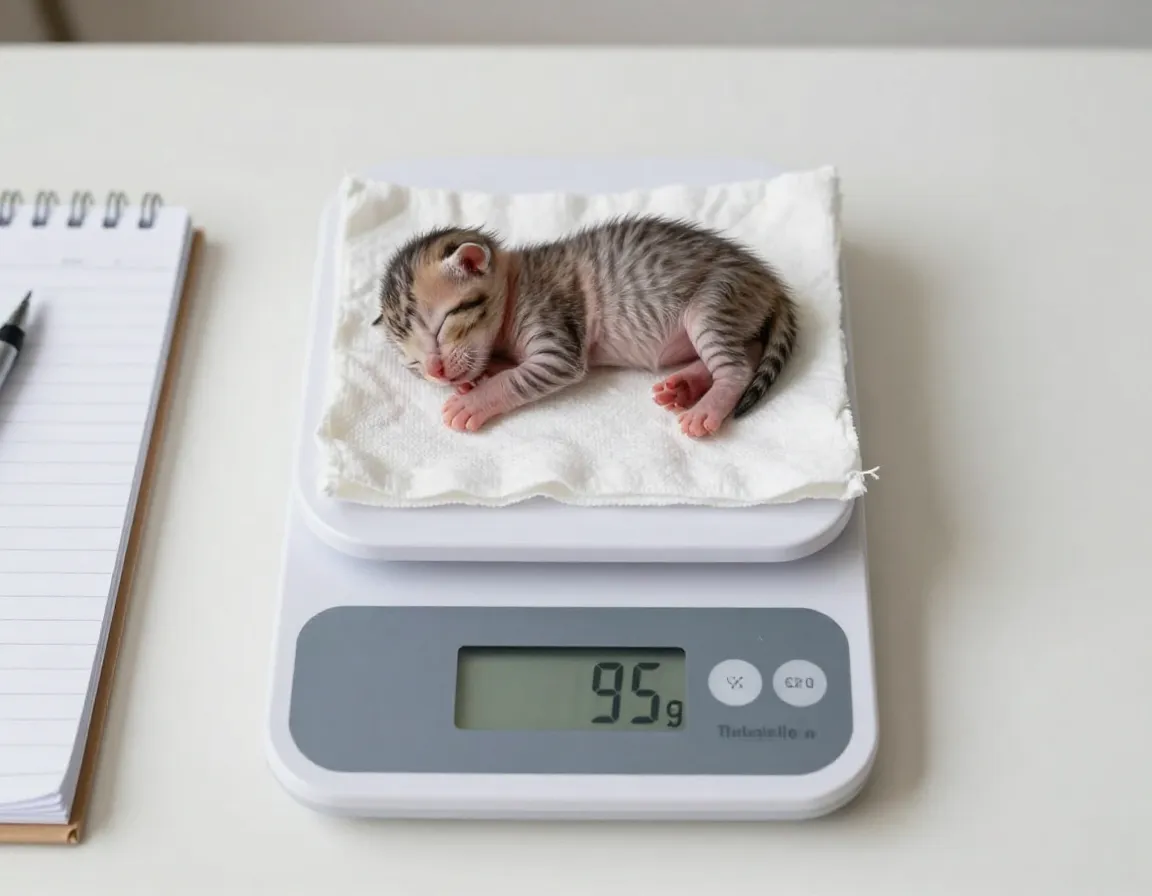
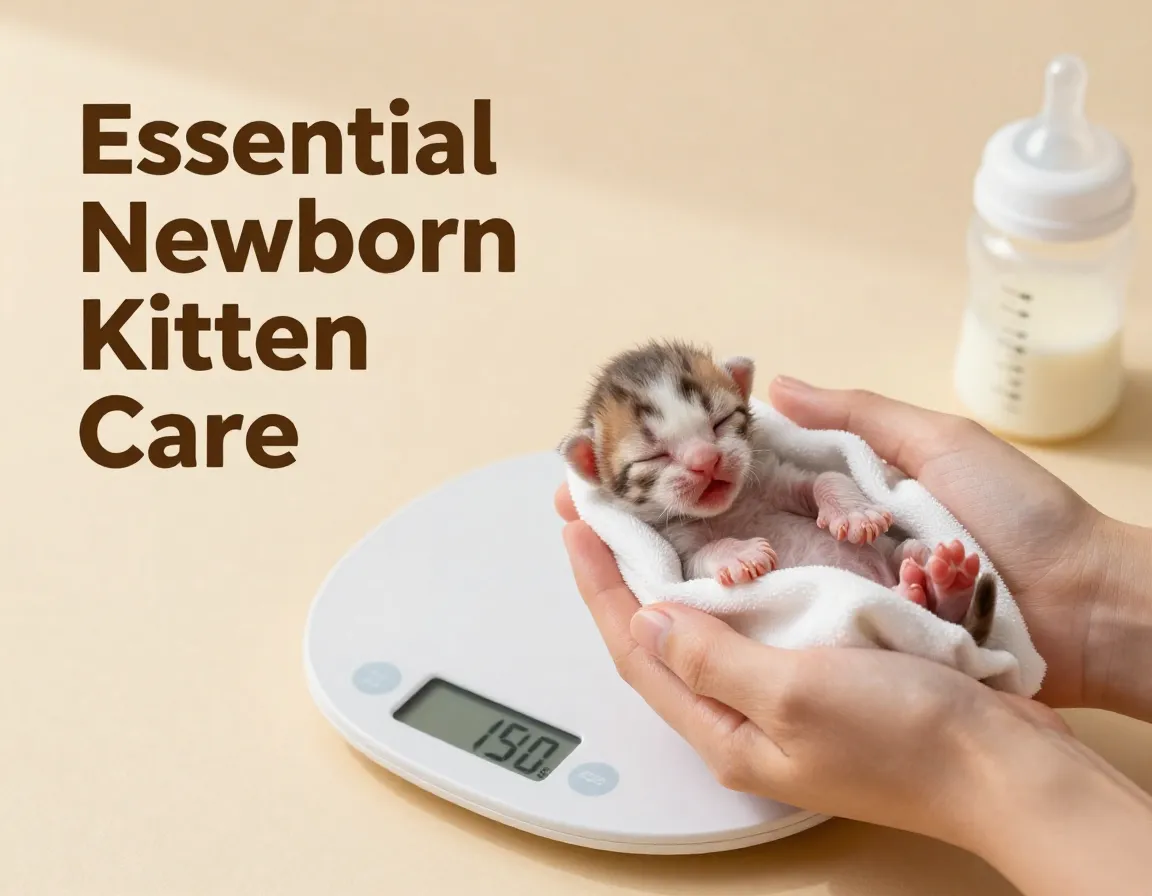
Daily weighing serves as the most reliable indicator of kitten health and proper development. This simple practice can detect problems before they become life-threatening emergencies[1][2].
Why Daily Weighing Matters
Growth Tracking: Healthy kittens should gain 10-14 grams per day consistently[1][2]. Any deviation from this pattern can indicate feeding problems, illness, or developmental issues.
Dehydration Detection: Sudden weight loss often signals dehydration, which can quickly become dangerous in such small animals.
Feeding Adequacy: Weight gain confirms that feeding schedules and quantities are appropriate for each individual kitten.
Proper Weighing Technique
Equipment: Use a digital scale accurate to at least 1 gram. Kitchen scales designed for baking often work well for this purpose.
Consistency: Weigh kittens at the same time each day, preferably before the first feeding of the day.
Record Keeping: Maintain detailed weight records for each kitten, noting any significant changes or trends.
Weight-Based Health Indicators
| Weight Pattern | Possible Meaning | Action Required |
|---|---|---|
| Steady 10-14g daily gain | Healthy development | Continue current care |
| No weight gain for 24 hours | Feeding issues or illness | Increase feeding frequency |
| Weight loss | Serious health concern | Immediate veterinary attention |
| Excessive weight gain | Overfeeding | Adjust feeding amounts |
4. Elimination Assistance: Supporting Natural Body Functions
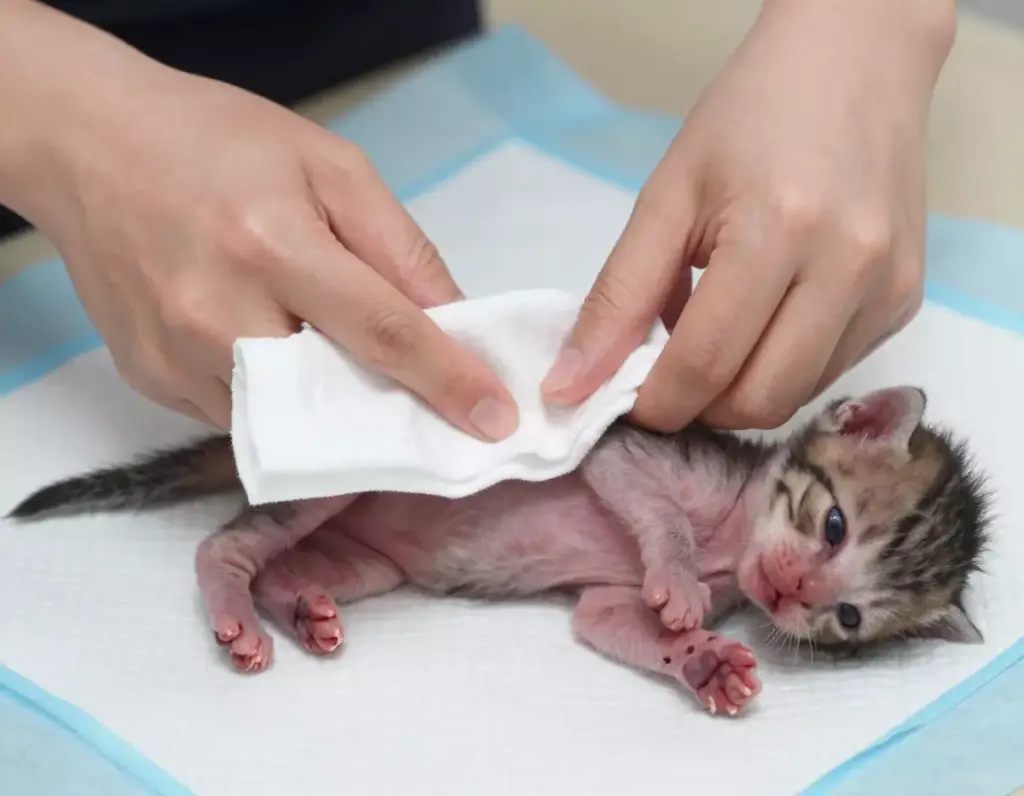
One of the most crucial aspects of the 6 Expert Tips for Newborn Cat Care You Can’t Miss involves helping kittens with elimination. Mother cats naturally stimulate urination and defecation by licking their babies – caregivers must replicate this essential function[1].
The Stimulation Process
Timing: Stimulate elimination after each feeding session, when kittens are most likely to need to eliminate[1].
Technique: Use a warm, damp cloth or cotton ball to gently rub the genital and anal areas. This mimics the mother cat’s tongue action.
Patience: Some kittens may take several minutes to respond to stimulation. Continue gentle rubbing until elimination occurs.
What to Expect
Urination: Should occur with most stimulation sessions. Urine should be pale yellow and odorless.
Defecation: May not occur with every session, but should happen at least once daily. Stool should be soft but formed.
Frequency Changes: As kittens grow, they’ll gradually develop the ability to eliminate independently, usually around 3-4 weeks of age.
Warning Signs During Elimination
Contact a veterinarian if you notice:
- No urination for more than 12 hours
- No defecation for more than 24 hours
- Blood in urine or stool
- Straining without results
- Diarrhea or very hard stools
5. Sterilization and Hygiene: Preventing Dangerous Infections
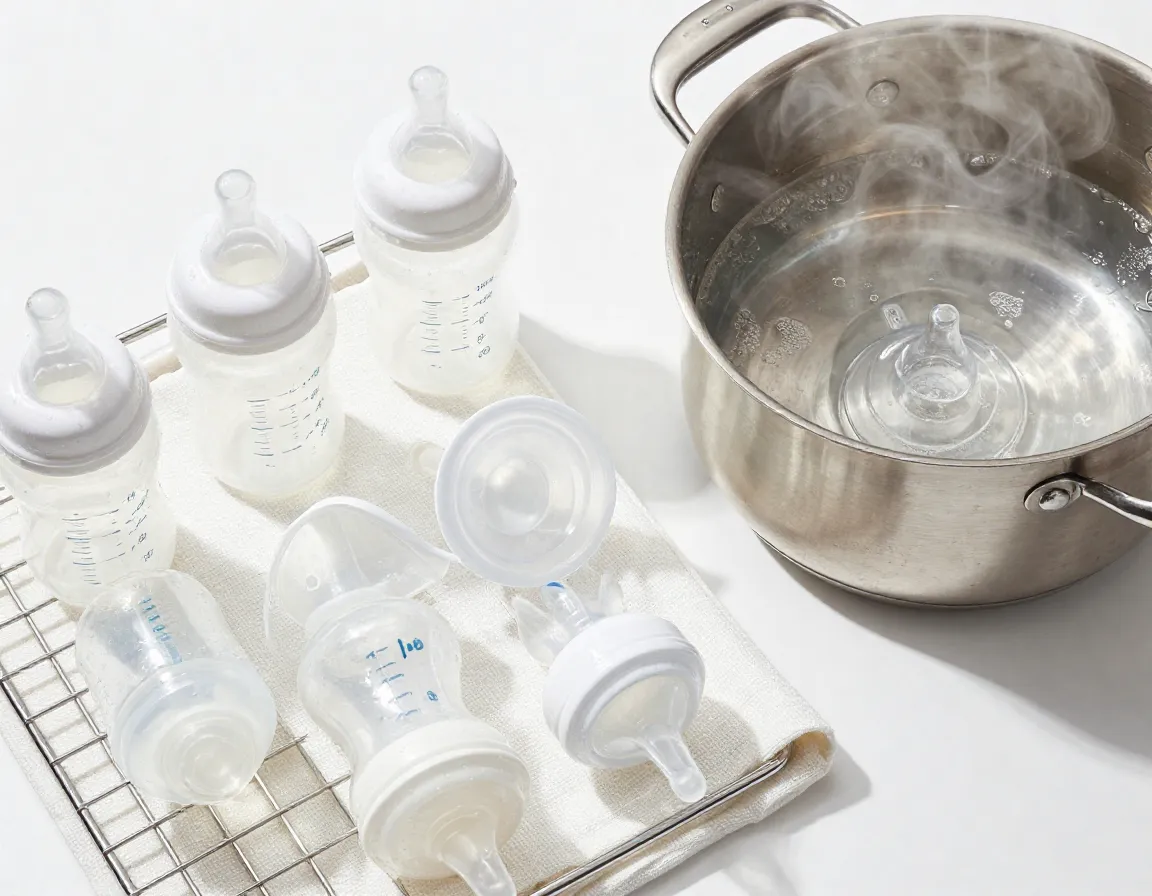
Maintaining strict hygiene standards protects vulnerable kittens from infections that could quickly become life-threatening. Their underdeveloped immune systems cannot fight off bacteria and viruses that might be harmless to adult cats[1].
Equipment Sterilization
Feeding Equipment: Sterilize all bottles, nipples, and feeding utensils before each use[1]. Use boiling water, steam sterilization, or pet-safe disinfectants.
Cleaning Supplies: Keep separate cloths for elimination assistance and general cleaning. Wash these items in hot water with bleach or pet-safe disinfectant.
Hand Hygiene: Always wash hands thoroughly before handling kittens or preparing formula.
Environmental Cleanliness
Bedding: Change bedding frequently, especially if it becomes soiled. Use materials that can be easily washed and sterilized.
Living Space: Keep the kitten’s environment clean and free from potential contaminants.
Formula Disposal: Never save leftover formula between feedings – bacteria can multiply rapidly in warm milk[1].
Creating a Sterile Feeding Routine
- Wash hands thoroughly with antibacterial soap
- Sterilize feeding equipment using your preferred method
- Prepare fresh formula for each feeding session
- Feed the kitten using proper positioning and technique
- Dispose of leftovers immediately after feeding
- Clean and re-sterilize equipment for the next feeding
6. Veterinary Care Schedule: Professional Health Monitoring
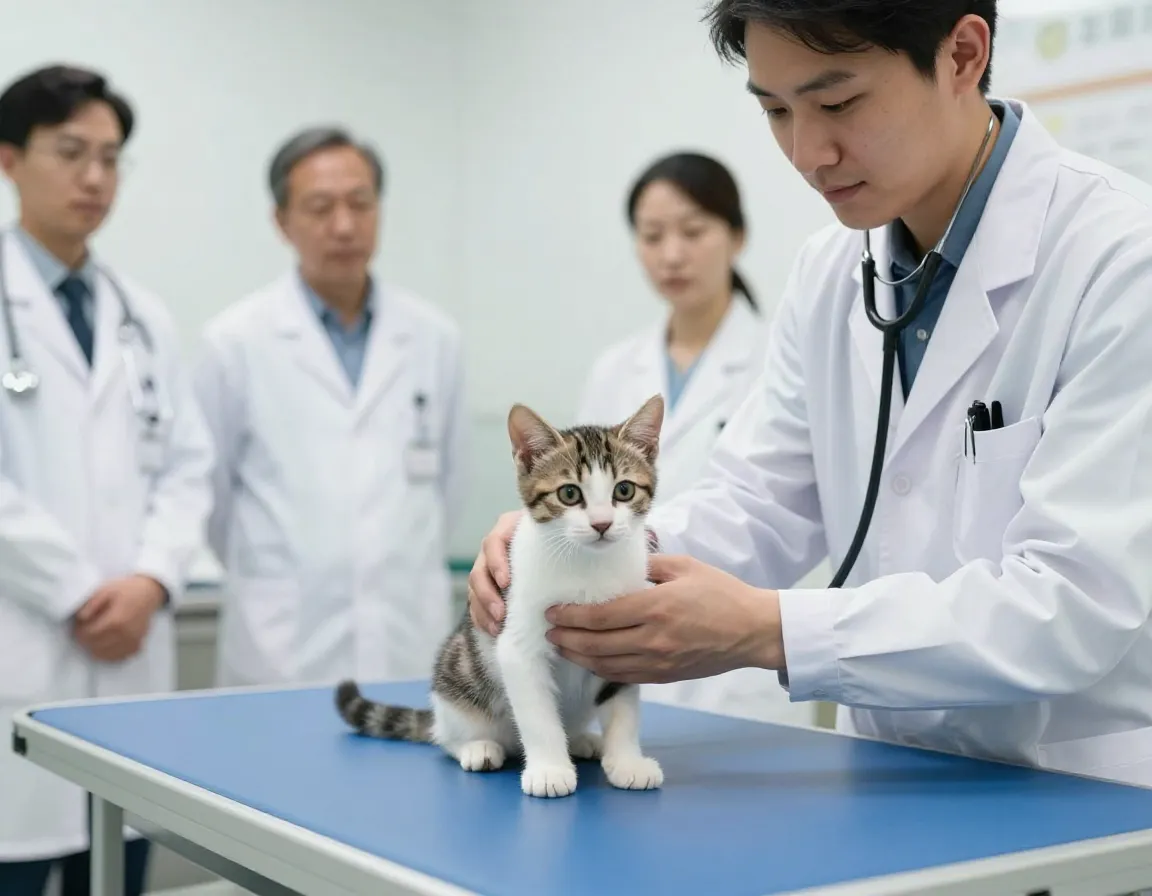
The final element of the 6 Expert Tips for Newborn Cat Care You Can’t Miss involves establishing proper veterinary care. Professional medical attention becomes crucial as kittens develop and require vaccinations, health assessments, and preventive care[1].
Initial Veterinary Assessment
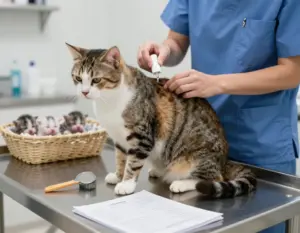
First Visit: Schedule the first veterinary visit around 6-8 weeks of age, or sooner if health concerns arise[1].
Health Evaluation: The veterinarian will assess overall development, check for congenital abnormalities, and evaluate growth progress.
Parasite Screening: Testing for internal and external parasites helps ensure healthy development.
Vaccination Schedule
Core Vaccines: Essential vaccinations typically begin around 6-8 weeks and continue through several boosters.
FVRCP Series: Protects against feline viral rhinotracheitis, calicivirus, and panleukopenia.
Rabies Vaccination: Usually administered around 12-16 weeks, depending on local regulations.
Ongoing Health Monitoring
Regular Checkups: Establish a schedule for regular veterinary visits throughout the kitten’s development.
Growth Assessment: Professional monitoring ensures proper development and early detection of potential issues.
Nutritional Guidance: Veterinarians can provide specific advice about transitioning to solid foods and adult nutrition.
Emergency Veterinary Situations
Seek immediate veterinary attention for:
- Difficulty breathing or respiratory distress
- Severe diarrhea or vomiting
- Lethargy or unresponsiveness
- Inability to maintain body temperature
- Failure to gain weight despite proper care
- Signs of dehydration such as skin tenting or dry gums
“Early veterinary intervention can prevent minor issues from becoming major health crises. Never hesitate to seek professional advice when caring for newborn kittens.” – Animal Care Guidelines[1]
Creating Your Kitten Care Schedule
Successfully implementing the 6 Expert Tips for Newborn Cat Care You Can’t Miss requires organization and consistency. Creating a detailed care schedule helps ensure nothing gets overlooked during this critical period.
Daily Care Routine
Every 2-3 Hours:
- Check and record temperature
- Prepare fresh, warm formula
- Feed kitten using proper positioning
- Stimulate elimination
- Clean and sterilize equipment
- Record feeding amounts and observations
Daily Tasks:
- Weigh each kitten and record results
- Change bedding if soiled
- Monitor for signs of illness or distress
- Maintain detailed care logs
Weekly Tasks:
- Deep clean all equipment and living areas
- Review weight gain patterns
- Assess developmental milestones
- Prepare for veterinary visits as scheduled
Record Keeping
Maintain detailed records including:
- Daily weights for each kitten
- Feeding times and amounts
- Elimination patterns
- Temperature readings
- Behavioral observations
- Any concerning symptoms or changes
These records prove invaluable for veterinary consultations and help identify patterns that might indicate health issues.
Transitioning to Independence
As kittens grow and develop, the intensive care requirements of the 6 Expert Tips for Newborn Cat Care You Can’t Miss gradually evolve into more standard kitten care practices.
Developmental Milestones
2-3 Weeks: Eyes open, beginning to hear, starting to move around more actively
3-4 Weeks: Beginning to eliminate independently, showing interest in solid food
4-6 Weeks: Increased mobility, play behavior emerges, weaning process begins
6-8 Weeks: Ready for first veterinary visit, vaccinations, and transition to new homes
Weaning Process
Introduction to Solid Food: Around 4 weeks, begin offering high-quality kitten food mixed with formula to create a gruel-like consistency.
Gradual Transition: Slowly reduce formula feedings while increasing solid food availability.
Water Introduction: Provide fresh water in shallow dishes as kittens learn to drink independently.
Common Challenges and Solutions
Even with careful attention to the 6 Expert Tips for Newborn Cat Care You Can’t Miss, caregivers may encounter various challenges during the kitten-rearing process.
Feeding Difficulties
Weak Sucking Reflex: Some kittens may have difficulty latching onto bottles. Try different nipple sizes or feeding methods, including syringe feeding under veterinary guidance.
Aspiration Risk: If a kitten inhales formula, seek immediate veterinary attention. Prevention involves proper positioning and allowing kittens to feed at their own pace.
Formula Rejection: Ensure formula temperature is appropriate and try different brands if necessary. Some kittens have preferences for specific formulations.
Health Concerns
Failure to Thrive: If a kitten consistently fails to gain weight despite proper care, veterinary intervention is essential. Underlying health issues may require professional treatment.
Diarrhea: Can quickly lead to dehydration. Evaluate formula concentration, feeding amounts, and seek veterinary advice promptly.
Upper Respiratory Symptoms: Sneezing, nasal discharge, or difficulty breathing require immediate professional attention.
Environmental Issues
Temperature Fluctuations: Maintain consistent heating and monitor environmental conditions regularly.
Hygiene Challenges: Establish strict cleaning protocols and maintain adequate supplies of sterilization materials.
Space Requirements: Ensure adequate space for growth while maintaining security and warmth.
Conclusion
Mastering the 6 Expert Tips for Newborn Cat Care You Can’t Miss requires dedication, patience, and attention to detail, but the rewards of successfully raising healthy kittens make every effort worthwhile. These six fundamental principles – precise temperature control, proper feeding protocols, daily weight monitoring, elimination assistance, strict hygiene standards, and appropriate veterinary care – form the foundation of successful kitten care.
Remember that each kitten is unique and may require slight modifications to these general guidelines. Trust your instincts, maintain detailed records, and never hesitate to seek professional veterinary advice when concerns arise. The first eight weeks of a kitten’s life set the stage for their entire future health and development.
Your Next Steps:
- Gather all necessary supplies before bringing kittens home, including heating equipment, feeding supplies, and a reliable scale
- Establish relationships with local veterinarians who have experience with neonatal kitten care
- Create detailed care schedules and record-keeping systems to track progress and identify potential issues early
- Prepare for the time commitment – newborn kittens require around-the-clock care for several weeks
- Connect with experienced kitten foster volunteers or rescue organizations for additional support and guidance
The journey of raising newborn kittens challenges even experienced pet owners, but following these expert guidelines significantly improves the chances of success. With proper care, attention, and love, these tiny, vulnerable babies can grow into healthy, thriving cats that bring joy to their families for years to come.
References
[1] Caring For A Newborn Kitten Until They Are 8 Weeks Old Complete Kitten Care Nutrition And Growth Guide – https://vetic.in/blog/pet-care/caring-for-a-newborn-kitten-until-they-are-8-weeks-old-complete-kitten-care-nutrition-and-growth-guide/
[2] Kitten Care – https://pethoodga.org/kitten-care/
[3] Bringing Home A New Kitten – https://www.sfspca.org/blog/bringing-home-a-new-kitten/
[4] Caring For Neonatal Kittens – https://www.alleycat.org/community-cat-care/caring-for-neonatal-kittens/
[5] Bottle Feeding Kittens Comprehensive Guide – https://bestfriends.org/pet-care-resources/bottle-feeding-kittens-comprehensive-guide
[6] Caring Young Kittens And Their Moms – https://www.animalhumanesociety.org/resource/caring-young-kittens-and-their-moms
[7] Caring For Kittens From Birth To Eight Weeks – https://sheltermedicine.wisc.edu/library/guidebooks/guide-to-raising-underage-kittens/caring-for-kittens-from-birth-to-eight-weeks
[8] Expert S Tips Caring For Newborn Kittens And Mother – https://www.scratchplaymeow.com/blogs/news/expert-s-tips-caring-for-newborn-kittens-and-mother