7 Best Practices for Transitioning Your Kitten to Eating Cat Food
Picture this: your adorable, fluffy kitten has been thriving on nutrient-rich kitten formula for months, but suddenly you’re wondering when and how to make the switch to adult cat food. This crucial transition period can make or break your feline friend’s long-term health and eating habits. The 7 best practices for transitioning your kitten to eating cat food aren’t just guidelines—they’re essential steps that ensure your pet’s digestive system adapts smoothly while maintaining optimal nutrition during this critical growth phase.
Disclosure: This post contains affiliate links. As an Amazon Associate, we earn from qualifying purchases, and at no extra cost to you.
Making the wrong move during this transition can lead to digestive upset, nutritional deficiencies, or even long-term feeding problems. However, following proven veterinary recommendations transforms this potentially stressful process into a seamless journey that sets your kitten up for a lifetime of healthy eating habits.
Key Takeaways
- Timing is crucial: Transition kittens to adult food at 10-12 months when they reach 90% of their adult weight
- Gradual approach works best: Implement a 7-10 day transition period using specific mixing ratios to prevent digestive upset
- Monitor closely: Watch for signs of stomach upset and adjust the timeline based on your kitten’s individual response
- Quality matters: Choose high-quality adult cat food that meets your pet’s specific nutritional needs
- Professional guidance: Consult your veterinarian for personalized advice, especially for large breeds or cats with special health considerations
Understanding the Critical Transition Timeline
When to Begin the Food Transition Process
The timing of transitioning your kitten to eating cat food represents one of the most important decisions in your pet’s nutritional journey. According to veterinary nutritionists, most kittens should begin transitioning to adult food at 10-12 months of age when they reach approximately 90% of their adult weight [2][4]. This timeline isn’t arbitrary—it’s based on crucial developmental milestones that affect your kitten’s long-term health.
However, larger breeds like Maine Coons may require up to 24 months before making this transition [7]. These gentle giants continue growing well into their second year, requiring the enhanced nutrition that kitten formula provides. During this extended growth period, their bones, muscles, and organs are still developing at a rapid pace.
Why Kitten Food Differs from Adult Cat Food
Kitten formula contains higher protein and fat content essential for bone, neurological, muscle, and overall health development [1]. This nutritional powerhouse supports:
- Rapid growth phases during the first year
- Brain and nervous system development
- Immune system strengthening
- Muscle mass building
- Bone density formation
The transition timing becomes critical because feeding adult food too early can deprive growing kittens of essential nutrients, while continuing kitten food too long may lead to excessive weight gain in mature cats.
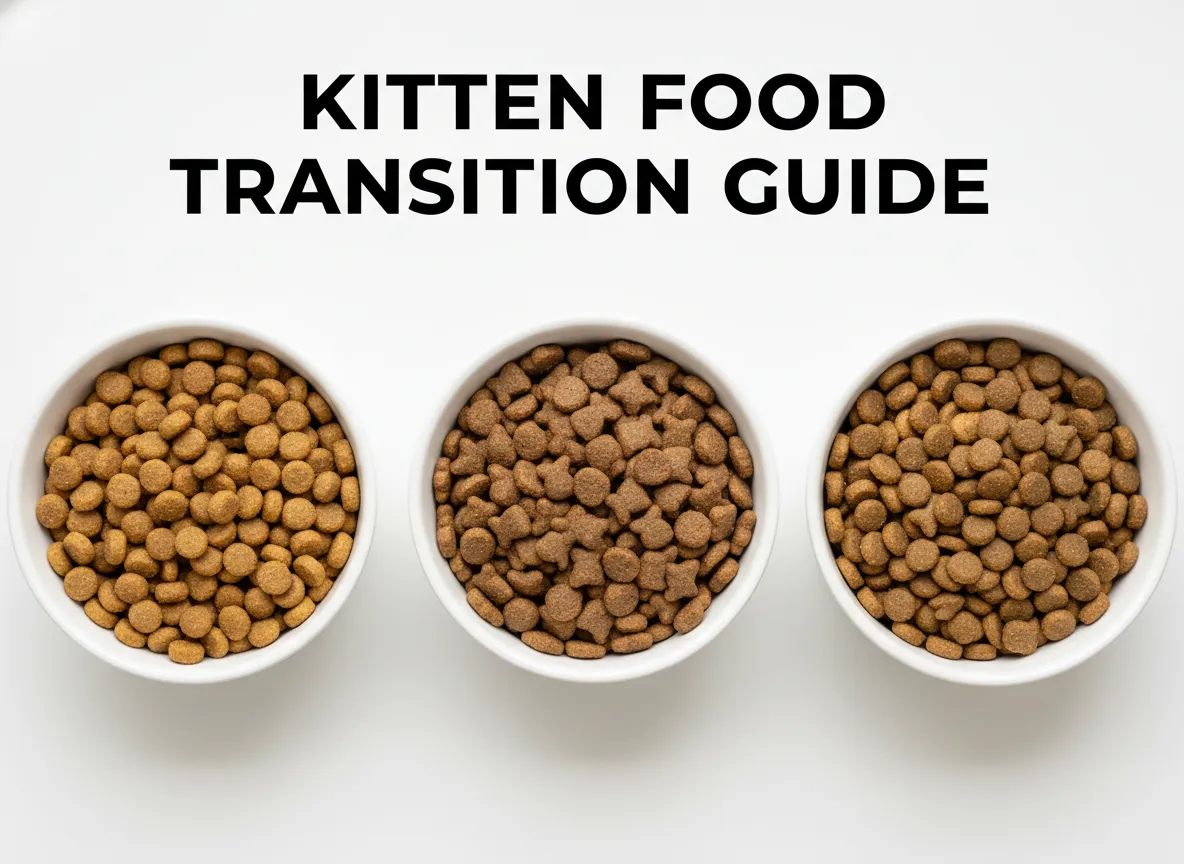
The Science-Based 7-Day Transition Method
1. Implement the Proven Gradual Mixing Schedule
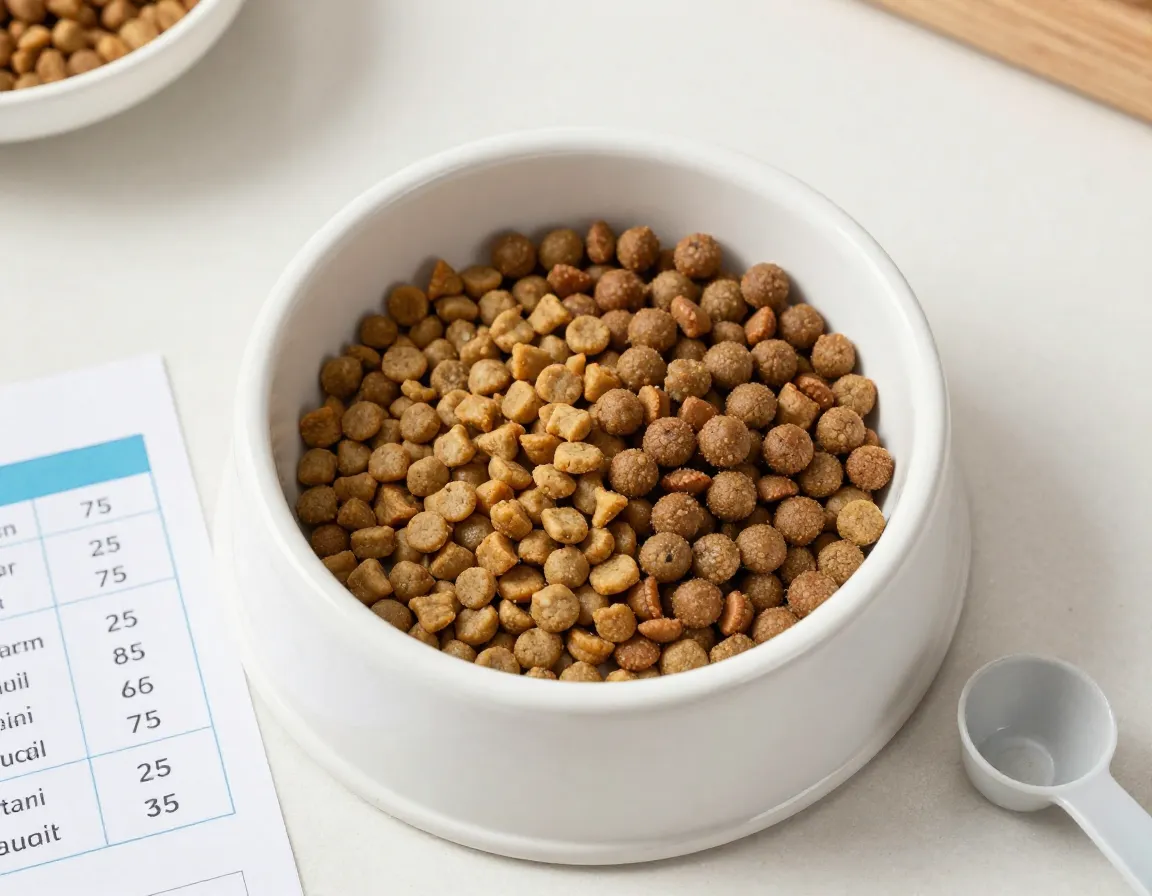
The 7-10 day gradual transition period recommended by PetMD and multiple veterinary sources prevents gastrointestinal upset while allowing your kitten’s digestive system to adapt [1][2][8]. This evidence-based approach has been tested across thousands of successful transitions.
Follow this veterinary-approved mixing schedule:
| Days | Old Food Percentage | New Food Percentage | Key Monitoring Points |
|---|---|---|---|
| 1-2 | 75% | 25% | Watch for initial acceptance |
| 3-4 | 50% | 50% | Monitor stool consistency |
| 5-6 | 25% | 75% | Check for digestive comfort |
| 7+ | 0% | 100% | Ensure complete adaptation |
This standard transition schedule has been validated across multiple veterinary studies and provides the optimal balance between gradual adaptation and efficient transition timing [1][2][4][8].
2. Monitor Digestive Health Throughout the Process
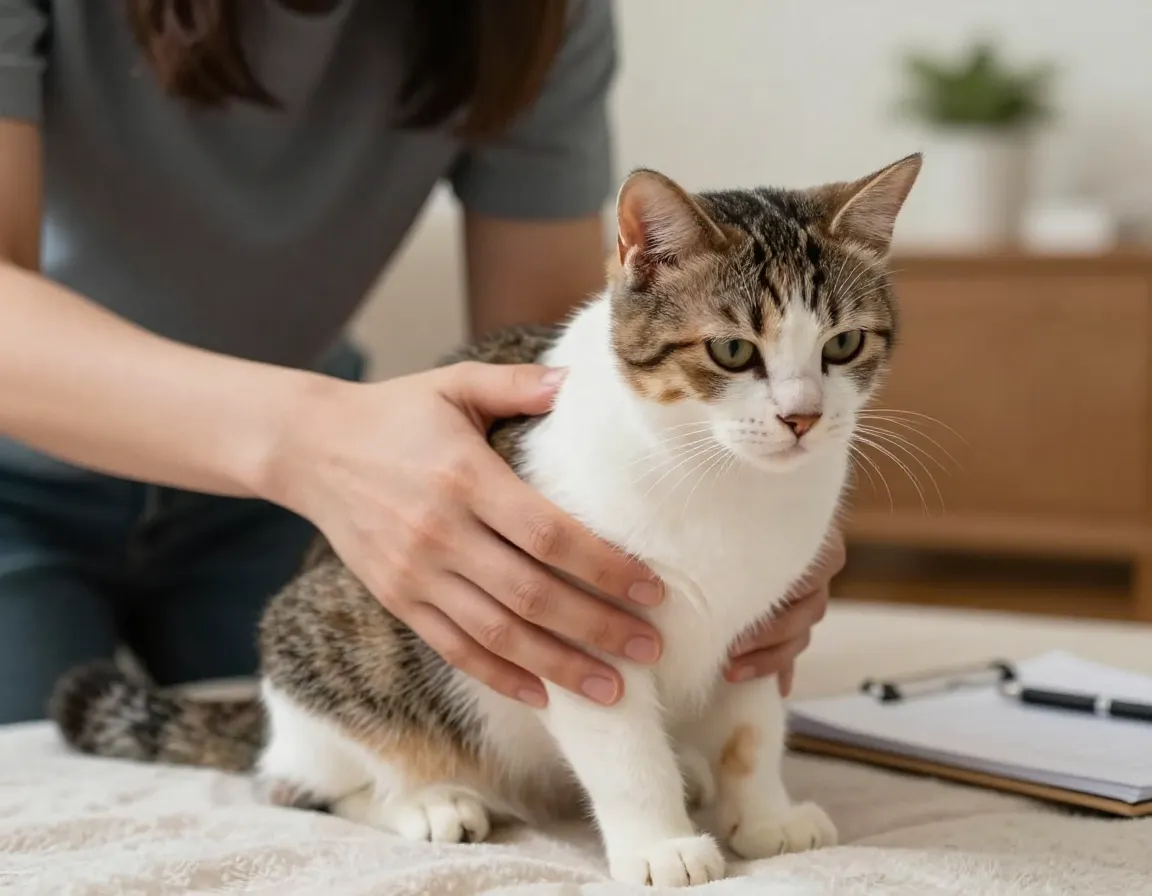
Watch for signs of stomach upset including decreased appetite, diarrhea, vomiting, or unusual lethargy during transitions [1][8]. These symptoms indicate that the transition may be proceeding too quickly for your kitten’s digestive system.
Critical warning signs include:
- 🚨 Loose stools or diarrhea lasting more than 24 hours
- 🚨 Decreased appetite for more than one meal
- 🚨 Vomiting after eating
- 🚨 Lethargy or behavioral changes
If problems occur, revert to the previous mixing ratio and extend that phase for an additional 2-3 days before proceeding [1][8]. Remember, some cats require extended transition periods beyond 7 days based on their individual health status and dietary sensitivities [1][6].
3. Use Stool Quality as Your Primary Health Indicator
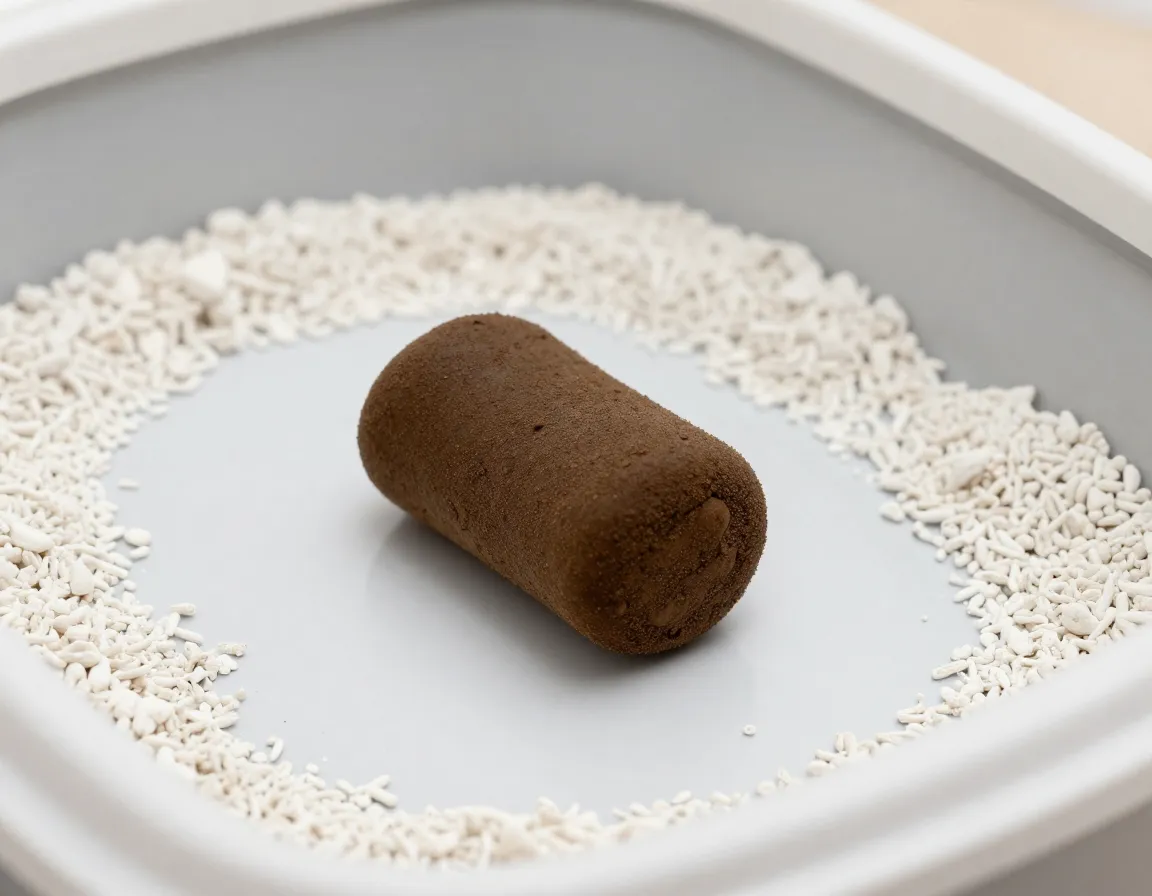
Monitor stool firmness as an indicator of digestive tolerance—firm stools indicate readiness to increase new food percentages [9]. This simple yet effective monitoring method provides real-time feedback about your kitten’s adaptation progress.
Healthy transition indicators:
- ✅ Firm, well-formed stools
- ✅ Consistent bathroom habits
- ✅ Normal stool color and odor
- ✅ Regular elimination schedule
Soft or loose stools suggest the need to slow down the transition process, while consistently firm stools indicate successful adaptation to the new food ratios.
Advanced Strategies for Successful Food Transitions
4. Customize Approaches for Finicky Eaters
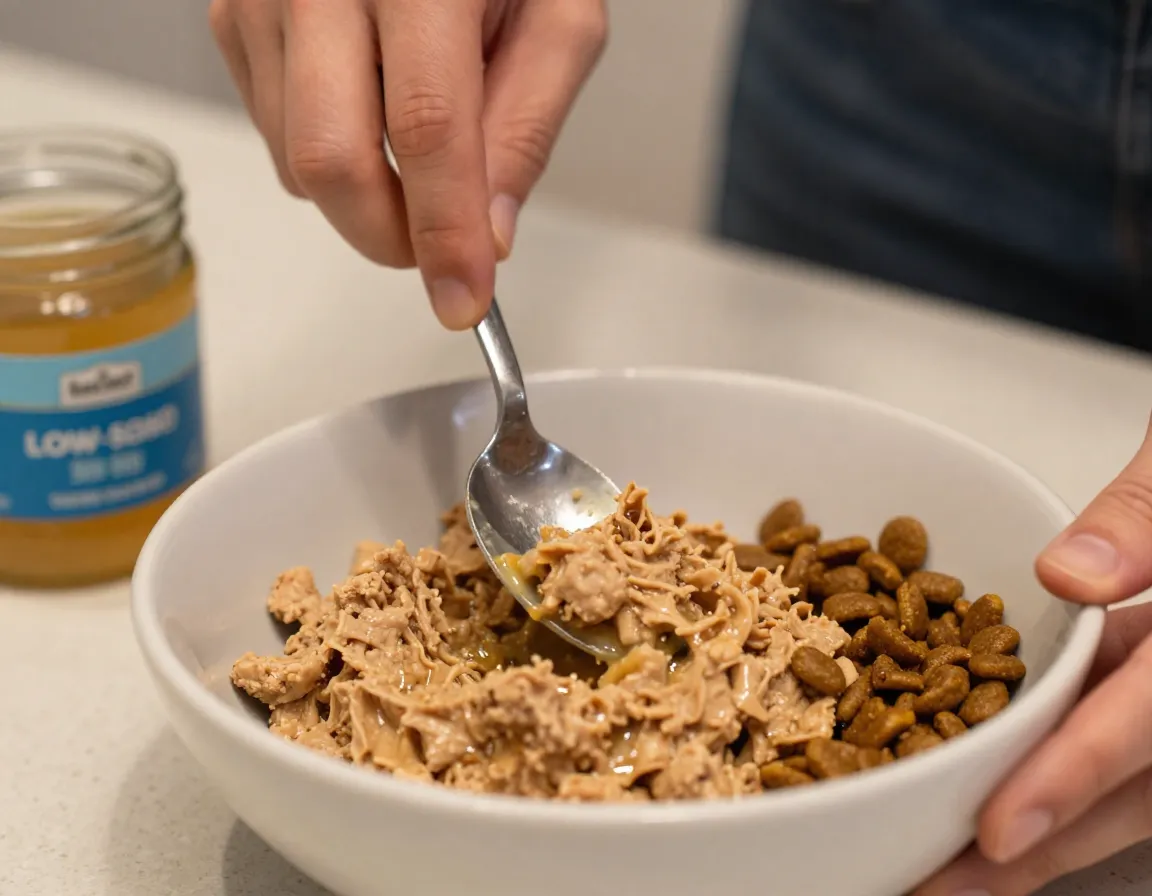
For finicky eaters, consider mixing wet and dry food, adding tuna juice, or adjusting food texture to encourage acceptance [3][5]. These proven techniques can transform a reluctant eater into an enthusiastic participant in the transition process.
Effective encouragement strategies include:
- Texture variation: Mix wet and dry foods to create appealing textures
- Flavor enhancement: Add small amounts of low-sodium chicken broth or tuna juice
- Temperature adjustment: Slightly warming wet food releases more appealing aromas
- Feeding environment: Ensure quiet, stress-free meal times
- Multiple options: Offer different protein flavors to identify preferences
“The key to successful food transitions lies in patience and flexibility. Every kitten is unique, and what works for one may not work for another.” – Veterinary Nutrition Specialist
5. Consider Individual Health and Breed Factors
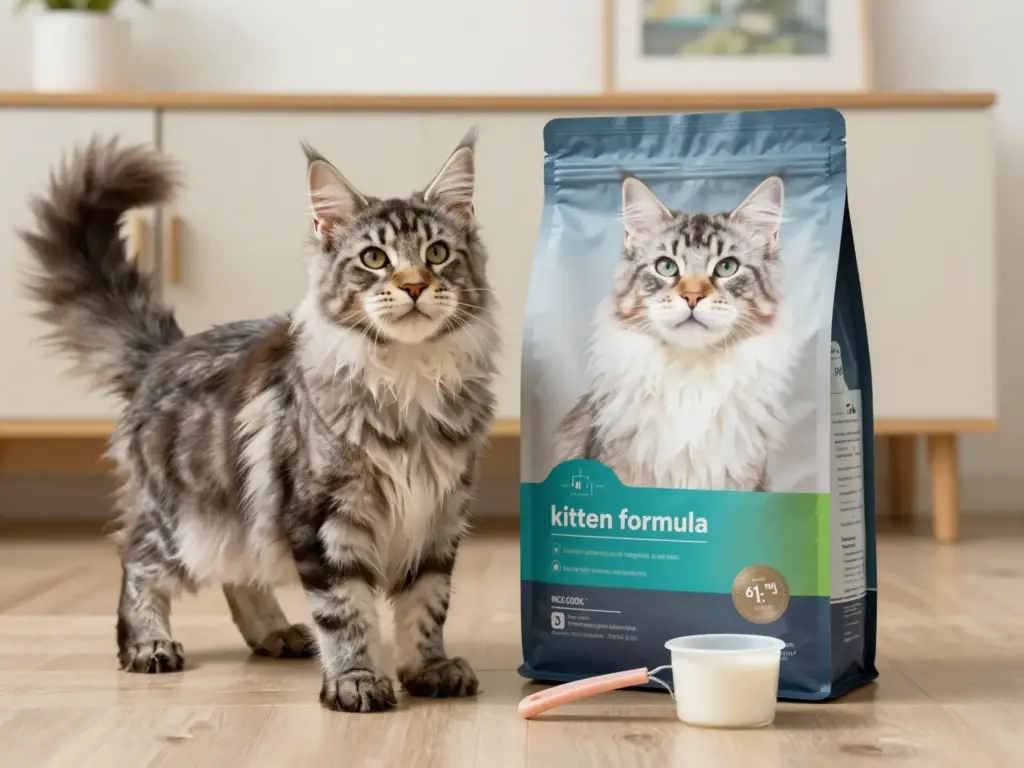
Individual variation means some cats require extended transition periods beyond 7 days based on health status and dietary preferences [1][6]. Factors that may extend transition timelines include:
Health considerations:
- Sensitive stomachs or digestive issues
- Previous food allergies or intolerances
- Medication schedules that affect appetite
- Recent illness or stress
Breed-specific factors:
- Large breeds (Maine Coons, Ragdolls) may need extended kitten nutrition
- Small breeds might transition earlier due to faster maturation
- Active breeds may require higher calorie adult formulas
6. Select High-Quality Adult Cat Food
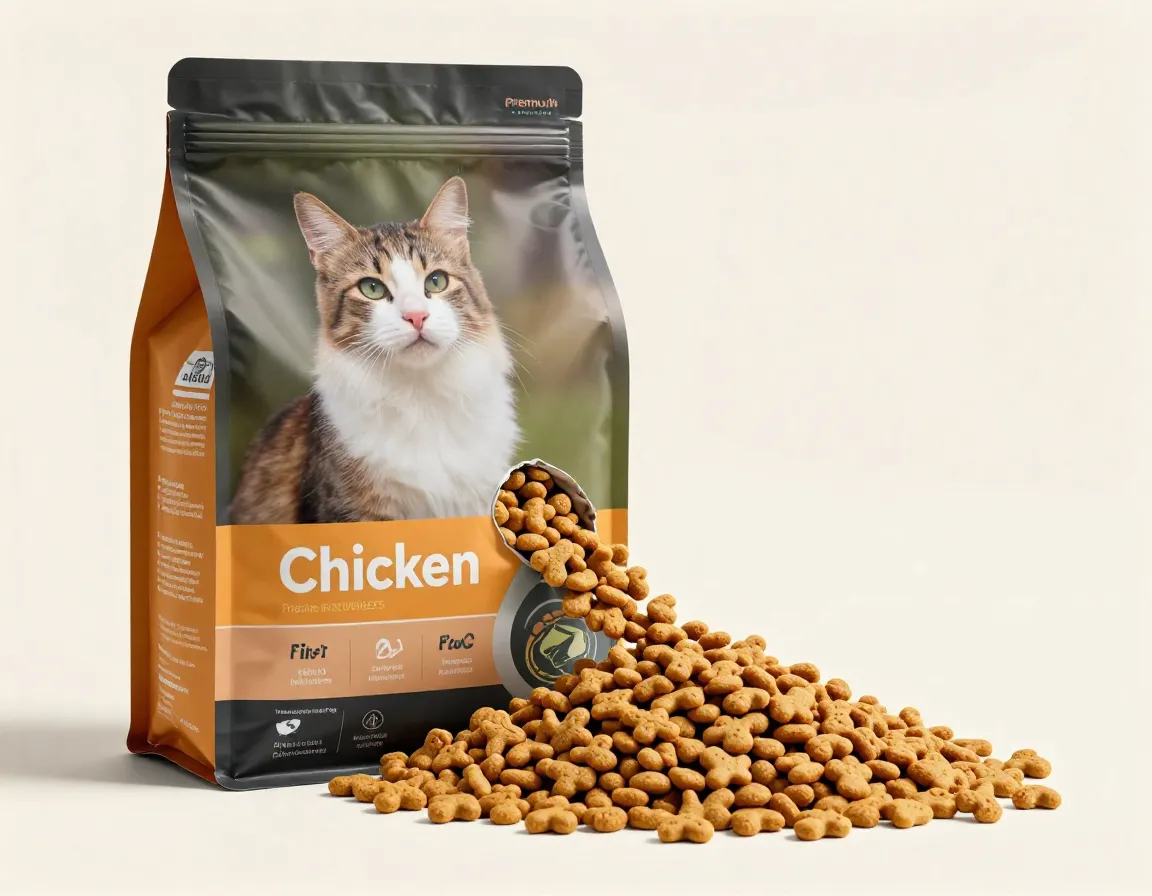
The success of implementing 7 best practices for transitioning your kitten to eating cat food heavily depends on choosing the right adult formula. Look for foods that meet Association of American Feed Control Officials (AAFCO) standards and contain:
Essential nutritional components:
- High-quality protein sources (chicken, fish, turkey) as the first ingredient
- Balanced fat content appropriate for adult maintenance
- Essential vitamins and minerals for ongoing health
- Digestible carbohydrates for sustained energy
- No artificial preservatives, colors, or fillers
Premium food characteristics:
- ✅ AAFCO certification for adult maintenance
- ✅ Named protein sources rather than generic “meat”
- ✅ Appropriate life stage formulation
- ✅ Reputable manufacturer with quality control standards
7. Establish Long-Term Feeding Success
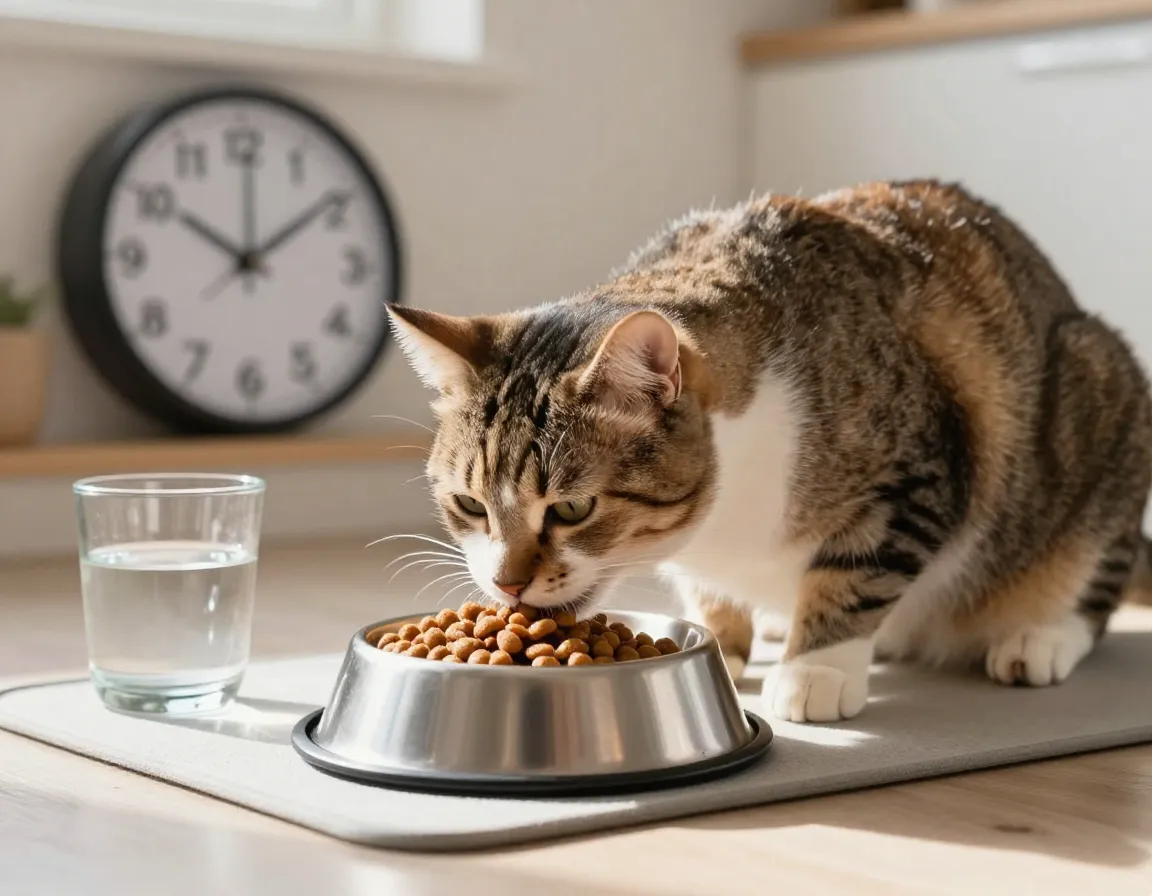
Create consistent feeding routines that support your newly transitioned adult cat’s health and happiness. The final phase of successful transition involves establishing sustainable feeding patterns that will serve your pet throughout their adult years.
Sustainable feeding practices:
- Regular meal times (2-3 scheduled feedings daily)
- Appropriate portion control based on weight and activity level
- Fresh water availability at all times
- Clean feeding environment with regularly washed bowls
- Ongoing health monitoring through regular veterinary checkups
Troubleshooting Common Transition Challenges
Addressing Rejection of New Food
When kittens refuse new adult food, patience and creativity become essential tools. Gradual flavor introduction can help reluctant eaters accept change more readily.
Progressive acceptance techniques:
- Start with tiny amounts mixed thoroughly with familiar food
- Increase exposure gradually over extended timeframes
- Maintain consistent meal schedules to encourage routine acceptance
- Remove uneaten food after 30 minutes to prevent spoilage
Managing Digestive Sensitivities
Some kittens experience temporary digestive adjustments during food transitions. Supporting digestive health through careful monitoring and appropriate interventions ensures successful outcomes.
Digestive support strategies:
- Probiotics recommended by your veterinarian
- Smaller, more frequent meals during transition periods
- Stress reduction in feeding environments
- Consistent feeding locations and bowl placement
Professional Veterinary Guidance and Support
When to Consult Your Veterinarian
Professional guidance becomes crucial when implementing the 7 best practices for transitioning your kitten to eating cat food, especially in complex situations. Schedule veterinary consultations for:
Essential consultation scenarios:
- Pre-transition planning for large breeds or special health conditions
- Persistent digestive issues lasting more than 48 hours
- Complete food rejection after multiple attempt strategies
- Underlying health concerns that may affect nutrition needs
- Weight management questions during the transition period
Customized Nutrition Plans
Veterinarians can provide personalized feeding recommendations based on your kitten’s specific breed, health status, and lifestyle factors. These customized approaches ensure optimal nutrition throughout the transition and beyond.
Professional assessment includes:
- Body condition scoring to determine ideal transition timing
- Health screening for potential dietary restrictions
- Breed-specific recommendations for optimal nutrition
- Long-term feeding strategies for sustained health
Measuring Transition Success and Long-Term Health
Key Success Indicators
Successful implementation of the 7 best practices for transitioning your kitten to eating cat food produces measurable positive outcomes that extend well beyond the initial transition period.
Primary success markers:
- ✅ Enthusiastic eating behavior with new adult food
- ✅ Consistent digestive health with firm, regular stools
- ✅ Maintained energy levels and playful behavior
- ✅ Stable weight appropriate for adult body condition
- ✅ Healthy coat condition and overall appearance
Ongoing Health Monitoring
Continue monitoring your cat’s health and eating habits for several weeks after completing the transition. This extended observation period helps identify any delayed reactions or adjustment needs.
Monthly health assessments:
- Weight stability within healthy ranges
- Eating enthusiasm and appetite consistency
- Digestive regularity and stool quality
- Energy levels and activity patterns
- Coat quality and overall appearance
Conclusion
Successfully implementing these 7 best practices for transitioning your kitten to eating cat food requires patience, attention to detail, and commitment to your pet’s long-term health. The evidence-based approach outlined here—from proper timing at 10-12 months to the gradual 7-10 day mixing schedule—provides a roadmap for smooth, healthy transitions that set the foundation for lifelong nutritional success.
Remember that individual cats may require personalized approaches beyond these general guidelines. Large breeds might need extended kitten nutrition up to 24 months, while some sensitive cats benefit from slower transition schedules. The key lies in careful observation, flexible timing, and willingness to adjust based on your kitten’s unique responses.
Take action today by assessing your kitten’s current age and weight to determine optimal transition timing. Consult with your veterinarian to develop a personalized plan that considers your pet’s specific breed, health status, and individual needs. With proper planning and implementation of these proven practices, you’ll ensure your kitten develops healthy eating habits that support a long, vibrant life as an adult cat.
The investment in proper food transition practices pays dividends through reduced digestive issues, better long-term health outcomes, and the peace of mind that comes from knowing you’ve provided the best possible nutritional foundation for your feline companion’s future.
References
[1] petcarerx – https://www.petcarerx.com/article/navigating-the-transition-when-to-switch-from-kitten-to-adult-cat-food/7005
[2] Switch Kitten To Adult Cat Food – https://petcoolgo.com/blogs/something-u-should-know/switch-kitten-to-adult-cat-food
[3] Transitioning Diets – https://twocrazycatladies.com/transitioning-diets/
[4] Switch Kitten Food – https://www.chewy.com/education/cat/food-and-nutrition/switch-kitten-food
[5] Ways To Transition Your Cat S Food – https://www.prettylitter.com/blog/ways-to-transition-your-cat-s-food
[6] Cant Miss Guide Optimal Kitten Nutrition – https://www.northernoaksvet.com/services/cats/blog/cant-miss-guide-optimal-kitten-nutrition
[7] How To Switch Cat Food Guide – https://felinacarehub.com/how-to-switch-cat-food-guide/
[8] Changing Cats Food How To – https://www.petmd.com/cat/nutrition/changing-cats-food-how-to
[9] What You Should Know About Switching Cat Food – https://www.bluebuffalo.com/articles/cat/what-you-should-know-about-switching-cat-food/