8 Heartwarming Insights into Mother Cat and Newborn Kittens Bonding
The miracle of life unfolds in the most tender way when a mother cat welcomes her newborn kittens into the world. 🐱 In those precious first moments, an extraordinary bond begins to form—one that showcases nature’s most beautiful examples of maternal love and instinctive care. Understanding these 8 heartwarming insights into mother cat and newborn kittens bonding reveals the remarkable depth of feline maternal behavior and helps cat owners provide the best support during this critical period.
Disclosure: This post contains affiliate links. As an Amazon Associate, we earn from qualifying purchases, and at no extra cost to you.
The relationship between a mother cat and her babies is nothing short of magical. From the moment of birth, an intricate dance of survival, love, and communication begins that will shape the kittens’ entire lives. This bonding process involves complex behaviors, chemical signals, and emotional connections that demonstrate the sophisticated nature of feline relationships.
Key Takeaways
- Immediate bonding occurs through scent recognition and physical contact within minutes of birth
- Maternal instincts drive protective behaviors, nursing schedules, and grooming rituals essential for kitten survival
- Communication develops through purring, chirping, and body language that strengthens the mother-kitten relationship
- Critical socialization period lasts 8-12 weeks and determines kittens’ future behavioral development
- Environmental factors significantly impact the quality and success of the bonding process
Understanding the Science Behind Feline Maternal Bonding
The foundation of mother cat and newborn kittens bonding lies in powerful biological and psychological mechanisms that have evolved over thousands of years. When a mother cat gives birth, her body releases a surge of hormones, including oxytocin and prolactin, which trigger intense maternal behaviors and create the neurochemical basis for bonding.
Research in feline behavior shows that mother cats begin recognizing their kittens through scent within the first few hours of birth. This olfactory imprinting is so strong that a mother can identify each of her babies individually, even in complete darkness. The amniotic fluid scent plays a crucial role in this initial recognition process.
The Role of Hormones in Bonding
The hormonal cascade that occurs during and after birth creates a perfect storm for maternal attachment:
- Oxytocin: Often called the “love hormone,” promotes bonding and milk letdown
- Prolactin: Stimulates milk production and nurturing behaviors
- Progesterone: Maintains calm, protective maternal state
- Endorphins: Create feelings of pleasure and satisfaction during nursing
1. Immediate Recognition and Acceptance
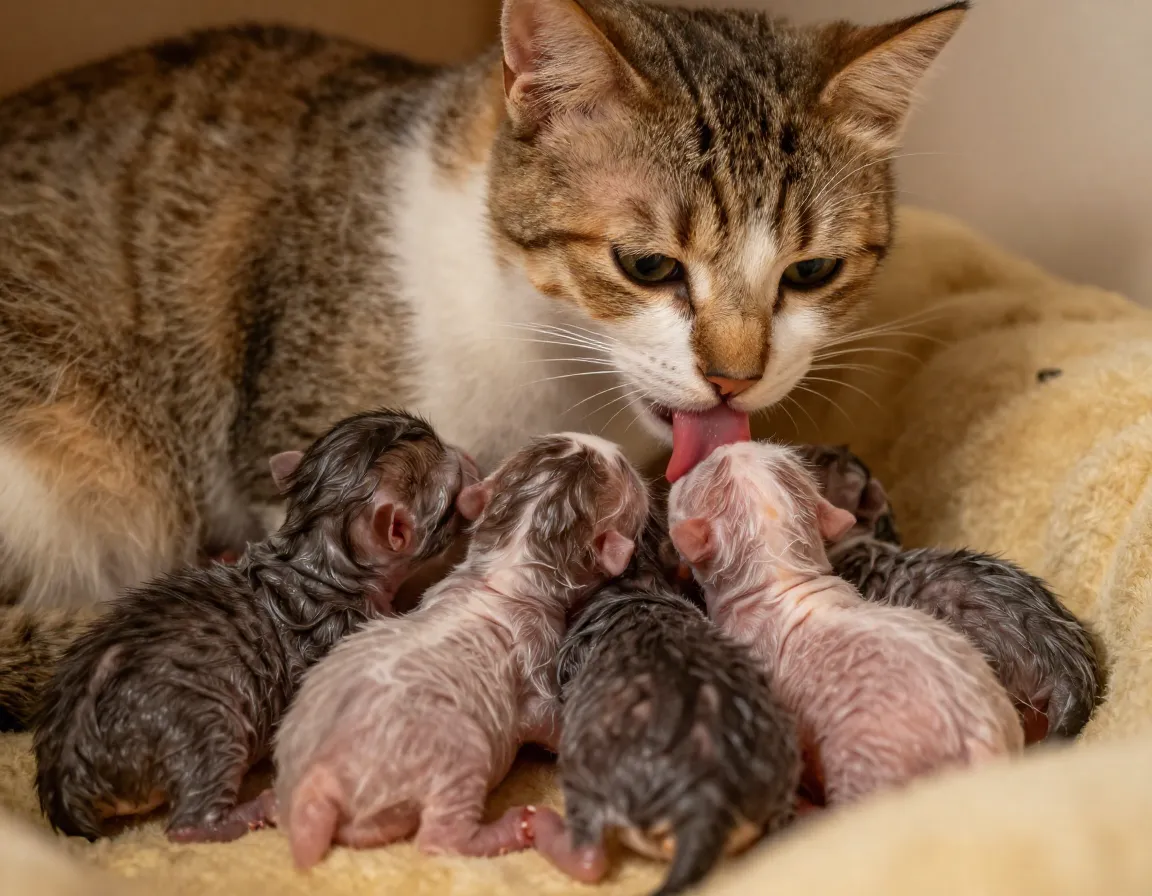
The first of our 8 heartwarming insights into mother cat and newborn kittens bonding reveals how quickly mothers recognize their babies. Within 15-30 minutes of birth, a mother cat will begin the essential process of cleaning her newborns. This isn’t just about hygiene—it’s the foundation of their relationship.
During this cleaning process, the mother cat:
- Removes the amniotic sac and stimulates breathing
- Ingests the placenta for nutritional recovery
- Establishes scent familiarity through licking and nuzzling
- Stimulates circulation in the kittens’ tiny bodies
“The mother’s tongue is like a magic wand that brings life and warmth to each newborn kitten, creating an unbreakable bond through touch and scent.” – Dr. Sarah Mitchell, Feline Behaviorist
This immediate acceptance is crucial because it determines whether the mother will care for each kitten. In rare cases where bonding doesn’t occur immediately, intervention may be necessary to ensure kitten survival.
2. The Protective Instinct Awakens
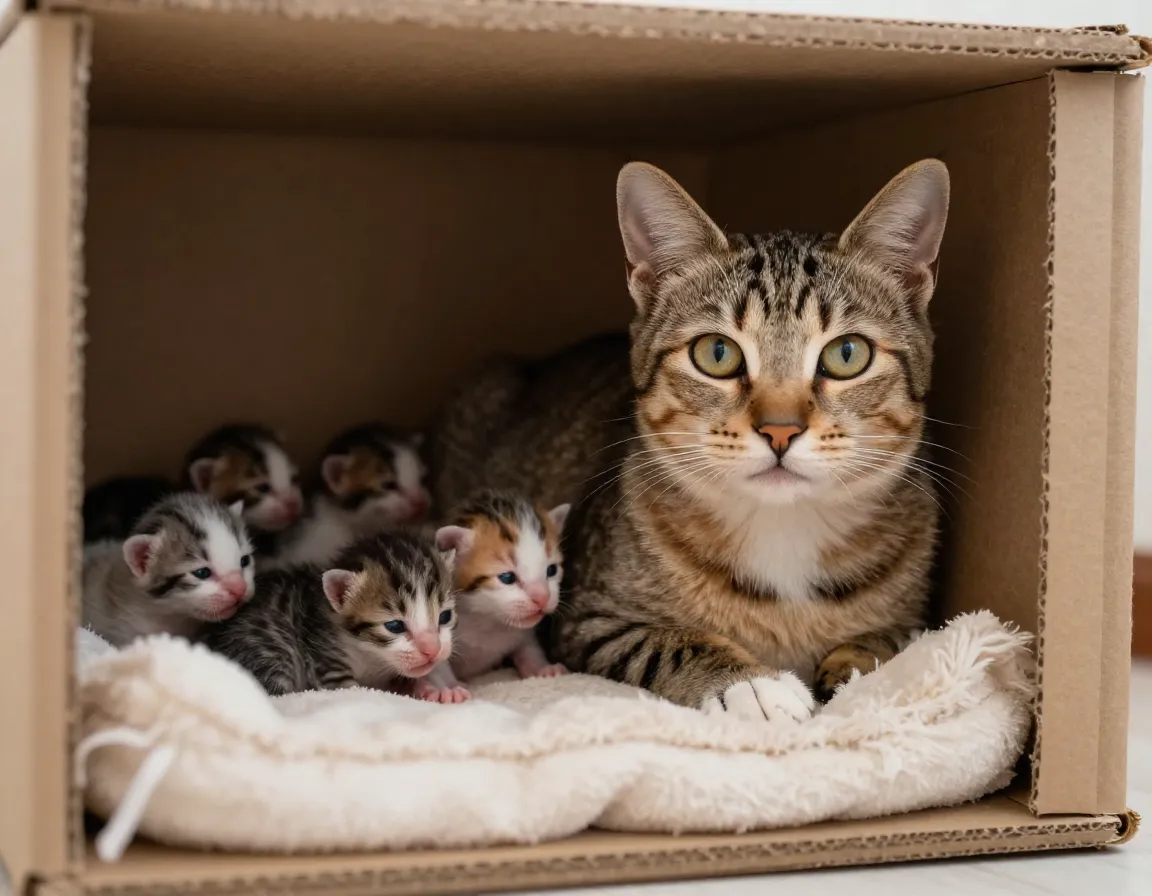
Mother cats undergo a dramatic personality transformation once their kittens arrive. Even the most social and friendly cats can become fiercely protective of their babies. This protective instinct manifests in several fascinating ways:
Physical Protection Behaviors
- Positioning herself between potential threats and the nest
- Moving kittens to safer locations when disturbed
- Aggressive displays toward other animals or unfamiliar humans
- Constant vigilance even while resting
Environmental Assessment
Mother cats continuously evaluate their surroundings for safety. They may move their entire litter multiple times in the first few weeks if they perceive any threats. This behavior, called “nest relocation,” shows the depth of their protective instincts.
Common triggers for nest relocation include:
- Excessive noise or activity
- Strong odors or chemical smells
- Presence of other pets
- Inadequate temperature control
- Feeling exposed or vulnerable
3. Nursing: The Foundation of Nutritional and Emotional Bonding
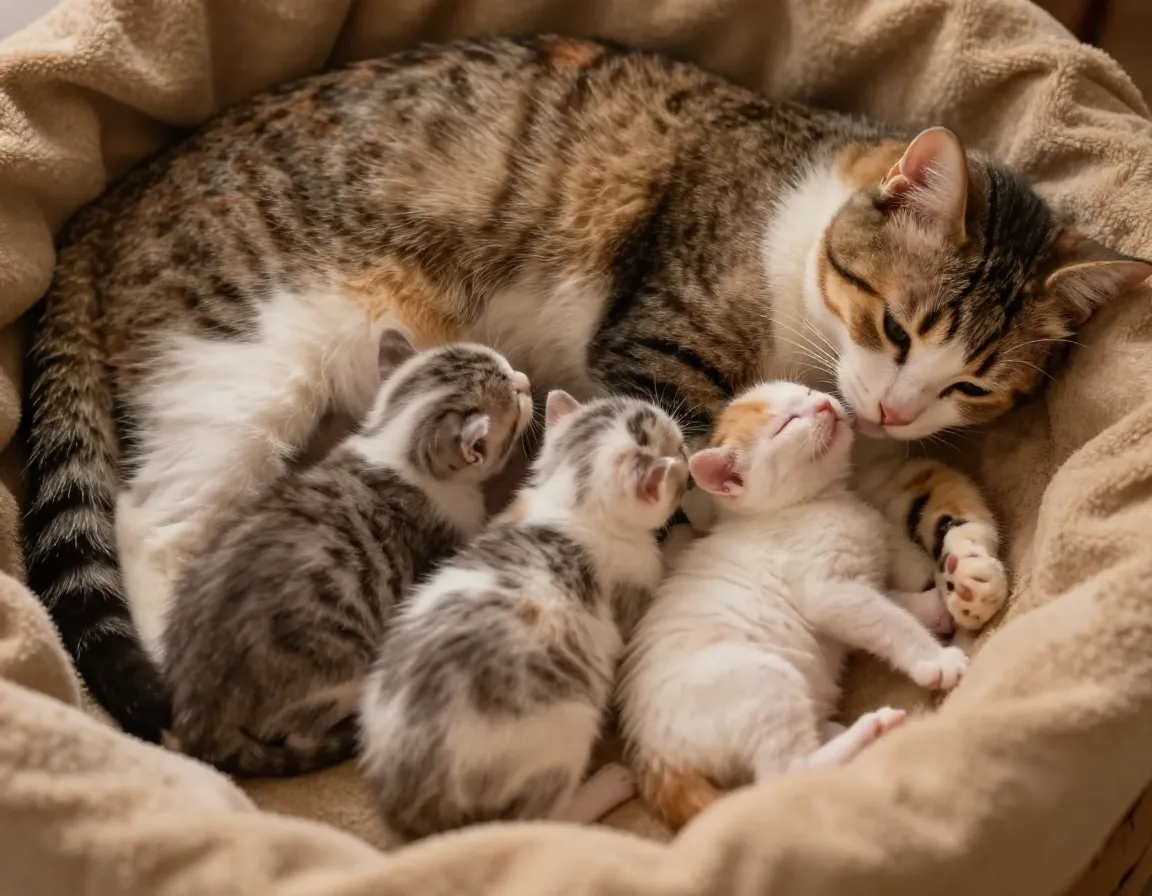
The nursing relationship represents one of the most critical aspects of mother cat and newborn kittens bonding. Beyond providing essential nutrition, nursing creates profound emotional connections through physical contact, warmth, and the release of bonding hormones.
The Nursing Schedule
Newborn kittens nurse approximately every 1-2 hours during their first week of life. This frequent contact ensures:
| Week | Nursing Frequency | Duration per Session | Key Developments |
|---|---|---|---|
| 1 | Every 1-2 hours | 10-15 minutes | Colostrum transfer, initial bonding |
| 2-3 | Every 2-3 hours | 15-20 minutes | Steady weight gain, scent recognition |
| 4-6 | Every 3-4 hours | 20-25 minutes | Social learning, play behaviors emerge |
| 7-8 | 4-6 times daily | Variable | Weaning begins, independence develops |
The Miracle of Milk Composition
Mother cat’s milk changes composition throughout the nursing period to meet her kittens’ evolving needs:
- Colostrum (first 24-48 hours): Rich in antibodies and immune factors
- Transitional milk (days 3-14): Higher protein and fat content for rapid growth
- Mature milk (after 2 weeks): Balanced nutrition for continued development
4. Communication Through Purring and Vocalizations
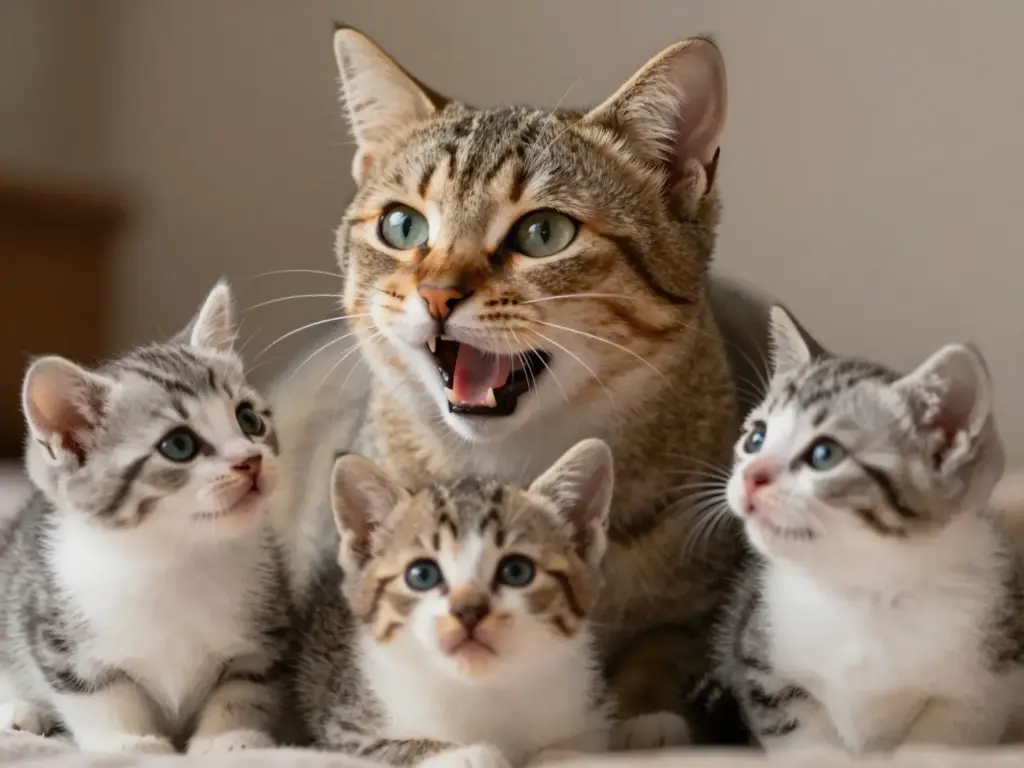
One of the most touching aspects of feline maternal bonding involves the sophisticated communication system between mother and babies. Mother cats use a variety of vocalizations and purring to comfort, guide, and connect with their kittens.
The Language of Love
- Purring: Creates vibrations that comfort kittens and may promote healing
- Chirping: Short, bird-like sounds used to call kittens
- Trilling: Rolling sounds that express contentment and encouragement
- Soft meowing: Gentle communication during nursing and grooming
Kitten Responses
Kittens develop their own communication repertoire in response to their mother:
- Mewing: Distress calls that trigger immediate maternal response
- Purring: Begins around 2 days old, strengthens bonding during nursing
- Kneading: Stimulates milk flow and provides comfort
“The conversation between a mother cat and her kittens is a symphony of love that begins before the babies can even open their eyes.”
5. Grooming: More Than Cleanliness
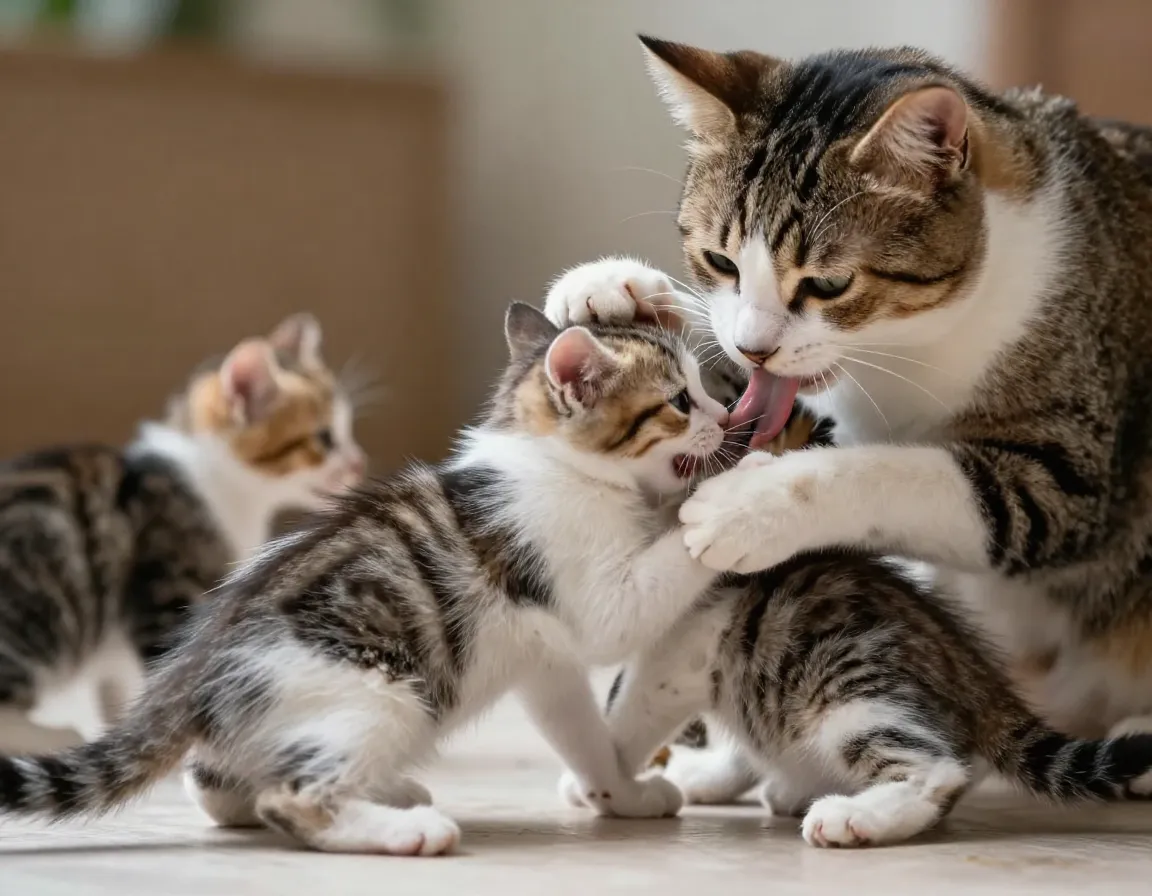
Maternal grooming represents far more than basic hygiene—it’s a fundamental bonding activity that serves multiple crucial functions in mother cat and newborn kittens bonding. This behavior demonstrates the intricate care mothers provide and the deep emotional connections they form with their babies.
Functions of Maternal Grooming
Physical Health Benefits:
- Stimulates blood circulation in tiny bodies
- Promotes proper elimination by stimulating anal and genital areas
- Removes debris and potential irritants
- Distributes natural oils for healthy skin and fur
Emotional and Social Benefits:
- Reinforces scent bonding between mother and babies
- Provides comfort and security through gentle touch
- Teaches social behaviors and grooming techniques
- Strengthens individual recognition of each kitten
The Grooming Process
Mother cats follow a systematic approach to grooming their litters:
- Head and face cleaning: Removes birth fluids and stimulates breathing
- Body grooming: Promotes circulation and temperature regulation
- Genital stimulation: Essential for elimination in newborns
- Comfort grooming: Soothing licks that provide emotional security
Understanding the Critical Bonding Timeline
The 8 heartwarming insights into mother cat and newborn kittens bonding unfold across a specific timeline that’s crucial for healthy development. Understanding this timeline helps cat owners recognize normal behaviors and identify when intervention might be necessary.
Week-by-Week Bonding Development
Days 1-3: Establishment Phase
- Initial scent recognition and acceptance
- First nursing sessions and colostrum transfer
- Protective behaviors emerge
- Nest establishment and security assessment
Days 4-14: Intensive Care Phase
- Constant physical contact and supervision
- Regular nursing every 1-2 hours
- Stimulation for elimination continues
- Eyes begin opening (days 7-14)
Days 15-21: Awareness Phase
- Kittens become more alert and responsive
- Mother begins teaching through example
- Play behaviors start to emerge
- Hearing develops fully
Days 22-35: Social Learning Phase
- Active play and interaction increase
- Litter box training begins
- Mother demonstrates hunting behaviors
- Weaning process starts gradually
6. Temperature Regulation and Comfort
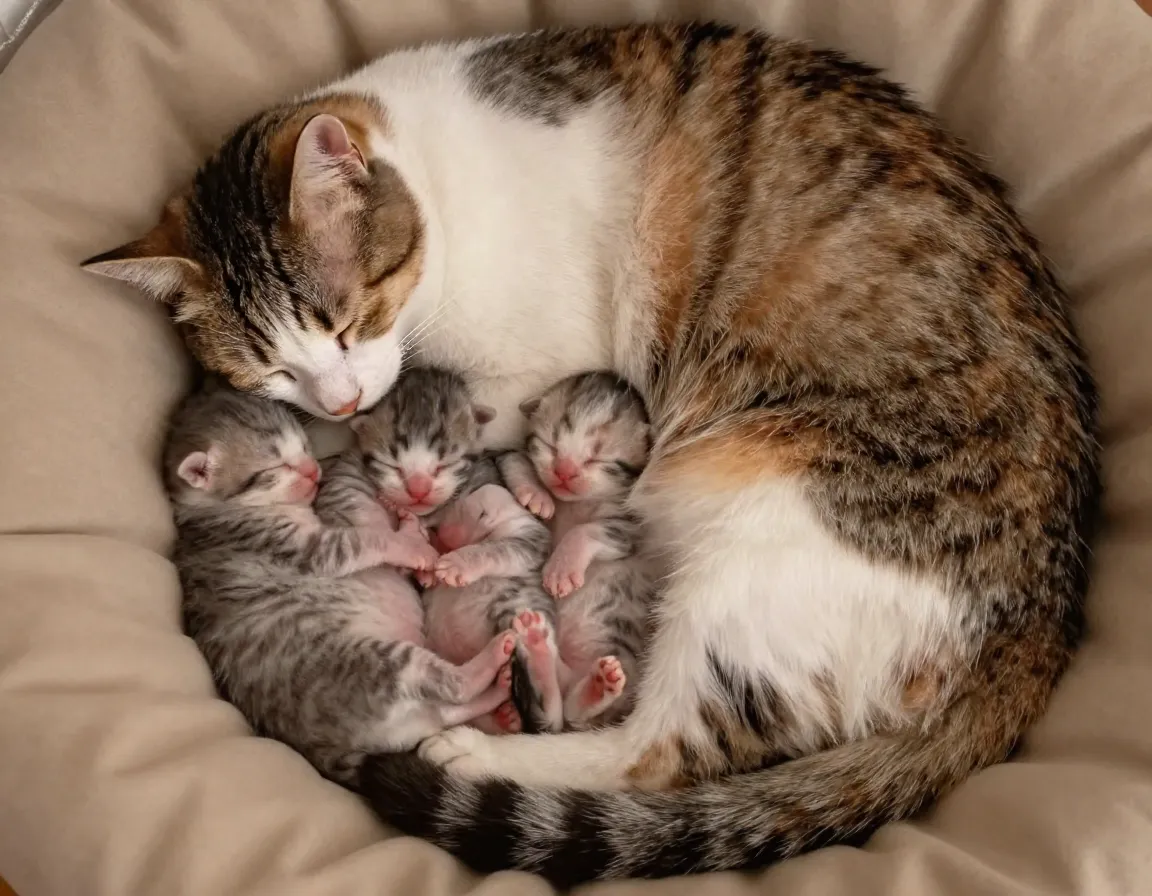
Newborn kittens cannot regulate their own body temperature, making maternal warmth absolutely essential for survival. This dependency creates another powerful bonding mechanism as mother cats instinctively provide the perfect environment for their babies’ comfort and development.
Thermoregulation Strategies
- Body heat sharing: Mother curls around kittens to maintain optimal temperature
- Nest adjustment: Moving kittens to warmer or cooler spots as needed
- Pile formation: Encouraging kittens to huddle together for shared warmth
- Breathing regulation: Using her body to create warm air pockets
Signs of Proper Temperature Regulation
✅ Kittens sleeping peacefully in a pile
✅ Quiet, content vocalizations
✅ Pink skin color and warm to touch
✅ Active nursing behavior
✅ Steady weight gain
⚠️ Warning signs of temperature problems:
- Excessive crying or restlessness
- Kittens scattered away from mother
- Cool or blue-tinged skin
- Lethargy during nursing
- Poor weight gain
7. Teaching Life Skills Through Example
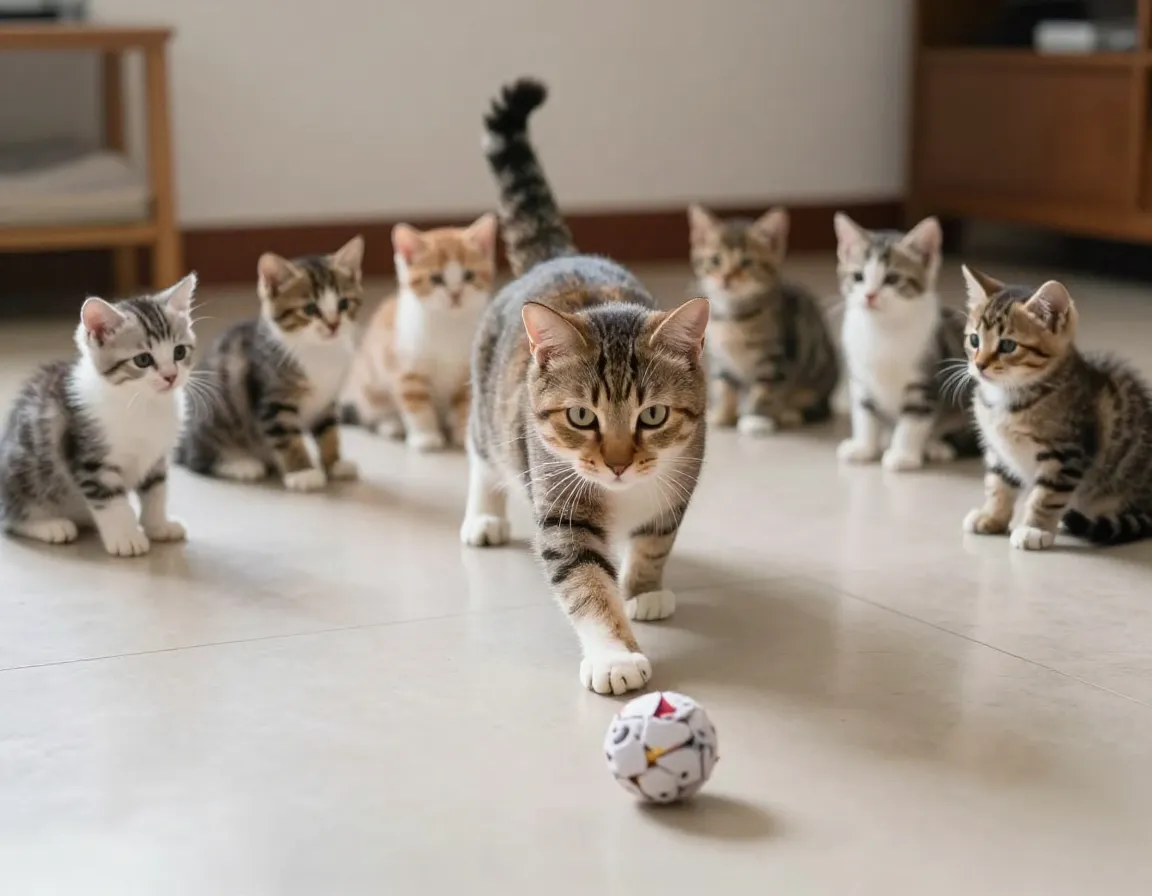
As kittens grow and develop, mother cats transition from purely protective caregivers to active teachers. This educational phase of mother cat and newborn kittens bonding demonstrates the sophisticated nature of feline intelligence and social learning.
Essential Life Skills Mothers Teach
Hunting and Prey Behaviors:
- Stalking techniques through play demonstration
- Pouncing and catching movements
- Proper killing bite placement
- Prey assessment and safety
Social Interactions:
- Appropriate play intensity and boundaries
- Communication through body language
- Respect for hierarchy and space
- Conflict resolution strategies
Survival Skills:
- Litter box usage and elimination habits
- Grooming techniques and self-care
- Territory awareness and navigation
- Danger recognition and avoidance
The Teaching Process
Mother cats use a combination of demonstration, encouragement, and correction to teach their kittens:
- Modeling behavior: Performing actions slowly for kittens to observe
- Guided practice: Allowing kittens to attempt skills with supervision
- Positive reinforcement: Purring and gentle contact for successful attempts
- Gentle correction: Stopping inappropriate behaviors without harm
8. The Gradual Journey to Independence
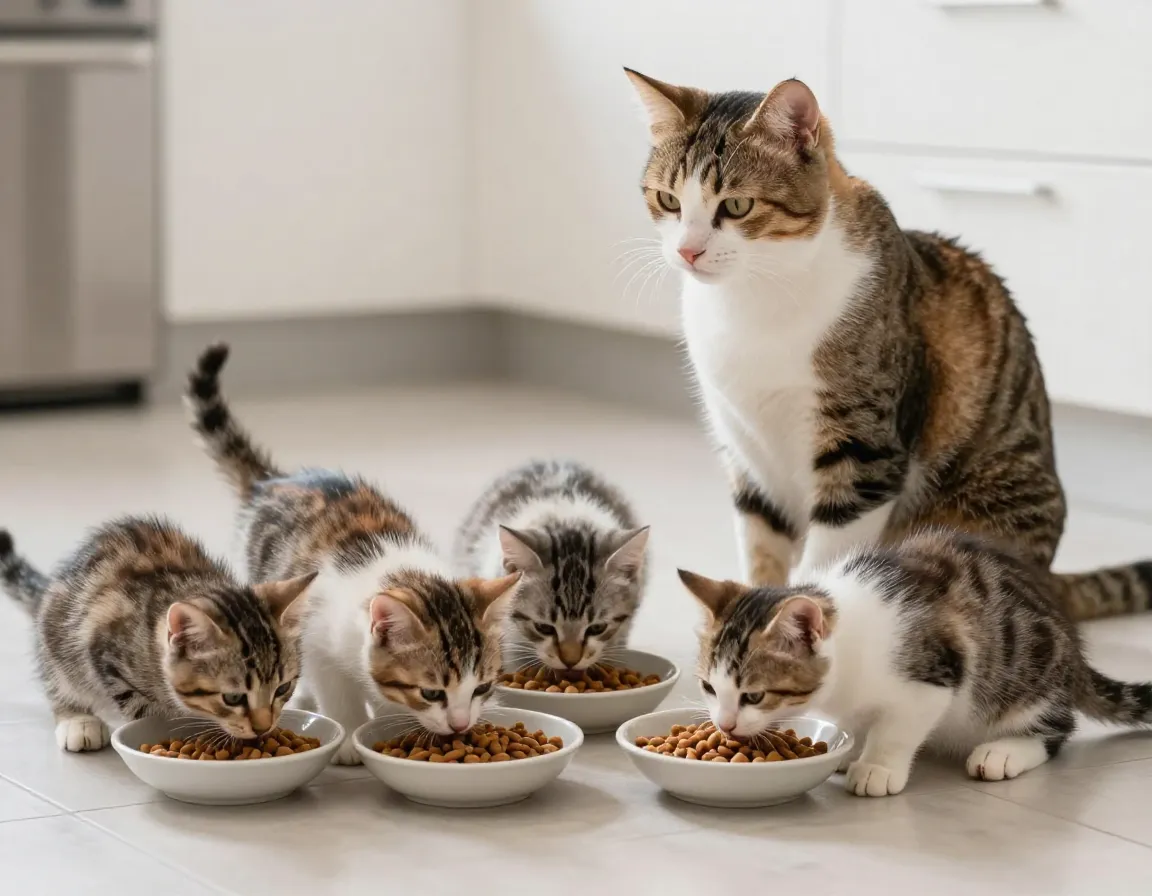
The final insight into mother cat and newborn kittens bonding involves the bittersweet process of weaning and encouraging independence. This natural progression ensures kittens develop the confidence and skills needed for successful adult lives.
The Weaning Timeline
Weeks 4-5: Introduction Phase
- Mother begins spending short periods away from kittens
- Solid food introduction alongside continued nursing
- Increased play and exploration encouraged
- Litter box training intensifies
Weeks 6-8: Transition Phase
- Nursing sessions become less frequent
- Solid food becomes primary nutrition source
- Independence in grooming and elimination
- Social play with siblings increases
Weeks 9-12: Independence Phase
- Nursing becomes primarily for comfort
- Full nutritional independence achieved
- Complex social behaviors fully developed
- Ready for separation from mother (week 12+)
Supporting the Natural Process
Cat owners can support healthy weaning by:
- Providing appropriate kitten food starting at 4 weeks
- Maintaining clean, accessible litter boxes
- Allowing natural mother-kitten interactions without interference
- Gradually increasing human socialization
- Ensuring adequate space for exploration and play
Creating the Perfect Environment for Bonding
Understanding these 8 heartwarming insights into mother cat and newborn kittens bonding helps cat owners create optimal conditions for successful maternal relationships. The environment plays a crucial role in supporting natural bonding behaviors.
Essential Environmental Elements
Quiet, Secure Nesting Area:
- Low-traffic location away from household noise
- Comfortable temperature (75-80°F ideal)
- Soft, washable bedding materials
- Easy access for mother but secure for kittens
Proper Nutrition for Mother:
- High-quality kitten food for nursing mothers
- Fresh water available at all times
- Increased caloric intake (2-3 times normal)
- Supplements as recommended by veterinarian
Minimal Stress Factors:
- Limited handling of kittens in first weeks
- Consistent daily routines
- Protection from other pets initially
- Calm, patient human interactions
When Bonding Challenges Arise
While most mother cats bond naturally with their kittens, sometimes challenges can occur. Recognizing these situations early allows for appropriate intervention to ensure kitten survival and wellbeing.
Signs of Bonding Difficulties
- Rejection of one or more kittens
- Excessive aggression toward babies
- Abandonment of the nest
- Failure to stimulate elimination
- Inadequate milk production
Intervention Strategies
When bonding issues arise, several approaches can help:
Veterinary Assessment:
- Health check for mother and kittens
- Hormone level evaluation if needed
- Pain management if birth complications occurred
- Nutritional assessment and supplementation
Environmental Modifications:
- Moving to quieter, more secure location
- Adjusting temperature and comfort levels
- Reducing stress factors and disturbances
- Providing additional nesting materials
Supportive Care:
- Hand-feeding if necessary
- Assisted nursing positioning
- Gentle reintroduction techniques
- Foster mother options in severe cases
Conclusion
The 8 heartwarming insights into mother cat and newborn kittens bonding reveal the extraordinary depth and complexity of feline maternal relationships. From the immediate recognition that occurs within minutes of birth to the gradual journey toward independence over 12 weeks, each phase demonstrates nature’s remarkable design for ensuring kitten survival and healthy development.
These insights show us that bonding involves far more than basic caregiving—it encompasses protection, communication, education, and emotional connection. The hormonal changes, behavioral adaptations, and teaching processes that unfold during this period create lasting impacts on both mothers and their babies.
Key actions for cat owners:
- Provide a quiet, secure environment for the mother and kittens
- Monitor bonding behaviors without unnecessary interference
- Ensure proper nutrition for the nursing mother
- Watch for signs of bonding difficulties and seek veterinary help when needed
- Allow the natural weaning process to unfold at the appropriate pace
Understanding these bonding insights helps us appreciate the incredible journey from helpless newborns to confident, independent cats. By supporting the natural bonding process, we honor the beautiful relationship between mother cats and their babies while ensuring the best possible start for the next generation of felines. 🐾
The miracle of mother cat and newborn kittens bonding continues to inspire and teach us about the power of maternal love, the importance of early relationships, and the sophisticated emotional lives of our feline companions.