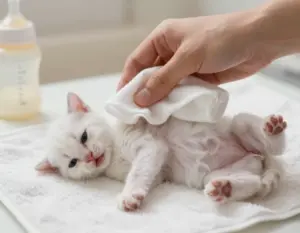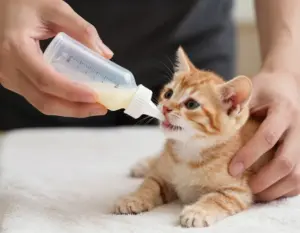
8 Safe & Effective Flea Treatment Options for Newborn Kittens: A Complete Guide for 2026
Finding fleas on a newborn kitten can send any pet owner into a panic. These tiny, vulnerable creatures require special care, and traditional flea treatments that work for adult cats can be dangerous or even deadly for kittens under 12 weeks old. The good news is that there are 8 safe & effective flea treatment options for newborn kittens that can eliminate these pesky parasites without putting your precious kitten at risk.
Disclosure: This post contains affiliate links. As an Amazon Associate, we earn from qualifying purchases, and at no extra cost to you.
Newborn kittens have delicate skin, developing immune systems, and cannot regulate their body temperature effectively. This means that harsh chemicals found in conventional flea treatments can cause serious health complications. However, with the right approach and gentle methods, pet owners can successfully combat flea infestations while keeping their kittens safe and healthy.
Key Takeaways
- Manual removal and gentle bathing are the safest primary methods for treating fleas on newborn kittens under 12 weeks old
- Treating the mother cat is crucial for nursing kittens, as she can transfer fleas to her babies
- Environmental management including hot water washing and thorough vacuuming is essential for breaking the flea life cycle
- Never use chemical flea treatments designed for adult cats on newborn kittens without veterinary supervision
- Immediate veterinary consultation is recommended for severe infestations or if kittens show signs of anemia or distress
Understanding Flea Infestations in Newborn Kittens
Before diving into the 8 safe & effective flea treatment options for newborn kittens, it’s important to understand why these tiny creatures are particularly vulnerable to flea problems. Newborn kittens typically acquire fleas from their mother or from contaminated environments where they’re born [1].
Fleas can cause serious health issues in newborn kittens, including:
- Anemia from blood loss
- Dehydration and weakness
- Skin irritation and allergic reactions
- Secondary infections from scratching
- Failure to thrive and poor weight gain
The key to successful flea treatment in newborn kittens lies in using gentle, non-toxic methods that won’t overwhelm their developing systems while effectively eliminating the parasites.
The 8 Safe & Effective Flea Treatment Options for Newborn Kittens
1. Manual Flea Removal with Fine-Tooth Combing
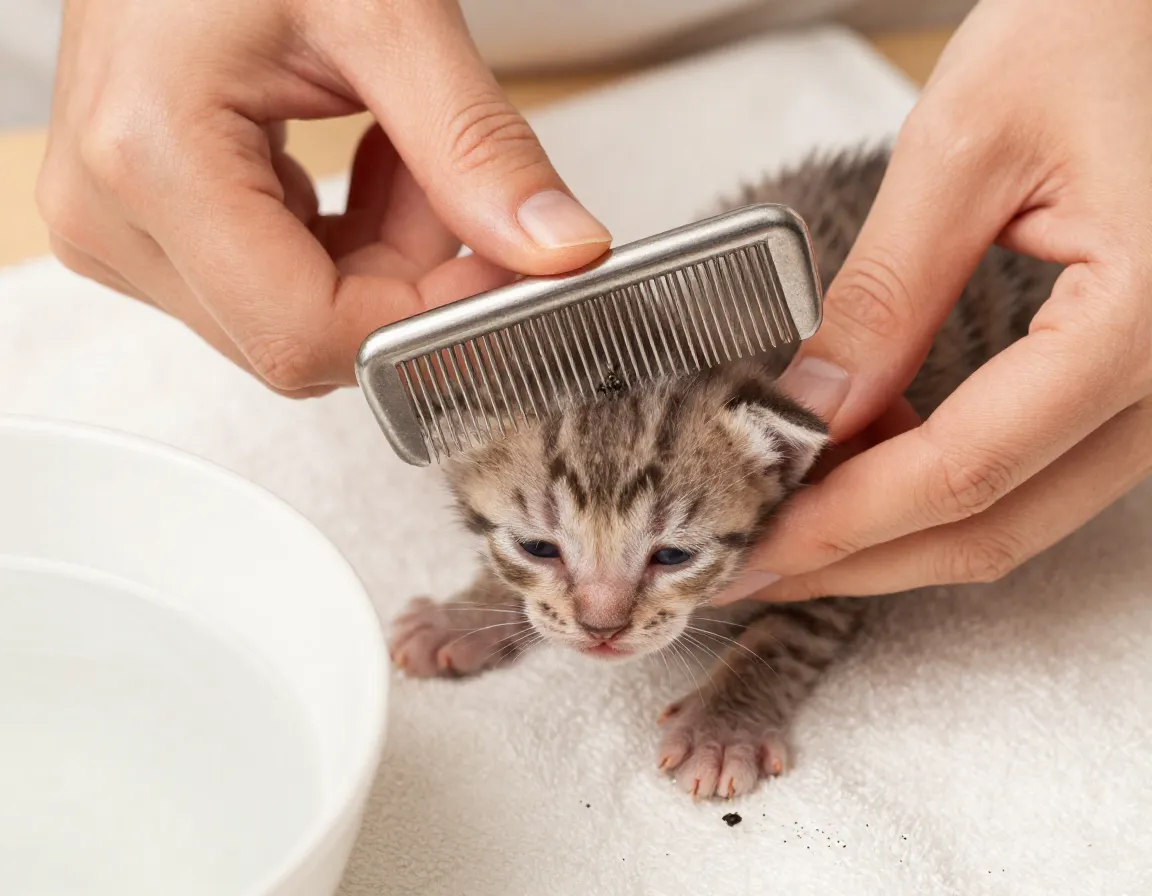
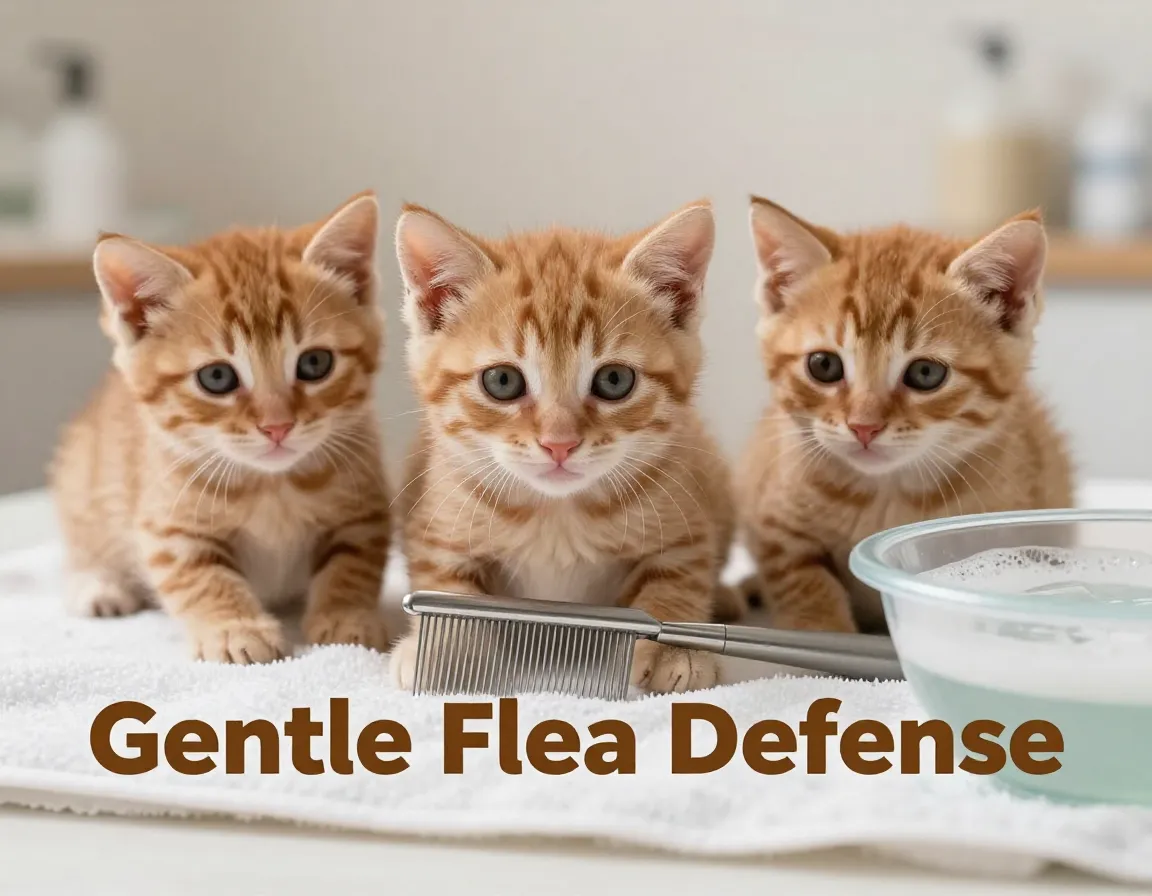
The safest and most immediate method for removing fleas from newborn kittens is manual removal using a fine-tooth flea comb [1][2]. This gentle approach allows pet owners to physically remove adult fleas without exposing the kitten to any chemicals.
How to perform manual flea removal:
- Use a fine-tooth metal flea comb specifically designed for small animals
- Comb through the kitten’s fur slowly and systematically
- Dip the comb in soapy water between strokes to drown captured fleas
- Pay special attention to areas where fleas congregate: base of tail, neck, and behind ears
- Remove flea dirt (black specks that turn red when moistened) with a damp cloth
This method requires patience and may need to be repeated multiple times throughout the day, but it’s completely safe for even the youngest kittens.
2. Gentle Warm Water Baths
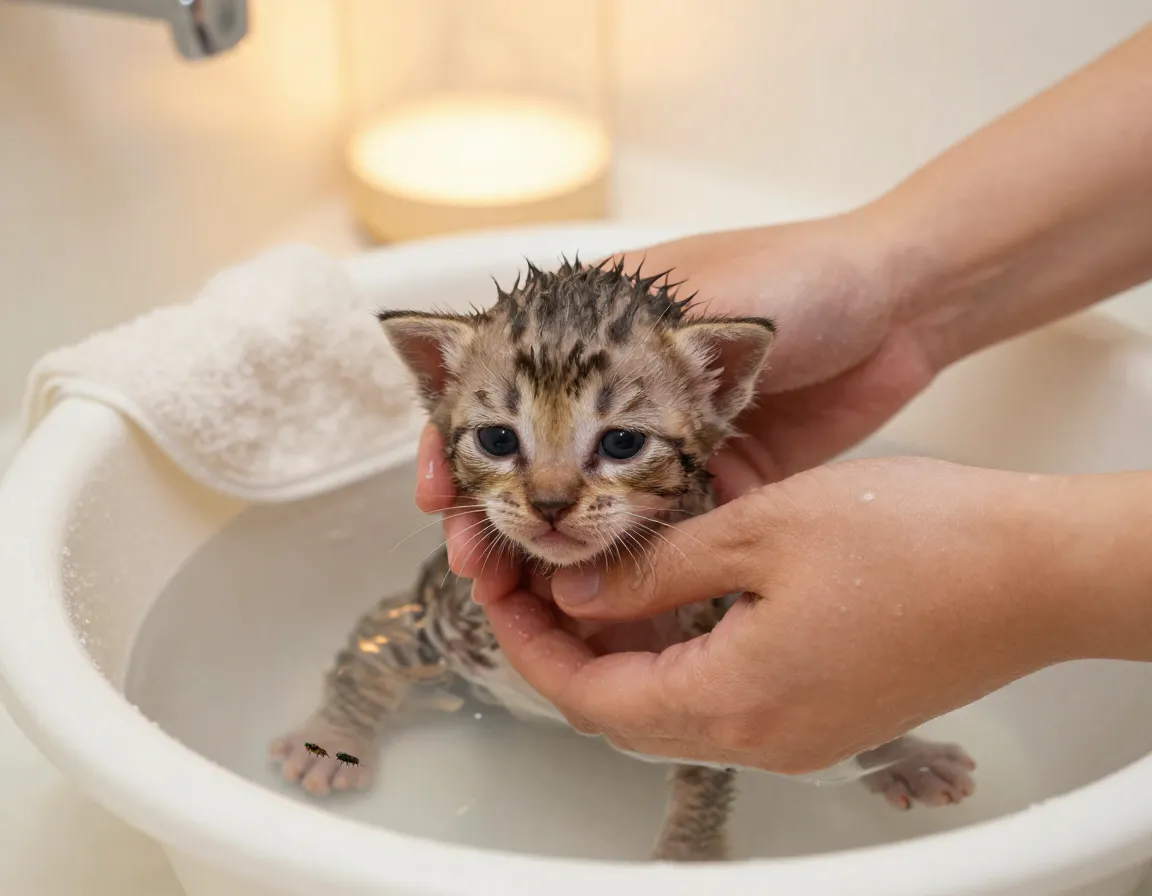
Warm water baths represent another cornerstone of safe flea treatment for newborn kittens [1][2]. While very young kittens (under 4 weeks) should be bathed with extreme caution, this method can be highly effective when done properly.
Safe bathing guidelines:
- Use lukewarm water (never hot or cold)
- Keep baths brief (2-3 minutes maximum)
- Use plain water or kitten-safe shampoo only
- Support the kitten’s head above water at all times
- Dry immediately with soft towels and gentle heat source
- Monitor body temperature closely during and after bathing
The warm water drowns fleas and makes them easier to remove manually. Never use adult flea shampoos or harsh soaps on newborn kittens.
3. Treating the Mother Cat
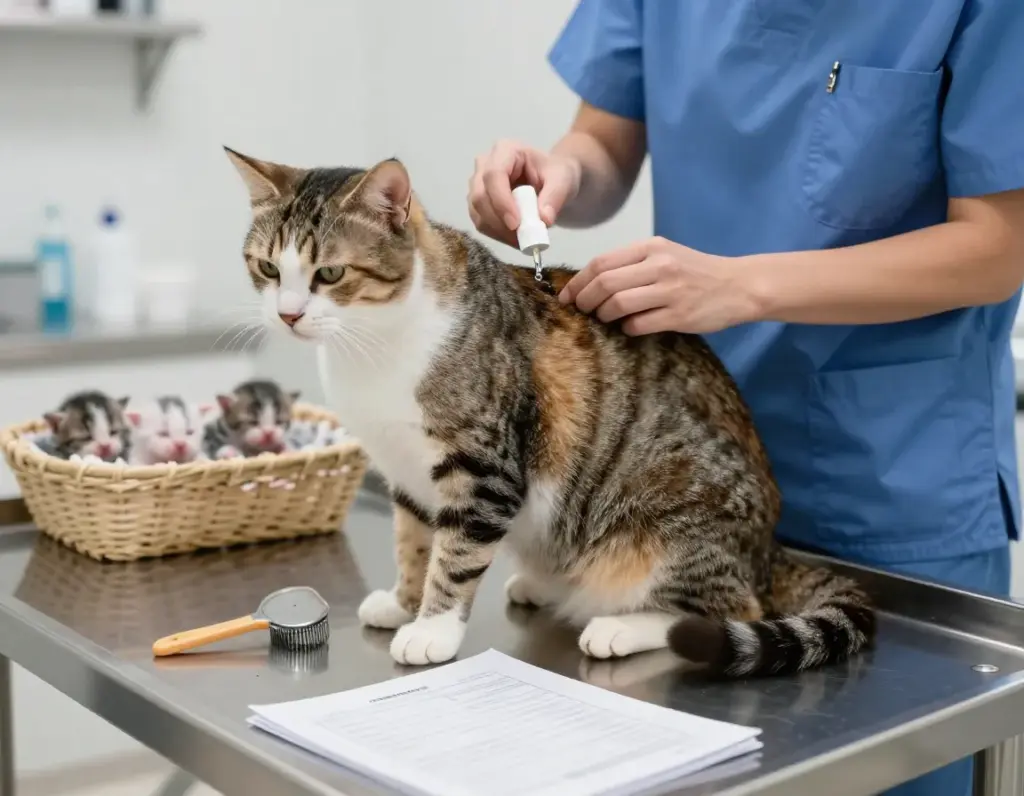
For nursing kittens, treating the mother cat is absolutely essential and represents one of the most effective approaches in our list of 8 safe & effective flea treatment options for newborn kittens [1][2]. The mother cat often serves as the primary source of flea infestation for her babies.
Mother cat treatment strategy:
- Consult with a veterinarian about nursing-safe flea treatments
- Use topical flea treatments specifically approved for nursing mothers
- Comb the mother cat regularly with a flea comb
- Bathe the mother if recommended by the veterinarian
- Monitor for re-infestation and treat promptly if needed
Treating the mother cat creates a protective barrier that prevents new fleas from jumping onto the kittens during nursing and grooming.
4. Environmental Deep Cleaning and Management
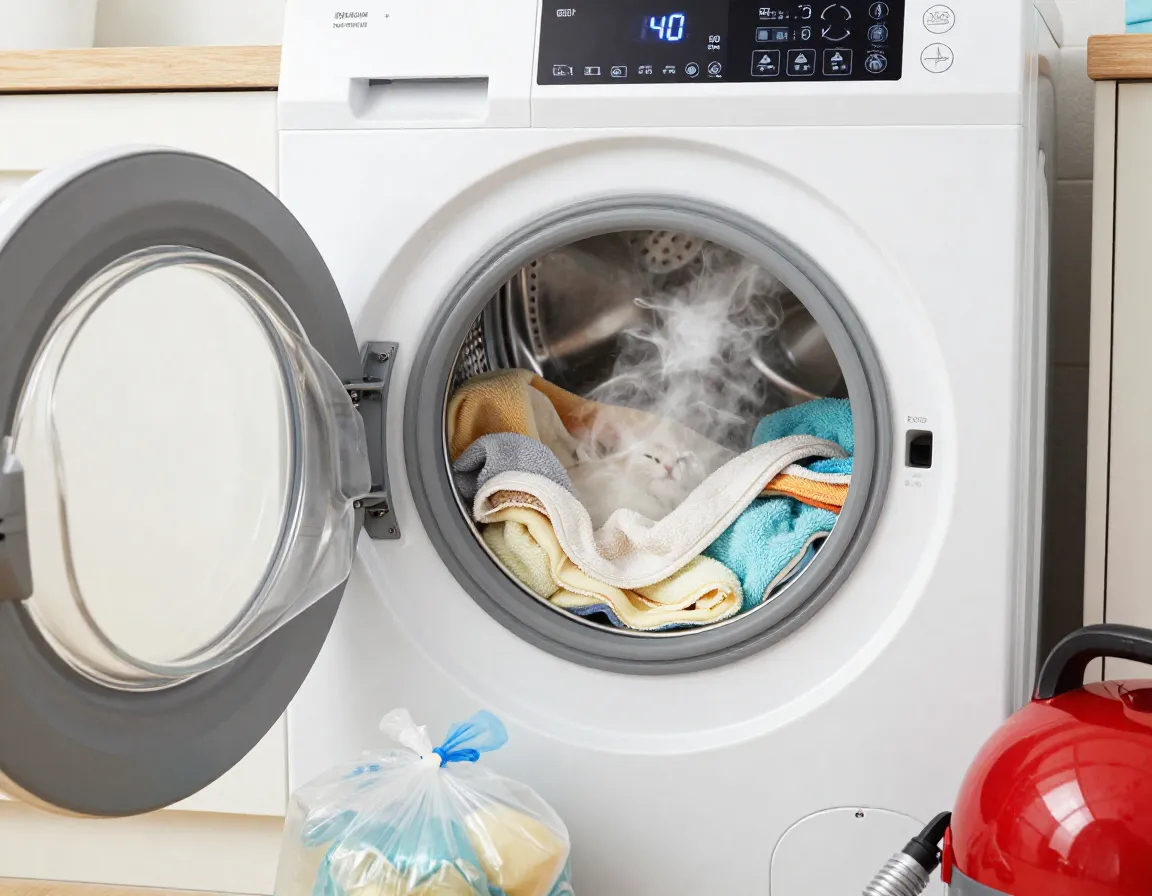
Environmental management is crucial because fleas spend most of their life cycle in the environment rather than on the host [1]. This comprehensive approach targets flea eggs, larvae, and pupae in the kitten’s surroundings.
Essential environmental cleaning steps:
- Wash all bedding in hot water (140°F or higher) weekly
- Vacuum thoroughly including carpets, upholstery, and cracks
- Dispose of vacuum contents immediately in sealed bags
- Steam clean carpets and furniture when possible
- Maintain low humidity (below 50%) to inhibit flea development
Environmental management must be ongoing throughout the treatment period to break the flea life cycle effectively.
5. Diatomaceous Earth Application (Food Grade Only)
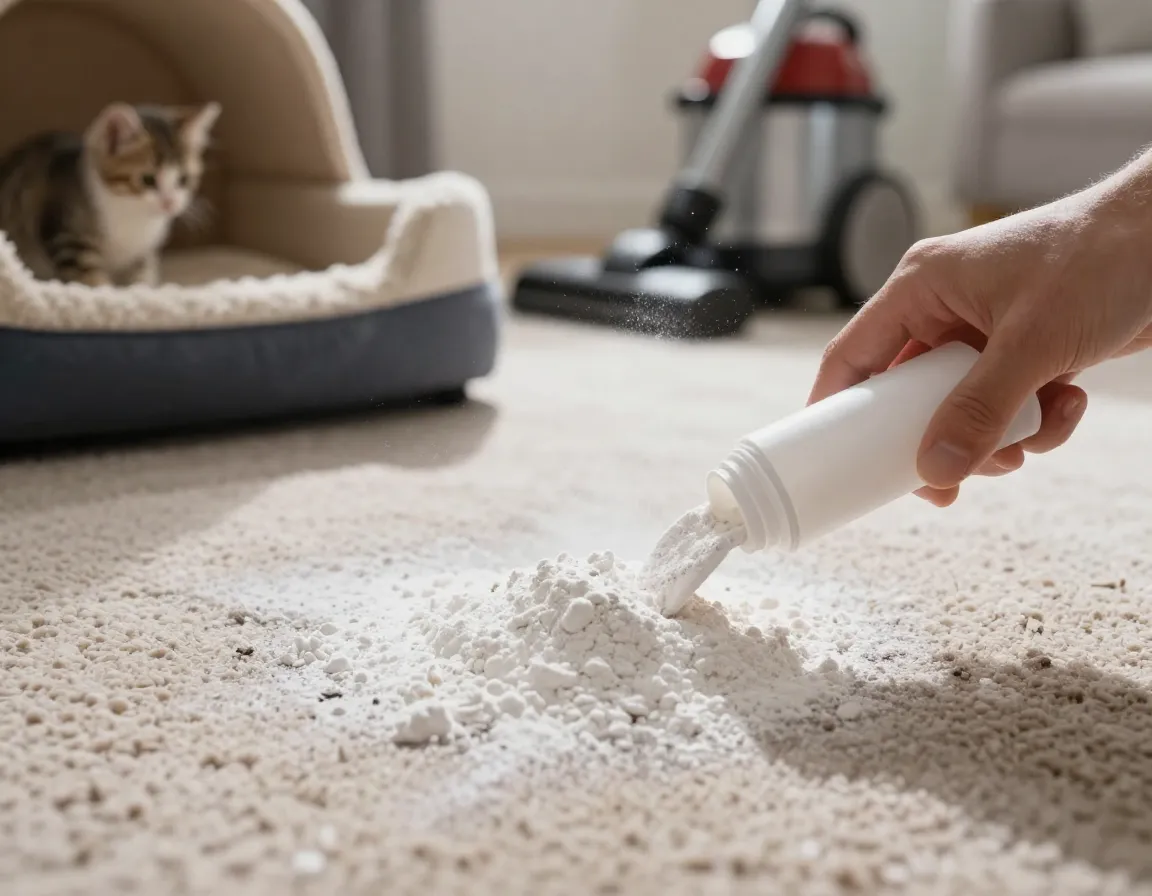
Food-grade diatomaceous earth offers a natural, non-toxic approach to flea control that can be safely used around newborn kittens when applied properly. This microscopic powder works by dehydrating fleas and disrupting their exoskeleton.
Safe application guidelines:
- Use only food-grade diatomaceous earth (never pool grade)
- Apply lightly to carpets and bedding areas (not directly on kittens)
- Allow to sit for several hours before vacuuming
- Avoid inhalation by keeping kittens away during application
- Reapply weekly as part of environmental management
While diatomaceous earth is generally safe, it should be used sparingly and never applied directly to newborn kittens’ fur or skin.
6. Cedar Chip Bedding and Natural Deterrents
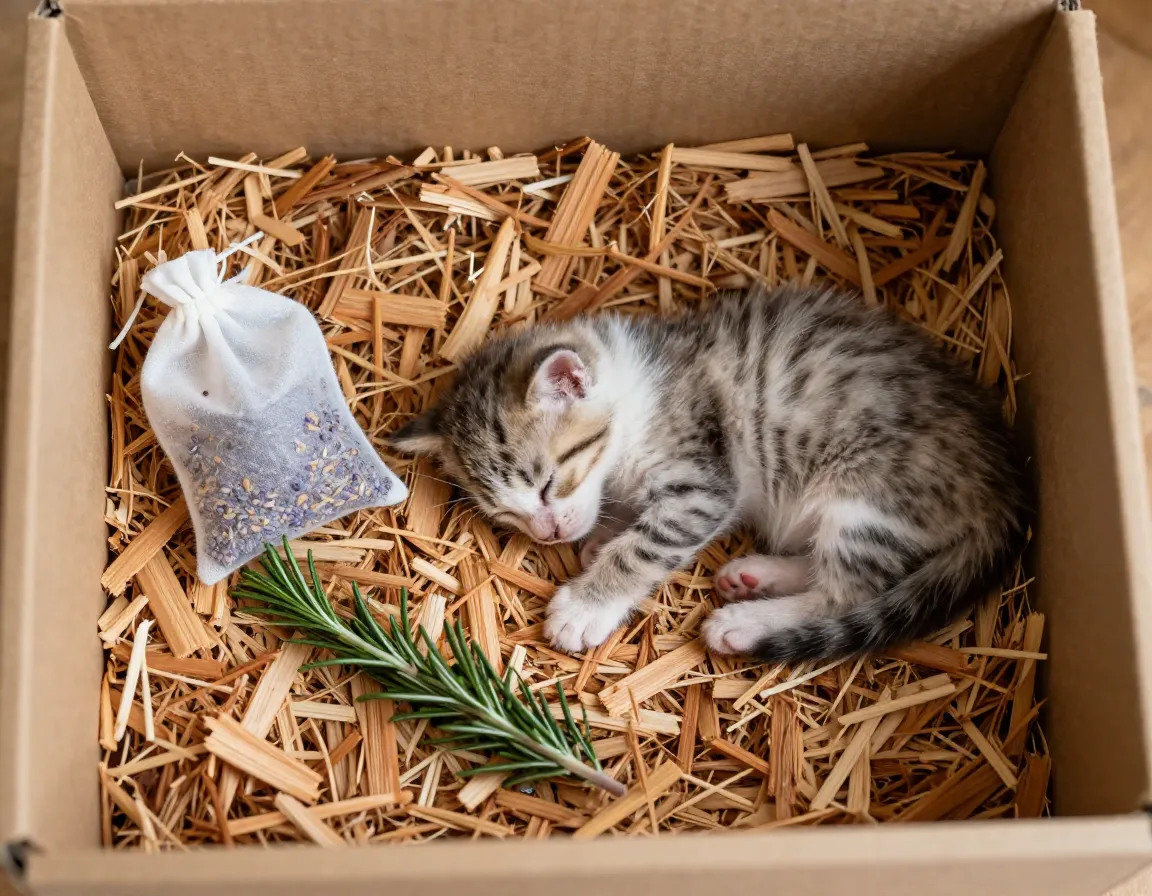
Natural flea deterrents like cedar chips can help repel fleas from the kitten’s environment without introducing harmful chemicals. Cedar contains natural oils that fleas find unpleasant.
Natural deterrent options:
- Cedar chip bedding in and around sleeping areas
- Lavender sachets placed near (not in) the kitten’s bed
- Fresh rosemary sprigs in the surrounding environment
- Essential oil diffusers used in adjacent rooms (never directly around kittens)
These natural methods work best as preventive measures and should be combined with more direct treatment approaches for active infestations.
7. Frequent Bedding Changes and Washing
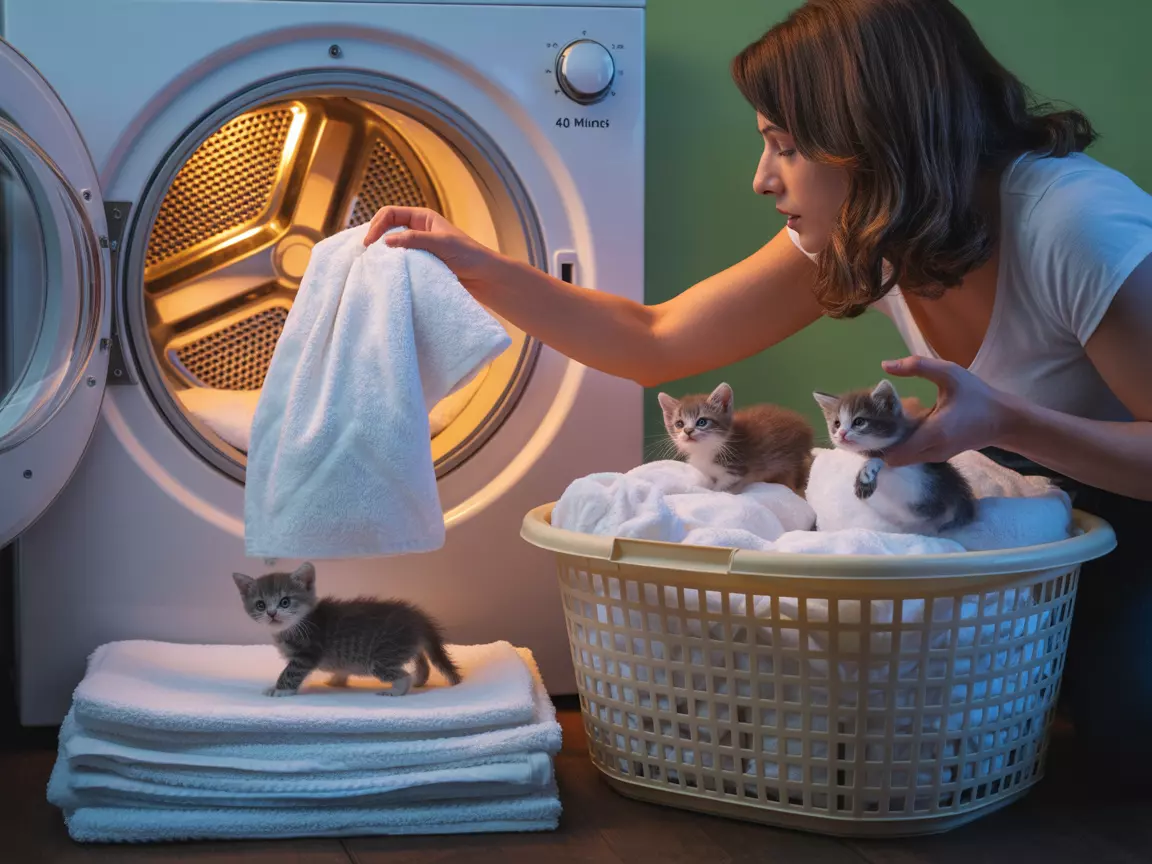
Regular bedding management forms a critical component of comprehensive flea control. Fresh, clean bedding eliminates flea eggs and larvae while providing a comfortable environment for recovery.
Bedding management protocol:
- Change bedding daily during active infestations
- Use hot water wash cycles (140°F minimum) to kill all flea stages
- Dry on high heat for at least 40 minutes
- Have multiple sets of bedding for continuous rotation
- Inspect bedding regularly for signs of flea activity
This frequent washing routine disrupts the flea life cycle and removes eggs before they can develop into adult fleas.
8. Professional Veterinary Consultation and Monitoring
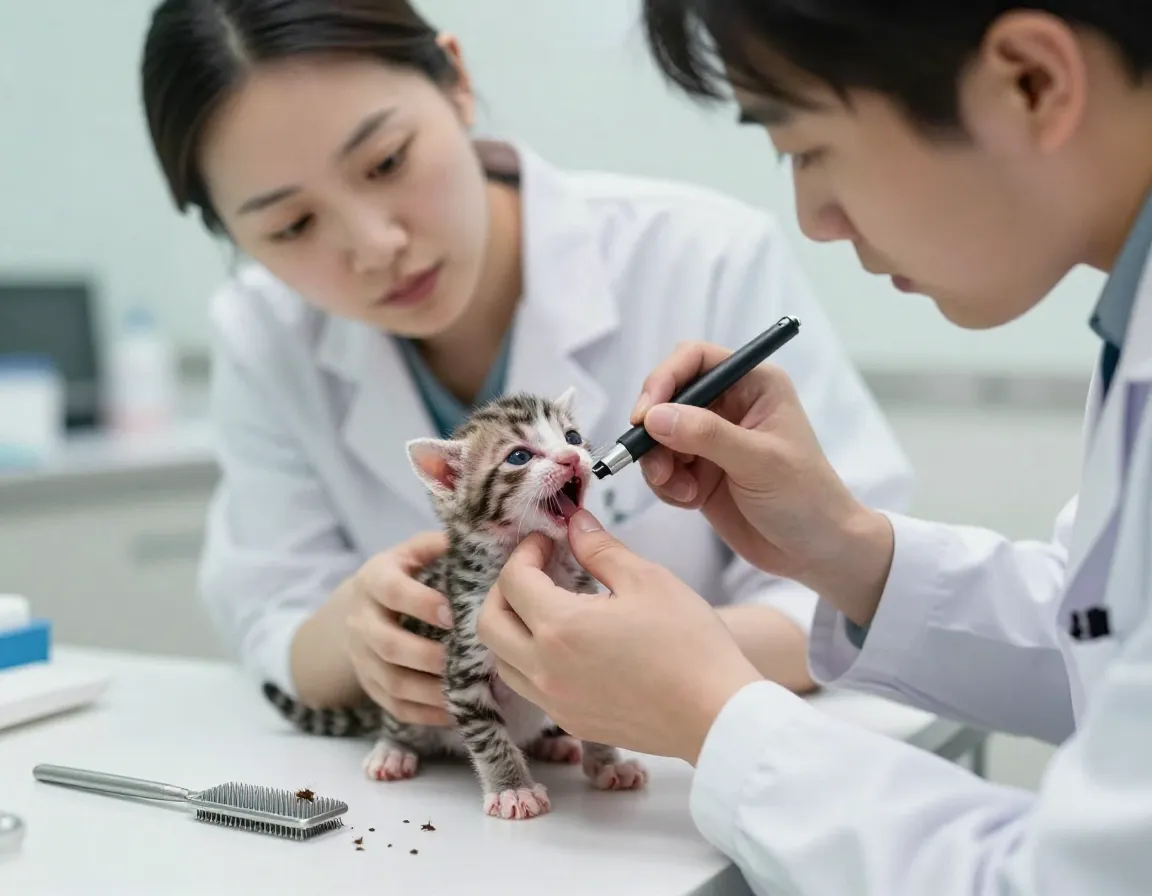
The final option in our 8 safe & effective flea treatment options for newborn kittens involves professional veterinary guidance. While many flea treatments can be managed at home, severe infestations or complications require professional intervention [3].
When to seek veterinary care:
- Severe infestations with hundreds of fleas
- Signs of anemia (pale gums, lethargy, weakness)
- Secondary skin infections from scratching
- Failure to thrive or poor weight gain
- Kittens under 4 weeks old with any flea infestation
Veterinarians can provide prescription treatments that are safe for young kittens and may recommend supportive care like iron supplements for anemic kittens.
Creating a Comprehensive Treatment Plan
Successfully implementing these 8 safe & effective flea treatment options for newborn kittens requires a coordinated approach that combines multiple methods. The most effective treatment plans typically include:
Immediate Actions (First 24-48 Hours)
- Manual flea removal with fine-tooth combing
- Gentle bathing if kitten is over 4 weeks old
- Environmental assessment and initial cleaning
- Veterinary consultation for severe cases
Ongoing Management (Weeks 1-4)
- Daily combing and inspection
- Weekly bathing as appropriate for age
- Continuous environmental management
- Mother cat treatment if applicable
Long-term Prevention (Ongoing)
- Regular grooming and inspection
- Maintained environmental cleanliness
- Preventive treatments as kittens mature
- Monitoring for re-infestation signs
Safety Considerations and Warnings ⚠️
When implementing any of these 8 safe & effective flea treatment options for newborn kittens, safety must remain the top priority:
Never Use These Products on Newborn Kittens:
- Adult cat flea shampoos or sprays
- Flea collars designed for adult cats
- Topical spot-on treatments not specifically labeled for kittens
- Essential oils applied directly to fur or skin
- Over-the-counter flea powders or sprays
Monitor for These Warning Signs:
- Difficulty breathing or rapid breathing
- Excessive lethargy or unresponsiveness
- Pale or white gums indicating anemia
- Skin irritation or allergic reactions
- Hypothermia after bathing
Any concerning symptoms warrant immediate veterinary attention.
Age-Specific Treatment Guidelines
Different ages require modified approaches within our 8 safe & effective flea treatment options for newborn kittens:
0-2 Weeks Old:
- Manual removal only with gentle combing
- Focus on mother cat treatment
- Environmental management as primary strategy
- No bathing unless absolutely necessary with veterinary guidance
2-4 Weeks Old:
- Gentle combing with increased frequency
- Spot cleaning with damp cloths
- Limited bathing only if critically needed
- Enhanced environmental controls
4-8 Weeks Old:
- Regular gentle bathing becomes safer
- More thorough combing sessions
- Introduction of natural deterrents
- Continued environmental focus
8-12 Weeks Old:
- Full bathing protocols can be implemented
- Preparation for conventional treatments as they mature
- Comprehensive prevention strategies
- Transition planning to adult flea prevention
Measuring Treatment Success
Effective implementation of these 8 safe & effective flea treatment options for newborn kittens should result in measurable improvements:
Signs of Successful Treatment:
✅ Decreased flea count during daily combing sessions
✅ Improved energy levels and normal kitten behavior
✅ Healthy weight gain appropriate for age
✅ Pink, healthy gums indicating good blood circulation
✅ Reduced scratching and skin irritation
✅ Clean environment free of flea dirt and adult fleas
Timeline Expectations:
- Week 1: Significant reduction in adult flea numbers
- Week 2: Minimal new flea activity with continued vigilance
- Week 3: Environmental flea cycle disruption evident
- Week 4: Near-complete elimination with prevention focus
Common Mistakes to Avoid
Even with the best intentions, pet owners sometimes make errors when implementing 8 safe & effective flea treatment options for newborn kittens:
Treatment Mistakes:
❌ Using adult cat products on kittens
❌ Bathing too frequently or with water that’s too hot
❌ Focusing only on the kitten while ignoring the environment
❌ Discontinuing treatment too early
❌ Mixing multiple chemical treatments without veterinary guidance
Environmental Mistakes:
❌ Inadequate vacuuming frequency
❌ Washing bedding in water that’s not hot enough
❌ Forgetting to treat areas where the mother cat spends time
❌ Using harsh chemicals in areas where kittens play
❌ Neglecting outdoor areas where fleas may originate
Building Long-Term Prevention Strategies
Once the immediate flea problem is resolved using these 8 safe & effective flea treatment options for newborn kittens, establishing long-term prevention becomes crucial:
Ongoing Prevention Methods:
- Regular grooming and inspection routines
- Maintained environmental cleanliness standards
- Seasonal flea prevention planning
- Adult cat prevention treatments as kittens mature
- Environmental monitoring for early detection
Seasonal Considerations:
Spring and summer typically bring increased flea activity, requiring enhanced vigilance and potentially more frequent implementation of these safe treatment options.
Conclusion
Successfully treating fleas in newborn kittens requires patience, dedication, and the right approach. These 8 safe & effective flea treatment options for newborn kittens provide a comprehensive toolkit for eliminating fleas while protecting these vulnerable babies from harm. Remember that manual removal, gentle bathing, environmental management, and treating the mother cat form the foundation of safe flea control for very young kittens.
The key to success lies in combining multiple approaches, maintaining consistency in treatment, and prioritizing safety above all else. While chemical treatments may seem like a quick fix, the gentle methods outlined here are not only safer but often more effective in the long run when properly implemented.
Take action today by assessing your kitten’s flea situation and implementing the appropriate combination of these eight treatment options. Start with manual removal and environmental cleaning, consult with your veterinarian for guidance, and maintain vigilant monitoring throughout the treatment process. With dedication and the right approach, you can successfully eliminate fleas and give your newborn kitten the healthy, comfortable start in life they deserve.
Remember, when in doubt, always consult with a veterinary professional who can provide personalized guidance based on your specific situation and your kitten’s individual needs.
References
[1] Kitten Flea Treatment – https://www.petful.com/pet-health/kitten-flea-treatment/
[2] Flea Control For Kittens – https://www.kwikpets.com/blogs/cat/flea-control-for-kittens
[3] Best Flea Treatment For Kittens – https://www.pawlicy.com/blog/best-flea-treatment-for-kittens/
[4] Factsheet Considerations And Care – https://catprotection.org.au/cat-care-factsheets/factsheet-considerations-and-care/
[5] Fleas – http://www.kittenlady.org/fleas
[6] Caring For Neonatal Kittens – https://www.alleycat.org/community-cat-care/caring-for-neonatal-kittens/
[7] Sample Kitten Protocol Cat World – https://bestfriends.org/network/resources-tools/sample-kitten-protocol-cat-world