7 Critical Health & Safety Features of a Top Dog Boarding Facility
When pet parents search for the perfect boarding facility, the safety and well-being of their furry family members takes priority above all else. With over 90 million dogs in American households as of 2026, the demand for reliable, safe boarding facilities has never been higher. However, not all boarding facilities are created equal, and understanding the 7 critical health & safety features of a top dog boarding facility can mean the difference between peace of mind and a potential nightmare.
Disclosure: This post contains affiliate links. As an Amazon Associate, we earn from qualifying purchases, and at no extra cost to you.
The right boarding facility should function as a temporary home where dogs receive professional care, proper supervision, and medical attention when needed. Unfortunately, horror stories of neglect, illness transmission, and inadequate safety measures continue to surface across the industry, making it essential for pet owners to know exactly what to look for.
Key Takeaways
- Vaccination verification and health screening protocols are non-negotiable requirements that prevent disease transmission and ensure only healthy dogs enter the facility
- Medical-grade disinfection and daily sanitation routines protect against dangerous pathogens like Parvovirus and maintain a hygienic environment
- Professional staff training in pet CPR and emergency procedures ensures immediate response to health crises and behavioral issues
- Secure facility design with proper climate control prevents escapes, injuries, and heat-related emergencies
- Emergency veterinary partnerships and clear protocols provide rapid access to medical care when needed
Understanding the Foundation: Why These 7 Critical Health & Safety Features Matter
Before diving into the specific features, it’s important to understand why these safety standards exist. Dog boarding facilities face unique challenges that don’t exist in typical pet care scenarios. When multiple dogs from different households come together in a confined space, the risk of disease transmission, behavioral conflicts, and emergency situations increases exponentially.
The 7 critical health & safety features of a top dog boarding facility represent industry best practices developed through years of experience, veterinary guidance, and unfortunately, lessons learned from preventable incidents. These standards protect not only the dogs in care but also the staff members who work with them daily.
State regulations vary significantly across the country, with some states like New York proposing enhanced standards through the Safe Pet Boarding Act, while Massachusetts has implemented Ollie’s Law to establish stronger regulatory oversight [7][8]. However, responsible facility owners go beyond minimum legal requirements to ensure comprehensive safety protocols.
1. Comprehensive Vaccination Verification and Health Screening
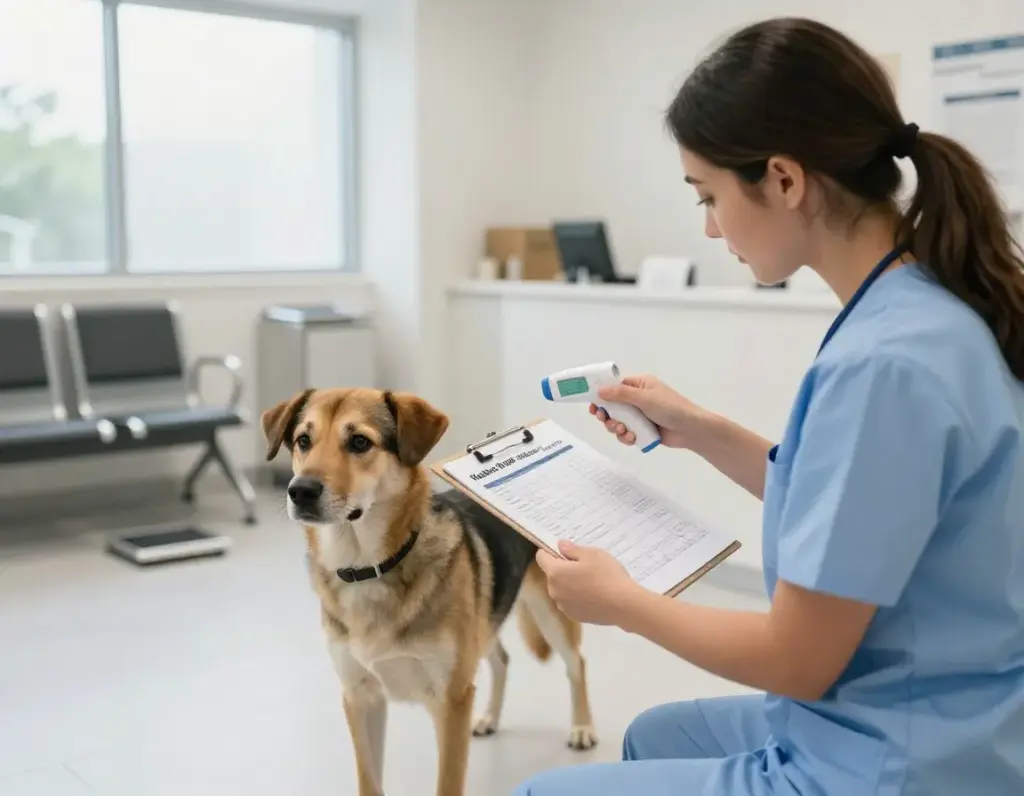
The first line of defense in any quality boarding facility is a rigorous vaccination verification system. All dogs must be current on core vaccines including Rabies, Distemper/Parvo, and Bordetella (kennel cough) with proof verified before check-in to prevent contagious disease transmission [1][5].
Required Core Vaccinations 🐕
Essential vaccines that every boarding facility should require include:
- Rabies vaccination (legally required in all states)
- DHPP combination (Distemper, Hepatitis, Parvovirus, Parainfluenza)
- Bordetella (kennel cough prevention)
- Current flea and tick prevention documentation
Top facilities go beyond basic requirements by implementing health screening procedures that include:
| Health Check Component | Purpose | Frequency |
|---|---|---|
| Visual health assessment | Detect obvious illness signs | Upon arrival |
| Temperature check | Identify fever or illness | Daily during stay |
| Appetite monitoring | Track overall well-being | Each meal |
| Behavior observation | Notice stress or discomfort | Continuous |
Documentation and Record Keeping
Professional facilities maintain detailed health records for every guest, including vaccination certificates, veterinary contact information, and any special medical needs. This documentation serves multiple purposes:
- Legal protection for both facility and pet owner
- Emergency reference for veterinary staff
- Continuity of care across multiple visits
- Disease tracking in case of outbreak investigation
The verification process should occur before the dog’s arrival, not during check-in, allowing staff time to review records and contact veterinarians if questions arise [5].
2. Hospital-Grade Disinfection and Sanitation Protocols
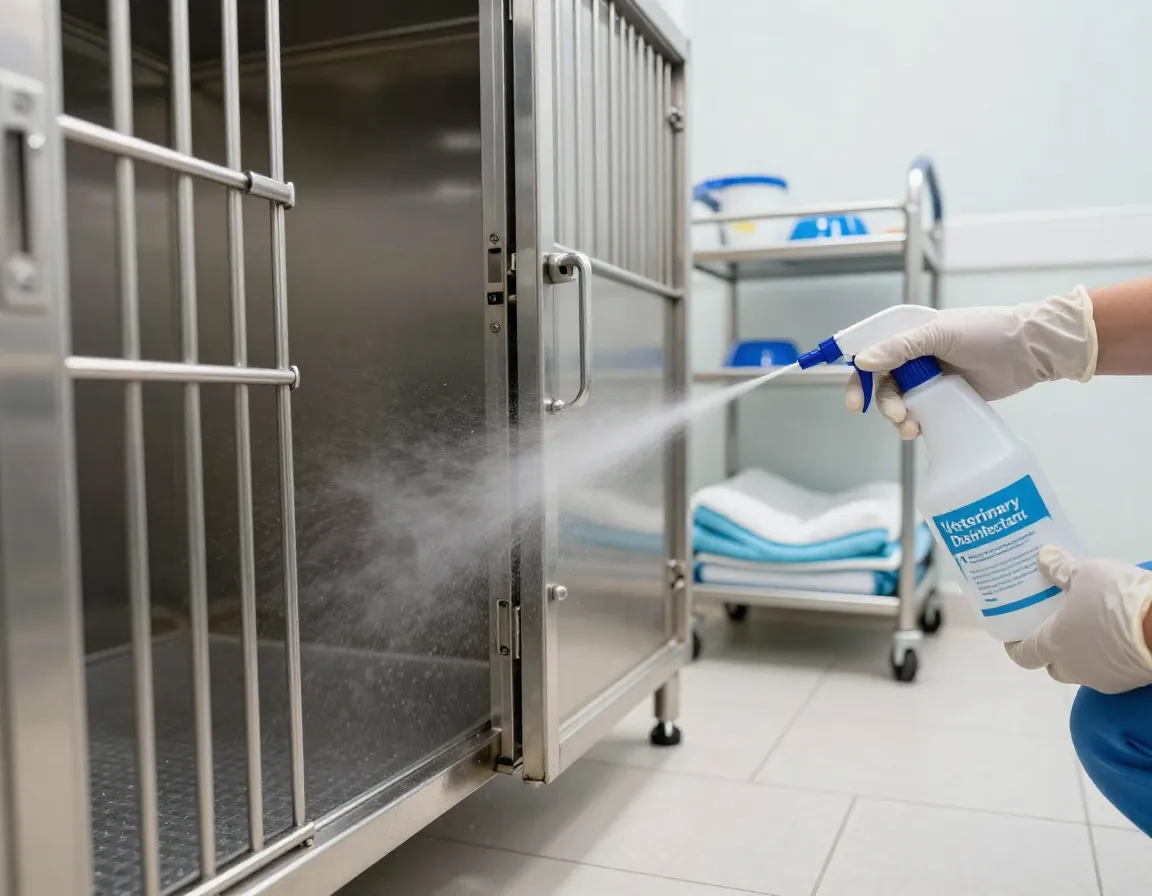
One of the most critical aspects of the 7 critical health & safety features of a top dog boarding facility involves maintaining a medical-grade clean environment. Facilities should use medical-grade disinfectants formulated to eliminate resilient pathogens like Parvovirus and Calicivirus, following strict “all-in, all-out” cleaning protocols between guests [2].
Daily Sanitation Routines 🧽
Comprehensive cleaning schedules must address every area where dogs spend time:
Morning Protocols:
- Deep clean all kennels and sleeping areas
- Sanitize food and water bowls with hospital-grade solutions
- Replace bedding and toys with freshly laundered items
- Disinfect all high-touch surfaces including gates and handles
Throughout the Day:
- Immediate cleanup of accidents or spills
- Regular sanitization of play equipment
- Fresh water replacement multiple times daily
- Continuous monitoring for cleanliness issues
Evening Deep Clean:
- Complete facility sanitization using EPA-approved disinfectants
- Steam cleaning of soft surfaces where possible
- Air filtration system maintenance
- Preparation of clean supplies for the next day
Pathogen Prevention Strategies
The most dangerous threats in boarding environments include Parvovirus, Calicivirus, and Giardia. These pathogens can survive on surfaces for extended periods and resist many common cleaning products. Professional facilities combat these threats through:
- EPA-registered disinfectants specifically formulated for veterinary use
- Contact time compliance ensuring disinfectants remain on surfaces long enough to be effective
- Separate cleaning equipment for different areas to prevent cross-contamination
- Staff training on proper dilution ratios and application techniques
Boarding kennels, play areas, and feeding stations must be cleaned and sanitized frequently using pet-safe disinfectants, with bedding, bowls, and toys regularly washed and replaced [1][4].
3. Professional Staff Training and Emergency Preparedness
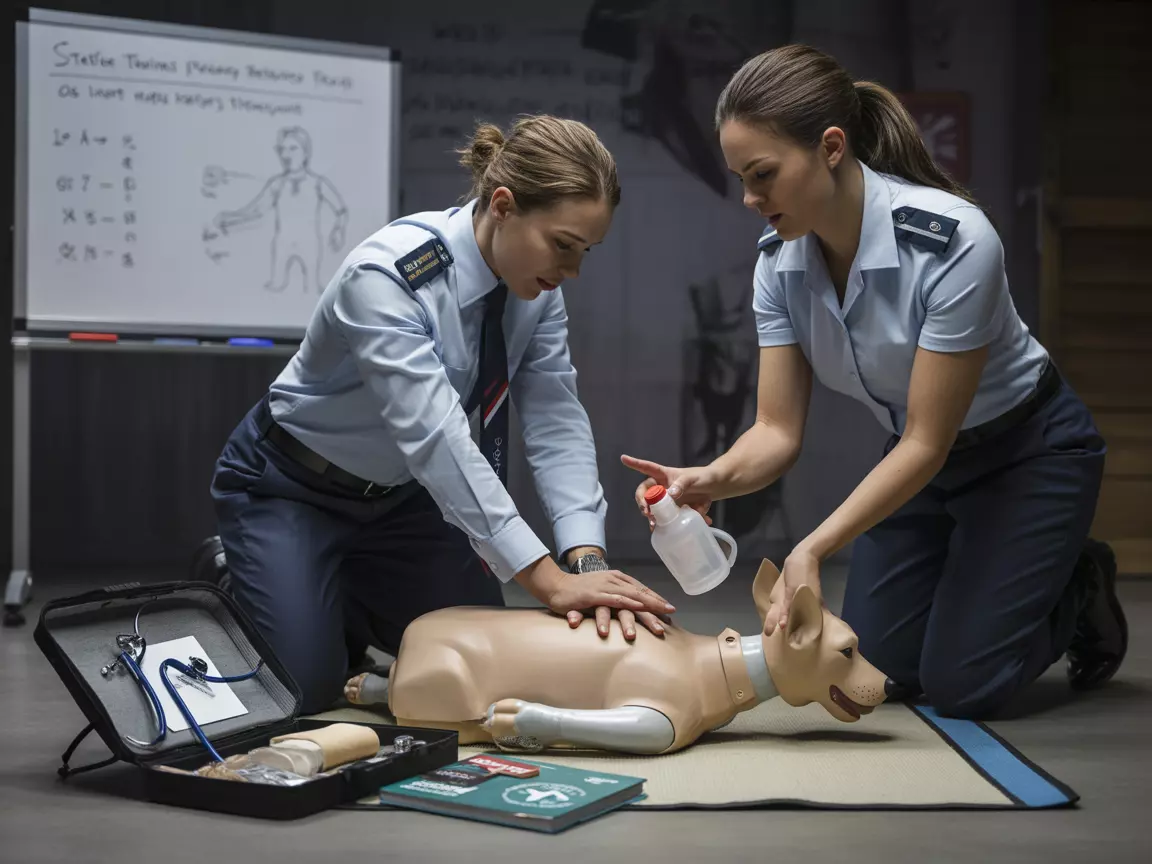
The quality of staff training directly impacts every other safety feature in the facility. Staff must be trained in pet CPR, basic first aid, safety procedures, and behavior management to recognize signs of stress, discomfort, or illness and respond appropriately [1][4].
Essential Training Components 👨⚕️
Medical Emergency Training:
- Pet CPR certification from recognized organizations
- First aid techniques specific to canine emergencies
- Choking response procedures for different dog sizes
- Heatstroke recognition and immediate treatment protocols
- Seizure management and when to seek emergency care
Behavioral Management Skills:
- Dog body language interpretation and stress signals
- De-escalation techniques for aggressive or fearful dogs
- Safe handling methods for dogs of all sizes and temperaments
- Group dynamics management during play sessions
- Separation anxiety recognition and response strategies
Emergency Response Protocols
Every staff member should know the exact steps to take in various emergency scenarios:
Medical Emergencies:
- Immediate assessment of the dog’s condition
- Contact protocols for veterinary assistance
- Owner notification procedures and timelines
- Documentation requirements for incident reporting
- Follow-up care coordination with veterinary staff
Facility Emergencies:
- Fire evacuation plans with designated escape routes
- Severe weather protocols for protecting animals
- Power outage procedures maintaining climate control
- Security breach response to prevent escapes
Facilities must maintain established relationships with local veterinarians and have clear emergency procedures for handling health crises promptly [1][4].
4. Secure Facility Design and Infrastructure Safety
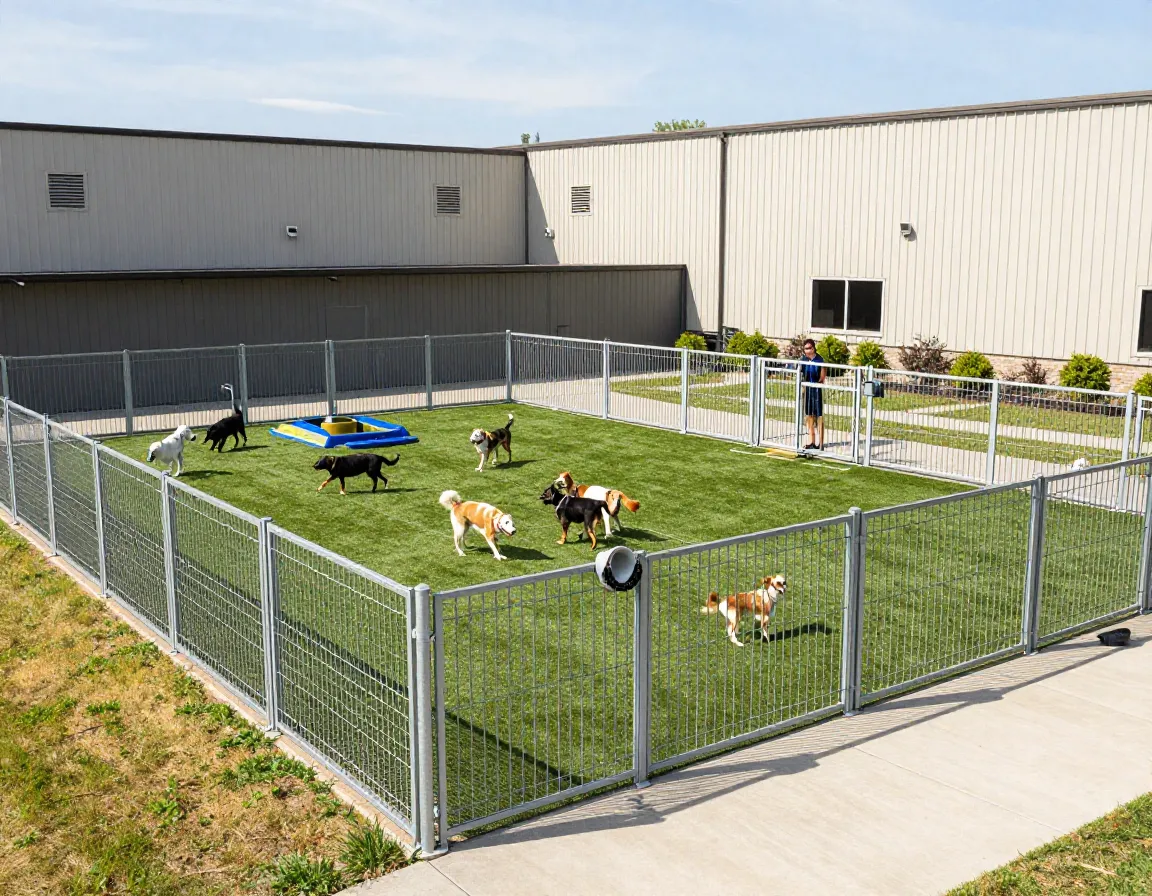
Physical safety begins with proper facility design and construction. Among the 7 critical health & safety features of a top dog boarding facility, secure infrastructure prevents the most common and dangerous incidents: escapes, injuries, and unauthorized access.
Fencing and Containment Systems 🏗️
Professional-grade fencing requirements include:
- Height specifications minimum 6 feet for most breeds, higher for known jumpers
- Material durability using galvanized steel or commercial-grade chain link
- Foundation security extending below ground to prevent digging escapes
- Gate mechanisms with double-latch systems and staff-only access
- Visual barriers reducing stress from external stimuli
Fencing must be sturdy, well-maintained, substantial in strength and height, with pens sized appropriately for breeds and long-tailed dogs requiring wider areas to prevent tail injuries [3].
Climate Control and Environmental Safety
24/7 climate control systems are essential for preventing heat-related emergencies and maintaining comfort year-round [1][4]. Key environmental features include:
Temperature Management:
- Consistent indoor temperatures between 68-72°F regardless of weather
- Humidity control preventing mold growth and respiratory issues
- Air circulation systems providing fresh air without drafts
- Backup power ensuring climate control during outages
Outdoor Safety Features:
- Shaded areas in all outdoor play spaces
- Water access available in every outdoor area
- Weather monitoring with protocols for extreme conditions
- Surface materials providing traction and comfort for paws
Fire Safety and Emergency Infrastructure
Essential safety equipment must be properly maintained and accessible:
- Functioning fire extinguishers strategically placed throughout the facility
- Working smoke alarms in all indoor areas with battery backup
- Emergency lighting for power outage situations
- Clear evacuation routes marked and unobstructed
- Emergency contact information prominently displayed
Facilities must have functioning fire extinguishers and working smoke alarms in place [3].
5. Individualized Care and Proper Resource Access
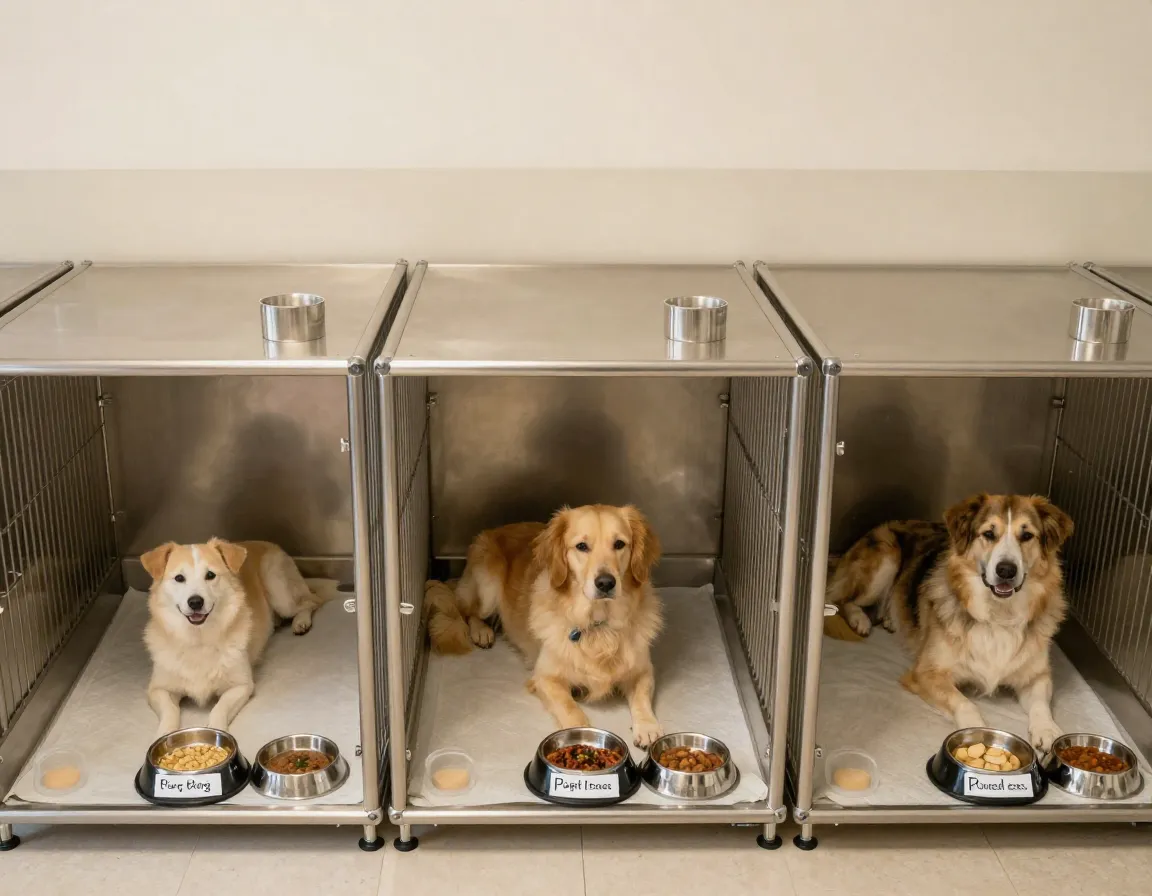
Quality boarding facilities recognize that every dog has unique needs requiring personalized attention and adequate resources. This individualized approach forms a crucial part of the 7 critical health & safety features of a top dog boarding facility.
Water and Nutrition Management 💧
Continuous water access is both a basic need and a safety requirement. Each dog must have access to functioning containers filled with clean drinking water at all times [3]. Professional facilities ensure:
Water Safety Protocols:
- Individual water bowls preventing disease transmission between dogs
- Frequent refilling maintaining fresh, clean water throughout the day
- Bowl sanitization between uses and between different dogs
- Backup water sources in case of primary system failure
- Monitoring consumption to detect potential health issues early
Feeding Safety Measures:
- Separate feeding areas preventing food aggression incidents
- Individual diet accommodation following owner instructions exactly
- Allergy management preventing cross-contamination of special diets
- Feeding schedule consistency reducing stress and digestive issues
Appropriate Housing and Space Allocation
Separate housing areas serve multiple safety purposes. Distinct separate boarding areas for dogs and cats reduce stress and minimize cross-species illness transmission risk [4]. Additionally, proper space allocation includes:
Size-Appropriate Accommodations:
- Kennel sizing allowing dogs to stand, turn around, and lie down comfortably
- Exercise area access providing adequate space for physical activity
- Quiet zones for dogs needing rest or showing stress signs
- Isolation areas for dogs requiring medical observation
Group Management:
Dogs are carefully grouped by size and temperament during supervised play in secure environments to ensure positive interactions and minimize stress [1]. This controlled socialization approach prevents:
- Size mismatches that could lead to accidental injuries
- Temperament conflicts between incompatible personalities
- Overwhelming situations for shy or anxious dogs
- Resource guarding issues during group activities
6. Regulatory Compliance and Professional Standards
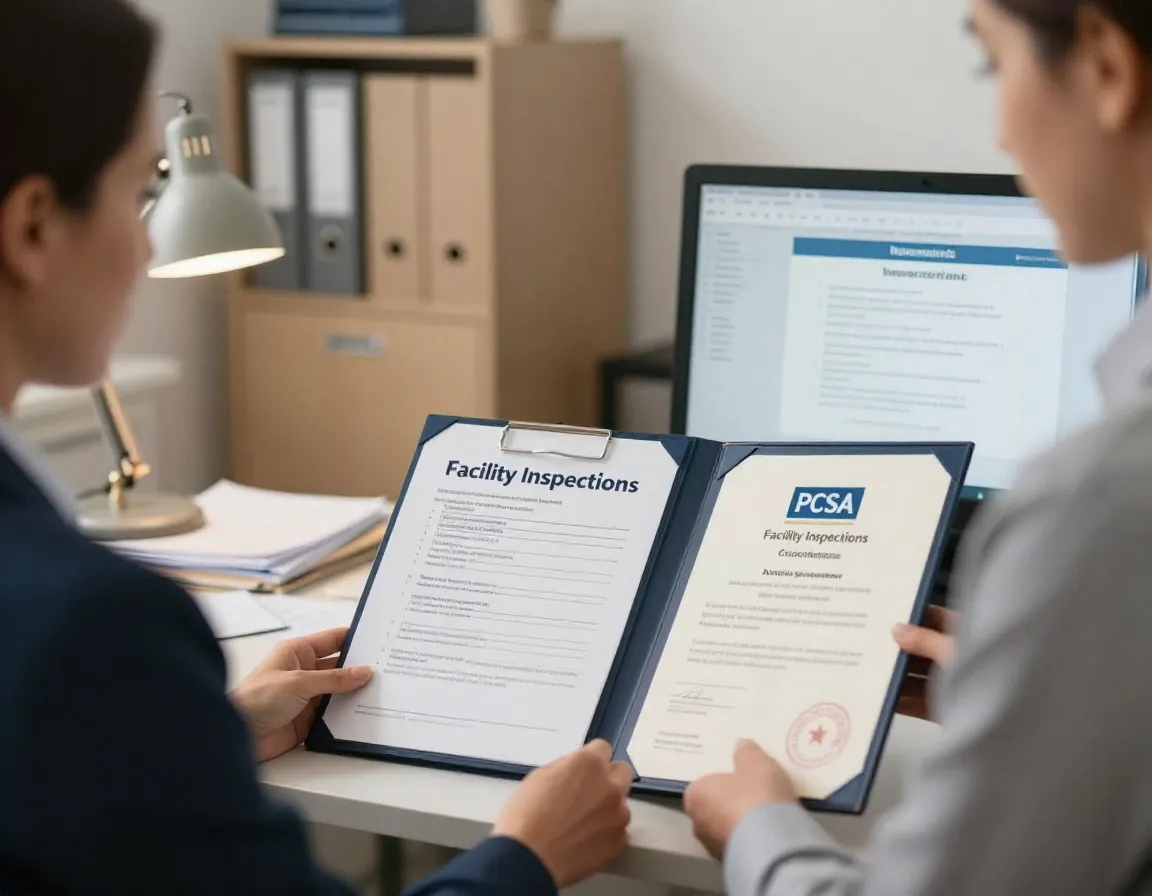
Adherence to local and state regulations represents a fundamental aspect of the 7 critical health & safety features of a top dog boarding facility. However, compliance goes beyond meeting minimum legal requirements to embracing industry best practices and professional standards.
Legal Compliance Framework ⚖️
Regulatory requirements vary significantly by location, but facilities must be in compliance with any local or state regulations [3]. Key areas of compliance include:
Licensing and Permits:
- Business licensing appropriate for commercial pet care operations
- Zoning compliance ensuring facilities operate in properly designated areas
- Health department permits for facilities providing food and water services
- Fire department approvals for occupancy and safety systems
- Insurance coverage protecting against liability and property damage
Emerging Regulatory Trends:
The regulatory landscape continues evolving with enhanced standards being implemented across various states. New York’s proposed Safe Pet Boarding Act and Massachusetts’ Ollie’s Law establish stronger regulatory oversight [7][8], setting precedents that other states may follow.
Professional Certification and Industry Standards
Voluntary certifications demonstrate commitment to excellence beyond legal minimums:
Industry Certifications:
- Pet Care Services Association (PCSA) accreditation
- International Association of Canine Professionals recognition
- Local veterinary association partnerships and endorsements
- Continuing education requirements for staff members
Operational Standards:
- Regular facility inspections by qualified third parties
- Staff background checks ensuring safety of animals and property
- Emergency drill procedures testing response protocols regularly
- Client communication standards maintaining transparency and trust
7. Emergency Veterinary Partnerships and Medical Response
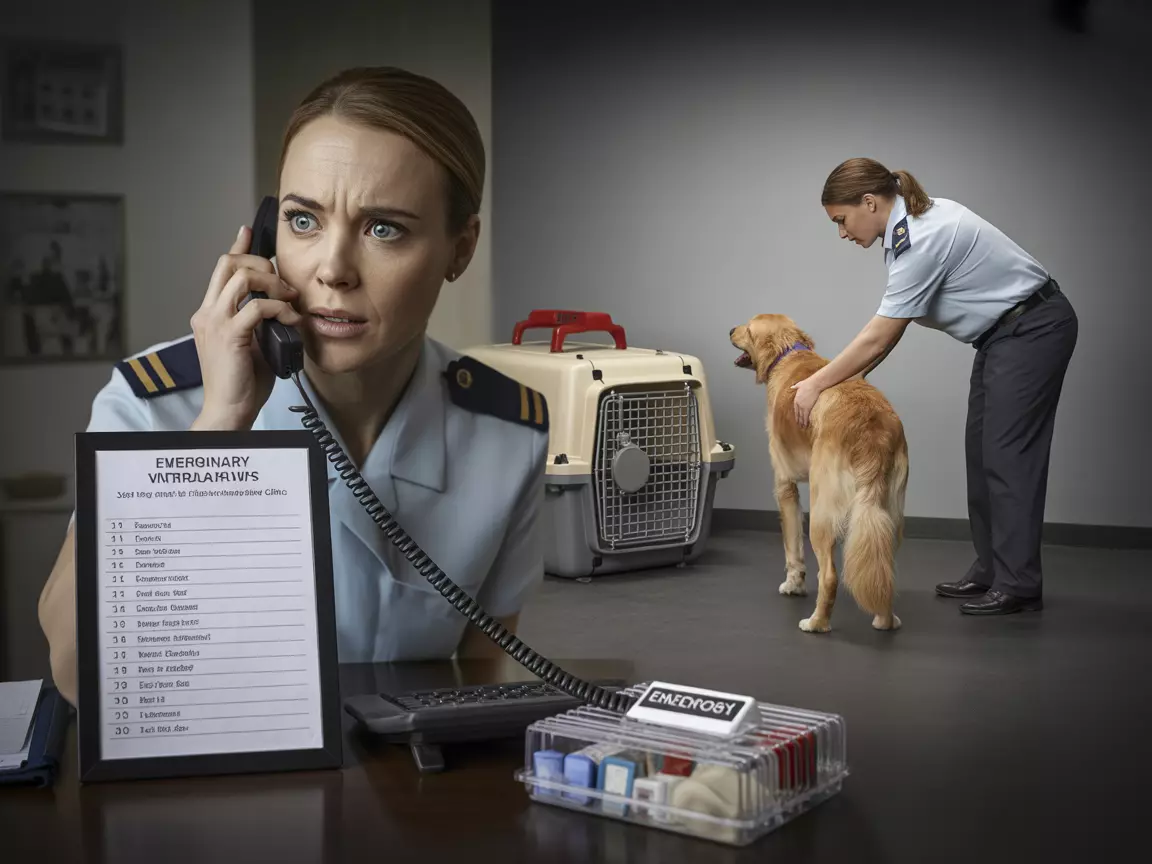
The final component of the 7 critical health & safety features of a top dog boarding facility involves comprehensive emergency medical preparedness. Even with the best preventive measures, medical emergencies can occur, making rapid response capabilities essential.
Veterinary Partnership Requirements 🏥
Established veterinary relationships provide the foundation for emergency medical care. Professional facilities maintain:
Primary Veterinary Partnerships:
- On-call veterinary services available during business hours
- After-hours emergency clinic relationships for weekend and evening care
- Specialized veterinary services for complex medical needs
- Clear communication protocols between facility staff and veterinary teams
- Pre-authorized treatment guidelines for common emergency situations
Medical Emergency Protocols:
Facilities must have clear emergency procedures for handling health crises promptly [1][4]. These protocols should address:
Immediate Response Procedures:
- Rapid assessment of the dog’s condition by trained staff
- Immediate stabilization using first aid techniques when appropriate
- Veterinary contact following established communication protocols
- Owner notification within specified timeframes
- Transportation arrangements to veterinary facilities when needed
- Documentation procedures for all medical incidents
Medical Equipment and Supplies
Emergency medical supplies should be readily available and properly maintained:
Basic Medical Kit Contents:
- Digital thermometers for accurate temperature readings
- Stethoscope for basic cardiac and respiratory assessment
- Emergency medications as directed by veterinary partners
- Wound care supplies for minor injuries
- Emergency contact information for all relevant parties
Advanced Emergency Equipment:
- Oxygen delivery systems for respiratory emergencies
- Emergency transport carriers sized for different breeds
- Communication devices ensuring reliable contact with veterinary services
- Medical record systems providing immediate access to health information
Incident Documentation and Follow-up
Comprehensive documentation serves multiple important purposes:
Incident Reporting Requirements:
- Detailed incident descriptions including timeline and circumstances
- Medical interventions provided by facility staff
- Veterinary communications and treatment recommendations
- Owner notifications and response records
- Follow-up care coordination and monitoring
This documentation protects all parties involved while providing valuable information for preventing similar incidents in the future.
Evaluating Facilities: Questions to Ask and Red Flags to Avoid
When evaluating potential boarding facilities, pet owners should come prepared with specific questions about each of the 7 critical health & safety features of a top dog boarding facility. The facility’s responses—and willingness to provide detailed answers—reveal much about their commitment to safety.
Essential Questions for Facility Tours 🔍
Health and Vaccination Protocols:
- “What vaccination requirements do you have, and how do you verify them?”
- “What happens if a dog shows signs of illness during their stay?”
- “How do you handle dogs with special medical needs or medications?”
Cleaning and Sanitation:
- “What type of disinfectants do you use, and how often do you clean?”
- “Can you show me your cleaning protocols and schedule?”
- “How do you prevent cross-contamination between different dogs?”
Staff Training and Emergency Preparedness:
- “What training do your staff members receive?”
- “Who is your emergency veterinarian, and how quickly can they respond?”
- “What happens during after-hours emergencies?”
Facility Safety:
- “Can you show me your fencing and security measures?”
- “How do you control temperature and air quality?”
- “What safety equipment do you have on-site?”
Warning Signs to Avoid ⚠️
Immediate Red Flags:
- Reluctance to provide tours or answer specific safety questions
- Visible uncleanliness or strong odors throughout the facility
- Inadequate fencing or obvious security vulnerabilities
- Lack of vaccination requirements or health screening procedures
- No established veterinary relationships or emergency protocols
- Untrained staff unable to answer basic safety questions
- Overcrowding with too many dogs in inadequate space
- Missing safety equipment like fire extinguishers or first aid supplies
Subtle Concerns:
- Vague answers about cleaning protocols or staff training
- Inconsistent information between different staff members
- Pressure tactics rushing decisions without allowing proper evaluation
- Lack of references or unwillingness to provide client testimonials
- No written policies regarding safety procedures or emergency protocols
The Cost of Cutting Corners: Why Safety Features Matter
While facilities with comprehensive safety features may charge higher rates, the cost of choosing a substandard facility can be devastating. Medical emergencies, disease transmission, and traumatic incidents can result in:
Financial Consequences 💰
Direct Costs:
- Emergency veterinary bills ranging from hundreds to thousands of dollars
- Extended treatment for preventable illnesses or injuries
- Specialized care for trauma-related behavioral issues
- Legal expenses if negligence is involved
Indirect Costs:
- Lost work time dealing with pet emergencies
- Travel expenses for emergency veterinary visits
- Replacement costs for personal items damaged or lost
- Additional boarding fees if extended care is needed
Emotional and Long-term Impact
The emotional toll of preventable incidents often exceeds financial costs:
Pet Health Consequences:
- Permanent injuries from inadequate safety measures
- Behavioral trauma from negative boarding experiences
- Chronic health issues from disease exposure
- Reduced lifespan from serious preventable incidents
Family Impact:
- Guilt and regret over facility choice decisions
- Loss of trust in professional pet care services
- Stress and anxiety about future boarding needs
- Grief and loss in worst-case scenarios
Making the Right Choice: Implementation and Next Steps
Understanding the 7 critical health & safety features of a top dog boarding facility empowers pet owners to make informed decisions that protect their beloved companions. However, knowledge alone isn’t enough—action is required.
Creating Your Evaluation Checklist ✅
Develop a comprehensive checklist based on the seven critical features:
Health and Safety Verification:
- [ ] Current vaccination requirements clearly stated and verified
- [ ] Health screening procedures conducted upon arrival
- [ ] Medical records maintained and accessible
- [ ] Established veterinary partnerships documented
Facility Standards Assessment:
- [ ] Medical-grade cleaning protocols observed
- [ ] Secure fencing and containment systems inspected
- [ ] Climate control systems functioning properly
- [ ] Safety equipment present and maintained
Staff and Emergency Preparedness:
- [ ] Staff training certifications verified
- [ ] Emergency procedures clearly documented
- [ ] Communication protocols established
- [ ] Incident reporting systems in place
Implementation Timeline
Phase 1: Research and Initial Contact (1-2 weeks)
- Research facilities in your area using online reviews and recommendations
- Contact facilities to ask preliminary questions about safety features
- Request facility tours and information packets
- Verify licensing and regulatory compliance
Phase 2: Facility Visits and Evaluation (1-2 weeks)
- Schedule tours during operating hours to observe daily operations
- Ask specific questions from your prepared checklist
- Observe staff interactions with current boarding dogs
- Review contracts and policies carefully
Phase 3: Decision and Preparation (1 week)
- Compare facilities using your evaluation criteria
- Check references and speak with current clients
- Prepare required documentation and health records
- Schedule initial visit or trial stay if available
Conclusion
The 7 critical health & safety features of a top dog boarding facility represent non-negotiable standards that every responsible pet owner should demand. From comprehensive vaccination verification and medical-grade sanitation protocols to professional staff training and emergency preparedness, these features work together to create a safe, healthy environment where dogs can thrive during their stay away from home.
Vaccination verification and health screening form the first line of defense against disease transmission, while hospital-grade disinfection protocols maintain the hygienic environment necessary for preventing illness. Professional staff training ensures immediate response to emergencies, and secure facility design prevents escapes and injuries. Individualized care addresses each dog’s unique needs, regulatory compliance demonstrates professional standards, and emergency veterinary partnerships provide rapid access to medical care when needed.
The investment in finding a facility that meets all seven criteria pays dividends in peace of mind, pet safety, and positive boarding experiences. While such facilities may charge premium rates, the cost of cutting corners can be devastating both financially and emotionally.
Your Next Steps
- Create your evaluation checklist using the seven critical features outlined in this guide
- Research facilities in your area and schedule tours with those meeting basic requirements
- Ask specific questions about safety protocols and observe operations firsthand
- Verify credentials including licensing, insurance, and veterinary partnerships
- Start with short stays to evaluate how your dog responds to the facility
- Maintain ongoing communication with facility staff about your dog’s needs and experiences
Remember that choosing a boarding facility is one of the most important decisions pet owners make. By prioritizing the 7 critical health & safety features of a top dog boarding facility, you ensure that your beloved companion receives the professional care, safety, and attention they deserve while you’re away.
The right facility becomes a trusted partner in your pet’s care, providing not just a safe place to stay, but a positive experience that benefits your dog’s overall well-being. Take the time to find that facility—your furry family member’s safety and happiness depend on it.
References
[1] Safety Standards Every Dog Boarding Facility Should Meet – https://lakelanddoggydaycare.com/safety-standards-every-dog-boarding-facility-should-meet/
[2] The Clinical Advantage Why Medical Grade Pet Boarding Is The Gold Standard For Allen Families In 2026 – https://www.countrycreekvets.com/the-clinical-advantage-why-medical-grade-pet-boarding-is-the-gold-standard-for-allen-families-in-2026
[3] Rhp Facility Criteria – https://www.akc.org/sports/conformation/akc-registered-handlers/rhp-facility-criteria/
[4] How To Assess The Cleanliness And Safety Of A Pet Boarding Facility – https://petponderosa.com/2025/04/how-to-assess-the-cleanliness-and-safety-of-a-pet-boarding-facility/
[5] Choosing The Right Dog Boarding Facility For Safety – https://happypupmanor.com/choosing-the-right-dog-boarding-facility-for-safety/
[7] New York Dog Boarding Daycare Laws 2026 Proposed Safe Pet Boarding Act – https://www.petuniapets.com/en/blog/new-york-dog-boarding-daycare-laws-2026-proposed-safe-pet-boarding-act
[8] Ollieslaw – https://www.mspca.org/animal_protection/ollieslaw/