
8 Crucial First Steps to Launch Your Dog Day Care Business
The pet care industry is booming, with American pet owners spending over $136 billion annually on their furry companions. Among the fastest-growing segments is dog daycare, where busy pet parents seek safe, engaging environments for their beloved dogs while they work. However, launching a successful dog daycare business requires careful planning, proper licensing, and strategic execution to stand out in this competitive market.

Disclosure: This post contains affiliate links. As an Amazon Associate, we earn from qualifying purchases, and at no extra cost to you.
Understanding the 8 Crucial First Steps to Launch Your Dog Day Care Business can mean the difference between a thriving enterprise and a costly mistake. From navigating complex licensing requirements to designing the perfect facility layout, each step builds the foundation for long-term success in 2026’s evolving pet care landscape.
Key Takeaways
- Business licensing and permits are mandatory – Most locations require general business licenses plus specific dog daycare permits at local and state levels
- Startup costs typically range from $32,500 to $71,000 – Budget includes facility build-out, equipment, and initial operating capital
- Location selection is critical – Choose areas with proper commercial zoning, minimal competition, and proximity to target customers
- Comprehensive business planning drives success – Include market analysis, financial projections, and operational strategies
- Facility design requires specialized zones – Separate areas for play, rest, feeding, and quarantine ensure safety and efficiency
Planning and Legal Foundation
1. Develop a Comprehensive Business Plan

Creating a detailed business plan serves as the roadmap for your dog daycare venture. This document should outline your business concept, target market analysis, competitive landscape assessment, and unique value proposition. A well-structured plan includes your service offerings, pricing strategy, operational procedures, marketing approach, and financial projections for at least three years [1].
Your business plan must address several key components:
- Market Analysis: Research local demographics, pet ownership rates, and existing competition
- Services and Pricing: Define daycare packages, additional services (grooming, training), and competitive pricing
- Operational Plan: Daily schedules, staffing requirements, and customer management systems
- Financial Projections: Revenue forecasts, expense budgets, and break-even analysis
- Growth Strategy: Expansion plans and long-term business objectives
💡 Pro Tip: Include detailed financial projections showing monthly cash flow for the first two years, as this information proves crucial when seeking funding or investors.
2. Research and Secure Business Licensing and Permits
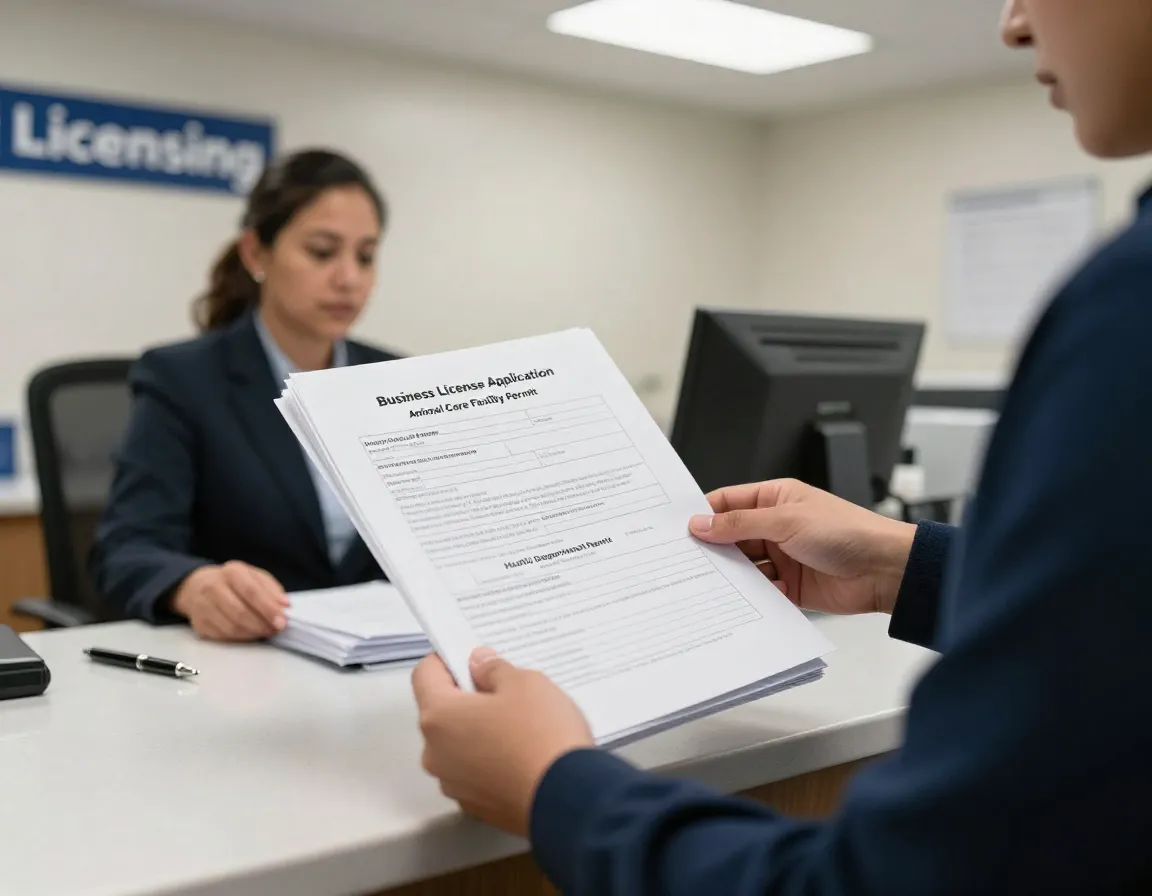
Business licensing represents one of the most critical aspects when implementing the 8 Crucial First Steps to Launch Your Dog Day Care Business. Every dog daycare operation requires a general business license at minimum, but most locations mandate specific dog daycare licenses and permits at both local and state levels [1][6].
Licensing requirements vary significantly by city and county, making thorough research essential [5]. Common permits and licenses include:
| License Type | Issuing Authority | Typical Requirements |
|---|---|---|
| General Business License | City/County | Business registration, fee payment |
| Animal Care Facility Permit | State Department of Agriculture | Facility inspection, staff training |
| Health Department Permit | Local Health Department | Sanitation standards, waste management |
| Fire Department Clearance | Local Fire Department | Safety equipment, evacuation plans |
| Special Use Permit | City Planning Department | Zoning compliance, neighbor notification |
Important: Start the licensing process early, as approvals can take 60-90 days or longer. Some permits require facility inspections, which cannot occur until construction is complete.
Location and Infrastructure
3. Select the Right Location and Verify Zoning Compliance
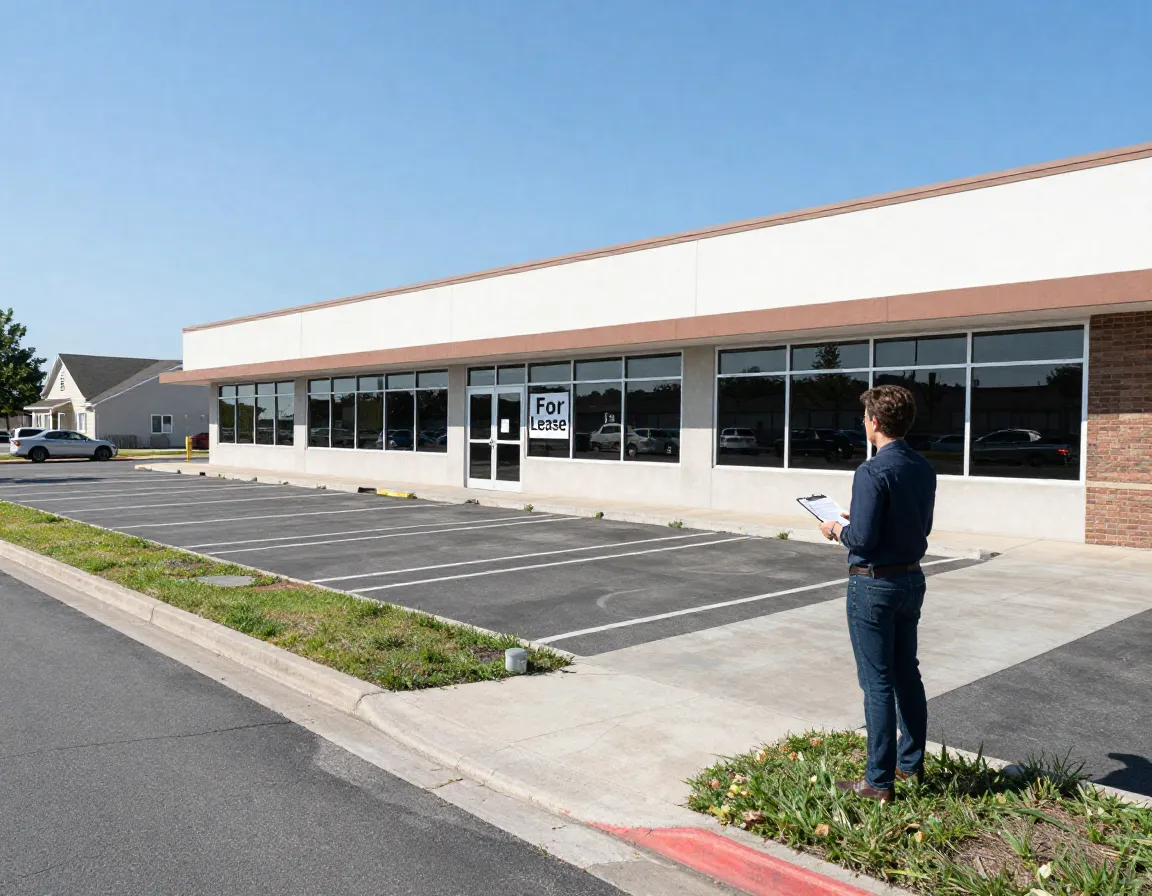
Location selection significantly impacts your dog daycare’s success potential. Choose areas not oversaturated with competing facilities, ideally near residential neighborhoods, pet stores, or dog parks where your target customers live and shop [1]. Consider factors like visibility, accessibility, and parking availability when evaluating potential sites.
Key Location Criteria:
- Commercial zoning approved for pet care services
- Adequate parking for customer drop-off and pickup
- Ground-level access to minimize stairs and elevators
- Outdoor space for exercise and bathroom breaks
- Noise considerations to maintain good neighbor relations
- Room for expansion as your business grows
Before signing any lease agreements, verify that your chosen property is properly zoned for commercial pet care use [1][3]. Contact local zoning departments to confirm regulations and determine if special use permits are required. Some areas have specific restrictions on the number of animals allowed or operating hours for pet businesses.
4. Design Your Facility Layout with Functional Zones
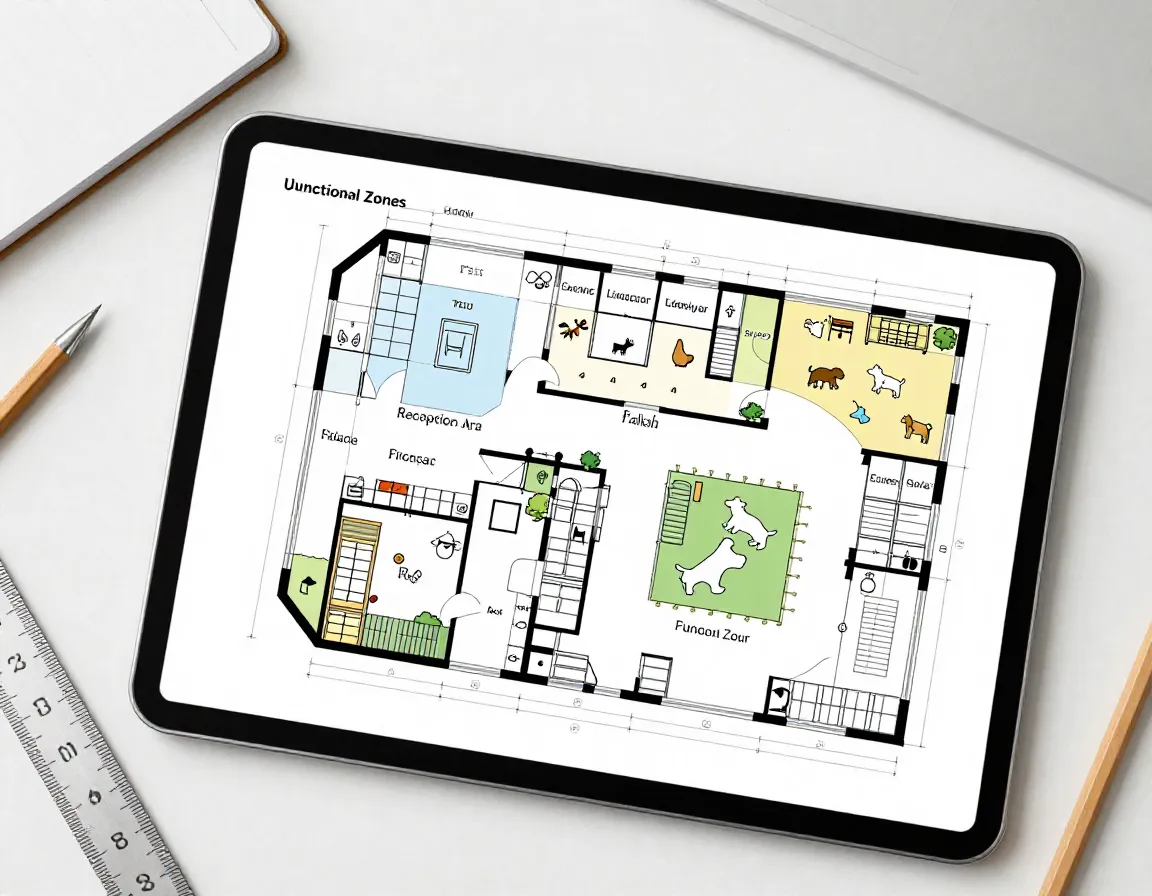
Effective facility design ensures both safety and operational efficiency. Your dog daycare layout should include separate functional areas that accommodate different activities and dog sizes while maintaining clear sight lines for staff supervision [1].
Essential Facility Areas:
- Reception Area: Customer check-in/out, retail display, office space
- Large Dog Play Area: Open space for big breeds with appropriate flooring
- Small Dog Play Area: Separate zone for dogs under 25 pounds
- Rest Areas: Quiet spaces with comfortable bedding for nap time
- Feeding Areas: Individual feeding stations to prevent food aggression
- Outdoor Play Space: Fenced yard with shade and weather protection
- Quarantine/Isolation Area: Separate space for sick or anxious dogs
- Storage: Supplies, food, cleaning equipment, and customer belongings
Safety Features: Install safety gates between areas, non-slip flooring throughout, and adequate drainage for easy cleaning. Ensure all areas have proper ventilation and temperature control to maintain comfortable conditions year-round.
Business Structure and Financial Setup
5. Establish Your Business Structure and Register Your Company

Choosing the appropriate business structure affects your personal liability, tax obligations, and insurance requirements. Most dog daycare owners select either a Limited Liability Company (LLC) or Corporation structure to protect personal assets from business liabilities [1].
Business Structure Options:
- Sole Proprietorship: Simplest structure but offers no liability protection
- LLC: Protects personal assets while maintaining operational flexibility
- Corporation: Maximum protection but requires more complex tax filing
- Partnership: Suitable for multiple owners but increases liability exposure
After selecting your business structure, register with your state’s Secretary of State office and obtain an Employer Identification Number (EIN) from the IRS [1]. The EIN is required for tax filing, opening business bank accounts, and securing business insurance.
6. Secure Adequate Business Insurance Coverage

Dog daycare operations face unique risks requiring specialized insurance coverage. Standard business insurance policies may not adequately protect against animal-related incidents, property damage, or customer injuries [5].
Essential Insurance Types:
- General Liability Insurance: Covers customer injuries and property damage
- Professional Liability: Protects against claims of inadequate animal care
- Property Insurance: Covers facility damage and equipment replacement
- Animal Bailee Coverage: Protects against injury or loss of animals in your care
- Workers’ Compensation: Required if you employ staff members
Companies like The Hartford offer policies specifically designed for dog daycare facilities [5]. Work with an insurance agent experienced in pet business coverage to ensure adequate protection without overpaying for unnecessary coverage.
Equipment and Operations
7. Acquire Essential Equipment and Supplies
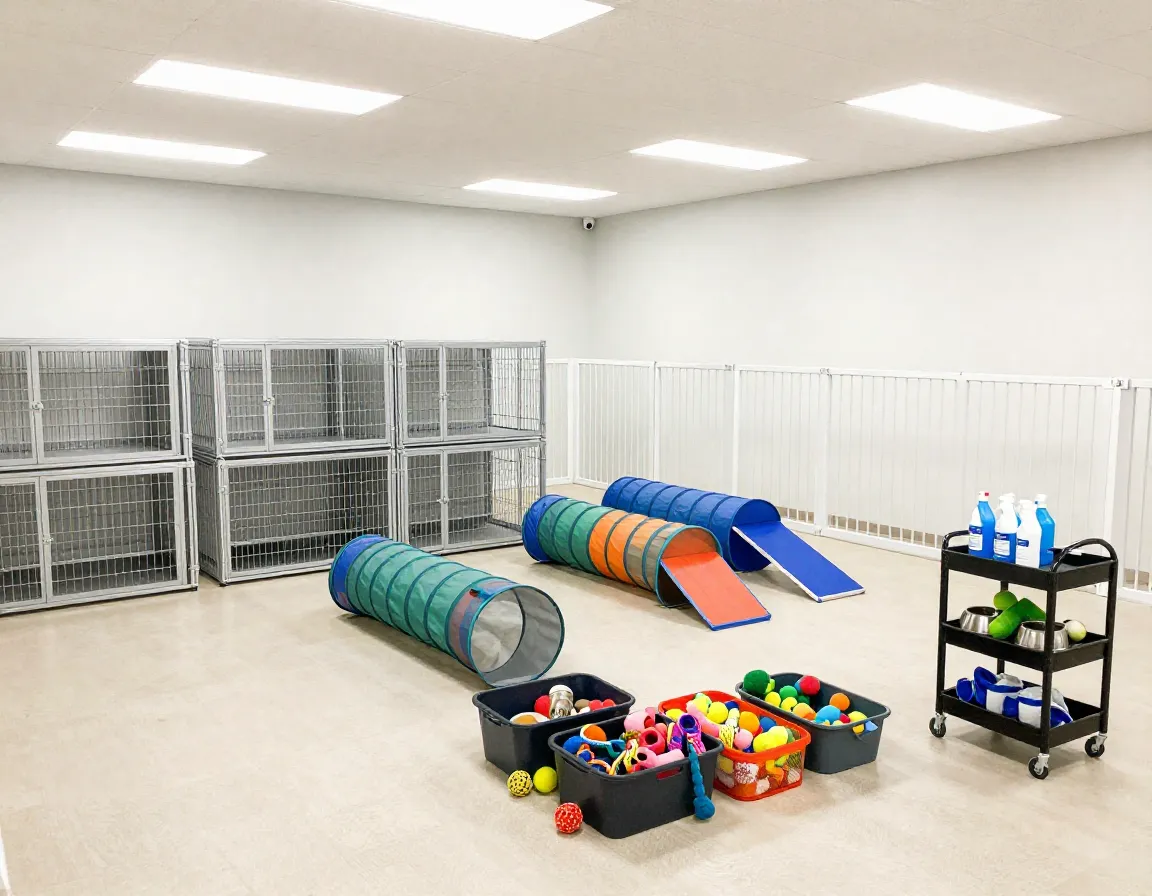
Proper equipment ensures safe operations and creates a professional environment that builds customer confidence. Your initial equipment investment typically represents a significant portion of startup costs, ranging from $32,500 to $71,000 depending on facility size and service offerings [7][8].
Essential Equipment Categories:
Safety and Containment:
- Safety gates and barriers for area separation
- Secure kennels for individual rest time
- Leashes and collars for emergency situations
- First aid supplies and emergency contact systems
Play and Exercise:
- Agility equipment (tunnels, jumps, ramps)
- Interactive toys and puzzle feeders
- Balls, ropes, and chew toys in various sizes
- Outdoor play equipment and shade structures
Facility Operations:
- Commercial-grade cleaning supplies and equipment
- Food and water bowls (stainless steel recommended)
- Comfortable bedding and blankets
- Reception desk and customer seating
- Security cameras and monitoring systems
💰 Budget Tip: Start with essential items and gradually add specialized equipment as revenue grows. Consider leasing expensive items like commercial washers or security systems to reduce initial capital requirements.
8. Develop Operational Procedures and Staff Training Programs

The final step in the 8 Crucial First Steps to Launch Your Dog Day Care Business involves creating comprehensive operational procedures that ensure consistent, high-quality care. Well-defined procedures protect both animals and staff while providing the structure needed for efficient daily operations.
Key Operational Areas:
Daily Operations:
- Check-in and check-out procedures
- Health assessment protocols
- Feeding schedules and dietary restrictions
- Exercise and play rotation systems
- Cleaning and sanitization schedules
Emergency Procedures:
- Animal injury or illness protocols
- Customer emergency contact procedures
- Severe weather response plans
- Equipment failure contingencies
- Staff injury procedures
Staff Training Requirements:
- Animal behavior recognition and response
- Basic first aid for dogs and humans
- Customer service standards
- Facility security and access procedures
- Documentation and record-keeping requirements
Create detailed written procedures for every aspect of operations, from daily cleaning checklists to emergency evacuation plans. Regular staff training ensures everyone understands their responsibilities and can maintain consistent service quality even when you’re not present.
Financial Planning and Growth Strategy
Understanding the financial requirements for your dog daycare helps ensure adequate funding and realistic expectations. Startup costs typically include facility preparation, equipment purchases, initial inventory, licensing fees, insurance premiums, and working capital for the first few months of operation.
Sample Startup Budget Breakdown:
| Category | Estimated Cost Range |
|---|---|
| Facility Build-out | $15,000 – $35,000 |
| Equipment and Supplies | $8,000 – $15,000 |
| Licensing and Permits | $1,000 – $3,000 |
| Insurance (First Year) | $2,500 – $5,000 |
| Marketing and Signage | $3,000 – $7,000 |
| Working Capital | $8,000 – $15,000 |
| Total Estimated Range | $37,500 – $80,000 |
Revenue Projections: Most dog daycares charge between $25-$50 per day per dog, depending on location and services offered. A facility accommodating 30-50 dogs daily can generate $150,000-$400,000 annually once fully operational.
Marketing and Customer Acquisition
Successful dog daycare businesses invest in marketing strategies that build trust and demonstrate their commitment to animal welfare. Your marketing approach should emphasize safety, professionalism, and the genuine care your facility provides.
Effective Marketing Strategies:
- Social Media Presence: Share daily photos and videos of dogs playing and having fun
- Community Partnerships: Collaborate with veterinarians, pet stores, and dog trainers
- Referral Programs: Offer incentives for existing customers who refer new clients
- Open House Events: Allow potential customers to tour your facility and meet staff
- Online Reviews: Encourage satisfied customers to share positive experiences online
🎯 Marketing Tip: Focus on building relationships rather than just promoting services. Pet owners want to trust the people caring for their beloved companions, so authenticity and transparency in your marketing efforts yield better long-term results.
Conclusion
Successfully launching a dog daycare business requires careful planning, adequate funding, and attention to regulatory requirements. The 8 Crucial First Steps to Launch Your Dog Day Care Business provide a comprehensive framework for navigating the complex process of starting a pet care enterprise in 2026.
From developing a thorough business plan to securing proper licensing, selecting the right location, and designing an effective facility layout, each step builds upon the previous ones to create a solid foundation for success. Remember that startup costs typically range from $32,500 to $71,000, and proper business structure selection protects your personal assets while ensuring compliance with local regulations.
Your Next Steps:
- Start with market research – Analyze your local competition and identify underserved areas
- Contact licensing authorities – Begin the permit application process immediately, as approvals take time
- Secure funding – Calculate your total startup costs and arrange financing before signing facility leases
- Consult professionals – Work with attorneys, accountants, and insurance agents experienced in pet businesses
- Visit existing facilities – Learn from successful dog daycare operations in other markets
The pet care industry continues growing as more families recognize their dogs as beloved family members deserving professional care. By following these crucial first steps and maintaining a commitment to animal welfare and customer service, your dog daycare business can capture a share of this expanding market while providing a valuable service to your community.
Remember that success in the dog daycare industry comes from genuine love of animals combined with solid business practices. Take time to properly plan and prepare, and your new venture will be positioned for long-term growth and profitability in the thriving pet care sector.
References
[1] How To Start A Dog Daycare Business – https://www.thedogkennelcollection.com/blog/how-to-start-a-dog-daycare-business/
[2] Watch – https://www.youtube.com/watch?v=AkkEruuajfg
[3] How To Start A Dog Daycare – https://www.moego.pet/blog/how-to-start-a-dog-daycare
[4] How To Start A Doggy Daycare – https://www.timetopet.com/blog/how-to-start-a-doggy-daycare
[5] The Ultimate Guide To Starting A Dog Daycare Business – https://kennelconnection.com/blog/the-ultimate-guide-to-starting-a-dog-daycare-business/
[6] Elements Of A Winning Dog Daycare Business Plan – https://www.franchisewire.com/elements-of-a-winning-dog-daycare-business-plan/
[7] Animal Day Care Business Plan – https://www.liveplan.com/sample-business-plans/children-and-pets/animal-day-care-business-plan
[8] Dog Daycare – https://financialmodelslab.com/blogs/how-to-open/dog-daycare
[9] The Ultimate Guide To Starting A Dog Business – https://www.gingrapp.com/blog/the-ultimate-guide-to-starting-a-dog-business
[10] Can You Make Any Money With A Pet Daycare Business – https://www.godaddy.com/resources/ca/launch/can-you-make-any-money-with-a-pet-daycare-business