What to Expect: 7 Things That Happen During Overnight Pet Sitting
Picture this: It’s 7 PM on a Friday evening, and instead of heading out for dinner, a professional pet sitter is settling into someone else’s home, ready to spend the next 12 hours caring for beloved furry family members. What to Expect: 7 Things That Happen During Overnight Pet Sitting reveals the fascinating world of extended pet care that millions of pet owners rely on when they need to be away from home overnight.

Disclosure: This post contains affiliate links. As an Amazon Associate, we earn from qualifying purchases, and at no extra cost to you.
The overnight pet sitting industry has experienced remarkable growth, with the global pet sitting services market reaching $2.82 billion in 2025 and projected to hit $5.51 billion by 2032[5]. This surge reflects pet owners’ increasing willingness to invest in quality care for their companions, with the national average rate for overnight pet sitting reaching $96.66 per night as of 2024[1].
Key Takeaways
- Overnight pet sitting typically spans 9-12 hours, usually from 7-8 PM to 7-8 AM, providing comprehensive care during vulnerable nighttime hours
- Professional sitters maintain detailed routines including feeding schedules, medication administration, exercise periods, and emergency preparedness protocols
- The experience varies significantly based on pet personalities, home environments, and specific care requirements outlined by pet owners
- Communication and documentation play crucial roles, with sitters providing regular updates and maintaining detailed logs of activities and observations
- Safety and security measures extend beyond pet care to include home monitoring, emergency procedures, and maintaining the property’s security
Understanding the Overnight Pet Sitting Experience
Overnight pet sitting represents a specialized segment of the pet care industry that goes far beyond simple companionship. Unlike standard day visits that typically last 30-60 minutes[2], overnight sitting provides continuous supervision and care during the most vulnerable hours when pets might experience anxiety, medical emergencies, or behavioral challenges.
The duration of overnight pet sitting services typically ranges from 9 to 12 hours, commonly structured from 7 PM to 7 AM or 8 PM to 8 AM[1]. Some professional sitters offer extended 12-hour services to accommodate varying client schedules and pet needs. This extended timeframe allows for comprehensive care that mirrors the pet’s normal routine while their owners are away.
1. Evening Arrival and Initial Assessment
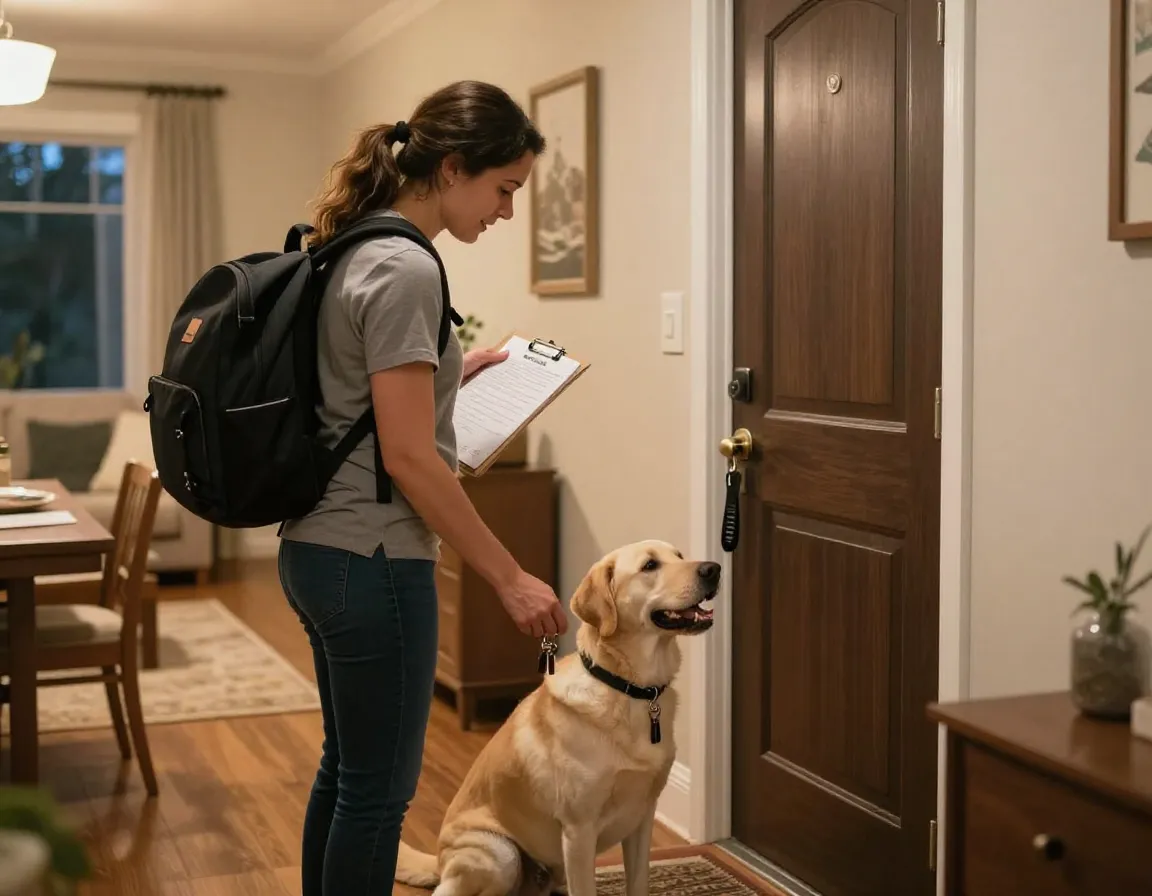
The overnight pet sitting experience begins with a structured arrival process that sets the tone for the entire stay. Professional sitters typically arrive between 6-8 PM, allowing time to transition into the home environment before the pet’s evening routine begins.
Initial Home Inspection 🏠
Upon arrival, experienced sitters conduct a thorough walkthrough to:
- Verify security systems and door locks
- Locate emergency supplies and pet care items
- Check for any changes since the initial consultation
- Ensure all pets are accounted for and healthy
Pet Greeting Protocol
The first interaction with pets often determines the success of the overnight stay. Professional sitters understand that pets may exhibit:
- Excitement at seeing a familiar face
- Anxiety about their owner’s absence
- Territorial behavior in some cases
- Curiosity about the sitter’s presence
This initial assessment period allows sitters to gauge each pet’s emotional state and adjust their approach accordingly. Some pets immediately warm up to sitters, while others may require patience and gentle encouragement throughout the evening.
2. Evening Feeding and Medication Administration
Maintaining Feeding Schedules 🍽️
One of the most critical aspects of overnight pet sitting involves maintaining established feeding routines. Pet owners typically provide detailed instructions about:
| Feeding Aspect | Typical Requirements |
|---|---|
| Meal timing | Specific hours (usually 6-8 PM for dinner) |
| Portion sizes | Measured amounts per pet |
| Special diets | Prescription foods, allergies |
| Feeding locations | Separate areas for multiple pets |
| Post-meal procedures | Cleanup, monitoring for issues |
Medication Management
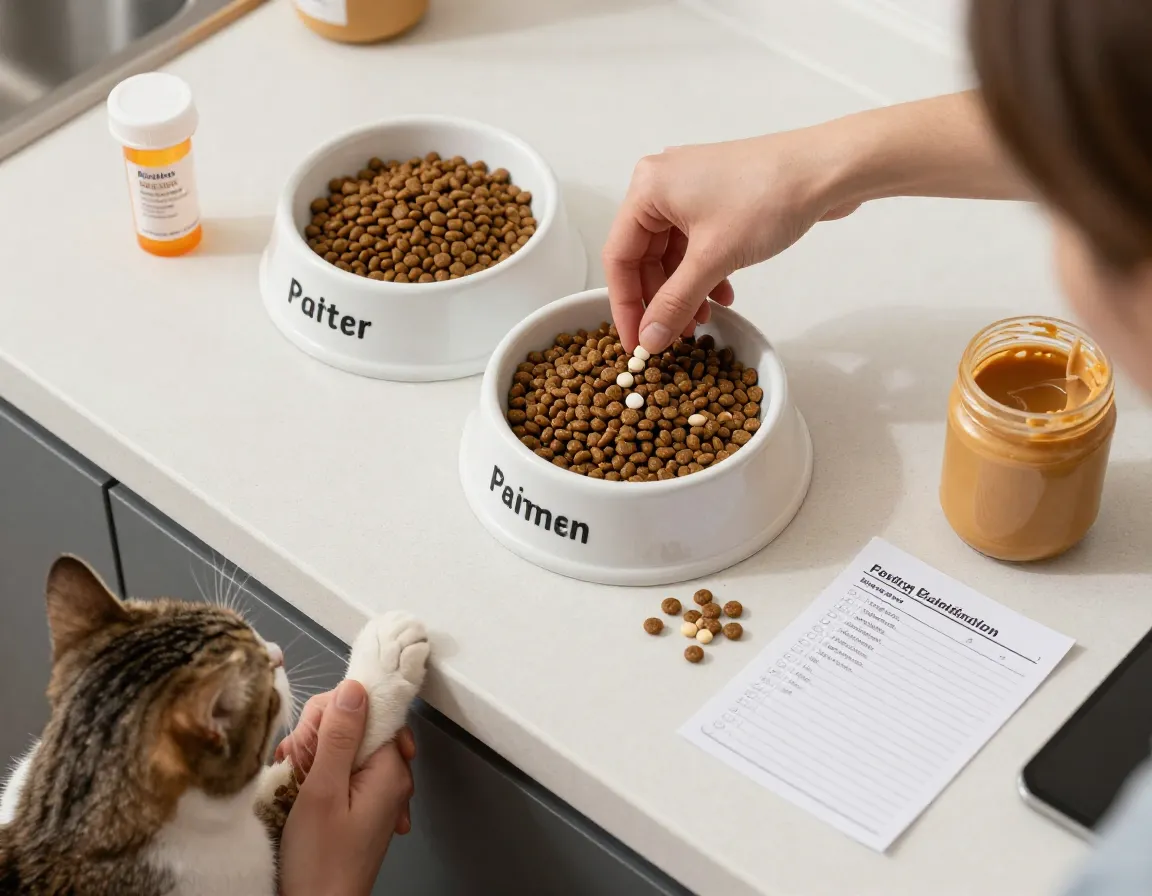
Many pets requiring overnight care have medical conditions necessitating evening medications. Professional sitters are trained to:
- Administer oral medications using proper techniques
- Apply topical treatments as prescribed
- Monitor for adverse reactions or side effects
- Document medication times and pet responses
- Contact veterinarians if concerns arise
The evening medication routine often requires patience, especially with pets who are skilled at avoiding pills or treatments. Experienced sitters employ various techniques, from hiding medications in treats to using specialized pill dispensers.
3. Nighttime Comfort and Security Monitoring
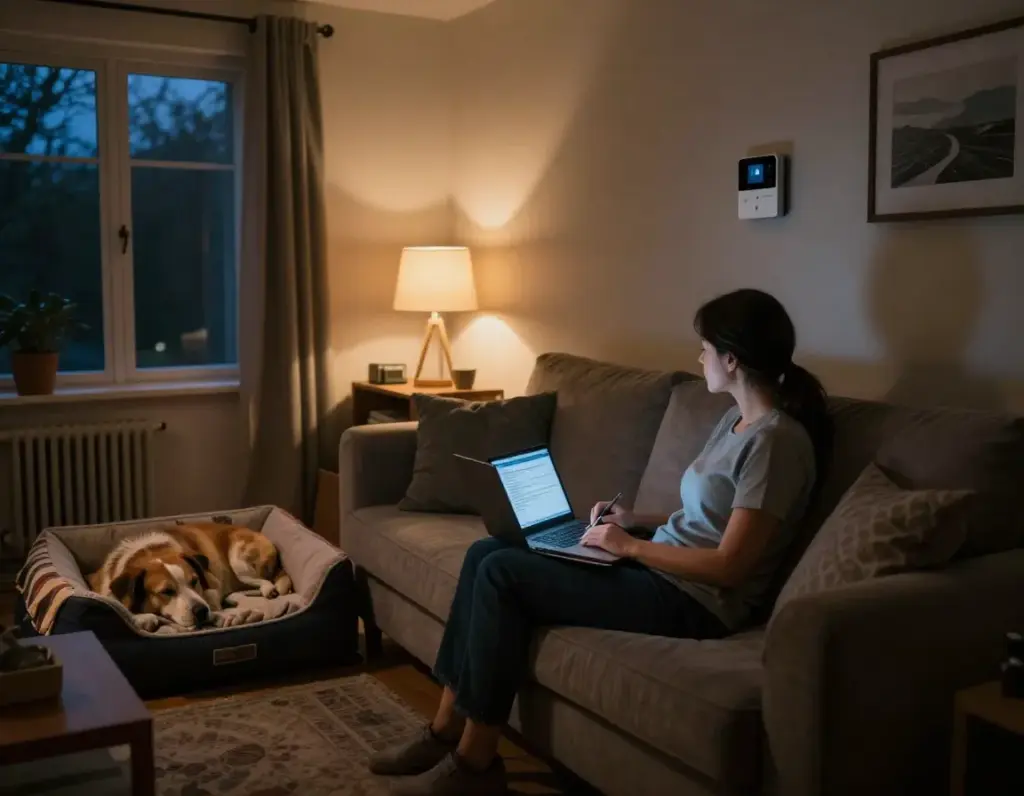
Creating a Peaceful Environment 🌙
As evening transitions to night, professional sitters focus on establishing a calm, secure atmosphere. This involves:
Bedtime Routines
- Dimming lights according to the pet’s normal schedule
- Providing comfort items like favorite blankets or toys
- Ensuring pets have access to water throughout the night
- Setting up sleeping arrangements as specified by owners
Security Vigilance
Overnight sitters serve as both pet caregivers and home security monitors. Their responsibilities include:
- Monitoring entry points and security systems
- Responding to unusual sounds or disturbances
- Maintaining lighting schedules to simulate occupancy
- Checking on pets periodically without disrupting sleep
Many pets experience separation anxiety during their owner’s absence, which can manifest as:
- Restlessness or pacing
- Whining or vocalization
- Difficulty settling down
- Seeking constant attention from the sitter
Professional sitters are trained to recognize these signs and provide appropriate comfort while maintaining boundaries that prevent dependency issues.
4. Overnight Challenges and Problem-Solving
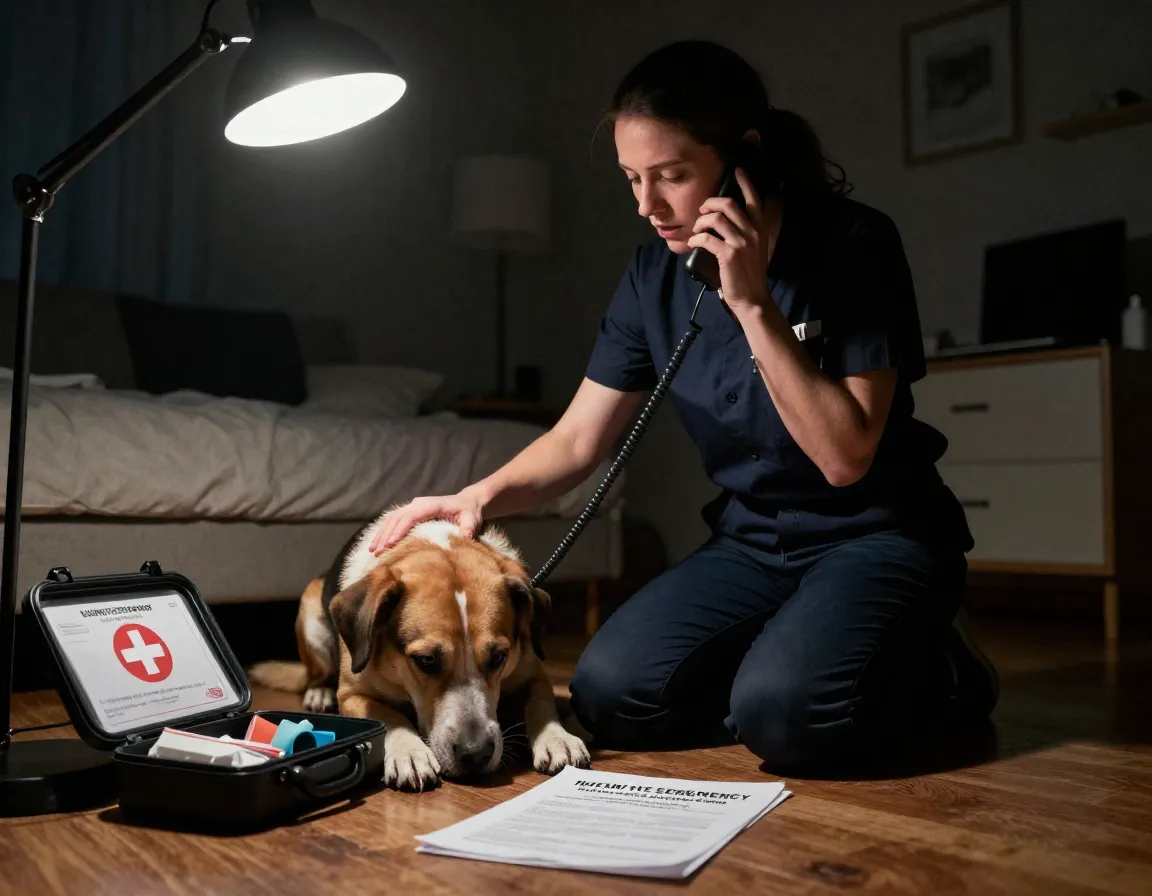
Common Nighttime Issues ⚠️
The overnight hours present unique challenges that day-time pet care doesn’t typically encounter:
Medical Emergencies
- Sudden illness or injury
- Allergic reactions to food or environmental factors
- Seizures or breathing difficulties
- Age-related complications in senior pets
Behavioral Challenges
- Destructive behavior due to anxiety
- Excessive vocalization that might disturb neighbors
- Escape attempts through doors or windows
- Aggression between multiple pets
Environmental Issues
- Power outages affecting heating/cooling
- Severe weather events
- Home security system malfunctions
- Plumbing or appliance problems
Professional overnight sitters maintain emergency protocols including:
- 24-hour veterinary contact information
- Owner emergency contact numbers
- Local animal hospital locations
- Home maintenance emergency contacts
What to Expect: 7 Things That Happen During Overnight Pet Sitting – The Complete Experience
Understanding the full scope of overnight pet sitting helps both pet owners and potential sitters prepare for this comprehensive care arrangement. The experience encompasses far more than simply sleeping in someone else’s home with their pets.
5. Early Morning Routines and Exercise
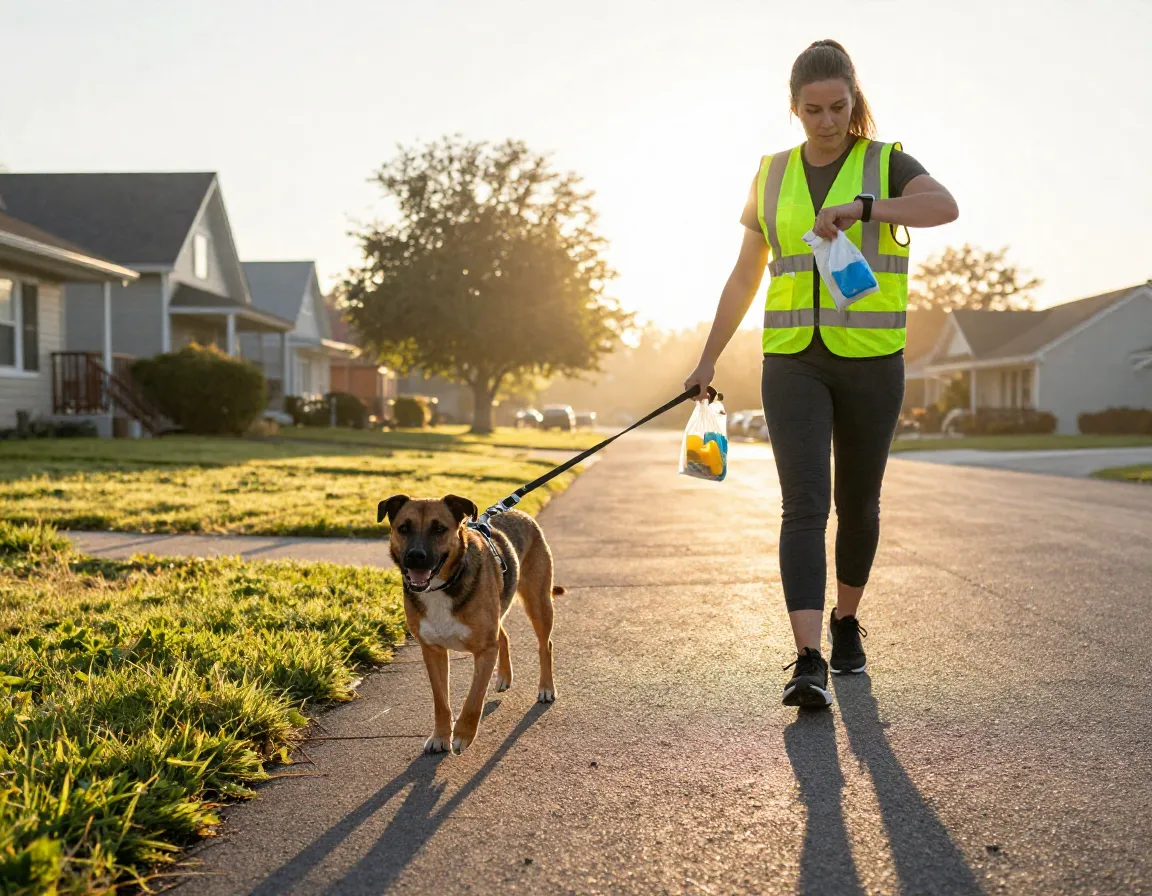
Dawn Wake-Up Calls 🌅
Most pets maintain consistent internal clocks, regardless of their owner’s presence. Professional sitters quickly learn that:
- Dogs typically wake between 5-7 AM for bathroom needs
- Cats may be active throughout the night with increased morning activity
- Senior pets might require earlier or more frequent attention
- Puppies and young animals often wake earlier and need immediate attention
Morning Exercise Requirements
The early morning hours represent one of the most active periods for overnight sitters:
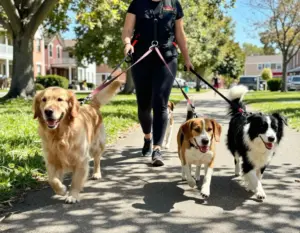
Dog Walking Protocols
- Pre-walk safety checks of collars and leashes
- Route planning based on owner instructions
- Weather considerations and appropriate gear
- Monitoring for behavioral changes or health issues
- Social interaction management with other dogs or people
Indoor Exercise Alternatives
When weather or safety concerns prevent outdoor activities:
- Interactive toy sessions
- Indoor obstacle courses
- Stair climbing (for appropriate pets)
- Mental stimulation games
- Laser pointer play (for cats)
Morning Feeding Schedule
The final major responsibility involves the morning meal service:
- Preparing breakfast according to specifications
- Administering morning medications
- Fresh water replenishment
- Monitoring eating habits and appetite changes
- Cleaning feeding areas
6. Communication and Documentation Throughout the Stay

Real-Time Updates 📱
Modern pet sitting services emphasize transparent communication with pet owners. Throughout the overnight stay, professional sitters typically provide:
Evening Check-Ins
- Arrival confirmation with photos
- Initial pet behavior observations
- Feeding completion reports
- Any concerns or questions
Overnight Monitoring Reports
- Sleep pattern observations
- Any nighttime incidents or disturbances
- Comfort measures provided
- Security status updates
Morning Departure Summary
- Exercise completion confirmation
- Final feeding report
- Overall pet health and behavior assessment
- Home security status
- Departure time and final photos
Documentation Standards
Professional overnight sitters maintain detailed logs including:
| Documentation Type | Information Recorded |
|---|---|
| Feeding Logs | Times, amounts, appetite observations |
| Medication Records | Administration times, pet cooperation, reactions |
| Exercise Tracking | Duration, routes, behavior notes |
| Incident Reports | Any unusual events, responses taken |
| Communication Log | Owner contacts, veterinary consultations |
This documentation serves multiple purposes:
- Legal protection for both sitters and owners
- Health monitoring for veterinary reference
- Behavior tracking for future care improvements
- Service quality assurance and improvement
7. Departure and Handover Process
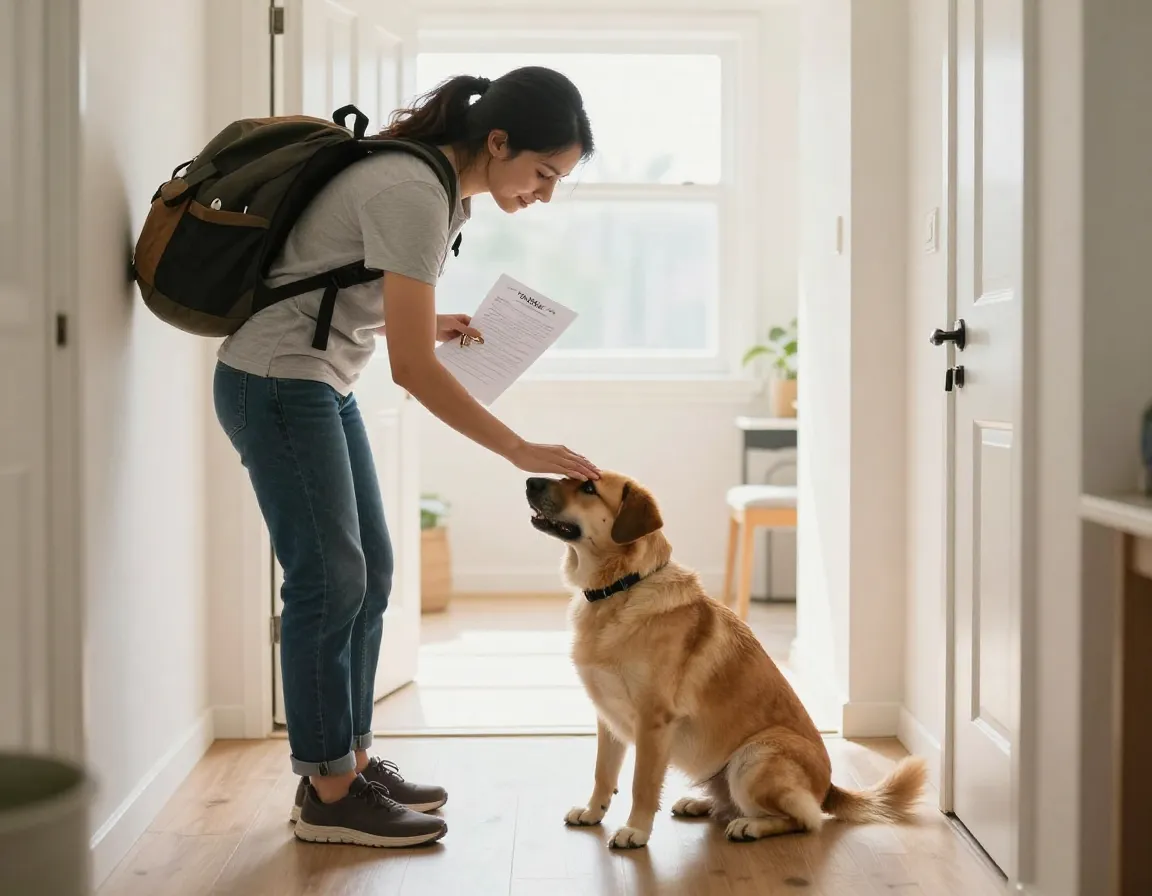
Final Responsibilities ✅
The conclusion of an overnight pet sitting assignment involves comprehensive wrap-up procedures:
Home Restoration
- Returning items to original locations
- Cleaning any areas used during the stay
- Securing all entry points
- Resetting security systems as instructed
- Removing personal belongings
Pet Status Assessment
Before departure, professional sitters conduct final evaluations:
- Physical health check for any changes or concerns
- Behavioral assessment noting any stress or adjustment issues
- Appetite and elimination pattern observations
- Energy level and overall demeanor evaluation
Owner Reunion Preparation
Many pets experience excitement or confusion when owners return. Sitters help facilitate smooth transitions by:
- Timing departure to minimize overlap stress
- Providing detailed verbal reports in addition to written documentation
- Offering recommendations for future care improvements
- Scheduling follow-up communication if needed
Post-Service Communication
Professional overnight sitting relationships often extend beyond individual assignments:
- Service feedback collection for quality improvement
- Future booking discussions and scheduling
- Emergency contact maintenance for ongoing relationships
- Referral opportunities for satisfied clients
The Growing Demand for Professional Overnight Pet Sitting
The pet care industry continues expanding rapidly, with registered pet sitters performing more than 12 million home visits in 2021[2]. This growth reflects several important trends:
Demographic Shifts 📊
- Increasing pet ownership across all age groups
- Growing recognition of pets as family members
- Rising disposable income allocated to pet care
- Urbanization creating demand for professional services
Service Quality Evolution
Modern pet sitting has evolved from casual neighborhood arrangements to professional services featuring:
- Bonded and insured service providers
- Background-checked and trained sitters
- Technology integration for communication and monitoring
- Specialized care for medical needs and behavioral challenges
Market Expansion Projections
Industry analysts project continued growth driven by:
- Increased pet adoption rates post-pandemic
- Premium service demand from affluent pet owners
- Geographic expansion into underserved markets
- Technology adoption improving service delivery and customer experience
Choosing the Right Overnight Pet Sitting Service
Essential Qualifications 🏆
When selecting overnight pet sitting services, pet owners should prioritize:
Professional Credentials
- Liability insurance coverage
- Bonding for theft protection
- Professional association memberships
- Continuing education participation
Experience and Training
- Years of pet care experience
- Specialized training certifications
- Emergency response preparation
- References from previous clients
Service Flexibility
- Customizable care plans
- Emergency availability
- Multiple pet experience
- Special needs accommodation
Communication Standards
- Regular update schedules
- Multiple communication channels
- Detailed reporting systems
- Emergency contact protocols
Preparing Your Home and Pets for Overnight Sitting
Pre-Service Preparation 📋
Successful overnight pet sitting begins with thorough preparation:
Home Setup
- Emergency information posted in visible locations
- Pet supplies organized and clearly labeled
- Security systems explained and demonstrated
- Backup plans established for various scenarios
Pet Preparation
- Introduction meetings between pets and sitters
- Routine documentation with specific timing and procedures
- Behavioral notes about preferences and triggers
- Medical information including veterinary contacts
Communication Planning
- Preferred contact methods and timing
- Emergency decision-making authority levels
- Update frequency expectations
- Special concerns or priorities
Conclusion
Understanding what to expect: 7 things that happen during overnight pet sitting empowers both pet owners and professional sitters to create successful care arrangements that prioritize pet welfare, home security, and peace of mind. From the initial evening arrival through the final morning departure, overnight pet sitting encompasses a comprehensive range of responsibilities that extend far beyond basic companionship.
The seven key experiences—arrival and assessment, evening care routines, nighttime monitoring, problem-solving challenges, morning activities, continuous communication, and professional departure procedures—demonstrate the complexity and value of professional overnight pet care services.
As the pet care industry continues growing, with market projections reaching $5.51 billion by 2032[5], the demand for qualified overnight sitters will continue expanding. This growth creates opportunities for both service providers and pet owners to establish mutually beneficial relationships that ensure optimal care for beloved animal companions.
Next Steps for Pet Owners:
- Research qualified overnight sitters in your area with proper credentials and experience
- Schedule consultation meetings to assess compatibility between sitters and your pets
- Prepare comprehensive care instructions including routines, preferences, and emergency procedures
- Establish clear communication expectations for updates and reporting during stays
- Consider trial runs with shorter assignments before committing to extended overnight care
For Aspiring Pet Sitters:
- Obtain proper insurance and bonding to protect clients and your business
- Develop emergency response protocols for various scenarios you might encounter
- Create professional documentation systems for tracking care activities and communications
- Build experience gradually starting with familiar pets and shorter assignments
- Invest in ongoing education about pet behavior, health, and care best practices
The overnight pet sitting experience represents a unique intersection of professional service, animal care expertise, and personal responsibility that benefits all parties involved when executed with proper preparation and commitment to excellence.
References
[1] Overnight Dog Sitting Rates – https://scritches.io/blog/overnight-dog-sitting-rates
[2] Pet Sitting Statistics – https://articles.hepper.com/pet-sitting-statistics/
[3] Is Pet Sitting Good Business – https://petme.social/is-pet-sitting-good-business/
[4] Pet Sitting Statistics – https://www.dogster.com/statistics/pet-sitting-statistics
[5] Pet Sitting Services Market Size – https://www.vyansaintelligence.com/industry-report/pet-sitting-services-market-size
[6] Pet Care Industry Trends For 2026 – https://www.dogtopia.com/franchising-us/blog/pet-care-industry-trends-for-2026/
[7] Dog Boarding Services Market 23265 – https://www.intelmarketresearch.com/dog-boarding-services-market-23265
[8] 2024 Pet Sitting Rates – https://www.petworks.com/articles/2024-pet-sitting-rates/