6 Must-Know Care Tips For Happy & Healthy Miniature Weenie Dogs
Picture this: a tiny, sausage-shaped bundle of joy bouncing around your home with endless energy and an oversized personality. Miniature dachshunds, affectionately known as “weenie dogs,” have captured hearts worldwide with their adorable appearance and spirited nature. However, these pint-sized companions come with unique care requirements that every owner must understand to ensure their furry friend lives a long, healthy, and happy life.

Disclosure: This post contains affiliate links. As an Amazon Associate, we earn from qualifying purchases, and at no extra cost to you.
The 6 Must-Know Care Tips For Happy & Healthy Miniature Weenie Dogs outlined in this comprehensive guide will transform you from a novice owner into a confident caregiver. These essential strategies address the most critical aspects of miniature dachshund care, from their specialized dietary needs to their vulnerable spinal health. Whether you’re welcoming your first weenie dog home or looking to improve your current care routine, these proven tips will help your miniature companion thrive in 2026 and beyond.
Key Takeaways
- Feed 3-4 small, measured meals daily to prevent obesity, which puts dangerous strain on their delicate spine
- Use harnesses instead of collars and prevent jumping to protect against intervertebral disc disease (IVDD)
- Brush teeth at least 3 times per week as miniature dachshunds are prone to serious dental problems
- Tailor grooming routines based on coat type: smooth-haired (weekly), long-haired (2-3 times weekly), wire-haired (weekly with professional grooming)
- Start with short, gentle walks after 14 weeks and gradually build endurance while avoiding back strain
Essential Foundation Care for Miniature Dachshund Health
Understanding Your Miniature Dachshund’s Unique Needs
Miniature dachshunds are not simply smaller versions of regular dogs – they’re a specialized breed with distinct care requirements that stem from their unique body structure and genetic predispositions. Their elongated spine and short legs create specific vulnerabilities that responsible owners must address proactively.
The breed’s low-to-ground build makes them susceptible to back injuries, while their small size affects everything from portion control to exercise tolerance. Understanding these fundamental differences is the first step in implementing the 6 Must-Know Care Tips For Happy & Healthy Miniature Weenie Dogs that will keep your companion thriving.
Key breed characteristics affecting care:
- Weight range: 11 pounds or less for miniatures
- Life expectancy: 12-16 years with proper care
- Common health concerns: IVDD, obesity, dental issues
- Three coat varieties: smooth, long-haired, and wire-haired
1. Master the Art of Proper Nutrition and Feeding

Implementing a Strategic Feeding Schedule
The foundation of miniature dachshund health begins with precise nutrition management. These small dogs have fast metabolisms but gain weight easily, creating a delicate balance that requires careful attention [1]. The key lies in feeding 3-4 small meals per day rather than one or two large portions.
Optimal feeding schedule:
- Breakfast: 7:00 AM (25% of daily calories)
- Lunch: 12:00 PM (25% of daily calories)
- Dinner: 5:00 PM (25% of daily calories)
- Evening snack: 8:00 PM (25% of daily calories)
This approach prevents blood sugar spikes, reduces the risk of bloat, and helps maintain steady energy levels throughout the day. Measured portions are absolutely critical – even an extra tablespoon of food daily can lead to significant weight gain over time [1].
Preventing Obesity: A Critical Health Priority
Maintaining a consistent diet is essential for preventing obesity, which represents a major health concern for the breed [3]. Excess weight puts tremendous strain on their already vulnerable spine, dramatically increasing the risk of intervertebral disc disease (IVDD).
Weight management strategies:
- Use measuring cups, not eyeballing portions
- Limit treats to 10% of daily caloric intake
- Choose low-calorie training treats
- Monitor body condition monthly
- Adjust portions based on activity level and age
Warning signs of weight gain:
- Difficulty feeling ribs through the chest
- Loss of visible waist when viewed from above
- Reduced activity or reluctance to exercise
- Breathing difficulties during mild exertion
Choosing the Right Food for Your Miniature Dachshund
Select high-quality dog food specifically formulated for small breeds. These foods contain smaller kibble sizes and higher caloric density to meet the nutritional needs of tiny dogs. Look for foods with:
- Protein content: 22-26% for adults
- Fat content: 12-16% for weight management
- Omega-3 fatty acids for coat and joint health
- Glucosamine and chondroitin for spine support
2. Protect Their Precious Spine Through Smart Exercise
Understanding Intervertebral Disc Disease (IVDD) Prevention
Miniature dachshunds are genetically predisposed to intervertebral disc disease (IVDD), a serious condition affecting their elongated spine [1]. This vulnerability requires owners to completely rethink traditional dog exercise and handling approaches.
Critical spine protection measures:
- Never allow jumping on or off furniture
- Install ramps or steps for couch and bed access
- Carry your dog up and down stairs
- Support their chest and hindquarters when lifting
- Avoid activities that involve twisting or sudden direction changes
Implementing Safe Exercise Routines
Exercise remains essential for maintaining muscle tone and preventing obesity, but it must be carefully structured to protect spinal health. Start with short, gentle walks once vaccinations are complete around 14 weeks [1].
Progressive exercise schedule:
- Weeks 14-16: 5-10 minute walks twice daily
- Weeks 16-20: 10-15 minute walks twice daily
- Adult maintenance: 20-30 minute walks twice daily
Safe exercise activities:
- ✅ Leash walks on flat surfaces
- ✅ Swimming (with life jacket)
- ✅ Gentle indoor play
- ✅ Mental stimulation games
Dangerous activities to avoid:
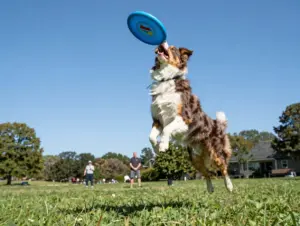
- ❌ Jumping for frisbees or balls
- ❌ Agility courses with jumps
- ❌ Rough play with larger dogs
- ❌ Running on stairs or steep inclines
Choosing the Right Walking Equipment
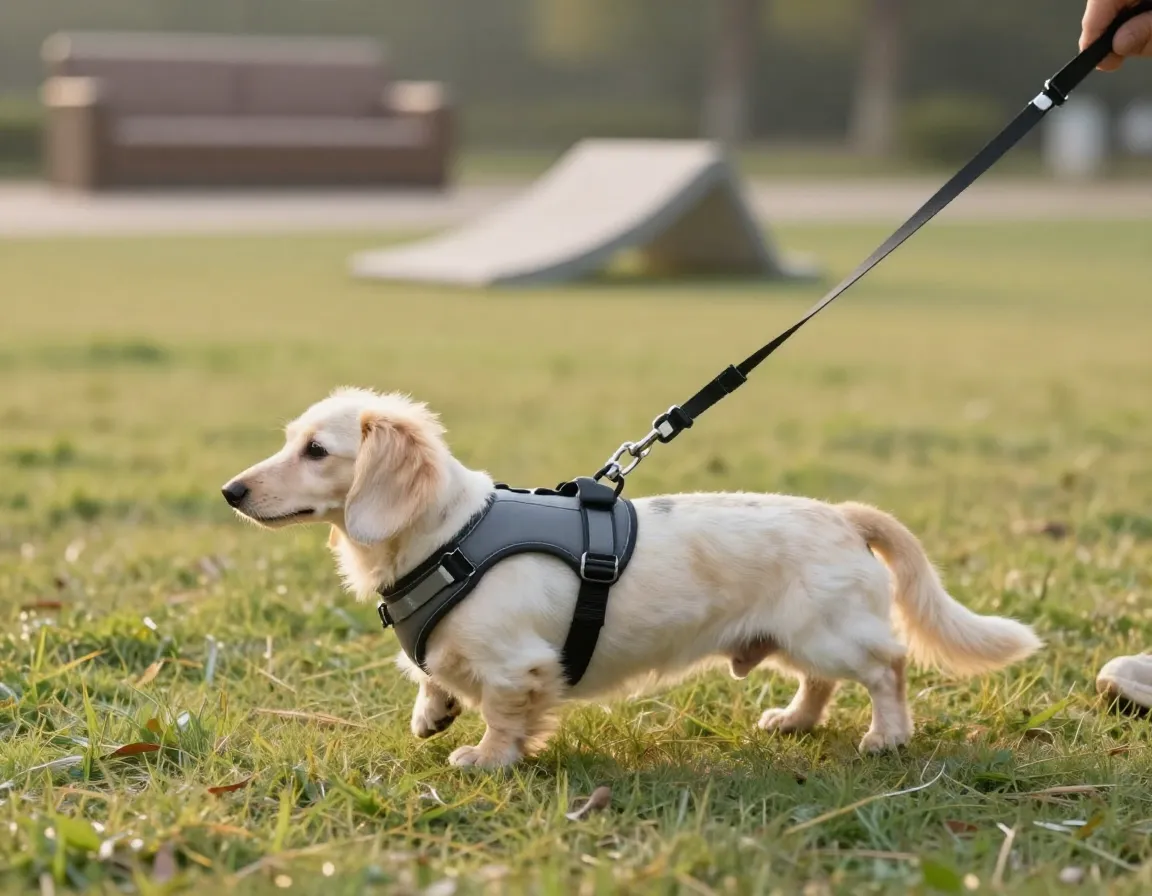
Always use harnesses instead of collars during walks to avoid strain on the spine and neck [3]. Traditional collars can cause tracheal damage and put pressure on the cervical spine when dogs pull or lunge.
Recommended harness features:
- Padded chest plate for comfort
- Multiple adjustment points for proper fit
- Front-clip attachment to discourage pulling
- Reflective materials for visibility
- Easy-release buckles for quick removal
3. Establish a Comprehensive Dental Care Routine
Addressing Breed-Specific Dental Vulnerabilities
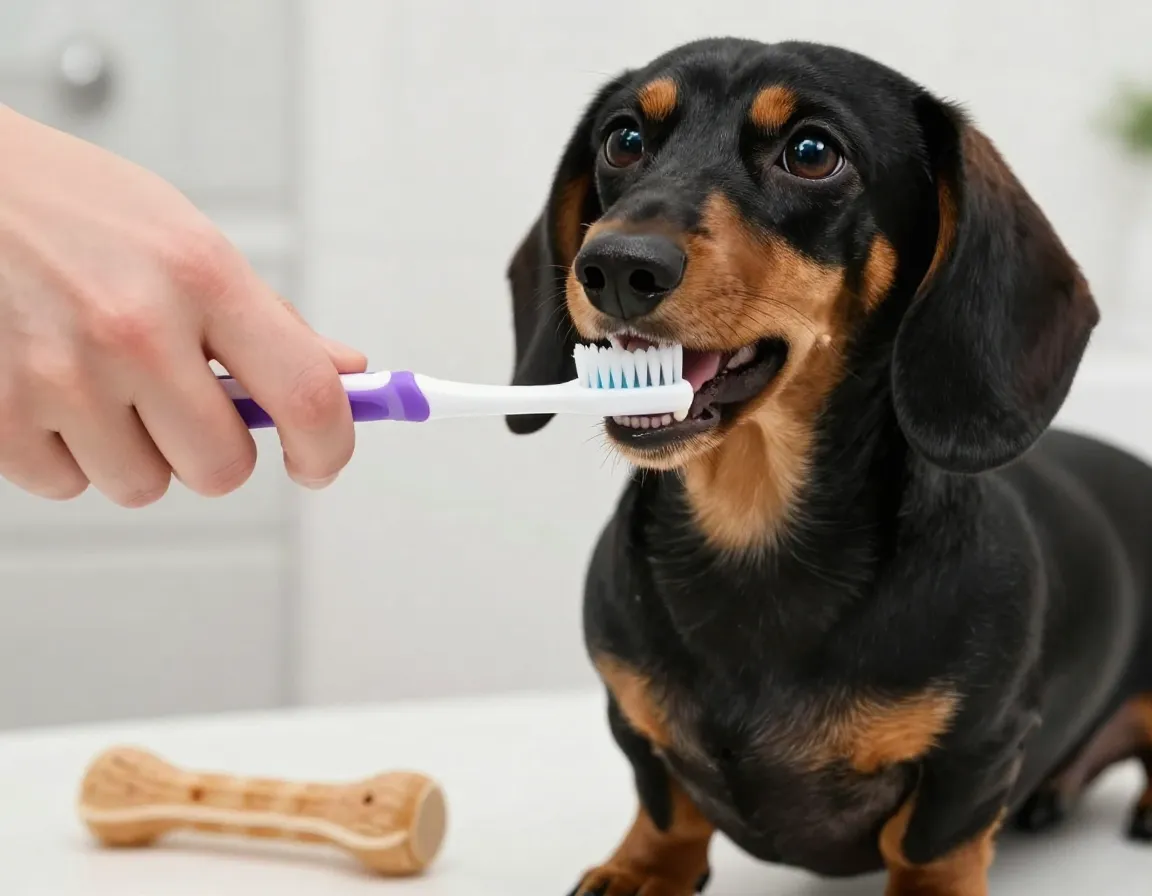
Miniature dachshunds frequently develop serious dental problems due to their small mouth size and genetic predisposition to periodontal disease [6]. Without proper care, dental issues can lead to tooth loss, pain, and systemic health problems affecting the heart, liver, and kidneys.
The cramped space in their tiny mouths creates ideal conditions for plaque and tartar buildup, making proactive dental care absolutely essential for long-term health and quality of life.
Implementing Daily Dental Hygiene
Brush teeth at least 3 times per week using dog-safe toothpaste, though daily brushing provides optimal protection [5][6]. Never use human toothpaste, which contains xylitol and fluoride that are toxic to dogs.
Step-by-step brushing technique:
- Start slowly: Let your dog smell and taste the toothpaste
- Introduce the brush: Use finger brushes initially for comfort
- Focus on outer surfaces: Most plaque accumulates here
- Use gentle circular motions: Avoid aggressive scrubbing
- Reward immediately: Make it a positive experience
Essential dental care supplies:
- Dog-specific toothbrush or finger brush
- Enzymatic toothpaste (chicken or beef flavored)
- Dental chews approved by the Veterinary Oral Health Council
- Water additives for additional plaque control
Professional Dental Care and Monitoring
Schedule professional dental cleanings as recommended by your veterinarian, typically every 1-2 years depending on your dog’s oral health status. Regular veterinary dental exams can catch problems early when they’re most treatable.
Warning signs requiring immediate veterinary attention:
- Persistent bad breath
- Yellow or brown tartar buildup
- Red, swollen, or bleeding gums
- Difficulty eating or chewing
- Pawing at the mouth or face
4. Master Coat-Specific Grooming Techniques
Understanding the Three Coat Varieties
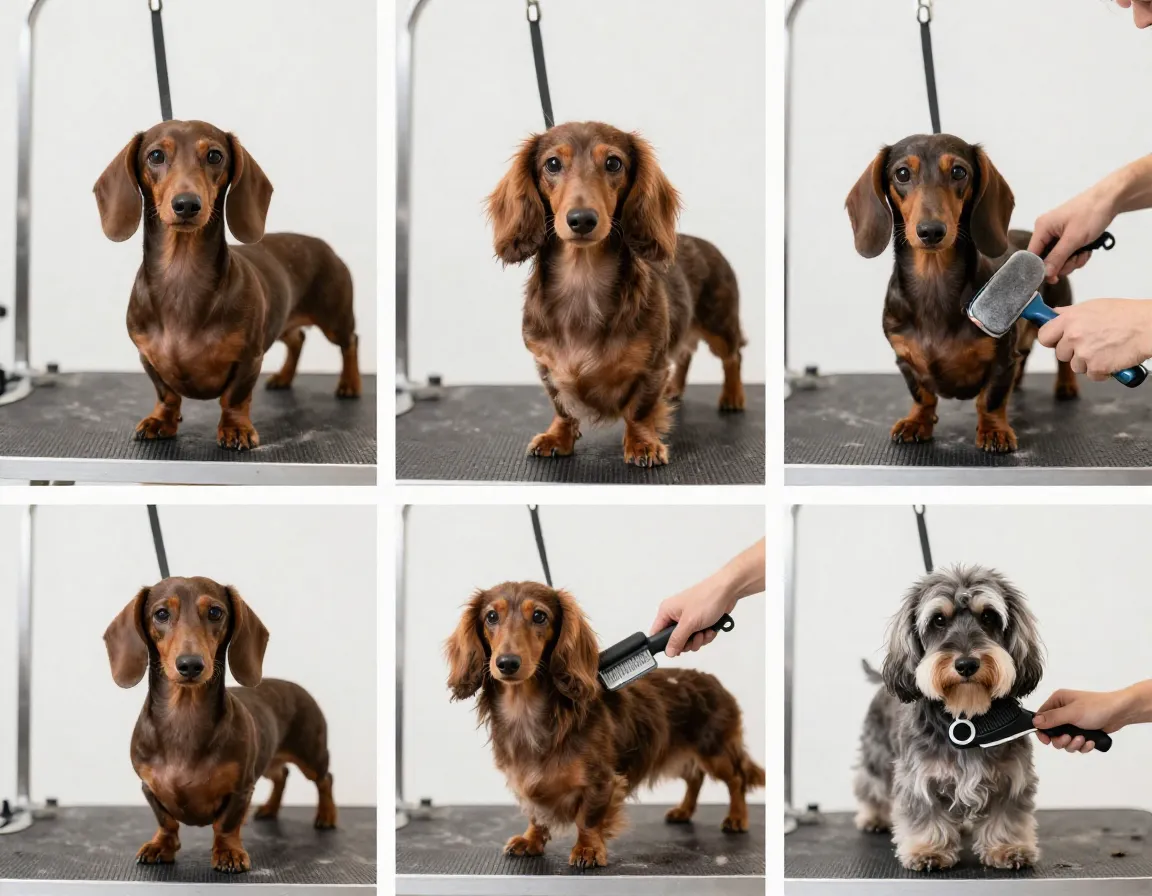
Each miniature dachshund coat type requires a tailored grooming approach to maintain optimal health and appearance. Understanding your dog’s specific needs prevents matting, reduces shedding, and promotes healthy skin.
Smooth-Haired Miniature Dachshunds
Brush weekly using a rubber grooming mitt or soft bristle brush [1][2]. This coat type is the lowest maintenance but still benefits from regular attention to distribute natural oils and remove loose hair.
Grooming routine:
- Weekly brushing with rubber mitt
- Monthly nail trims
- Bi-weekly ear cleaning
- Bath every 3-4 weeks
Long-Haired Miniature Dachshunds
Brush 2-3 times per week to prevent matting, especially around the ears, legs, and tail where hair is longest [1]. Pay special attention to areas where friction occurs, such as under the arms and between the legs.
Grooming routine:
- Brush 2-3 times weekly with slicker brush
- Daily attention to feathering areas
- Professional grooming every 6-8 weeks
- Regular ear cleaning (hair traps moisture)
Wire-Haired Miniature Dachshunds
Brush weekly and consider professional grooming every few months for proper coat maintenance [1][2]. The wiry texture requires specific techniques to maintain its characteristic appearance and texture.
Grooming routine:
- Weekly brushing with pin brush
- Hand-stripping every 3-4 months
- Professional grooming quarterly
- Beard and mustache cleaning after meals
Bathing Best Practices
Bathe every 3-4 weeks with puppy-safe or gentle dog shampoo to avoid over-bathing, which can strip natural oils and cause skin irritation [1][5]. Miniature dachshunds have sensitive skin that requires careful attention.
Proper bathing technique:
- Pre-brush thoroughly to remove loose hair and mats
- Use lukewarm water to prevent temperature shock
- Wet gradually starting from the neck down
- Massage shampoo gently avoiding the face and ears
- Rinse completely to prevent residue buildup
- Dry thoroughly with towels and cool blow-dryer
5. Maintain Optimal Ear and Nail Health
Preventing Ear Infections Through Regular Care
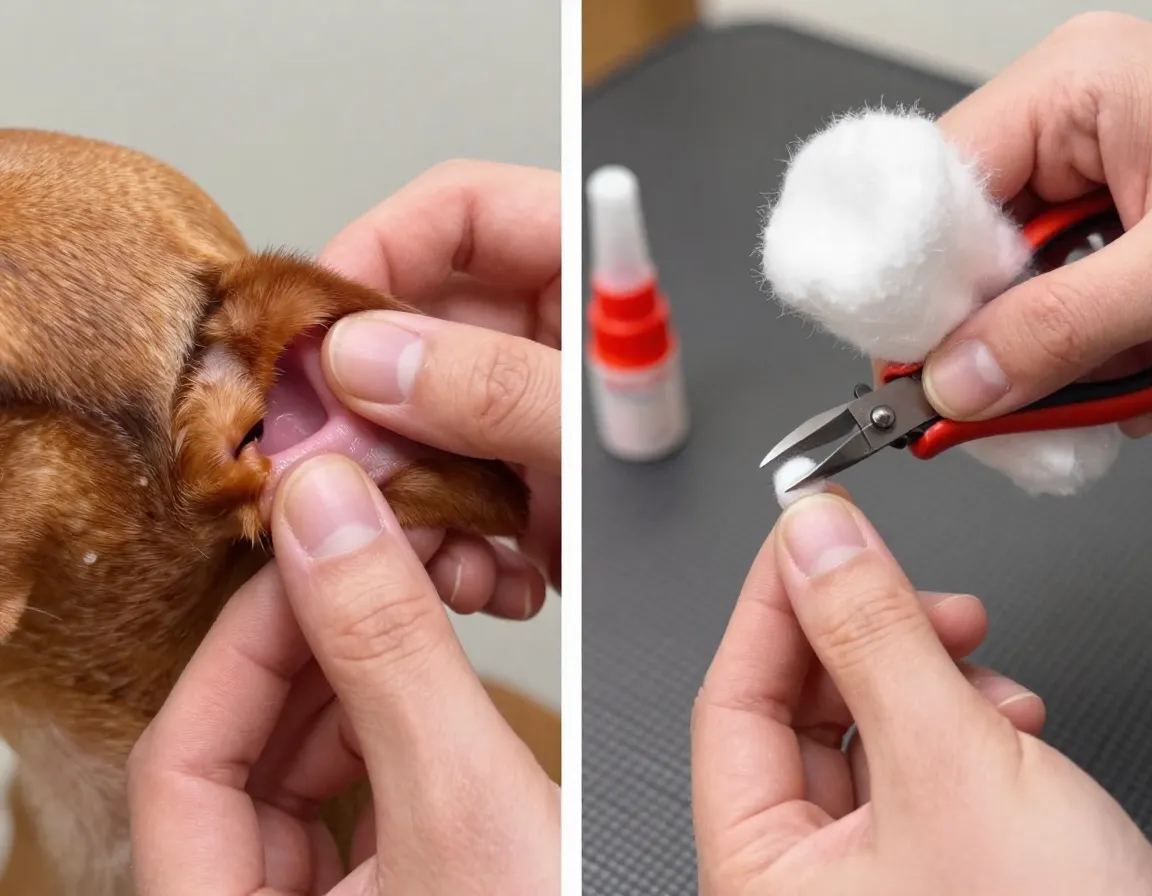
Check ears weekly for wax buildup, odor, or signs of infection, especially important for long-haired varieties where hair can trap moisture and debris [2][4]. Early detection prevents painful infections that can affect hearing and overall comfort.
Healthy ear characteristics:
- Light pink color inside
- Minimal wax or debris
- No strong odor
- No scratching or head shaking
Weekly ear cleaning routine:
- Use dog-specific ear cleaner recommended by your veterinarian
- Apply cleaner to cotton ball – never pour directly into ear
- Gently wipe visible areas without pushing debris deeper
- Reward with treats to create positive associations
- Monitor for changes in appearance, smell, or behavior
Nail Care for Comfort and Health
Trim nails every 2-3 weeks to prevent overgrowth, which can cause discomfort and affect gait. Long nails can also catch on surfaces and tear, causing pain and potential infection.
Safe nail trimming technique:
- Use sharp, dog-specific nail clippers
- Cut only the white tip, avoiding the pink quick
- Trim small amounts frequently rather than large amounts occasionally
- Have styptic powder available in case of minor bleeding
- Consider professional grooming if your dog is resistant
6. Create a Safe and Enriching Environment
Puppy-Proofing for Spinal Safety
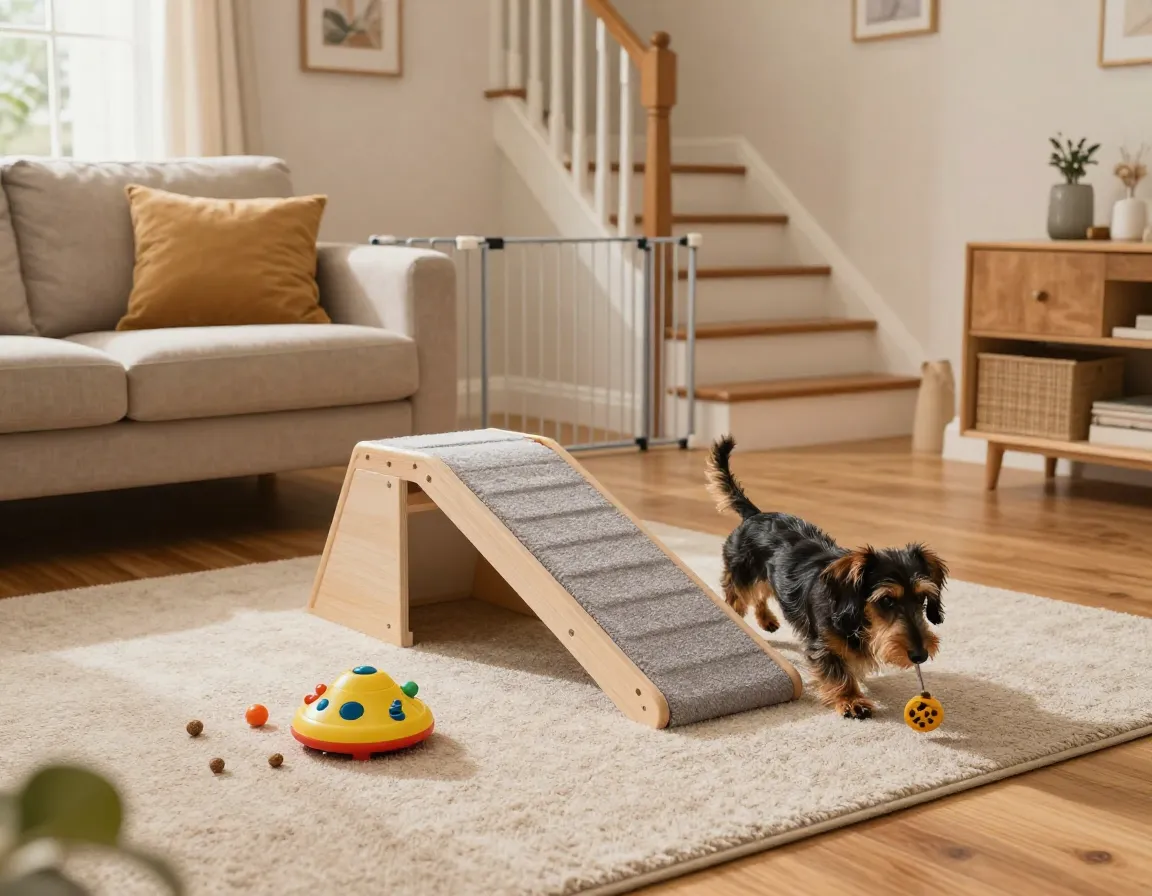
Prepare your home specifically for a breed vulnerable to back injuries by eliminating jumping opportunities and creating safe pathways throughout your living space [3].
Essential home modifications:
- Install pet ramps beside beds, couches, and cars
- Use pet gates to block stair access
- Remove or secure small objects that could be swallowed
- Provide non-slip surfaces on smooth floors
- Create designated safe spaces for rest and retreat
Mental Stimulation and Enrichment
Miniature dachshunds are intelligent, curious dogs that require mental stimulation to prevent boredom and destructive behaviors. Puzzle toys, training sessions, and interactive games provide essential mental exercise.
Enrichment activities:
- Puzzle feeders to slow eating and provide mental challenge
- Hide-and-seek games with treats or toys
- Basic obedience training using positive reinforcement
- Rotating toy selection to maintain novelty and interest
- Supervised social interaction with appropriate-sized dogs
Building a Routine for Security and Health
Consistent daily routines help miniature dachshunds feel secure and make it easier to monitor their health and behavior patterns. Regular schedules also support house training and reduce anxiety.
Sample daily routine:
- 7:00 AM: Wake up, bathroom break, breakfast
- 8:00 AM: Short morning walk
- 12:00 PM: Lunch and midday bathroom break
- 3:00 PM: Afternoon play session
- 5:00 PM: Dinner and evening walk
- 8:00 PM: Final bathroom break and settling routine
Conclusion
The 6 Must-Know Care Tips For Happy & Healthy Miniature Weenie Dogs provide a comprehensive foundation for ensuring your beloved companion enjoys a long, healthy, and joyful life. From the critical importance of measured feeding and spine protection to the specialized grooming needs and preventive dental care, each element works together to address the unique requirements of this charming breed.
Your next steps should include:
- Evaluate your current feeding routine and transition to 3-4 measured meals daily if needed
- Invest in a proper harness and install ramps to protect your dog’s spine
- Establish a dental care routine starting with 3 weekly brushing sessions
- Assess your grooming schedule based on your dog’s specific coat type
- Schedule a veterinary consultation to discuss breed-specific health monitoring
Remember that consistency is key – these care practices become most effective when implemented as part of your daily routine. The investment in proper care today pays dividends in your miniature dachshund’s quality of life, longevity, and the countless joyful moments you’ll share together.
By following these evidence-based guidelines and working closely with your veterinarian, you’re providing your miniature weenie dog with the best possible foundation for a healthy, happy life. The unique personality and unwavering loyalty of these remarkable dogs make every effort worthwhile, creating a bond that will enrich both your lives for years to come.
References
[1] Your New Miniature Dachshund Puppy The Essentials – https://www.joiipetcare.com/blogs/advice/your-new-miniature-dachshund-puppy-the-essentials
[2] Mini Dachshunds A Full Guide – https://sitmeanssit.com/dog-training-mu/anthem-dog-training/mini-dachshunds-a-full-guide/
[3] Preparing Your Home A Guide For Miniature Dachshund Puppy Owners – https://happytailpuppies.com/blogs/news/preparing-your-home-a-guide-for-miniature-dachshund-puppy-owners
[4] Mini Dachshund – https://www.aspcapetinsurance.com/resources/mini-dachshund/
[5] Dachshund Puppies Everything You Need To Know – https://www.rover.com/blog/dachshund-puppies-everything-you-need-to-know/
[6] Dachshund – https://vidavetdenver.com/dog-breed/dachshund/