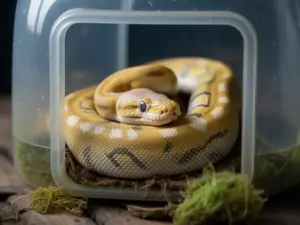
6 Things You Need to Know Before Buying a Ball Python Banana Morph
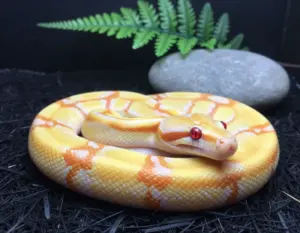
The vibrant golden-yellow coloration of a banana ball python morph can captivate any reptile enthusiast at first sight. However, beneath that stunning appearance lies a complex world of genetics, care requirements, and financial considerations that every potential owner must understand. 6 Things You Need to Know Before Buying a Ball Python Banana Morph encompasses crucial information that could mean the difference between a rewarding pet ownership experience and costly mistakes that affect both the snake’s wellbeing and the owner’s satisfaction.
Disclosure: This post contains affiliate links. As an Amazon Associate, we earn from qualifying purchases, and at no extra cost to you.
Key Takeaways
- Banana morphs are co-dominant genetic variants that produce distinctive yellow coloration but require understanding of breeding genetics
- Initial costs range from $150-$800 depending on quality and additional genetic traits, plus $300-500 for proper setup
- Specialized care requirements include precise temperature gradients (88-92°F hot side, 78-80°F cool side) and 50-60% humidity
- Gender and breeding considerations significantly impact pricing, with females commanding higher prices due to breeding potential
- Long-term commitment spans 20-30 years with ongoing monthly costs of $30-50 for food, utilities, and maintenance
Understanding the Genetics Behind Banana Ball Python Morphs
The banana morph represents one of the most significant breakthroughs in ball python genetics since its discovery in 2003. This co-dominant genetic trait produces offspring that display the characteristic bright yellow and orange coloration even when bred with normal ball pythons. Understanding these genetics becomes essential when considering 6 Things You Need to Know Before Buying a Ball Python Banana Morph, as it directly impacts pricing, breeding potential, and long-term value.
1. Co-Dominant Inheritance Pattern
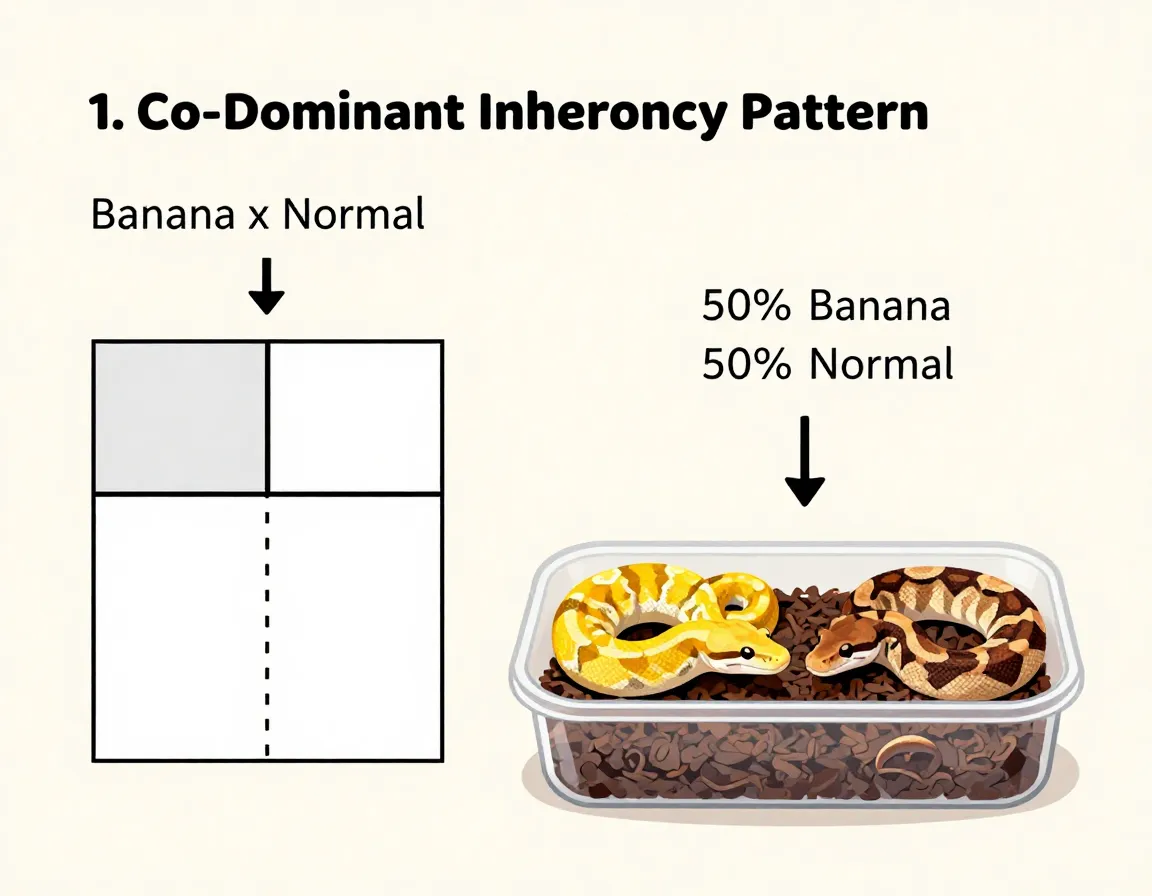
Unlike recessive morphs that require two copies of a gene to express the trait, banana morphs only need one copy to display their distinctive appearance. This genetic advantage means:
- 50% of offspring will display banana traits when bred with normal ball pythons
- Higher breeding success rates compared to recessive morphs
- Immediate visual confirmation of genetic traits in offspring
- Greater breeding flexibility for future projects
The co-dominant nature also explains why banana morphs maintain relatively stable pricing compared to recessive morphs that can crash in value once the market becomes saturated.
2. Gender-Linked Expression Differences
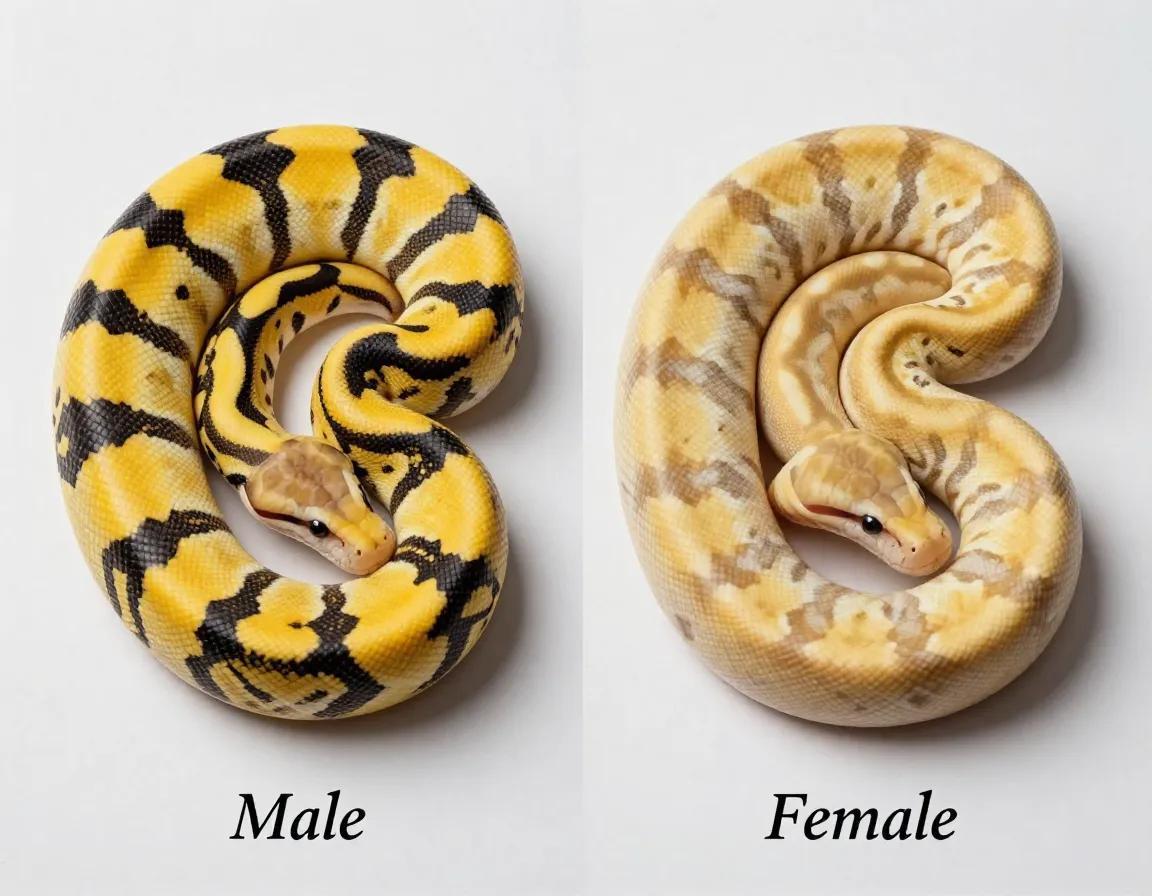
One fascinating aspect of banana genetics involves gender-linked expression variations. Male and female banana ball pythons often display different intensities of coloration and pattern:
| Gender | Typical Expression | Market Value |
|---|---|---|
| Males | Brighter yellows, more contrast | $150-400 |
| Females | Subtler tones, different patterns | $300-800 |
| Proven Breeders | Varies by breeding history | $500-1500+ |
Female banana ball pythons command higher prices due to their breeding potential and the fact that they can produce multiple clutches throughout their lifetime, making them valuable investments for serious breeders.
3. Combination Possibilities
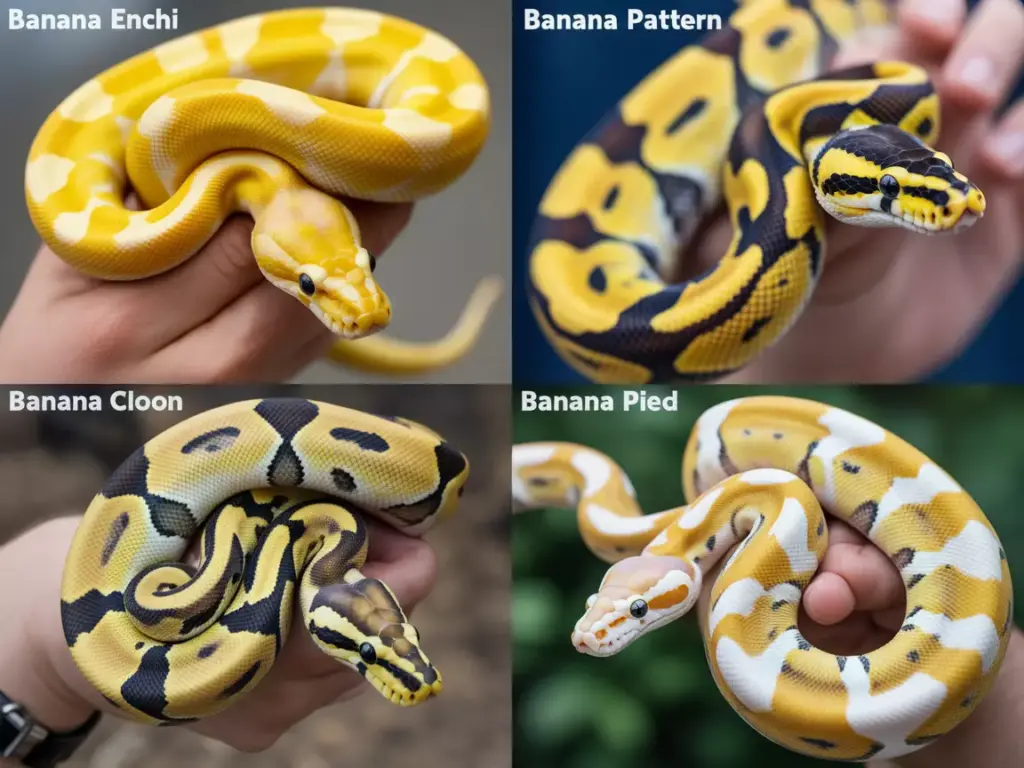
The banana gene combines exceptionally well with other ball python morphs, creating stunning designer combinations such as:
- Banana Enchi – Enhanced yellow coloration with reduced pattern
- Banana Pastel – Intensified colors and cleaner patterns
- Banana Clown – Unique pattern disruption with banana coloring
- Banana Pied – White patches combined with banana coloration
These combinations can significantly increase the value and visual appeal of banana morphs, with some designer combinations selling for $1,000-$5,000 or more.
Essential Care Requirements and Setup Costs
Proper care for banana ball pythons requires specific environmental conditions and equipment that differs slightly from basic ball python care. The second critical aspect of 6 Things You Need to Know Before Buying a Ball Python Banana Morph involves understanding these specialized requirements and associated costs.
4. Temperature and Humidity Specifications
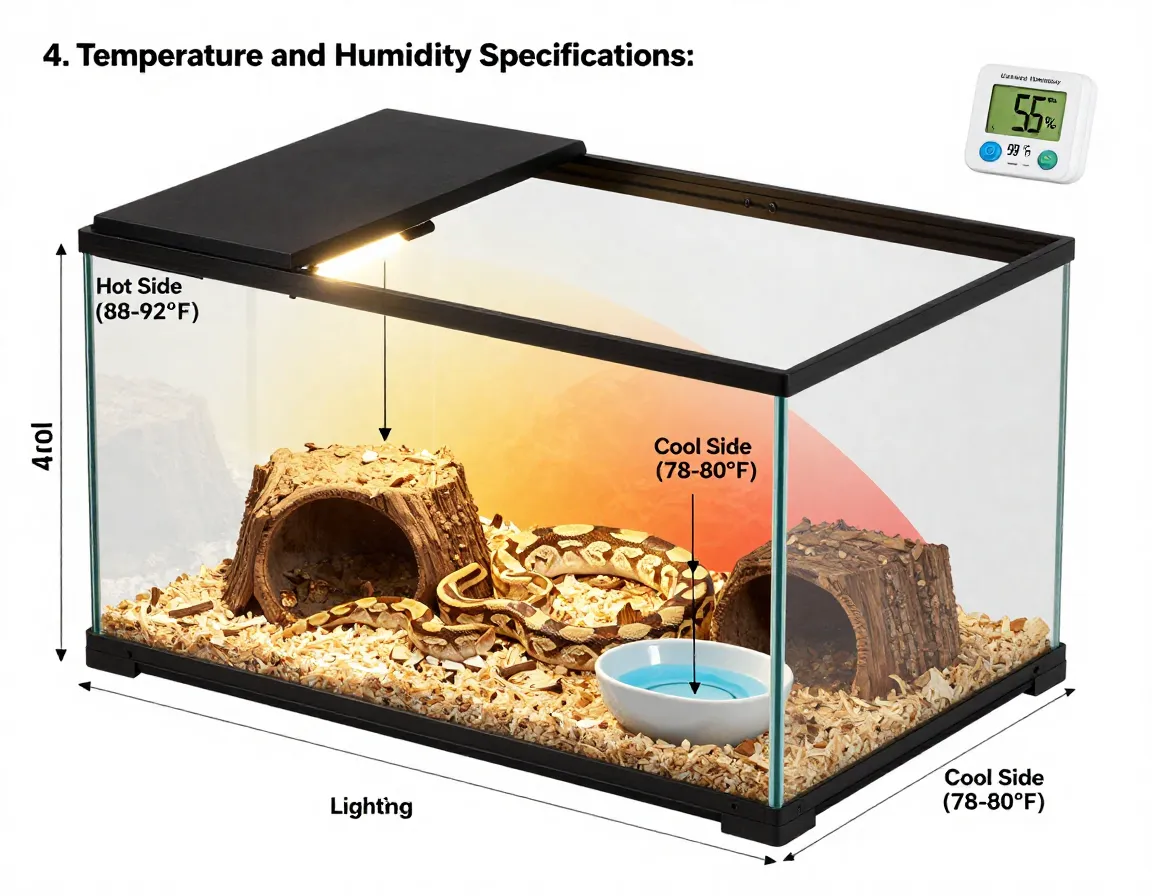
Banana ball pythons require precise environmental controls to maintain their health and vibrant coloration:
Temperature Requirements:
- Hot side: 88-92°F (31-33°C)
- Cool side: 78-80°F (26-27°C)
- Nighttime drop: 75-80°F (24-27°C)
- Basking spot: 95°F (35°C) maximum
Humidity Requirements:
- General humidity: 50-60%
- Shedding period: 70-80%
- Proper ventilation to prevent stagnant air
5. Housing and Equipment Costs
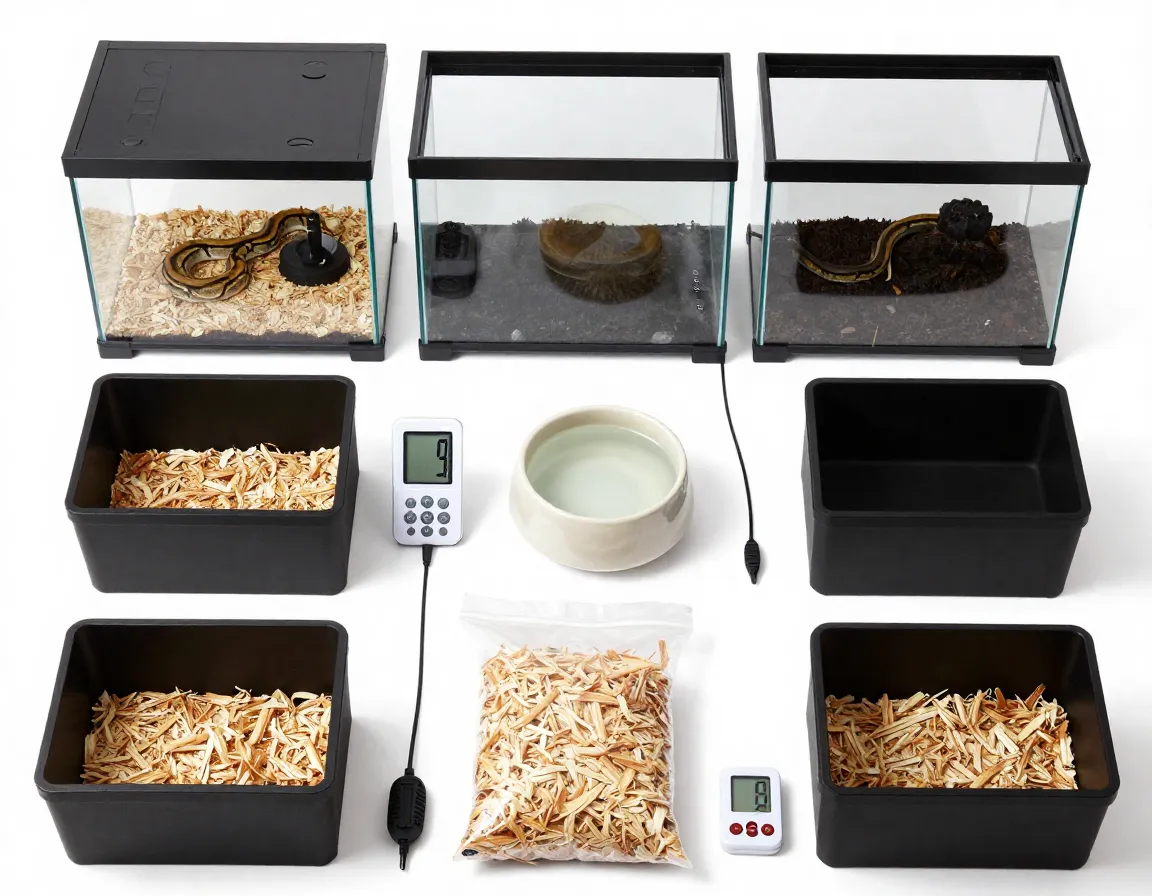
Setting up a proper habitat for a banana ball python requires significant initial investment:
Essential Equipment Breakdown:
| Item | Price Range | Notes |
|---|---|---|
| 40-gallon tank (minimum) | $100-200 | Glass terrariums preferred |
| Under-tank heater | $25-50 | Covers 1/3 of tank bottom |
| Thermostat controller | $30-100 | Digital models recommended |
| Hide boxes (2 minimum) | $20-60 | One for each temperature zone |
| Water bowl | $15-30 | Heavy ceramic preferred |
| Substrate | $20-40 | Aspen shavings or cypress mulch |
| Temperature/humidity gauges | $20-40 | Digital hygrometer essential |
| Total Initial Setup | $230-520 | Not including the snake |
6. Ongoing Monthly Expenses

Beyond the initial setup, banana ball python ownership involves consistent monthly costs:
- Food (frozen/thawed rodents): $15-25/month
- Electricity (heating/lighting): $10-20/month
- Substrate replacement: $5-10/month
- Veterinary fund: $5-15/month (recommended savings)
- Miscellaneous supplies: $5-10/month
Total estimated monthly costs: $40-80
Long-Term Commitment and Breeding Considerations
The final crucial aspect of 6 Things You Need to Know Before Buying a Ball Python Banana Morph involves understanding the long-term commitment and potential breeding opportunities that come with banana morph ownership.
Lifespan and Life Stages
Ball pythons, including banana morphs, represent a significant long-term commitment:
- Average lifespan: 20-30 years in captivity
- Sexual maturity: 2-3 years for males, 3-4 years for females
- Adult size: 3-5 feet (males smaller than females)
- Prime breeding years: 5-15 years old
This extended lifespan means potential owners must consider their life circumstances over the next two to three decades, including housing changes, family additions, and career transitions.
Breeding Potential and Profitability
Many banana ball python owners eventually consider breeding, which adds another dimension to ownership:
Breeding Considerations:
- Female banana ball pythons can produce 4-8 eggs per clutch
- Breeding season typically runs from November to March
- Incubation period lasts approximately 55-60 days
- Market demand remains relatively stable for banana morphs
Potential Returns:
- Baby banana ball pythons sell for $150-400 each
- A successful clutch of 6 babies could generate $900-2,400
- Breeding costs (incubator, supplies, time) typically run $200-500 per clutch
Important Note: Breeding should only be attempted by experienced keepers with proper knowledge, equipment, and market understanding. Failed breeding attempts can result in significant veterinary costs and stress for the animals.
Health Monitoring and Veterinary Care
Banana ball pythons require regular health monitoring and access to exotic animal veterinary care:
Common Health Concerns:
- Respiratory infections from improper humidity
- Scale rot from overly wet conditions
- Mites and parasites from poor husbandry
- Feeding issues during seasonal changes
Veterinary Costs:
- Initial health check: $75-150
- Annual wellness exam: $100-200
- Emergency treatment: $200-1,000+
- Diagnostic tests: $50-300 per test
Finding an exotic animal veterinarian before purchasing a banana ball python is crucial, as not all veterinarians have experience treating reptiles.
Making an Informed Purchase Decision
Before committing to banana ball python ownership, potential buyers should evaluate several critical factors that extend beyond the initial attraction to these beautiful animals.
Reputable Breeder Selection
Choosing the right breeder significantly impacts the health, genetics, and temperament of a banana ball python:
Red Flags to Avoid:
- Reluctance to show breeding facilities
- No health guarantees or return policies
- Unusually low prices compared to market rates
- Poor communication or lack of care information
- Animals kept in substandard conditions
Quality Breeder Indicators:
- Transparent breeding records and genetic lineage
- Health guarantees typically 7-30 days
- Clean, organized facilities with proper husbandry
- Extensive knowledge about ball python care and genetics
- Positive reviews from previous customers
- Ongoing support for new owners
Seasonal Considerations
The timing of purchase can significantly impact both price and the snake’s adjustment period:
Best Purchase Times:
- Late spring to early fall for easier temperature management
- After breeding season (April-June) for better selection
- Avoid winter months in cold climates due to shipping risks
Price Fluctuations:
- Prices typically lowest during peak breeding season (May-July)
- Highest prices occur during fall and winter months
- Show season (fall/winter) can drive up demand and prices
Legal and Housing Considerations
Before purchasing, verify local regulations and housing compatibility:
- Check city and county ordinances regarding reptile ownership
- Verify rental agreement compliance if renting
- Understand interstate transport laws if purchasing from distant breeders
- Research veterinary requirements in your area
Housing Logistics:
- Ensure adequate electrical capacity for heating equipment
- Consider noise levels from heating equipment
- Plan for emergency backup heating during power outages
- Evaluate space requirements for adult-sized enclosure
Financial Planning and Budgeting
Understanding the complete financial picture of banana ball python ownership helps prevent unexpected expenses and ensures proper care throughout the animal’s lifetime.
First-Year Cost Breakdown
The first year of ownership typically involves the highest expenses due to initial setup and learning curve:
Year One Expenses:
- Snake purchase: $150-800
- Complete setup: $300-500
- Initial veterinary exam: $75-150
- Food and supplies: $200-300
- Unexpected expenses/adjustments: $100-200
- Total first year: $825-1,950
Long-Term Financial Planning
Over a 20-year lifespan, banana ball python ownership represents a significant financial commitment:
20-Year Ownership Projection:
- Initial costs: $825-1,950
- Annual ongoing costs: $400-600 × 19 years = $7,600-11,400
- Major equipment replacement: $200-400 (every 5-7 years)
- Emergency veterinary fund: $1,000-3,000
- Total 20-year investment: $9,625-16,750
This projection helps potential owners understand that while the initial purchase price might seem reasonable, the total cost of ownership represents a substantial long-term investment.
Cost-Saving Strategies
Experienced keepers employ several strategies to manage expenses without compromising care quality:
Equipment Savings:
- DIY enclosures can reduce initial costs by 30-50%
- Bulk substrate purchases provide significant savings
- Energy-efficient heating reduces monthly electricity costs
- Preventive care minimizes expensive emergency treatments
Food Cost Management:
- Bulk frozen rodent purchases offer substantial discounts
- Rodent breeding can eliminate ongoing food costs (advanced keepers)
- Cooperative buying groups with other reptile keepers
- Seasonal sales on equipment and supplies
Conclusion
Understanding these 6 Things You Need to Know Before Buying a Ball Python Banana Morph provides the foundation for making an informed decision about this significant commitment. From the fascinating co-dominant genetics that create their stunning appearance to the specialized care requirements and long-term financial investment, banana ball pythons represent both an opportunity and a responsibility.
The initial attraction to their golden coloration must be balanced against the reality of 20-30 years of dedicated care, monthly expenses of $40-80, and the need for specialized equipment and veterinary care. However, for committed reptile enthusiasts who understand these requirements, banana ball pythons offer rewarding companionship and potential breeding opportunities that can justify the investment.
Next Steps for Potential Owners
- Research local exotic veterinarians and establish care relationships before purchase
- Visit reptile shows or breeders to handle banana ball pythons and assess personal comfort level
- Set up the complete habitat and test all equipment before bringing home a snake
- Create a financial plan that accounts for both routine and emergency expenses
- Connect with local reptile communities for ongoing support and advice
The decision to purchase a banana ball python should never be made impulsively. Take time to thoroughly evaluate personal circumstances, financial capacity, and long-term commitment ability. When approached with proper preparation and realistic expectations, banana ball python ownership can provide decades of fascination and enjoyment for dedicated reptile enthusiasts.
Remember that these beautiful animals depend entirely on their owners for proper care, appropriate environment, and medical attention. The responsibility extends far beyond the initial purchase price, encompassing a commitment to provide excellent husbandry throughout the animal’s entire lifespan. Make this decision thoughtfully, and both owner and snake will benefit from a successful, long-term relationship.