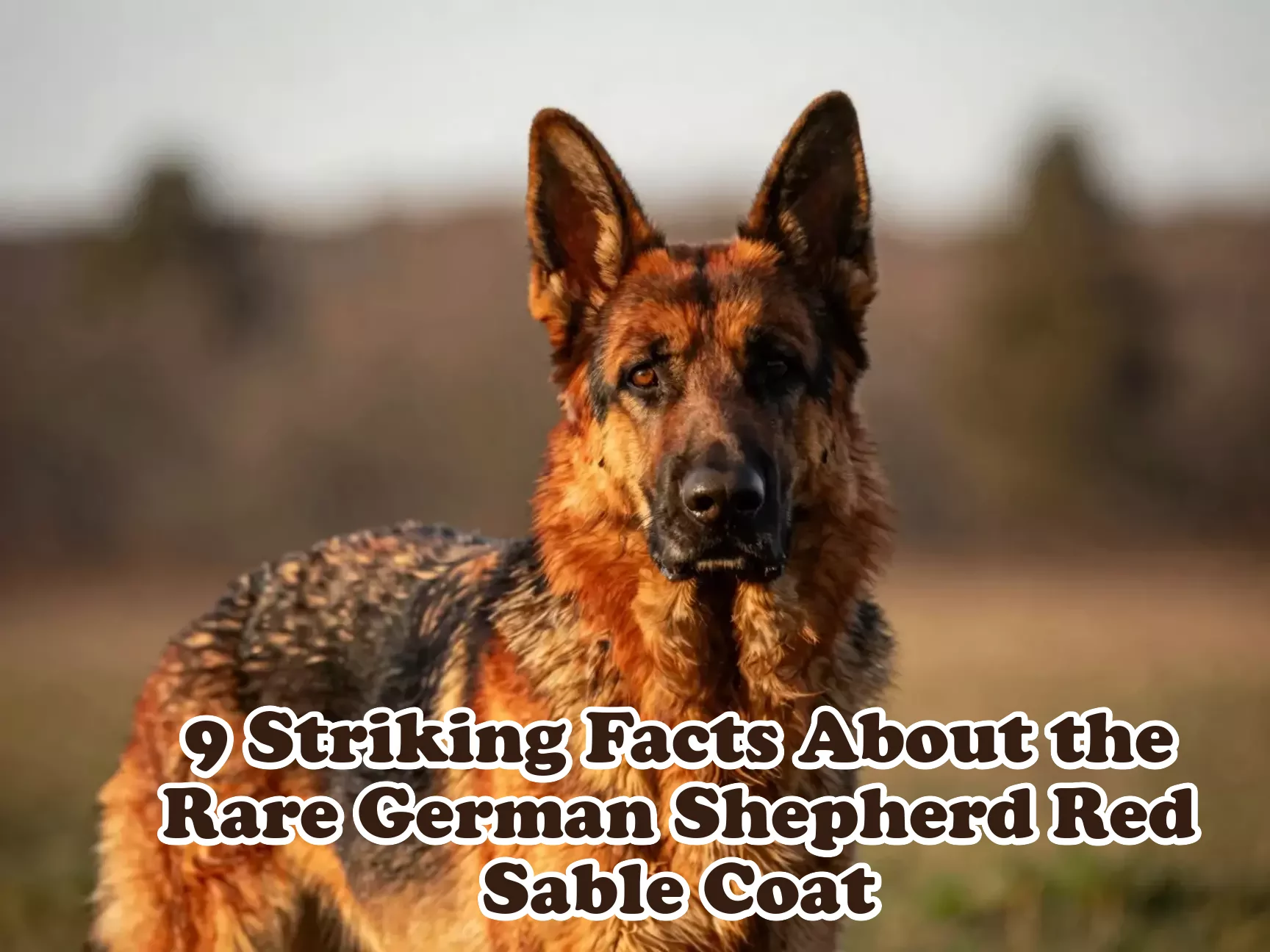
9 Striking Facts About the Rare German Shepherd Red Sable Coat
Only about one in every several hundred German Shepherds displays the stunning red sable coat — a color so rare that many lifelong dog owners have never seen one in person. Yet this breathtaking variation carries the deepest roots in the entire breed’s history. If you’ve ever spotted a German Shepherd with a warm, reddish-mahogany coat tipped in black and felt like you were looking at something almost wild, you weren’t wrong. In this article, we explore the 9 Striking Facts About the Rare German Shepherd Red Sable Coat — covering genetics, history, health, and everything in between — so you can truly understand what makes this coat one of the most remarkable in the canine world.
Key Takeaways
- 🐾 Sable is the original German Shepherd color, tracing back to the very first registered dog of the breed.
- 🧬 The Agouti gene is responsible for the multi-toned banding pattern that defines the red sable coat.
- 🔴 Red sable is a rare variation of the sable pattern, featuring mahogany or red tones alongside the classic black-tipped hairs.
- ✅ No health problems are linked to the red sable coat — it is purely a cosmetic genetic trait.
- 👀 The coat can shift in appearance over a dog’s lifetime, often becoming richer or darker with age.
What Is a German Shepherd Red Sable? A Quick Overview
Before diving into the 9 Striking Facts About the Rare German Shepherd Red Sable Coat, it helps to understand what “red sable” actually means. A sable German Shepherd has individual hairs that are banded with multiple colors — typically a lighter root, a colored middle, and a dark (usually black) tip. When the base color in those bands leans toward red, mahogany, or rust, the dog is classified as red sable.
This is different from a standard sable (which shows tan or gray tones) and very different from the common black-and-tan pattern most people associate with the breed. Red sable dogs have a distinctly warm, almost fox-like glow to their coat — and they are genuinely rare.
The 9 Striking Facts About the Rare German Shepherd Red Sable Coat
1. Sable Is the Original German Shepherd Color
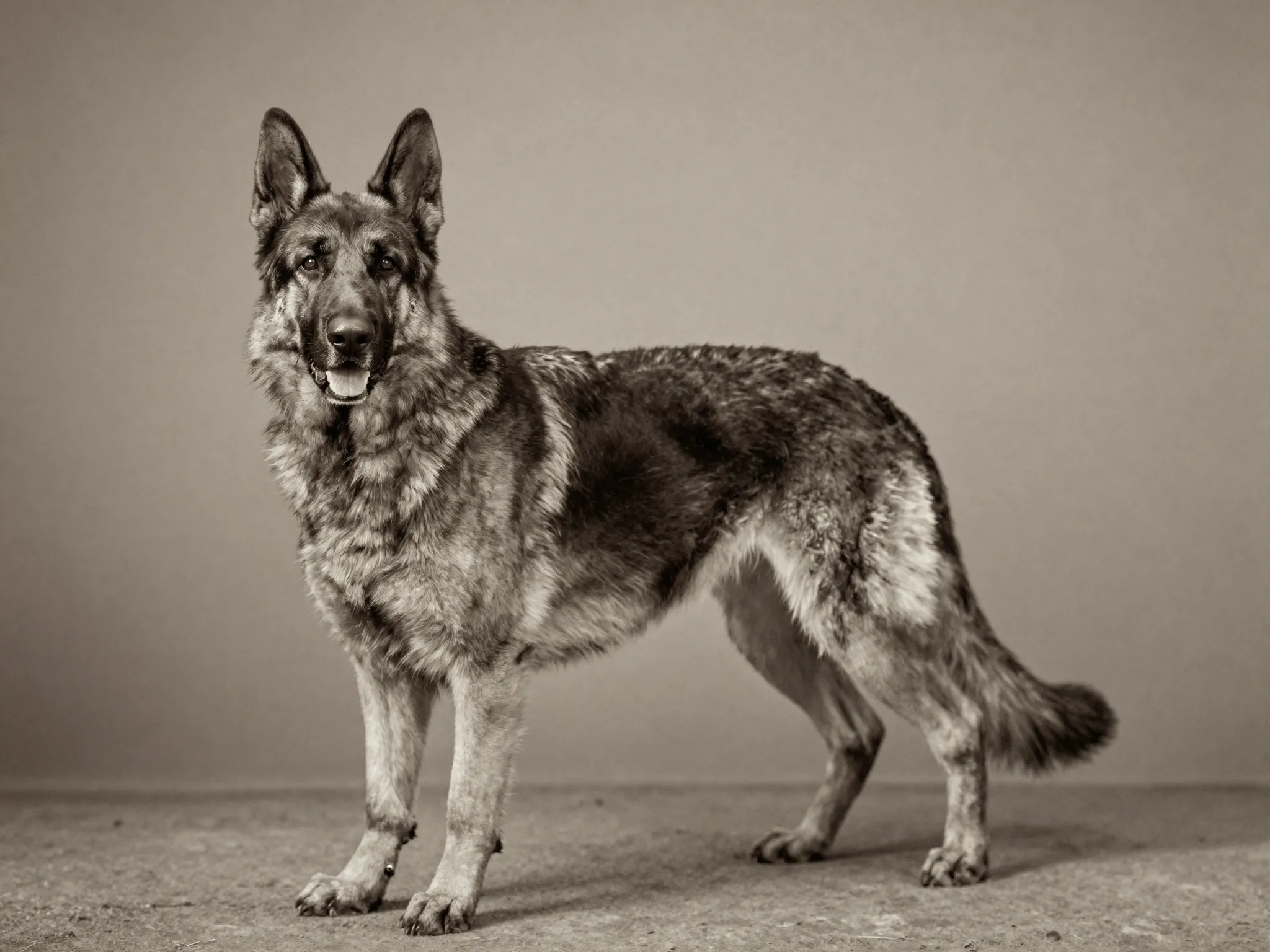
“Every German Shepherd alive today can trace its coat color lineage back to one sable dog.”
The story of the German Shepherd breed begins with a single dog: Horand von Grafrath, registered in 1899 by breed founder Max von Stephanitz. Horand was a sable-coated dog — not black and tan, not solid black, not bicolor. Sable [1].
This means the red sable coat isn’t some modern novelty or the result of experimental breeding. It is, in a very real sense, the ancestral coat of the entire German Shepherd breed. Every other color variation came later, as breeders selectively emphasized different traits. When you look at a red sable German Shepherd, you are looking at something close to what the original breed looked like over a century ago.
This historical significance makes the red sable coat not just rare, but genuinely meaningful to breed purists and historians alike.
2. Red Sable Is a Rare Variation Within an Already Uncommon Color
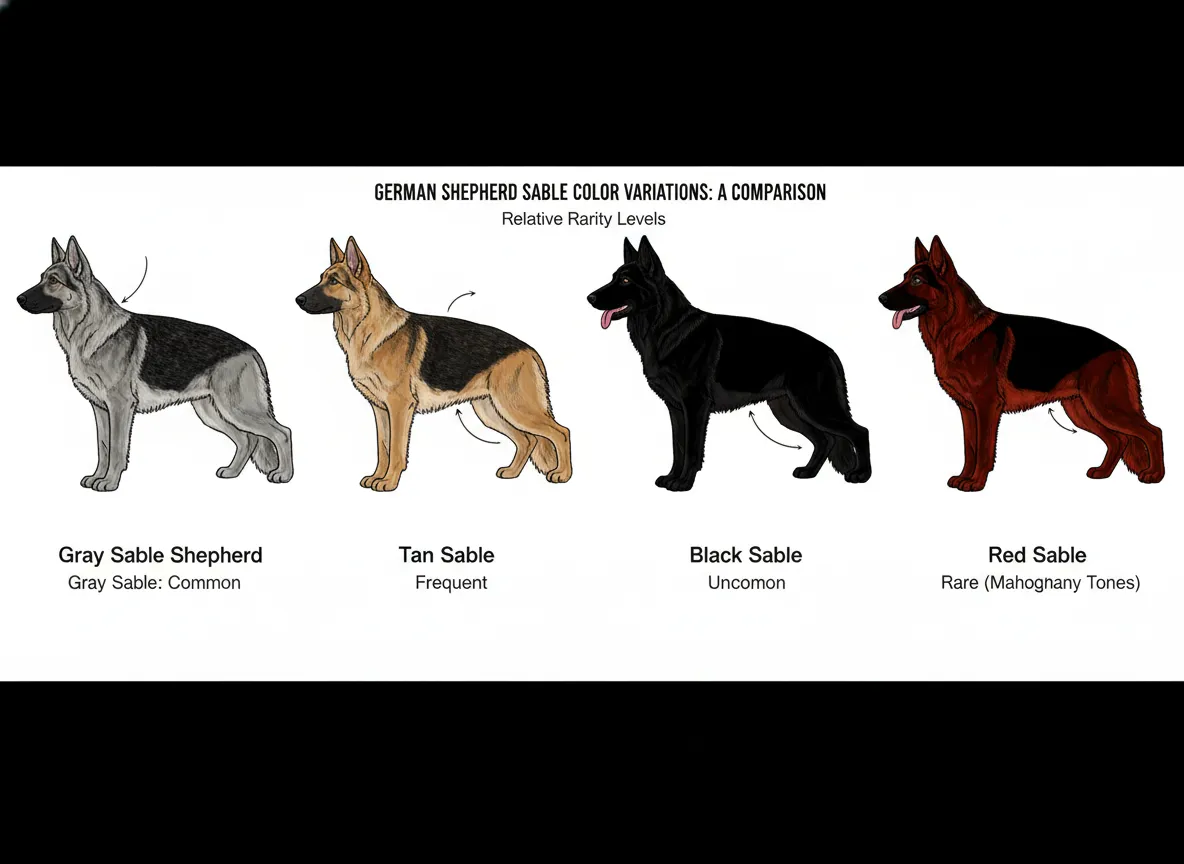
Standard sable German Shepherds are themselves not common — but red sable is even rarer. While sable dogs can display a range of base colors (gray, silver, tan, cream), the red and mahogany variations represent a smaller subset of that group [1].
Here’s a quick breakdown of sable color variations:
| Sable Variation | Base Color | Rarity Level |
|---|---|---|
| Gray Sable | Gray/Silver | Uncommon |
| Tan Sable | Warm Tan | Uncommon |
| Black Sable | Dark Base | Rare |
| Red Sable | Mahogany/Red | Very Rare |
| Silver Sable | Pale Silver | Rare |
The red sable variation requires a specific combination of genetic factors — the sable pattern must be present AND the base pigment must express in the red/mahogany range. This double requirement is what makes red sable dogs so infrequently seen at dog parks, shows, or shelters.
3. The Agouti Gene Controls Everything About This Coat
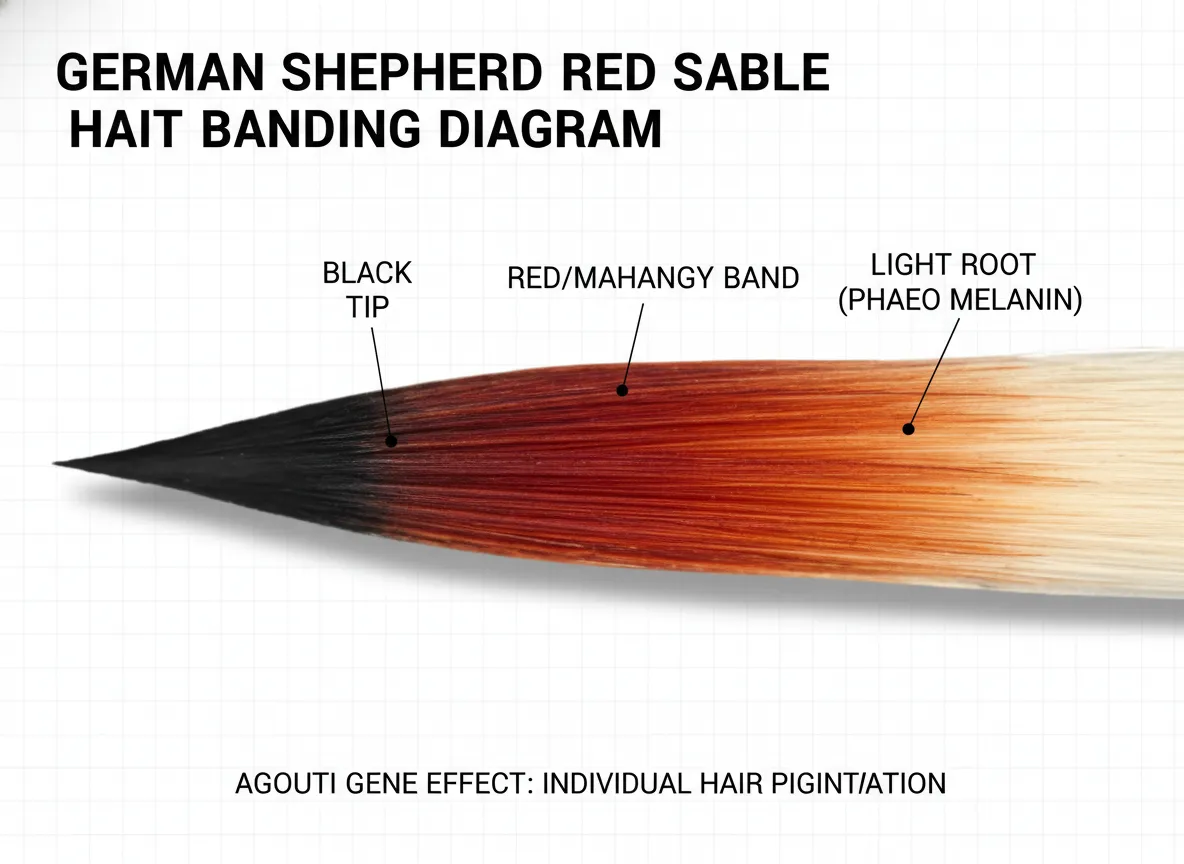
The science behind the red sable coat is genuinely fascinating. The color pattern is controlled by the Agouti gene (A^w), which is the dominant form of the Agouti signaling protein gene [2].
Here’s how it works:
- Each individual hair on a red sable German Shepherd is banded with multiple colors
- The tip of the hair is typically black
- The middle of the hair shows the base color — in red sable dogs, this is the warm red or mahogany tone
- The root of the hair is usually lighter
This banding effect is what creates the shimmering, layered appearance that makes sable dogs look almost three-dimensional in sunlight. The Agouti gene essentially “switches” pigment production on and off as the hair grows, creating these distinct color bands [2].
🧬 Key science point: The A^w allele is dominant, meaning a dog only needs one copy of this gene variant to display the sable pattern. This is why sable can occasionally appear in litters even when neither parent appears sable at first glance.
4. Every Red Sable German Shepherd Has Black-Tipped Hairs — Always
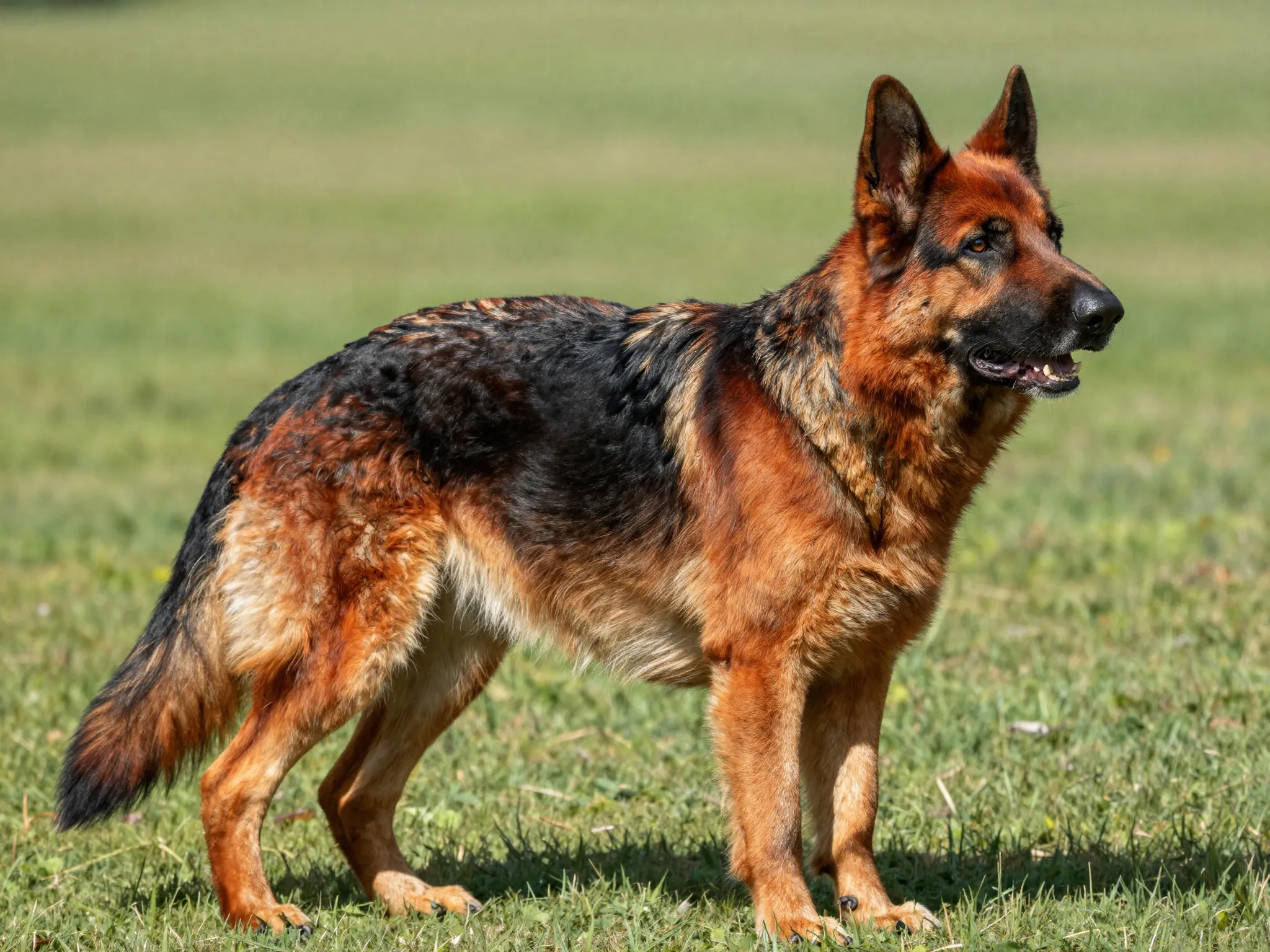
One of the most consistent and defining features of the red sable coat is this: no matter what the base color is, the hair tips are always black [3].
This is not optional or variable — it is a biological constant of the sable pattern. The Agouti gene’s banding mechanism always produces a darker (eumelanin-dominant) tip. In red sable dogs specifically:
- The body glows with warm red and mahogany tones
- The back, saddle area, and head often show heavier black tipping
- The chest, legs, and face may show lighter red or cream tones with less black tipping
This interplay between the rich red base and the black tips creates the wolf-like, wild appearance that so many red sable owners describe as “unlike any other dog they’ve seen.”
💡 Pro tip: When evaluating whether a dog is truly red sable, look closely at individual hairs in bright light. If you can see the banding — especially the black tips — you’re looking at a genuine sable coat.
5. The Coat Changes Dramatically Over a Dog’s Lifetime
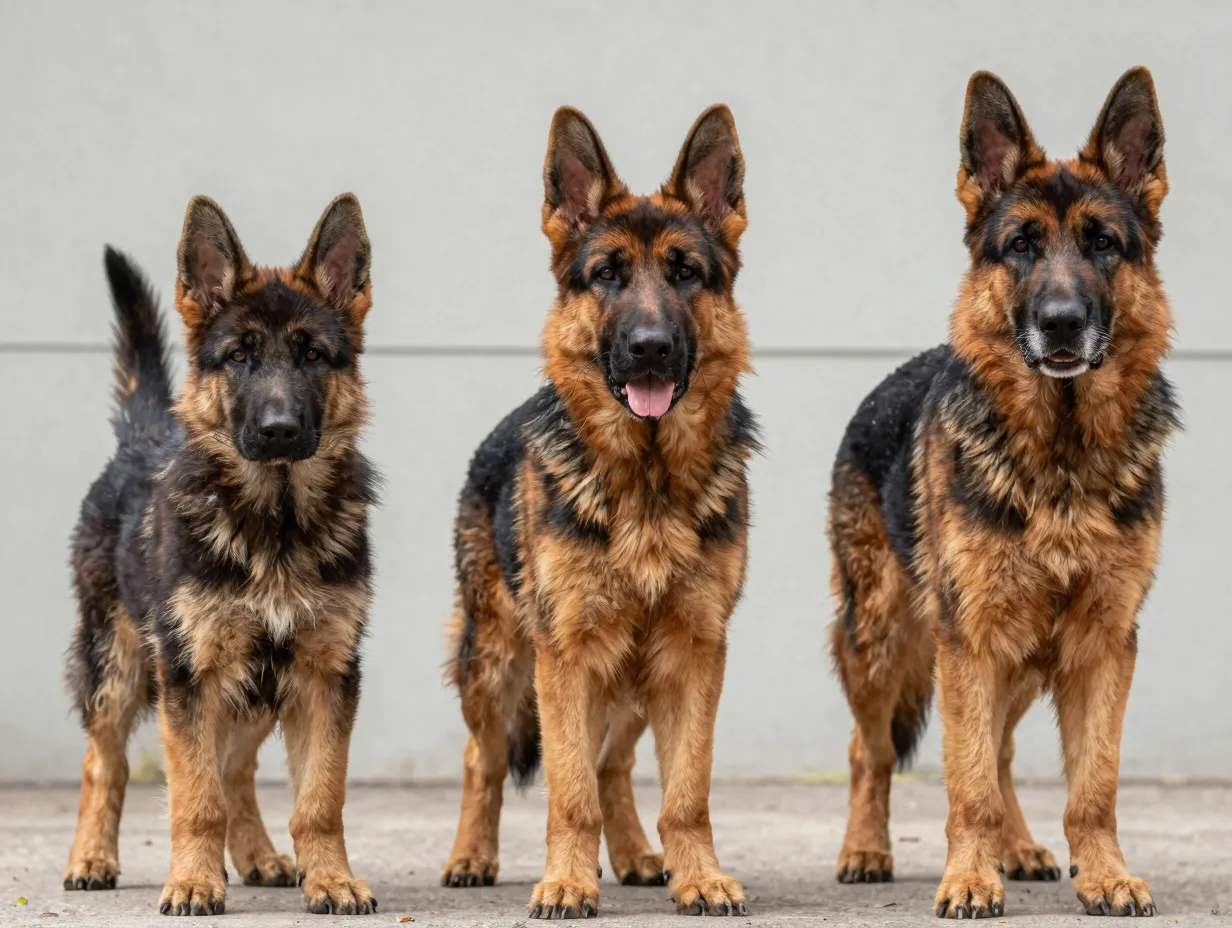
If you adopt a red sable German Shepherd puppy, don’t be surprised if the dog you bring home looks quite different from the adult dog you end up with. Red sable coats are notoriously dynamic, shifting in color intensity and pattern as the dog matures.
Here’s what to expect across life stages:
Puppyhood (0–6 months):
The coat often appears darker, sometimes almost black. The red tones may be barely visible, hidden under heavy black pigmentation.
Adolescence (6–18 months):
As the puppy coat sheds and the adult coat grows in, the red and mahogany tones begin to emerge more strongly. This is often when owners first see the true “red sable” character of the coat.
Adulthood (2–5 years):
The coat reaches its richest expression. The red tones are vibrant, the black tipping is well-defined, and the overall pattern is at its most striking.
Senior years (7+ years):
Some red sable dogs develop graying around the muzzle and face, which can actually add a distinguished, silver-touched quality to the coat.
This lifelong color journey is one of the reasons red sable owners often say their dog always looks a little different — and always beautiful.
6. Red Sable Is Accepted by Major Breed Standards
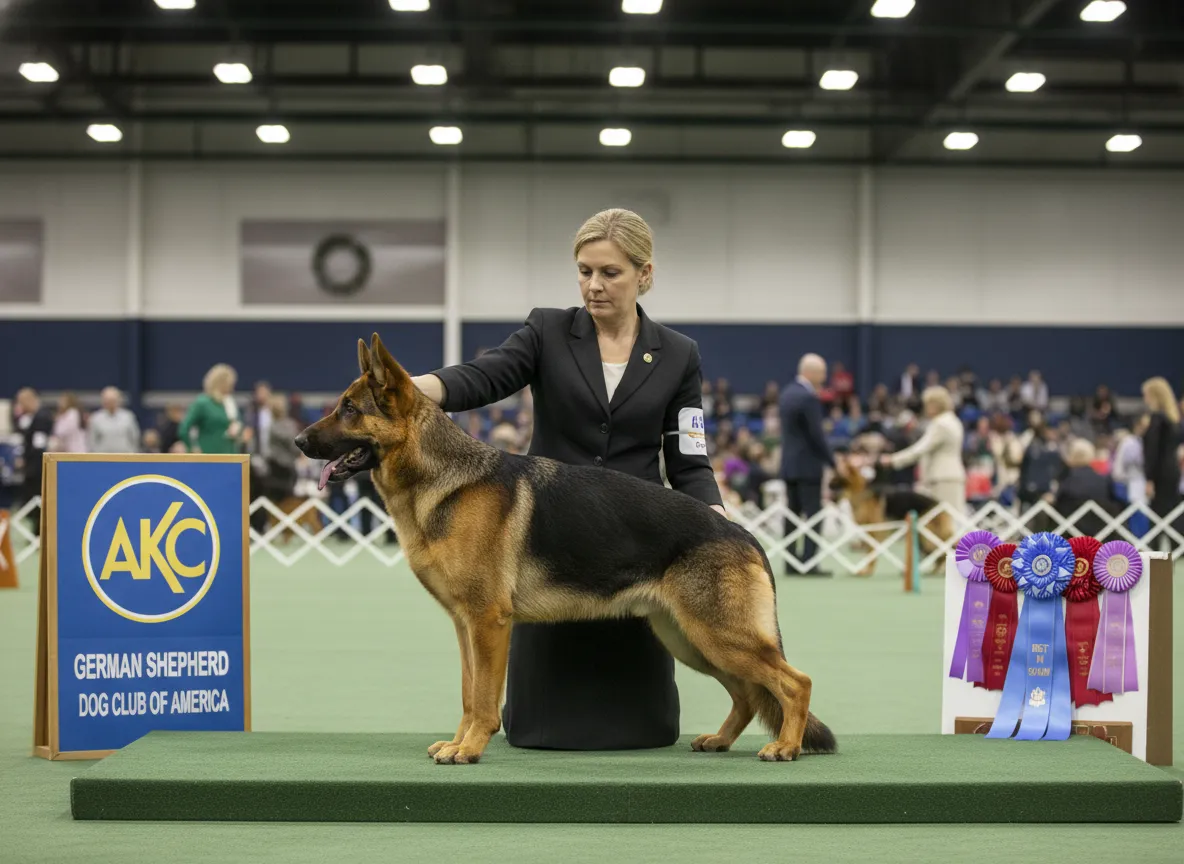
A common misconception is that rare coat colors in German Shepherds are somehow “disqualifying” or frowned upon by kennel clubs. For red sable, this is simply not true.
The American Kennel Club (AKC) and the United Kennel Club (UKC) both recognize sable as an accepted German Shepherd color. The AKC breed standard explicitly states that “strong rich colors are preferred” and that “pale, washed-out colors” are considered a fault — which actually works in favor of the vibrant red sable coat [2].
Key points on breed standard acceptance:
- ✅ Sable (including red sable) is fully recognized by major kennel clubs
- ✅ Red sable dogs can compete in conformation shows
- ✅ The color does not affect working dog certifications (Schutzhund, herding, service work)
- ⚠️ Some judges may be less familiar with red sable, so documentation and education can help in show settings
The bottom line: a red sable German Shepherd is every bit as “legitimate” as a black-and-tan one. The coat color has no bearing on the dog’s working ability, temperament, or breed authenticity.
7. There Are Zero Health Problems Linked to the Red Sable Coat
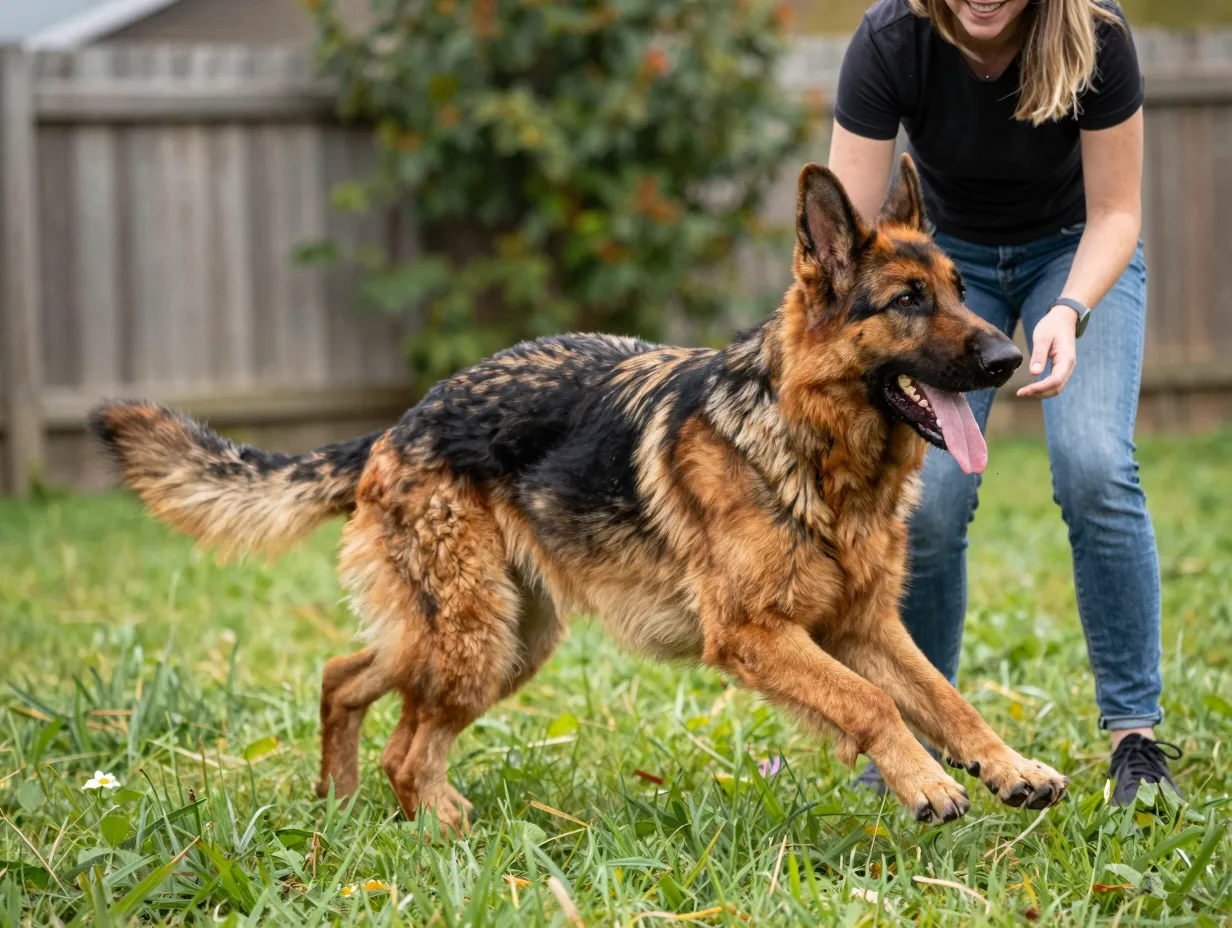
This is one of the most reassuring facts for prospective owners: the Agouti gene that creates the red sable coat is not associated with any negative health conditions or behavioral issues [3].
This stands in sharp contrast to some other rare coat colors in dogs. For example:
- Merle coloring in some breeds is linked to deafness and eye abnormalities when two merle dogs are bred together
- Double dilute (extremely pale) colors in some breeds can be associated with skin sensitivity
- White German Shepherds are sometimes (incorrectly) associated with health problems, though this is largely a myth
The red sable coat carries none of these concerns. The Agouti gene operates independently of the genes that control structural health, neurological function, or immune response [3]. A red sable German Shepherd is genetically no more or less prone to health issues than any other German Shepherd.
🐕 What does affect German Shepherd health? Factors like hip and elbow dysplasia, degenerative myelopathy, and bloat (GDV) are real concerns for the breed — but they are linked to structural genetics and breeding practices, not coat color.
8. Red Sable German Shepherds Are Highly Sought After — and Priced Accordingly

Because of their rarity and striking appearance, red sable German Shepherds command significant attention in the marketplace. In 2026, reputable breeders specializing in working-line German Shepherds with red sable coloring often price puppies considerably higher than standard-colored littermates.
Here’s a general pricing landscape (2026 estimates):
| Dog Type | Approximate Price Range |
|---|---|
| Standard black-and-tan GSD (pet quality) | $800 – $1,500 |
| Standard sable GSD (pet quality) | $1,200 – $2,000 |
| Red sable GSD (pet quality) | $1,500 – $3,000+ |
| Red sable GSD (show/working line) | $3,000 – $6,000+ |
⚠️ Important warning: The high demand for red sable dogs has attracted irresponsible breeders and “color breeders” who prioritize coat color over health, temperament, and structure. Always:
- Request health clearances for hips, elbows, and DM (degenerative myelopathy)
- Visit the breeder in person when possible
- Ask to meet at least one parent dog
- Verify the breeder’s reputation through breed clubs or working dog organizations
A beautiful coat means nothing if the dog behind it hasn’t been responsibly bred.
9. The Red Sable Coat Reflects the German Shepherd’s Wild Heritage
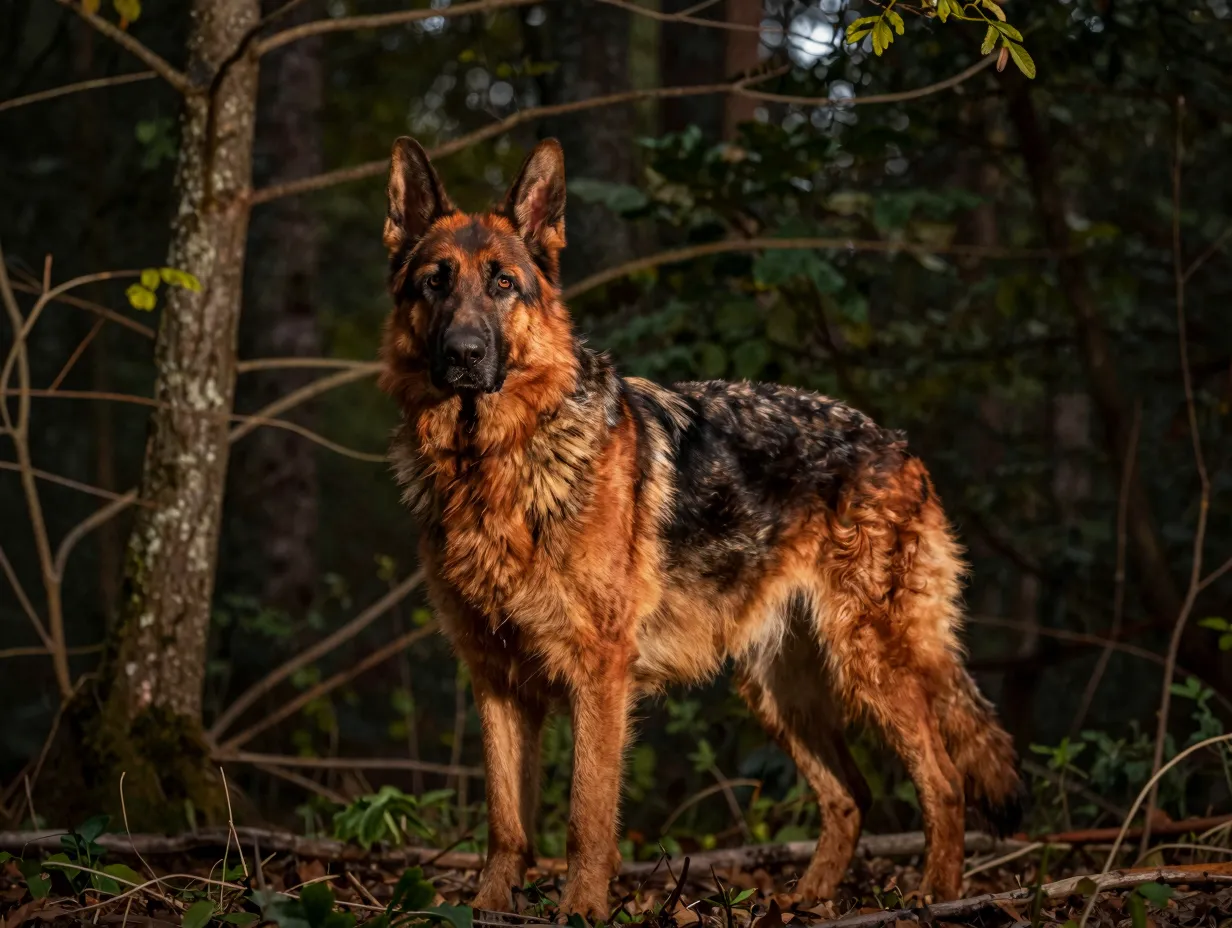
The final — and perhaps most poetic — of the 9 Striking Facts About the Rare German Shepherd Red Sable Coat is this: the coat is a living echo of the dog’s wolf ancestry.
The Agouti banding pattern that creates the red sable coat is the same basic mechanism found in wolves and many wild canids [2]. The multi-toned, banded hairs that give wolves their characteristic “grizzled” appearance are produced by the same Agouti signaling protein that gives red sable German Shepherds their stunning look.
This is why red sable German Shepherds often draw comments like:
- “That dog looks like a wolf!”
- “Is that a hybrid?”
- “I’ve never seen a German Shepherd that color before.”
The red sable coat is essentially a window into canine evolutionary history — a reminder that beneath the domesticated exterior of every German Shepherd lies a lineage stretching back tens of thousands of years. The fact that this coat pattern has persisted since the breed’s founding, and that it was present in the very first registered German Shepherd [1], makes it not just beautiful but historically profound.
How to Care for a Red Sable German Shepherd’s Coat
Owning one of these rare dogs comes with some coat-specific responsibilities. Here’s a practical care guide:
Grooming Frequency:
- Brush 2–3 times per week minimum; daily during shedding seasons (spring and fall)
- Use a slicker brush for surface grooming and an undercoat rake for deep deshedding
Bathing:
- Bathe every 6–8 weeks or as needed
- Use a color-enhancing or natural ingredient shampoo to keep the red tones vibrant
- Avoid over-bathing, which strips natural oils and dulls the coat
Nutrition for Coat Health:
- Feed a high-quality diet rich in omega-3 and omega-6 fatty acids
- Consider a fish oil supplement to support coat shine and skin health
- Ensure adequate biotin and zinc intake through diet or supplementation
What to Avoid:
- ❌ Shaving the coat (destroys the double coat structure and can cause permanent damage)
- ❌ Harsh chemical grooming products
- ❌ Infrequent brushing (leads to matting, especially behind the ears and on the hindquarters)
Frequently Asked Questions
Q: Are red sable German Shepherds more aggressive than other colors?
A: No. Coat color has no connection to temperament. Behavior is shaped by genetics (from both parents), socialization, and training — not coat color [3].
Q: Can two non-sable German Shepherds produce a red sable puppy?
A: Yes, if both parents carry a recessive sable allele. However, this is uncommon. Sable-to-sable pairings are the most reliable way to produce sable offspring.
Q: Do red sable German Shepherds fade in color as they age?
A: Some lightening can occur, especially around the face in senior dogs. However, the core red and mahogany tones typically remain rich throughout adulthood.
Q: Is red sable the same as “liver” or “blue” German Shepherd?
A: No. Liver and blue are dilute colors caused by entirely different genes. Red sable is a sable pattern with a red/mahogany base — a completely separate genetic expression.
Conclusion: Is a Red Sable German Shepherd Right for You?
The 9 Striking Facts About the Rare German Shepherd Red Sable Coat paint a clear picture: this is a dog that combines historical significance, genetic uniqueness, visual drama, and — most importantly — the same outstanding temperament and working ability that has made the German Shepherd one of the world’s most beloved breeds.
If you’re considering adding a red sable German Shepherd to your family, here are your actionable next steps:
- Research reputable breeders through the German Shepherd Dog Club of America (GSDCA) or equivalent national breed clubs in your country.
- Request full health documentation — OFA hip and elbow certifications, DM genetic testing, and eye clearances.
- Visit in person before committing to a puppy. Meet the parents, assess the environment, and ask about the breeder’s selection criteria.
- Connect with red sable owner communities online — Facebook groups, breed forums, and Reddit communities (r/germanshepherds) are excellent resources for real-world owner experiences.
- Prepare your grooming toolkit before the puppy arrives — slicker brush, undercoat rake, and a quality deshedding shampoo.
A red sable German Shepherd is more than a beautiful dog. It is a living connection to the breed’s origins, a genetic marvel, and — for the right owner — an extraordinary companion. The rarity of the coat is simply the beginning of the story.
References
[1] Watch – https://www.youtube.com/watch?v=okcYhHbnUn8
[2] Types Of German Shepherds – https://wustenbergerland.com/types-of-german-shepherds/
[3] Watch – https://www.youtube.com/watch?v=pdudU7mTO1s