9 Reasons Why the Turkish Van Cat Breed Makes the Perfect Pet
Only about 100 Turkish Van kittens are registered in the United States each year — making this ancient, water-loving breed one of the rarest and most underrated cats you can own. Yet the owners who do share their homes with a Turkish Van consistently describe the experience as unlike any other cat they’ve ever had. If you’ve been searching for a feline companion that breaks every tired stereotype about cats being aloof, low-energy, or untrainable, the 9 reasons why the Turkish Van cat breed makes the perfect pet may genuinely surprise you.
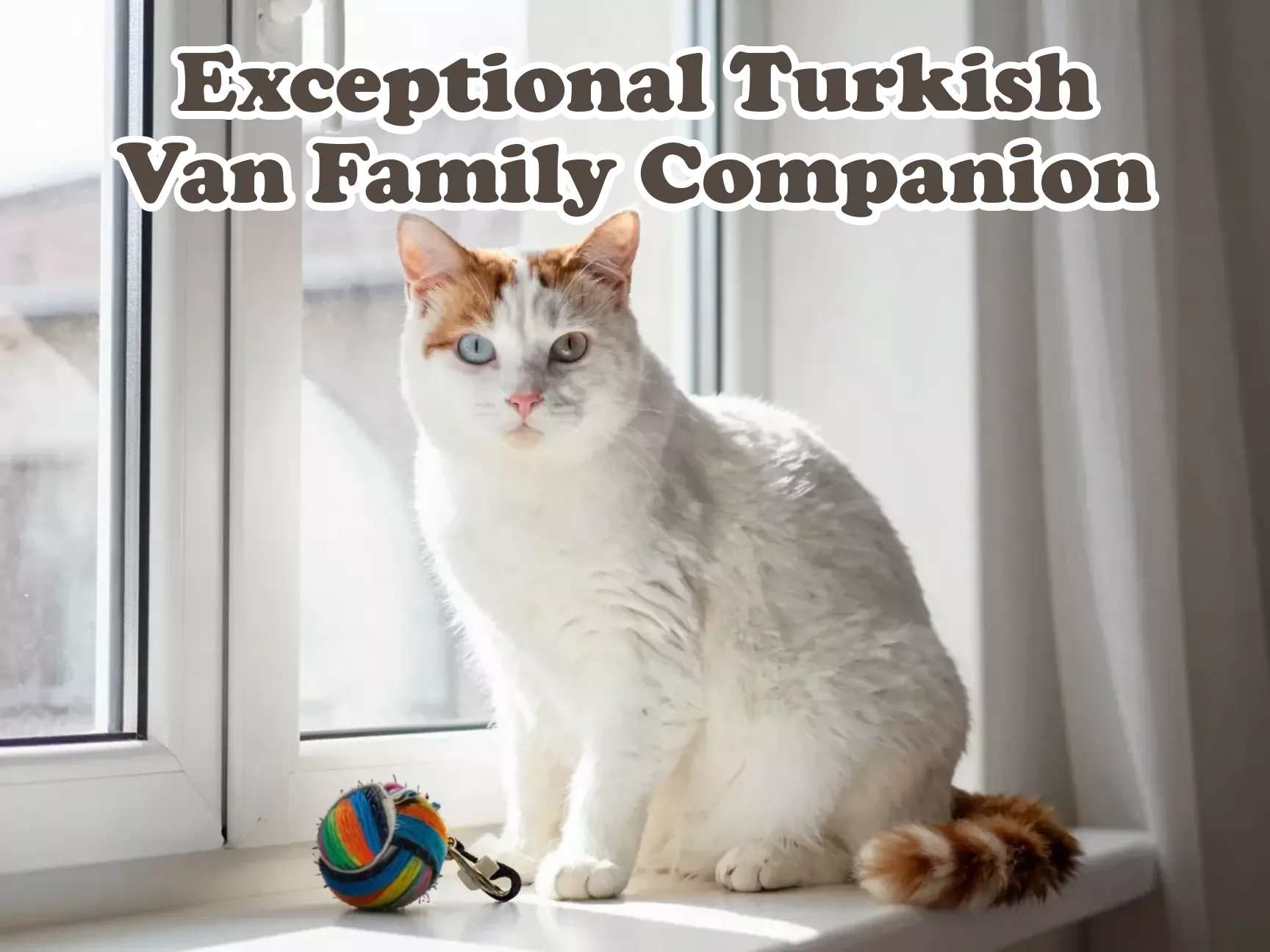
From their remarkable dog-like personality to their cashmere-soft, nearly self-cleaning coat, Turkish Vans offer a combination of traits that’s hard to find in any other breed. In this guide, I’ll walk you through exactly why this ancient breed deserves far more attention than it gets.
Key Takeaways 📌
- Turkish Vans are one of the most trainable cat breeds, capable of learning fetch, leash walking, and recall commands.
- Their natural breed status means fewer hereditary health problems and a long lifespan of 12–17 years.
- Their single-layer, waterproof coat is surprisingly low-maintenance despite its luxurious appearance.
- They form deep family bonds and show genuine patience with children and other pets.
- Their intelligence and playfulness make them ideal for active households that want an engaging, interactive companion.
What Makes the Turkish Van So Special?
Before diving into the full list, it helps to understand where this breed comes from. The Turkish Van is a natural breed that originated in the rugged Lake Van region of eastern Turkey. Unlike many modern cat breeds that were engineered through selective breeding programs, the Turkish Van developed through centuries of natural selection in a challenging environment [4]. That origin story matters — and it shapes nearly every trait on this list.
The breed is recognized by both TICA and the Cat Fanciers’ Association (CFA), and it carries a legendary nickname: “The Swimming Cat” [1]. That alone should tell you this is not your average feline.
9 Reasons Why the Turkish Van Cat Breed Makes the Perfect Pet
Let’s get into the full breakdown. Each of these reasons is backed by breed experts, veterinarians, and the organizations that have studied this remarkable cat for decades.
1. They Have a Dog-Like Personality That Redefines What a Cat Can Be
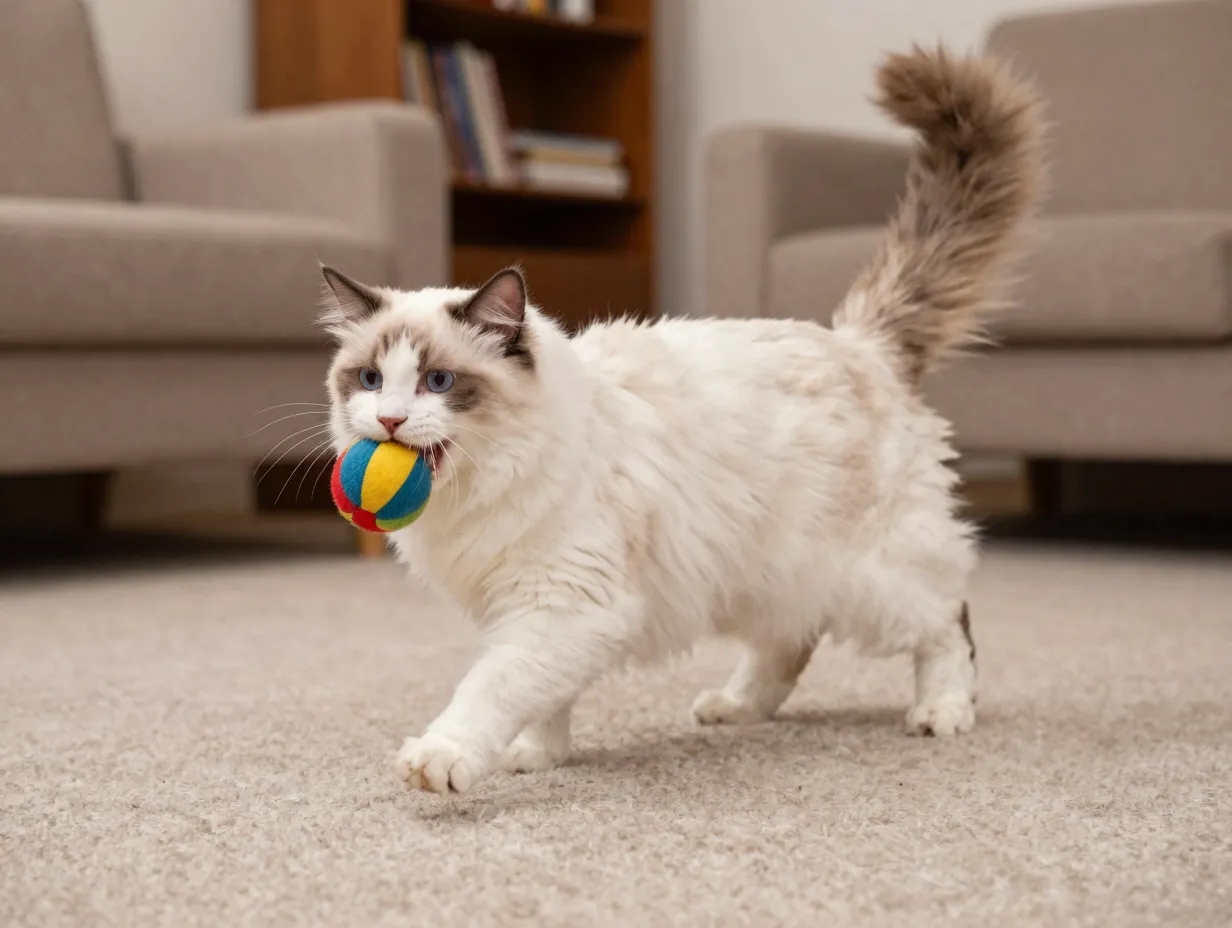
Most people expect cats to be independent to the point of indifference. Turkish Vans shatter that expectation completely. These cats are widely recognized as one of the most dog-like cat breeds available, and that’s not just marketing language — it’s a behavioral reality [6].
Turkish Vans can be trained to:
- Come when called (recall training)
- Fetch toys and bring them back on command
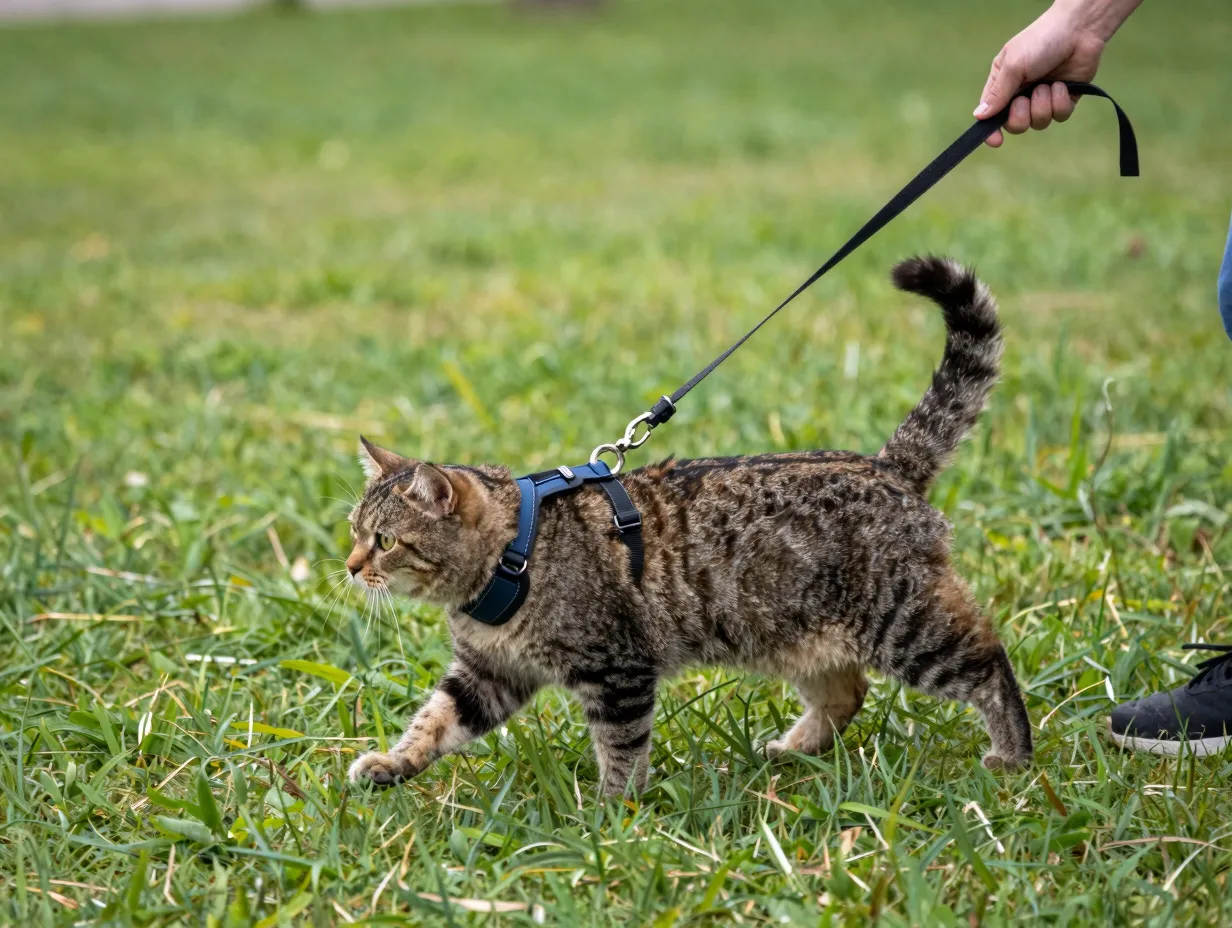
- Walk on a leash for outdoor adventures
- Play interactive games that require focus and responsiveness
This level of trainability means your Turkish Van will actually engage with you, not just tolerate your presence. For anyone who has always wanted a cat but envied dog owners for having a more interactive companion, this breed bridges that gap beautifully [6].
💬 “The Turkish Van doesn’t just live in your home — it participates in it.”
2. Their Waterproof Coat Is Surprisingly Low-Maintenance
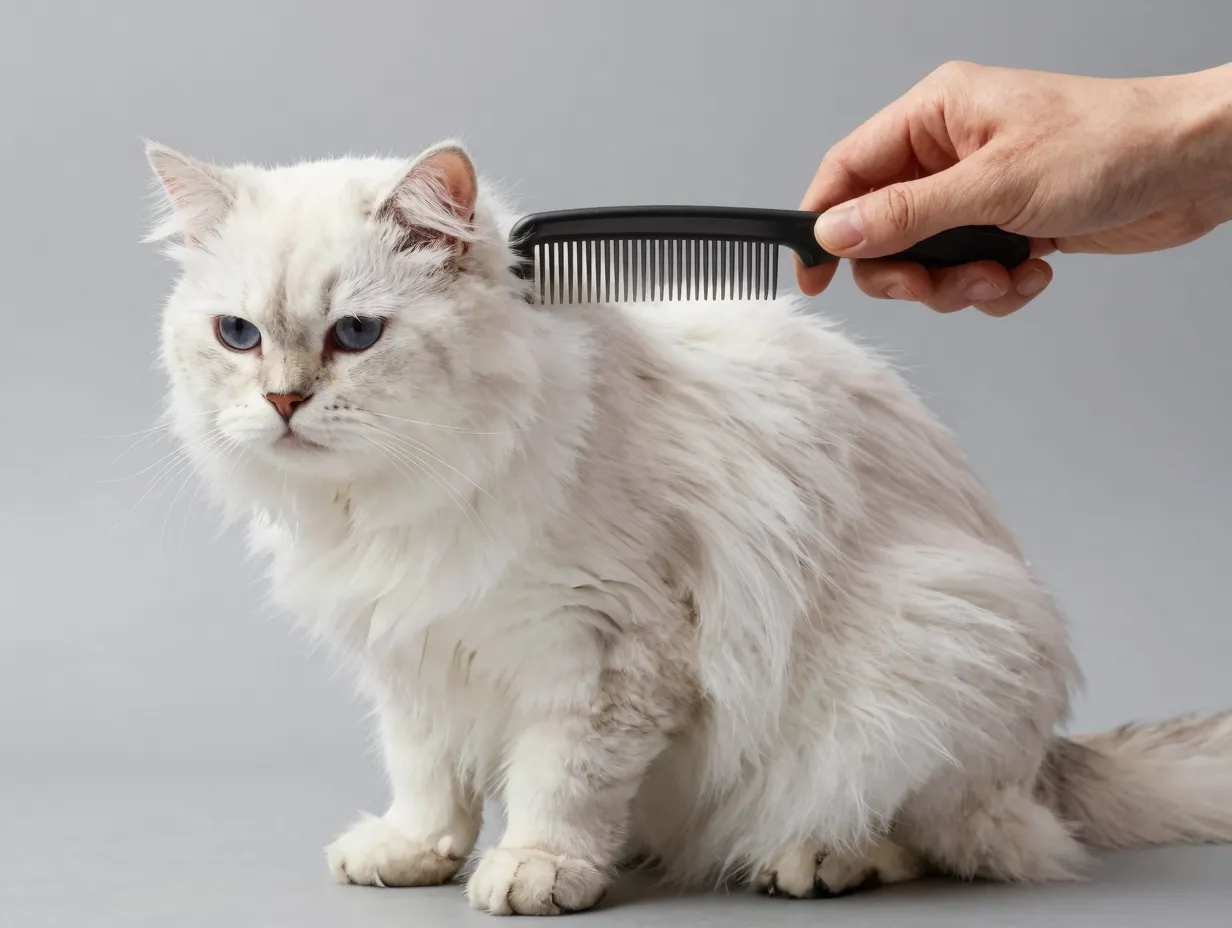
At first glance, a semi-longhaired cat might seem like a grooming nightmare. The Turkish Van proves that assumption wrong. Their coat has a unique cashmere-like texture with a single layer — meaning no dense undercoat to trap mats and tangles [4].
This coat is also naturally water-resistant, which ties directly into the breed’s famous love of water. Dirt and moisture simply don’t cling to it the way they do with other longhaired breeds.
Grooming requirements at a glance:
| Task | Frequency |
|---|---|
| Combing/brushing | Once per week |
| Bathing | Rarely needed |
| Nail trimming | Every 2–3 weeks |
| Ear cleaning | Monthly check |
Weekly combing is typically all you need to keep a Turkish Van looking immaculate [4]. For busy owners who love the look of a longhaired cat but dread the upkeep, this breed is genuinely ideal.
3. They Are One of the Healthiest Cat Breeds You Can Own
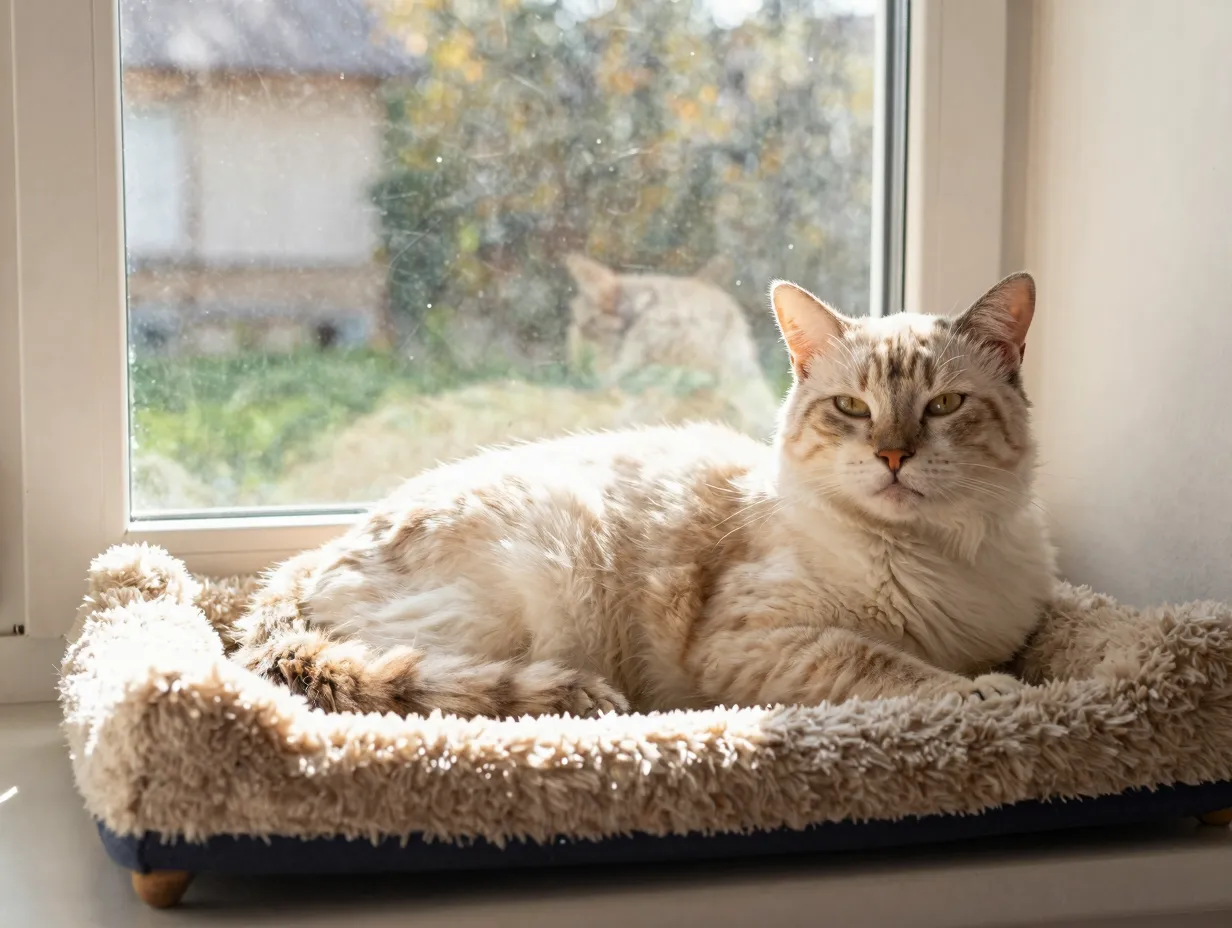
One of the most compelling reasons to choose a Turkish Van is their robust health profile. Because they developed through natural selection rather than intensive human-directed breeding, they carry fewer of the hereditary conditions that plague many purpose-bred cat breeds [7].
Key health advantages include:
- No specific genetic problems are currently known to affect the breed [1]
- White-coated, blue-eyed Turkish Vans are typically not prone to hereditary deafness, unlike some other white-coated breeds [7]
- Their natural origins mean a broader genetic base and stronger overall constitution
This doesn’t mean Turkish Vans are invincible — regular vet checkups, vaccinations, and dental care are still essential. But starting with a breed that has fewer built-in vulnerabilities gives both you and your cat a significant advantage.
4. They Live Remarkably Long Lives
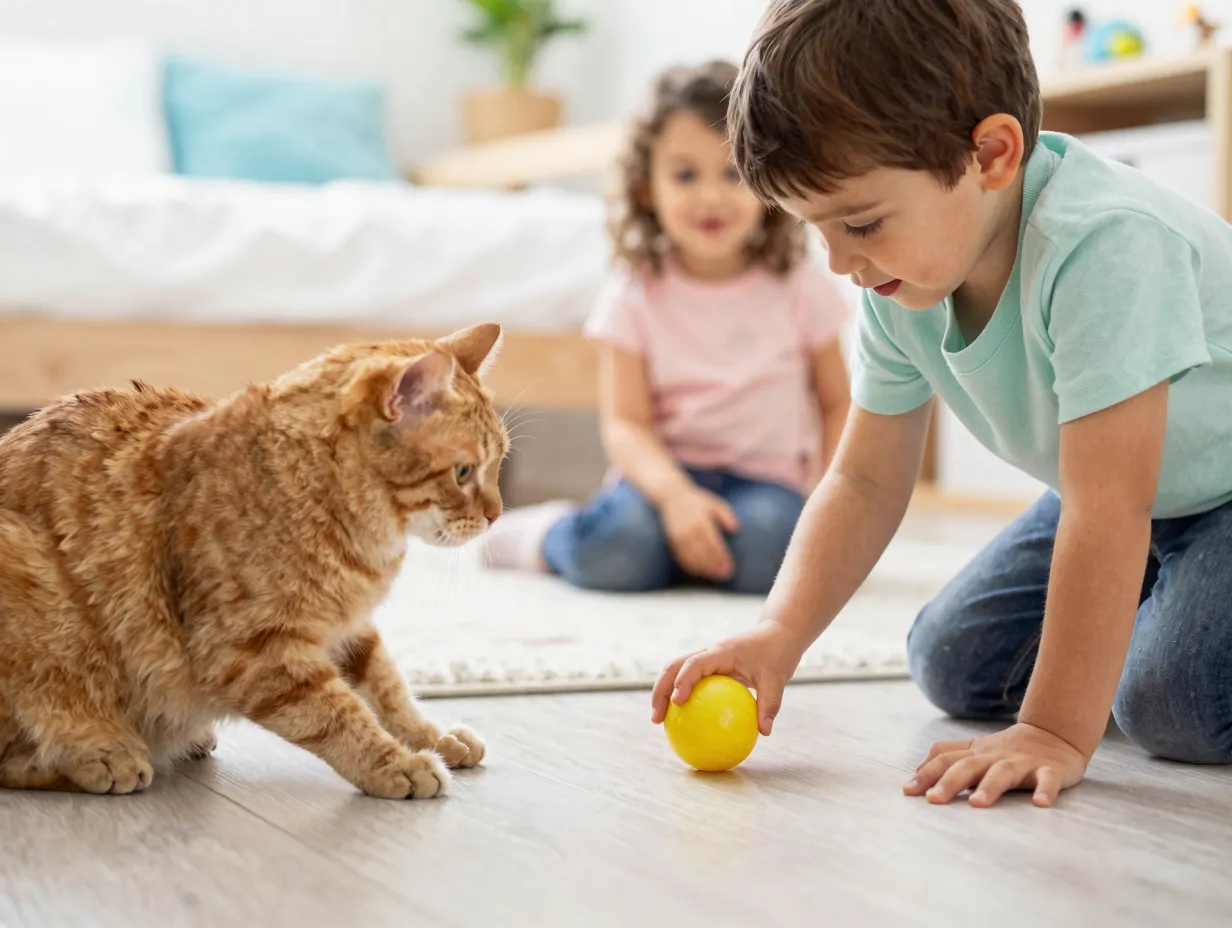
When you bring a pet into your family, you’re making an emotional investment. The longer that relationship can last, the more meaningful it becomes. Turkish Vans typically live 12 to 17 years with proper care — and some individuals live even longer [2].
That’s a substantial lifespan compared to many other breeds, and it reflects their overall hardiness as a natural breed. A 17-year relationship with a cat is genuinely life-changing. You’ll watch children grow up alongside your Van, move homes together, and build years of shared memories.
💬 “Choosing a Turkish Van isn’t just adopting a pet — it’s making a 15-year commitment to one of the most engaging companions in the cat world.”
To maximize that lifespan, focus on:
- High-quality nutrition tailored to their life stage
- Regular veterinary care including annual wellness exams
- Mental and physical enrichment to prevent boredom-related stress
- Dental hygiene starting from kittenhood
5. They Have Lower Allergen Potential Than Many Other Breeds
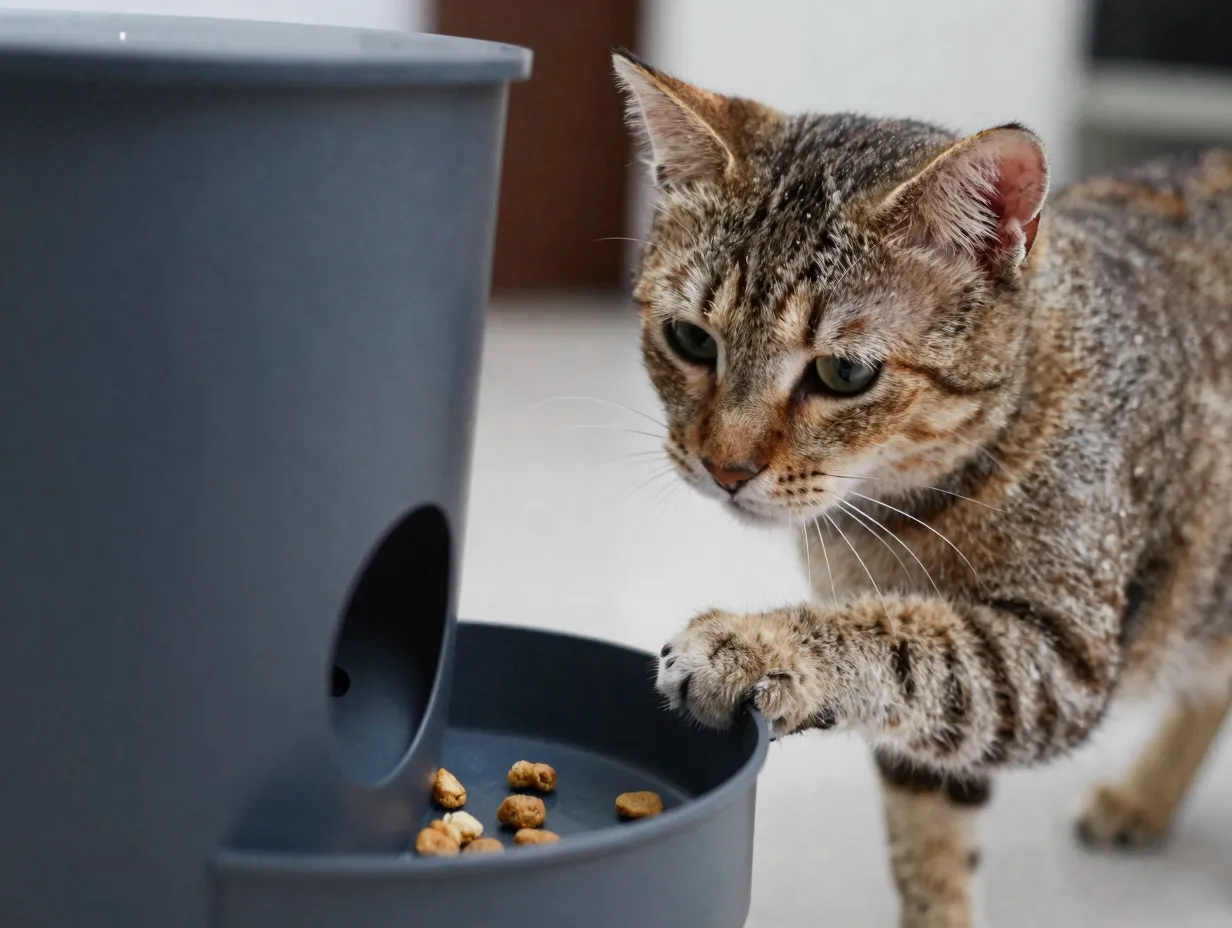
Cat allergies affect roughly 10–20% of the global population, and they’re one of the most common reasons people avoid owning cats despite genuinely wanting one. While no cat is truly hypoallergenic, Turkish Vans have characteristics that make them a better option for allergy-prone households [2].
Their single-layer coat produces less overall shedding than double-coated breeds, and their natural affinity for water play means they’re often cleaner than the average cat. Less dander accumulation on the coat translates to lower allergen exposure in the home [2].
Important note: If you have severe cat allergies, always spend time with a specific cat before committing to adoption, regardless of breed. But for those with mild sensitivities, a Turkish Van may be a genuinely viable option where other breeds have failed.
6. They Form Deep, Loyal Bonds With Their Families
Turkish Vans are not casual companions. They choose their people and they commit. This breed is known for forming strong, lasting bonds with family members, showing genuine affection and loyalty that goes well beyond the typical cat-human dynamic [5].
What does that bond look like in practice?
- Following family members from room to room
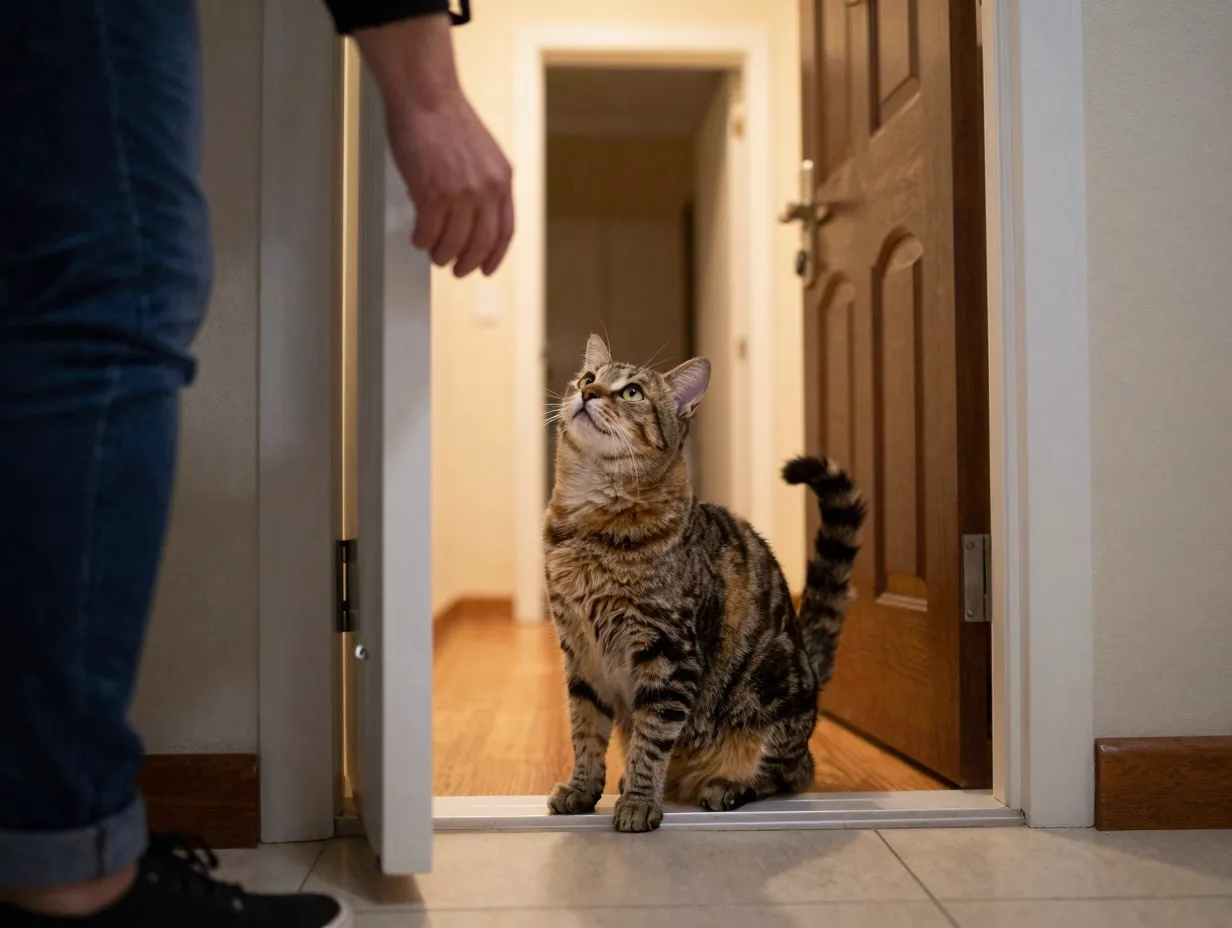
- Greeting owners at the door (very dog-like behavior)
- Seeking out specific family members for comfort during stressful situations
- Showing visible distress if left alone for extended periods
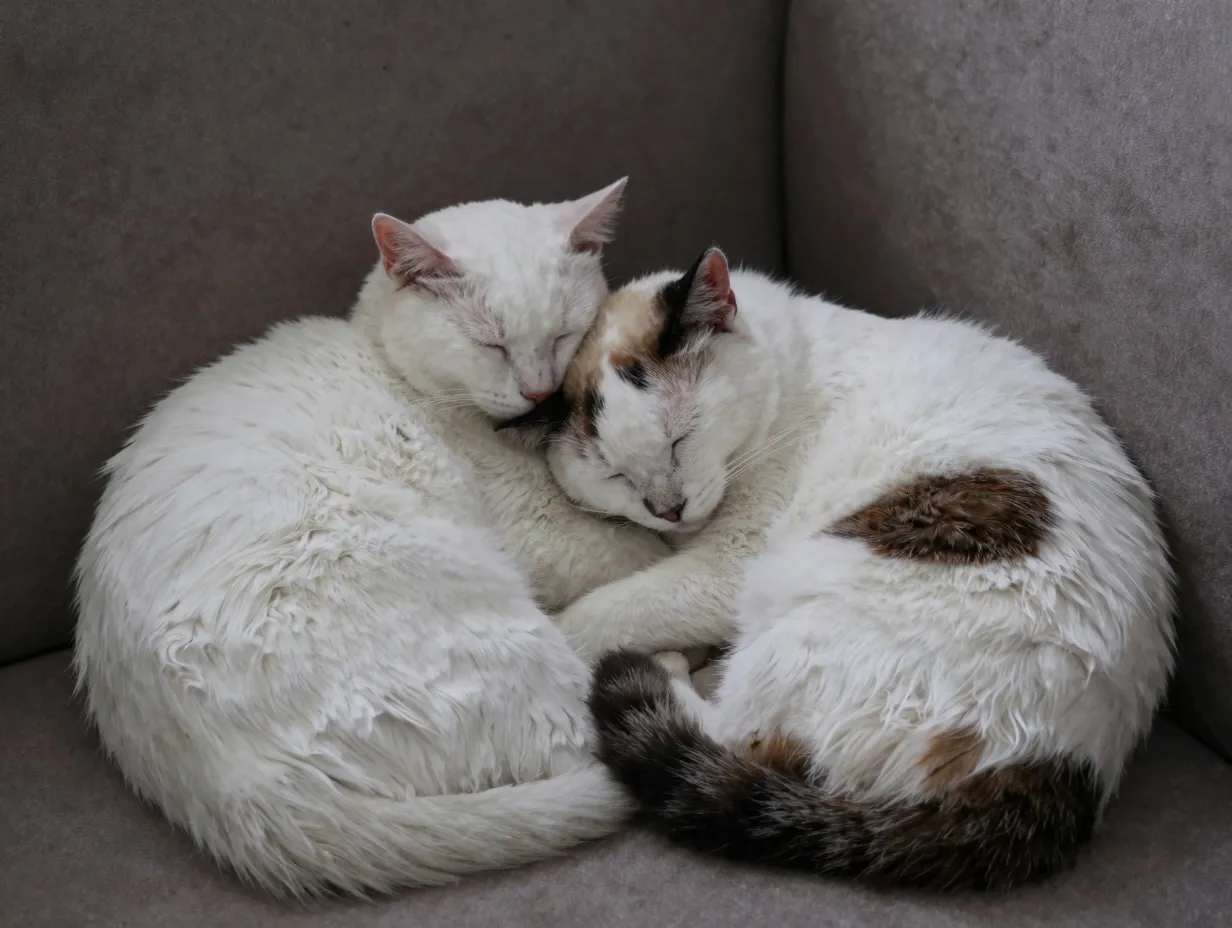
That last point is worth noting. Turkish Vans thrive on companionship. If your household is frequently empty for long stretches, consider adopting two cats so they can keep each other company [8].
Their loyalty also means they tend to be selective about strangers — they may take time to warm up to new people, but once they do, that relationship is genuine and lasting [5].
7. They Are Exceptionally Patient and Gentle With Children
Finding a cat breed that genuinely tolerates — and even enjoys — the unpredictable energy of young children is harder than it sounds. Turkish Vans are one of the standout breeds in this regard. They are known for their patience with children and their ability to engage in active play without becoming overstimulated or aggressive [5].
This makes them particularly well-suited for:
- 🏠 Families with toddlers who are learning how to interact with animals
- 🧒 Households with school-age children who want an active play partner
- 👨👩👧👦 Multi-generational homes where the cat needs to adapt to different energy levels
Of course, all interactions between young children and cats should be supervised, and children should always be taught to handle cats respectfully. But the Turkish Van’s natural temperament gives you a strong foundation to work from [5].
Their playful, energetic nature also means they can keep up with active kids — a fetch session with a Turkish Van can genuinely wear out a child before it wears out the cat.
8. Their Intelligence Makes Every Day Interesting
Turkish Vans are highly intelligent cats with a mischievous streak that keeps life entertaining [4]. This isn’t the kind of intelligence that just means they can find their food bowl — it’s the kind that means they’ll figure out how to open cabinet doors, solve puzzle feeders, and invent their own games when they’re bored.
That intelligence is a double-edged sword, of course. A bored Turkish Van is a creative Turkish Van, and their creativity doesn’t always align with your furniture preferences. The solution is straightforward: provide consistent mental enrichment.
Enrichment ideas that work well for Turkish Vans:
- Puzzle feeders and treat-dispensing toys
- Rotating toy selection to prevent boredom
- Clicker training sessions (they respond exceptionally well)
- Window perches with bird feeders outside for visual stimulation
- Interactive wand toys for daily play sessions
- Leash training for outdoor exploration
The payoff for meeting their intellectual needs is enormous. A mentally stimulated Turkish Van is a calm, affectionate, well-behaved companion. Their curiosity and problem-solving ability also make training sessions genuinely fun — you’ll find yourself impressed on a regular basis [4].
9. They Thrive in Active Households and Love Water Play
The final reason on this list is perhaps the most unique: Turkish Vans genuinely love water. This isn’t just a quirky anecdote — it’s a defining breed characteristic that has earned them their “Swimming Cat” nickname [1][3].
Many Turkish Van owners report their cats:
- Splashing in water bowls and tipping them over deliberately
- Joining them in the shower or bath
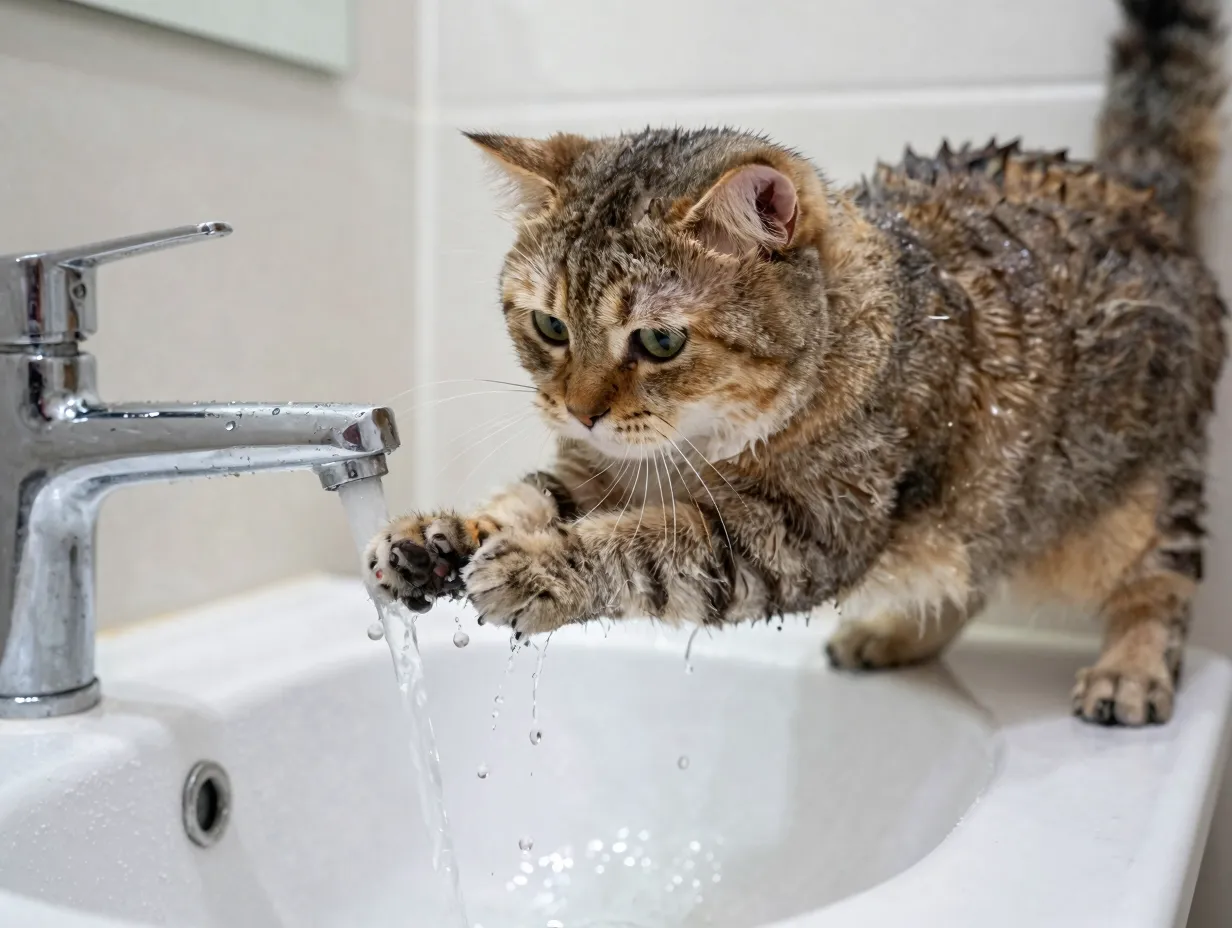
- Playing with running tap water
- Swimming in shallow water when given the opportunity
This love of water, combined with their high energy and playful nature, makes them perfectly suited for active households [3]. They don’t want to sit on a shelf and be admired — they want to participate in family life, play hard, and explore their environment.
Is a Turkish Van right for your lifestyle?
| Household Type | Turkish Van Compatibility |
|---|---|
| Active families with children | ⭐⭐⭐⭐⭐ Excellent |
| Singles/couples with time to engage | ⭐⭐⭐⭐⭐ Excellent |
| Multi-pet households | ⭐⭐⭐⭐ Very Good |
| Quiet households, minimal interaction | ⭐⭐ Not Ideal |
| Frequently empty homes | ⭐⭐ Not Ideal |
If you can provide daily interactive play, mental stimulation, and genuine companionship, the Turkish Van will reward you with a level of engagement and personality that most cat owners never experience [3][6].
A Quick Overview: Turkish Van at a Glance
| Characteristic | Details |
|---|---|
| Origin | Lake Van region, Turkey |
| Coat type | Semi-longhaired, single layer, cashmere-like |
| Lifespan | 12–17 years |
| Temperament | Energetic, intelligent, affectionate, playful |
| Grooming needs | Low — weekly brushing |
| Best for | Active families, interactive owners |
| Known health issues | None breed-specific identified |
| Trainability | Very high — fetch, leash, recall |
Frequently Asked Questions
Are Turkish Van cats good for first-time cat owners?
Yes, with one caveat: they need more engagement than a typical cat. First-time owners who are prepared to invest time in play and training will find them deeply rewarding [6].
Do Turkish Van cats get along with dogs?
Often yes. Their dog-like temperament means they tend to adapt well to canine companions, especially when introductions are handled carefully [8].
Are Turkish Vans rare?
Very. They are one of the rarest cat breeds in North America. Finding a reputable breeder may take time and patience [1].
Do they really swim?
Many do. Their water-resistant coat and natural curiosity about water make swimming a genuine behavior for some individuals, not just a legend [3].
Conclusion: Is the Turkish Van the Right Cat for You?
The 9 reasons why the Turkish Van cat breed makes the perfect pet add up to something genuinely compelling: a healthy, long-lived, trainable, family-friendly companion with a personality that challenges everything you think you know about cats. From their low-maintenance waterproof coat to their remarkable intelligence and loyalty, Turkish Vans offer a combination of traits that is simply hard to find anywhere else in the feline world.
Here are your actionable next steps if you’re serious about bringing a Turkish Van home:
- Research reputable breeders registered with TICA or CFA — avoid pet stores and unverified online sellers.
- Prepare your home with puzzle toys, climbing structures, and water-friendly play areas before your cat arrives.
- Plan for daily engagement — schedule at least two 15-minute interactive play sessions per day.
- Connect with Turkish Van owner communities online to get real-world advice from experienced owners.
- Schedule a vet visit within the first week of bringing your cat home to establish a baseline health profile.
The Turkish Van is not a cat for everyone — but for the right owner or family, it may be the most rewarding pet you ever have. 🐾
References
[1] Turkish Van – https://cfa.org/breed/turkish-van/
[2] Turkish Van Cat Breed 2025 The Energetic Water Loving Vet Approved Companion – https://askavet.com/blogs/news/turkish-van-cat-breed-2025-the-energetic-water-loving-vet-approved-companion-%F0%9F%90%BE%F0%9F%8C%8A
[3] Turkish Van – https://www.purina.com/cats/cat-breeds/turkish-van
[4] Turkish Van – https://tica.org/breed/turkish-van/
[5] Turkish Van Cat Breed – https://www.petsafe.com/blog/turkish-van-cat-breed/
[6] Turkish Van – https://bestforpet.co.nz/pet-advice/turkish-van/
[7] Turkish Van – https://www.petmd.com/cat/breeds/turkish-van
[8] Turkish Van Cat Personality Traits – https://wopet.com/turkish-van-cat-personality-traits/