9 Irresistible Facts About the Classic Orange Tabby Cat
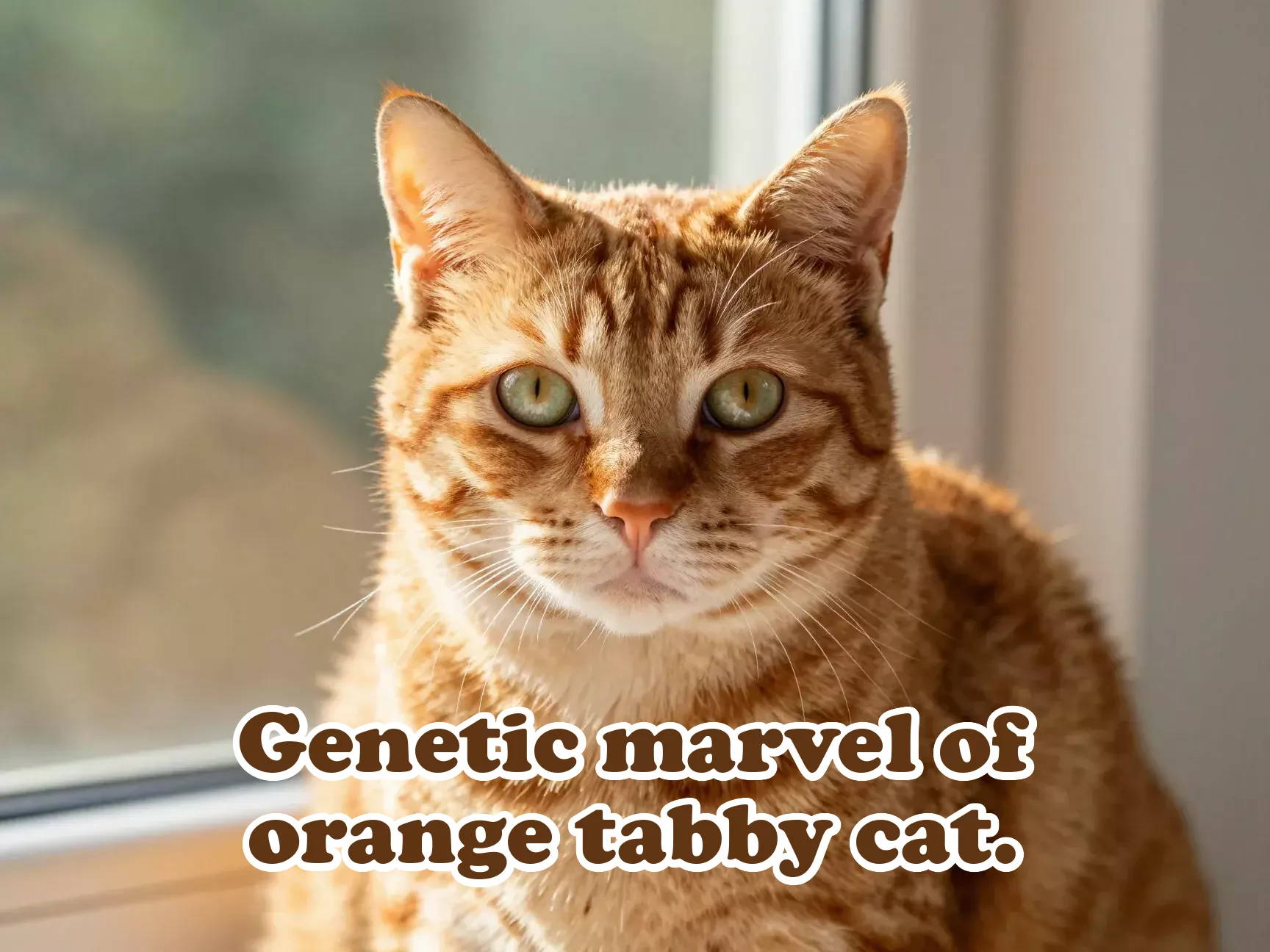
Roughly 80% of all orange tabby cats are male — a genetic quirk so striking that scientists use it as a textbook example of X-linked inheritance. That single statistic hints at just how fascinating these flame-coated felines really are. Whether you share your home with one or simply admire them from afar, the 9 irresistible facts about the classic orange tabby cat collected here will change the way you see every ginger cat you meet. From their marbled coat patterns to their oversized personalities, orange tabbies are genuinely one of the most scientifically interesting and emotionally rewarding cats a person can know. [1]
Key Takeaways 🐾
- Orange tabby is a color pattern, not a breed — it can appear in dozens of cat types.
- 80% of orange tabbies are male because of how the orange gene is carried on the X chromosome.
- Every orange cat has tabby markings — a solid orange cat is genetically impossible.
- Orange tabbies are known for big, affectionate personalities and a strong love of food.
- Indoor orange tabbies typically live 12–18 years, making them long-term companions.
1. “Orange Tabby” Is a Color Pattern, Not a Breed
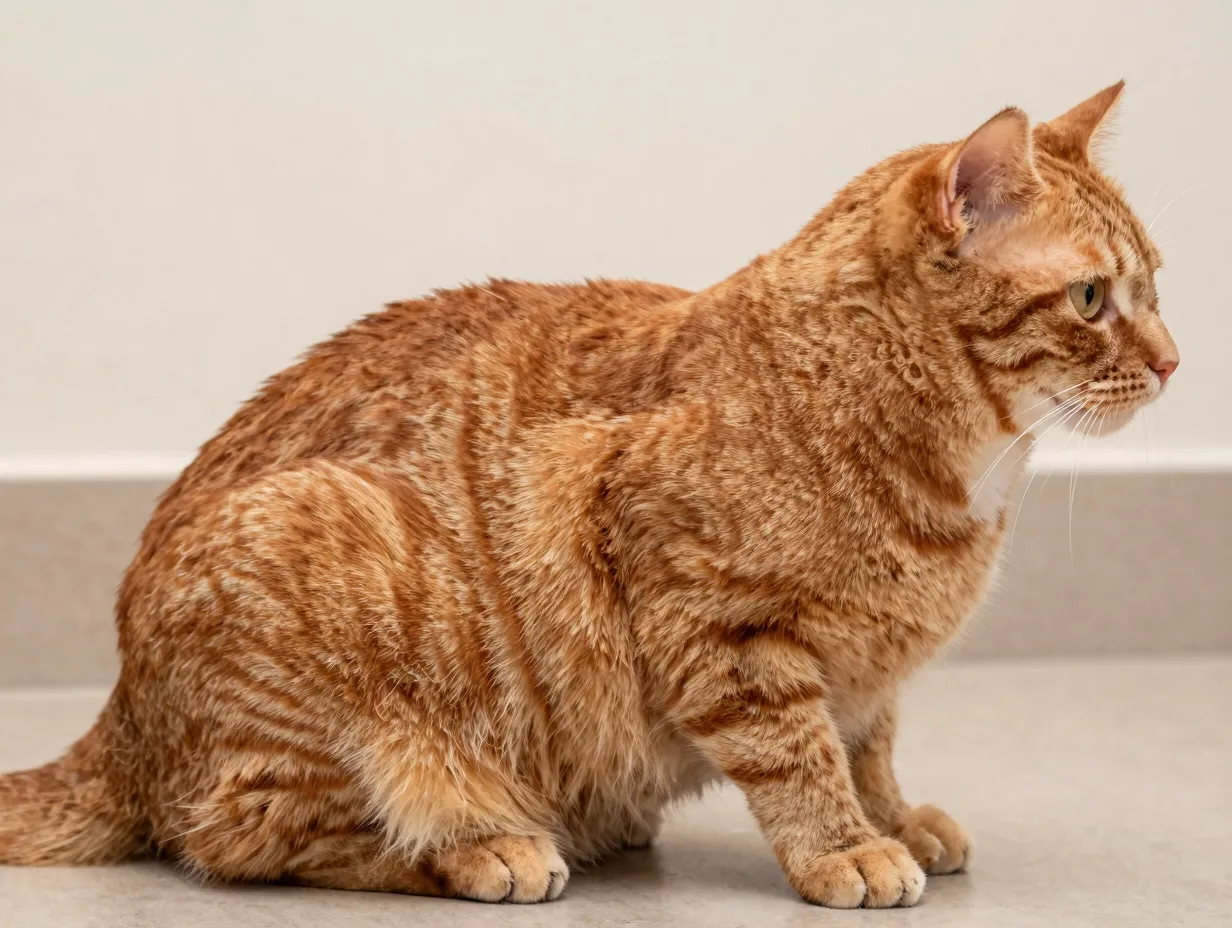
One of the most common misconceptions about these cats is that “orange tabby” refers to a specific breed. It does not. The orange coat and tabby pattern are the result of genetics, not pedigree. This means the classic orange tabby look can appear in domestic shorthairs, Maine Coons, Persians, and many other cat types. [4][5]
Think of it this way: calling a cat an “orange tabby” is like calling a person a “redhead.” It describes a physical trait, not a family line.
“Orange tabby” describes a coat color and pattern combination — not a registered breed or bloodline.”
This distinction matters for new cat owners. If you adopt an orange tabby from a shelter, you may be getting a mixed-breed domestic shorthair or a longhaired beauty — the orange coat tells you about genetics, not ancestry. [3]
2. The 80% Male Rule — It’s All in the X Chromosome
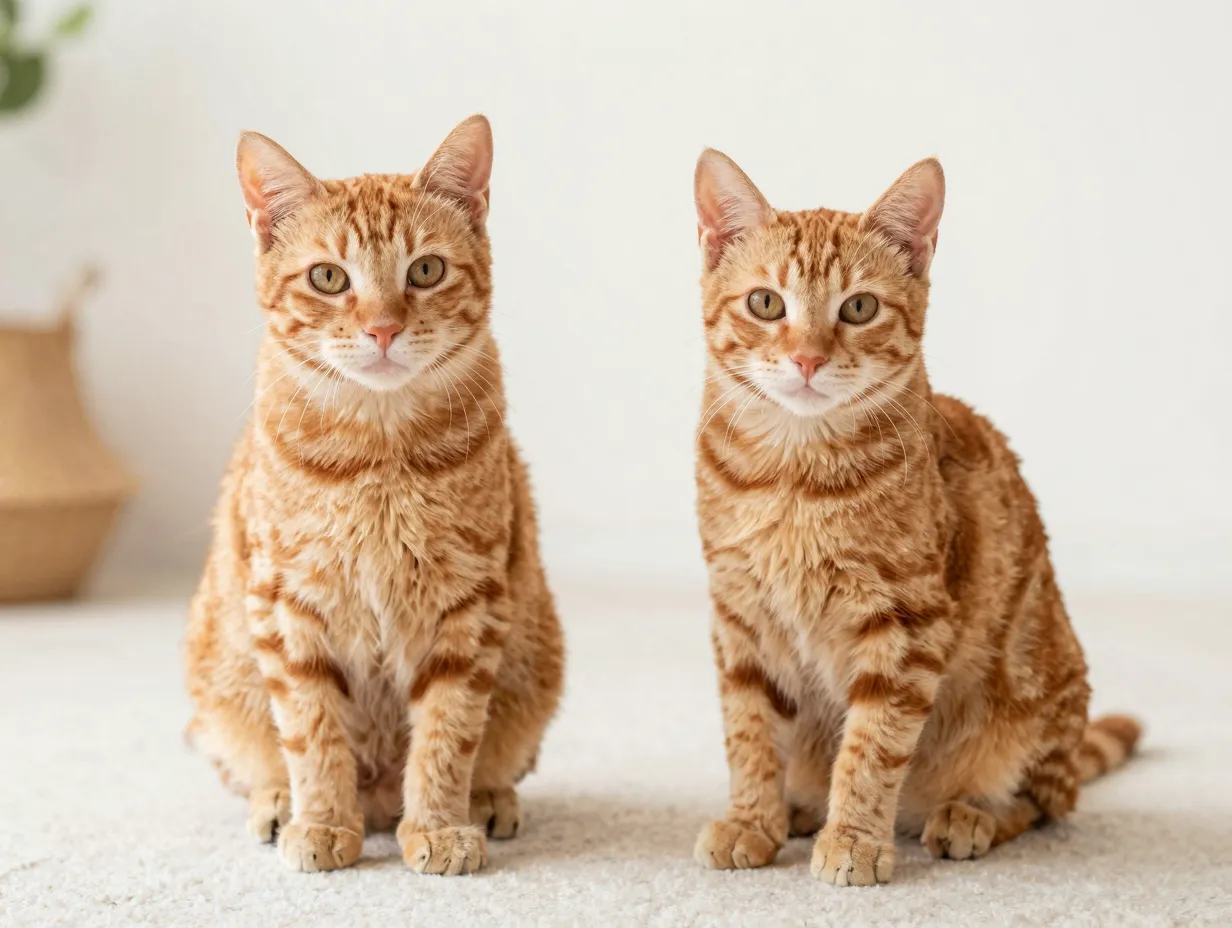
Here is where things get genuinely fascinating. The gene responsible for orange coloring — called the O gene — is carried on the X chromosome. Since male cats have one X and one Y chromosome (XY), they only need one copy of the O gene to display an orange coat. Female cats, however, have two X chromosomes (XX), which means they need two copies of the O gene — one from each parent — to be orange. [1]
| Sex | Chromosomes | Orange Gene Needed | Likelihood of Being Orange |
|---|---|---|---|
| Male | XY | 1 copy | Higher |
| Female | XX | 2 copies | Much lower |
This is why roughly 80% of orange tabbies are male [1]. Female orange tabbies exist, but they are statistically rare and require a specific genetic combination from both parents.
3. A Solid Orange Cat Is Genetically Impossible
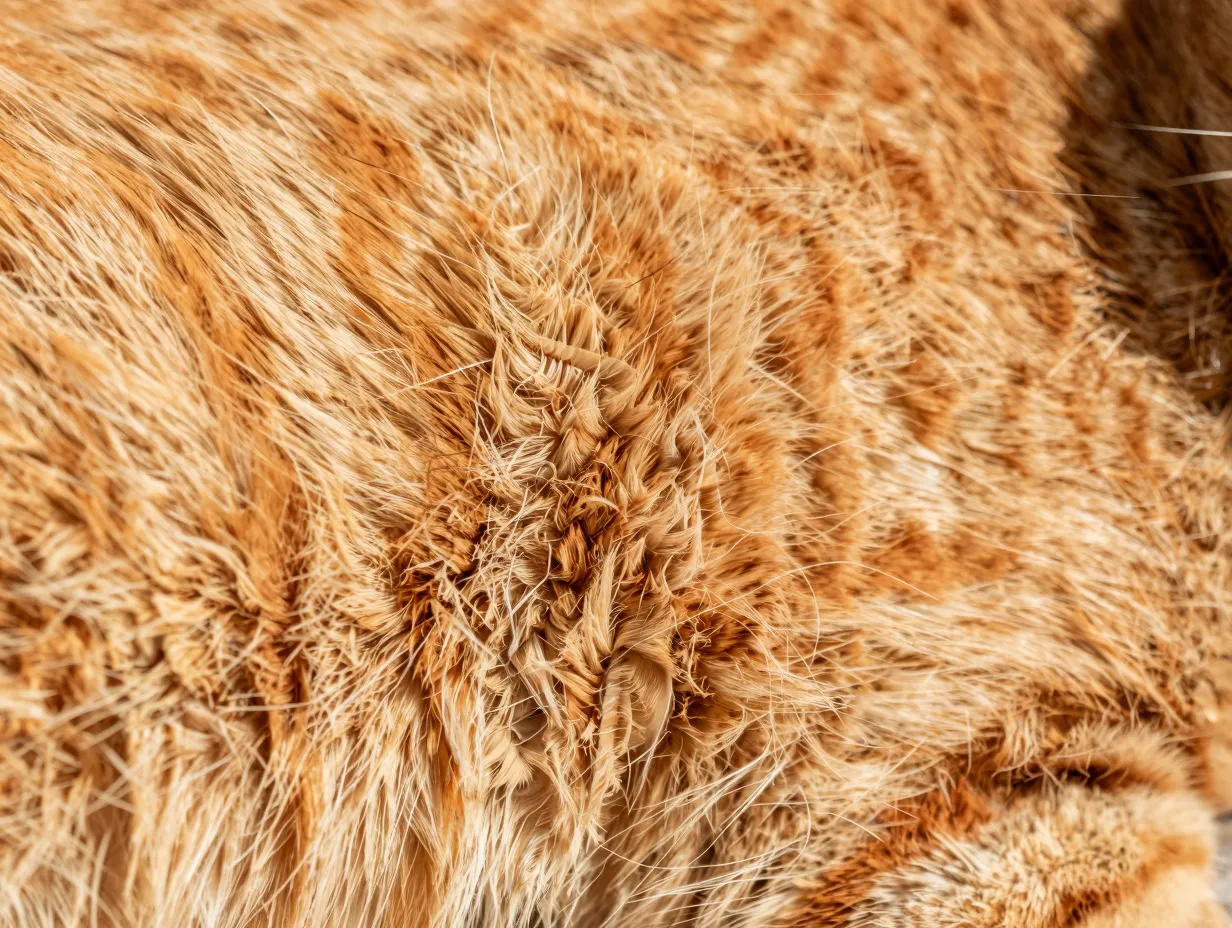
This is perhaps the most surprising entry in our 9 irresistible facts about the classic orange tabby cat: there has never been, and never will be, a truly solid orange cat. [4][3]
The O gene that produces orange coloring is biologically linked to tabby patterning. Even if a cat appears to be a uniform orange at first glance, a closer look — especially in bright light — will reveal faint tabby stripes or swirls somewhere on the coat. [4]
🔬 Why does this happen? The agouti signaling protein, which controls how pigment is distributed in each individual hair, is always active in orange cats. This creates banding on each hair shaft and produces visible tabby markings across the entire coat.
So the next time someone claims their cat is a “solid orange,” look closely — those ghost markings are there.
4. Classic Orange Tabbies Display Stunning Marbled Patterns
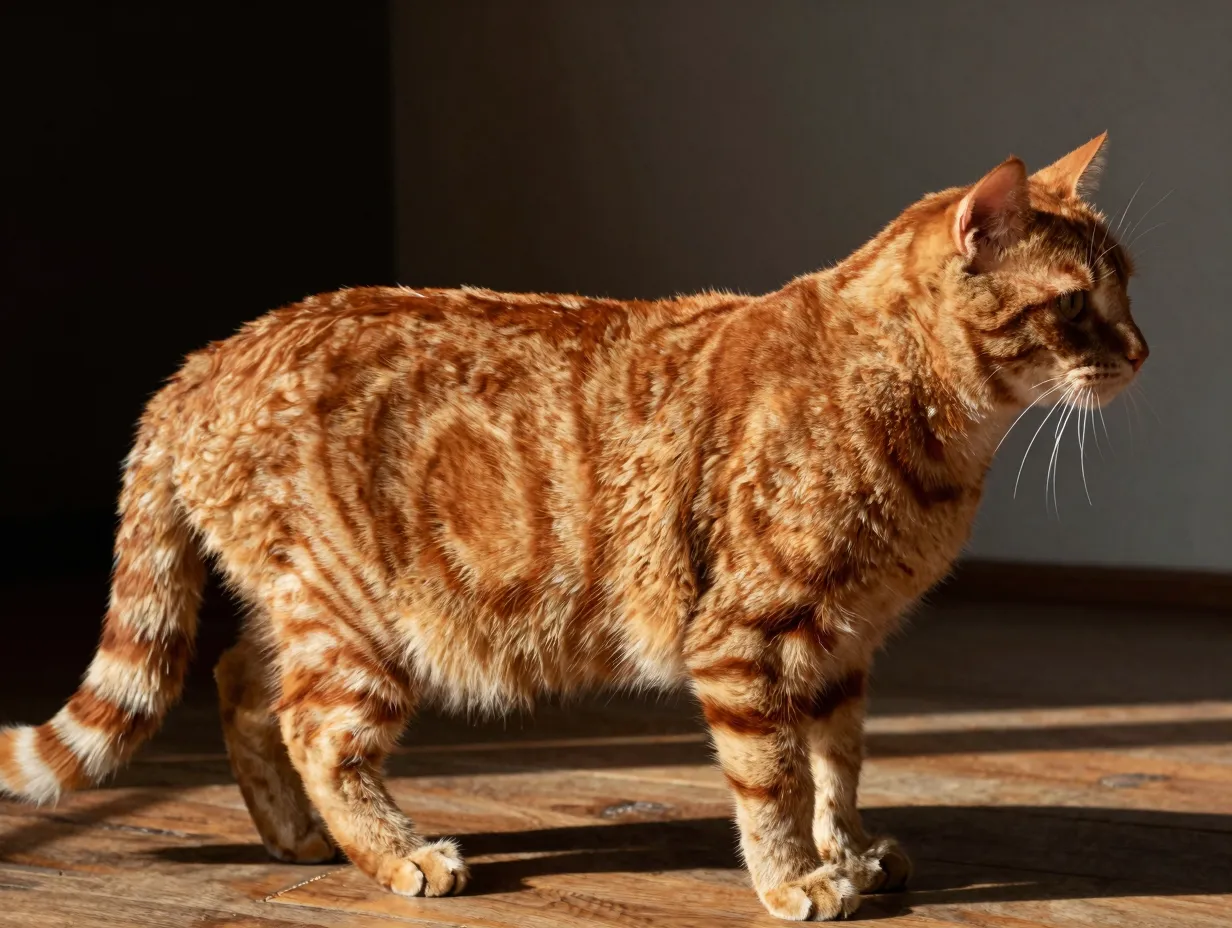
Not all tabby patterns are the same. Orange tabbies can display four main pattern types: mackerel (striped), spotted, ticked, and classic (marbled). The classic pattern is arguably the most visually dramatic of the four. [2]
Classic tabby markings include:
- Bold, swirling whorls along the sides of the body
- A distinctive bullseye or target pattern on each flank
- Dark and light orange bands that resemble cake marbling
- Strong striping on the legs and tail
The classic marbled pattern is one of the most common tabby variations and gives these cats an almost artistic, painted appearance. When sunlight hits a classic orange tabby’s coat, the contrast between the deep rust tones and lighter cream bands is genuinely breathtaking. [2]
5. Every Orange Tabby Wears an “M” on Its Forehead
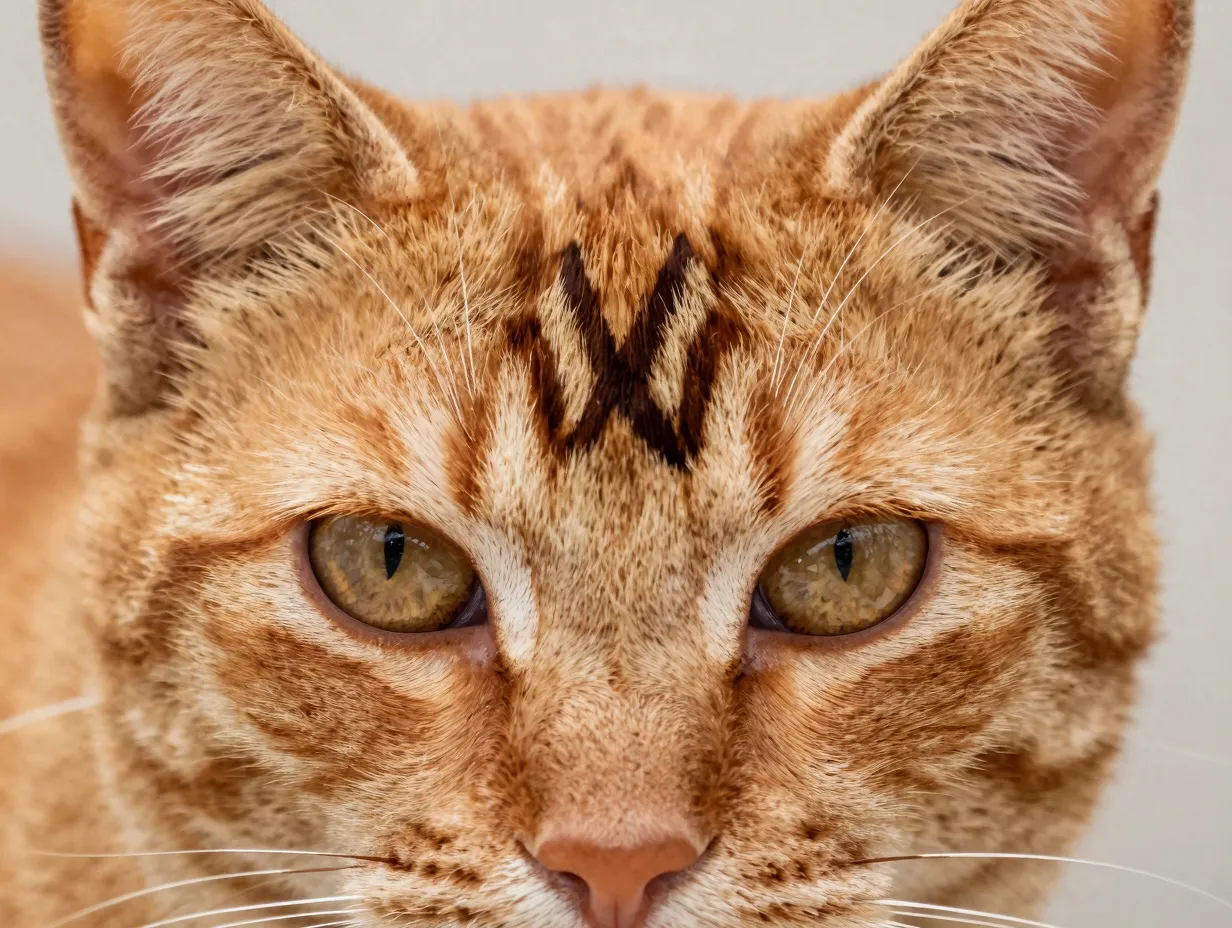
Look at almost any orange tabby and you will find a bold “M” marking sitting right between the eyes on the forehead. This is not a coincidence — it is a universal tabby trait. [5]
The M marking appears because of the same genetic mechanism that produces all tabby patterns. The dense pigmentation naturally forms this shape in the forehead fur of tabby cats across all colors, not just orange. However, it tends to be especially visible on orange tabbies because of the strong contrast between their darker and lighter fur tones. [5][6]
“Every orange tabby carries a natural ‘M’ on its forehead — a genetic signature shared by all tabby-patterned cats worldwide.”
There are several folk legends about what the M stands for — from the Virgin Mary to the prophet Muhammad — but the scientific explanation is simply genetics at work. [6]
6. Their Coat Colors Range From Pale Cream to Deep Red Mahogany
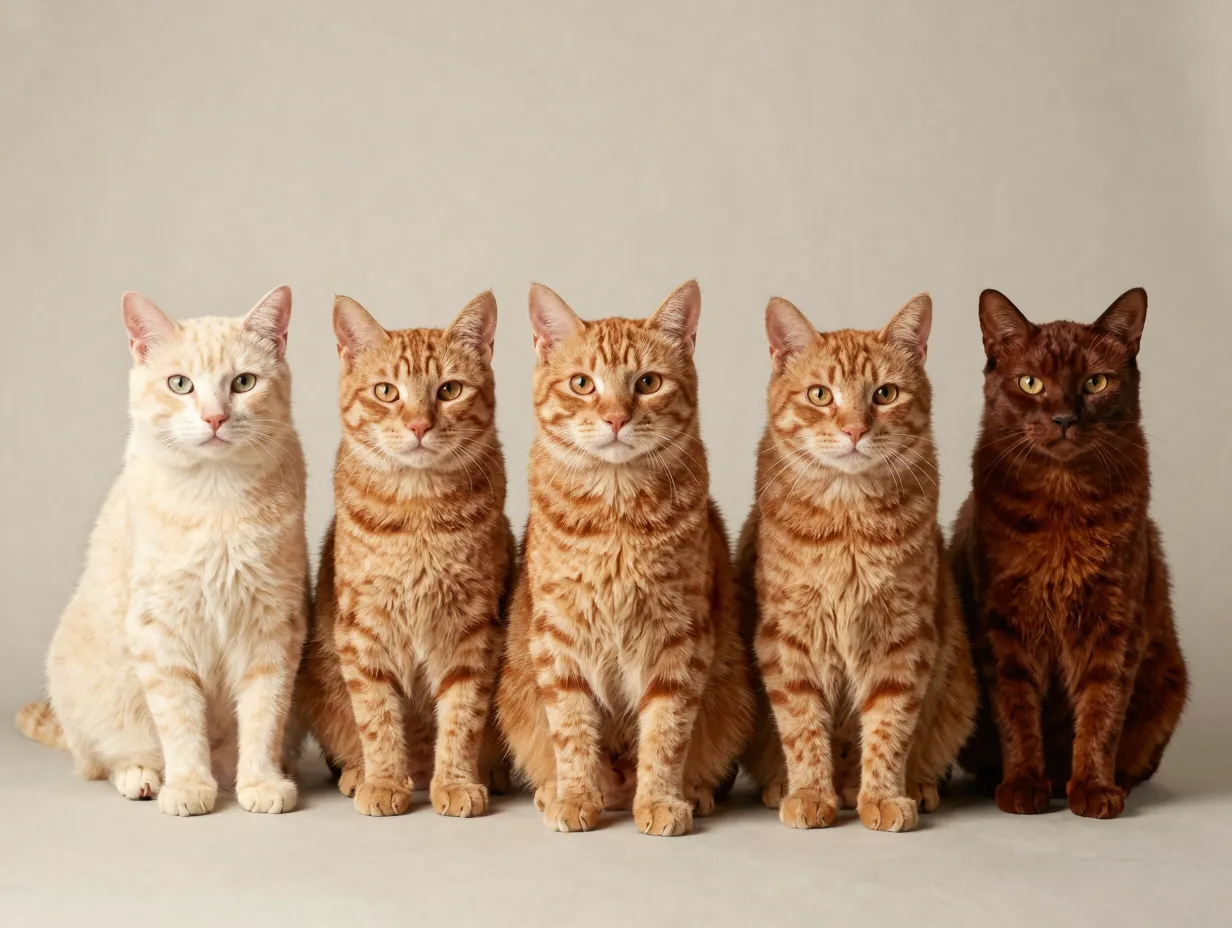
When most people think of an orange tabby, they picture a bright, pumpkin-orange cat. But the reality is far more varied. Orange tabby coats span a wide spectrum of warm hues, including: [1]
- Pale cream — almost white with faint orange undertones
- Golden yellow — a warm, honey-like tone
- Classic bright orange — the most recognizable shade
- Deep ginger — rich and saturated
- Red mahogany — a dark, almost reddish-brown coat
These variations are influenced by the concentration of pheomelanin, the pigment responsible for red and yellow tones in mammals. The more pheomelanin present, the deeper and richer the coat color. [1]
This color range means two orange tabbies can look surprisingly different from each other while sharing the exact same genetic blueprint.
7. Orange Tabbies Are Usually Bigger Than Average
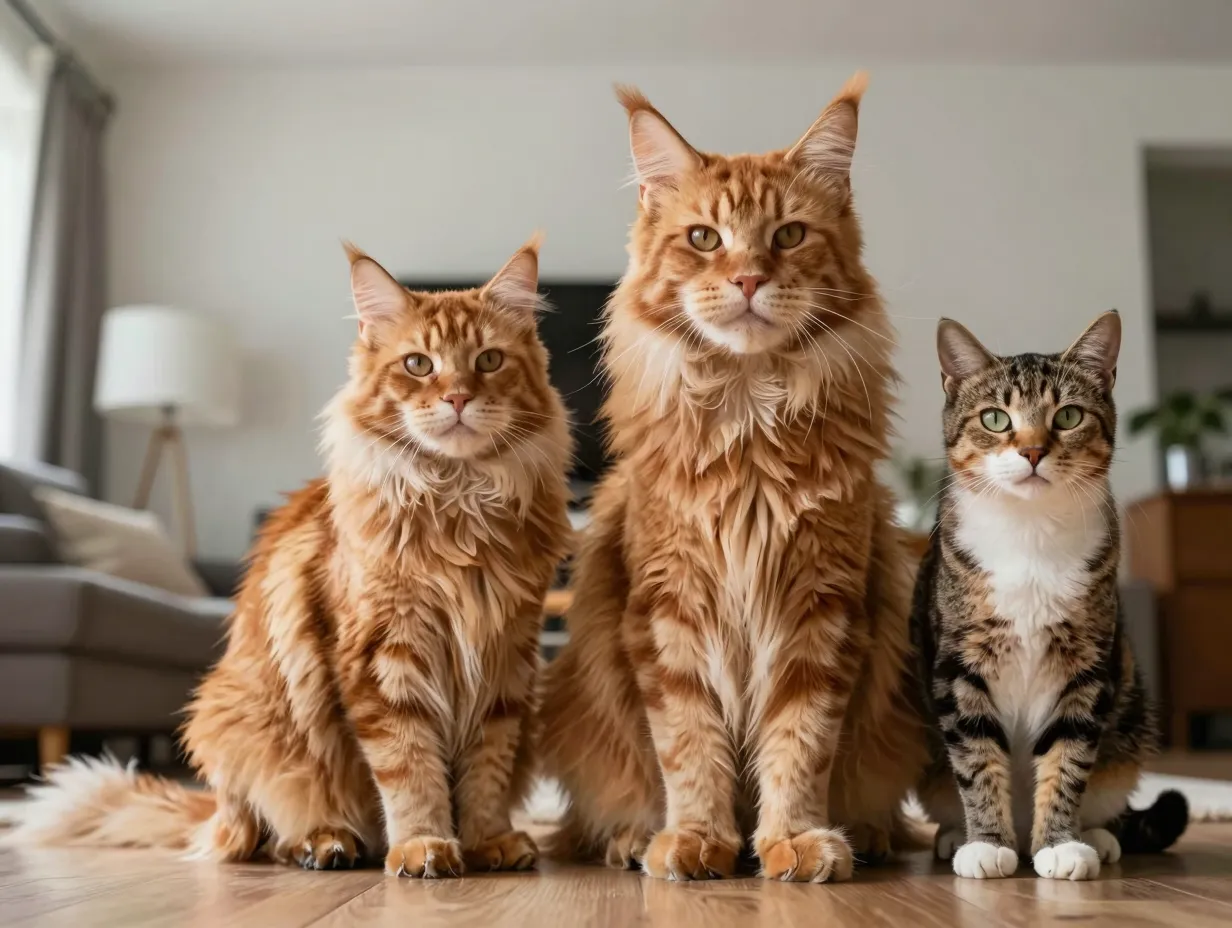
If you have ever felt like your orange tabby was a little… large, you are not imagining it. Orange tabbies tend to be bigger than the average domestic cat, both in height and sometimes in overall build. [1]
There are two main reasons for this:
- Most orange tabbies are male, and male cats are naturally larger than females across virtually all breeds and coat types.
- Orange tabbies have hearty appetites — a personality trait that, combined with their size, can make them look even more substantial.
A typical domestic cat weighs between 8 and 10 pounds. Many orange male tabbies comfortably exceed this range. Some large-breed orange tabbies — like Maine Coons — can reach 15 to 25 pounds. [1][3]
This size, combined with their confident personalities, gives orange tabbies a presence that is hard to ignore.
8. Their Personalities Are as Bold as Their Coats
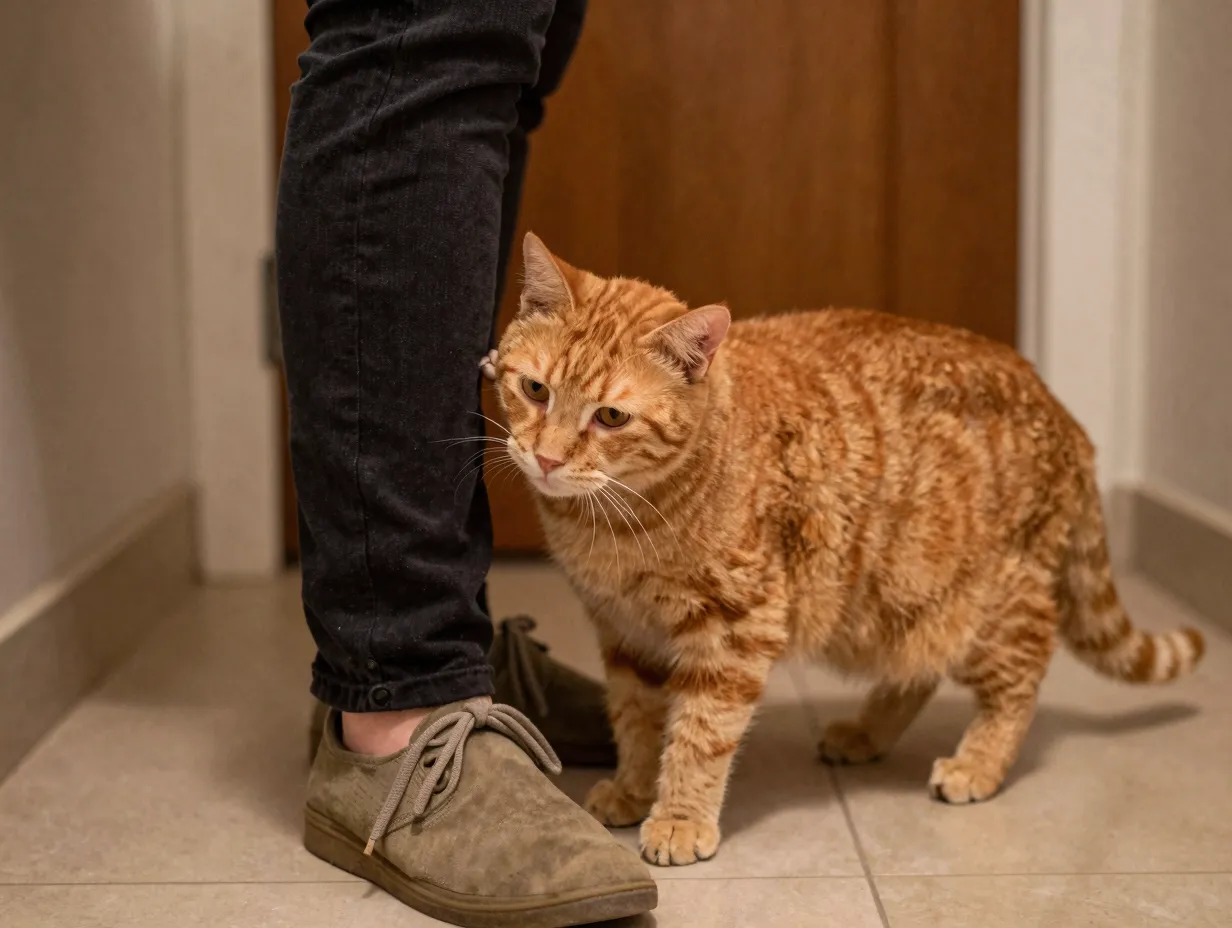
Ask any orange tabby owner to describe their cat’s personality and you will likely hear words like affectionate, social, vocal, and demanding — in the best possible way. Research and owner reports consistently describe orange tabbies as some of the most people-oriented cats around. [1][4]
Common orange tabby personality traits include:
- Affectionate — they love to cuddle, sit on laps, and be near their humans
- Social — they tend to greet strangers rather than hide from them
- Vocal — expect meowing, chirping, and purring as forms of communication
- Outgoing — often described as the “life of the party” in multi-pet households
- Food-motivated — they have a strong relationship with mealtime 🍽️
“Orange tabbies are often called the golden retrievers of the cat world — loyal, friendly, and always happy to see you.”
This outgoing nature makes them excellent companions for families, singles, and seniors alike. They tend to approach new people by meowing and rubbing against legs rather than retreating under the bed. [1][4]
9. Orange Tabbies Live Long Lives — But Need Careful Diet Management
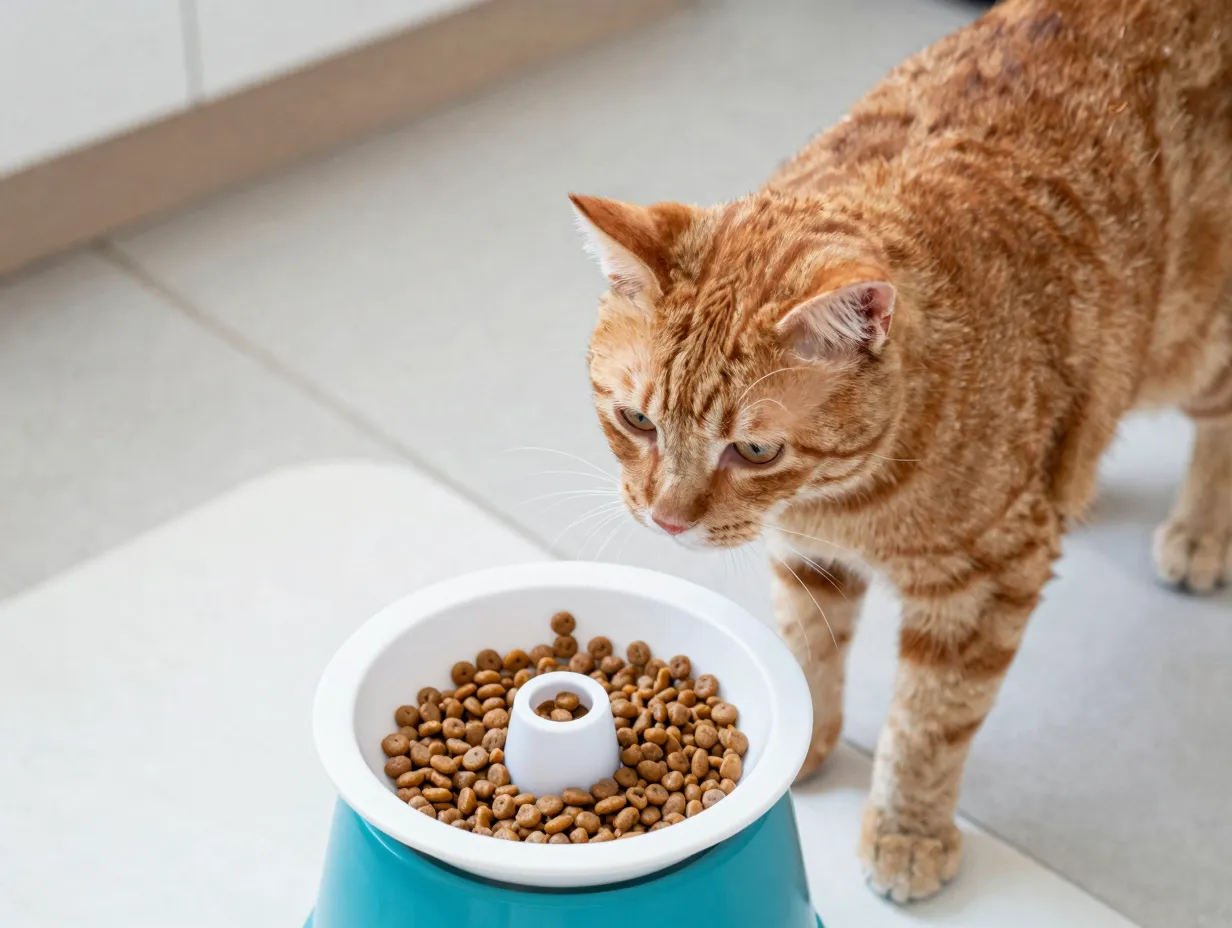
The final entry in our 9 irresistible facts about the classic orange tabby cat covers something every owner needs to know: lifespan and health. Indoor orange tabbies typically live 12 to 18 years, which is a substantial commitment and a wonderful one. [4]
However, their love of food creates a real health risk. Orange tabbies are prone to obesity, which can lead to serious secondary conditions including: [4]
- Type 2 diabetes — excess weight stresses the pancreas
- Joint problems — carrying extra weight strains hips and knees
- Heart disease — obesity is a known cardiac risk factor in cats
- Reduced mobility — overweight cats exercise less, creating a difficult cycle
Tips for keeping your orange tabby healthy in 2026:
- Feed measured portions rather than free-feeding
- Choose high-protein, low-carbohydrate cat food
- Use puzzle feeders to slow eating and add mental stimulation
- Schedule annual vet checkups to monitor weight and blood glucose
- Encourage play with wand toys, laser pointers, and interactive games
The good news is that with proper diet and regular veterinary care, orange tabbies can thrive well into their late teens. Their size and social nature make them rewarding long-term companions when their health is properly managed. [4]
Famous Orange Tabbies That Shaped Pop Culture 🎬
Orange tabbies have not just won hearts in living rooms — they have conquered screens and bookshelves too. A few of the most recognizable orange tabbies in pop culture include:
| Name | Medium | Why They Matter |
|---|---|---|
| Garfield | Comic strip / film | The most famous lazy, food-loving orange tabby |
| Puss in Boots | Film (Shrek franchise) | Swashbuckling orange tabby hero |
| Crookshanks | Harry Potter books | Hermione’s loyal, intelligent orange cat |
| Morris | 9Lives cat food ads | The original celebrity orange tabby |
These characters consistently lean into the orange tabby’s real-world reputation: bold, charming, food-obsessed, and impossible to ignore. It is no accident that writers and animators keep reaching for the orange tabby archetype when they want a cat with personality.
How to Tell If Your Cat Is a Classic Orange Tabby
Not sure if your cat qualifies as a classic orange tabby specifically? Here is a quick checklist:
- ✅ The coat is primarily orange, ginger, cream, or red
- ✅ Bold, swirling whorls appear on the sides (not straight stripes)
- ✅ A bullseye or target pattern is visible on each flank
- ✅ An “M” marking appears on the forehead
- ✅ Striped rings appear on the tail and legs
- ✅ The belly may show spotted or lighter-colored fur
If your cat checks most of these boxes, congratulations — you have a classic orange tabby. If the markings are straight stripes rather than swirls, your cat is likely a mackerel tabby, which is the striped variation. [2]
Conclusion: Why Orange Tabbies Deserve Every Bit of Their Fame
The 9 irresistible facts about the classic orange tabby cat paint a picture of an animal that is extraordinary in almost every way. From the genetics that make 80% of them male, to the scientific impossibility of a solid orange coat, to their bold and affectionate personalities — orange tabbies are far more interesting than their familiar appearance might suggest.
Here are your actionable next steps:
- If you are considering adopting, visit your local shelter and ask specifically about orange tabbies — they are often overlooked despite their wonderful temperaments.
- If you already own one, schedule a vet visit to discuss weight management and set up a feeding plan that supports a long, healthy life.
- Share what you have learned — most people do not know that a solid orange cat is genetically impossible, and that fact alone makes for a great conversation.
- Invest in enrichment — puzzle feeders, climbing trees, and interactive toys will keep your orange tabby mentally sharp and physically fit for years to come.
Orange tabbies are not just pretty cats. They are genetic marvels, social powerhouses, and deeply loyal companions. Once you understand what makes them tick, it is almost impossible not to love them even more. 🧡
References
[1] Orange Tabby Cat Facts – https://www.catster.com/cat-breeds/orange-tabby-cat-facts/
[2] Orange Tabby Cats – https://cats.com/orange-tabby-cats
[3] Orange Cat Breeds – https://www.rover.com/blog/orange-cat-breeds/
[4] 8 Orange Tabby Cat Facts – https://www.litter-robot.com/blog/8-orange-tabby-cat-facts/
[5] One Brain Cell Orange Cats – https://cheerble.com/blogs/cheerble-blog/one-brain-cell-orange-cats
[6] 10 Fascinating Facts About The Tabby Cat – https://weareallaboutcats.com/2020/04/03/10-fascinating-facts-about-the-tabby-cat/