9 Different Types of House Cats: Find Your Perfect Personality Match
Over 45 million U.S. households own at least one cat — yet most people choose their feline companion based on looks alone, only to discover later that their new cat’s personality is nothing like what they expected. That mismatch is one of the leading reasons cats are returned to shelters every year.
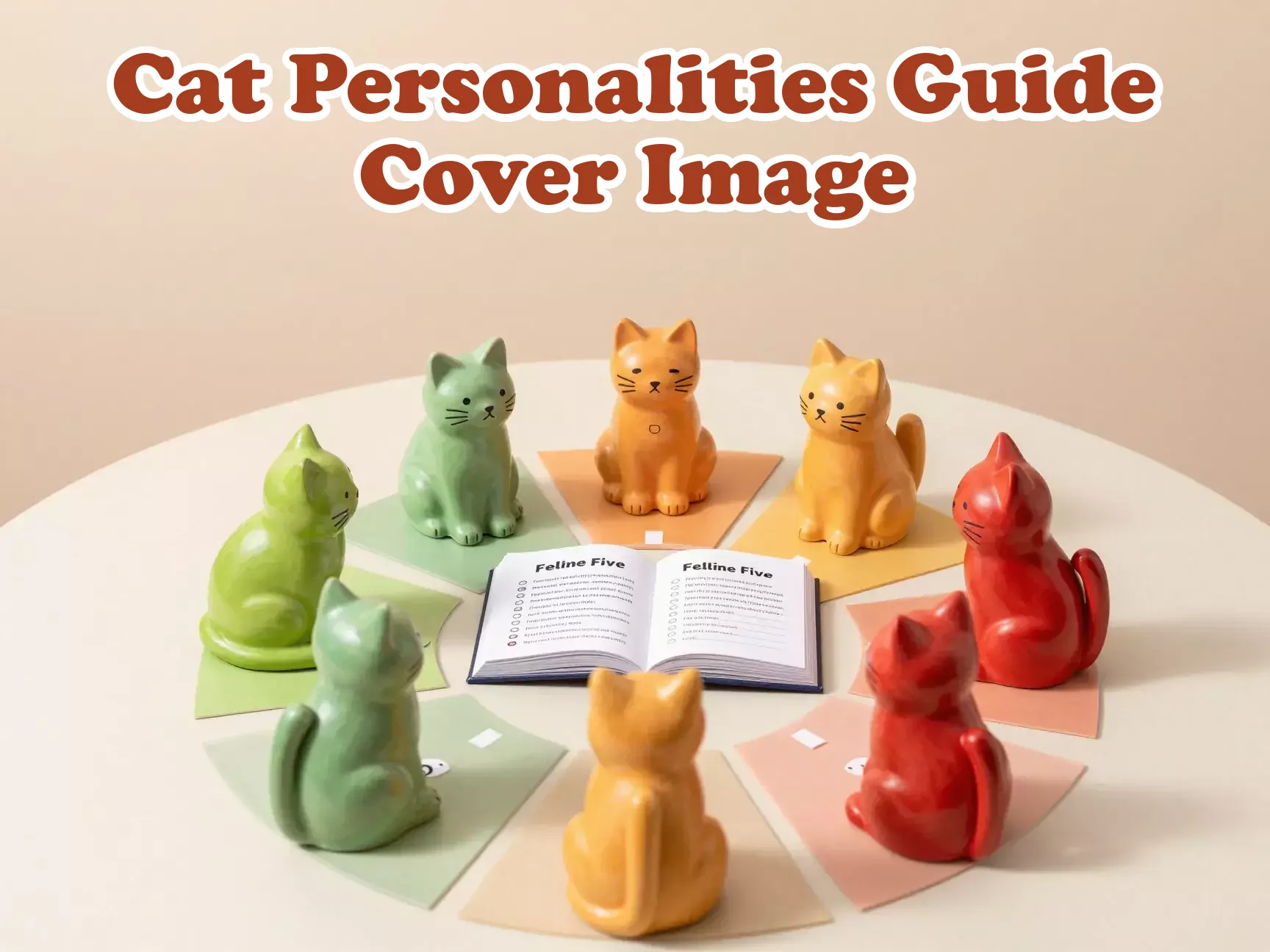
The good news? Science has your back. Researchers at the University of South Australia analyzed 2,802 cats using a 52-question personality questionnaire and identified five major personality factors — a framework now known as the “Feline Five” [7]. Meanwhile, the ASPCA classified nine distinct cat personality types under three color-coded categories [8]. Understanding these types before you adopt can transform your relationship with your cat from day one.
This guide to 9 different types of house cats: find your perfect personality match breaks down each personality type in plain language, tells you which breeds tend to match each type, and helps you figure out which cat actually fits your lifestyle. Whether you live in a busy household with kids and dogs or a quiet studio apartment, there’s a perfect feline personality out there for you.
Key Takeaways 🐾
- Personality matters more than breed — individual cats vary widely, even within the same breed.
- The “Feline Five” framework identifies five core traits: neuroticism, extraversion, dominance, impulsiveness, and tolerance [7].
- The ASPCA recognizes nine cat personality types grouped into green (easy), orange (selective), and red (challenging) categories [8].
- Shy cats do best in quiet homes with patient owners; pairing them with bold, social cats often causes stress [2].
- Breeds like the Maine Coon, Ragdoll, and Persian consistently rank among the most easygoing and adaptable [6].
Understanding the Science Behind Cat Personalities
Before diving into the nine types, it helps to understand the research behind them. The “Feline Five” personality traits — neuroticism, extraversion, dominance, impulsiveness, and tolerance — function like a spectrum [7]. Every cat sits somewhere on each of these five scales, which is why two cats of the same breed can behave so differently.
💬 “A cat’s personality is shaped by genetics, early socialization, and life experience — not just breed.” — FOUR PAWS [7]
The ASPCA built on this idea by creating a practical classification system called “Felineality,” which groups cats into nine personality types under three color codes [8]:
| Color Code | Meaning | Examples |
|---|---|---|
| 🟢 Green | Easygoing, adaptable | “The Lap Cat,” “The Personal Trainer” |
| 🟠 Orange | Selective, needs the right match | “The Secret Admirer,” “The Sidekick” |
| 🔴 Red | Challenging, experienced owners only | “The Wallflower,” “The Privatecat” |
Now let’s meet all nine types.
9 Different Types of House Cats: Find Your Perfect Personality Match
1. The Lap Cat 🐱
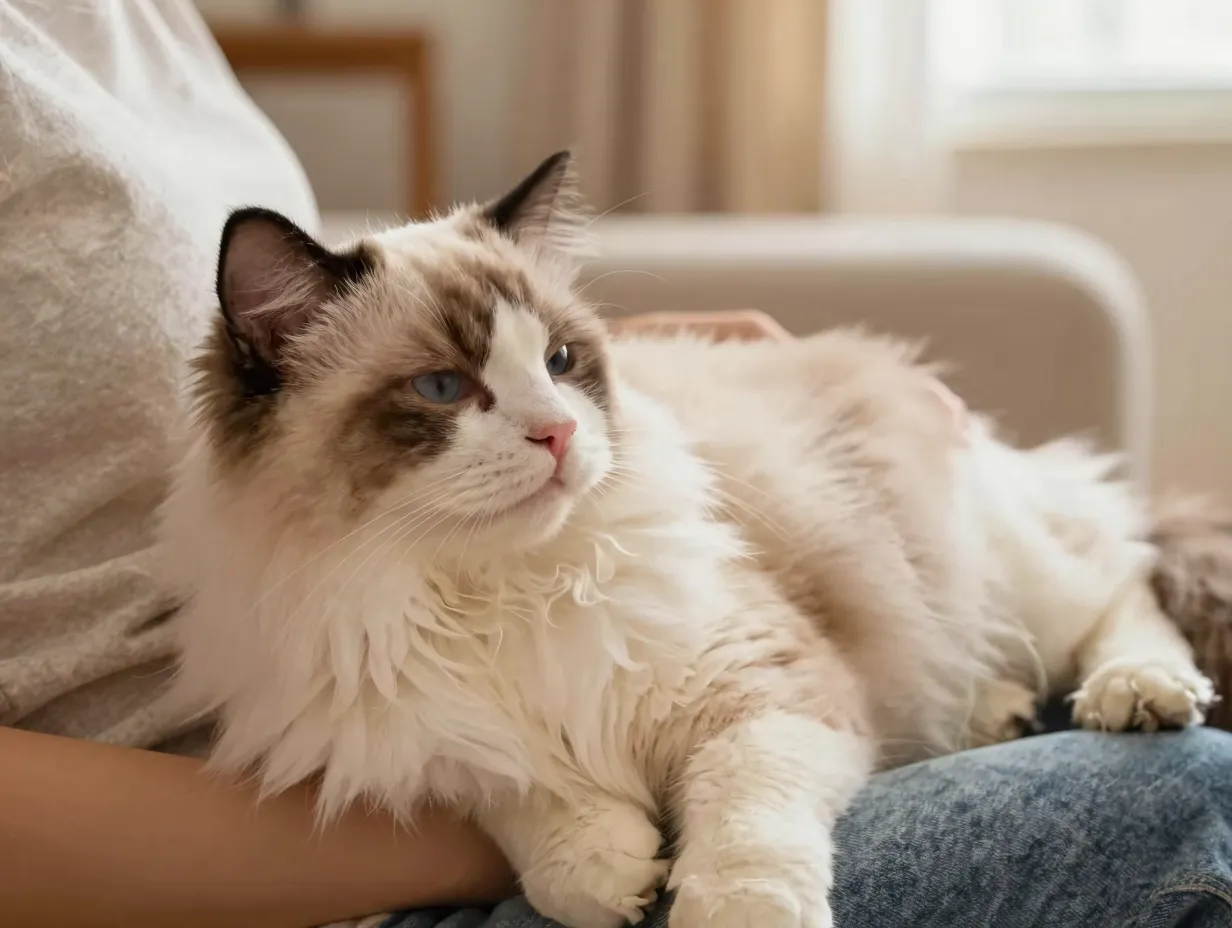
Best for: Families, seniors, first-time cat owners
The Lap Cat is the gold standard of feline companionship. This cat actively seeks physical contact, loves being held, and will follow you from room to room. They are low-maintenance emotionally — they give affection freely and accept it just as easily.
Breeds that often fit this type:
- Ragdoll (known for going limp when held)
- Persian
- Birman
According to research, Ragdolls and Persians consistently rank among the least aggressive toward other cats and the most adaptable to new environments [6]. If you want a cat that greets you at the door and curls up on your lap every evening, this is your match.
Compatibility tip: Lap Cats pair beautifully with other affectionate cats and even calm dogs. They struggle in chaotic, loud environments [2].
2. The Personal Trainer 💪
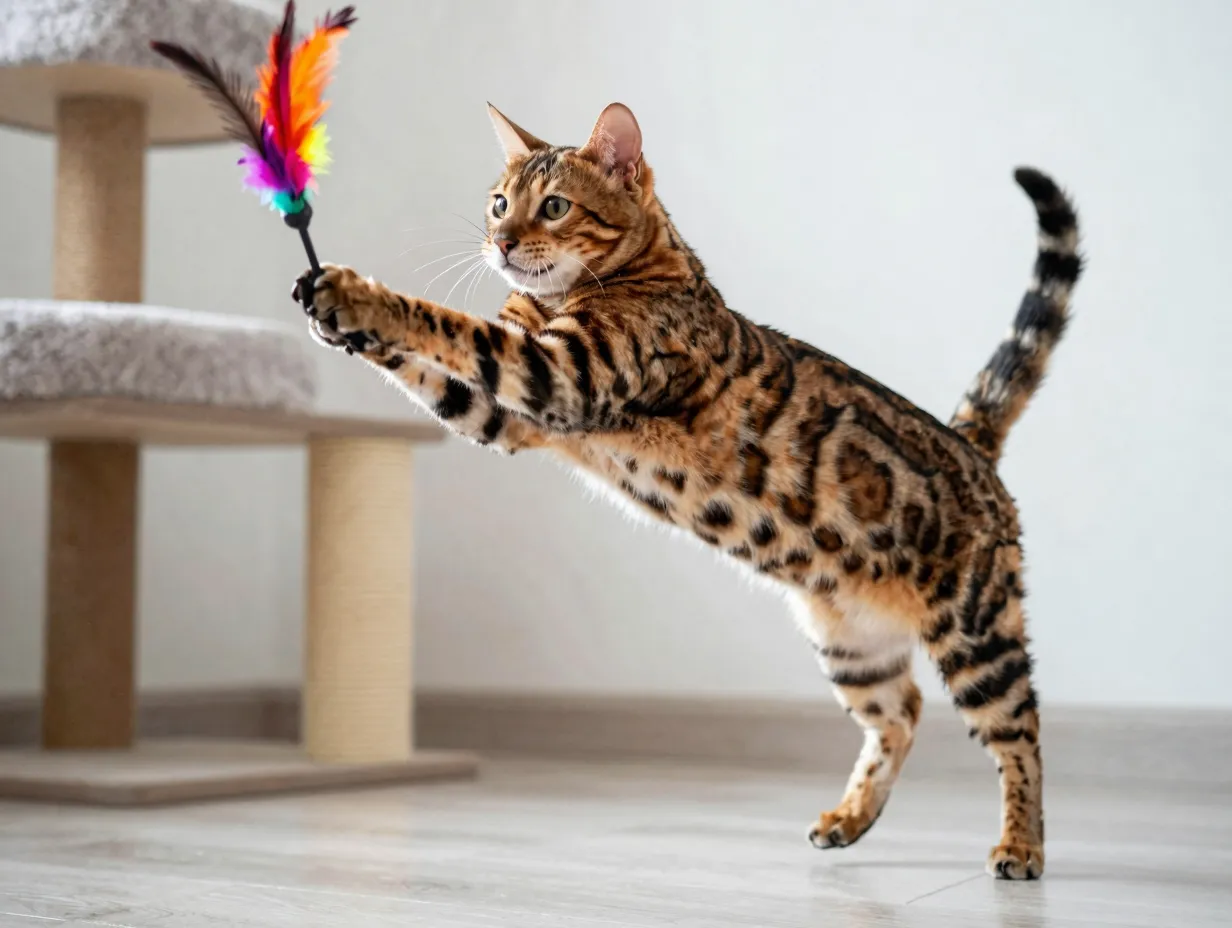
Best for: Active owners, households with children, people who want an interactive pet
Don’t let the name fool you — the Personal Trainer isn’t just playful. This cat is relentlessly playful. They demand daily engagement, love puzzle feeders, and will invent their own games if you don’t provide enough stimulation.
Breeds that often fit this type:
- Bengal
- Abyssinian
- Cornish Rex
Research identifies the Abyssinian and Cornish Rex among the breeds most likely to seek human contact and interactive play [4]. These cats score high on the extraversion scale of the Feline Five [7].
Compatibility tip: Personal Trainers thrive with other high-energy cats. They can become destructive or anxious when left alone for long periods [2].
3. The Secret Admirer 🤫
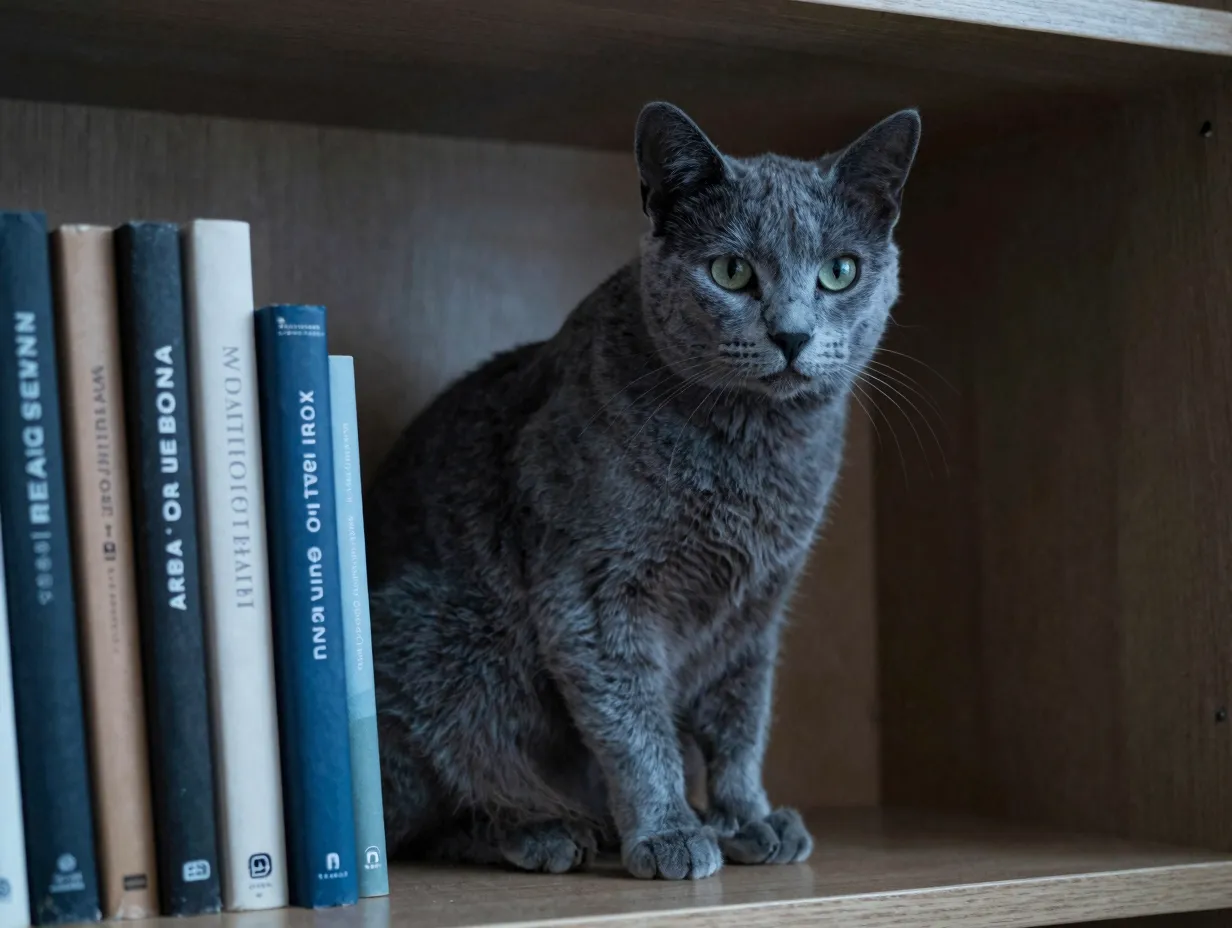
Best for: Patient owners, quieter households, experienced cat people
The Secret Admirer loves you — but on their own terms. They may watch you from across the room for weeks before approaching. Once they trust you, the bond is deep and loyal. But push too hard, and they retreat.
Breeds that often fit this type:
- Russian Blue
- Scottish Fold
- Some individual Siamese
The Russian Blue is noted for being highly selective about who it bonds with, often forming a strong attachment to one person [4]. This type scores higher on the neuroticism scale of the Feline Five [7].
Compatibility tip: Avoid pairing Secret Admirers with bold, dominant cats. They do best as solo pets or with other calm, gentle companions [2].
4. The Sidekick 🤝
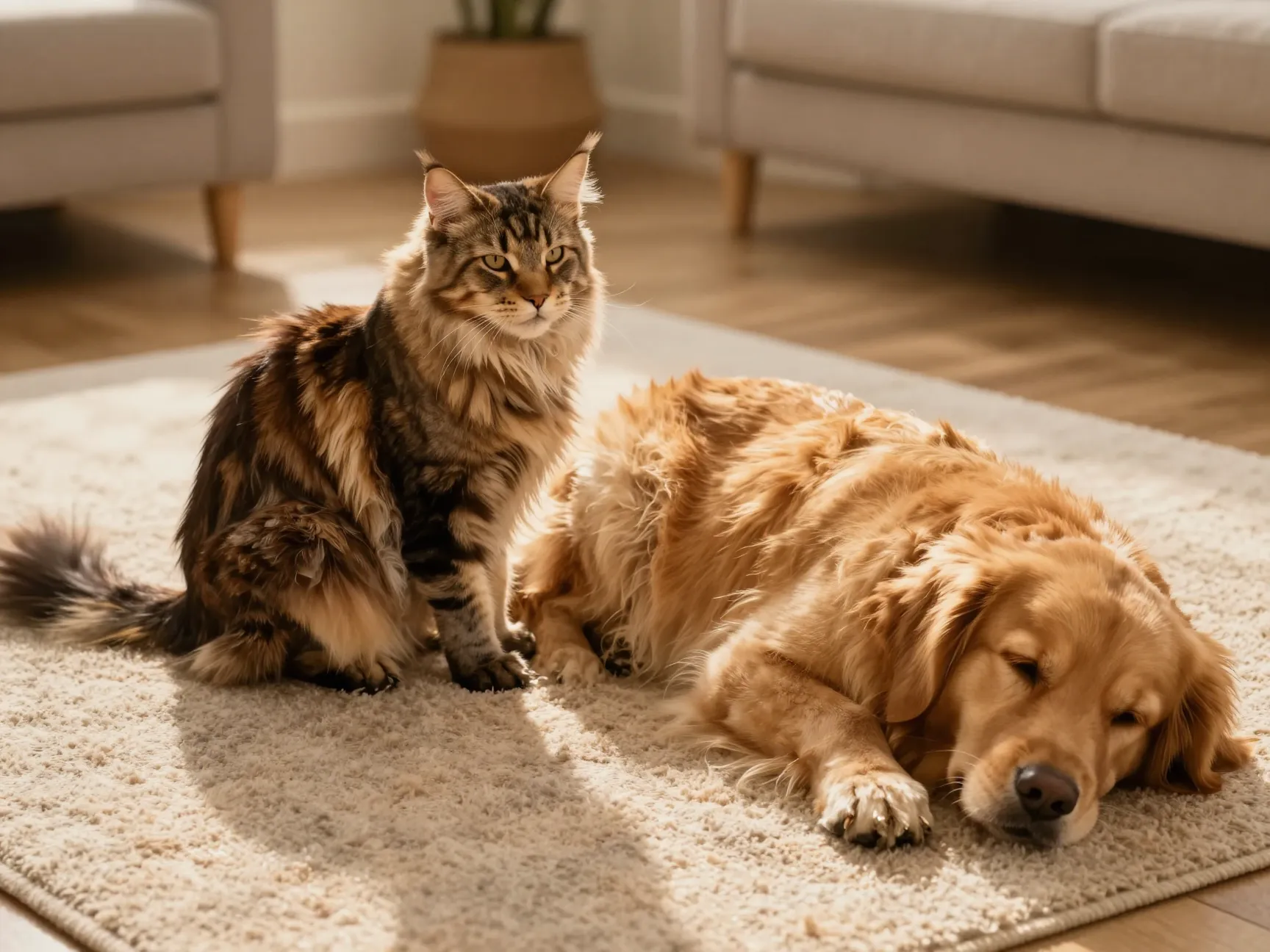
Best for: Multi-pet households, social families, owners who are home often
The Sidekick is a social butterfly. They adapt quickly, get along with almost everyone — cats, dogs, kids — and genuinely enjoy company. Unlike the Lap Cat, the Sidekick doesn’t need to be in your lap; they just want to be near you.
Breeds that often fit this type:
- Maine Coon
- Devon Rex
- Korat
The Maine Coon and Devon Rex both rank highly for seeking human contact and for low aggression toward other animals [4]. Maine Coons are also noted as among the most adaptable breeds for multi-pet households [6].
Compatibility tip: Sidekicks pair well with almost any other personality type. They are one of the most versatile cats for complex households [2].
5. The Wallflower 🌸
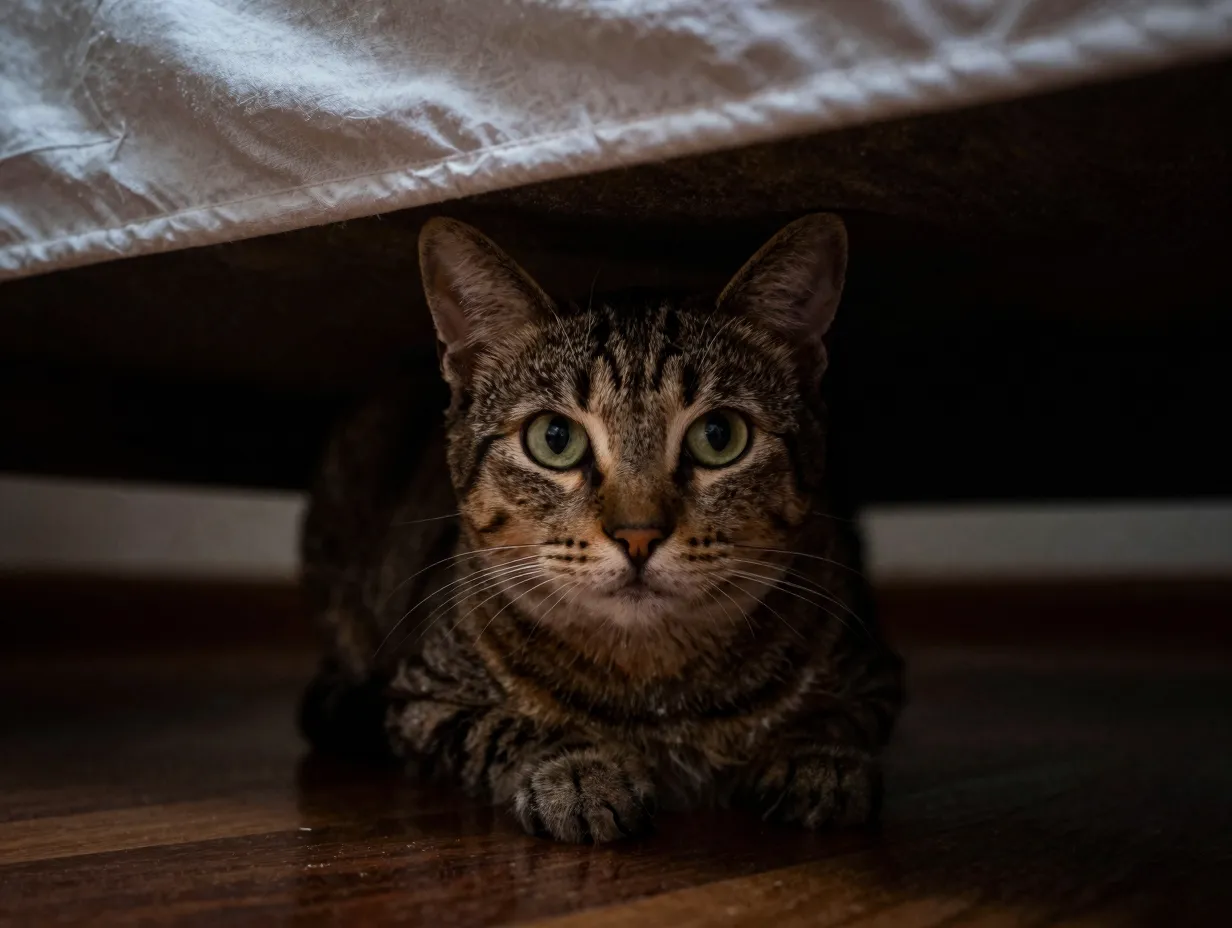
Best for: Quiet homes, single owners, experienced adopters with patience
The Wallflower is deeply shy. They may hide for days or even weeks after arriving in a new home. They are not unfriendly — they are simply overwhelmed. Given time, space, and consistency, many Wallflowers gradually open up and become deeply devoted companions.
Key characteristics:
- Hides frequently, especially around strangers
- Startles easily at loud noises
- May take months to feel fully comfortable
💬 “Shy cats are best suited to quiet homes with patient owners who won’t force interaction.” [2]
Compatibility tip: Never pair a Wallflower with a dominant or highly social cat. The stress can lead to health problems and behavioral issues [2] [9].
6. The Privatecat 🔒
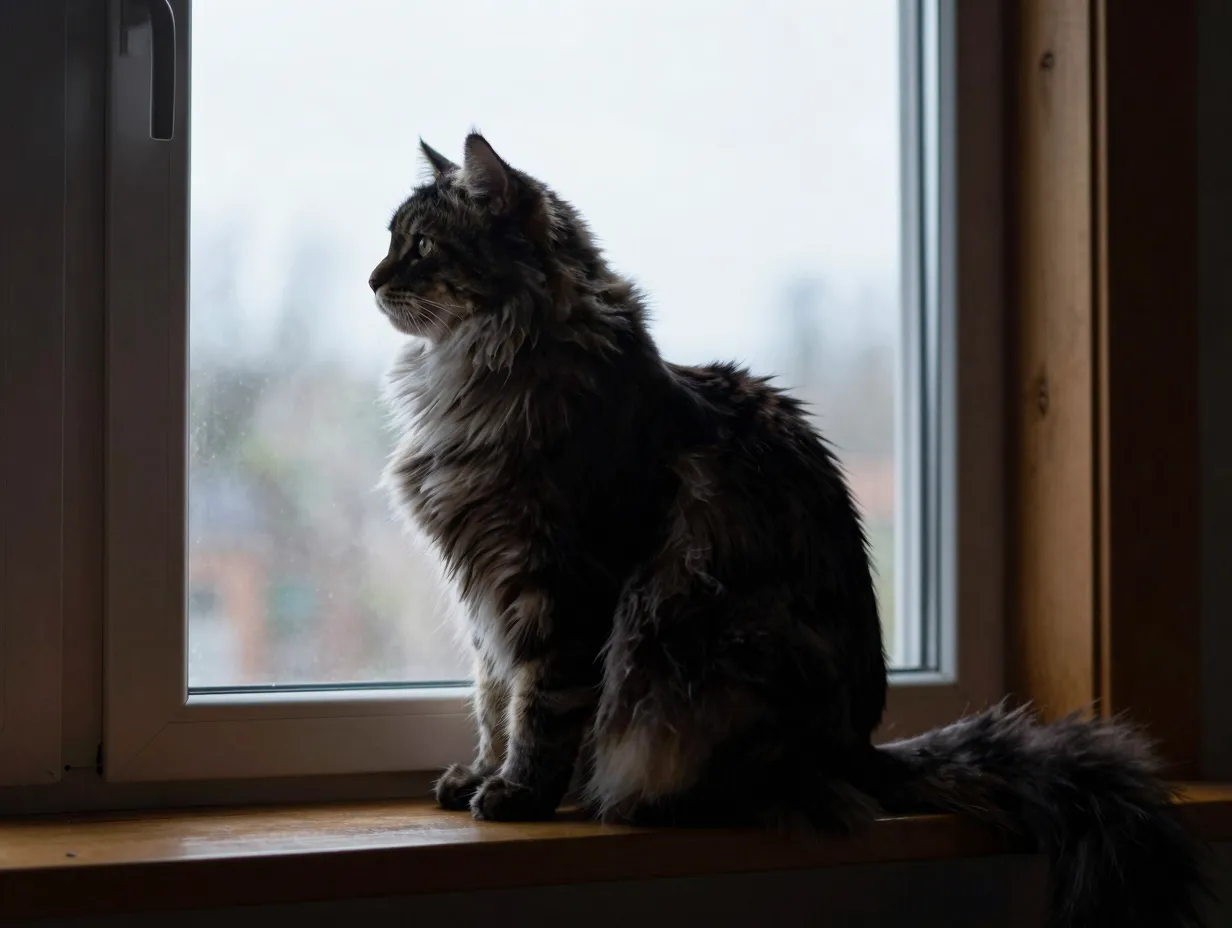
Best for: Independent owners, people with busy schedules, experienced cat owners
The Privatecat values independence above all else. They are not unfriendly, but they set clear boundaries. They may allow brief petting sessions but will walk away when they’ve had enough. They do not typically enjoy being held.
Breeds that often fit this type:
- Norwegian Forest Cat (in some individuals)
- Some Persians
- Domestic shorthairs with minimal early socialization
Interestingly, the Norwegian Forest Cat ranks second in low aggression toward other cats [4], meaning Privatecats can coexist peacefully — they just prefer their own space.
Compatibility tip: Privatecats do well with other independent cats. They struggle with overly affectionate or clingy companions [2].
7. The Love Bug 💕
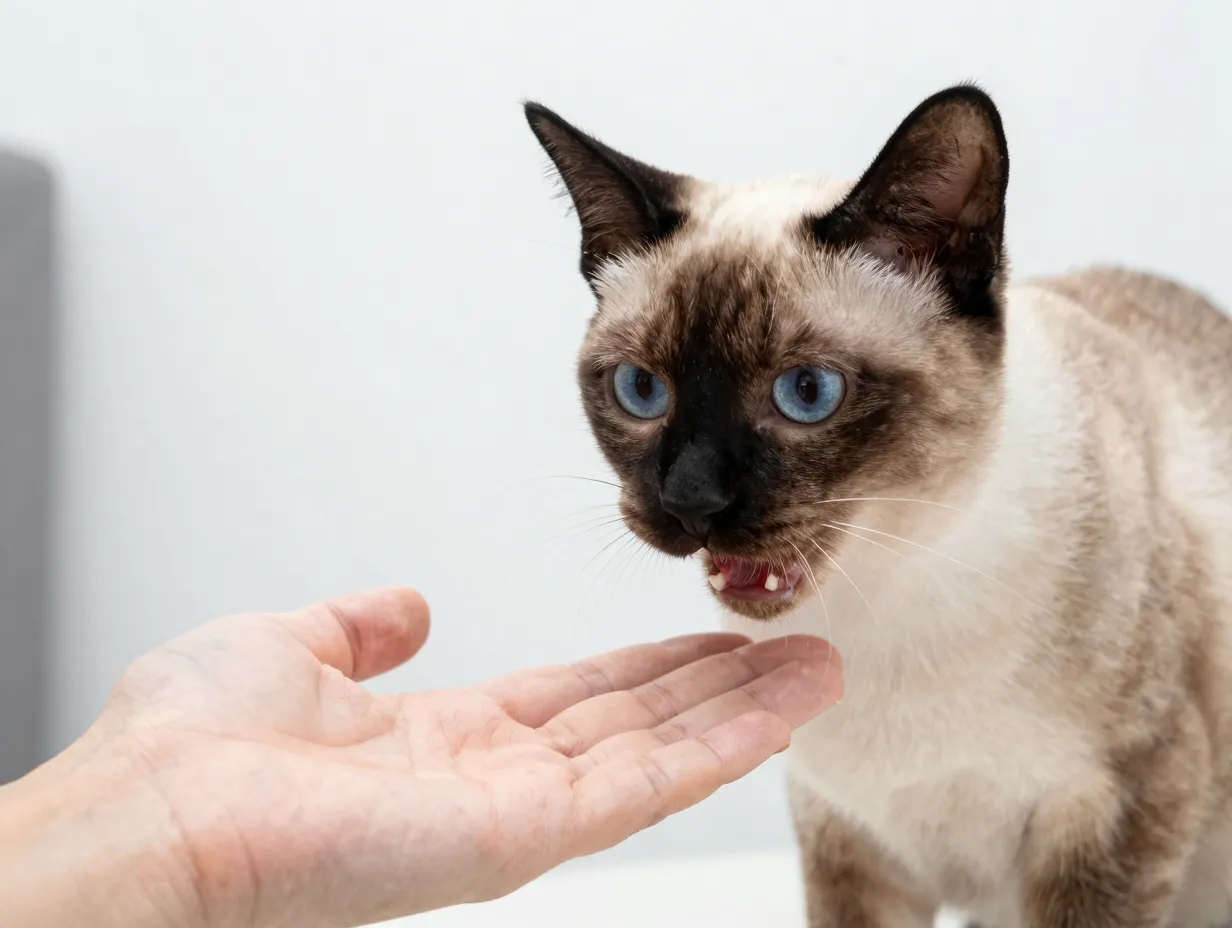
Best for: Families, multi-pet homes, owners who want constant companionship
The Love Bug is similar to the Lap Cat but turned up a notch. This cat is openly affectionate with nearly everyone — guests, children, other pets. They vocalize their love, head-butt strangers, and demand attention with zero shame.
Breeds that often fit this type:
- Siamese (highly vocal and social)
- Balinese
- Oriental Shorthair
Oriental breeds — including the Balinese and Oriental Shorthair — rank among the most likely to seek human contact [4]. These cats score very high on extraversion in the Feline Five model [7].
Compatibility tip: Love Bugs thrive in busy, social households. They can become anxious or depressed if left alone too often. Consider adopting two Love Bugs together [2].
8. The Executive 👔
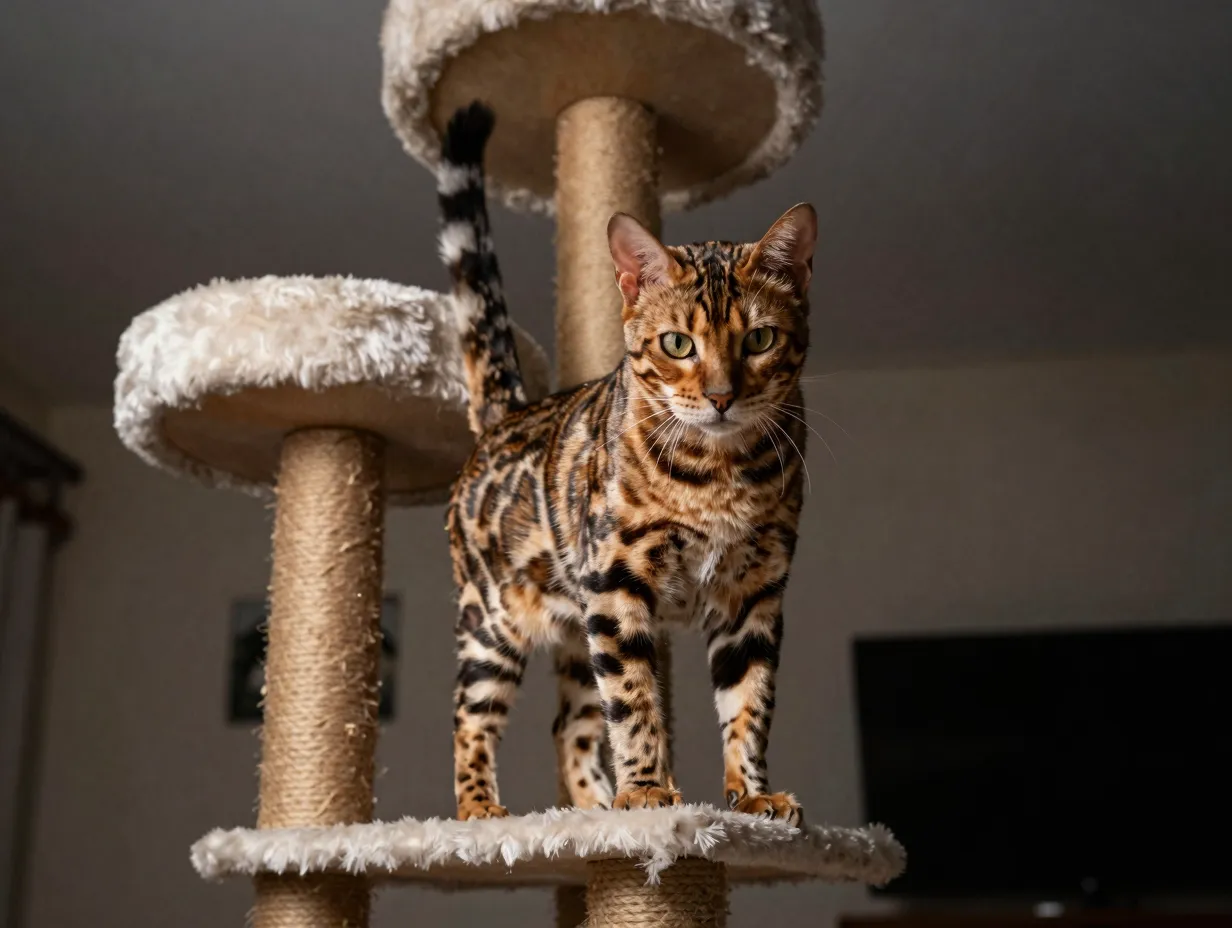
Best for: Confident owners, structured households, experienced cat people
The Executive is dominant, confident, and fully aware of their status in the household. They are not aggressive by nature, but they will assert themselves — especially around other cats. They tend to be intelligent, curious, and highly trainable.
Key characteristics:
- Establishes territory quickly
- May challenge other cats for resources
- Responds well to structured routines and clear boundaries
Breeds that often fit this type:
- Bengal (high intelligence and dominance)
- Savannah
- Some Siamese
The dominance trait in the Feline Five framework is most visible in cats like these — they are bold, self-assured, and not easily intimidated [7].
Compatibility tip: Executives need to be the “top cat” in the household. They do best with submissive or independent cats, not other dominant personalities [2].
9. The Curious George 🔍
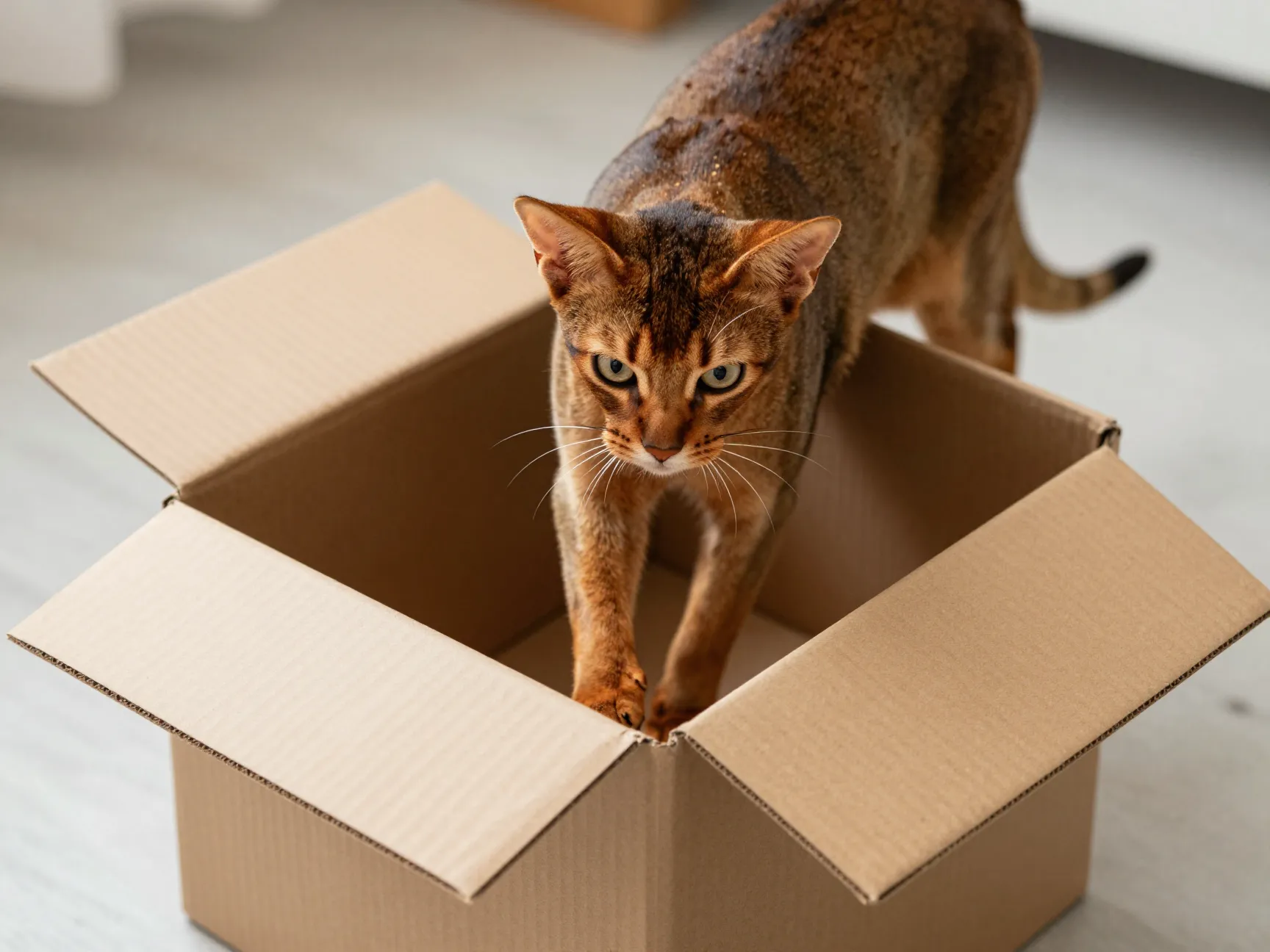
Best for: Engaged owners, enrichment-focused homes, families with older children
The Curious George (yes, we’re borrowing the name) is driven by exploration and novelty. They investigate every bag you bring home, every new piece of furniture, every visitor. They are bold, fearless, and endlessly entertaining.
Breeds that often fit this type:
- Abyssinian
- Devon Rex
- Siberian
The Siberian ranks among the second-tier low-aggression breeds [4], meaning Curious Georges tend to be adventurous without being aggressive. They score high on both extraversion and impulsiveness in the Feline Five [7].
Compatibility tip: Curious Georges need environmental enrichment — cat trees, window perches, puzzle toys. They pair well with other playful, social cats [2].
How to Identify Your Cat’s Personality Type
Not sure which category your cat (or future cat) falls into? Here’s a quick self-assessment framework:
Step 1: Observe the Basics
Ask yourself these questions:
- Does my cat seek me out, or wait to be approached?
- How does my cat react to strangers?
- Does my cat play independently or only with me?
- How does my cat respond to loud noises or changes in routine?
Step 2: Use the Feline Five as a Guide
Rate your cat on a scale of 1–5 for each trait [7]:
| Trait | Low Score | High Score |
|---|---|---|
| Neuroticism | Calm, stable | Anxious, reactive |
| Extraversion | Reserved, quiet | Social, active |
| Dominance | Submissive | Assertive, territorial |
| Impulsiveness | Predictable | Unpredictable, erratic |
| Tolerance | Easily annoyed | Patient, easygoing |
Step 3: Match to Your Lifestyle
| Your Lifestyle | Best Personality Match |
|---|---|
| Busy, social household | Love Bug, Sidekick, Personal Trainer |
| Quiet, calm home | Secret Admirer, Wallflower, Privatecat |
| Multi-pet household | Sidekick, Lap Cat, Curious George |
| Single owner, away often | Privatecat, Executive (with enrichment) |
| First-time cat owner | Lap Cat, Love Bug, Sidekick |
Breed Personality Quick Reference 🐾
Here’s a snapshot of how popular breeds tend to align with personality types, based on research data [4] [6] [1]:
| Breed | Typical Personality Type | Notable Trait |
|---|---|---|
| Persian | Lap Cat / Privatecat | Least aggressive toward other cats |
| Maine Coon | Sidekick | Highly adaptable, low aggression |
| Ragdoll | Lap Cat | Extremely tolerant, easygoing |
| Siamese | Love Bug | Highly vocal, seeks contact |
| Bengal | Personal Trainer / Executive | High energy, dominant |
| Russian Blue | Secret Admirer | Selective, bonds deeply with one person |
| Devon Rex | Sidekick / Curious George | Playful, people-oriented |
| Abyssinian | Personal Trainer / Curious George | Active, seeks human contact |
| Norwegian Forest Cat | Privatecat | Independent, low aggression |
⚠️ Important note: Breed tendencies are generalizations. Every individual cat is shaped by genetics and early life experience. Always spend time with a cat before adopting [9].
Which Personalities Pair Well Together?
If you’re adding a second cat to your home, compatibility is critical. Here’s what the research shows [2]:
✅ Good pairings:
- Social + Social (e.g., Love Bug + Sidekick)
- Playful + Playful (e.g., Personal Trainer + Curious George)
- Independent + Independent (e.g., Privatecat + Executive)
- Affectionate + Affectionate (e.g., Lap Cat + Love Bug)
❌ Avoid these pairings:
- Wallflower + Executive (dominant cat will stress the shy one)
- Secret Admirer + Love Bug (too much forced interaction)
- Privatecat + Personal Trainer (energy mismatch causes tension)
Conclusion: Your Perfect Match Is Out There
Finding the right cat isn’t about picking the prettiest breed or the fluffiest kitten in the shelter. It’s about understanding that personality compatibility is the foundation of a happy, lasting bond between you and your cat.
Here’s what to do next:
- Assess your lifestyle honestly — How much time do you have? How busy is your home? Do you have other pets?
- Visit shelters and spend time with cats — Don’t just look at them through a cage. Ask shelter staff about each cat’s behavior history [9].
- Use the Feline Five framework to evaluate any cat you’re considering [7].
- Match energy levels — A high-energy Personal Trainer in a quiet home will be miserable. A Wallflower in a chaotic household will be stressed.
- Be patient — Even the most social cat needs time to adjust to a new environment [9].
The 9 different types of house cats outlined in this guide give you a powerful starting point. Whether you’re drawn to the devoted Lap Cat, the adventurous Curious George, or the quietly loyal Secret Admirer, your perfect personality match is waiting. Go find them. 🐾
References
[1] Ten Popular Cat Breeds And Their Personalities – https://www.animalcarectr.com/blog/ten-popular-cat-breeds-and-their-personalities
[2] Common Cat Personality Traits And Which Personalities Pair Well Together – https://kindtail.com/blogs/kindtail-blog/common-cat-personality-traits-and-which-personalities-pair-well-together
[3] Breeds Of Cats – https://www.litter-robot.com/blog/breeds-of-cats/
[4] Cat Breeds And Their Personalities According To Research – https://www.psychologytoday.com/us/blog/the-modern-heart/202006/cat-breeds-and-their-personalities-according-to-research
[5] Which Personality Does Your Cat Have 35643 – https://www.petmd.com/news/view/which-personality-does-your-cat-have-35643
[6] Cat Breeds Vs Temperament – https://frontpagemeews.com/category/cats/for-cat-parents/adoption-shelters/cat-breeds-vs-temperament/
[7] A Cats Personality – https://www.fourpawsusa.org/our-stories/publications-guides/a-cats-personality
[8] Cat Personalities Felineality – https://pethelpful.com/cats/cat-personalities-felineality
[9] Choosing A Cat Making A Good Match – https://catbehaviorassociates.com/choosing-a-cat-making-a-good-match/
[10] Watch – https://www.youtube.com/watch?v=JZbh6-gmjbk