9 Charmingly Unique Traits of the Orange Domestic Shorthair Cat
Roughly 80% of all orange cats are male — a genetic quirk tied directly to the X chromosome that makes the ginger coat one of the most biologically fascinating color patterns in the domestic cat world. That single fact alone hints at just how much science, personality, and pure charm are packed into these flame-colored felines. If you’ve ever lived with one, you already know: the 9 charmingly unique traits of the orange domestic shorthair cat are not just internet mythology. They are real, observable, and endlessly entertaining.
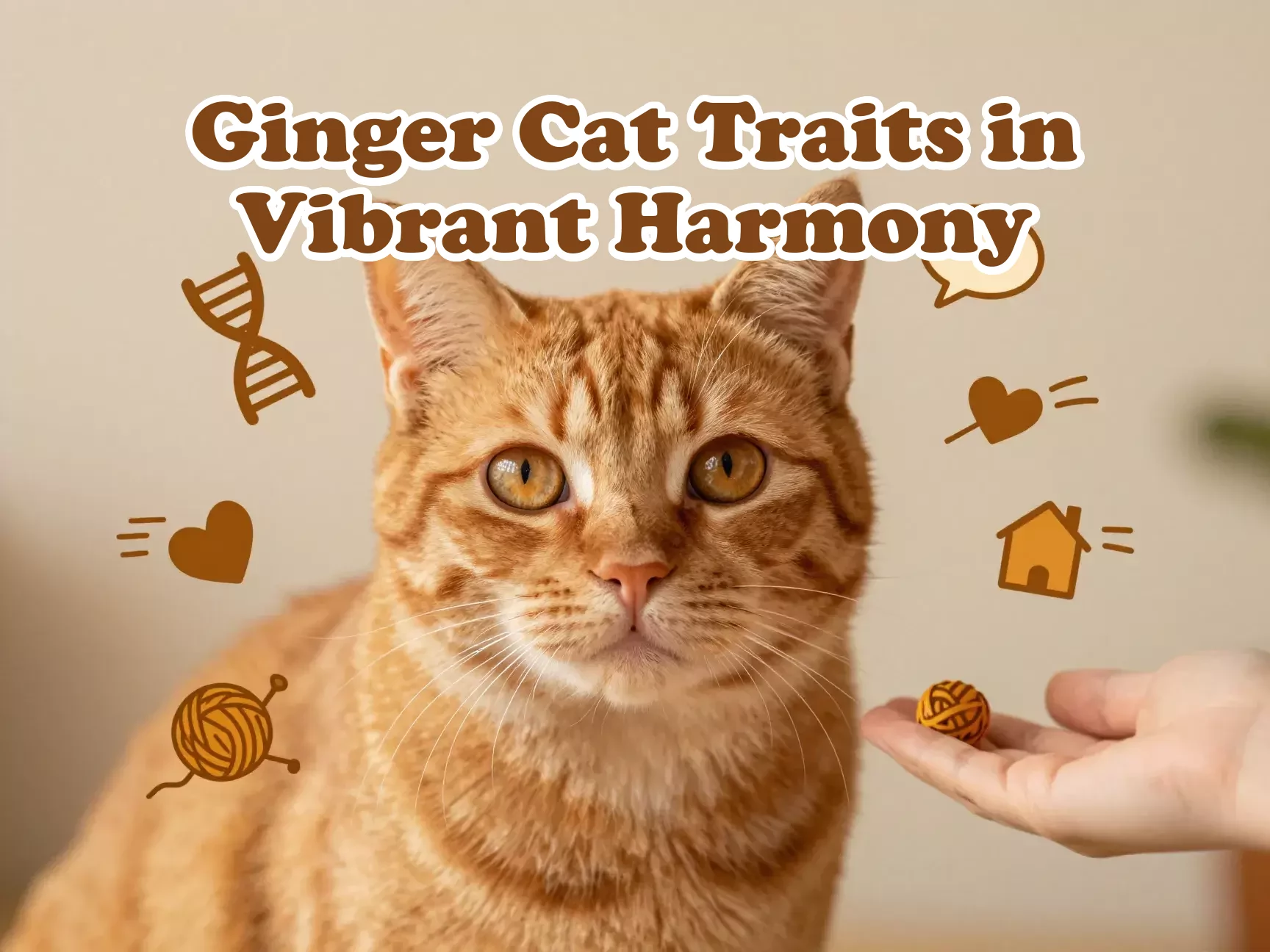
In this article, I’ll walk you through each of those traits in detail — backed by research, expert insight, and a healthy dose of firsthand cat-owner wisdom. Whether you’re thinking about adopting an orange domestic shorthair or you’re already owned by one, this guide will help you understand what makes these cats so wonderfully distinct. [3]
Key Takeaways 🐾
- Most orange cats are male due to X-linked genetics, making the color itself biologically unique.
- Orange domestic shorthairs are widely perceived as friendly and social, though individual personality varies significantly.
- Traits like vocalization, food motivation, and playfulness are common but not universal — environment and upbringing matter enormously.
- Scientific research confirms that coat color alone does not determine behavior; genetics, sex, and socialization all play roles.
- Understanding these traits helps owners provide better enrichment, bonding, and care for their orange companions.
What Makes an Orange Domestic Shorthair Special?
Before we dive into the full list, it helps to clarify what we mean by “orange domestic shorthair.” This is not a recognized breed — it’s a coat color and fur-length combination that can appear across many mixed-breed cats. The orange (or “ginger”) color comes from the pigment pheomelanin, and its expression is controlled by the O gene located on the X chromosome. [6]
Because females need two copies of the orange gene (one on each X chromosome) to display the full ginger coat, males — who only need one copy — make up the overwhelming majority of orange cats. This genetic reality shapes not just their appearance but, indirectly, some of their behavioral tendencies, since sex influences personality in cats just as it does in many mammals. [3]
Now, let’s explore the 9 charmingly unique traits of the orange domestic shorthair cat one by one.
The 9 Charmingly Unique Traits of the Orange Domestic Shorthair Cat
1. They Are Remarkably Social and People-Oriented
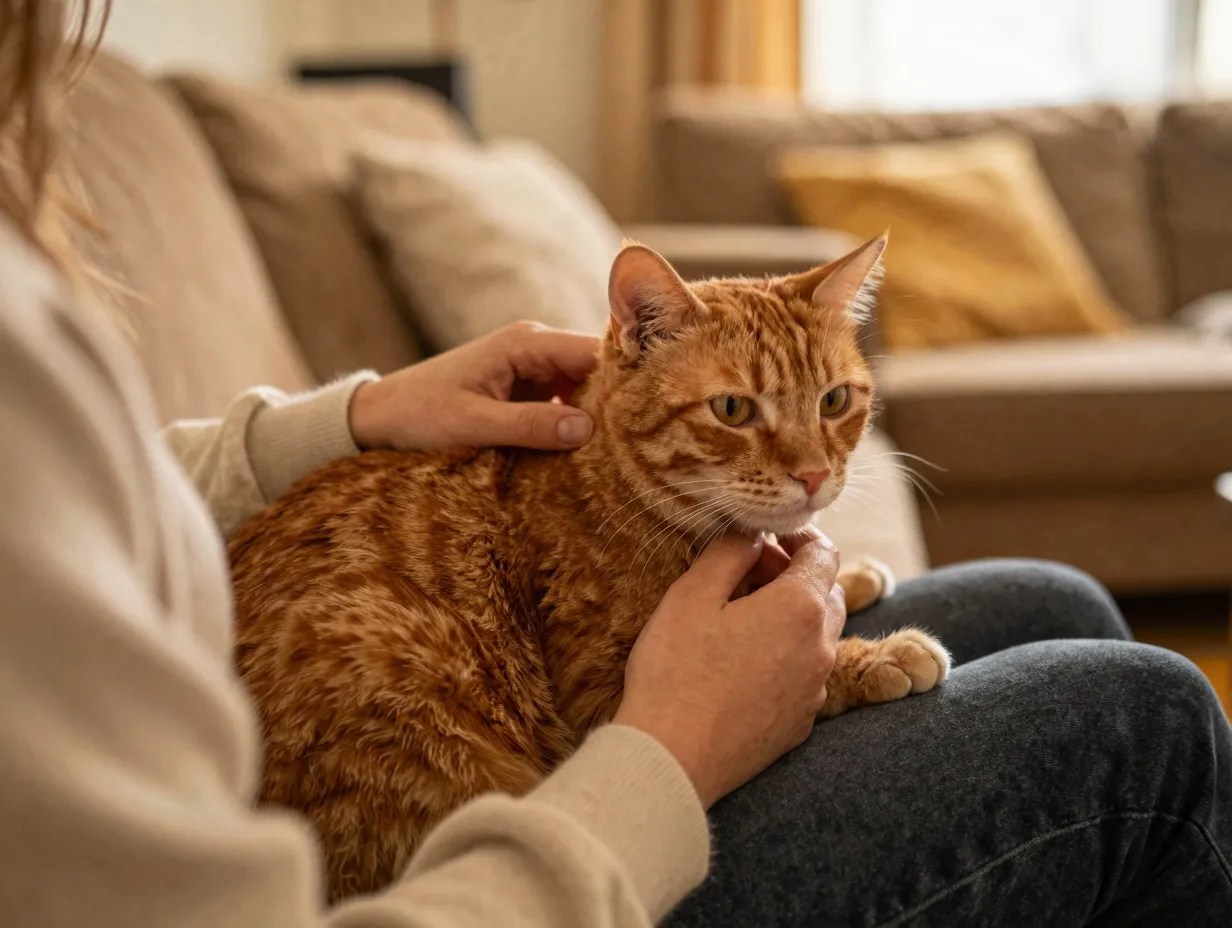
Orange domestic shorthairs have a well-earned reputation for being deeply attached to their humans. Many owners describe their ginger cats as “dog-like” in the way they follow people from room to room, greet guests at the door, and actively seek out laps to sit on. [3]
“Orange cats are frequently described as highly social, often seeking human interaction and following owners from room to room.” [3]
This people-oriented nature is one of the most consistently reported traits across orange cat owners. That said, experts are quick to point out that socialization during kittenhood plays a massive role. A ginger kitten raised with frequent, positive human contact will almost always grow into a social adult — regardless of coat color. [3]
What this means for you as an owner:
- Set aside dedicated daily bonding time
- Allow your cat to follow you around — it’s a sign of trust, not clinginess
- Avoid long stretches of isolation, as highly social cats can develop anxiety
2. Their Vocalization Is Surprisingly Expressive 🗣️
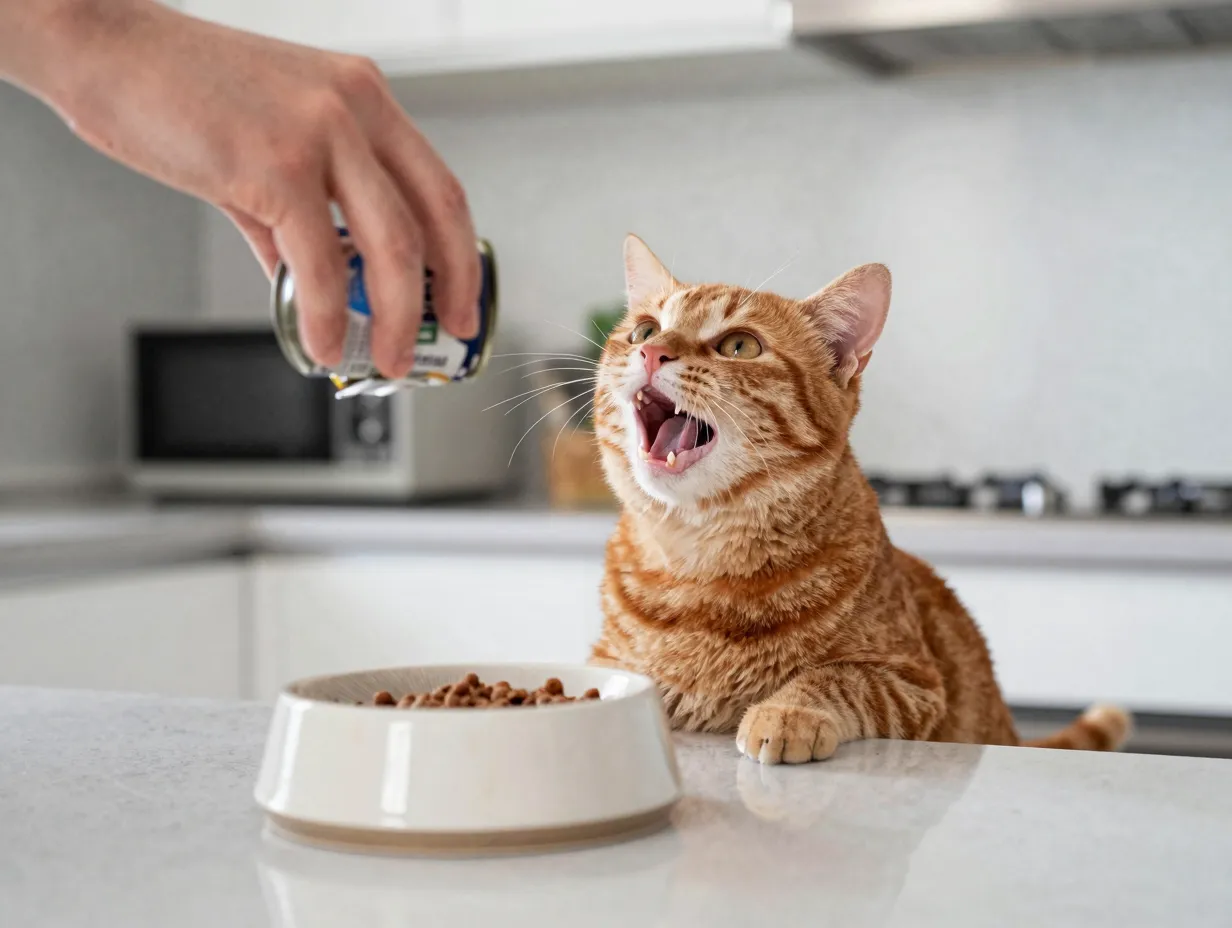
If you’ve ever been “talked at” by an orange cat while preparing their dinner, you know exactly what this trait looks like. Orange domestic shorthairs are frequently described as unusually talkative, using a wide repertoire of sounds — meows, chirps, trills, and even chattering — to communicate with their humans. [3]
The reason? Many orange cats have learned through experience that vocalization gets results. When a meow produces food, attention, or a door being opened, the behavior is reinforced. Over time, this creates cats that are genuinely conversational. [3]
| Sound Type | Common Meaning |
|---|---|
| Short meow | Greeting or acknowledgment |
| Repeated meows | Urgency — hunger or attention |
| Trill or chirp | Happiness or excitement |
| Chattering | Prey-watching behavior |
| Slow, low meow | Mild complaint or demand |
Pro tip: Respond to your orange cat’s vocalizations with calm, consistent replies. This reinforces communication and strengthens your bond without accidentally encouraging excessive nighttime meowing.
3. Playfulness and “Zoomies” Are Part of Daily Life ⚡
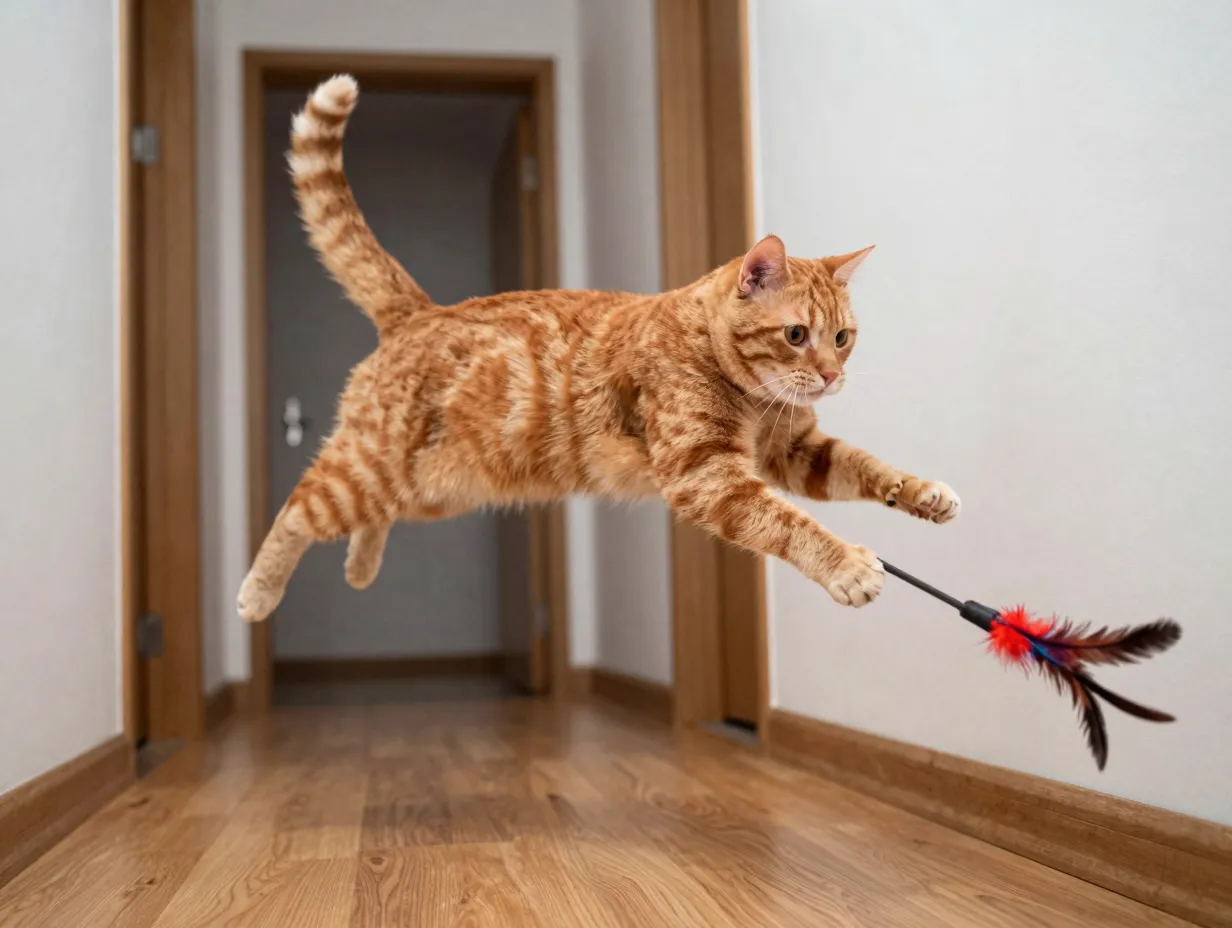
One of the most endearing of the 9 charmingly unique traits of the orange domestic shorthair cat is their capacity for explosive, joyful play. Orange cats commonly display sudden bursts of high-speed activity — often called “zoomies” — where they race through the house, leap onto furniture, and generally behave as if they’ve had three espressos. [3]
These energy bursts are completely normal and are actually a sign of a healthy, stimulated cat. They typically occur:
- After using the litter box (a phenomenon sometimes called “post-poop zoomies”)
- At dawn or dusk, when cats are naturally most active
- After a nap, when stored energy suddenly needs an outlet
To channel this playfulness productively, invest in:
- Wand toys with feathers or ribbons
- Puzzle feeders that combine play and food
- Cat trees with multiple levels for climbing
- Interactive laser pointer sessions (always end with a physical toy so the cat can “catch” something)
4. Food Motivation Is Legendary 🍽️
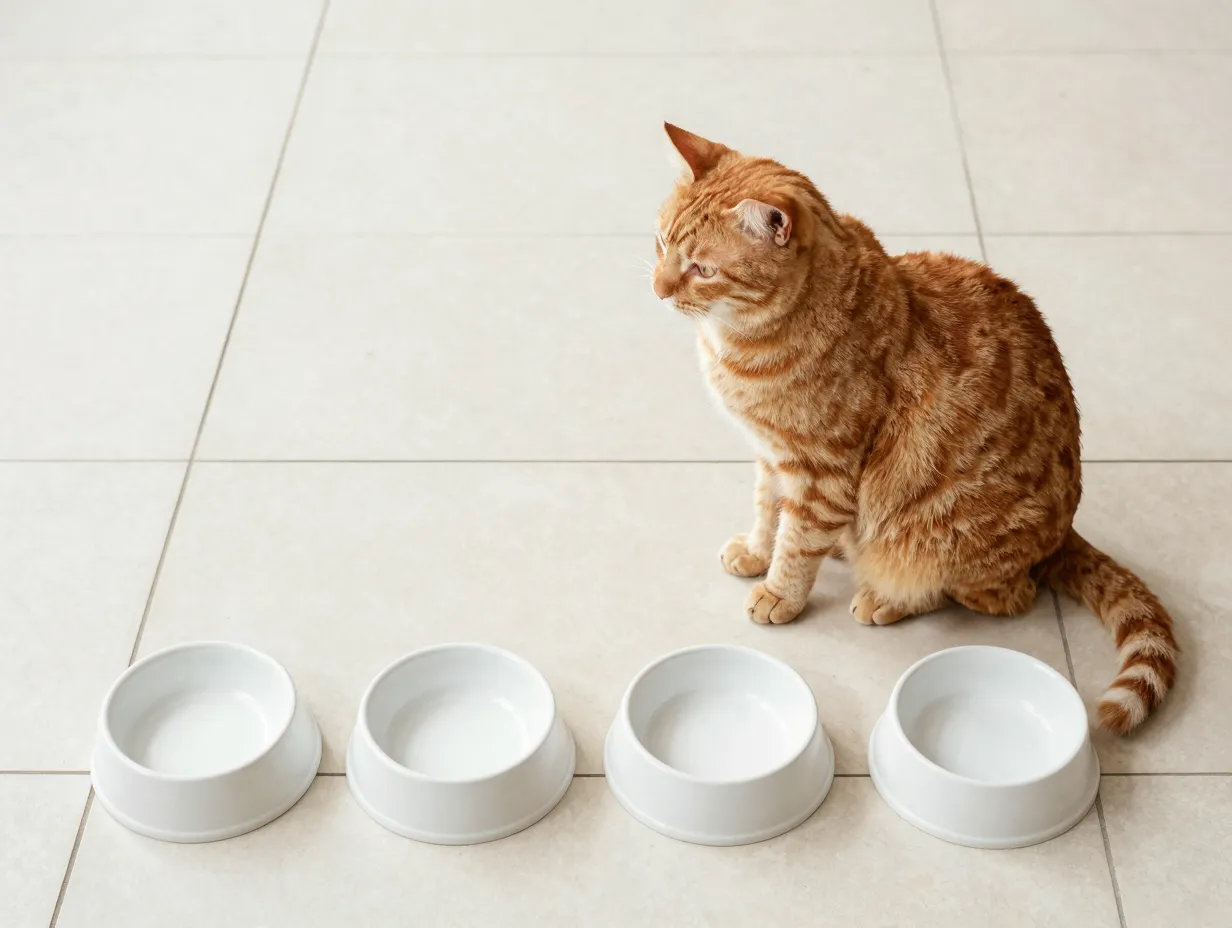
Ask any orange cat owner and they’ll tell you the same story: their ginger cat knows exactly when mealtime is and begins the announcement process approximately 20 minutes early. Strong food motivation is one of the most widely observed traits in orange domestic shorthairs. [3]
This manifests as:
- Persistent bowl-hovering before meals
- Loud, insistent vocalization when food is being prepared
- Begging behavior at human mealtimes
- Rapid eating that sometimes leads to digestive upset
💡 Important: Food motivation is charming, but it can lead to obesity if not managed carefully. Orange cats — particularly neutered males — are prone to weight gain. Measure portions, use puzzle feeders to slow eating, and schedule regular vet weight checks. [6]
The food drive also makes orange cats highly trainable. Because they are so motivated by treats, they respond well to clicker training, recall commands, and even simple tricks like “sit” or “high five.”
5. They Display Affection in Distinctive, Unmistakable Ways 💛
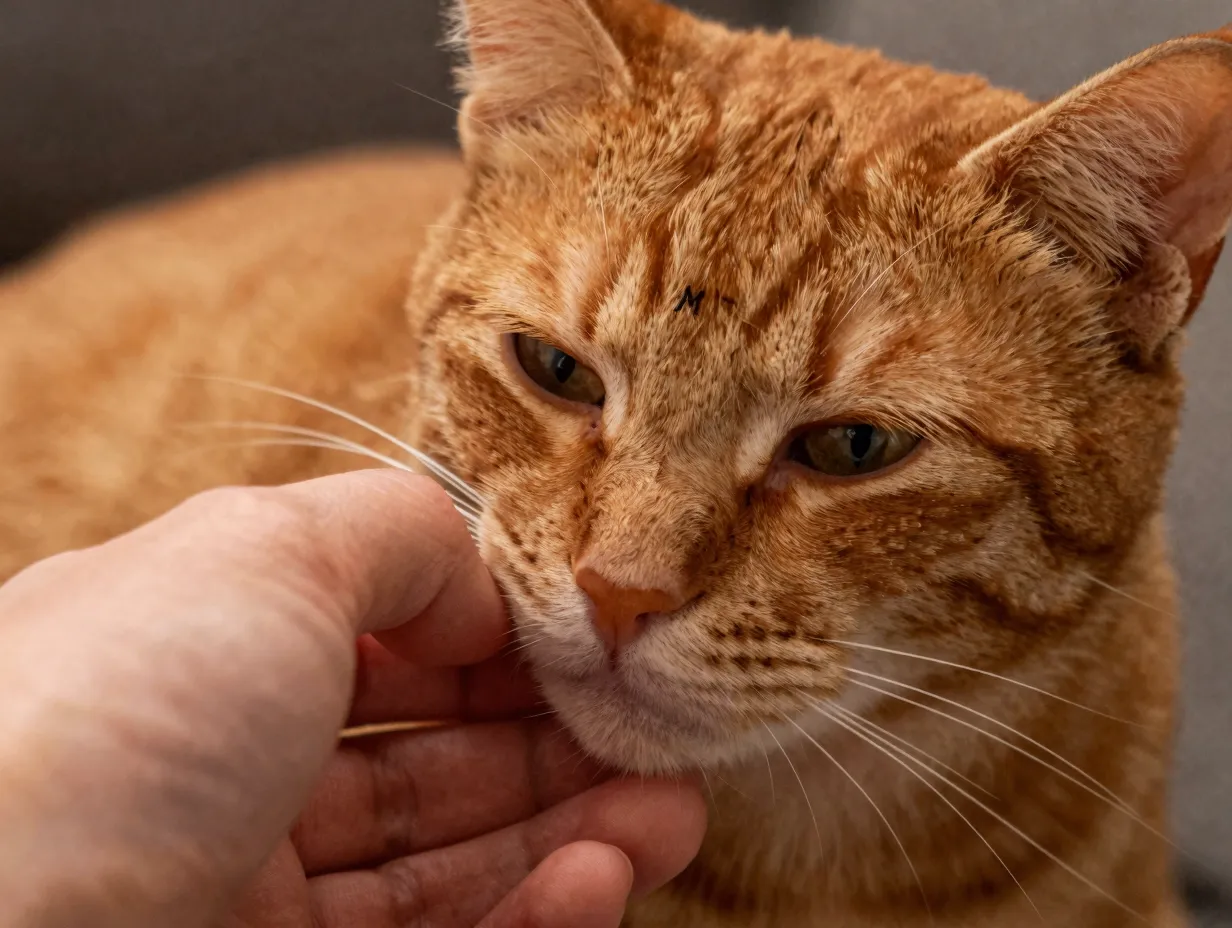
Orange domestic shorthairs don’t just tolerate affection — they actively initiate it. Their trust and love show up in a set of behaviors that are both scientifically documented and deeply heartwarming. [2]
Key affection indicators in orange cats:
- Slow blinking — often called the “cat kiss,” this signals deep trust and relaxation
- Head bunting — gently bumping their head against you to transfer scent and claim you as family
- Kneading — the rhythmic paw motion linked to kittenhood comfort
- Purring — especially when combined with eye contact
- Following you — staying within a room or two of their favorite person at all times [2]
If your orange cat does any of these regularly, congratulations: you have earned the trust of one of nature’s most charming creatures.
6. Individual Personality Varies More Than the Stereotypes Suggest 🎭
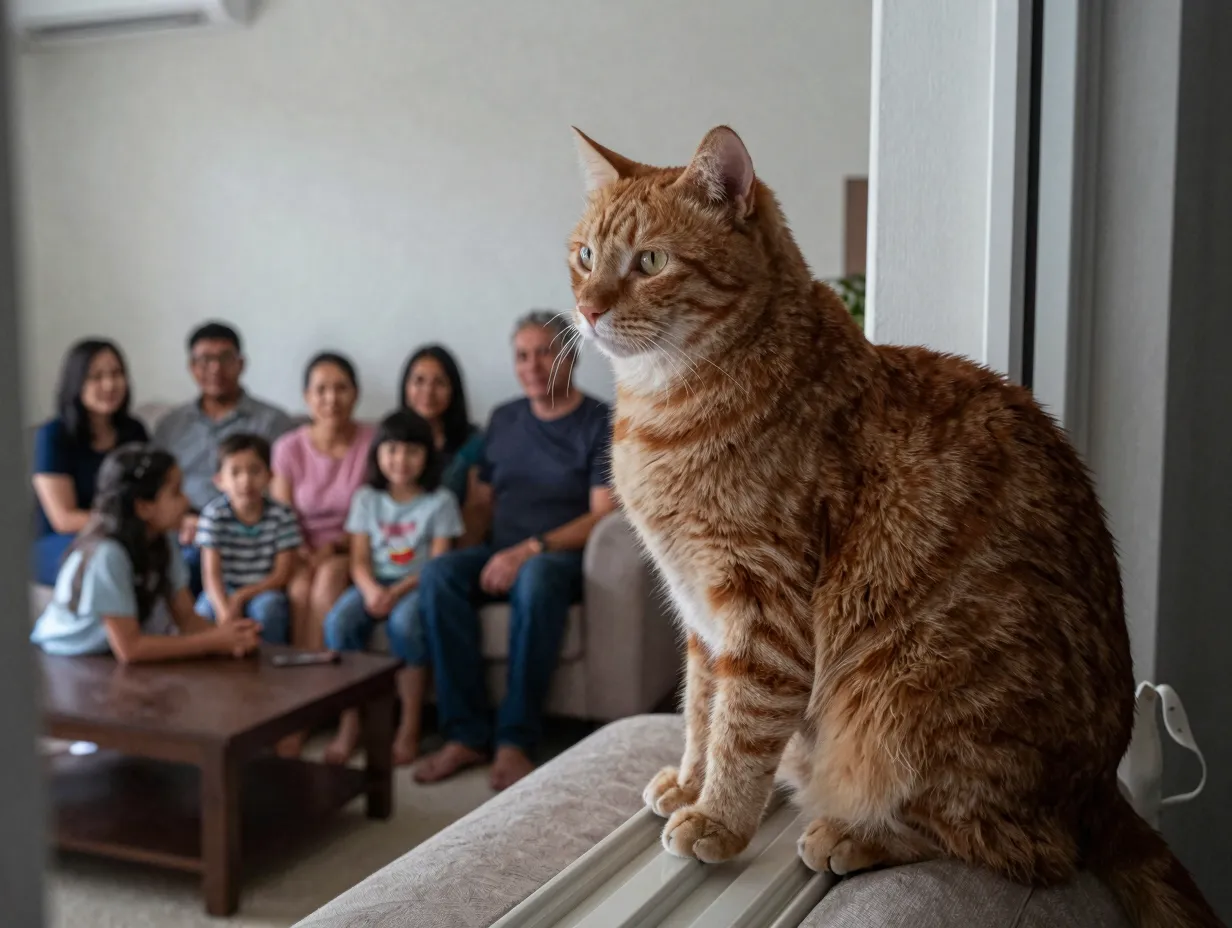
Here’s where we need to be honest about the 9 charmingly unique traits of the orange domestic shorthair cat: not every orange cat fits the friendly, boisterous stereotype. Some are bold and loud; others are quiet, reserved, and deeply clever. Some are lap cats; others prefer to observe from a distance. [4]
“Not all orange cats fit the stereotype — some are bold and loud while others are quiet, shy, or deeply clever, demonstrating significant individual differences.” [4]
The “one brain cell” meme that has made orange cats famous on the internet is funny, but it’s also reductive. Many orange cats are highly intelligent problem-solvers who figure out door handles, open cabinets, and manipulate their owners with surgical precision. [4]
Factors that shape individual orange cat personality:
| Factor | Impact on Behavior |
|---|---|
| Sex (male vs. female) | Males tend to be more outgoing; females often more independent |
| Early socialization | Kittens handled frequently become more confident adults |
| Neutering/spaying | Reduces territorial and aggressive behaviors |
| Household environment | Multi-pet homes shape social skills differently |
| Genetics | Inherited temperament from parents |
7. Human Perception Amplifies Their “Friendly” Reputation 🔍
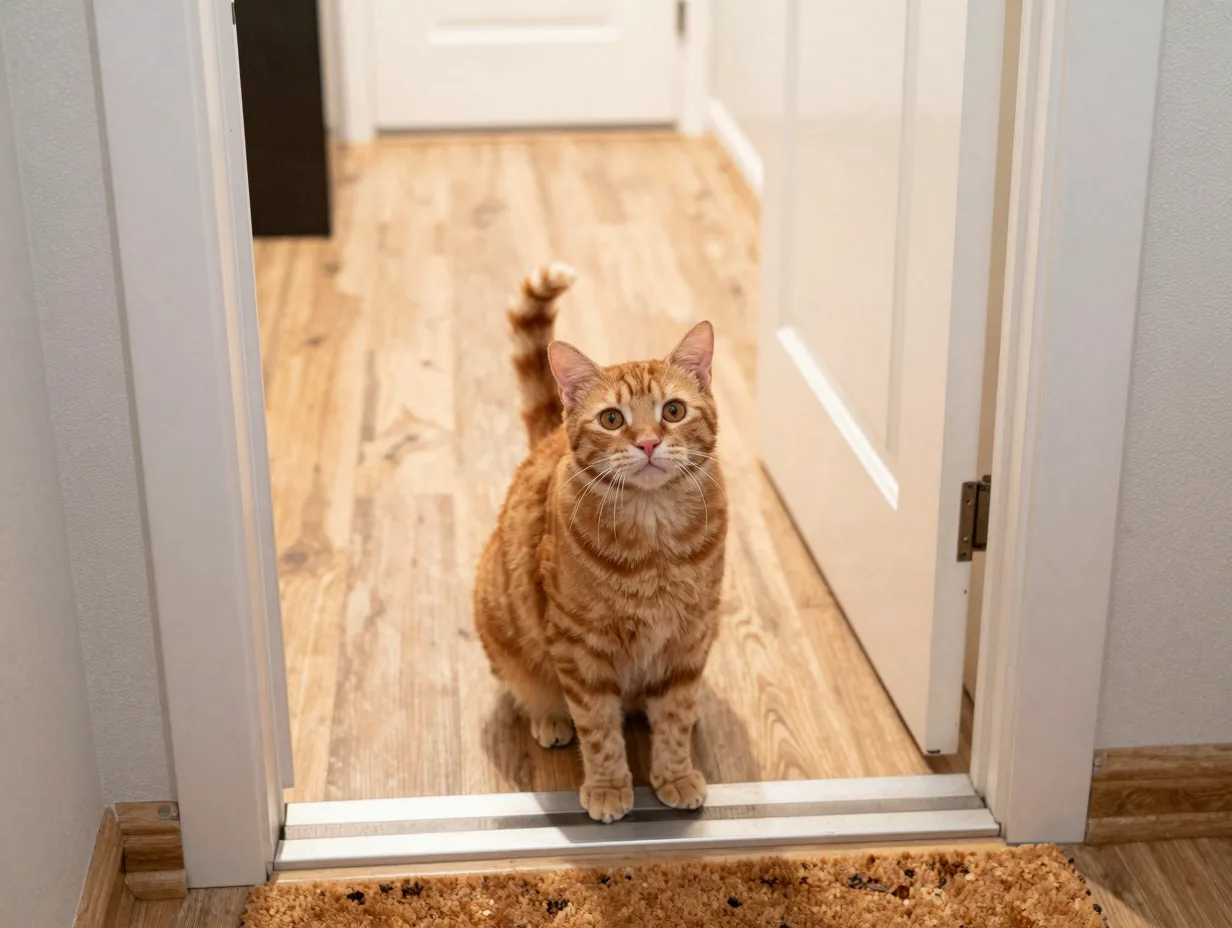
One fascinating dimension of the 9 charmingly unique traits of the orange domestic shorthair cat is that humans perceive orange cats as friendlier than cats of other colors — even before any interaction takes place. [5]
A study referenced by Rover found that participants were significantly more likely to describe orange cats as friendly, trainable, and calm compared to cats with white, black, or tortoiseshell coats. [5]
“Participants were more likely to describe orange cats as friendly, though experts note this reflects human perception rather than objective behavioral differences.” [5]
This perception bias has real-world consequences:
- Orange cats may receive more positive social reinforcement from humans who approach them expecting friendliness
- Positive human interaction reinforces social behavior, creating a self-fulfilling prophecy
- Orange cats in shelters may be adopted faster than cats of other colors due to this bias
Understanding this dynamic doesn’t diminish the orange cat’s charm — it actually adds a fascinating layer to how human-animal relationships are shaped by appearance and expectation.
8. The Genetics Behind the Color Are Genuinely Unique 🧬
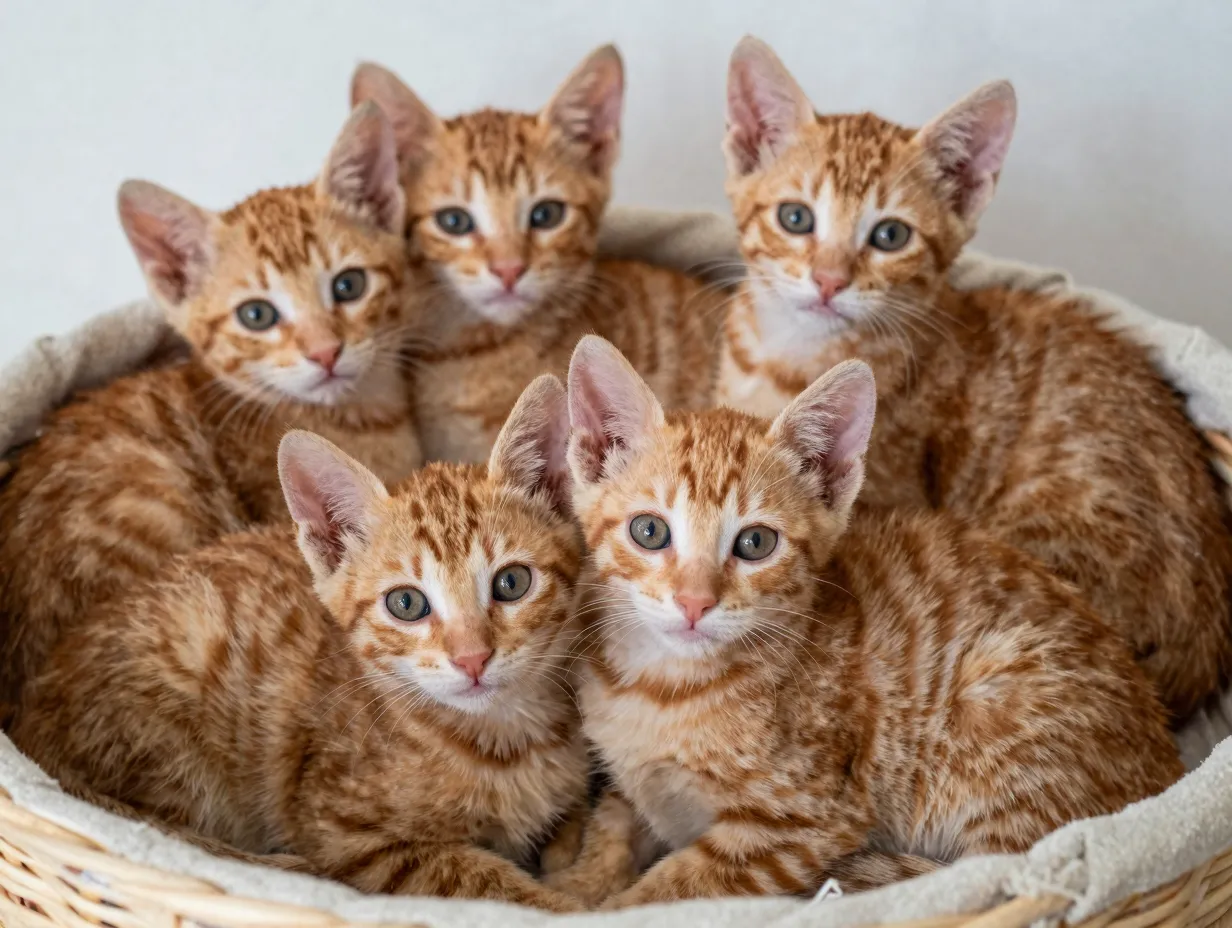
No discussion of the 9 charmingly unique traits of the orange domestic shorthair cat would be complete without addressing the biology that makes the color itself so rare and special. [6]
The orange coat is produced by pheomelanin, a pigment that replaces the darker eumelanin found in black and brown cats. The gene responsible — the O gene — is X-linked, meaning:
- Male cats (XY) only need one copy of the orange gene to be fully orange
- Female cats (XX) need two copies — one on each X chromosome — to display a full orange coat
- Female cats with only one copy become tortoiseshell or calico instead
This is why approximately 80% of orange cats are male. [6] The rarity of orange female cats makes them biologically unique — and in some cultures, they’re considered especially lucky.
Additional genetic facts:
- All orange cats display some form of tabby pattern — stripes, swirls, spots, or ticking — because the tabby gene is always expressed alongside the orange gene
- The classic “M” marking on the forehead is nearly universal in orange tabbies
- True solid orange cats (without any tabby pattern) essentially do not exist in nature [6]
9. They Form Deep, Long-Term Bonds With Their Families 🏠
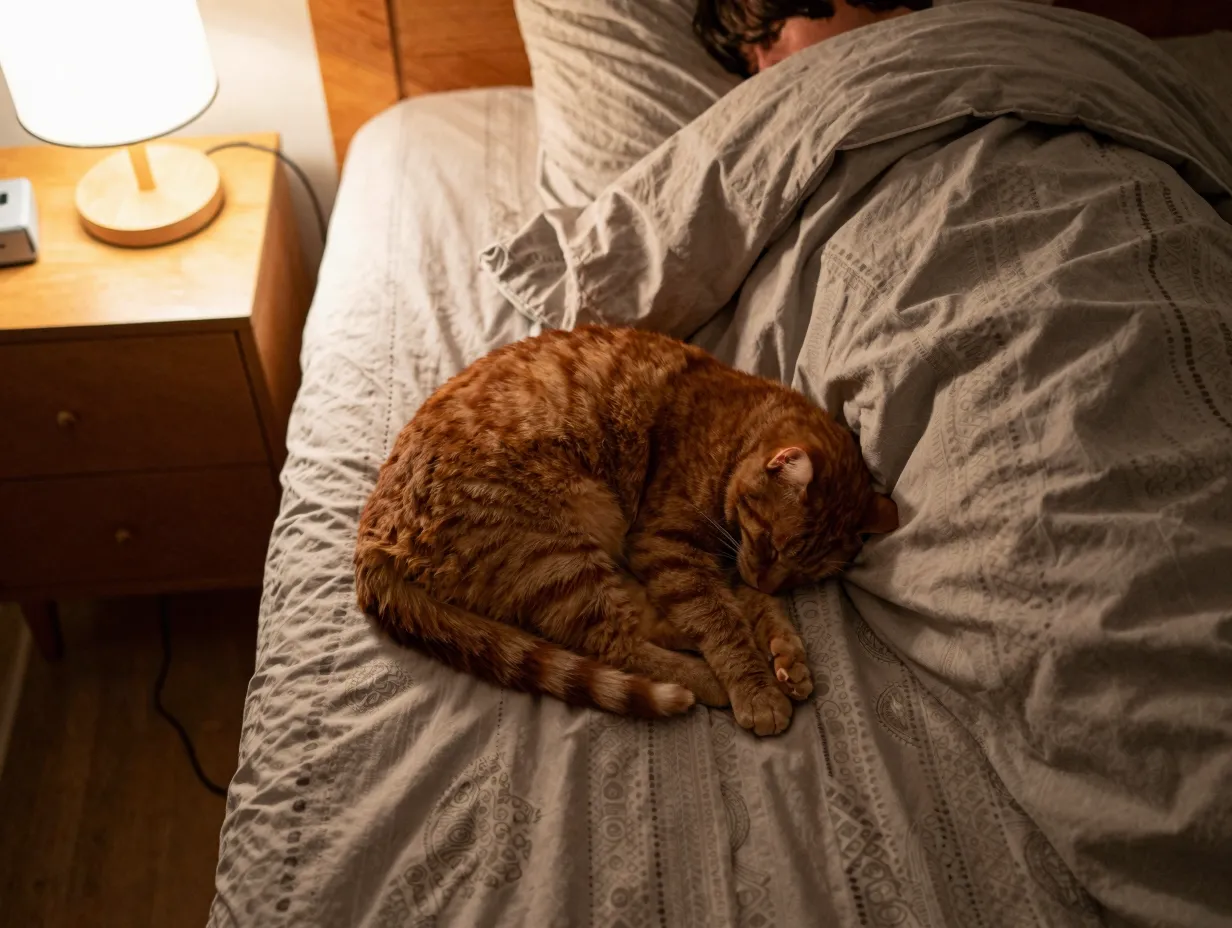
The final and perhaps most meaningful of the 9 charmingly unique traits of the orange domestic shorthair cat is their capacity for deep, enduring attachment. Orange domestic shorthairs are not casual companions — they invest in their relationships. [2]
This bond manifests over time through:
- Consistent proximity — always nearby, rarely in a different room
- Greeting rituals — meeting owners at the door with vocalizations and tail-up posture
- Comfort-seeking during stress — coming to owners when frightened by storms or loud noises
- Grief responses — showing visible behavioral changes when a family member is absent for extended periods [2]
Research on cat attachment styles has found that many cats — particularly those raised in nurturing environments — form secure attachment bonds with their primary caregivers, similar to the bonds observed between human infants and parents. Orange cats, with their social and people-oriented nature, appear especially prone to forming these deep connections. [2]
How to nurture this bond:
- Maintain consistent daily routines — cats thrive on predictability
- Use positive reinforcement rather than punishment
- Respect your cat’s signals — when they need space, give it; when they seek closeness, be present
- Schedule regular interactive play to reinforce the relationship
Are Orange Domestic Shorthairs Right for You?
Based on these 9 charmingly unique traits, orange domestic shorthairs tend to thrive in homes that offer:
✅ Regular human interaction and companionship
✅ Structured mealtimes with portion control
✅ Enriching play opportunities and environmental stimulation
✅ Patience for vocal communication and expressive behavior
✅ A stable, low-stress household environment
They may be more challenging for owners who:
❌ Travel frequently and leave pets alone for long periods
❌ Prefer a more independent, low-interaction cat
❌ Are not prepared for persistent food-related behavior
❌ Have very small living spaces without vertical enrichment
That said, every orange cat is an individual. The traits described here are tendencies, not guarantees. The best way to understand any specific cat is to spend time with them before adopting and to work with a knowledgeable shelter or rescue organization. [4]
Conclusion: Celebrating the Orange Domestic Shorthair in 2026
The 9 charmingly unique traits of the orange domestic shorthair cat — from their X-linked genetics and legendary food motivation to their expressive vocalization and capacity for deep emotional bonds — paint a picture of a cat that is genuinely extraordinary. These aren’t just internet-famous felines riding a meme wave. They are complex, affectionate, and biologically fascinating animals that have earned their beloved status in households around the world.
In 2026, as more people adopt cats and seek to understand feline behavior on a deeper level, the orange domestic shorthair stands out as a perfect case study in how genetics, environment, and human perception combine to create an animal personality.
Your actionable next steps:
- If you’re considering adoption: Visit local shelters and spend time with orange cats individually — look for the specific personality that matches your lifestyle.
- If you already have an orange cat: Use this list to better understand their behavior and tailor your enrichment, feeding, and bonding strategies accordingly.
- If your orange cat shows extreme food motivation or anxiety: Consult your veterinarian to rule out medical causes and discuss behavioral support options.
- Share what you know: The more cat owners understand feline behavior science, the better the lives of cats everywhere become.
Your orange cat isn’t just a pet — they’re a personality, a companion, and a daily reminder that the most charming things in life often come in the boldest colors. 🧡
References
[1] lemon8-app – https://www.lemon8-app.com/@kayleebaby02/7461251598917009966?region=us
[2] Orange Cat Behavior – https://petsourcenc.com/orange-cat-behavior/
[3] Orange Cat Behavior – https://www.thecattopia.com/blog/orange-cat-behavior/
[4] One Brain Cell Orange Cats – https://cheerble.com/blogs/cheerble-blog/one-brain-cell-orange-cats
[5] Orange Cat Breeds – https://www.rover.com/blog/orange-cat-breeds/
[6] 8 Orange Tabby Cat Facts – https://www.litter-robot.com/blog/8-orange-tabby-cat-facts/