8 Things To Know Before Adopting A Siberian Husky Dog Breed
Picture this: those piercing blue eyes, that thick double coat, and an unmistakable wolf-like appearance that turns heads everywhere you go. Siberian Huskies are undeniably stunning dogs that capture hearts instantly. However, beneath that beautiful exterior lies a complex breed with specific needs that many potential owners underestimate. Understanding these 8 things to know before adopting a Siberian Husky dog breed can mean the difference between a successful, lifelong partnership and a heartbreaking surrender to a rescue organization.

In 2026, Siberian Huskies remain one of the most popular yet frequently surrendered dog breeds in America. Their striking appearance and pop culture presence make them highly desirable, but their demanding nature often catches unprepared families off guard. Before you fall head-over-heels for those mesmerizing eyes, it’s crucial to understand what you’re truly signing up for.
Key Takeaways
- Extreme Energy Requirements: Huskies need 2+ hours of vigorous daily exercise and mental stimulation to prevent destructive behaviors
- Escape Artist Tendencies: Secure 6-foot fencing with no gaps is mandatory; these dogs are notorious for finding creative ways to escape
- Rigorous Adoption Process: Expect thorough screening including home inspections, vet checks, and trial periods before approval
- Training Challenges: Independent thinkers that require patience, consistency, and positive reinforcement techniques
- Significant Time Investment: Not suitable for first-time dog owners or those with busy lifestyles
1. Extreme Energy Demands Will Transform Your Daily Routine
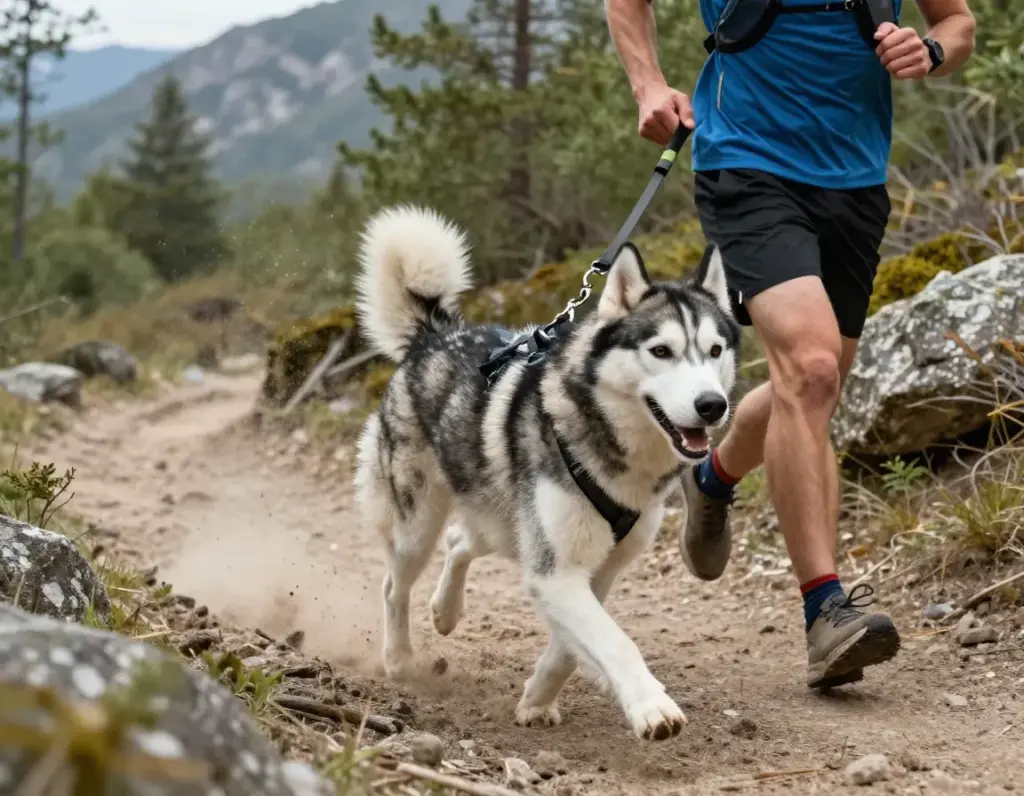
When considering the 8 things to know before adopting a Siberian Husky dog breed, understanding their energy requirements tops the list. These dogs were bred to run hundreds of miles across frozen tundra, pulling sleds for hours on end. That genetic programming doesn’t simply disappear because they’re living in your suburban home.
Daily Exercise Requirements:
- Minimum 2 hours of vigorous exercise daily
- Multiple walks, hiking sessions, or supervised play dates
- Games of fetch, agility training, or dog sports
- Mental stimulation through puzzle toys and training sessions
Huskies require frequent daily exercise that goes far beyond a casual walk around the block [3]. Unmet exercise needs lead directly to boredom and anxiety, which manifests as destructive behaviors like chewing furniture, digging holes, or howling excessively.
“A tired Husky is a good Husky. Without adequate physical and mental stimulation, these dogs will create their own entertainment – and you probably won’t like their choices.”
Signs Your Husky Needs More Exercise:
- Destructive chewing or digging
- Excessive vocalization or howling
- Restlessness or pacing indoors
- Attempting to escape the yard
- Hyperactive behavior during calm moments
If you’re not prepared to dedicate significant time to exercise and activities, a Siberian Husky isn’t the right breed for your lifestyle.
2. Secure Fencing Is Non-Negotiable for Safety
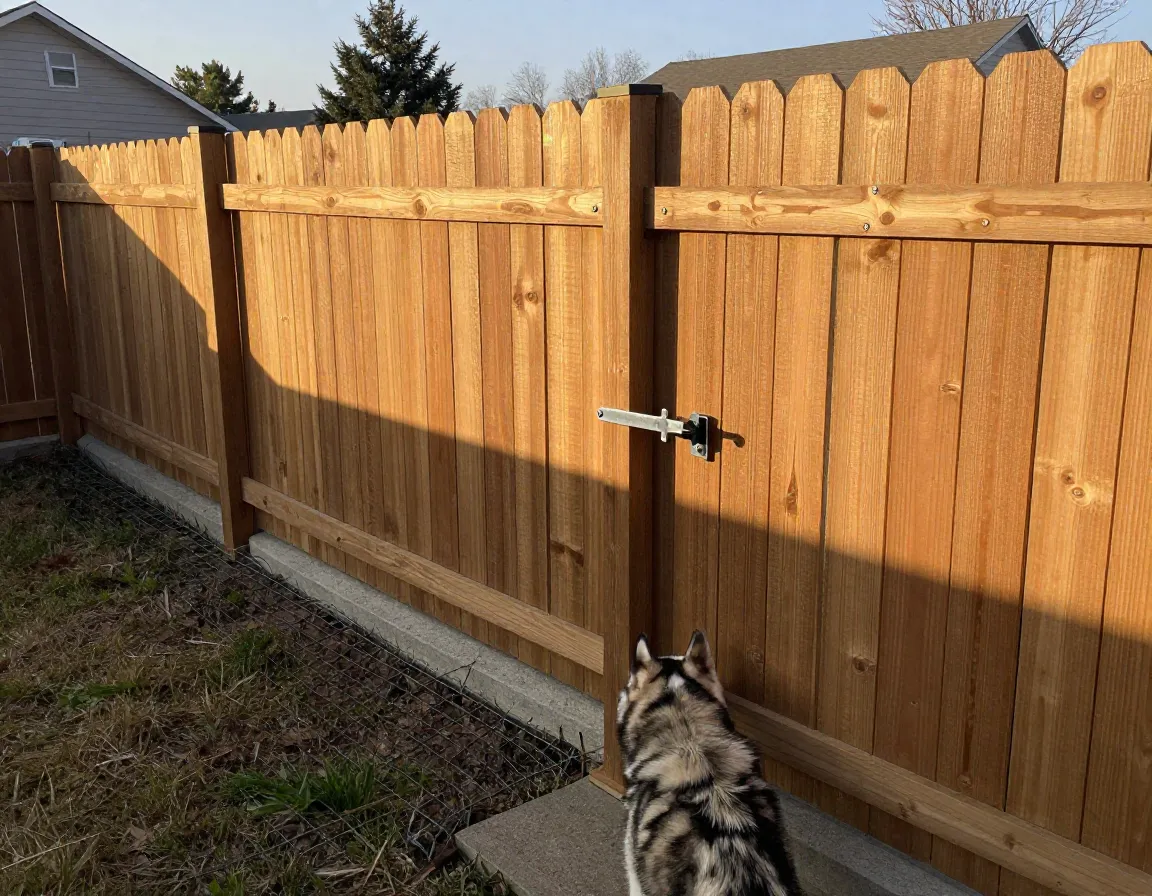
Among the critical 8 things to know before adopting a Siberian Husky dog breed, their escape artist abilities rank as one of the most important safety considerations. Huskies are renowned for their intelligence and determination when it comes to finding freedom, making secure containment absolutely essential.
Fencing Requirements:
- Minimum 6-foot height with no footholds
- No gaps, holes, or broken slats anywhere in the perimeter
- Buried wire or concrete footer to prevent digging under
- Secure gate latches that can’t be manipulated
- Regular inspection for wear and potential weak spots
Rescue organizations conduct thorough home checks specifically looking for gaps, broken slats, holes, or any compromised spots where a husky could escape [1][2]. This isn’t just bureaucratic red tape – it’s a life-saving requirement based on countless experiences with escaped Huskies.
Common Escape Methods:
- 🔸 Digging under fences (sometimes within minutes)
- 🔸 Climbing or jumping over barriers up to 6 feet high
- 🔸 Squeezing through surprisingly small gaps
- 🔸 Opening gate latches with their mouths or paws
- 🔸 Breaking through weak fence materials
The consequences of an escaped Husky can be devastating. These dogs can travel incredible distances quickly and may not have the street smarts to navigate urban environments safely. Many rescue organizations have heartbreaking stories of Huskies lost forever due to inadequate fencing.
3. Training Requires Patience and Positive Reinforcement
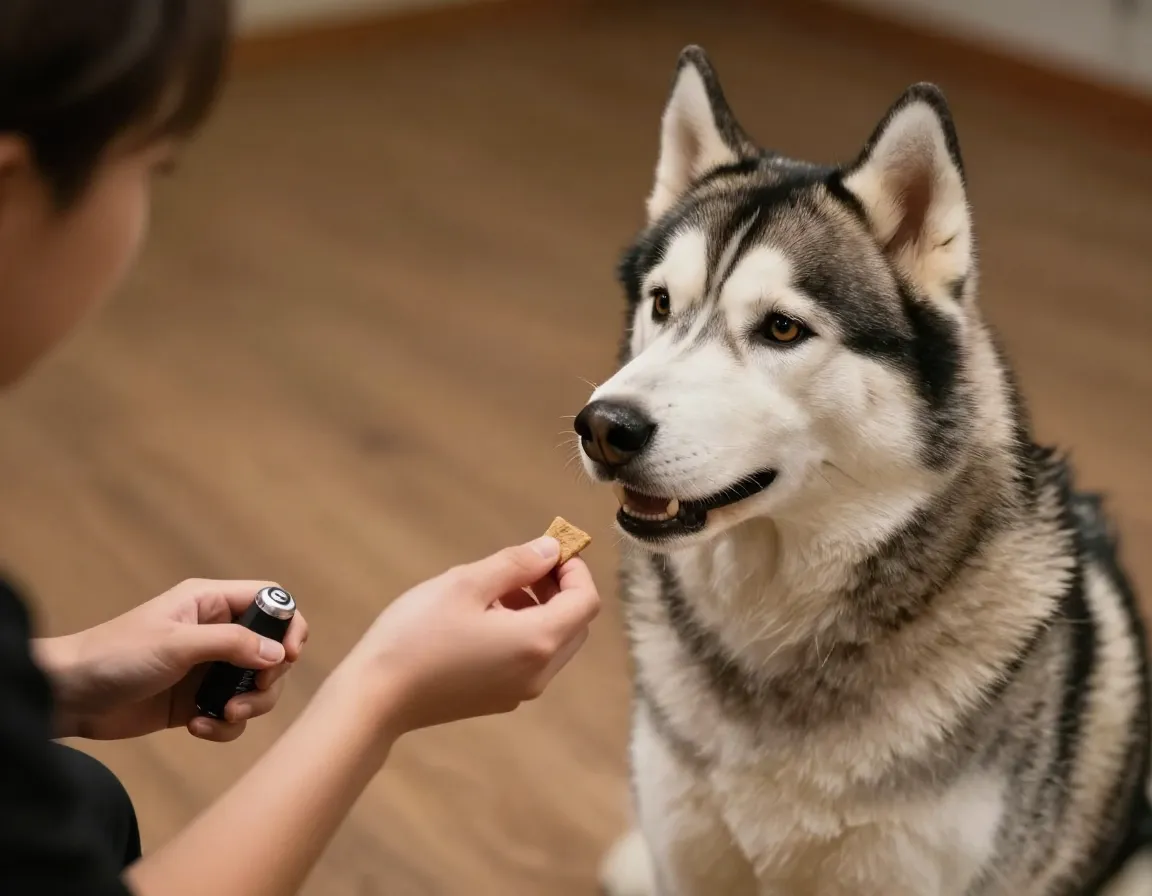
Understanding training challenges represents another crucial aspect of the 8 things to know before adopting a Siberian Husky dog breed. Unlike eager-to-please breeds like Golden Retrievers, Huskies are independent thinkers who question every command and make their own decisions about compliance.
Training Characteristics:
- Slow response to commands even when they know them
- Selective obedience based on their current interests
- High intelligence combined with stubborn independence
- Strong prey drive that can override training
- Pack mentality requiring clear leadership
Huskies respond slowly to commands and obey reluctantly, making positive reinforcement techniques starting early absolutely essential [3]. Punishment-based training proves completely ineffective with this breed and often creates additional behavioral problems.
Effective Training Strategies:
| Method | Effectiveness | Notes |
|---|---|---|
| Positive Reinforcement | ⭐⭐⭐⭐⭐ | High-value treats, praise, play |
| Consistency | ⭐⭐⭐⭐⭐ | Same commands, same expectations |
| Early Socialization | ⭐⭐⭐⭐⭐ | Critical for well-adjusted adult |
| Punishment-Based | ❌ | Creates fear, aggression, mistrust |
| Sporadic Training | ❌ | Confuses and undermines progress |
Professional training classes are highly recommended, especially for first-time Husky owners. These dogs need mental stimulation as much as physical exercise, and training sessions serve both purposes effectively.
4. Rigorous Adoption Screening Protects Both Parties

The adoption process itself represents a significant consideration among the 8 things to know before adopting a Siberian Husky dog breed. Unlike adopting many other breeds, Husky rescue organizations implement comprehensive screening procedures designed to ensure successful placements.
Typical Screening Requirements:
- ✅ Detailed application with lifestyle questions
- ✅ Veterinary reference checks for current/previous pets
- ✅ Phone interviews with adoption counselors
- ✅ Landlord verification for renters
- ✅ Home and fence inspections
- ✅ Behavioral consultations and meet-and-greets
Applications typically include vet checks, phone interviews, landlord verification for renters, fence/home inspections, and behavioral consultations before approval [1][2]. This thorough process can take several weeks and may feel invasive, but it’s designed to prevent returns and ensure good matches.
Common Disqualifying Factors:
- Inadequate fencing or escape risks
- Insufficient time for exercise and training
- First-time dog ownership without support
- Rental properties without pet permission
- Unrealistic expectations about the breed
- Previous pet surrenders without valid reasons
The screening process benefits everyone involved – it helps ensure you’re truly prepared for Husky ownership while protecting the dog from another potential surrender situation.
5. Trial Periods Allow Real-World Assessment

Most reputable Husky rescues implement 5-day trial periods to ensure the dog fits your home and lifestyle before finalizing adoption [1]. This represents another important aspect of the 8 things to know before adopting a Siberian Husky dog breed that sets them apart from typical pet adoptions.
Trial Period Benefits:
- Real-world compatibility testing in your actual environment
- Observation of true behavior outside shelter stress
- Assessment of family dynamics with all household members
- Evaluation of exercise tolerance and energy matching
- Discovery of potential issues before permanent commitment
What to Observe During Trial:
- 🔍 Energy levels throughout different times of day
- 🔍 Interaction with family members including children
- 🔍 Response to boundaries and house rules
- 🔍 Escape attempts or fence testing behaviors
- 🔍 Vocalization patterns and noise levels
- 🔍 Compatibility with other pets if applicable
Honest evaluation during this period is crucial. It’s much better to return a dog during the trial than to struggle for months before eventually surrendering. Rescue organizations understand that not every match works out and prefer honest feedback over forced placements.
6. Financial Investment Extends Beyond Adoption Fees

While Siberian Husky adoption fees typically range from $400-$1,200, which is relatively inexpensive compared to other large breeds [9], the ongoing costs represent a significant financial commitment that’s essential to understand among the 8 things to know before adopting a Siberian Husky dog breed.
Adoption Fee Typically Includes:
- Spay/neuter surgery
- Current vaccinations
- Microchip identification
- Basic health screening
- Temperament evaluation
Ongoing Monthly Expenses:
| Category | Monthly Cost | Annual Cost |
|---|---|---|
| High-Quality Food | $60-$100 | $720-$1,200 |
| Veterinary Care | $50-$150 | $600-$1,800 |
| Grooming Supplies | $20-$40 | $240-$480 |
| Exercise Equipment | $15-$30 | $180-$360 |
| Training Classes | $50-$100 | $600-$1,200 |
| Total Range | $195-$420 | $2,340-$5,040 |
Additional Considerations:
- Emergency veterinary bills can reach thousands of dollars
- Professional grooming during shedding seasons
- Pet insurance premiums for large breed coverage
- Boarding costs when traveling (many facilities charge extra for escape-prone breeds)
- Fence maintenance and upgrades as needed
7. High Demand Meets High Abandonment Rates
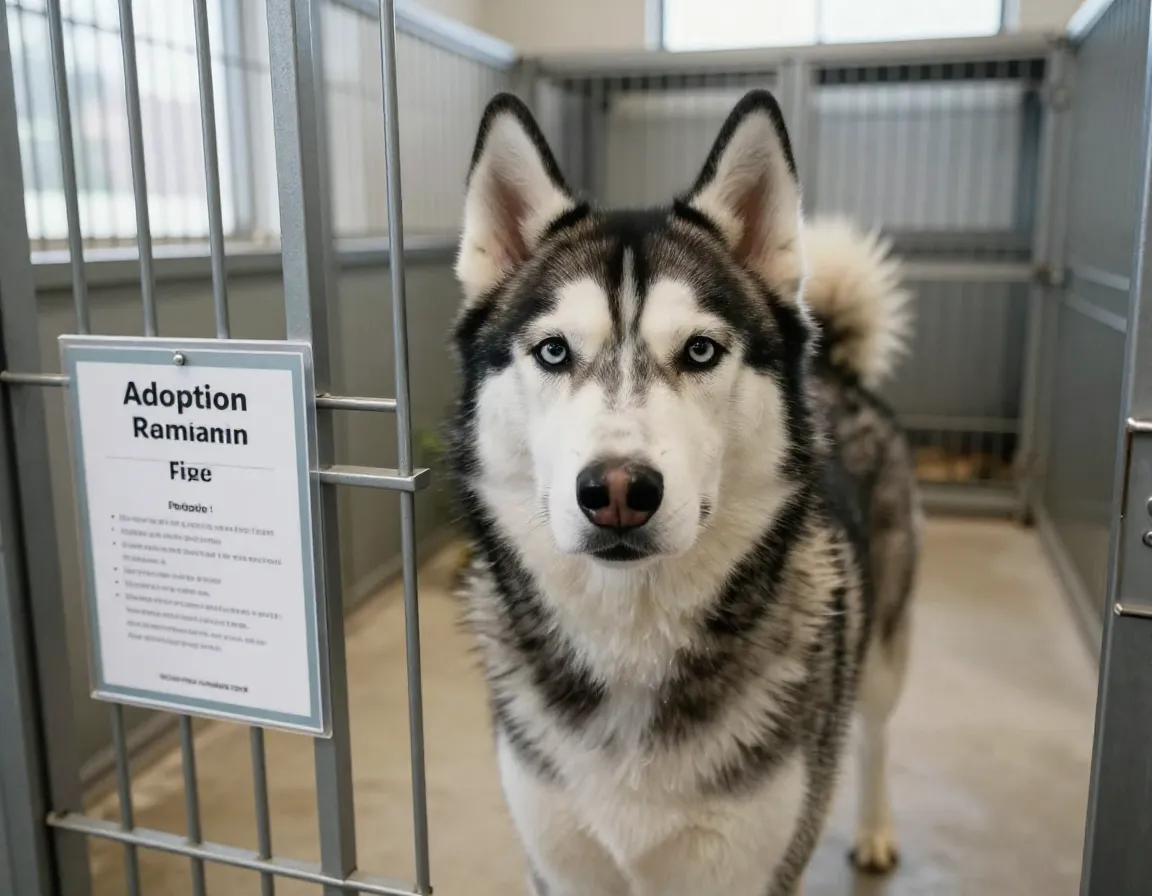
The popularity paradox represents a sobering reality among the 8 things to know before adopting a Siberian Husky dog breed. While Huskies remain in high demand due to their striking appearance, they also experience some of the highest abandonment rates among purebred dogs.
Availability Factors:
- High demand but limited availability in rural shelters
- Urban areas offer better selection due to higher abandonment rates [3]
- Seasonal variations with more surrenders after winter holidays
- Age preferences with adult dogs more readily available than puppies
Common Surrender Reasons:
- 📊 Underestimated exercise requirements (40% of cases)
- 📊 Escape behaviors and property damage (25% of cases)
- 📊 Incompatibility with lifestyle changes (20% of cases)
- 📊 Behavioral issues from inadequate training (15% of cases)
Finding Available Huskies:
- Regional Husky rescue organizations
- Breed-specific rescue networks
- Petfinder and Adopt-a-Pet databases
- Social media rescue groups
- Veterinary clinic bulletin boards
The high abandonment rate means rescue organizations are particularly cautious about placements. They’ve seen too many well-meaning families surrender Huskies when reality doesn’t match expectations.
8. Social Nature and Vocal Tendencies Shape Daily Life
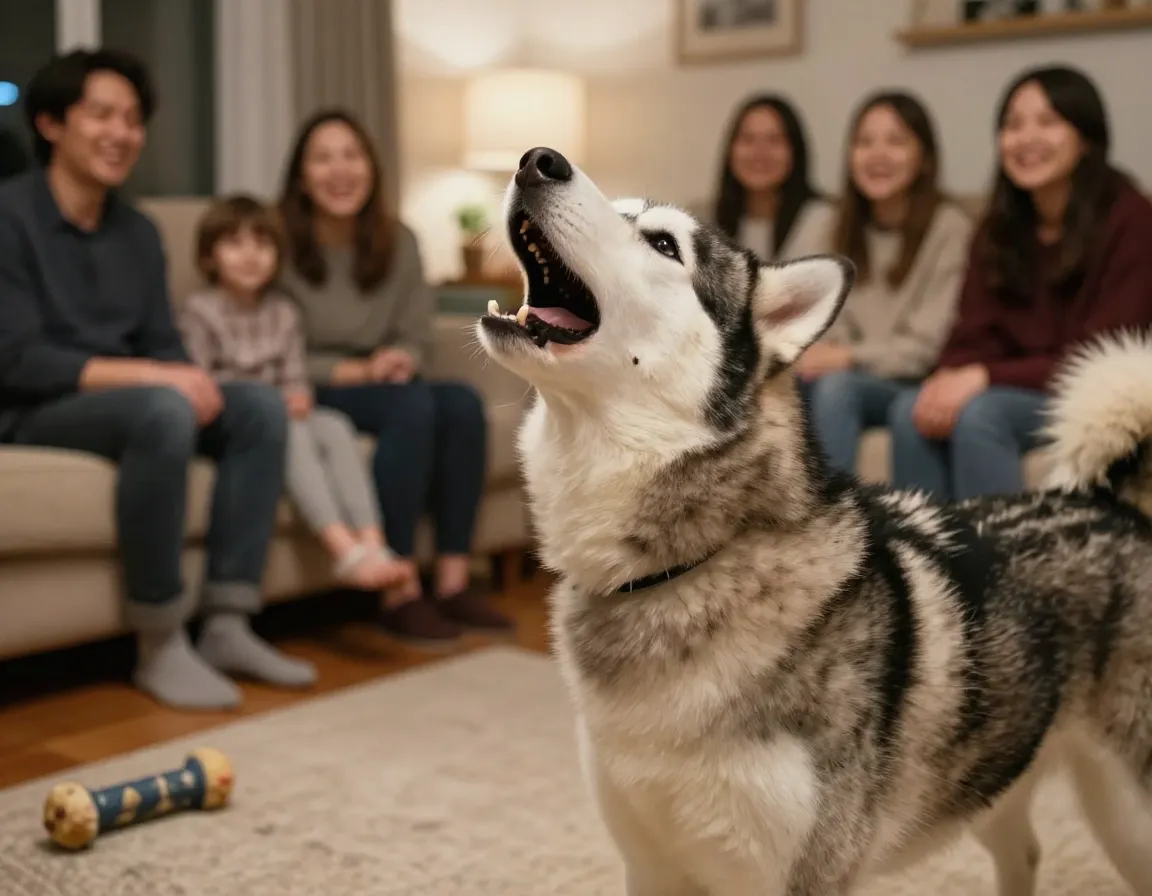
The final consideration among the 8 things to know before adopting a Siberian Husky dog breed involves their intensely social and vocal nature. Huskies are pack animals that flourish with committed owners but can become problematic without proper socialization and outlets for their communicative instincts [2].
Social Characteristics:
- Pack-oriented mentality requiring clear family hierarchy
- Strong bonds with family members
- Potential separation anxiety when left alone extensively
- Generally good with children when properly socialized
- Variable compatibility with other pets
Vocal Behaviors:
- 🗣️ Howling rather than traditional barking
- 🗣️ “Talking” or vocalization during excitement
- 🗣️ Protest sounds when disagreeing with decisions
- 🗣️ Pack calling to communicate with other dogs
- 🗣️ Attention-seeking vocalizations when bored
Managing Vocal Tendencies:
- Early training to establish quiet commands
- Adequate exercise to reduce excess energy
- Mental stimulation to prevent boredom-based vocalization
- Consistent responses to attention-seeking behaviors
- Neighbor consideration in close living situations
Transition Considerations:
Adopted Huskies may need gradual food introduction and significant adjustment time when rehomed [3]. The transition period can last several weeks as the dog adapts to new routines, family members, and environmental expectations.
Building Strong Relationships:
- Establish consistent daily routines
- Provide clear leadership without harsh methods
- Include the dog in family activities when possible
- Respect their need for mental and physical challenges
- Be patient during the adjustment period
Conclusion
Successfully adopting a Siberian Husky requires honest self-assessment and serious commitment to meeting their unique needs. These 8 things to know before adopting a Siberian Husky dog breed represent the foundation for making an informed decision that benefits both you and your potential four-legged family member.
Before moving forward with adoption:
- Evaluate your lifestyle honestly – Do you have 2+ hours daily for exercise and training?
- Assess your living situation – Is your fencing secure and your housing suitable?
- Consider your experience level – Are you prepared for the training challenges?
- Review your budget – Can you handle both expected and unexpected expenses?
- Connect with local rescue organizations – Start the application process and ask questions
- Attend meet-and-greet events – Interact with Huskies to understand their personalities
- Prepare your home – Make necessary improvements before bringing a dog home
- Commit to the long term – Huskies can live 12-15 years with proper care
The reward of successfully adopting and caring for a Siberian Husky is immeasurable. These magnificent dogs offer unwavering loyalty, endless entertainment, and companionship that enriches life in countless ways. However, that reward comes only to those who enter the relationship with realistic expectations and genuine commitment to meeting their needs.
If you’ve carefully considered these eight crucial factors and still feel confident about Husky ownership, reach out to reputable rescue organizations in your area. They’re eager to help dedicated families find their perfect match while ensuring every dog finds a forever home where they can thrive.
Remember: adopting a Husky isn’t just about gaining a pet – it’s about welcoming a intelligent, energetic family member who will challenge you, inspire you, and love you unconditionally for years to come.
References
[1] Husky – https://www.sniffspot.com/dog-rescues/husky
[2] Washington – https://dogacademy.org/adoption/adopt-a-husky/washington/
[3] Adopt A Husky – https://dogacademy.org/adoption/adopt-a-husky/
[4] Siberian Husky Dog Breed – https://www.pawlicy.com/blog/siberian-husky-dog-breed/
[5] Watch – https://www.youtube.com/watch?v=VvD1duaPdyI
[6] Adopting Your Husky – https://foreverhusky.org/adopting-your-husky/
[7] 14 Huskies – https://www.thehumanesociety.org/14-huskies/
[8] Breedinfo – https://bayareasiberian.org/breedinfo.html
[9] Siberian Husky Cost – https://articles.hepper.com/siberian-husky-cost/