
8 Things To Know About The Cavalier King Charles Spaniel Dog Breed
With their silky coats, expressive eyes, and gentle temperament, Cavalier King Charles Spaniels have captured hearts worldwide and consistently rank among the most beloved companion dogs. These regal yet approachable spaniels carry centuries of royal heritage while maintaining an adaptable nature that makes them perfect for modern families. Whether you’re considering adding one to your household or simply want to learn more about this remarkable breed, understanding the 8 things to know about the Cavalier King Charles Spaniel dog breed will help you appreciate what makes these dogs so special in 2026.

Key Takeaways
- Royal Heritage: Cavalier King Charles Spaniels have a rich history dating back to 16th century European royalty
- Health Considerations: The breed is prone to specific health issues, particularly heart conditions that require regular monitoring
- Gentle Temperament: These dogs are known for their friendly, adaptable nature making them excellent family pets
- Grooming Needs: Their beautiful silky coats require regular maintenance and professional grooming
- Size and Lifespan: Typically weighing 13-18 pounds with a lifespan of 12-15 years when properly cared for
1. Rich Royal History and Heritage 👑
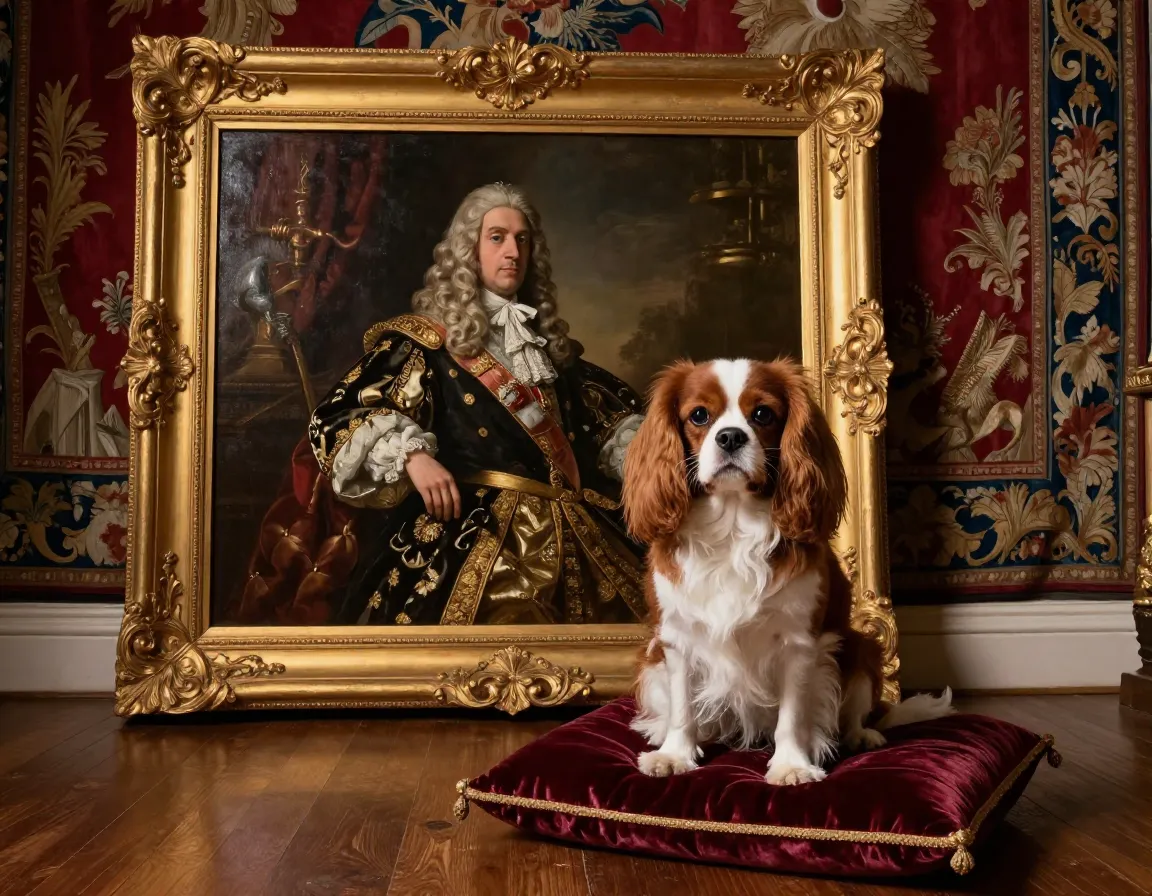
The Cavalier King Charles Spaniel boasts one of the most fascinating histories in the dog world. Originally bred as companion dogs for European nobility in the 16th and 17th centuries, these spaniels were particularly favored by King Charles I and King Charles II of England. The breed’s name directly honors this royal connection, with “Cavalier” referring to the supporters of King Charles I during the English Civil War.
Historical paintings from this era frequently feature these small spaniels alongside royal family members, showcasing their long-standing role as cherished companions. The breed nearly disappeared in the 18th century when flat-faced toy spaniels became more fashionable. However, in the 1920s, American Roswell Eldridge offered prize money for spaniels that resembled those in old royal paintings, leading to the revival of the breed we know today.
“The Cavalier King Charles Spaniel represents a living piece of history, carrying forward centuries of selective breeding for companionship and gentle temperament.”
This royal heritage explains many of the breed’s characteristics that make them excellent companion dogs today:
- Natural grace and poise
- Gentle, non-aggressive temperament
- Strong desire for human companionship
- Adaptability to various living situations
Essential Breed Characteristics: What Makes Cavaliers Special
Understanding the fundamental traits that define this breed helps explain why these dogs remain so popular among families and individuals alike.
2. Perfect Size for Modern Living 🏠

Cavalier King Charles Spaniels are considered small to medium-sized dogs, making them ideal for various living situations. Adult Cavaliers typically weigh between 13-18 pounds and stand 12-13 inches tall at the shoulder. This compact size offers several advantages:
Benefits of Their Size:
- Suitable for apartment living
- Easy to travel with
- Manageable exercise requirements
- Comfortable for children to handle
- Lower food and medication costs
Despite their small stature, Cavaliers are sturdy dogs with well-proportioned bodies. They’re not as fragile as some toy breeds, yet they’re small enough to be comfortable lap dogs. This perfect balance makes them excellent choices for families with children, seniors, or anyone living in smaller spaces.
3. Four Distinct and Beautiful Coat Colors 🎨

One of the most striking aspects when learning about the 8 things to know about the Cavalier King Charles Spaniel dog breed is their gorgeous coat varieties. The breed standard recognizes four distinct color patterns:
| Color Pattern | Description | Characteristics |
|---|---|---|
| Blenheim | Chestnut markings on white background | Most common variety, named after Blenheim Palace |
| Tricolor | Black and white with tan markings | Distinctive tan spots above eyes and on cheeks |
| Black and Tan | Solid black with tan markings | Rich black coat with tan on chest, legs, and face |
| Ruby | Solid rich red color | Least common variety, no white markings |
Each color variety has its own unique appeal, and all are equally valued in breed standards. The silky, medium-length coat requires regular grooming but is generally easy to maintain with proper care.
4. Exceptional Temperament and Personality ❤️
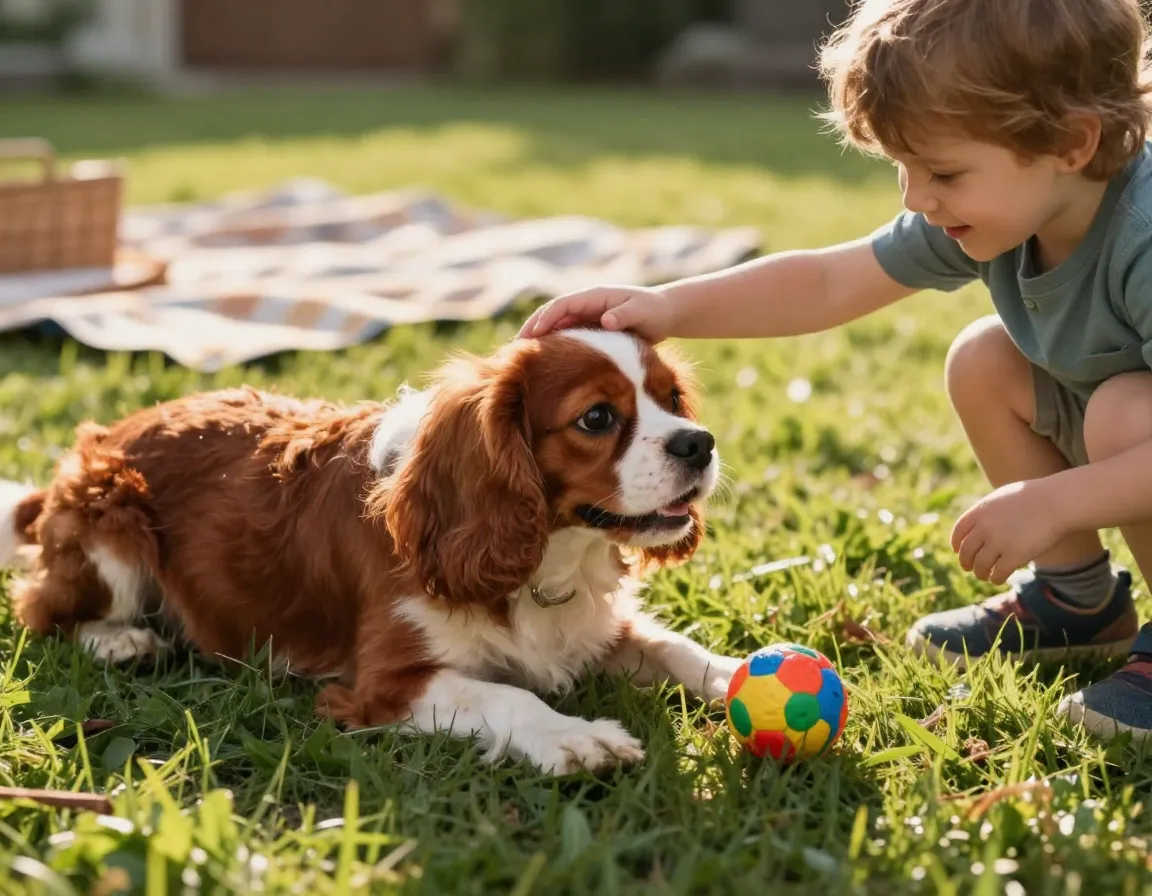
The temperament of Cavalier King Charles Spaniels is perhaps their most endearing quality. These dogs are known for being:
Positive Traits:
- Friendly and outgoing with strangers
- Gentle and patient with children
- Adaptable to their owner’s lifestyle
- Intelligent and eager to please
- Generally quiet and well-mannered
Social Characteristics:
- Excellent with other pets
- Rarely show aggression
- Thrive on human companionship
- Can suffer from separation anxiety if left alone frequently
- Make poor guard dogs due to their friendly nature
This exceptional temperament makes Cavaliers outstanding therapy dogs and emotional support animals. Their intuitive nature allows them to sense their owner’s moods and provide comfort when needed.
Health and Care Considerations
5. Important Health Issues to Monitor 🏥

When exploring the 8 things to know about the Cavalier King Charles Spaniel dog breed, understanding their health predispositions is crucial for responsible ownership. Unfortunately, Cavaliers are prone to several hereditary health conditions:
Primary Health Concerns:
Heart Conditions:
- Mitral Valve Disease (MVD): Affects up to 50% of Cavaliers by age 5
- Curly Coat Syndrome: Can lead to heart complications
- Regular cardiac screenings recommended
Neurological Issues:
- Curly Coat Syndrome: Affects brain and spinal cord
- Episodic Falling: Muscle stiffness during excitement
- Syringomyelia: Fluid-filled cavities in spinal cord
Eye Problems:
- Cataracts: Can develop at any age
- Retinal problems: May lead to vision loss
- Annual eye examinations recommended
Prevention and Management:
- Choose reputable breeders who health test breeding dogs
- Maintain regular veterinary checkups
- Monitor for early symptoms
- Consider pet insurance for potential medical costs
6. Grooming and Maintenance Requirements ✂️

The beautiful coat that makes Cavaliers so attractive also requires consistent care. Understanding their grooming needs is essential among the 8 things to know about the Cavalier King Charles Spaniel dog breed.
Daily Grooming Tasks:
- Brushing: 10-15 minutes daily to prevent matting
- Ear cleaning: Weekly to prevent infections
- Dental care: Daily brushing or dental chews
Weekly Grooming:
- Thorough brushing of feathering on legs and tail
- Nail trimming as needed
- Bath only when necessary (monthly or less)
Professional Grooming:
- Every 6-8 weeks for trimming
- Sanitary trimming around paws and rear
- Optional: slight trimming of feathering for neatness
Special Attention Areas:
- Ears: Long, feathered ears prone to infections
- Eyes: Regular cleaning to prevent tear staining
- Feet: Hair between toes needs trimming
Living with a Cavalier King Charles Spaniel
7. Exercise Needs and Activity Level 🚶♂️

Contrary to what their royal appearance might suggest, Cavalier King Charles Spaniels have moderate exercise requirements that are easily manageable for most owners.
Daily Exercise Requirements:
- 30-45 minutes of total activity
- Two walks of 15-20 minutes each
- Indoor play counts toward exercise needs
- Mental stimulation through training and puzzle toys
Suitable Activities:
- Leisurely neighborhood walks
- Playing fetch in the yard
- Swimming (many Cavaliers enjoy water)
- Agility training for mental stimulation
- Dog parks for socialization
Important Exercise Considerations:
- Avoid overexertion in hot weather
- Monitor for breathing difficulties during activity
- Adjust exercise based on age and health status
- Indoor activities sufficient during bad weather
Age-Appropriate Exercise:
- Puppies: Short, frequent play sessions
- Adults: Regular moderate exercise
- Seniors: Gentle walks and light play
8. Training and Intelligence Characteristics 🧠

The final point in our exploration of the 8 things to know about the Cavalier King Charles Spaniel dog breed focuses on their trainability and intelligence. Cavaliers are moderately intelligent dogs with a strong desire to please their owners.
Training Strengths:
- Eager to please attitude
- Food motivated for positive reinforcement
- Gentle nature responds well to soft correction
- Social intelligence reads human emotions well
Training Considerations:
- Sensitive temperament requires gentle methods
- Short attention spans need brief, frequent sessions
- Consistency more important than intensity
- Early socialization prevents timidity
Recommended Training Areas:
- Basic obedience: Sit, stay, come, down
- House training: Generally easy with consistency
- Leash walking: Important due to chasing instincts
- Crate training: Helps with separation anxiety
Training Timeline:
- 8-12 weeks: Basic socialization and house training
- 3-6 months: Fundamental obedience commands
- 6+ months: Advanced training and refinement
- Ongoing: Reinforcement and new skills
Conclusion
Understanding these 8 things to know about the Cavalier King Charles Spaniel dog breed provides a comprehensive foundation for anyone considering this remarkable breed or seeking to better care for their current Cavalier. From their royal heritage to their gentle temperament, from their beautiful coat varieties to their specific health considerations, Cavaliers offer a unique combination of elegance and companionship that has made them beloved family pets for centuries.
Key Action Steps for Prospective Owners:
- Research reputable breeders who conduct health testing on breeding dogs
- Budget for ongoing healthcare including regular cardiac screenings
- Prepare for daily grooming and regular professional maintenance
- Plan for moderate exercise and mental stimulation needs
- Consider pet insurance to help manage potential health costs
For Current Cavalier Owners:
- Schedule regular veterinary checkups with emphasis on heart health
- Maintain consistent grooming routines to prevent matting and health issues
- Provide appropriate exercise while monitoring for overexertion
- Continue positive reinforcement training throughout your dog’s life
- Stay informed about breed-specific health research and recommendations
The Cavalier King Charles Spaniel remains one of the most rewarding companion breeds for those prepared to meet their specific needs. Their combination of royal heritage, gentle temperament, and adaptable nature makes them excellent family pets, therapy dogs, and loyal companions. By understanding these essential breed characteristics, owners can provide the best possible care and enjoy many years of happiness with their Cavalier companion.
Whether you’re drawn to their historical significance, charmed by their gentle nature, or simply captivated by their beautiful appearance, Cavalier King Charles Spaniels continue to prove why they’ve been cherished companions for over 400 years. In 2026, they remain as relevant and beloved as ever, bringing joy and companionship to families around the world.