
8 Things to Know About a Labrador Retriever Mix German Shepherd
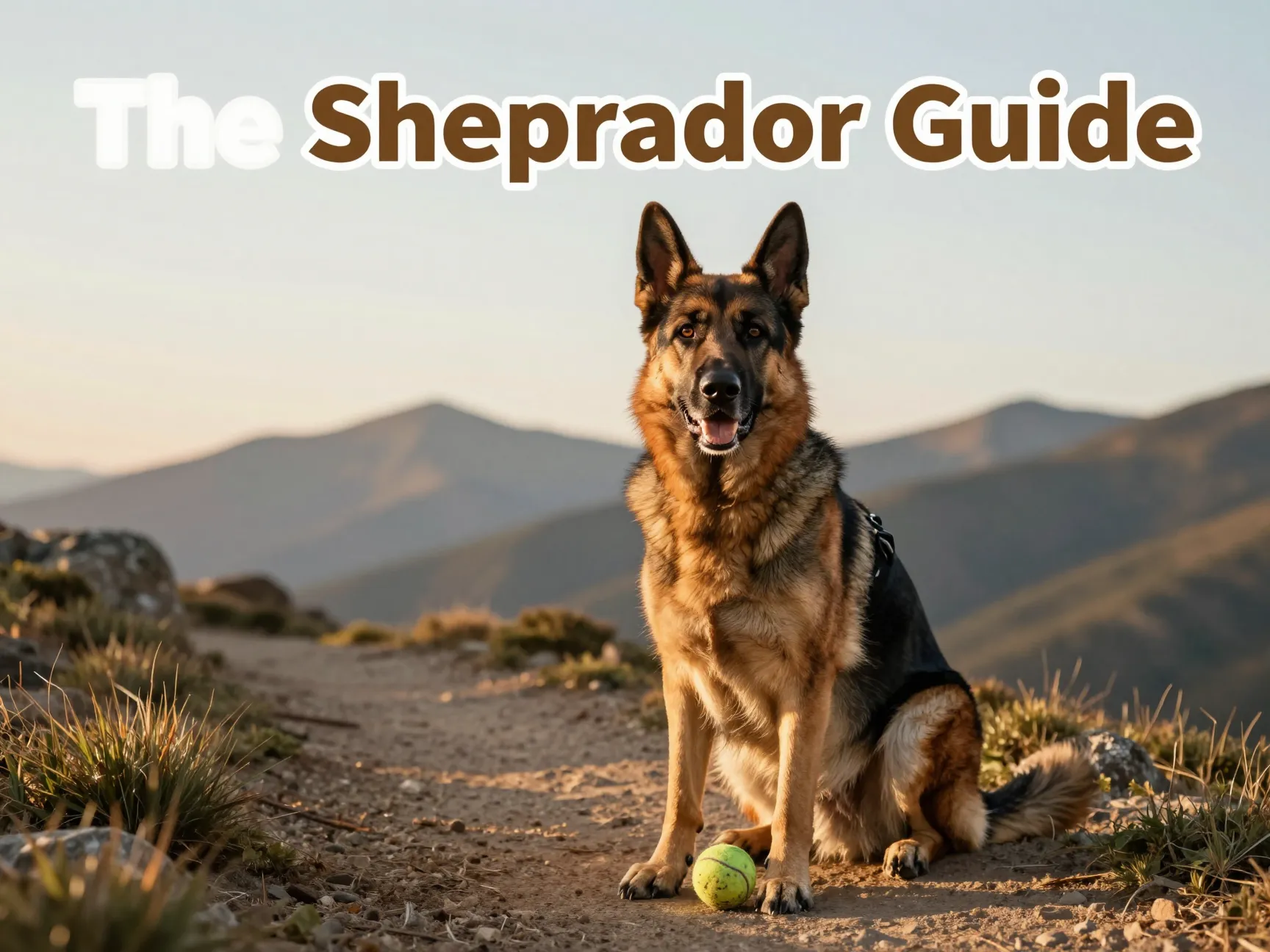
If you’ve ever watched a dog that has the loyalty of a German Shepherd and the warm, tail-wagging friendliness of a Labrador Retriever, you’ve likely met a Sheprador — one of the most beloved mixed breeds in North America. Before you bring one home, there are 8 things to know about a Labrador Retriever mix German Shepherd that every potential owner should understand. This guide covers everything from size and temperament to health, training, and family compatibility, so you can make the most informed decision possible.
Key Takeaways 📌
- Shepradors are highly intelligent — both parent breeds rank in the top 10 of Stanley Coren’s Brightest Dogs list, making training rewarding but mentally demanding.
- Size varies widely — expect adults to weigh between 50–90 pounds depending on which parent they take after more.
- Heavy shedders — a double coat means regular grooming is non-negotiable.
- High energy dogs — they need significant daily exercise and mental stimulation to stay happy and well-behaved.
- Temperament is not guaranteed — individual dogs can lean more toward the reserved German Shepherd personality or the outgoing Labrador personality.
What Is a Labrador Retriever Mix German Shepherd?
The Sheprador (also called a German Shepherd Lab mix) is a designer crossbreed deliberately developed to combine the German Shepherd’s protective instincts with the Labrador Retriever’s friendly, people-loving nature. This mix gained popularity in North America starting in the 1990s and has since become one of the most sought-after mixed breeds for active families, working roles, and companionship [6].
Both parent breeds are consistently ranked among the most popular dogs in the United States, so it’s no surprise their offspring has earned a loyal following. Whether you’re looking for a family companion, a watchdog, or an adventure partner, the Sheprador checks a lot of boxes — but only if you’re prepared for what comes with this energetic, intelligent hybrid.
Let’s break down the 8 things to know about a Labrador Retriever mix German Shepherd that will help you decide if this is the right dog for your lifestyle.
8 Things to Know About a Labrador Retriever Mix German Shepherd
1. They Are Exceptionally Intelligent Dogs
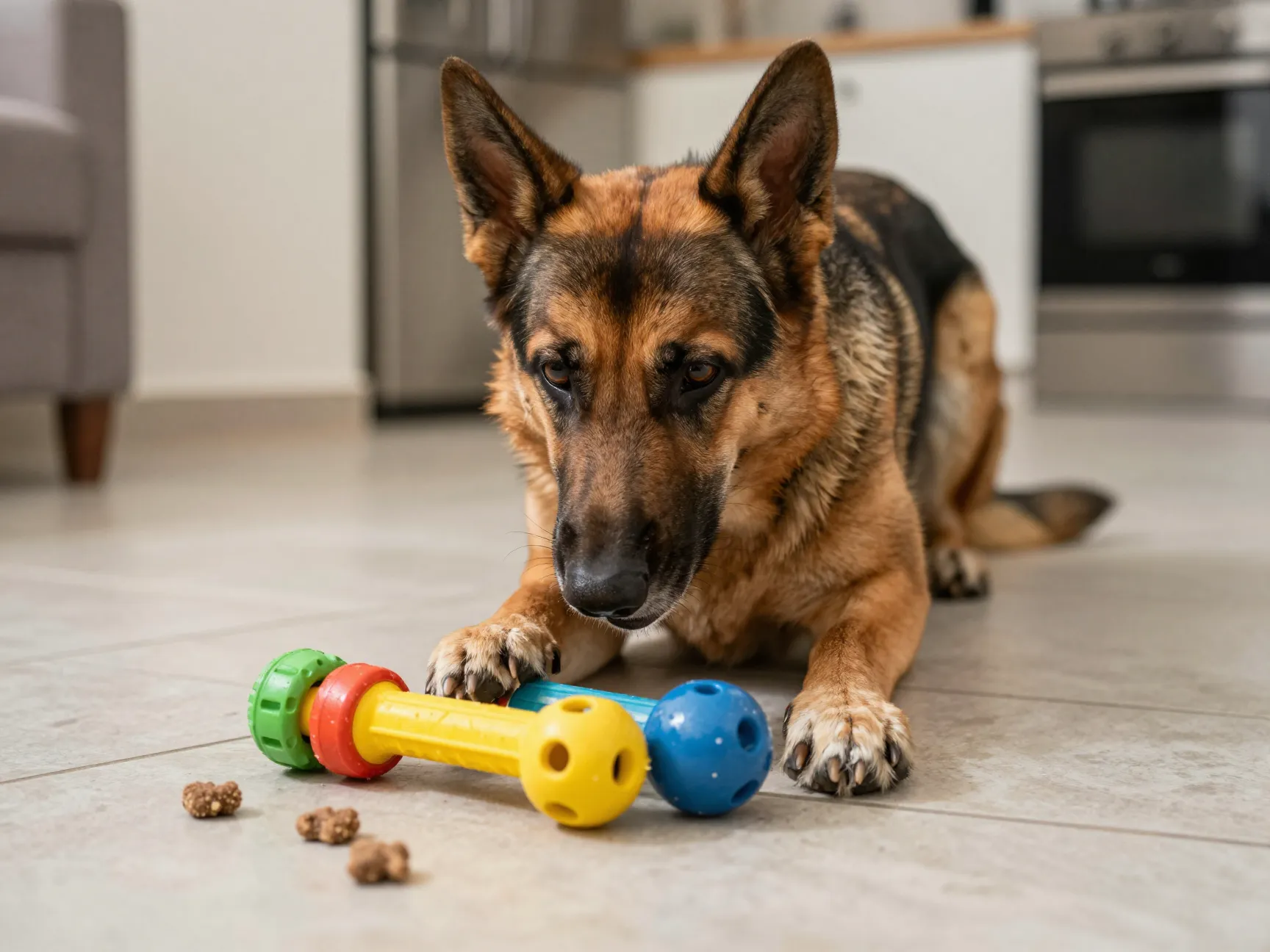
One of the most impressive qualities of the Sheprador is raw intelligence. German Shepherds rank 3rd and Labrador Retrievers rank 7th on Stanley Coren’s Brightest Dogs list, meaning both parent breeds sit firmly in the top 10 [2]. When you combine these two powerhouse breeds, you get a dog that learns commands quickly, problem-solves independently, and picks up on social cues with ease.
💡 “A bored Sheprador is a destructive Sheprador.” — This is a saying many experienced owners live by.
This intelligence is a double-edged sword. On one hand, training is highly rewarding and your dog will impress you with how fast they learn. On the other hand, mental stimulation is not optional — it’s a necessity. Without enough mental engagement, Shepradors can develop unwanted behaviors like chewing, digging, or excessive barking.
Ways to keep your Sheprador mentally stimulated:
- Puzzle feeders and interactive toys
- Obedience training sessions (10–15 minutes daily)
- Nose work and scent games
- Dog sports like agility, flyball, or dock diving
2. Size Can Vary Significantly
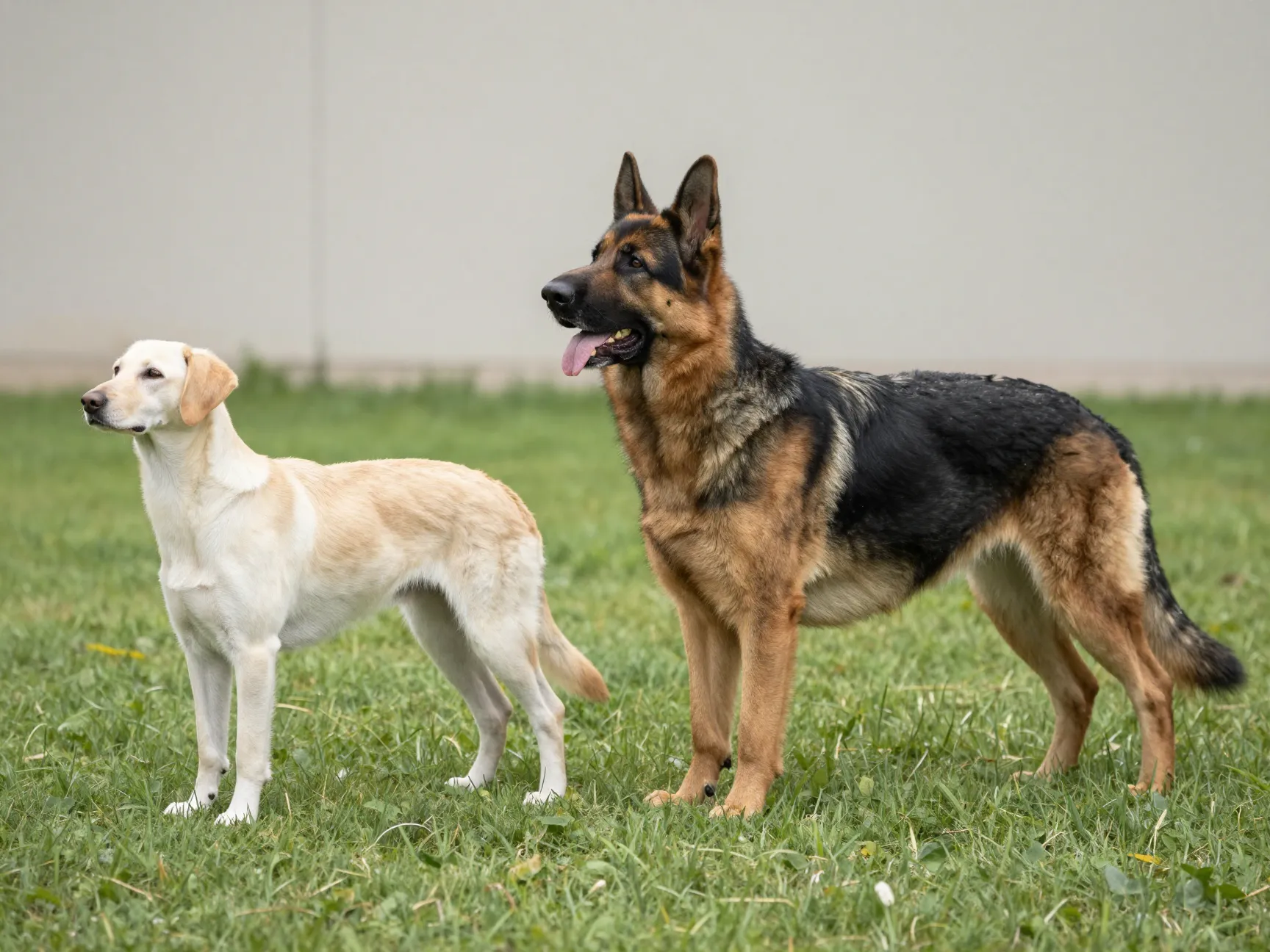
If you’re planning your home or lifestyle around a specific dog size, it’s important to understand that Sheprador size is not predictable. Adults typically weigh between 50–90 pounds and stand 20–28 inches tall at the shoulder [6]. That’s a 40-pound range — a significant difference depending on which parent breed your dog inherits more from.
| Trait | Smaller End | Larger End |
|---|---|---|
| Weight | ~50 lbs | ~90 lbs |
| Height | ~20 inches | ~28 inches |
| Build | Leaner, Lab-like | Stockier, GSD-like |
| Space Needed | Medium yard | Large yard preferred |
Factors that influence size include:
- The size of each parent dog
- Whether the Lab parent was English (stockier) or American (leaner)
- Gender (males are typically larger than females)
- Diet and exercise during puppyhood
If size matters to your living situation, try to meet both parent dogs before committing to a puppy.
3. Expect Heavy Shedding Year-Round

Let’s be honest — if you love clean furniture and dark clothing, the Sheprador will test your patience. These dogs have short to medium-length double coats that shed heavily throughout the year, with even more intense shedding during seasonal “blow-outs” in spring and fall [6].
Both parent breeds are notorious shedders, so this trait is almost guaranteed in their offspring. The good news is that the coat is relatively easy to manage with the right tools and routine.
Grooming essentials for a Sheprador:
- Weekly brushing (at minimum) with a de-shedding brush or slicker brush
- Daily brushing during seasonal blow-outs
- Bathing every 4–6 weeks or as needed
- Regular nail trims, ear checks, and dental care
⚠️ Pro Tip: Invest in a high-quality vacuum designed for pet hair. It will become your best friend.
If you or a family member has dog allergies, the Sheprador is not a hypoallergenic breed and may not be the best fit.
4. Their Personality Is a Beautiful — But Unpredictable — Blend
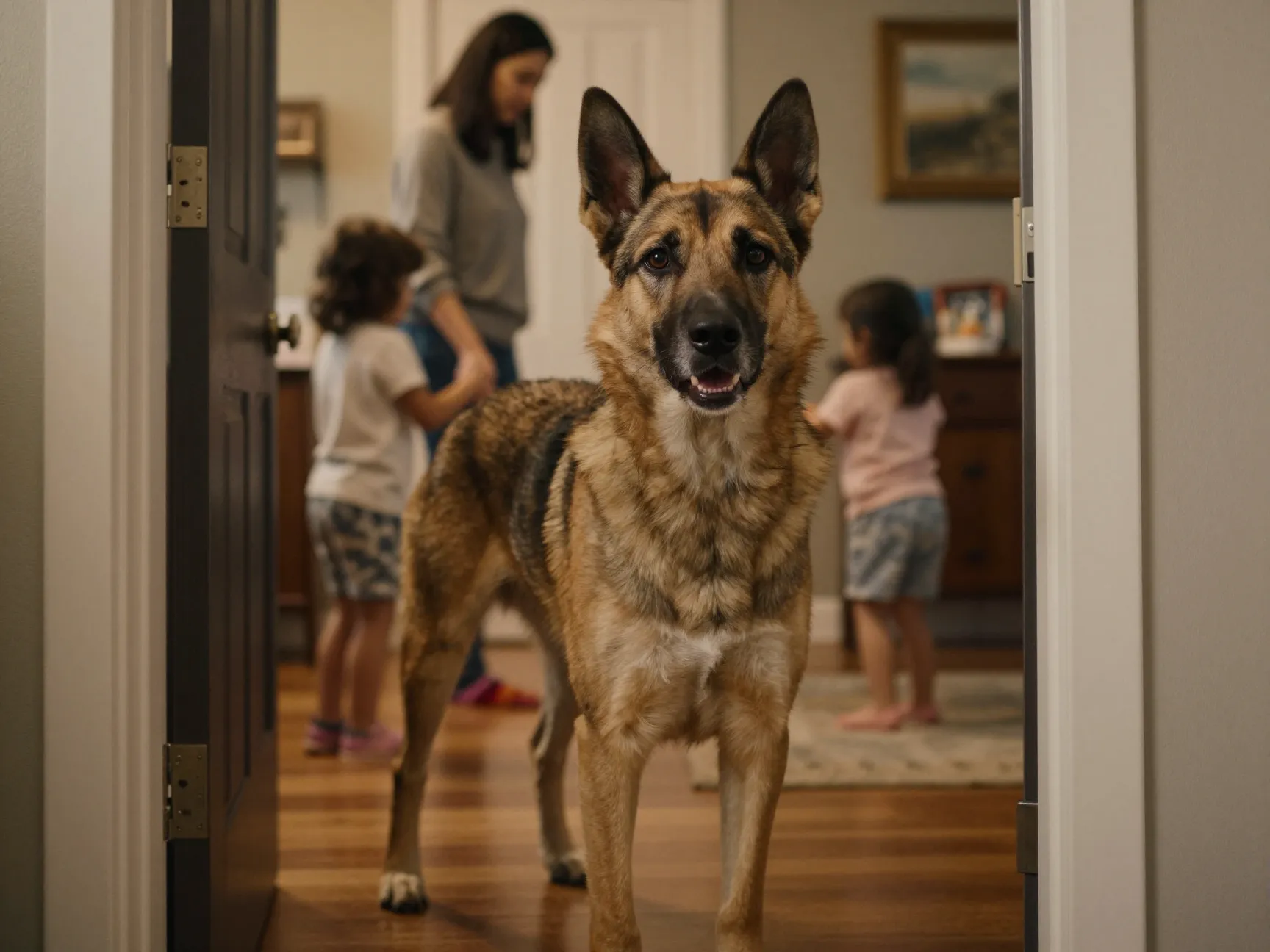
One of the most fascinating — and sometimes challenging — aspects of the Sheprador is temperament variability. Because they’re a mixed breed, individual dogs can land anywhere on the personality spectrum between their two parent breeds [1].
Owner surveys have identified the most common personality traits as loving, energetic, protective, and excitable, with many dogs described as food-motivated and eager to please [1]. However, some Shepradors inherit the German Shepherd’s natural reserve around strangers, while others display the Labrador’s instant friendliness with everyone they meet [1].
Common Sheprador personality traits:
- ❤️ Deeply loyal and bonded to their family
- ⚡ High energy and playful, especially as puppies
- 🛡️ Protective instincts inherited from the German Shepherd side
- 🐾 Food-motivated, which makes training easier
- 🤝 Generally good with children and other dogs when socialized early
The key takeaway? Don’t assume your Sheprador will act exactly like a Lab or exactly like a German Shepherd. Approach their personality with patience and an open mind during the formative months [1].
5. They Have High Exercise and Energy Requirements

If you’re a couch potato, the Sheprador will quickly let you know they’re not impressed. These are highly active dogs that bore easily and require substantial physical activity every single day [2]. Under-exercised Shepradors are more likely to develop anxiety, destructive behaviors, and excessive vocalization.
Daily exercise recommendations:
| Activity Level | Minimum Daily Exercise | Ideal Daily Exercise |
|---|---|---|
| Puppy (under 1 year) | 30–45 minutes | 45–60 minutes (low-impact) |
| Adult (1–7 years) | 60 minutes | 90–120 minutes |
| Senior (7+ years) | 30–45 minutes | 45–60 minutes |
Great activities for Shepradors include:
- Running, jogging, or hiking with their owner
- Fetch and retrieving games (the Lab side loves this)
- Swimming (many Shepradors are natural swimmers)
- Agility courses and dog sports
- Off-leash play in a securely fenced yard
The Sheprador thrives in active households — think families who hike on weekends, runners who want a four-legged training partner, or anyone who spends significant time outdoors [2].
6. They Make Outstanding Family Dogs and Watchdogs
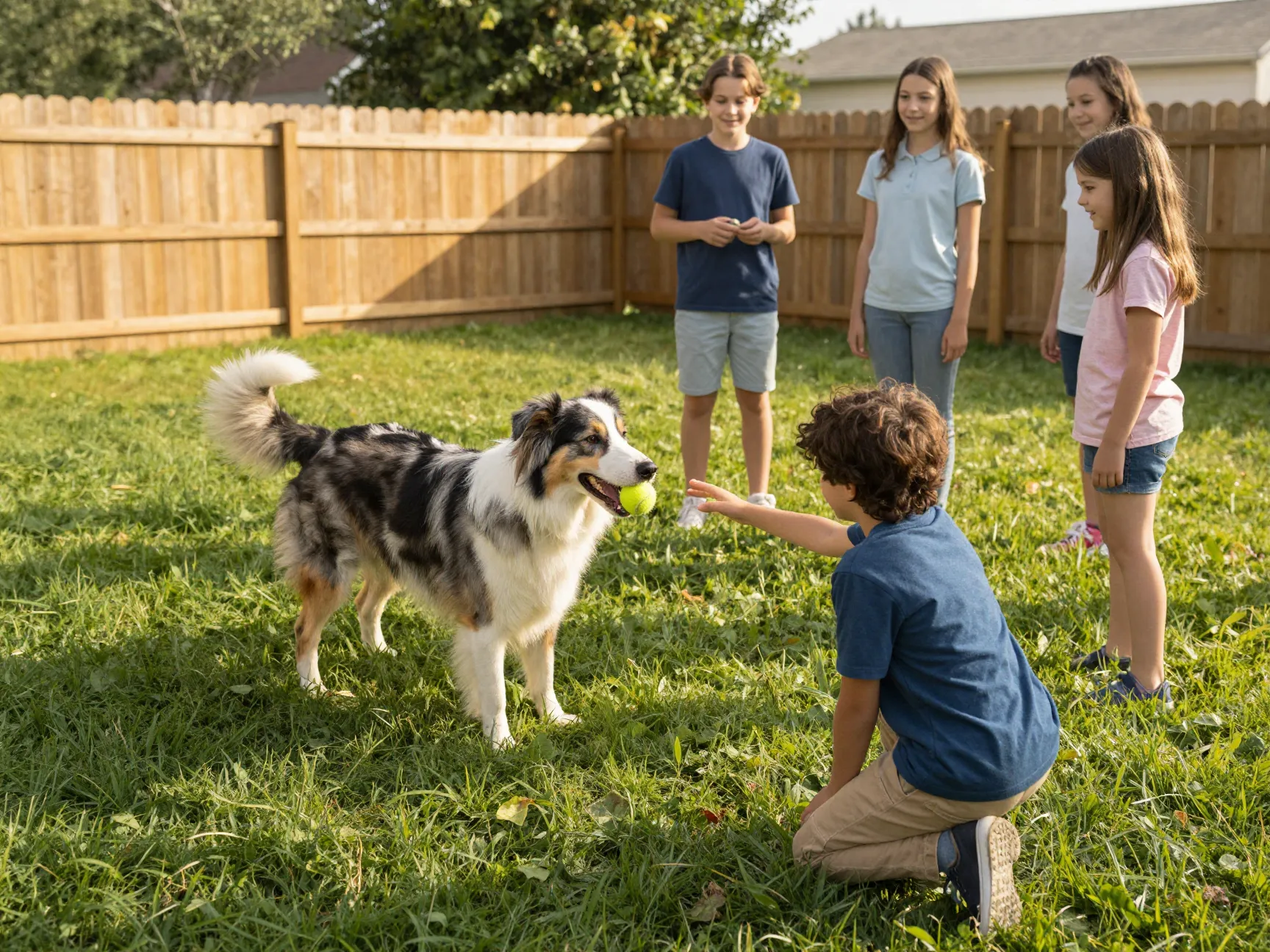
One of the most compelling reasons people choose the Sheprador is their dual role as a loving family companion and an effective watchdog. Thanks to the German Shepherd’s natural alertness and protective bark combined with the Labrador’s loyalty and affection, Shepradors are uniquely suited for families who want both warmth and security [2].
They generally do well with children, especially when raised alongside them from puppyhood. Their playful energy matches well with active kids, and their gentle loyalty makes them patient companions.
Sheprador as a family dog — what to expect:
- 👶 Good with children when properly socialized
- 🐕 Can coexist with other dogs with early socialization
- 🏠 Natural watchdog instincts — will alert you to strangers
- 🤗 Craves human companionship and dislikes being left alone for long periods
- 🐱 May chase cats or small animals due to prey drive (more on this below)
💬 “The Sheprador gives you the best of both worlds — a dog that will play fetch with your kids all afternoon and then alert you the moment someone walks up the driveway.”
Because of their size and energy, supervision around very young children is always recommended, not because Shepradors are aggressive, but simply because their enthusiasm can knock over a toddler.
7. Prey Drive and Smaller Pets Require Careful Management
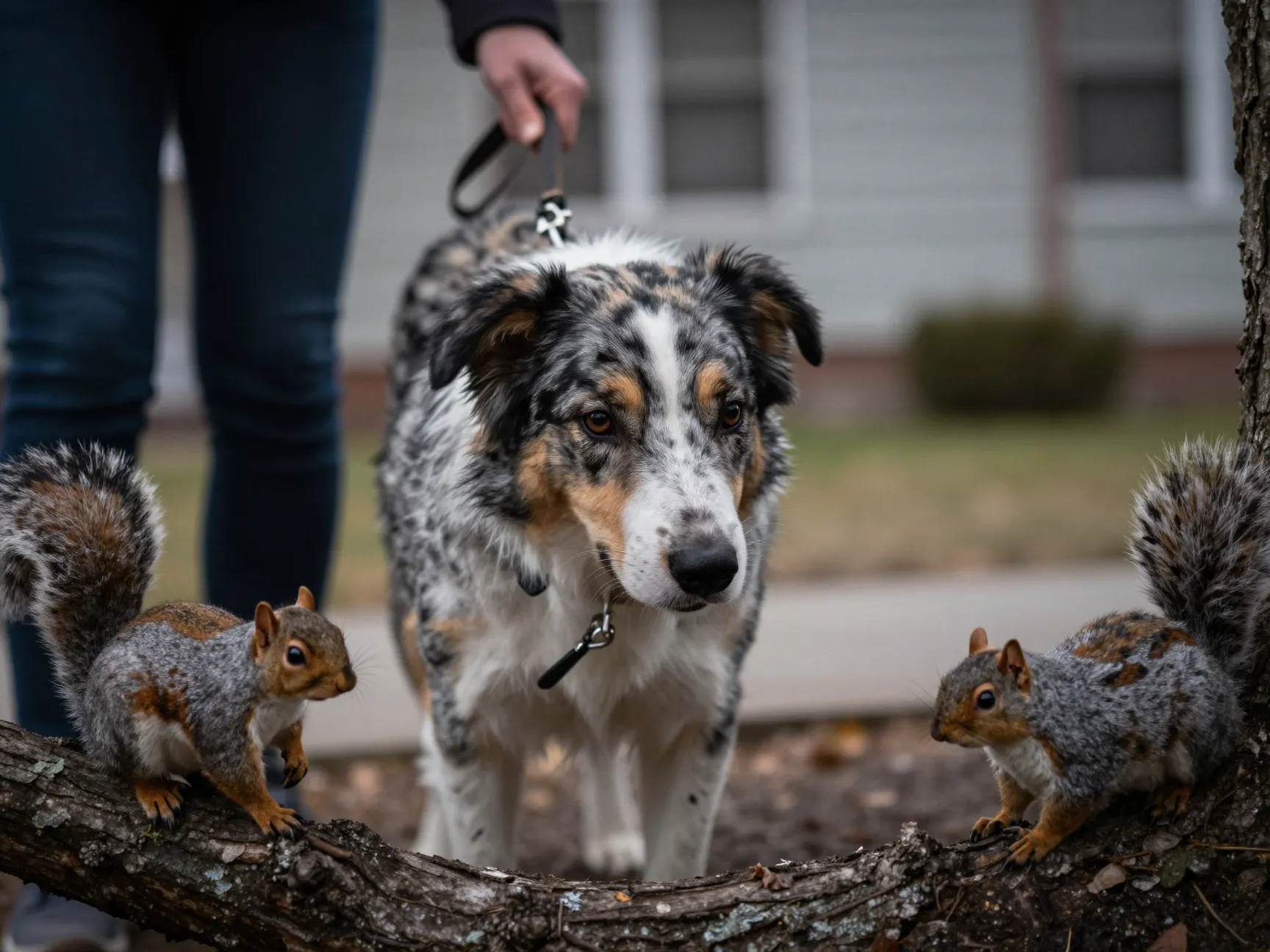
Here’s one of the 8 things to know about a Labrador Retriever mix German Shepherd that surprises many new owners: Shepradors can have a strong prey drive. Both parent breeds were historically working dogs with instincts to chase, and many Shepradors inherit this trait [1].
This means they may instinctively chase:
- Birds and squirrels in the yard
- Cats, rabbits, or other small pets in the home
- Cyclists, joggers, or cars if not properly leash-trained
Managing prey drive effectively:
- Early socialization with cats and small animals is critical if you have a multi-pet household
- Leash training from puppyhood — never trust a Sheprador off-leash in an unfenced area
- Recall training (the “come” command) is one of the most important skills to develop
- Use a securely fenced yard to prevent chasing incidents
- Positive reinforcement to redirect attention away from prey triggers
It’s worth noting that prey drive varies significantly between individual dogs. Some Shepradors live peacefully with cats their whole lives, while others never fully overcome the instinct. Early exposure and consistent training are your best tools [1].
8. Health, Lifespan, and What to Watch For
Shepradors are generally healthy dogs with a typical lifespan of 10–12 years, consistent with both parent breeds [4]. As a mixed breed, they may benefit from hybrid vigor — a phenomenon where crossbreeds are sometimes healthier than purebreds due to greater genetic diversity. However, they can still inherit health conditions from either parent.
Common health concerns to watch for:
| Health Condition | Associated Parent Breed | Notes |
|---|---|---|
| Hip and elbow dysplasia | Both breeds | Most common concern; ask breeders for OFA certifications |
| Bloat (GDV) | German Shepherd | Life-threatening; know the signs |
| Obesity | Labrador Retriever | Labs are notorious overeaters; monitor food intake |
| Eye conditions | Both breeds | Annual vet eye exams recommended |
| Ear infections | Labrador Retriever | Floppy-eared dogs are more prone |
Proactive health tips:
- Schedule annual vet check-ups and stay current on vaccinations
- Maintain a healthy weight — obesity shortens lifespan and worsens joint issues
- Ask breeders for health clearances on both parent dogs before purchasing a puppy
- Consider pet insurance given the potential for joint issues in larger breeds
- Provide joint supplements (like glucosamine) as your dog ages
If adopting from a rescue, request any available health history and schedule a full vet exam within the first week of bringing your dog home.
Conclusion: Is the Sheprador the Right Dog for You?
Now that you know the 8 things to know about a Labrador Retriever mix German Shepherd, you’re equipped to make a confident, informed decision. The Sheprador is a remarkable dog — intelligent, loyal, energetic, and deeply devoted to their family. But they’re also a significant commitment that demands time, exercise, training, and grooming every single day.
Here’s a quick summary of what to expect:
- 🧠 Highly intelligent — needs mental stimulation daily
- 📏 50–90 lbs — plan your space accordingly
- 🐾 Heavy shedder — grooming is a must
- ❤️ Loyal and loving — great family dog and watchdog
- ⚡ High energy — built for active lifestyles
- 🛡️ Prey drive present — manage carefully with small pets
- 🏥 10–12 year lifespan — with proactive health care
- 🌡️ Variable temperament — patience during training is key
Your actionable next steps:
- Take the compatibility quiz above to assess your lifestyle fit
- Research reputable breeders who provide health clearances for both parent dogs
- Check local Sheprador and German Shepherd/Lab rescues — many wonderful dogs need homes
- Prepare your home, budget for quality food and vet care, and enroll in a puppy class
- Connect with Sheprador owner communities online for ongoing advice and support
The right family for a Sheprador will find themselves with one of the most rewarding canine companions imaginable. 🐾
References
[1] German Shepherd Lab Mix – https://www.thelabradorsite.com/german-shepherd-lab-mix/
[2] Breed Profile Labrador Retreiver Shepherd Mix – https://sarasotadog.com/2019/11/05/breed-profile-labrador-retreiver-shepherd-mix/
[4] Sheprador – https://www.petmd.com/dog/breeds/sheprador
[6] Sheprador Guide 2025 Vet Approved Look At The Loyal German Shepherd Lab Mix Smart Family Guardian Energetic Partner – https://askavet.com/blogs/news/sheprador-guide-2025-vet-approved-look-at-the-loyal-german-shepherd-lab-mix-smart-family-guardian-energetic-partner-%E2%9C%85%F0%9F%90%BE%F0%9F%9B%A1%EF%B8%8F