8 Things to Expect From Your Miniature Australian Shepherd Full Grown
Only about 13 to 18 inches tall and weighing between 20 and 40 pounds, the Miniature Australian Shepherd packs an extraordinary amount of personality, intelligence, and energy into a surprisingly compact frame. Many new owners are caught off guard — not by the dog’s size, but by everything else that comes with it. If you’re preparing to welcome one of these dogs into your life, or you’re already living with one, understanding the 8 Things to Expect From Your Miniature Australian Shepherd Full Grown will help you build a stronger, happier relationship with your dog.

This guide covers everything from physical traits and exercise needs to grooming habits and lifespan — so you know exactly what’s coming. 🐾
Key Takeaways
- ✅ Full-grown Mini Aussies are small but athletic, typically weighing 20–40 lbs and standing 13–18 inches tall
- ✅ They need at least one to two hours of daily exercise to stay healthy and well-behaved
- ✅ These dogs are highly intelligent and respond extremely well to positive reinforcement training
- ✅ Expect a loyal, protective companion with a lifespan of 12–15 years
- ✅ Weekly grooming and regular mental stimulation are non-negotiable for this breed
What Does a Miniature Australian Shepherd Full Grown Actually Look Like?
Before diving into the 8 Things to Expect From Your Miniature Australian Shepherd Full Grown, it helps to have a clear picture of what this breed looks like at maturity. Many people assume “miniature” means fragile or toy-sized. That’s simply not true.
💬 “Mini Aussies are not teacup dogs — they are compact, muscular athletes built for work and play.”
Here’s a quick reference table for adult Mini Aussie physical stats:
| Trait | Details |
|---|---|
| Height | 13–18 inches at the shoulder |
| Weight | 20–40 pounds |
| Coat Type | Water-resistant double coat |
| Coat Colors | Merle, black, red, tricolor |
| Eye Colors | Brown, blue, or mixed (heterochromia) |
| Build | Sturdy, athletic, well-proportioned |
Their striking appearance — especially those expressive, sometimes mismatched eyes — makes them one of the most visually distinctive breeds you’ll encounter [1].
The 8 Things to Expect From Your Miniature Australian Shepherd Full Grown
1. A Compact but Sturdy Physical Build
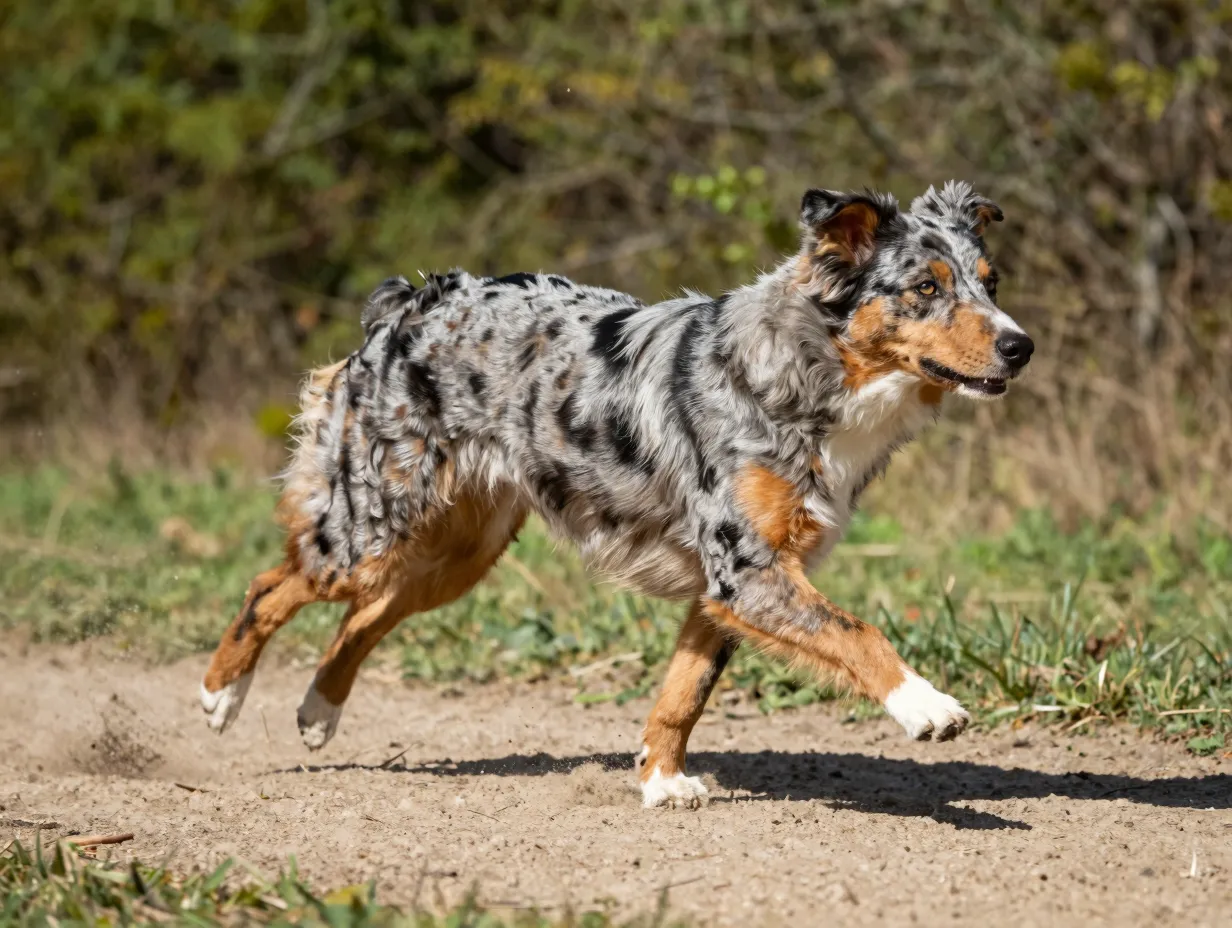
Don’t let the word “miniature” mislead you. A full-grown Mini Aussie is a solidly built, athletic dog. Adults typically stand 13 to 18 inches at the shoulder and weigh between 20 and 40 pounds — closer in size to a Cocker Spaniel than a Chihuahua [1][3].
Their bodies are built for endurance and agility. You’ll notice strong hindquarters, a level topline, and a confident, energetic gait. Their water-resistant double coat is both functional and beautiful, offering protection in various weather conditions [1].
What this means for you:
- They’re small enough for apartment living (with enough exercise)
- They’re sturdy enough for outdoor adventures and active families
- They are NOT fragile lap dogs — they want to move
2. High Daily Energy Levels That Demand an Outlet
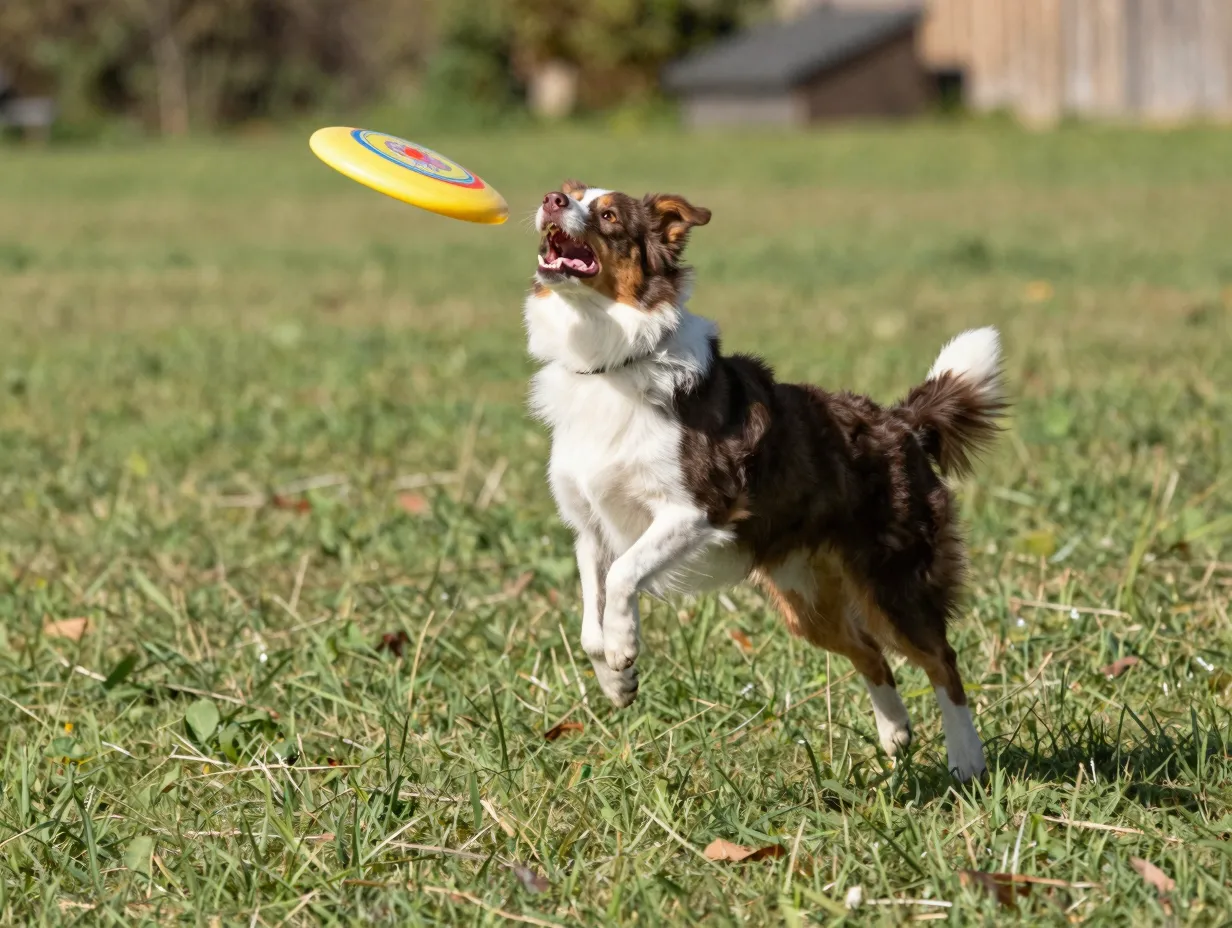
This is the trait that surprises most new Mini Aussie owners. These dogs were originally bred from working herding stock, and that drive doesn’t disappear just because they live in a suburban home.
Expect to provide at least one hour — ideally two hours — of vigorous daily exercise [1][4]. This isn’t a leisurely stroll around the block. We’re talking:
- 🏃 Brisk walks or jogs
- 🎾 Fetch sessions
- 🏅 Agility training
- 🐕 Dog sports like flyball or frisbee
- 🌲 Hiking or trail running
A Mini Aussie that doesn’t get enough physical activity will find its own entertainment — and you probably won’t like what it chooses. Destructive chewing, excessive barking, and hyperactivity are common signs of an under-exercised Mini Aussie [3][4].
💬 “An exercised Mini Aussie is a calm Mini Aussie. Skip the workout, and you’ll pay for it in chewed furniture.”
3. Exceptional Intelligence That Cuts Both Ways

Mini Aussies are genuinely brilliant dogs. They rank among the most trainable breeds, picking up new commands quickly and retaining them reliably [4][8]. This is great news if you enjoy training — and a real challenge if you don’t.
Their intelligence means they:
- Learn commands faster than most breeds
- Excel in obedience, agility, and tracking competitions [5]
- Respond beautifully to positive reinforcement (treats, praise, play)
- Get bored quickly with repetitive routines
The flip side? A smart dog that isn’t challenged will find ways to entertain itself. Mini Aussies can learn to open doors, escape enclosures, or manipulate their owners with surprising effectiveness.
Training Tips for Your Full-Grown Mini Aussie:
- Start training early — even adult rescues respond well to structured learning
- Keep sessions short (10–15 minutes) and varied
- Use high-value rewards for new or difficult commands
- Never rely on punishment — it damages trust and slows learning
- Enroll in obedience or agility classes to channel their drive productively [4][5]
4. A Constant Need for Mental Stimulation
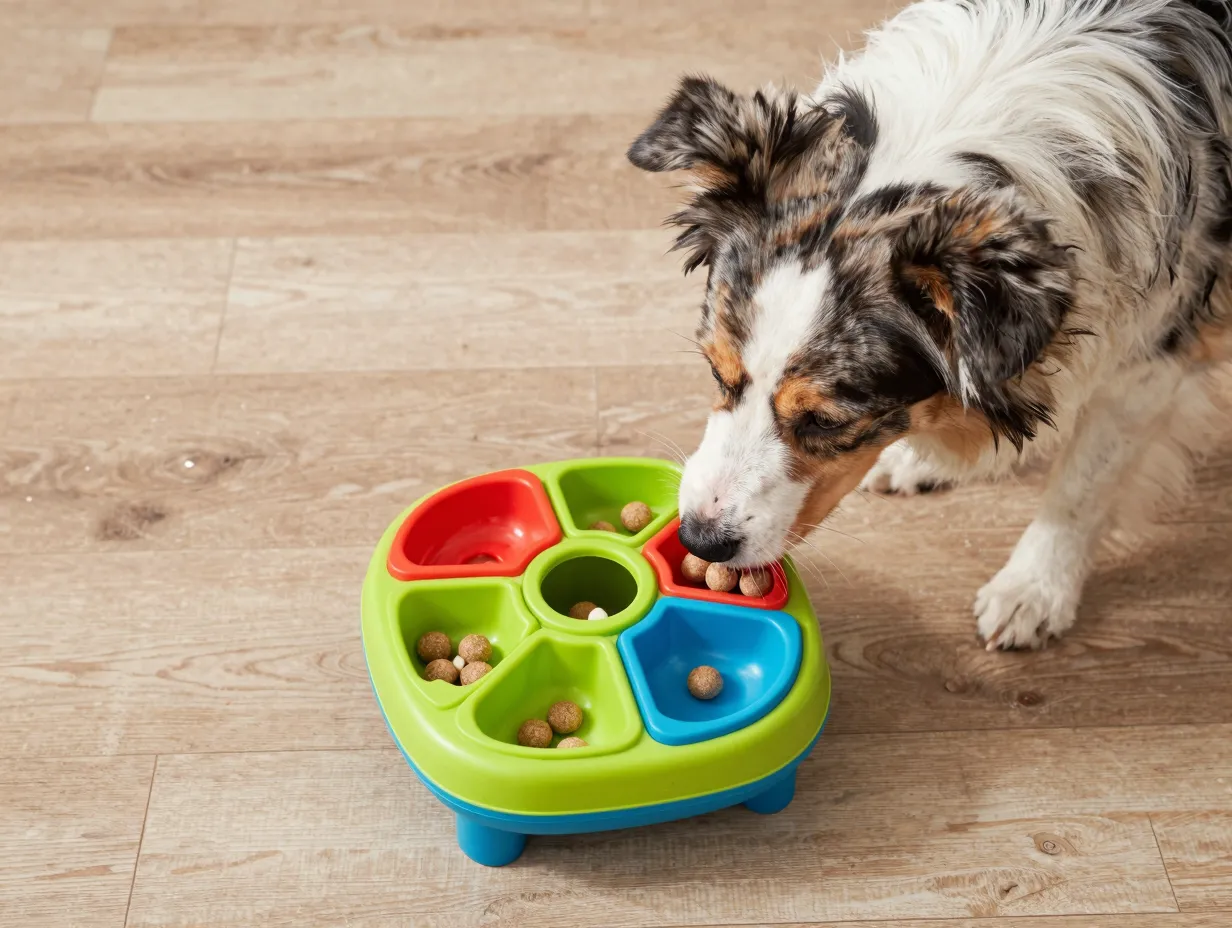
Physical exercise alone won’t satisfy a Mini Aussie. These dogs need their minds worked just as hard as their bodies [1][4]. Think of it this way: a bored Mini Aussie is like a gifted student stuck in a class that’s too easy — they’ll cause trouble just to stay interested.
Mental enrichment strategies that work well include:
- 🧩 Puzzle feeders — make them work for their meals
- 🎯 Nose work games — hide treats around the house or yard
- 📚 Learning new tricks — rotate through commands to keep things fresh
- 🐾 Assigned jobs — carrying a backpack on walks, retrieving specific items
- 🕹️ Interactive toys — rotating toys prevents habituation
A good rule of thumb: 30 minutes of mental stimulation can tire a Mini Aussie as effectively as an hour of physical exercise. Combine both for the best results.
5. Deep Loyalty and a Protective Streak
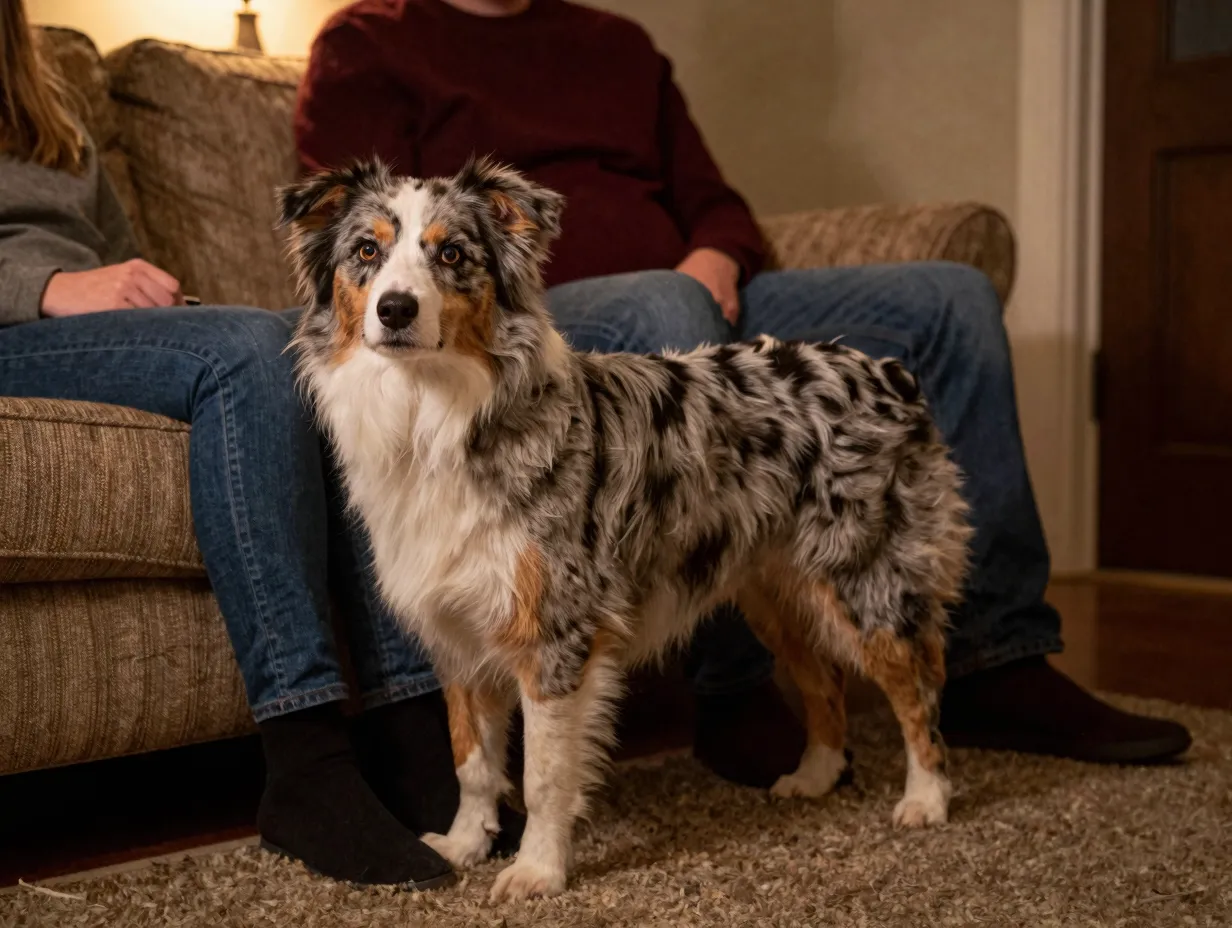
One of the most endearing qualities of a full-grown Mini Aussie is its unwavering loyalty to its family. These dogs bond deeply with their people and will go out of their way to keep them safe [1][3].
Here’s what that loyalty looks like in practice:
- They’ll follow you from room to room (yes, even to the bathroom)
- They tend to be reserved or cautious around strangers [2]
- They may bark to alert you to unfamiliar people or sounds
- They are affectionate and cuddly with family members they trust
This protective instinct makes them excellent watchdogs, but it also means early socialization is critical. A Mini Aussie that isn’t exposed to a variety of people, sounds, and situations as a puppy can become overly suspicious or anxious as an adult [4][5].
💬 “Mini Aussies don’t just love their families — they take their job as family protector seriously.”
Socialization checklist for Mini Aussies:
- ✅ Introduce to strangers regularly from puppyhood
- ✅ Expose to different environments (parks, pet stores, busy streets)
- ✅ Enroll in puppy socialization classes
- ✅ Arrange positive interactions with children and other pets
6. A Longer-Than-Average Lifespan
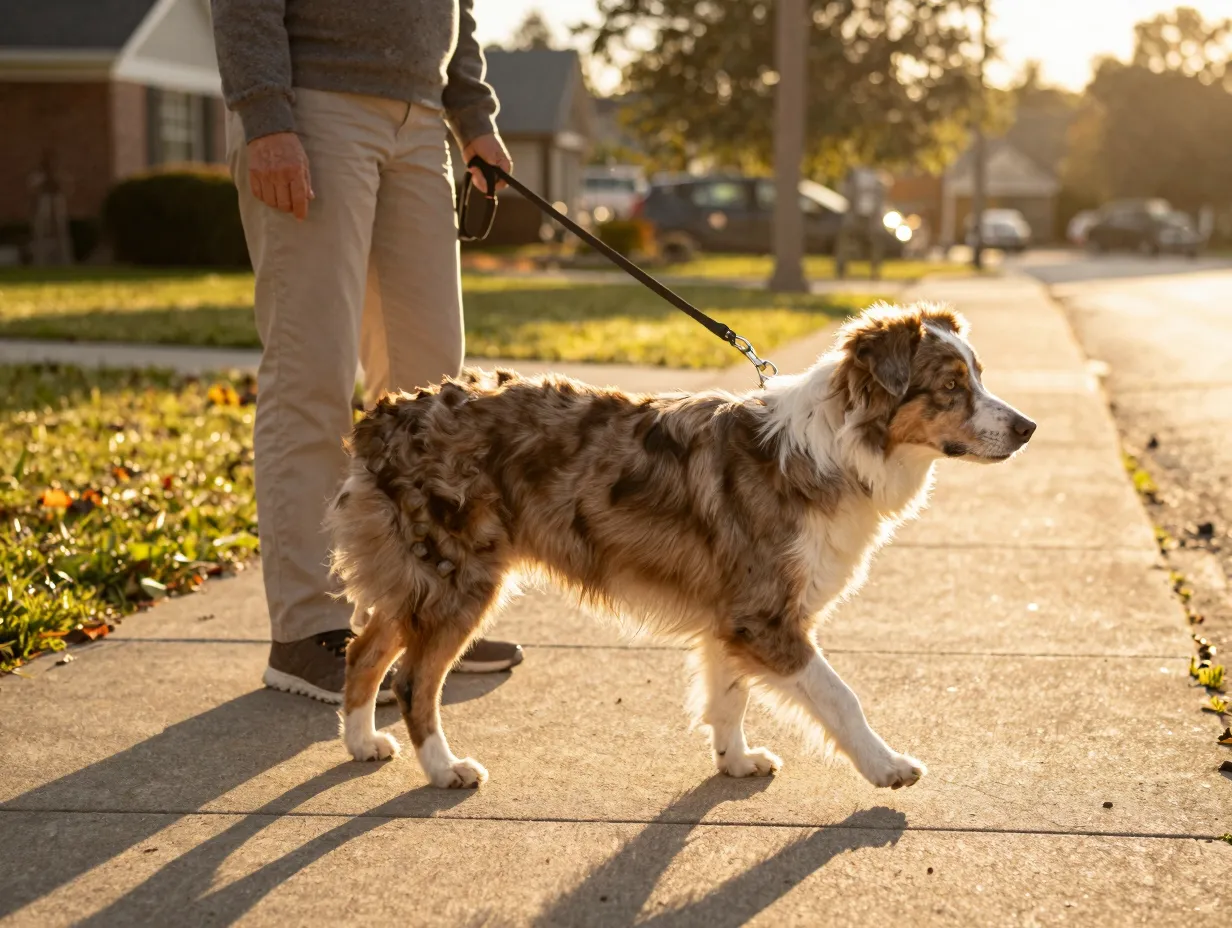
Here’s some genuinely good news: Mini Aussies are a relatively long-lived breed. A healthy adult can be expected to live 12 to 15 years with proper care [1][2][5].
That’s a meaningful commitment — and a wonderful one. It means the dog you bring home today could be your companion well into the next decade and beyond.
What supports a long, healthy life?
| Factor | Recommendation |
|---|---|
| Diet | High-quality, age-appropriate dog food |
| Exercise | Daily physical activity tailored to age |
| Vet Care | Annual check-ups, vaccinations, dental cleanings |
| Weight Management | Avoid obesity — it shortens lifespan significantly |
| Mental Health | Stimulation and social connection reduce stress |
As your Mini Aussie ages, their exercise needs may decrease, but their need for companionship and mental engagement stays strong. Senior Mini Aussies often remain surprisingly active and alert well into their later years [2].
7. Regular Grooming Requirements
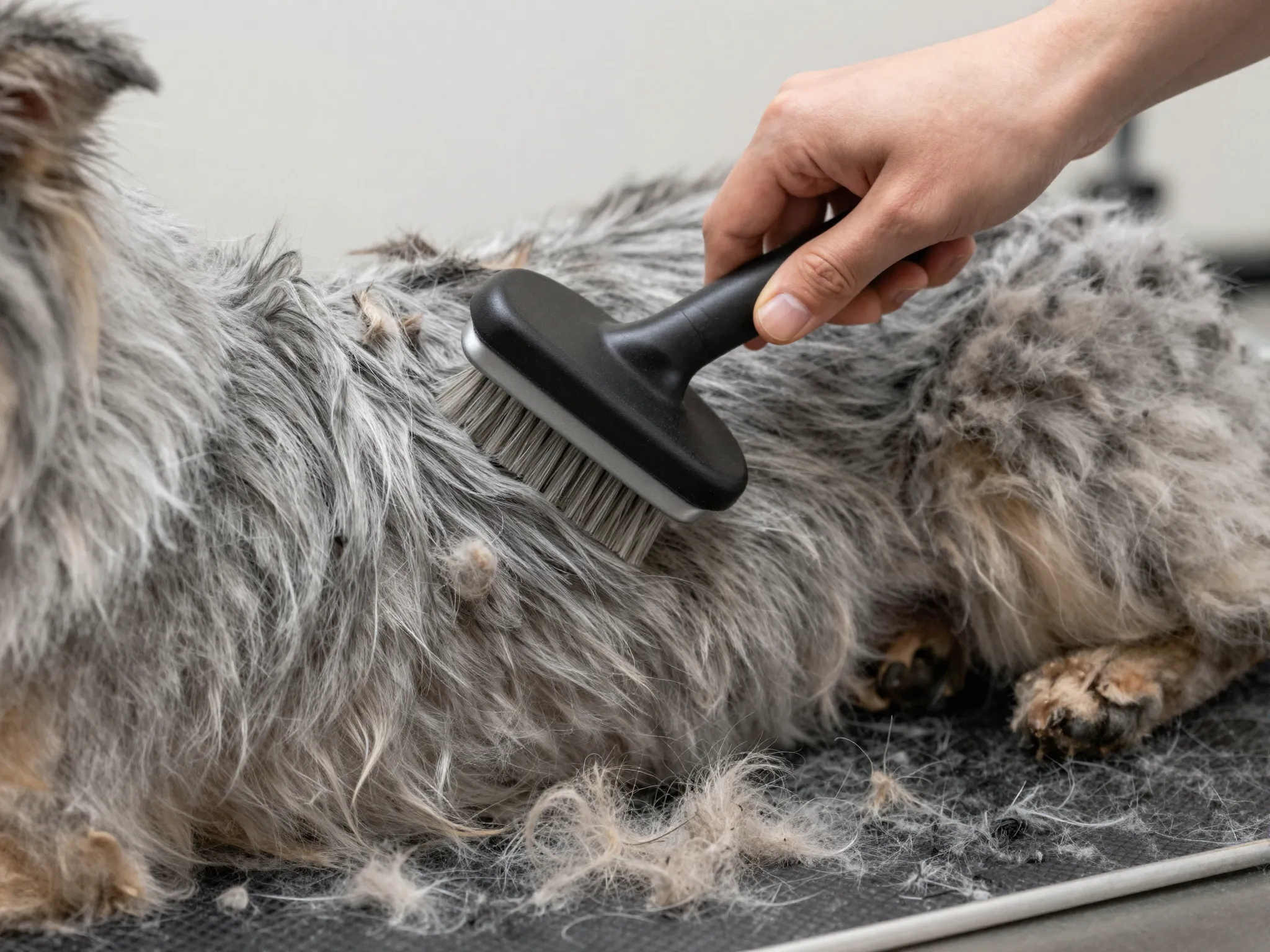
That beautiful double coat comes with a maintenance commitment. Expect to spend time on grooming — it’s part of the deal with this breed [1][5].
Routine grooming tasks include:
- Weekly brushing — prevents matting and removes loose fur
- Increased brushing during shedding season — which happens once or twice per year [1]
- Occasional baths — every 4–6 weeks or when dirty
- Regular nail trimming — every 3–4 weeks to prevent discomfort
- Teeth brushing — ideally several times per week to prevent dental disease [2]
🐕 Pro tip: Start grooming routines when your dog is young. A Mini Aussie that gets used to being brushed, bathed, and handled early will be much easier to groom as an adult.
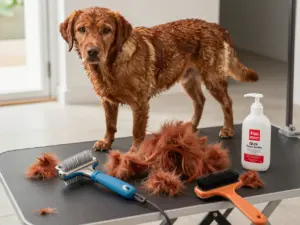
Shedding reality check: Mini Aussies shed year-round, with heavier shedding during seasonal coat blows. A good de-shedding brush and a reliable vacuum cleaner are essential household tools for Mini Aussie owners.
💬 “If dog hair on your couch bothers you, the Mini Aussie might test your patience — but the love they give is worth every brushstroke.”
8. An Exceptional Family Companion
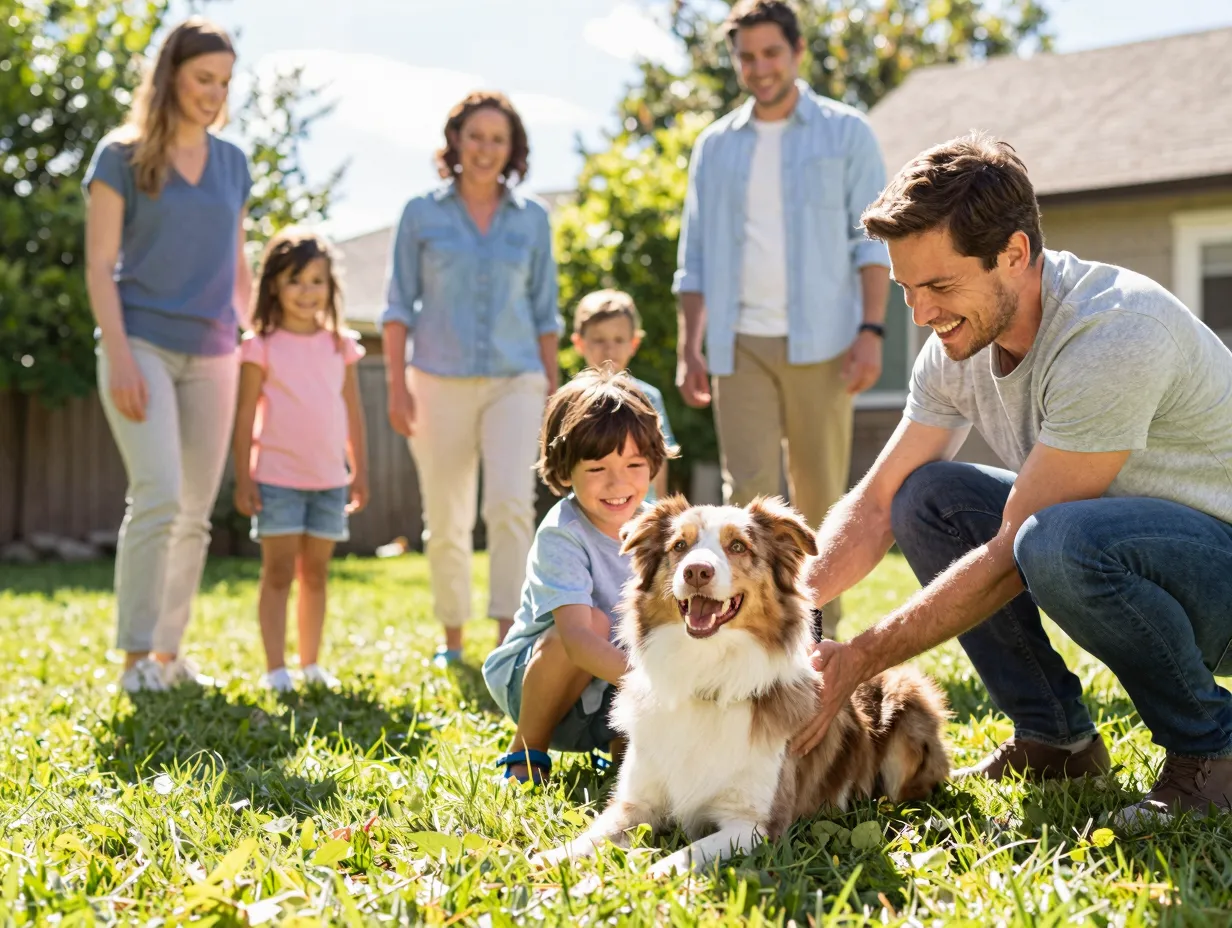
When all their needs are met, Mini Aussies are among the most rewarding family dogs you can own. They are gentle with children, adaptable to different living situations, and deeply devoted to the people they love [1][4].
They thrive in homes where they are:
- Included in family activities
- Given consistent structure and routine
- Treated as a true member of the household — not left alone for long hours
They can adapt to apartment living as long as their exercise needs are consistently met. They also do well in homes with yards, active lifestyles, or multiple family members who can share in their care [1][4].
Is a Mini Aussie right for your family?
| Family Type | Mini Aussie Compatibility |
|---|---|
| Active singles or couples | ⭐⭐⭐⭐⭐ Excellent |
| Families with children | ⭐⭐⭐⭐⭐ Excellent (with socialization) |
| Apartment dwellers (active) | ⭐⭐⭐⭐ Good |
| First-time dog owners | ⭐⭐⭐ Moderate (requires commitment) |
| Sedentary households | ⭐ Poor fit |
Early puppy training classes are strongly recommended to help your Mini Aussie develop into a well-mannered, well-adjusted adult [4][5].
Quick Reference: 8 Things to Expect From Your Miniature Australian Shepherd Full Grown
Here’s a fast summary of everything covered above:
- Compact but sturdy build — 13–18 inches, 20–40 lbs, athletic frame
- High daily energy — 1–2 hours of vigorous exercise needed
- Exceptional intelligence — fast learners who need consistent training
- Constant mental stimulation — puzzle toys, nose work, new tricks
- Deep loyalty and protectiveness — devoted to family, reserved with strangers
- Long lifespan — 12–15 years with proper care
- Regular grooming — weekly brushing, seasonal shedding management
- Outstanding family companion — gentle, adaptable, and deeply loving
Common Questions About the Miniature Australian Shepherd Full Grown
Do Mini Aussies do well with other pets?
Generally, yes. Mini Aussies that are properly socialized tend to get along well with other dogs and even cats. Their herding instinct may occasionally kick in — don’t be surprised if they try to “herd” smaller pets or young children [1][4].
How big will my Mini Aussie get?
Most Mini Aussies reach their full adult size by 12 to 16 months of age. Males tend to be slightly larger than females within the 20–40 lb range [1][3].
Are Mini Aussies good for first-time dog owners?
They can be, but they require more commitment than lower-energy breeds. First-time owners who are willing to invest in training, exercise, and mental enrichment will find them incredibly rewarding [4].
Do Mini Aussies bark a lot?
They can be vocal, especially when alerting to strangers or when under-stimulated. Consistent training and adequate exercise significantly reduce excessive barking [1][2].
Conclusion: Are You Ready for a Full-Grown Mini Aussie?
Understanding the 8 Things to Expect From Your Miniature Australian Shepherd Full Grown is the first step toward a truly fulfilling relationship with this breed. These dogs are not low-maintenance pets — they are active, intelligent, loyal companions who will give you everything they have, as long as you meet them halfway.
Here are your actionable next steps:
- ✅ Assess your lifestyle honestly — can you commit to 1–2 hours of daily exercise?
- ✅ Set up a training plan — enroll in obedience classes or work with a certified trainer
- ✅ Invest in mental enrichment tools — puzzle feeders, interactive toys, nose work kits
- ✅ Establish a grooming routine — weekly brushing from day one
- ✅ Schedule regular vet check-ups — preventive care is key to that 12–15 year lifespan
- ✅ Socialize early and often — expose your Mini Aussie to people, places, and experiences
When their needs are met, Mini Aussies reward their owners with a level of devotion, joy, and companionship that is genuinely hard to match. They are, in every sense, big dogs in a compact package. 🐾
References
[1] The Miniature Australian Shepherd What You Need To Know – https://www.impactdogcrates.com/blogs/puppy-news/the-miniature-australian-shepherd-what-you-need-to-know
[2] What To Know About Miniature American Shepherd – https://www.webmd.com/pets/dogs/what-to-know-about-miniature-american-shepherd
[3] Watch – https://www.youtube.com/watch?v=sW5BY0gnJSA
[4] Miniature American Shepherd – https://www.petmd.com/dog/breeds/miniature-american-shepherd
[5] Watch – https://www.youtube.com/watch?v=8Q_smDReJY4
[8] All About Miniature Australian Shepherds – https://www.aspcapetinsurance.com/resources/all-about-miniature-australian-shepherds/