
8 Stunning Facts About Rare Red Golden Retrievers
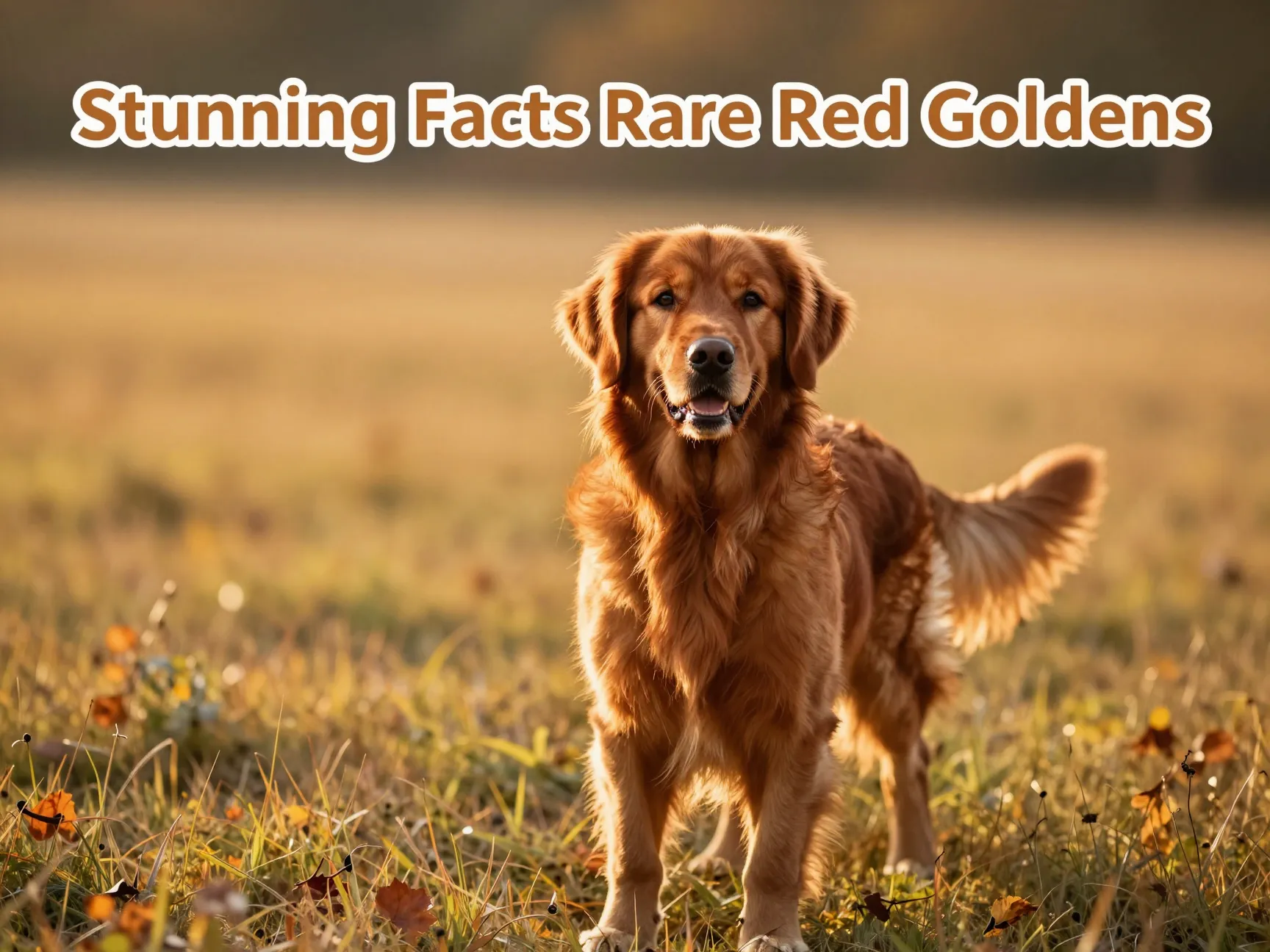
Have you ever seen a Golden Retriever with a coat so deep and rich it looked almost like a burning autumn sunset? 🍂 If so, you’ve likely spotted one of the most eye-catching dogs in the world — the rare red Golden Retriever. These stunning animals are turning heads at dog parks, on social media, and in homes across the country. In this article, we explore the 8 stunning facts about rare red Golden Retrievers that every dog lover, prospective owner, or curious reader needs to know. Whether you’re thinking about adding one to your family or simply want to learn more, these facts will surprise, delight, and maybe even inspire you.
Key Takeaways
- 🐕 Red Golden Retrievers are a natural color variation of the classic Golden Retriever — not a separate breed.
- 🎨 Their coats range from deep copper to rich mahogany-red, making them visually distinct.
- ❤️ They share the same loyal, friendly, and eager-to-please temperament as classic Goldens.
- 🏥 Their unique coat color does not affect their health or lifespan, which can reach 12+ years.
- 🏆 They are recognized by major kennel clubs but may face stricter breed standard scrutiny due to coat color.
What Makes a Red Golden Retriever “Rare”?
Before we dive into the 8 stunning facts about rare red Golden Retrievers, it helps to understand what sets them apart. Most people picture a Golden Retriever with a light cream or classic golden coat. The red variety features a dramatically deeper pigmentation — a coat that ranges from warm copper to rich mahogany red [2]. This color is the result of selective breeding and specific genetic expression, making these dogs genuinely uncommon compared to their golden counterparts.
They are not a separate breed. They are 100% Golden Retriever — same bones, same heart, same legendary personality. The difference is purely in the coat pigment, and that difference is what makes them so captivating.
💬 “A red Golden Retriever is like a classic Golden turned up to eleven — same incredible dog, just with a more dramatic look.”
The 8 Stunning Facts About Rare Red Golden Retrievers
1. Their Coat Colors Range From Copper to Deep Mahogany
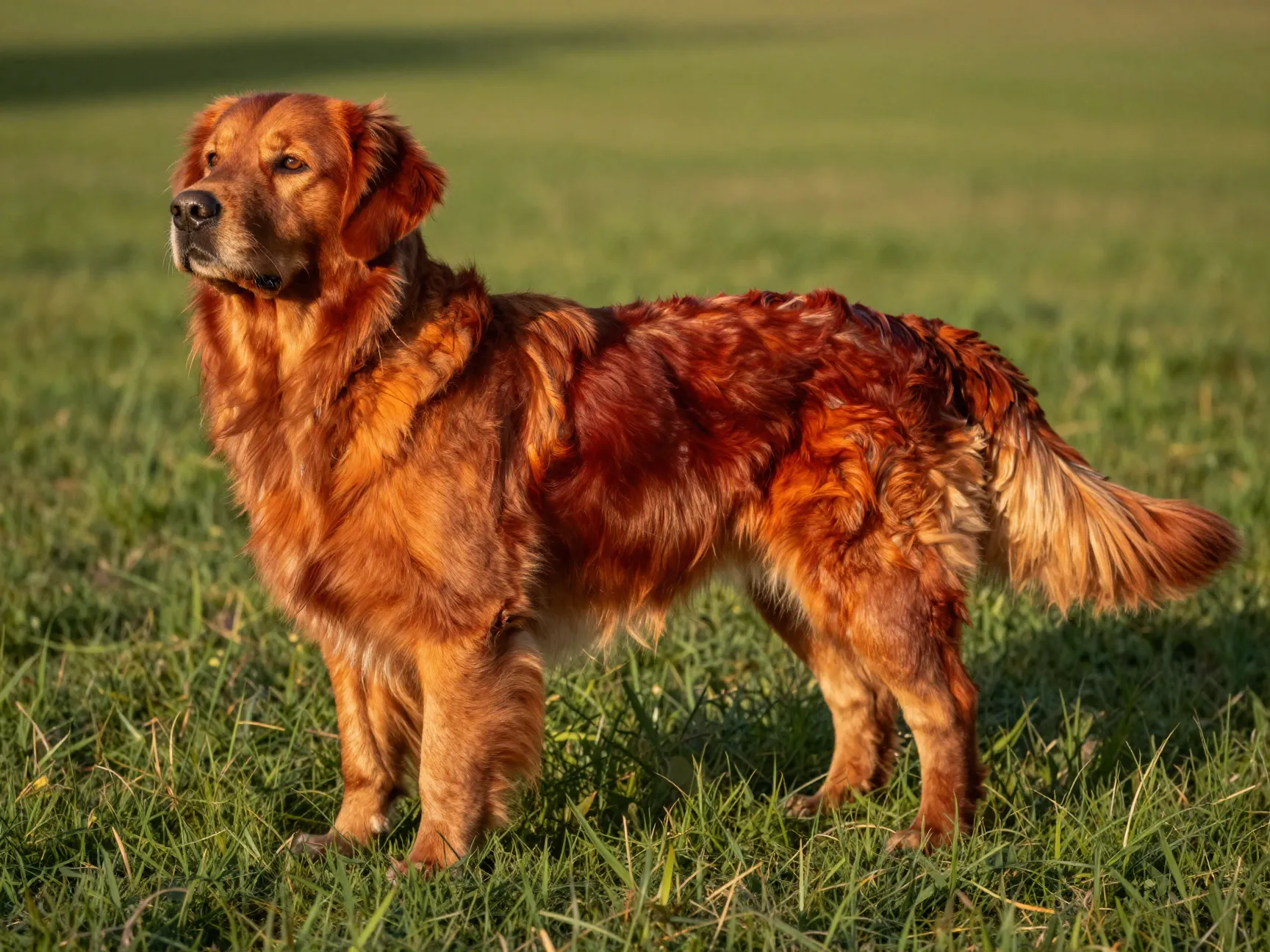
One of the most visually striking aspects of red Golden Retrievers is the wide spectrum of coat colors they can display. Unlike the relatively uniform golden shades seen in classic Golden Retrievers, the red variant can present in hues ranging from deep copper and burnt orange to lustrous red-gold and rich mahogany [2].
This variation occurs even within the same litter. Two red Golden Retriever puppies born from the same parents can have noticeably different shades. The coat color often deepens or lightens slightly as the dog matures, so the puppy you bring home at eight weeks may look somewhat different by the time they reach adulthood.
Key coat color facts:
| Shade | Description | Common Nickname |
|---|---|---|
| Light Red-Gold | Warm amber with reddish tones | “Dark Golden” |
| Copper Red | Bright, vivid copper hue | “Copper Retriever” |
| Deep Mahogany | Rich, dark reddish-brown | “Red Golden” |
The feathering on the legs, tail, and chest — a hallmark of the Golden Retriever breed — is equally beautiful in the red variety, often appearing slightly darker at the tips [2].
2. Red Golden Retrievers Are Not a Separate Breed

This is one of the most important — and most misunderstood — facts to know. Red Golden Retrievers are not a distinct breed. They are a color variation within the Golden Retriever breed, recognized as such by major kennel clubs including the American Kennel Club (AKC) [5].
Some breeders and sellers market them as “rare breeds” to justify premium pricing, but buyers should be informed. The AKC breed standard for Golden Retrievers does acknowledge a range of golden shades, though extremely dark or red coats can sometimes be considered outside the ideal standard for show dogs [5].
For pet owners, this distinction matters very little — a red Golden Retriever is every bit as purebred and wonderful as a classic golden one. For those interested in dog shows, it’s worth knowing that coat color may affect how judges evaluate the dog.
3. Their Personality Is Just as Golden as Their Classic Cousins

If you’re worried that the dramatic coat color comes with a dramatic personality — don’t be. 😄 Red Golden Retrievers maintain the breed’s trademark friendly, loyal, and gentle nature [7]. They are:
- Eager to please — making them highly trainable and responsive to commands
- Affectionate with family — they thrive on human connection and love
- Good with children — their gentle temperament makes them excellent family dogs
- Sociable with strangers — they are rarely aggressive or overly shy
- Playful and energetic — they love outdoor activities, fetch, and swimming
Their unwavering love and eagerness to please is one of the defining traits of the breed, and red Goldens carry this in full [7]. Whether you need a therapy dog, a family companion, or an active adventure buddy, a red Golden Retriever will deliver.
💬 “The color of their coat changes nothing about the warmth of their heart.”
4. The Red Coat Is the Result of Selective Breeding

The rich red coat didn’t happen by accident. Selective breeding practices over decades are responsible for establishing red Golden Retrievers as a distinct and cherished variant [2]. Breeders who wanted to produce dogs with deeper, more vibrant coat colors carefully selected parent dogs that carried the genes for higher pigmentation.
This process took generations of thoughtful breeding. Over time, breeders were able to consistently produce litters with the deep red coloration that defines this variant today [2]. The result is a dog that stands out visually while retaining every core characteristic of the Golden Retriever breed.
What drives the red color genetically?
The depth of coat color in Golden Retrievers is influenced by the MC1R gene (also called the “extension gene”) and the ASIP gene (agouti signaling protein). Variations in these genes determine how much eumelanin (dark pigment) versus phaeomelanin (red/yellow pigment) is expressed in the coat. Red Goldens have a higher expression of phaeomelanin at the deeper end of the spectrum, producing that rich copper-to-mahogany look.
5. Their Physical Build Is Identical to Classic Golden Retrievers
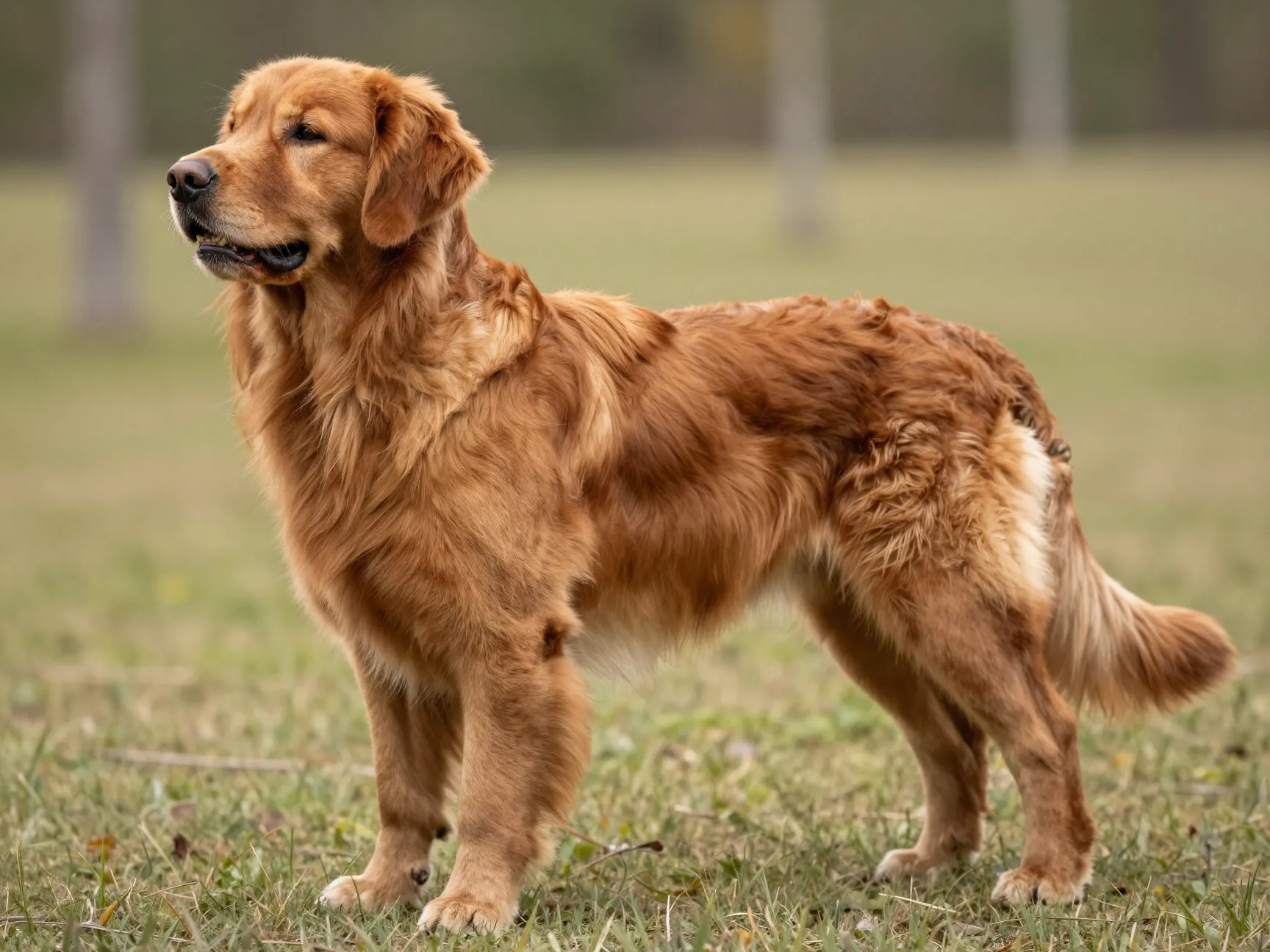
Beyond the coat color, red Golden Retrievers are physically identical to their classic counterparts [2]. They share:
- Friendly, expressive eyes — typically dark brown, conveying warmth and intelligence
- Strong, muscular build — built for athletic activity and endurance
- Characteristic feathering — on the legs, tail, underbelly, and chest
- Broad, powerful head — with a friendly, open expression
- Medium-to-large size — males typically 65–75 lbs; females 55–65 lbs
This means that everything you love about the Golden Retriever’s physical presence — the graceful movement, the lush coat, the expressive face — is fully present in the red variety. The only difference is the color dial has been turned toward the warmer, deeper end of the spectrum.
6. Coat Color Does Not Affect Health or Lifespan

This is a fact that brings great relief to prospective owners. The red coat color has absolutely no negative impact on a Golden Retriever’s health or lifespan [6]. Some people worry that unusual coat colors in dogs signal genetic issues or inbreeding, but this is not the case with red Golden Retrievers when they come from responsible breeders.
Red Golden Retrievers can live up to 12 years or longer with proper care and nutrition, consistent with the broader breed’s well-documented longevity [6]. Like all Golden Retrievers, they are prone to certain health conditions that owners should be aware of:
- Hip and elbow dysplasia — a common orthopedic issue in larger breeds
- Certain cancers — Golden Retrievers as a breed have a higher-than-average cancer rate [3]
- Heart conditions — subvalvular aortic stenosis (SAS) is worth screening for
- Eye conditions — progressive retinal atrophy (PRA) can occur
- Skin allergies — their dense coat can sometimes trap allergens
The key takeaway: choose a reputable breeder who health-tests parent dogs for these conditions. A responsible breeder will provide health clearances from the Orthopedic Foundation for Animals (OFA) and other recognized bodies.
Lifespan at a Glance:
| Factor | Impact on Lifespan |
|---|---|
| Coat Color (Red) | No negative impact |
| Diet & Nutrition | High positive impact |
| Exercise | High positive impact |
| Veterinary Care | High positive impact |
| Genetic Health Testing | High positive impact |
7. They Excel at Retrieving and Working Roles
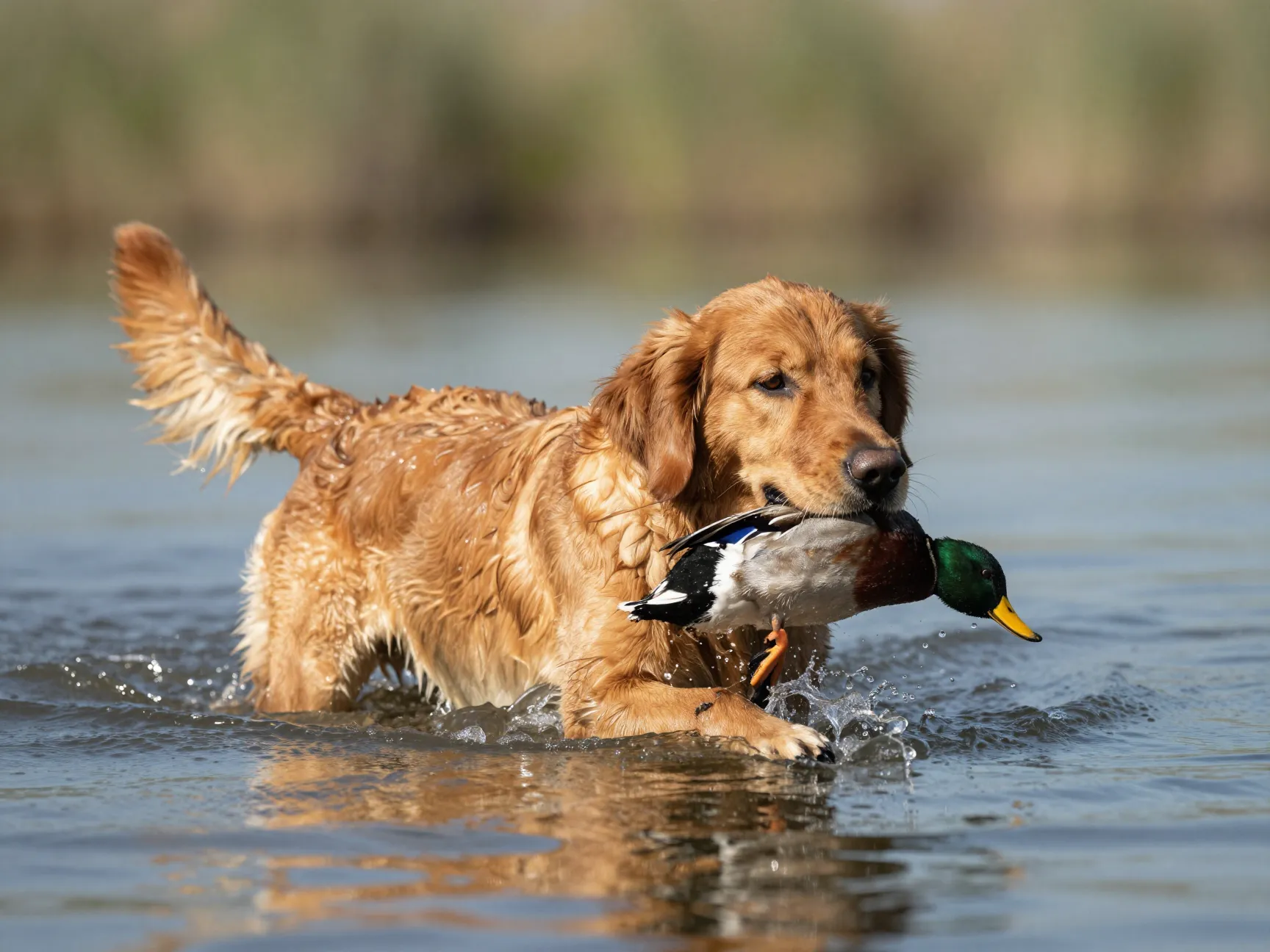
Don’t let the gorgeous coat fool you into thinking red Golden Retrievers are just pretty faces. 💪 They are renowned for their incredible retrieving ability [7], which is baked into their DNA. The Golden Retriever was originally bred in 19th-century Scotland as a gundog — specifically to retrieve waterfowl during hunts without damaging the game.
Red Golden Retrievers carry this working instinct fully intact. In 2026, they continue to excel in a wide range of roles:
- Service dogs — guiding individuals with disabilities
- Therapy dogs — providing emotional support in hospitals and schools
- Search and rescue — their nose and drive make them excellent trackers
- Competitive obedience and agility — their trainability shines in these arenas
- Hunting companions — still used in the field for their original purpose
Their combination of intelligence, physical capability, and eagerness to work makes them one of the most versatile working dogs in the world [1].
8. Finding a True Red Golden Retriever Requires Research

The final of our 8 stunning facts about rare red Golden Retrievers is perhaps the most practical. Finding a genuine, healthy red Golden Retriever takes time and careful research. Because of their striking appearance and perceived rarity, they are sometimes the target of irresponsible breeding or misrepresentation.
Here’s what to look for when searching for a red Golden Retriever:
- Health clearances — OFA hip and elbow ratings, cardiac exams, and eye certifications
- Breeder reputation — look for breeders registered with the Golden Retriever Club of America (GRCA) or equivalent national clubs
- Transparency — a good breeder welcomes questions and lets you meet the parents
- No “rare breed” upselling — red Goldens are a color variation, not a separate rare breed
- Socialization practices — puppies should be raised in a home environment with early socialization
Red flags to avoid:
- Breeders who cannot provide health clearances
- Prices that seem suspiciously low (or unjustifiably high with no health documentation)
- No ability to visit the breeding facility or meet parent dogs
- Claims that the dog is a “rare breed” worth a massive premium
💬 “A responsible breeder is your single most important tool in finding a healthy, well-tempered red Golden Retriever.”
Red Golden Retriever vs. Classic Golden Retriever: Quick Comparison
| Feature | Red Golden Retriever | Classic Golden Retriever |
|---|---|---|
| Coat Color | Deep copper to mahogany | Light cream to rich gold |
| Temperament | Friendly, loyal, eager to please | Friendly, loyal, eager to please |
| Size | Medium to large | Medium to large |
| Lifespan | 10–12+ years | 10–12+ years |
| Health | Same as breed standard | Same as breed standard |
| AKC Recognition | Yes (as Golden Retriever) | Yes |
| Show Eligibility | May face scrutiny for coat color | Standard show dog |
| Working Ability | Excellent | Excellent |
| Rarity | More uncommon | Common |
Caring for a Red Golden Retriever in 2026: Essential Tips
Owning a red Golden Retriever is a deeply rewarding experience, but it comes with responsibilities. Here’s a quick-reference care guide:
🍖 Nutrition
Feed a high-quality, age-appropriate dog food. Look for formulas with real meat as the first ingredient. Avoid overfeeding — Golden Retrievers are prone to obesity, which can worsen joint issues.
🏃 Exercise
Plan for at least 1–2 hours of physical activity daily. This can include walks, fetch, swimming (they love water!), and off-leash play in a secure area.
✂️ Grooming
Brush their coat 2–3 times per week to prevent matting and reduce shedding. Bathe monthly or as needed. Pay attention to the feathering on legs and chest, which can tangle easily.
🏥 Veterinary Care
Schedule annual wellness exams and keep vaccinations up to date. Ask your vet about hip and joint supplements, especially as your dog ages [3].
🧠 Mental Stimulation
These are intelligent dogs that need mental engagement. Puzzle toys, training sessions, and new environments keep their minds sharp and prevent boredom-related behaviors.
Conclusion
The 8 stunning facts about rare red Golden Retrievers paint a picture of a dog that is as remarkable on the inside as it is on the outside. From their breathtaking copper-to-mahogany coats and their origins in selective breeding, to their identical temperament and health profile compared to classic Goldens, red Golden Retrievers are truly one of the most special dogs you can welcome into your life.
In 2026, interest in this stunning variant continues to grow — and for good reason. They offer everything that makes the Golden Retriever one of the world’s most beloved breeds, wrapped in a coat that turns heads wherever they go.
Your actionable next steps:
- Take the quiz above to assess your readiness for red Golden Retriever ownership.
- Research reputable breeders who health-test their dogs and are registered with national breed clubs.
- Connect with red Golden Retriever communities online to learn from experienced owners.
- Consult your veterinarian about what to expect health-wise before bringing a puppy home.
- Prepare your home with the right food, grooming tools, and exercise plan before your new dog arrives.
Whether you’re a lifelong dog lover or a first-time owner, a red Golden Retriever has the potential to be one of the most joyful, loyal, and beautiful companions you’ll ever have. 🐕❤️
References
[1] 10 Great Facts About Golden Retrievers – https://www.petairuk.com/blog/10-great-facts-about-golden-retrievers/
[2] About Red Goldens – https://www.moyenpoodlepuppies.com/about_red_goldens.php
[3] Golden Retrievers Facts Lifespan – https://www.pumpkin.care/post/golden-retrievers-facts-lifespan
[5] Fun Facts Golden Retriever – https://www.akc.org/expert-advice/lifestyle/fun-facts-golden-retriever/
[6] 12 Fascinating Facts About Golden Retrievers – https://www.fitbark.com/blog/12-fascinating-facts-about-golden-retrievers/
[7] Your New Dark Red Golden Puppies Temperament Traits – https://cloversprintgoldens.com/blog/your-new-dark-red-golden-puppies-temperament-traits/