8 Signs Your Cat is Thriving with a Pet Sitting Cat Pro
Picture this: you’re thousands of miles away on vacation, yet you feel completely at ease knowing your beloved feline companion is not just surviving, but actually thriving in your absence. This peace of mind becomes reality when you’ve found the right professional pet sitter. With the pet sitting industry experiencing unprecedented growth and cat ownership surging across the globe [3], understanding the 8 signs your cat is thriving with a pet sitting cat pro has become essential knowledge for every cat parent planning time away from home.
Key Takeaways
- Physical wellness indicators like maintained appetite, proper grooming habits, and normal litter box usage are clear signs your cat is comfortable with their professional caregiver
- Behavioral stability including consistent sleep patterns, playful engagement, and relaxed body language demonstrates your cat’s emotional well-being during pet sitting
- Professional communication from your pet sitter with regular updates, photos, and detailed reports indicates quality care and attention to your cat’s needs
- Environmental comfort shown through your cat’s willingness to maintain normal routines and explore their space suggests successful adaptation to temporary care
- Long-term positive associations with the pet sitter, evidenced by your cat showing excitement or comfort upon their return visits, confirms a thriving relationship
Understanding Professional Pet Sitting for Cats
The pet sitting industry has evolved dramatically, with market research indicating significant growth driven by increased pet ownership and changing lifestyle demands [1]. Professional pet sitters specializing in feline care bring expertise that goes far beyond basic feeding and cleaning. These trained professionals understand cat behavior, stress indicators, and the subtle signs that distinguish a thriving cat from one that’s merely coping.
Certified cat care specialists possess knowledge about feline psychology, health monitoring, and environmental enrichment techniques. They recognize that cats are creatures of habit who thrive on routine and familiar surroundings. Unlike boarding facilities, professional in-home pet sitting allows cats to remain in their comfortable territory while receiving personalized attention.
The demand for specialized cat care has increased substantially, with industry statistics showing that pet sitting services have become a preferred choice for cat owners [2]. This shift reflects growing awareness that cats experience less stress when cared for in their home environment by knowledgeable professionals.
The First 4 Signs Your Cat is Thriving with a Pet Sitting Cat Pro
1. Maintained Appetite and Healthy Eating Patterns
A thriving cat maintains consistent eating habits even with a new caregiver. Professional pet sitters understand that appetite changes often signal stress or discomfort in felines. When your cat continues eating regular portions at scheduled times, it indicates comfort and trust with their temporary caregiver.
Quality pet sitting professionals monitor food intake meticulously, noting any variations in appetite or eating behavior. They understand that some cats may initially eat less due to routine changes but should return to normal patterns within 24-48 hours. Experienced cat sitters also recognize the importance of maintaining established feeding schedules and food types to minimize digestive upset.
Signs of healthy eating patterns include:
- Finishing regular meal portions
- Drinking adequate water
- Showing interest in treats
- Maintaining normal eating pace
- No signs of food guarding or anxiety
2. Normal Litter Box Behavior and Hygiene
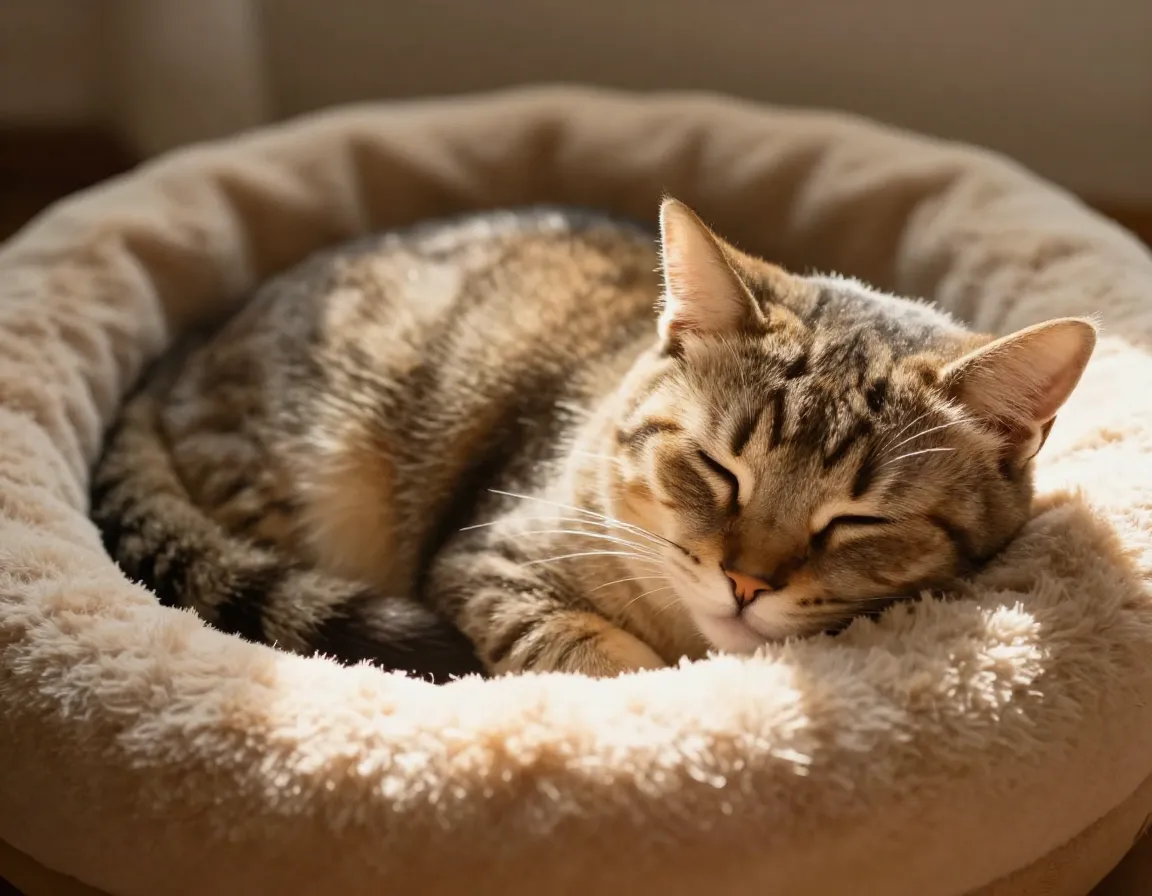
Litter box habits serve as excellent indicators of feline well-being. Cats experiencing stress often develop elimination issues, making normal bathroom behavior a crucial sign that your cat is thriving with professional care. Skilled pet sitters monitor litter box usage closely, tracking frequency and consistency.
A content cat maintains regular elimination patterns, uses the litter box appropriately, and shows no signs of avoidance or distress. Professional caregivers understand that changes in litter box behavior can indicate health issues or stress, making this monitoring essential for quality care.
Key indicators include:
- Regular urination and defecation
- Proper litter box usage
- Normal waste consistency
- No accidents outside the box
- Comfortable posture during elimination
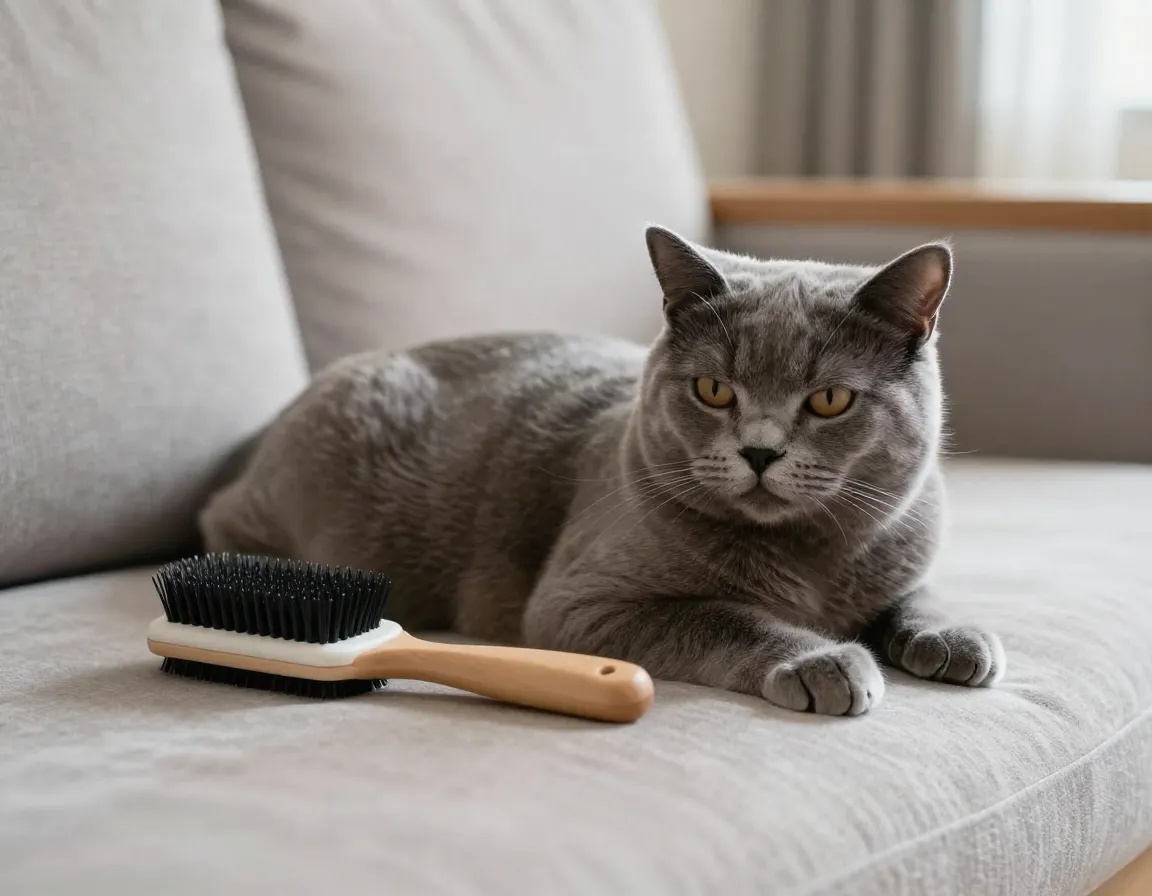
3. Consistent Grooming and Self-Care Routines
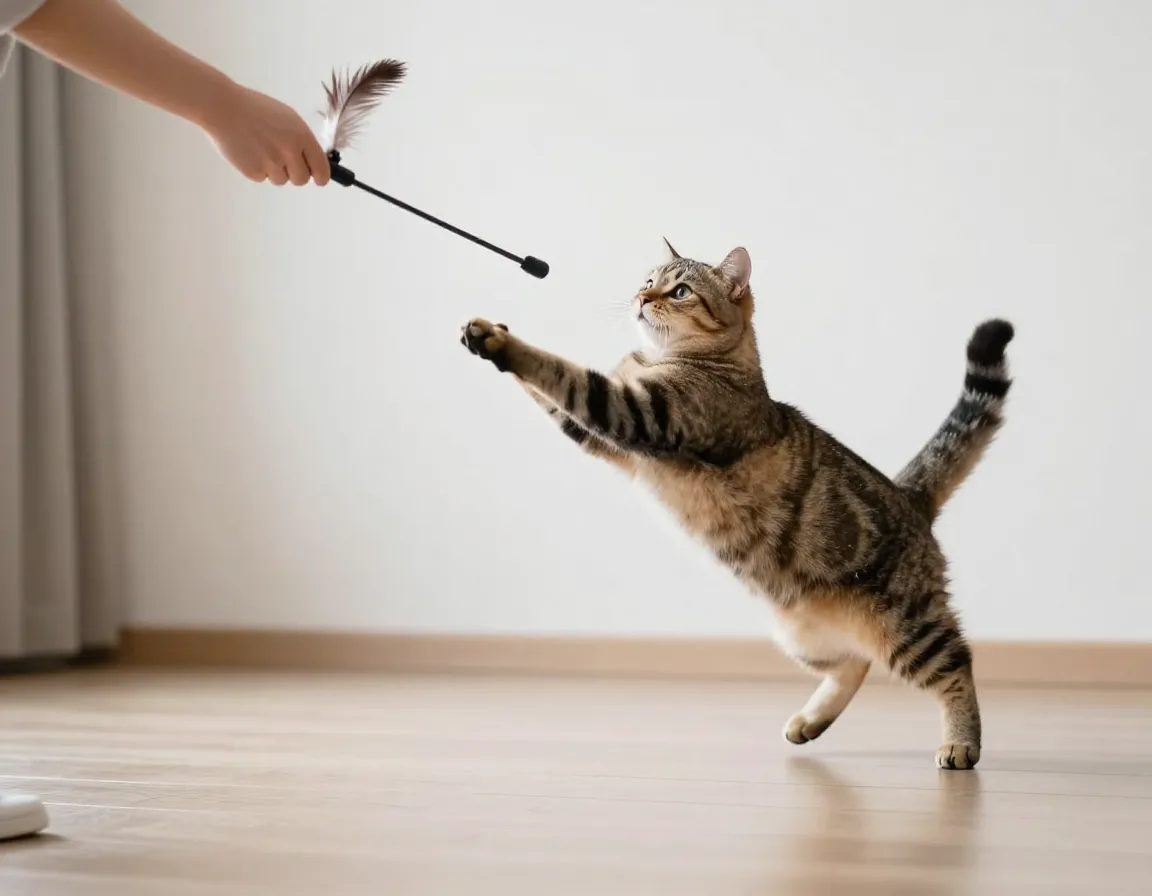
Cats are meticulous groomers, and maintained grooming habits indicate emotional well-being and comfort. When cats feel secure with their professional caregiver, they continue their normal self-care routines without interruption. Professional pet sitters trained in feline behavior recognize that over-grooming or neglected grooming can signal stress or illness.
A thriving cat maintains their usual grooming schedule, keeping their coat clean and well-maintained. They show normal flexibility during grooming sessions and maintain their typical grooming duration and frequency. This consistency demonstrates that the cat feels safe and unstressed in their caregiver’s presence.
Observable grooming indicators:
- Regular self-grooming sessions
- Clean, well-maintained coat
- Normal grooming postures
- No excessive or obsessive grooming
- Maintained facial and paw cleaning habits
4. Relaxed Body Language and Comfortable Positioning
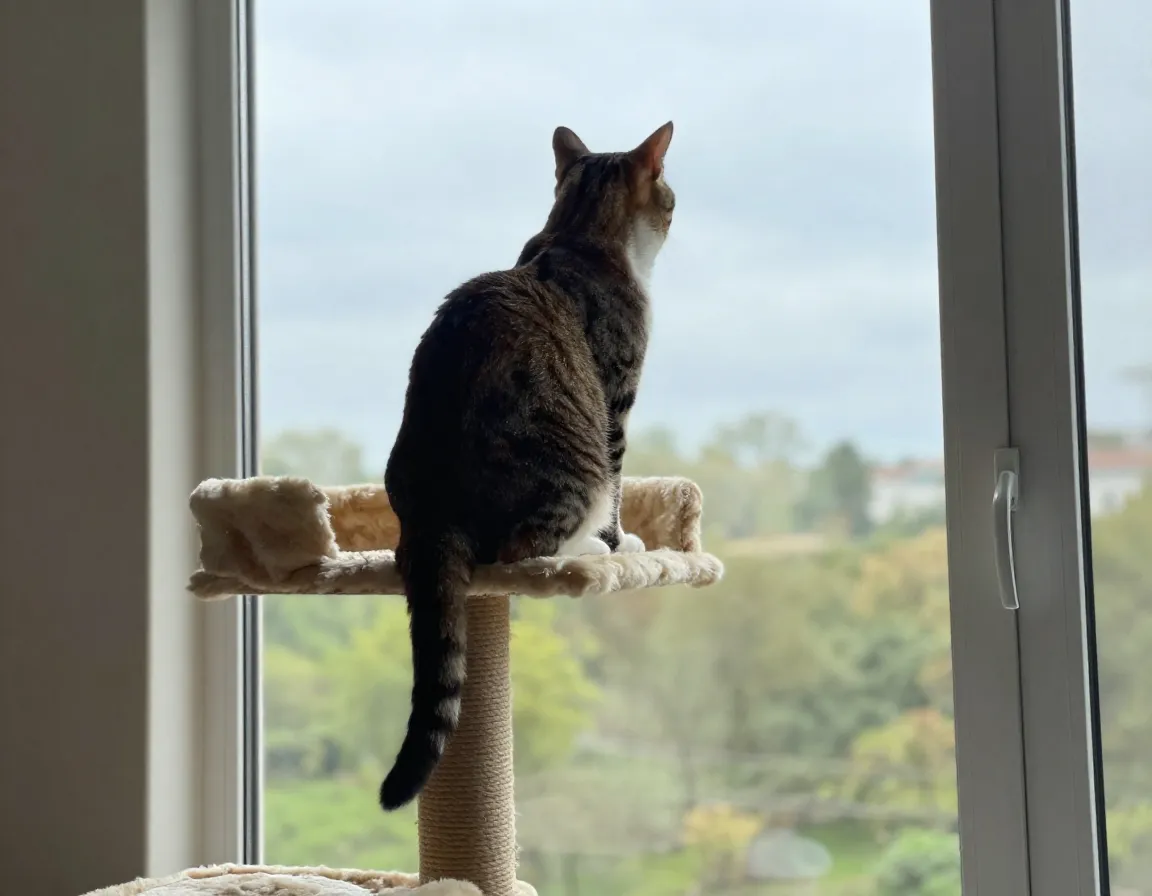
Feline body language provides immediate insight into a cat’s emotional state. Cats thriving under professional care display relaxed postures, comfortable positioning, and open body language. Experienced pet sitters understand these subtle communication signals and can interpret them accurately.
Comfortable cats assume natural resting positions, show relaxed facial expressions, and maintain normal tail positioning. They don’t exhibit defensive postures or signs of hypervigilance that indicate stress or discomfort. Professional caregivers document these behavioral observations to provide owners with detailed updates about their cat’s well-being.
Positive body language signs:
- Relaxed, stretched-out sleeping positions
- Slow blinking and soft eye contact
- Normal tail positioning (not tucked or puffed)
- Comfortable approach behavior
- Relaxed ear positioning
The Final 4 Signs Your Cat is Thriving with a Pet Sitting Cat Pro
5. Active Engagement and Playful Behavior
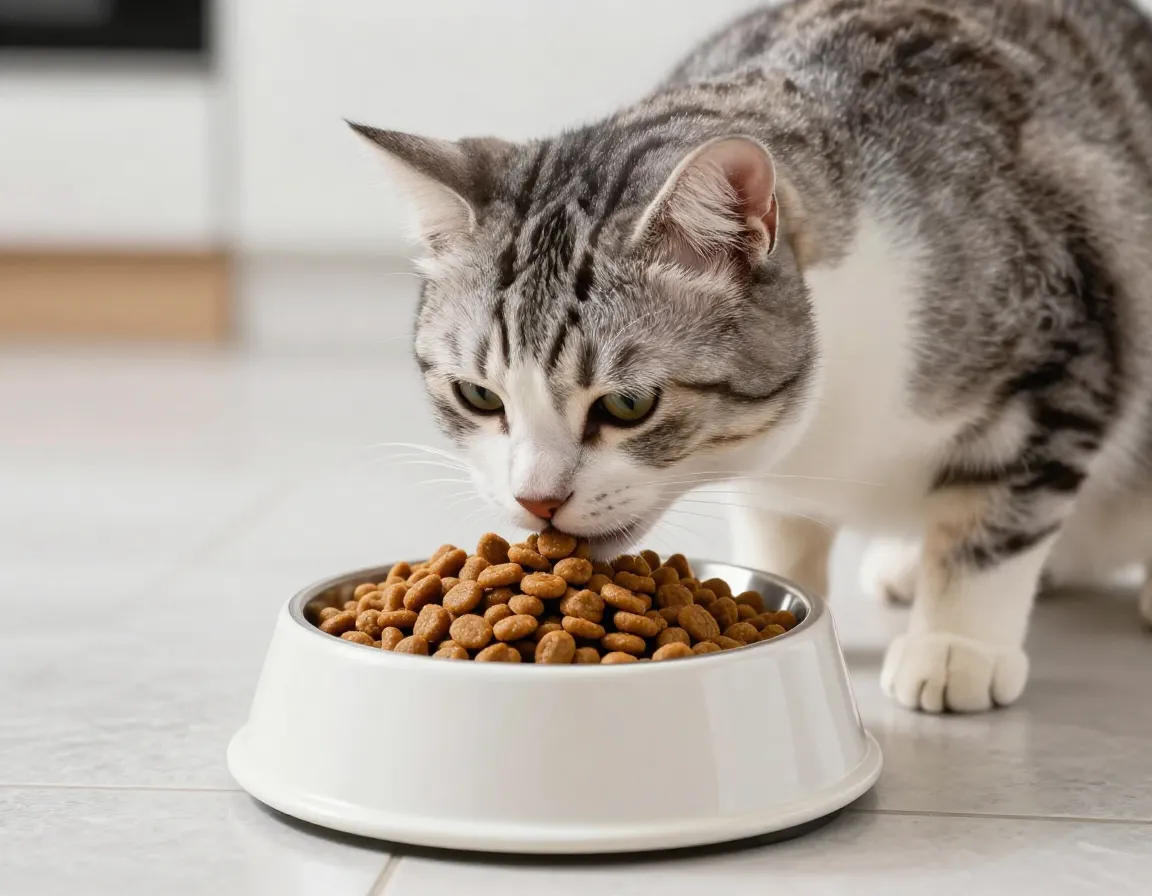
Playfulness remains one of the strongest indicators that your cat feels secure and content with their professional caregiver. Cats under stress typically become withdrawn and show little interest in interactive activities. When your cat maintains their playful nature and engages with toys and activities, it demonstrates emotional well-being and trust.
Professional pet sitters specializing in feline care understand the importance of maintaining play schedules and engaging cats in appropriate activities. They recognize individual play preferences and adapt their approach accordingly. Quality caregivers document play sessions and note your cat’s energy levels and engagement.
Play behavior indicators include:
- Interest in favorite toys
- Engagement in interactive play sessions
- Normal energy levels throughout the day
- Curiosity about environment
- Responsive to caregiver’s play initiatives
6. Maintained Sleep Patterns and Restful Behavior
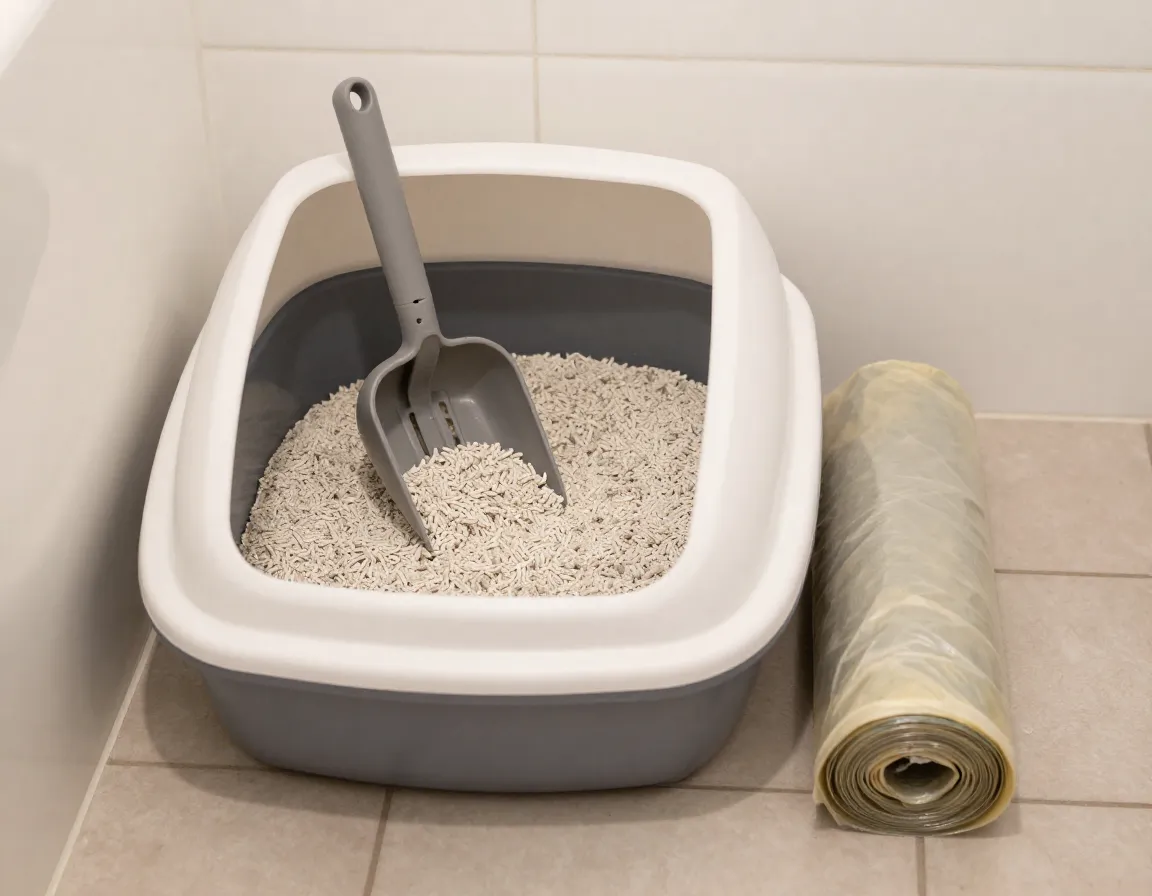
Cats typically sleep 12-16 hours daily, and disrupted sleep patterns often indicate stress or discomfort. Professional pet sitters monitor sleep habits as part of comprehensive care, noting changes in sleep locations, duration, or quality. A thriving cat maintains normal sleep cycles and chooses comfortable, secure locations for rest.
Experienced caregivers understand that cats may initially sleep in different locations when adjusting to a new person in their space. However, cats who are thriving quickly return to preferred sleeping spots and maintain deep, restful sleep. Skilled pet professionals respect cats’ sleep needs and avoid unnecessary disruptions.
Healthy sleep indicators:
- Regular sleep schedule maintenance
- Deep, restful sleep periods
- Use of preferred sleeping locations
- Normal sleep duration
- Peaceful waking behavior
7. Positive Social Interaction and Communication
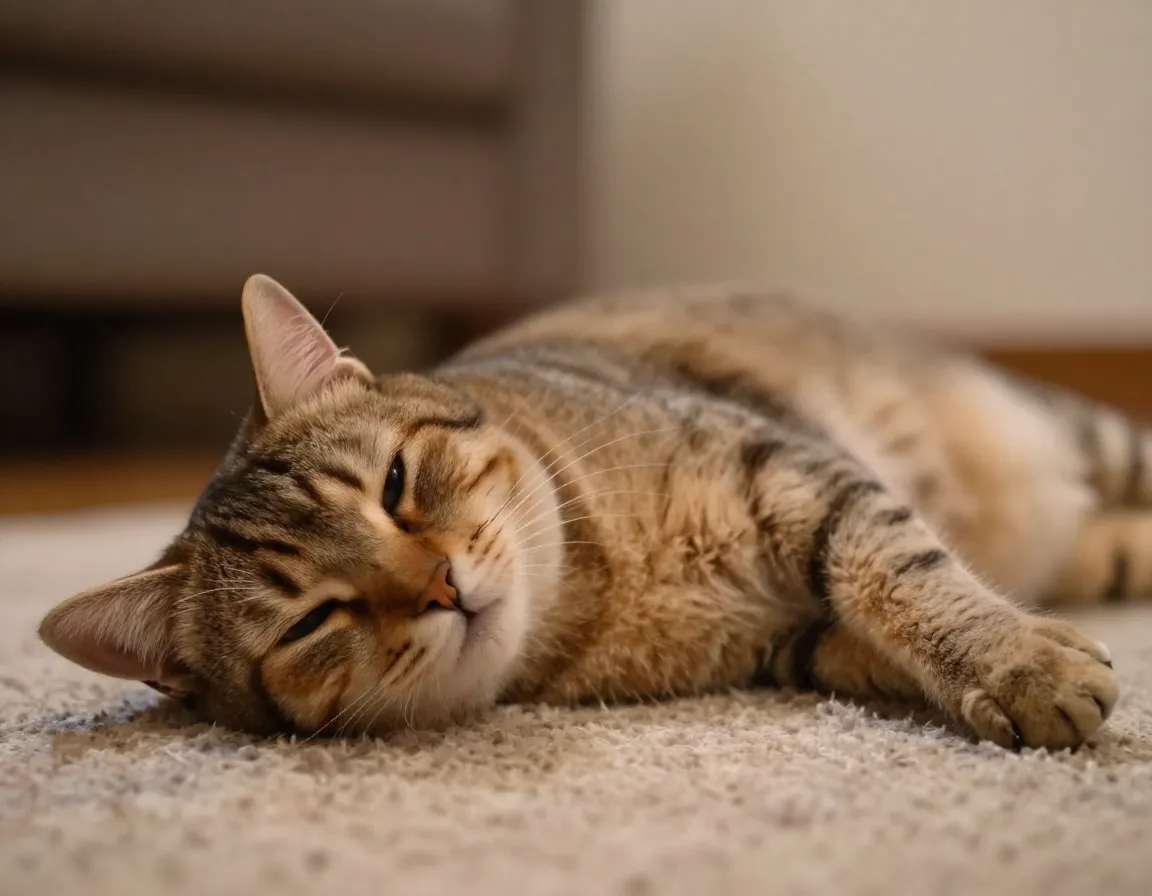
Vocal communication and social interaction patterns reveal much about a cat’s comfort level with their caregiver. Cats who are thriving maintain normal vocalization patterns and show appropriate social responses. They may greet their caregiver, respond to verbal cues, and engage in typical communication behaviors.
Professional pet sitters trained in feline behavior understand that each cat has unique communication styles. Some cats are naturally more vocal, while others communicate through body language and positioning. Experienced caregivers adapt their interaction style to match each cat’s preferences and comfort level.
Communication indicators include:
- Normal vocalization patterns
- Appropriate greeting behaviors
- Responsive to caregiver’s voice
- Comfortable proximity to caregiver
- Natural communication rhythms
8. Exploration and Territory Confidence
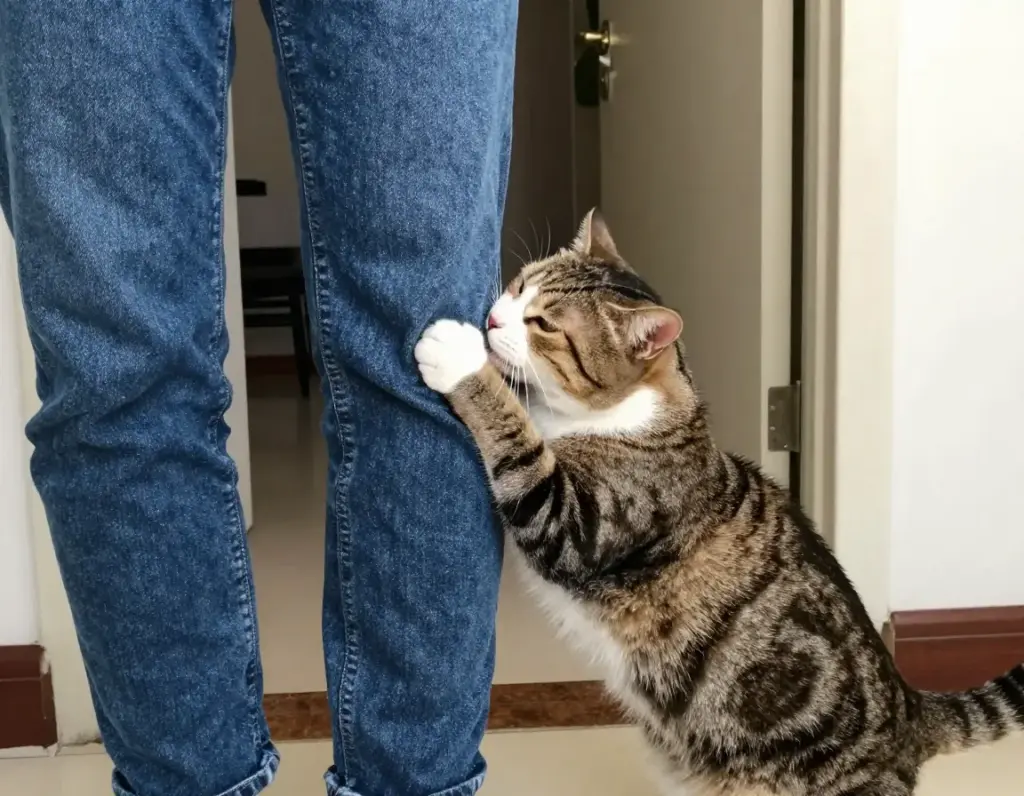
Confident cats maintain their normal territorial behaviors and continue exploring their environment. Territory confidence indicates that your cat feels secure and doesn’t perceive the pet sitter as a threat to their space. Cats who are thriving continue using all areas of their home and maintain normal movement patterns.
Professional caregivers understand feline territorial needs and respect established boundaries while providing necessary care. They recognize that cats may initially be more cautious but should gradually return to normal territorial behaviors. Quality pet sitters encourage natural exploration while ensuring safety and security.
Territory confidence signs:
- Normal movement throughout the home
- Use of favorite perching spots
- Comfortable exploration behavior
- Maintained territorial routines
- No excessive hiding or withdrawal
Professional Communication and Documentation
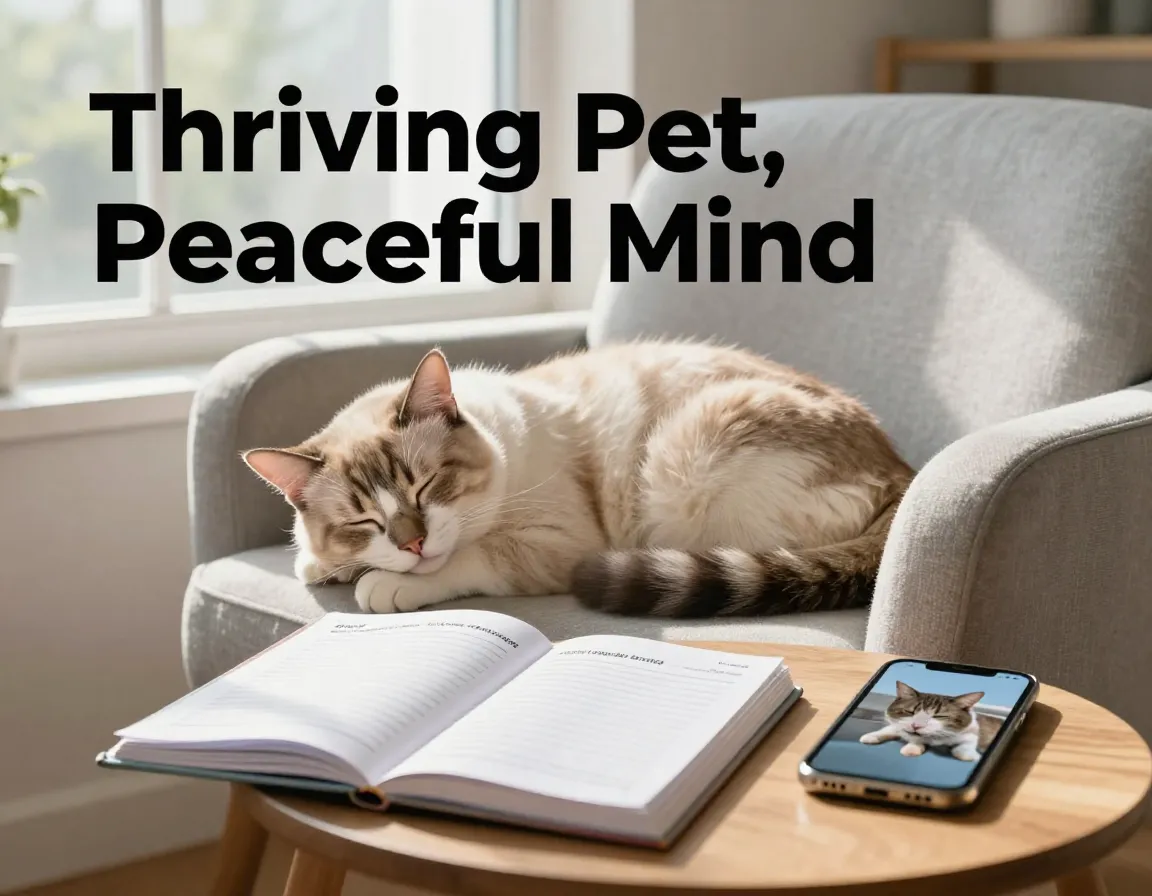
Comprehensive communication from your pet sitting professional serves as additional confirmation that your cat is thriving. Quality caregivers provide regular updates, photos, and detailed reports about your cat’s daily activities, health status, and behavioral observations. This documentation helps owners stay connected and provides peace of mind during travel.
The pet sitting industry has embraced technology to enhance communication, with many professionals using apps and platforms to share real-time updates [4]. Professional pet sitters understand that detailed communication builds trust and demonstrates their commitment to quality care.
Effective communication includes:
- Daily activity reports
- Photo and video updates
- Health and behavior observations
- Feeding and medication logs
- Emergency contact responsiveness
Red Flags vs. Positive Indicators
Understanding the difference between concerning behaviors and normal adjustment signs helps cat owners evaluate their pet’s well-being accurately. Professional pet sitters are trained to recognize red flags that require immediate attention versus typical adaptation behaviors that resolve naturally.
| Positive Indicators | Red Flags |
|---|---|
| Gradual return to normal routines | Persistent hiding or withdrawal |
| Maintained appetite with minor variations | Complete loss of appetite |
| Normal elimination patterns | Litter box avoidance or accidents |
| Relaxed body language | Aggressive or fearful behavior |
| Appropriate social interaction | Excessive vocalization or silence |
Experienced caregivers maintain detailed logs and communicate immediately about any concerning changes. They understand when behaviors indicate normal adjustment versus situations requiring veterinary attention or owner notification.
Building Long-Term Success with Professional Pet Sitting
The 8 signs your cat is thriving with a pet sitting cat pro become more apparent as the relationship develops over time. Initial visits may show some adjustment behaviors, but established relationships demonstrate clear comfort and trust. Many cat owners find that their pets actually look forward to visits from familiar professional caregivers.
Industry growth reflects increasing recognition of professional pet sitting benefits [5]. Cat owners report higher satisfaction levels and reduced travel anxiety when working with qualified professionals who understand feline needs and behavior patterns.
Long-term success factors include:
- Consistent caregiver assignments
- Detailed care instructions and preferences
- Regular communication and feedback
- Gradual relationship building
- Professional development and training
The Economic Value of Quality Cat Care
The pet industry continues evolving, with professional services representing significant value for pet owners [6]. Quality cat care during owner absence prevents stress-related health issues, maintains behavioral stability, and provides peace of mind that justifies the investment in professional services.
Professional pet sitting offers economic advantages compared to boarding facilities, emergency veterinary visits due to stress-related issues, or property damage from anxious cats. The growing market reflects consumer recognition of these benefits [7].
Investment considerations include:
- Prevention of stress-related health costs
- Maintained home security
- Reduced travel anxiety for owners
- Professional expertise and training
- Insurance and bonding protection
Future Trends in Professional Cat Care
The pet sitting industry continues expanding, with specialized feline care becoming increasingly sophisticated [8]. Professional development programs, certification courses, and technology integration enhance service quality and owner confidence. The market outlook suggests continued growth and specialization in cat-specific services [9].
Emerging trends include:
- Specialized feline behavior training
- Technology-enhanced communication
- Health monitoring integration
- Customized care protocols
- Professional certification programs
Conclusion
Recognizing the 8 signs your cat is thriving with a pet sitting cat pro empowers cat owners to make informed decisions about professional care services and evaluate the quality of care their feline companions receive. These indicators—from maintained appetite and normal litter box behavior to confident territory exploration and positive social interaction—provide clear evidence that your cat feels secure, comfortable, and well-cared for in your absence.
The investment in professional pet sitting services pays dividends in your cat’s physical and emotional well-being, your peace of mind during travel, and the long-term health and happiness of your feline companion. As the pet sitting industry continues growing and evolving, cat owners have access to increasingly sophisticated and specialized care options that prioritize feline-specific needs and behaviors.
Take action today by researching qualified pet sitting professionals in your area, scheduling meet-and-greet sessions to assess compatibility, and establishing clear communication protocols that ensure your cat receives the exceptional care they deserve. Remember that a thriving cat is a happy cat, and professional pet sitting services make this outcome achievable even when life takes you away from home.
References
[1] Pet Sitting Market – https://www.grandviewresearch.com/industry-analysis/pet-sitting-market
[2] Pet Sitting Statistics – https://www.dogster.com/statistics/pet-sitting-statistics
[3] Surge In Cat Ownership Sparks Increasing Demand For Professional Pet Sitters – https://www.petsit.com/surge-in-cat-ownership-sparks-increasing-demand-for-professional-pet-sitters
[4] Pet Sitting 1452520 – https://www.datainsightsmarket.com/reports/pet-sitting-1452520
[5] Pet Sitting Statistics – https://articles.hepper.com/pet-sitting-statistics/
[6] Pet Industry Economics Rebalances In 2026 As Ownership Changes – https://www.petfoodindustry.com/business-strategy/article/15801043/pet-industry-economics-rebalances-in-2026-as-ownership-changes
[7] Pet Sitting Global Market Report – https://www.thebusinessresearchcompany.com/report/pet-sitting-global-market-report
[8] Start A Pet Sitting Business 2026 – https://www.petsit.com/start-a-pet-sitting-business-2026
[9] Us Pet Market Outlook – https://www.freedoniagroup.com/packaged-facts/us-pet-market-outlook