8 Reasons Why Kangal Shepherd Dogs Are Legendary Protectors
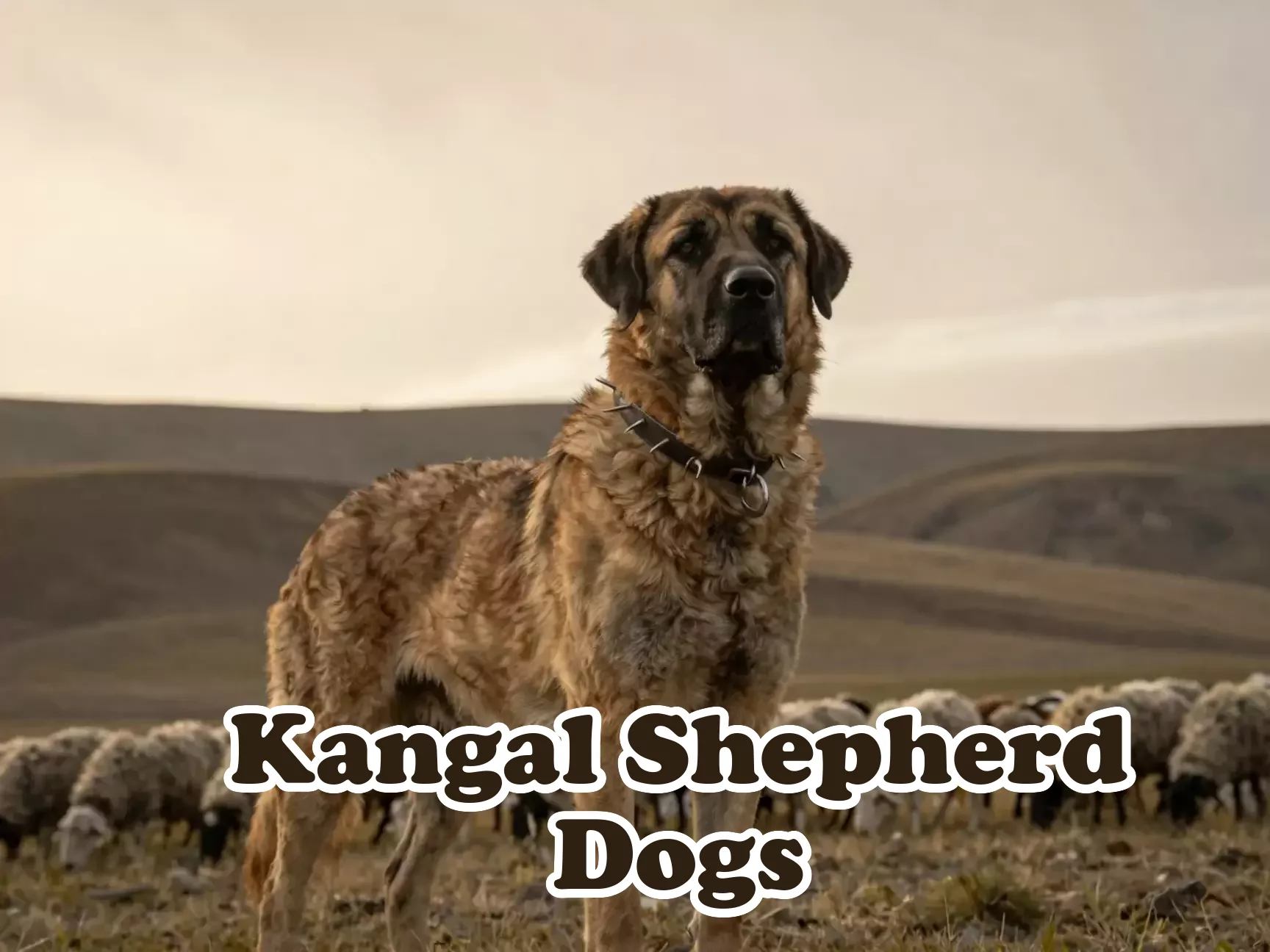
Across the rugged highlands of central Turkey, wolves don’t stand a chance. For over a thousand years, a single breed of dog has been the difference between a thriving flock and a devastating predator attack — and in 2026, that breed is gaining global recognition it has long deserved. The Kangal Shepherd Dog is not just a working animal; it is a living legend. This article explores the 8 reasons why Kangal Shepherd Dogs are legendary protectors, drawing on documented evidence, centuries of tradition, and the remarkable biology of this extraordinary breed.
Key Takeaways
- 🐾 Kangal Shepherd Dogs have been purpose-bred for over a millennium specifically to guard livestock against large predators like wolves and bears.
- 🐾 Their calm, stable temperament allows them to make intelligent threat assessments rather than reacting aggressively to every stimulus.
- 🐾 Farms using Kangals have documented zero livestock losses to predators while allowing animals to graze freely [1].
- 🐾 Kangals are both fierce protectors and gentle companions — especially with children and smaller animals.
- 🐾 Their unique working style — living permanently within the flock — sets them apart from herding breeds and most other guardian dogs [2].
What Makes the Kangal Shepherd Dog Truly Unique?
Before diving into the specific reasons, it helps to understand what separates this breed from the dozens of other livestock guardian dogs (LGDs) found around the world. The Kangal originates from the Sivas province of Turkey, where shepherds in central Anatolia developed the breed over centuries to solve a very specific problem: how do you protect sheep and goats from apex predators in remote, mountainous terrain with minimal human supervision?
The answer was a dog that could think independently, bond deeply with its flock, withstand harsh weather, and physically overpower a wolf. That dog became the Kangal.
“The Kangal is not simply a big dog that barks loudly. It is a strategist, a sentinel, and a surrogate family member to the animals it guards.”
The 8 Reasons Why Kangal Shepherd Dogs Are Legendary Protectors
1. A Rock-Solid, Stable Temperament
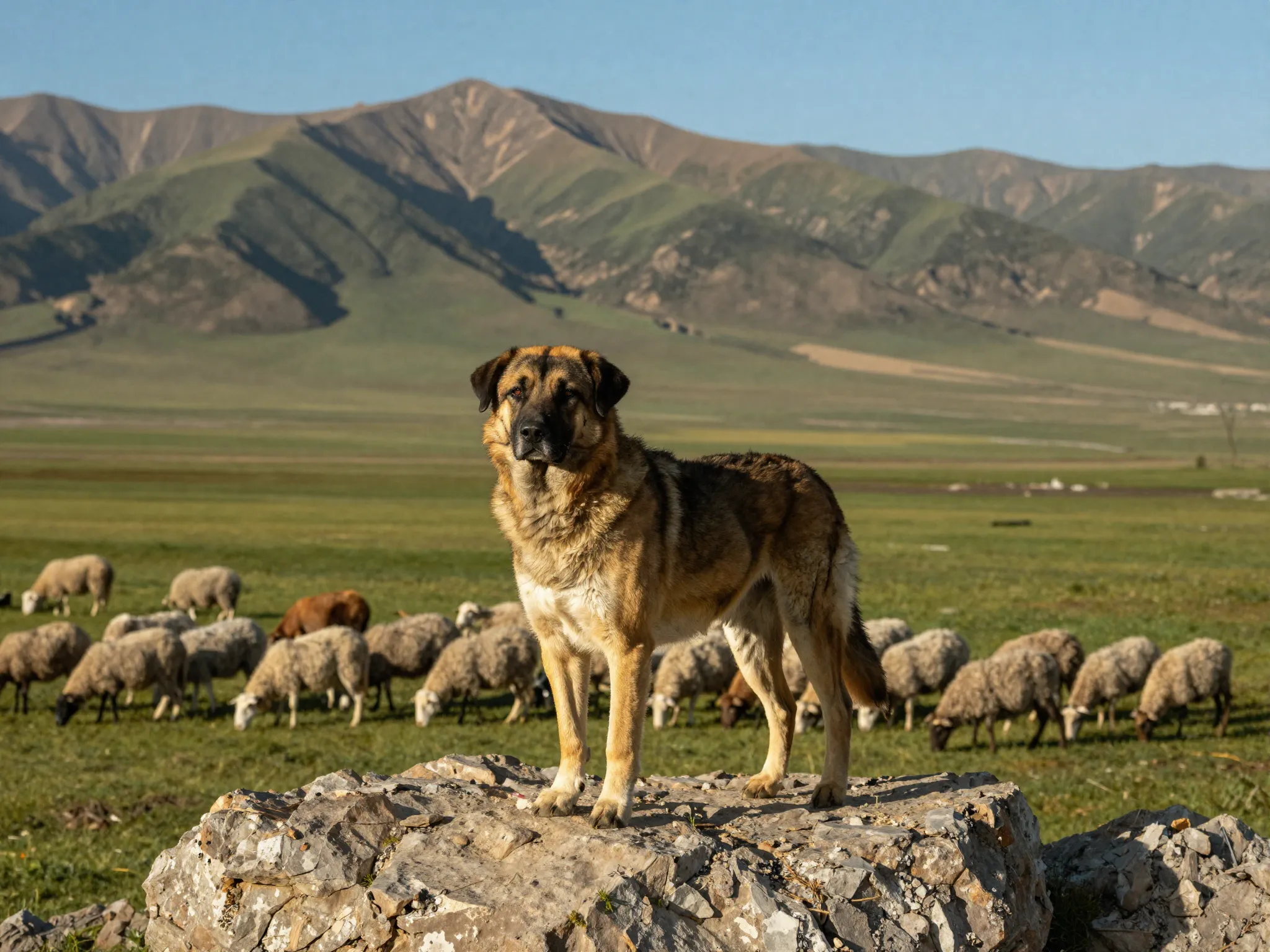
One of the most underappreciated qualities of a great guardian is emotional stability. A dog that panics, overreacts, or becomes unpredictably aggressive is a liability — not an asset. Kangals are described as “quiet, calm, devoted, controlled, and trustworthy,” a combination that makes them uniquely suited to the long, solitary hours of livestock protection [1].
This temperament is not accidental. It was deliberately selected by Turkish shepherds who understood that a dog prone to anxiety or aggression would disrupt the flock, stress the animals, and ultimately fail at its job. A Kangal’s calm confidence is its first line of defense — predators often retreat simply because the dog’s body language communicates absolute authority.
Key temperament traits:
- Quiet and composed under pressure
- Deeply devoted to its charge (flock or family)
- Controlled aggression — only deployed when truly necessary
- Trustworthy around vulnerable animals and children
2. Proven Effectiveness Against Large Predators
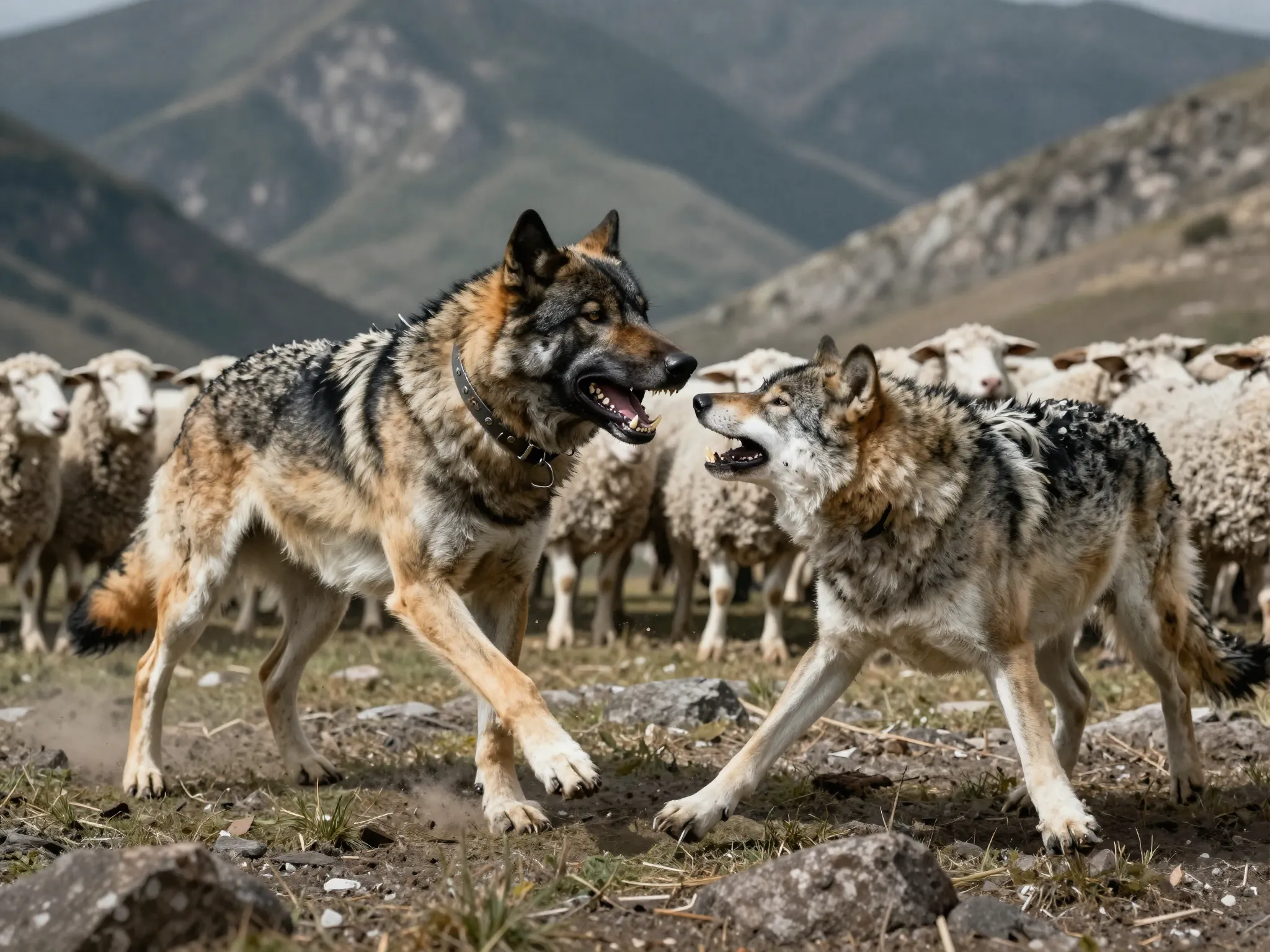
Most livestock guardian breeds can deter smaller predators like foxes or coyotes. The Kangal goes further. Unlike many livestock guardian dog breeds, Kangals can handle large predators such as wolves, bears, and wild boar — animals that persist in Turkey’s rural areas and pose serious threats to livestock [1].
This is not just a matter of size. Kangals typically weigh between 90 and 145 pounds and can reach speeds of up to 30 miles per hour. Their thick double coat protects them from bites, and their legendary bite force — estimated among the strongest of any domestic dog breed — gives them a decisive physical advantage.
| Predator Threat | Kangal’s Response Capability |
|---|---|
| Wolf | High — documented confrontations and deterrence |
| Bear | Moderate to High — pack behavior used effectively |
| Wild Boar | High — speed and bite force are decisive |
| Coyote | Very High — easily deterred or repelled |
| Fox | Very High — minimal threat to a Kangal |
The practical results speak for themselves. Farms using Kangals have documented that they have “not lost a single animal to a predator” while allowing livestock to graze freely [1]. That is a remarkable real-world performance record.
3. Intelligent Threat Assessment
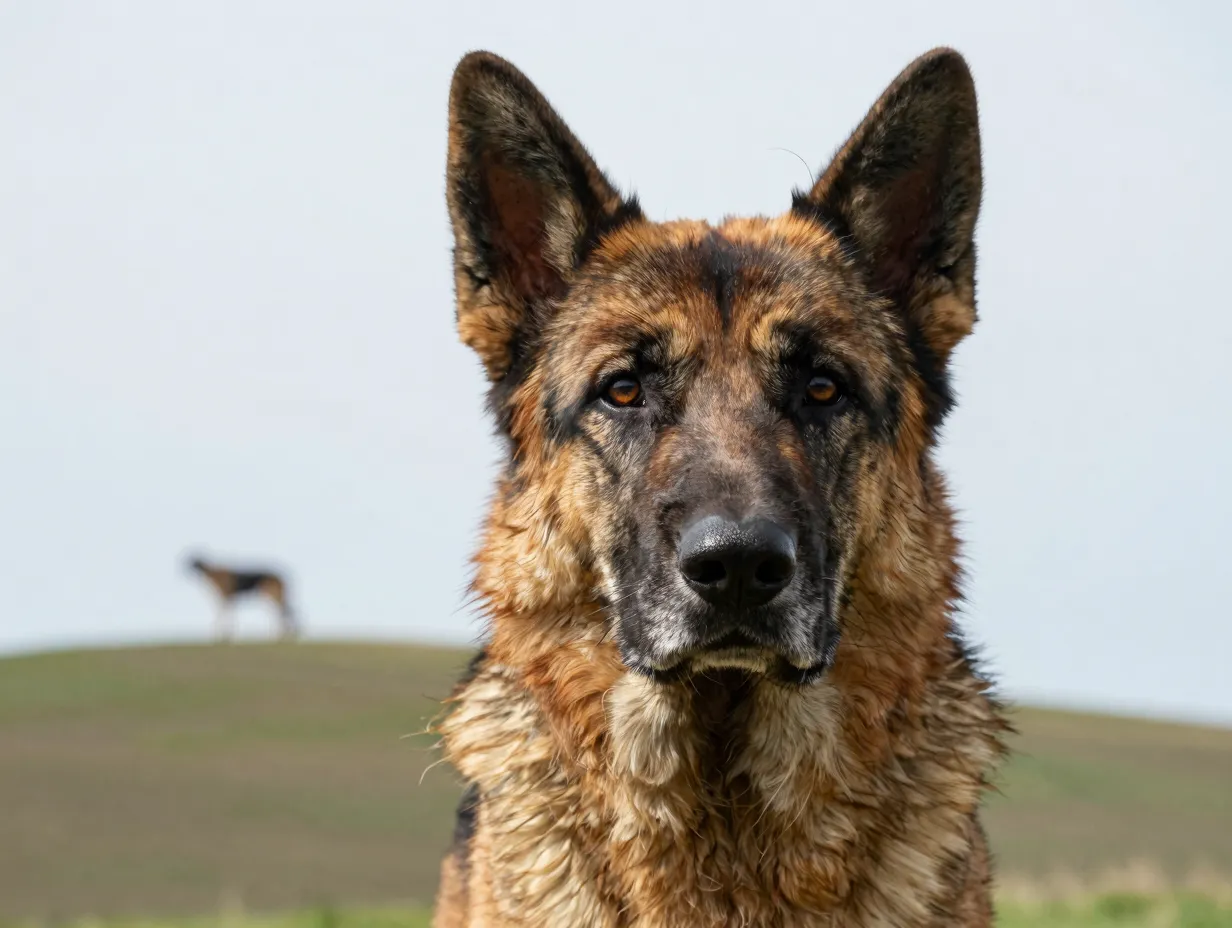
Raw power means nothing without wisdom. What truly elevates the Kangal above other guardian breeds is its cognitive ability. Kangals are “highly intelligent, learn quickly, and judge potential threats wisely,” allowing them to distinguish between genuine dangers and normal farm activity [1].
This matters enormously in a working farm environment. A dog that treats every passing hiker, farm vehicle, or neighboring animal as a threat creates chaos. The Kangal’s ability to read situations accurately means it reserves its energy and aggression for real threats — making it both more effective and easier to live with.
🧠 How Kangal threat assessment works in practice:
- The dog observes and monitors constantly, even when appearing to rest.
- It identifies anomalies in the environment — unfamiliar scents, unusual sounds, or movement patterns.
- It positions itself between the flock and the potential threat.
- It issues a warning — a deep, resonant bark — giving the intruder a chance to retreat.
- Only if the threat advances does the Kangal escalate to physical confrontation.
This graduated response is a hallmark of a truly intelligent guardian, not a reactive attack dog.
4. Permanent Flock Integration
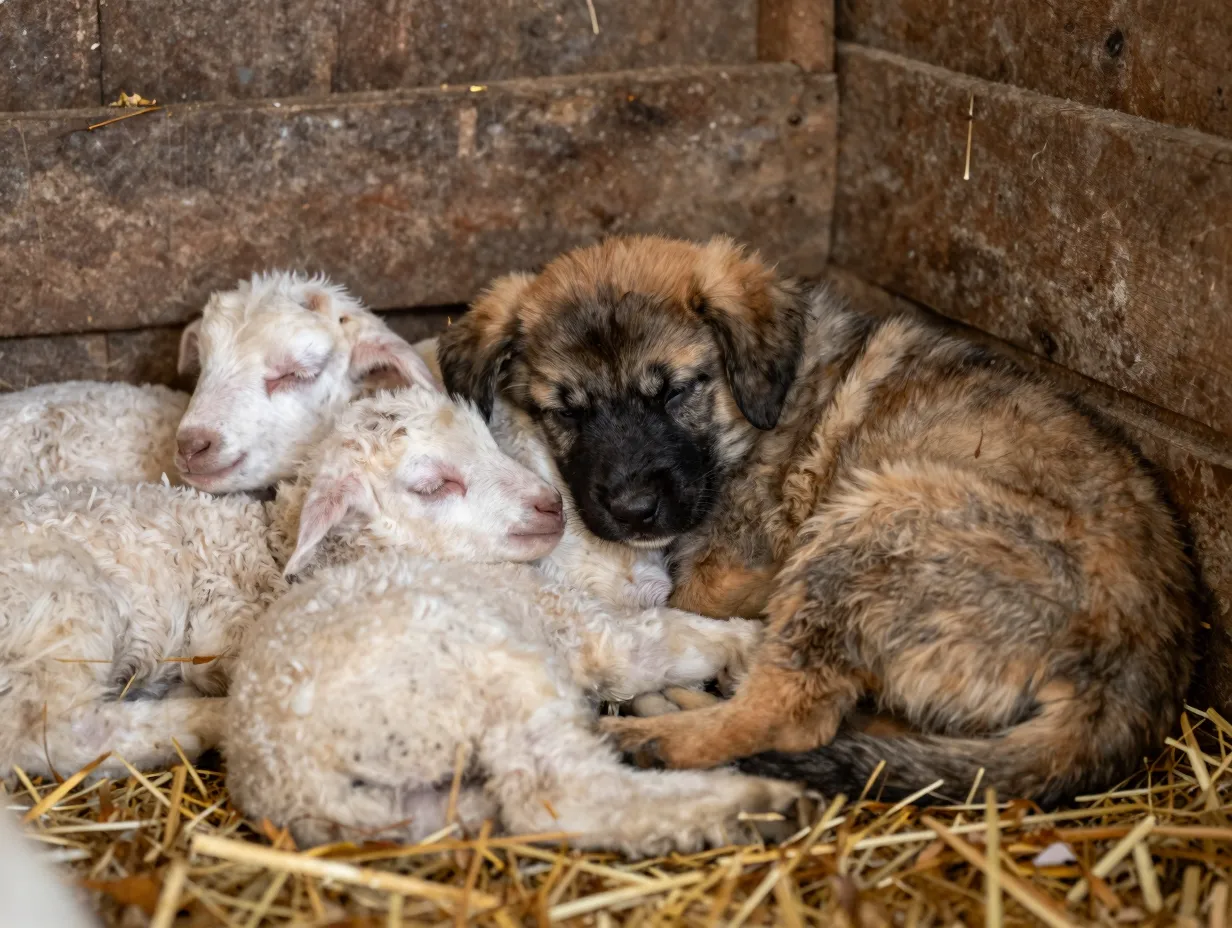
Here is where the Kangal’s working philosophy diverges sharply from other dog types. Shepherds in central Turkey developed Kangals to “live permanently within their flocks,” unlike herding dogs that move livestock from place to place [2].
This distinction is critical. A herding dog works on the flock. A Kangal works within it. From puppyhood, Kangals are raised alongside the animals they will protect — sheep, goats, or cattle. They sleep with them, eat near them, and come to regard them as their own family. This deep bond creates a level of protective motivation that no amount of training alone can replicate.
“A Kangal doesn’t protect the flock because it was told to. It protects the flock because those animals are its family.”
This integration also makes the Kangal far more effective at night, when predator attacks are most common. Because the dog is already within the flock, it detects threats immediately — there is no delay while it runs from a kennel or shelter to reach the animals.
5. Strong Maternal and Nurturing Instincts
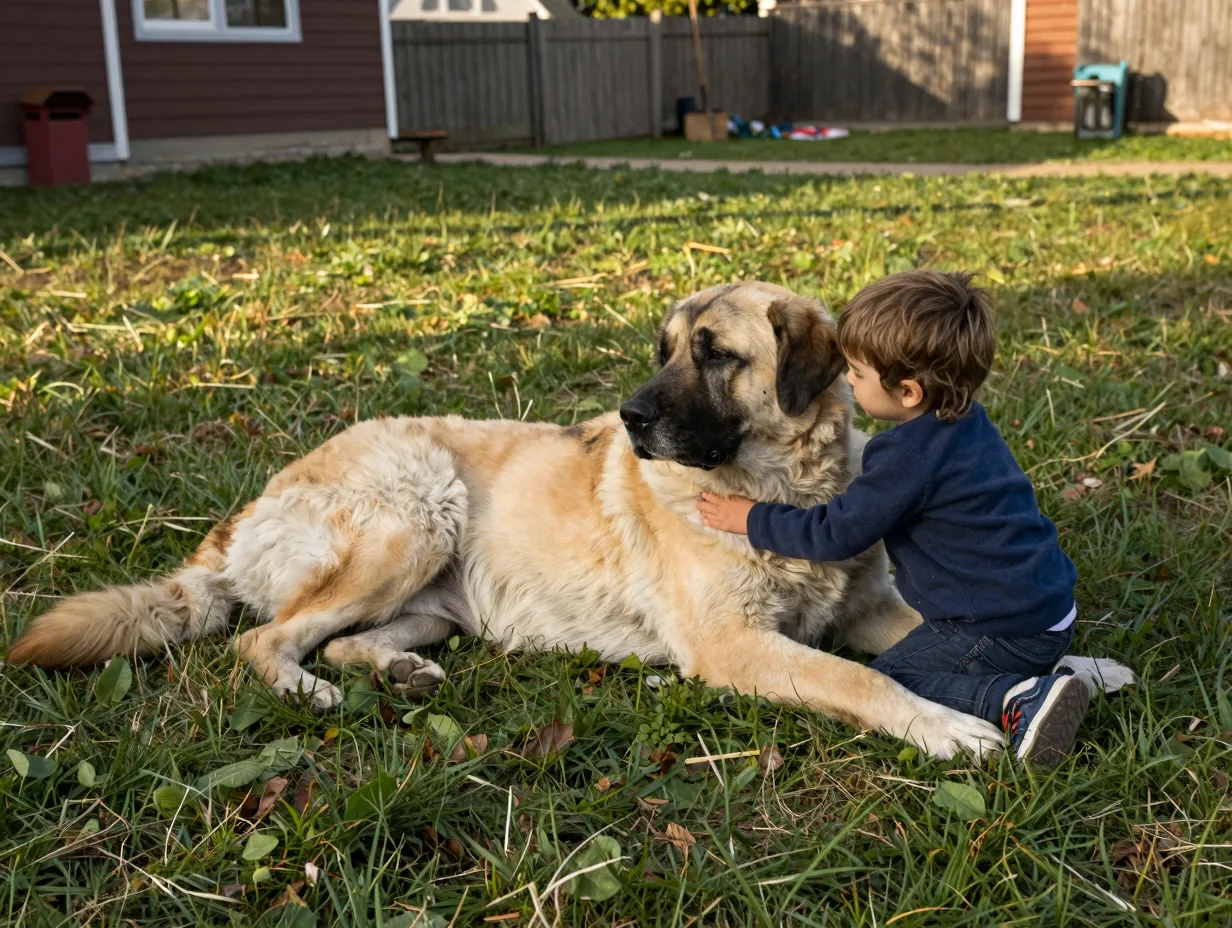
The word “protector” often conjures images of aggression and dominance. But the Kangal’s protective nature has a deeply nurturing dimension that is just as important. Kangals possess “a strong maternal instinct” and are “gentle with children and pets,” making them both fierce protectors and caring guardians [1].
This quality makes the Kangal exceptional in mixed farm environments where lambs, kids, and young livestock are vulnerable. Rather than treating smaller, weaker animals as prey or nuisances, a well-socialized Kangal will actively watch over them — sometimes even allowing young animals to sleep against its body for warmth.
🐑 Nurturing behaviors observed in Kangals:
- Allowing lambs and kids to approach and rest near them
- Positioning themselves between young animals and perceived threats
- Gentle interaction with human children on the farm
- Tolerance of smaller companion animals (cats, smaller dogs)
This balance of strength and gentleness is rare in large working breeds and is a key reason why Kangals are increasingly valued not just on farms but also as family companions in appropriate settings.
6. Extraordinary Physical Attributes Built for the Job
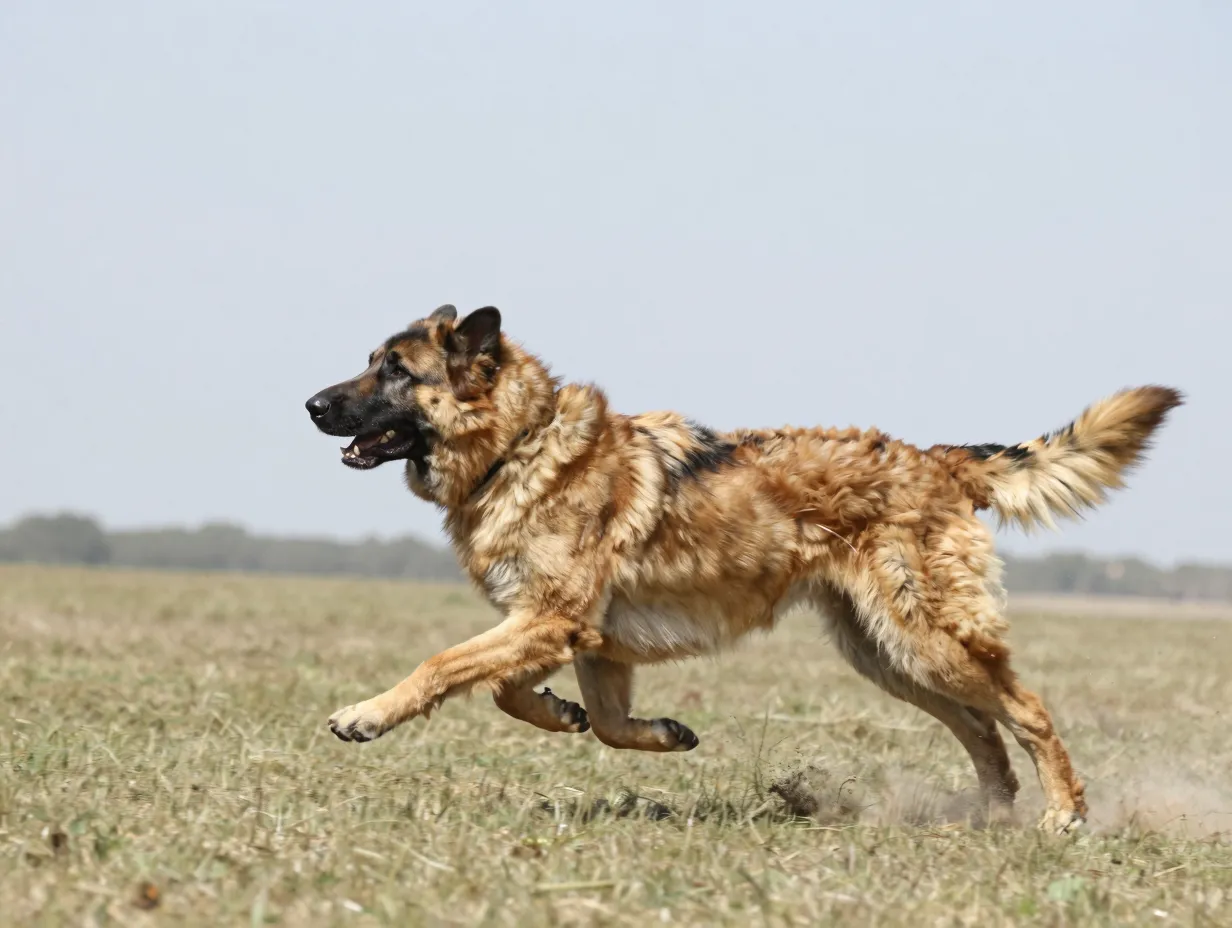
The Kangal’s legendary status as a protector is not purely psychological — its body is an engineering masterpiece designed for the role. Every physical characteristic serves a function.
Physical profile of the Kangal Shepherd Dog:
- Size: Males typically 110–145 lbs; females 90–120 lbs
- Speed: Up to 30 mph — fast enough to intercept a fleeing predator
- Coat: Dense double coat providing insulation and bite protection
- Neck: Thick and muscular, often protected by a spiked collar (traditional tokmak) in Turkey
- Bite force: Among the highest recorded for domestic dog breeds
- Coloring: Distinctive cream to fawn body with a black mask — providing camouflage in natural terrain
The spiked collar deserves special mention. Turkish shepherds have long fitted their Kangals with iron collars bearing outward-facing spikes. This protects the dog’s most vulnerable area — its neck and throat — during confrontations with wolves. It is a centuries-old piece of working equipment that reflects just how seriously these dogs are taken as professional guardians.
7. Centuries of Purpose-Bred Selection
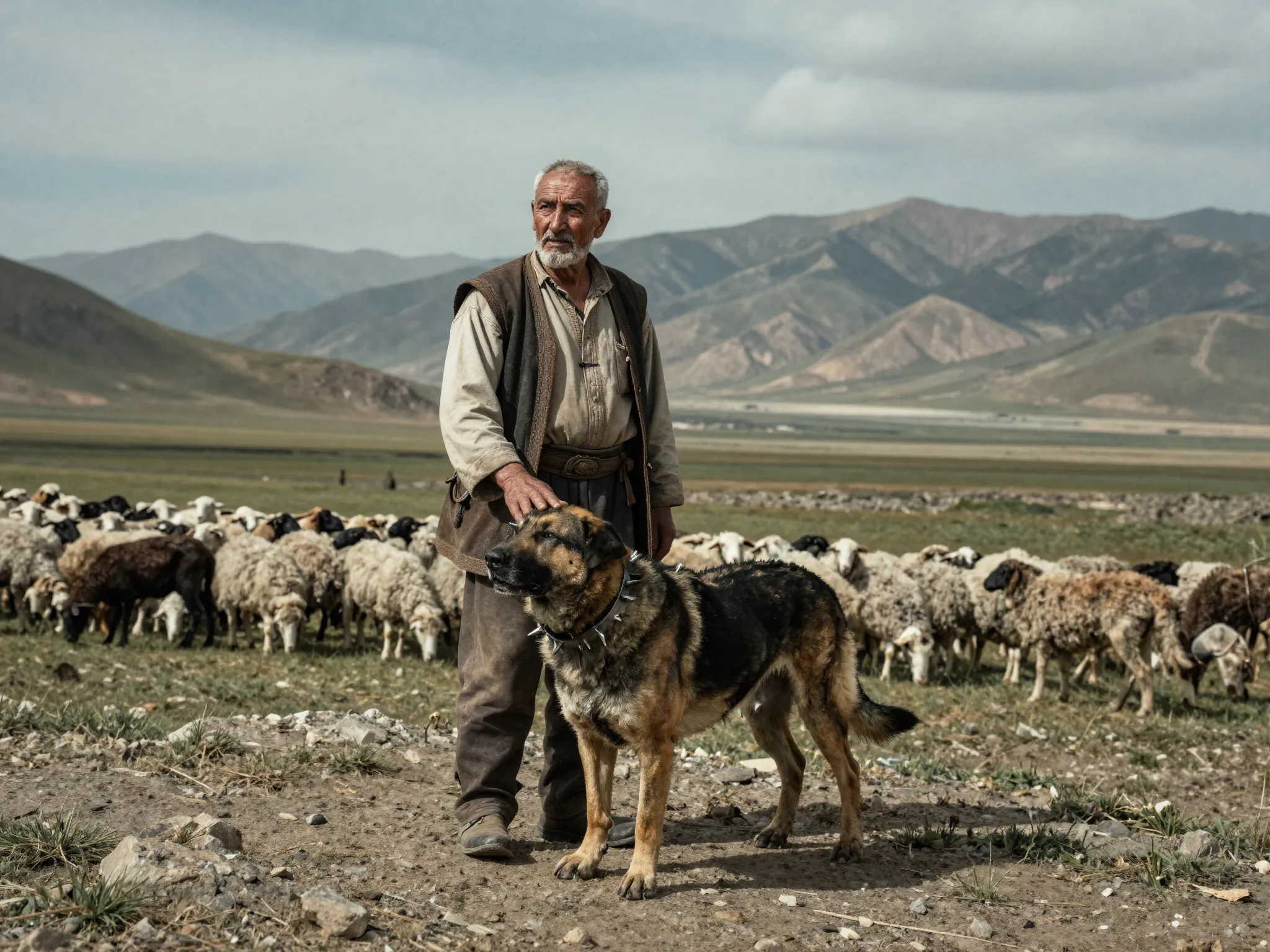
The Kangal did not become a legendary protector by accident. It is the product of deliberate, centuries-long selective breeding by Turkish shepherds who had zero tolerance for failure. In a subsistence farming culture where the loss of even a few animals could mean the difference between survival and starvation, only the most effective guardian dogs were bred.
This means that every Kangal alive today carries a genetic legacy of proven performance. The breed’s instincts — its territorial awareness, its bond with livestock, its willingness to confront large predators — are deeply encoded at a biological level, not simply trained behaviors.
“You can train many breeds to guard. You cannot train them to want to guard the way a Kangal does.”
This heritage also makes the Kangal highly consistent across individuals. While individual personalities vary, the core working traits — loyalty, protectiveness, intelligence, and calm authority — appear reliably across the breed. That consistency is invaluable to farmers and ranchers who depend on their guardian dogs for real-world results.
8. Adaptability Across Environments and Cultures
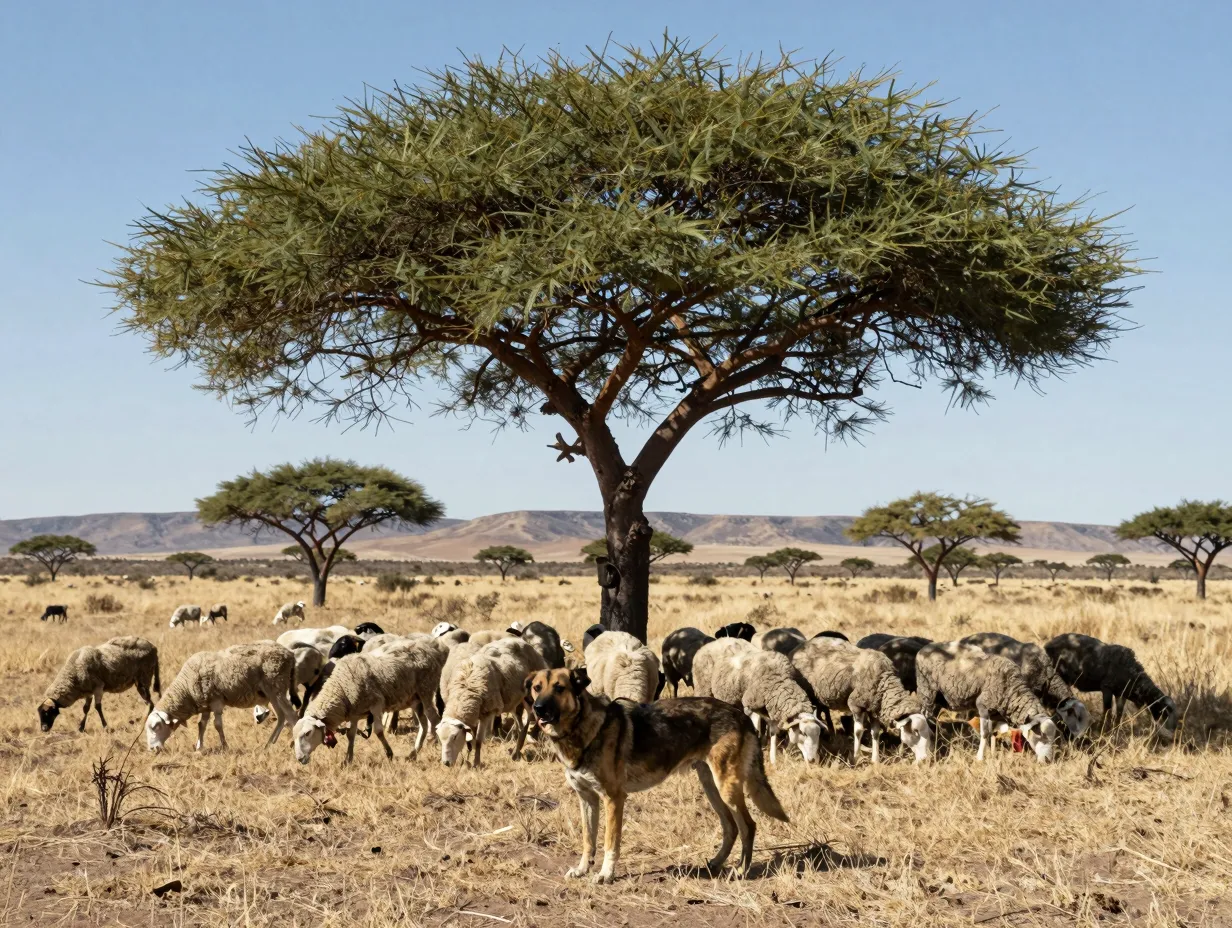
The final reason in our exploration of the 8 reasons why Kangal Shepherd Dogs are legendary protectors is perhaps the most relevant for 2026: global adaptability. Originally bred for the specific conditions of the Anatolian plateau, Kangals have proven remarkably effective across a wide range of environments and cultures.
In Namibia and other parts of sub-Saharan Africa, Kangals have been deployed to protect livestock from cheetahs — a conservation initiative that has simultaneously reduced livestock losses and decreased retaliatory killings of endangered predators. In the United States, ranchers in wolf-recovery zones have turned to Kangals to protect sheep and cattle without lethal predator control. In Europe, as wolf populations recover, interest in Kangals as non-lethal livestock protection is growing rapidly.
🌍 Where Kangals are working as protectors today:
- Turkey (origin country — traditional shepherding)
- United States (wolf zones in the Rocky Mountain West)
- Namibia and Botswana (cheetah conservation programs)
- South Africa (livestock protection on game farms)
- Central and Eastern Europe (recovering wolf territories)
- Australia (experimental programs for dingo and fox control)
This adaptability reflects the breed’s core strengths — intelligence, independence, and deep protective instinct — which translate across different predator types, climates, and agricultural systems.
How Kangals Compare to Other Livestock Guardian Breeds
Understanding the 8 reasons why Kangal Shepherd Dogs are legendary protectors is even clearer when you compare them to other well-known LGD breeds.
| Breed | Size | Predator Handling | Flock Bonding | Temperament Stability |
|---|---|---|---|---|
| Kangal | Very Large | Large predators (wolves, bears) | Permanent integration | Excellent |
| Great Pyrenees | Large | Small-medium predators | Strong | Good |
| Anatolian Shepherd | Large | Medium-large predators | Strong | Good |
| Maremma Sheepdog | Medium-Large | Small-medium predators | Strong | Good |
| Tibetan Mastiff | Very Large | Medium predators | Moderate | Variable |
The Kangal stands out for its combination of size, predator-handling capability, flock integration depth, and temperament reliability. No single breed excels in all these areas the way the Kangal does.
Is a Kangal Right for Your Farm or Property?
The Kangal’s legendary qualities come with equally legendary responsibilities. These dogs are not suited to apartment living, small yards, or owners who want a passive pet. They require:
- Large, securely fenced property — Kangals are escape artists when bored or when they perceive a threat outside their territory
- Early socialization — exposure to people, vehicles, and other animals from puppyhood is essential
- A working role or clear purpose — Kangals thrive when they have a job; without one, they can become destructive or develop behavioral issues
- Experienced ownership — their independence and size require confident, knowledgeable handling
- Patience with strangers — Kangals are naturally reserved with people they don’t know, which is appropriate for a guardian breed but requires management in social settings
If you have livestock, a large rural property, and experience with working dogs, a Kangal may be the most effective guardian you can add to your operation. The documented evidence of farms achieving zero predator losses with Kangals on duty is a compelling argument [1].
Frequently Asked Questions
Q: Are Kangal Shepherd Dogs dangerous to humans?
A: Well-socialized Kangals are not inherently dangerous to humans. They are reserved with strangers but not aggressive without cause. Their protective instincts are directed at genuine threats, not casual visitors [1].
Q: How many Kangals do I need to protect a flock?
A: This depends on flock size and predator pressure. Many farmers start with one Kangal and add more as the flock grows. In high-predator areas, two or three working together is common.
Q: Can Kangals live with other dogs?
A: Yes, especially when raised together. Kangals can work effectively in pairs or small groups. Same-sex aggression can occur, so careful introduction is important.
Q: How long do Kangals work as active guardians?
A: Kangals typically begin working alongside their flock from about 12–18 months and can remain effective guardians into their 8th or 9th year with proper care.
Conclusion: The Kangal’s Legacy — and Your Next Steps
The 8 reasons why Kangal Shepherd Dogs are legendary protectors tell a unified story: this is a breed shaped by necessity, refined by centuries of real-world testing, and proven in conditions that would challenge any other dog. From their rock-solid temperament and intelligent threat assessment to their permanent flock integration and adaptability across continents, Kangals represent the pinnacle of livestock guardian dog development [1][2].
In 2026, as predator-livestock conflicts intensify in many parts of the world and as farmers seek non-lethal solutions to protect their animals, the Kangal’s moment has arrived. These dogs are not relics of a pastoral past — they are a highly relevant, evidence-backed solution to a modern agricultural challenge.
Your actionable next steps:
- Research reputable breeders — look for breeders who work with the Kangal Dog Club of America or equivalent national organizations that prioritize working ability alongside health.
- Visit a working farm — before committing, spend time observing Kangals in a real working environment to understand their behavior and needs.
- Prepare your property — invest in appropriate fencing (at least 5–6 feet, with anti-dig measures) before bringing a Kangal home.
- Connect with experienced owners — online communities and breed clubs are invaluable for first-time Kangal owners navigating the learning curve.
- Start early — if you’re adding a Kangal to a livestock operation, introduce the puppy to the flock as early as 8 weeks old to maximize bonding.
The Kangal Shepherd Dog is not just a dog. It is a partnership — one built on trust, instinct, and a shared purpose that has endured for over a thousand years. That partnership, entered into thoughtfully, can transform the safety and productivity of your farm for years to come.
References
[1] Predator Friendly Livestock Management And The Role Of The Livestock Guardian Dog – https://www.kangaldogclubofamerica.com/post/predator-friendly-livestock-management-and-the-role-of-the-livestock-guardian-dog
[2] Kangal Shepherd Dog – https://k9sphere.com/kangal-shepherd-dog/