8 Pros and Cons of the Australian Shepherd Lab Mix Dog
Only about 5% of dog owners research their breed’s behavioral traits before bringing a puppy home — and that gap in knowledge is exactly why so many Aussie Lab mixes end up in shelters before their second birthday. If you’re seriously considering this hybrid, understanding the full picture of the 8 Pros and Cons of the Australian Shepherd Lab Mix Dog could be the difference between a dream companion and an overwhelming mistake.
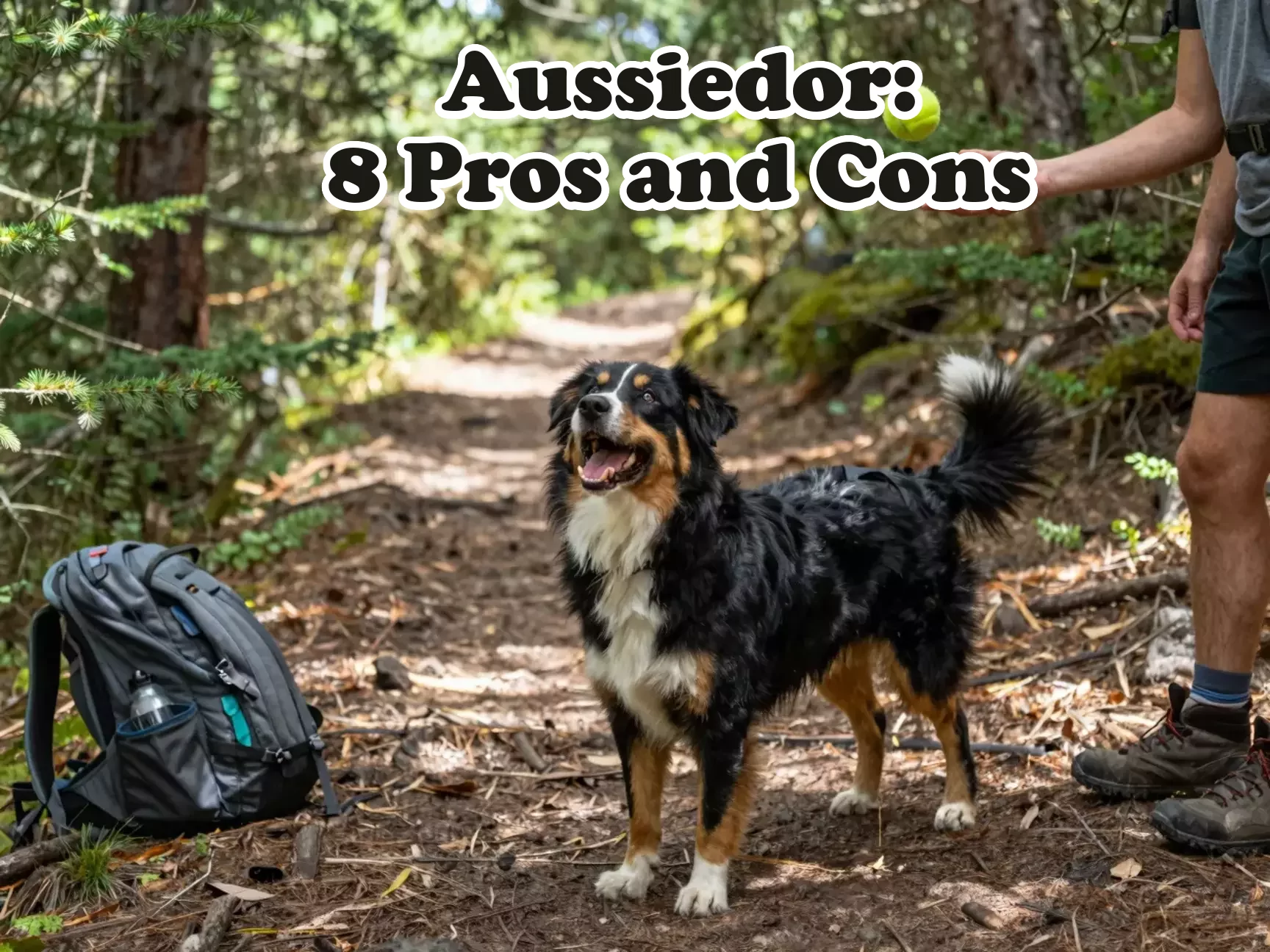
The Australian Shepherd Lab Mix — often called the Aussiedor — blends two of America’s most beloved working breeds. The result is a dog that is brilliant, athletic, and deeply loyal, but also demanding, high-maintenance, and not suited for every lifestyle. In this guide, I’ll walk you through every major advantage and drawback so you can make a confident, informed decision in 2026.
Key Takeaways
- ✅ The Aussiedor is one of the most intelligent and trainable mixed breeds available today
- ⚠️ These dogs require 1–2 hours of vigorous daily exercise — non-negotiable
- 🏡 They thrive in active households with space; apartment living is generally a poor fit
- 🧒 Early socialization is critical, especially in homes with children under 10
- 🐾 Heavy shedding and separation anxiety are real, ongoing challenges for owners
What Is the Australian Shepherd Lab Mix?
Before diving into the 8 Pros and Cons of the Australian Shepherd Lab Mix Dog, it helps to understand what you’re actually getting. The Aussiedor is a first-generation hybrid between a purebred Australian Shepherd and a purebred Labrador Retriever. Both parent breeds are consistently ranked among the top 10 most popular dogs in the United States, and combining them produces a dog with a highly variable genetic profile.
| Feature | Australian Shepherd | Labrador Retriever | Aussiedor (Typical) |
|---|---|---|---|
| Weight | 40–65 lbs | 55–80 lbs | 40–80 lbs |
| Energy Level | Very High | High | Very High |
| Trainability | Excellent | Excellent | Excellent |
| Shedding | Heavy | Moderate–Heavy | Moderate–Heavy |
| Lifespan | 12–15 years | 10–12 years | 10–14 years |
| Good with Kids | With socialization | Yes | With socialization |
Because this is a mixed breed, individual puppies can lean more toward one parent than the other. That unpredictability is itself something worth weighing carefully.
The 4 Pros of the Australian Shepherd Lab Mix Dog
1. Highly Intelligent and Remarkably Trainable
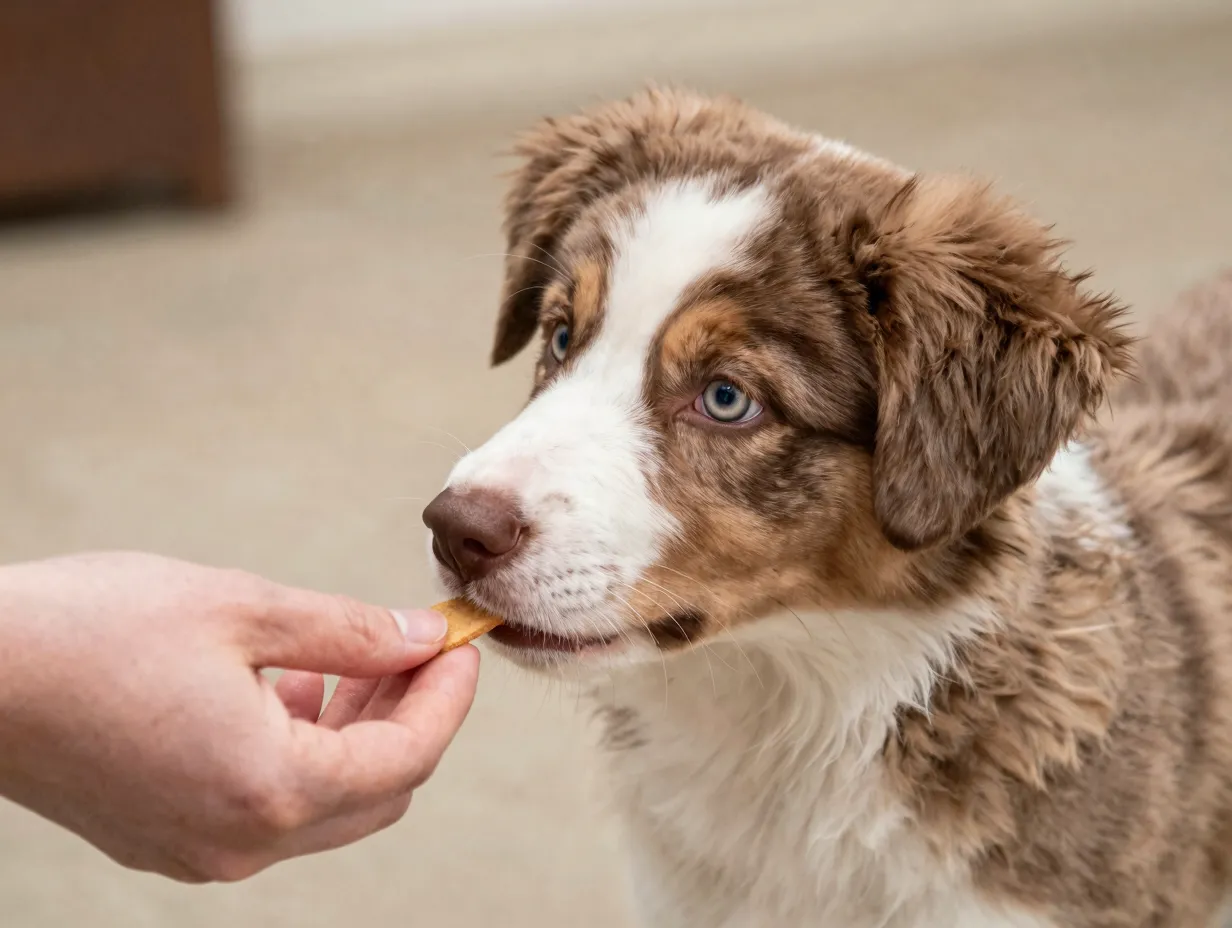
The Aussiedor inherits sharp cognitive ability from both sides of its family tree. Australian Shepherds are ranked among the top 10 most intelligent dog breeds in the world, and Labrador Retrievers are famous for their eagerness to please. When you combine these two, you get a dog that picks up commands quickly, responds well to positive reinforcement, and genuinely enjoys the mental challenge of learning. [2]
This makes the Aussiedor an excellent candidate for:
- Obedience competitions
- Agility courses
- Scent work and nose games
- Therapy dog training
- Advanced trick training
💡 Pro Tip: Start training sessions at 8–10 weeks old. Short, reward-based sessions of 10–15 minutes work best. The earlier you start, the more you shape a well-mannered adult dog.
The flip side — and I’ll address this in the cons — is that a highly intelligent dog left without mental stimulation becomes a destructive dog. Intelligence is a double-edged sword.
2. Loyal, Affectionate, and Genuinely Family-Friendly
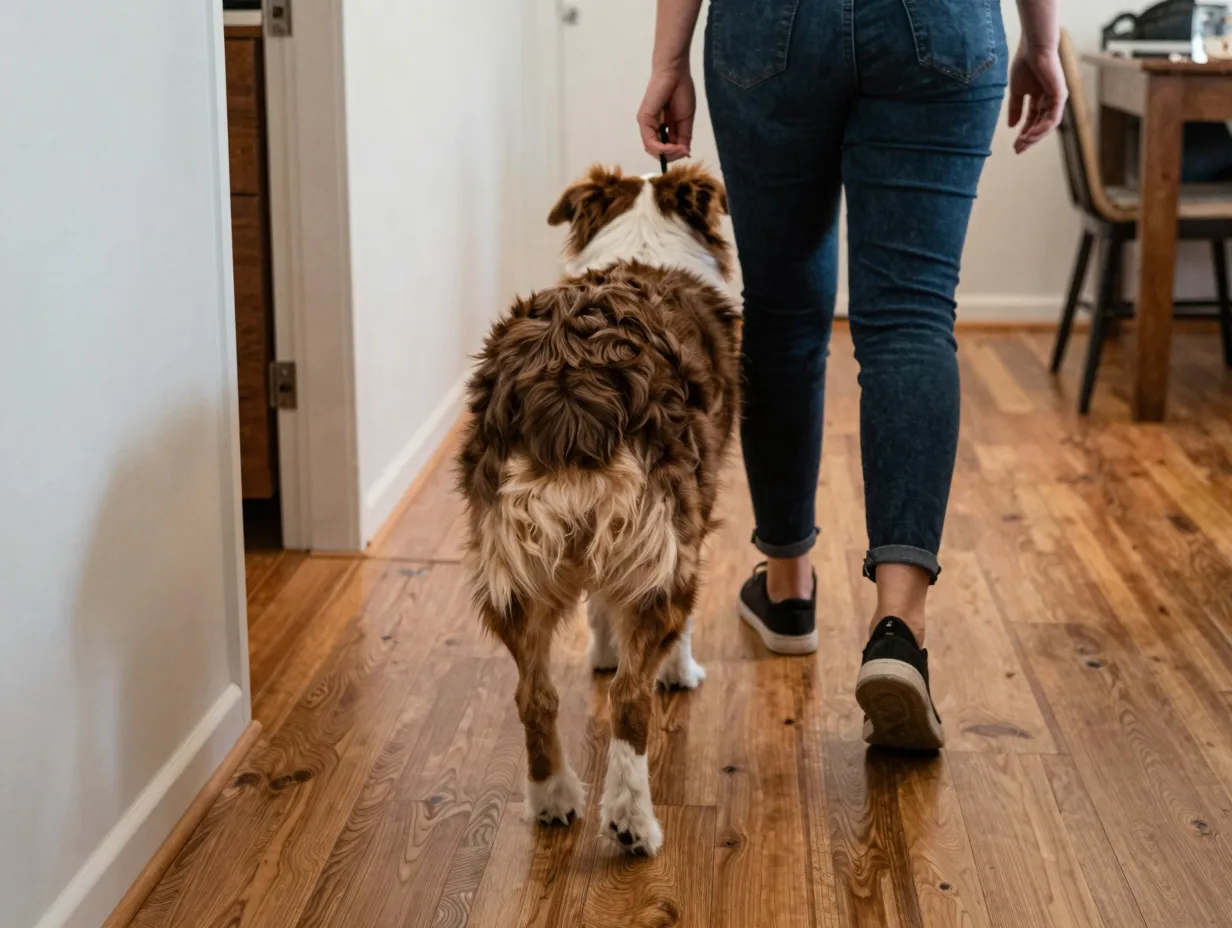
One of the most compelling reasons families are drawn to this mix is the combination of the Australian Shepherd’s fierce loyalty and the Labrador’s naturally warm, social personality. The result is a dog that bonds deeply with its family, gets along well with strangers when properly socialized, and tends to be gentle and playful with children. [1][2]
Aussiedors are known for:
- Following their owners from room to room (sometimes called “velcro dogs”)
- Greeting guests with enthusiasm rather than aggression
- Joining in on family activities — hikes, beach trips, backyard games
- Forming strong bonds with children who treat them respectfully
Early socialization ensures they become well-adjusted family members who enjoy games and outdoor activities with kids. [2] That said, their size and energy mean supervision is always wise around very young children.
3. Perfect Adventure and Activity Partner
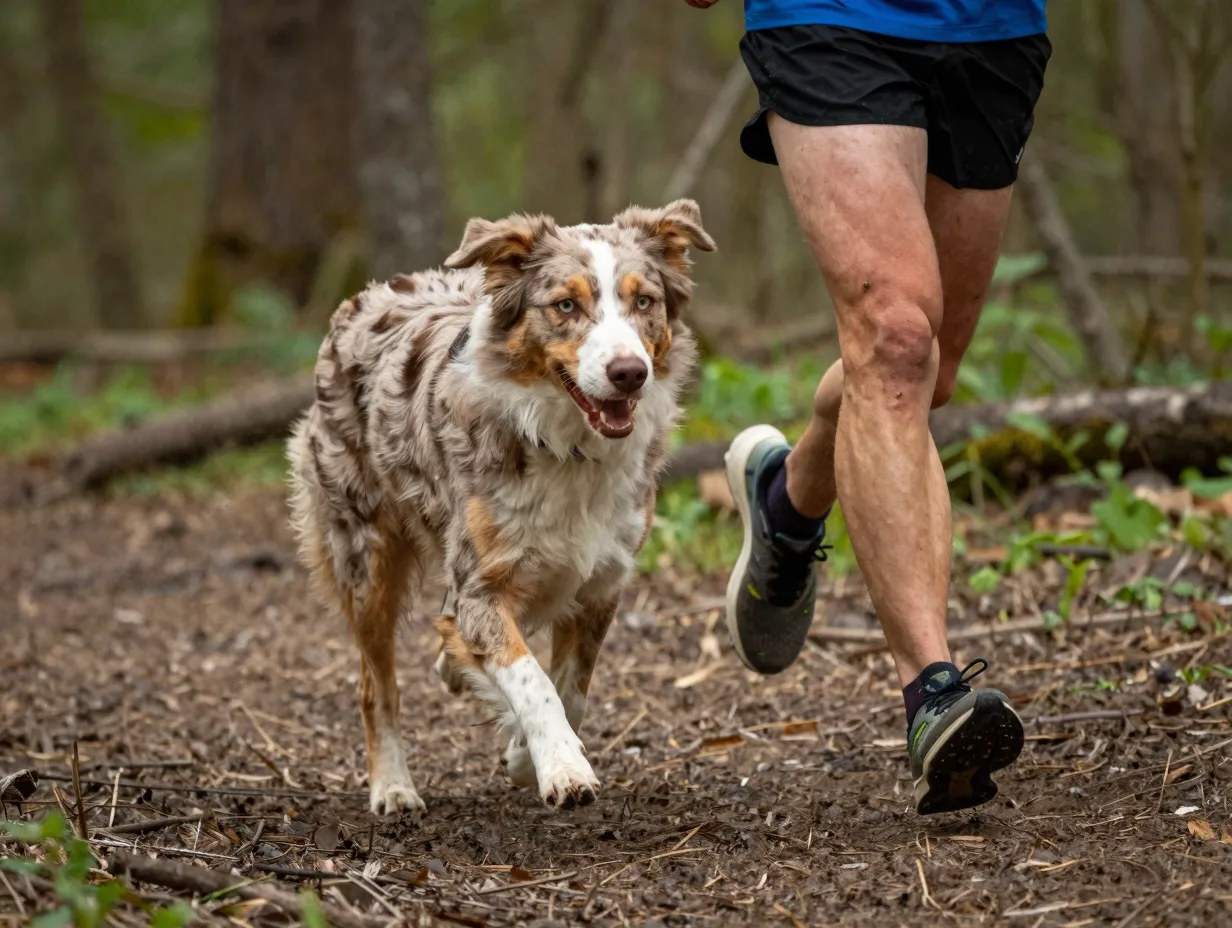
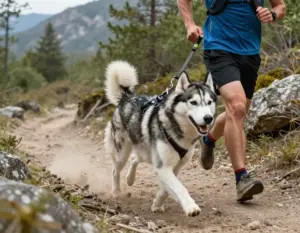
If you lead an active lifestyle, the Aussiedor may genuinely be your ideal companion. These dogs have boundless energy and impressive athletic ability, making them excellent jogging buddies, hiking partners, and swimming companions. They thrive in households with a yard and owners who spend time outdoors. [2]
Activities Aussiedors excel at:
- Trail running and hiking
- Fetch and frisbee
- Swimming (the Lab side loves water)
- Agility and flyball
- Dock diving
For active families, this dog’s energy is a feature, not a bug. They’ll push you to get outside more, and they’ll reward you with enthusiasm and loyalty every single time.
4. Mellows Out With Age (More Than a Pure Aussie)
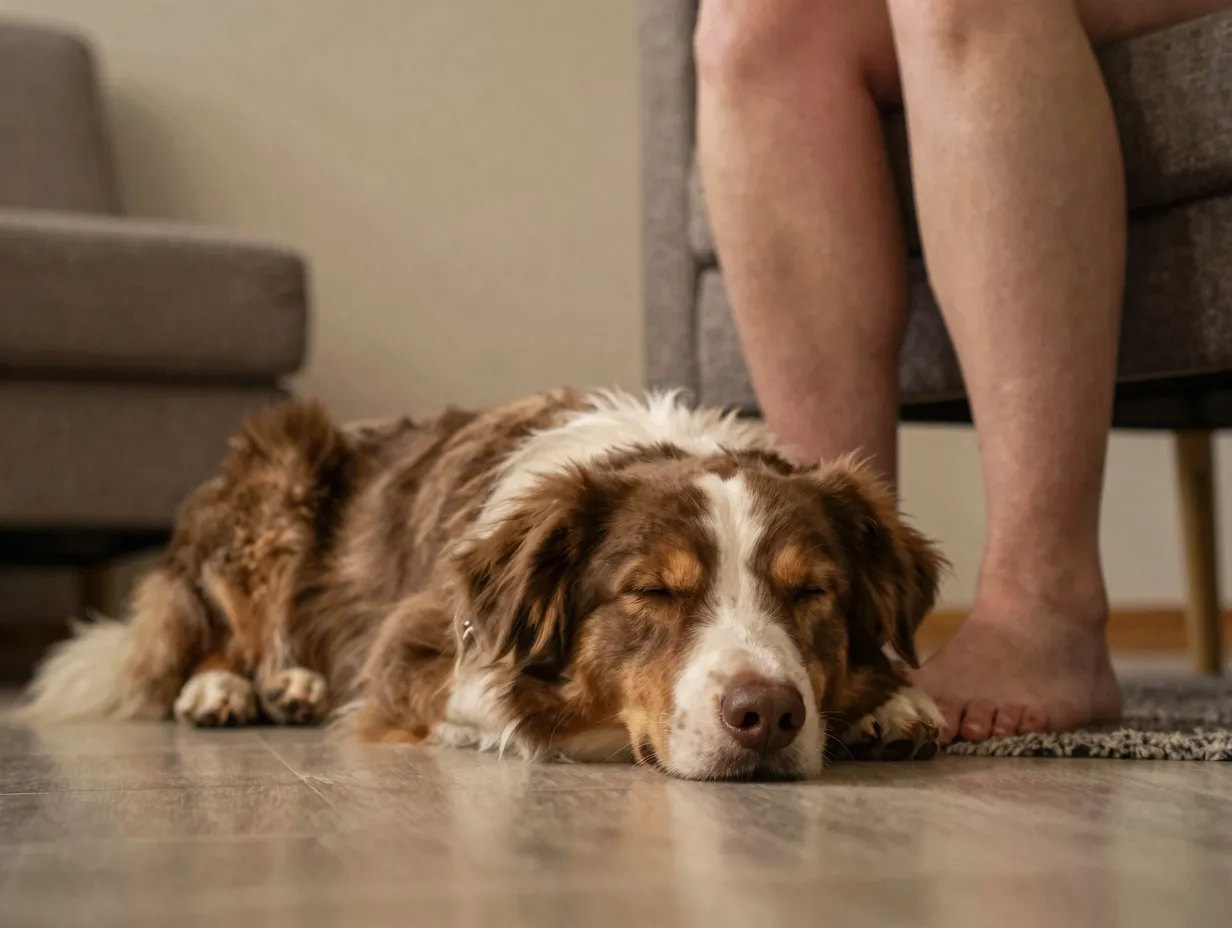
Pure Australian Shepherds are notorious for maintaining puppy-level energy for four to six years. One meaningful advantage of the Aussiedor is that the Labrador’s influence tends to moderate this. Most Aussiedors begin to mellow noticeably within 3 to 5 years as they mature. [1]
This doesn’t mean they become couch potatoes — they’ll still need daily exercise throughout their lives. But the frantic, boundary-pushing energy of the early years does soften, making them increasingly manageable as they age. For families who can commit to the demanding early years, the payoff is a calmer, deeply bonded adult dog.
The 4 Cons of the Australian Shepherd Lab Mix Dog
5. Extremely High Energy Demands — Every Single Day
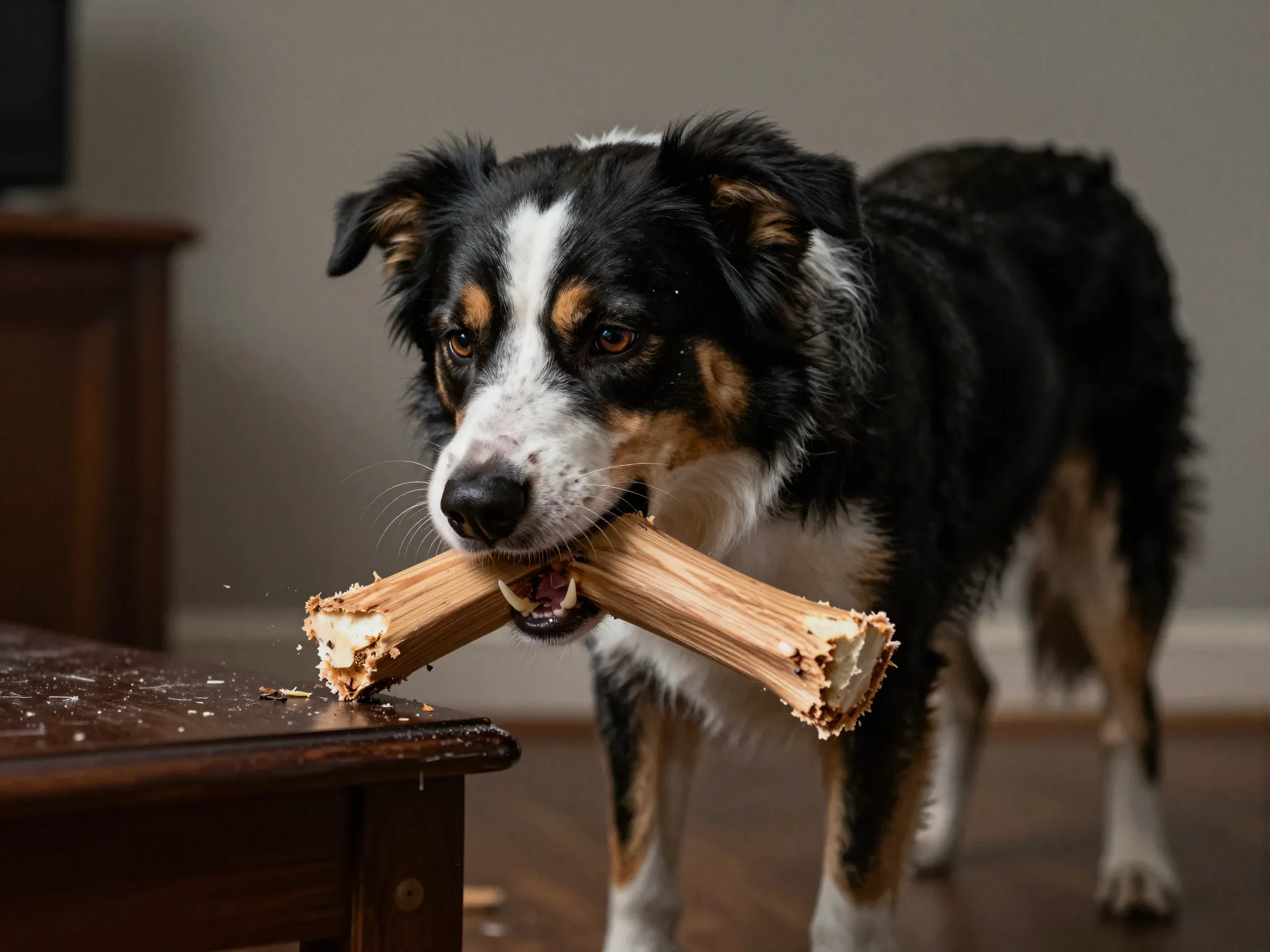
Here’s where many owners get caught off guard. The Aussiedor needs 1 to 2 hours of vigorous physical activity daily — not occasionally, not on weekends, but every day. [2] This isn’t a casual walk around the block kind of dog. We’re talking runs, active play sessions, fetch, swimming, or structured dog sports.
What happens when exercise needs aren’t met:
- Destructive chewing (furniture, shoes, baseboards)
- Excessive barking and howling
- Digging holes in the yard
- Hyperactivity and inability to settle indoors
- Aggression or anxiety-driven behaviors
⚠️ Reality Check: If your schedule regularly keeps you away from home for 8–10 hours a day, or if you prefer low-key weekends, this is probably not the right breed for your lifestyle.
The exercise requirement isn’t just physical, either. Mental stimulation — puzzle feeders, training sessions, scent games — is equally important for keeping this intelligent dog balanced and content.
6. Mouthiness, Nipping, and Herding Behavior
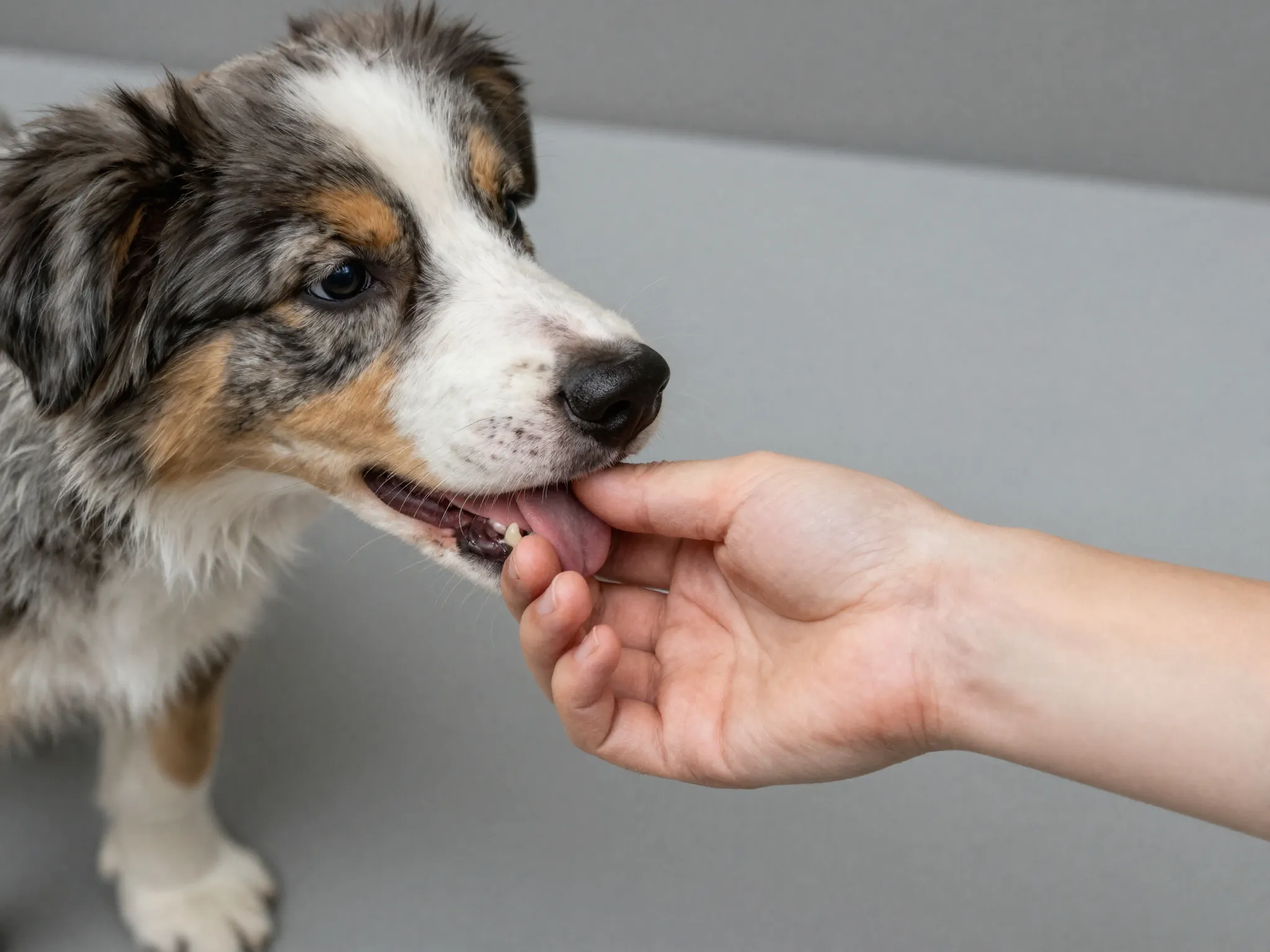
This is one of the most underreported challenges of the Aussiedor, and it’s especially important for families with young children. The Australian Shepherd side brings a herding instinct that includes nipping at heels and ankles to “move” people and animals. The Labrador side brings a retrieving instinct that translates into grabbing and mouthing objects — and sometimes hands. [1]
The combination can result in a dog that:
- Nips at running children (interpreting them as livestock to herd)
- Grabs clothing or hands during play
- Chases and circles small children or pets
Essential commands to teach early:
- “Leave it” — stops the dog from grabbing or chasing
- “Drop it” — releases whatever is in the mouth
- “Off” — stops jumping and physical contact
- “Settle” — teaches the dog to calm itself on command
This behavior is manageable with consistent training, but it requires real commitment — particularly in households with children under 10. [1] Ignoring it or assuming the dog will “grow out of it” without intervention is a mistake.
7. Heavy Shedding — Prepare Your Vacuum

Neither parent breed is known for being low-shedding, and the Aussiedor is no exception. Depending on which parent’s coat genetics dominate, these dogs shed moderately to heavily year-round, with seasonal “blow coats” in spring and fall that can feel like a blizzard of fur. [2][3]
What this means practically:
- Dog hair on furniture, clothing, and floors — constantly
- Regular brushing required (at least 3–4 times per week)
- Professional grooming recommended every 6–8 weeks
- This breed is not hypoallergenic — not even close [2][3]
| Grooming Task | Frequency |
|---|---|
| Brushing | 3–4x per week (daily during shedding season) |
| Bathing | Every 4–6 weeks |
| Nail trimming | Every 3–4 weeks |
| Ear cleaning | Weekly |
| Professional grooming | Every 6–8 weeks |
If anyone in your household has dog allergies, the Aussiedor is not a suitable choice. Full stop.
8. Separation Anxiety and Poor Tolerance for Being Alone
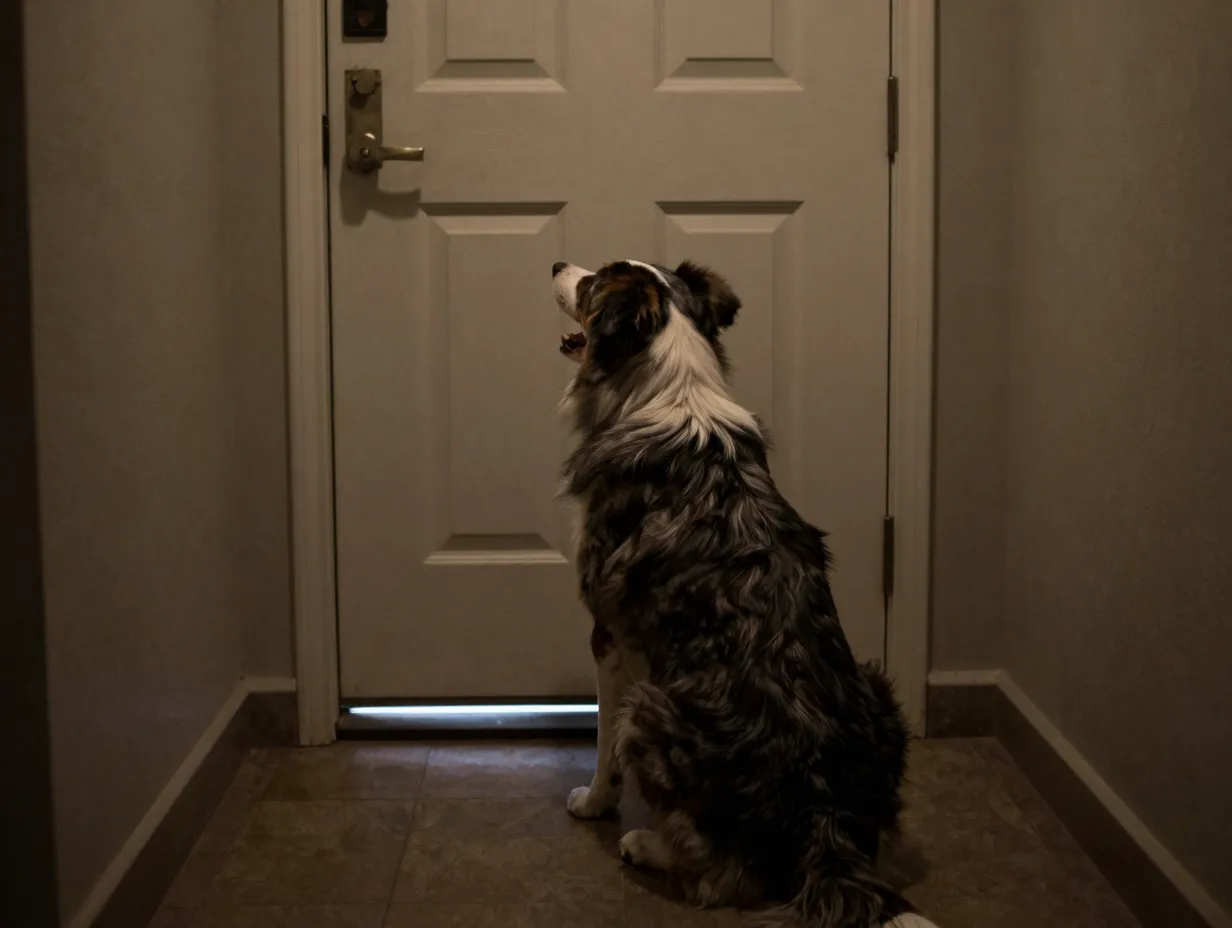
Both parent breeds were developed to work closely with humans — Australian Shepherds alongside ranchers, Labradors alongside hunters and fishermen. This deep-rooted need for human companionship means the Aussiedor does not do well when left alone for extended periods. [2]
Signs of separation anxiety in Aussiedors include:
- Destructive behavior that starts immediately after the owner leaves
- Excessive vocalization (barking, howling, whining)
- Inappropriate elimination indoors despite being house-trained
- Pacing, drooling, or self-harm behaviors
- Frantic greeting behavior when the owner returns
Strategies to manage separation anxiety:
- Crate training from puppyhood — creates a safe, calming space
- Gradual desensitization — practice leaving for short periods and extending slowly
- Interactive toys and puzzle feeders — keep the mind occupied
- Dog walkers or doggy daycare — for owners with long work days
- A second dog — not always practical, but can reduce loneliness significantly
💬 “The Aussiedor’s greatest strength — its deep bond with humans — is also its greatest vulnerability when left alone.”
This is not a dog you can leave alone for 10 hours and expect to come home to an intact house. If your lifestyle demands long periods away from home, plan accordingly or reconsider the breed.
Understanding the Full Picture: 8 Pros and Cons of the Australian Shepherd Lab Mix Dog at a Glance
Here’s a quick-reference summary of everything we’ve covered:
| # | Pro or Con | Key Detail |
|---|---|---|
| 1 | ✅ Highly intelligent | Excels at training, dog sports, and mental tasks [2] |
| 2 | ✅ Loyal and family-friendly | Bonds deeply; gentle with kids when socialized [1][2] |
| 3 | ✅ Great activity partner | Perfect for active, outdoor-loving families [2] |
| 4 | ✅ Mellows with age | Calms down within 3–5 years, unlike pure Aussies [1] |
| 5 | ⚠️ High energy demands | Needs 1–2 hours of exercise daily, every day [2] |
| 6 | ⚠️ Mouthiness and nipping | Herding + retrieving instincts require early training [1] |
| 7 | ⚠️ Heavy shedding | Not hypoallergenic; constant grooming required [2][3] |
| 8 | ⚠️ Separation anxiety | Struggles when left alone; needs companionship [2] |
Is the Aussiedor Right for You? A Quick Self-Assessment
Before committing, ask yourself these honest questions:
- Do I exercise daily or near-daily? If not, this dog will be miserable — and so will you.
- Do I have a yard or easy access to open space? Apartment living is a poor fit. [2]
- Am I home for most of the day, or can I arrange dog care? Separation anxiety is real.
- Do I have young children under 10? Extra training and supervision will be essential. [1]
- Does anyone in my household have dog allergies? This breed is not suitable. [2][3]
- Am I willing to invest in obedience classes? Especially in the first year.
If you answered “yes” to most of the first four and “no” to the last two, the Aussiedor may be a genuinely wonderful match for your life.
Health Considerations Worth Knowing
While not one of the core 8 pros and cons of the Australian Shepherd Lab Mix Dog, health is always part of the ownership equation. Aussiedors are generally robust, but they can inherit health conditions from both parent breeds:
- Hip and elbow dysplasia — common in both Labradors and Australian Shepherds
- Progressive retinal atrophy (PRA) — an eye condition seen in Australian Shepherds
- Exercise-induced collapse (EIC) — a condition found in some Labradors
- Obesity — Labs are notorious for overeating; monitor food intake carefully
- MDR1 gene mutation — Australian Shepherds can carry this drug sensitivity gene; test before administering certain medications [3]
Regular vet checkups, a quality diet, and appropriate exercise go a long way toward keeping an Aussiedor healthy throughout its 10–14 year lifespan.
Conclusion: Making the Right Call for Your Family
The 8 Pros and Cons of the Australian Shepherd Lab Mix Dog paint a clear portrait of a breed that rewards the right owner enormously — and challenges the wrong one significantly. The Aussiedor is not a beginner’s dog, and it’s not a low-maintenance companion. But for active families, outdoor enthusiasts, and experienced dog owners willing to invest time and energy, it can be one of the most rewarding dogs you’ll ever own.
Here are your actionable next steps:
- Spend time with an Aussiedor before committing — visit a rescue or reputable breeder and interact with adult dogs, not just puppies
- Audit your lifestyle honestly — use the self-assessment questions above as a real filter
- Research reputable breeders or rescues — avoid pet stores and puppy mills; ask for health clearances on both parent breeds
- Enroll in puppy obedience classes immediately — don’t wait until problems develop
- Set up your home before the dog arrives — secure fencing, crate, puzzle toys, and a grooming routine planned in advance
- Connect with Aussiedor owner communities — Facebook groups and Reddit communities offer real-world insights from current owners
The Aussiedor won’t be the right dog for everyone. But if it’s right for you, you’ll have a devoted, brilliant, and joyful companion for the next decade and beyond. 🐾
References
[1] Australian Shepherd Lab Mix Good Idea – https://karenshanley.com/australian-shepherd-lab-mix-good-idea/
[2] Australian Shepherd Lab Mix – https://www.dogpackapp.com/blog/dog-breeds/australian-shepherd-lab-mix/
[3] Aussiedor – https://www.embracepetinsurance.com/dog-breeds/aussiedor
[4] Pros And Cons Of Owning An Australian Shepherd – https://www.thesofetch.com/blog/pros-and-cons-of-owning-an-australian-shepherd
[5] Watch – https://www.youtube.com/watch?v=9BcNTSmZDYc