8 Pros and Cons of Adopting Dogs and Puppies: Beagle Focus
Picture this: a gentle, soulful-eyed beagle wagging its tail behind shelter bars, waiting for someone to notice its potential as the perfect family companion. Every year, thousands of beagles enter rescue systems across America, each carrying their own story and hoping for a second chance at happiness. Understanding the 8 Pros and Cons of Adopting Dogs and Puppies: Beagle Focus becomes essential for families considering this beloved breed, as adoption decisions impact both human and canine lives for years to come.
The landscape of dog adoption has evolved significantly in 2026, with 56% of dogs taken to shelters successfully finding forever homes[1]. However, 2.2 million dogs were adopted in 2023, representing 108,000 fewer adoptions than in 2019[1]. This trend makes it more crucial than ever to understand what adopting a beagle truly entails, from the joyful moments of companionship to the challenges of breed-specific needs.
Key Takeaways
- Beagles make excellent family pets but require significant exercise and mental stimulation due to their hunting heritage
- Adoption costs are generally lower than purchasing from breeders, though ongoing veterinary expenses remain substantial
- Adult beagles comprise 48% of available shelter dogs, offering immediate companionship without puppy training challenges
- Breed-specific considerations include potential howling, escape tendencies, and moderate grooming needs
- Recent rescue operations have increased beagle availability in shelters, creating more adoption opportunities
The Advantages of Beagle Adoption
1. Cost-Effective Alternative to Breeding 💰

Adopting a beagle presents significant financial advantages compared to purchasing from breeders. With over 109 active Beagle breeders registered with the National Beagle Club[5], purebred beagles from reputable sources often cost $800-$2,000 or more. Shelter adoption fees typically range from $50-$300, including initial vaccinations, spaying/neutering, and microchipping.
The recent closure of Ridglan Farms, which will stop selling beagles on July 1, 2026[4], highlights ongoing concerns about commercial breeding operations. This facility previously bred more than 4,000 beagle puppies annually with reported mortality rates between 7-13%[4]. Choosing adoption over commercial breeding supports ethical pet acquisition while saving money.
Financial Benefits Include:
- Lower upfront costs
- Included medical procedures
- Reduced risk of expensive genetic issues common in poorly bred dogs
- Support for shelter operations instead of commercial breeding
2. Immediate Companionship and Known Temperament 🐕

Adult dogs comprise 48% of dogs awaiting adoption[2], and many shelter beagles are fully grown with established personalities. Unlike puppies, adult beagles display their true temperament, energy levels, and compatibility with children and other pets. This transparency helps families make informed decisions about fit.
Beagles are renowned for their:
- Gentle nature with children
- Pack mentality that translates to family loyalty
- Moderate size (typically 20-30 pounds)
- Friendly disposition toward strangers and other dogs
Shelter staff often provide detailed behavioral assessments, including information about house training, leash walking, and any special needs. This knowledge eliminates the uncertainty of puppy development and allows for immediate integration into family routines.
3. Life-Saving Impact on Shelter Systems ❤️
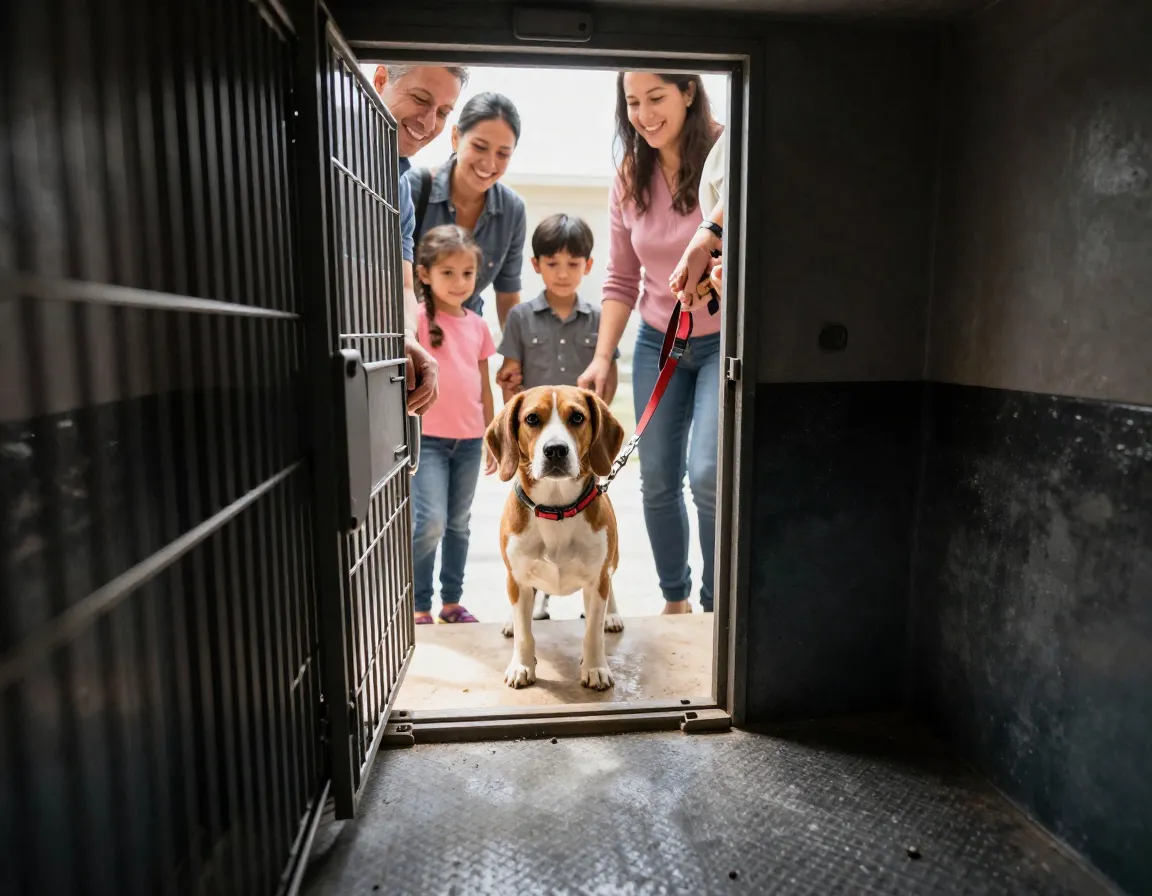
Every beagle adoption directly saves a life and creates space for another dog in need. Americans adopt dogs at five times the rate that dogs die in care or are euthanized[2], demonstrating the positive impact of adoption programs. The 2022 rescue operation that removed nearly 4,000 beagles from a mass breeding facility[7][8] created an unprecedented need for adoptive homes.
These rescued beagles, known as the “Envigo beagles,” have shown remarkable resilience in their new homes. A year after their dramatic rescue, the Envigo beagles are living their best lives[8], proving that even dogs from difficult backgrounds can thrive in loving environments.
Community Impact:
- Reduces shelter overcrowding
- Supports local rescue organizations
- Prevents euthanasia of healthy, adoptable dogs
- Creates positive community awareness about pet adoption
4. Health and Vaccination Benefits 🏥

Reputable shelters provide comprehensive medical care before adoption, often exceeding what new puppy owners initially provide. Most adopted beagles receive:
- Complete vaccination series (DHPP, rabies, bordatella)
- Spaying/neutering to prevent reproductive health issues
- Parasite treatment and prevention
- Basic health screening for common beagle conditions
- Microchipping for permanent identification
This medical foundation provides peace of mind and reduces immediate veterinary expenses. Shelter veterinarians often identify and treat conditions that might go unnoticed in home environments, ensuring adopters receive healthy companions.
The Challenges of Beagle Adoption
5. Significant Exercise and Mental Stimulation Requirements 🏃♂️

Beagles were bred for hunting and possess high energy levels that require daily outlets. Medium-sized dogs (26-60 pounds) represent 48% of available dogs[2], and beagles fall into this category with substantial exercise needs. Insufficient activity leads to destructive behaviors, excessive barking, and weight gain.
Daily Requirements Include:
- 60-90 minutes of physical exercise
- Mental stimulation through puzzle toys and scent work
- Secure fencing to prevent escape attempts
- Leash training due to strong prey drive
Many beagles enter shelters because previous owners underestimated these needs. Families considering adoption must honestly assess their ability to provide consistent, long-term exercise and enrichment.
6. Potential Behavioral Challenges 🔊

Beagles possess breed-specific traits that can create household challenges. Their hunting heritage influences behaviors that some families find difficult to manage:
Common Behavioral Issues:
- Howling and baying, especially when left alone
- Escape artist tendencies due to scent-driven curiosity
- Food motivation that can lead to counter surfing and garbage raiding
- Stubbornness during training sessions
Shelter beagles may arrive with additional behavioral concerns from previous experiences. Some dogs require professional training or behavior modification, adding to the overall cost and time investment of adoption.
7. Ongoing Financial Responsibilities 💳

While adoption fees are lower than breeder costs, 43% of people cite overall pet costs as a barrier to adoption[2]. 84% believe veterinary visits represent the most expensive element of pet care[2], and beagles require lifelong medical attention.
Annual Expenses Include:
- Veterinary care: $500-$1,500+ annually
- Quality food: $300-$600 annually
- Grooming and supplies: $200-$400 annually
- Emergency medical fund: $1,000-$5,000+ for unexpected issues
Beagles are prone to specific health conditions including hip dysplasia, epilepsy, hypothyroidism, and eye problems. These conditions require ongoing management and can significantly increase veterinary costs throughout the dog’s 12-15 year lifespan.
8. Limited Background Information ❓

Unlike puppies from reputable breeders with known lineages, shelter beagles often arrive with incomplete histories. This uncertainty can present challenges:
Unknown Factors:
- Previous training and socialization experiences
- Medical history and genetic predispositions
- Trauma or abuse that may affect behavior
- Age estimation for older dogs without records
While many shelter beagles adapt beautifully to new homes, some may require additional patience, training, or medical care to address unknown issues from their past. Families must prepare for potential surprises and commit to working through challenges as they arise.
Making an Informed Decision About Beagle Adoption
Assessing Family Readiness
Before pursuing beagle adoption, families should honestly evaluate their readiness for a 12-15 year commitment. Consider these essential factors:
| Factor | Beagle Requirements | Family Assessment |
|---|---|---|
| Time Commitment | 2-3 hours daily for exercise, training, companionship | Available schedules and lifestyle |
| Financial Resources | $1,000-$3,000+ annually | Budget for ongoing expenses |
| Living Space | Secure yard, noise tolerance | Housing situation and neighbors |
| Experience Level | Moderate to experienced dog owners | Previous pet ownership and training knowledge |
Finding Reputable Beagle Rescues
Organizations like Got Beagles[6] specialize in beagle rescue and can provide breed-specific guidance. These specialized rescues often offer:
- Thorough behavioral assessments
- Foster-based programs that provide detailed temperament information
- Post-adoption support and training resources
- Breed-specific knowledge about beagle needs and characteristics
Research local beagle rescues and visit multiple organizations to find the best match for your family’s specific situation and preferences.
Preparing for Successful Integration
Successful beagle adoption requires preparation before bringing your new companion home:
Essential Preparations:
- Secure fencing and escape-proof yard setup
- Quality food and feeding schedule establishment
- Veterinary relationship with a beagle-experienced practice
- Training plan for house rules and basic obedience
- Exercise routine that accommodates work and family schedules
The Broader Impact of Choosing Adoption
Supporting Ethical Pet Acquisition
The 8 Pros and Cons of Adopting Dogs and Puppies: Beagle Focus extends beyond individual family decisions to broader ethical considerations. 34% of dogs with forever homes were purchased from breeders versus 23% adopted from shelters[3], indicating that many people still prefer breeders over adoption.
Choosing adoption over commercial breeding helps address several industry concerns:
- Puppy mill reduction through decreased demand
- Overpopulation control in shelter systems
- Support for rescue operations like the Envigo beagle rescue
- Community education about responsible pet ownership
Creating Positive Change
Every successful beagle adoption demonstrates the viability of shelter dogs as family companions. These success stories encourage others to consider adoption and help change public perceptions about shelter animals. The Envigo beagles’ transformation from research facility to beloved family pets[8] serves as powerful testimony to the resilience and adaptability of rescued dogs.
Conclusion
The 8 Pros and Cons of Adopting Dogs and Puppies: Beagle Focus reveals both the tremendous rewards and significant responsibilities of bringing a shelter beagle into your family. While adoption offers cost savings, immediate companionship, and the satisfaction of saving a life, it also requires commitment to exercise, training, ongoing expenses, and potential behavioral challenges.
Successful beagle adoption depends on honest self-assessment, thorough preparation, and long-term commitment to meeting this breed’s specific needs. Families who can provide consistent exercise, patient training, and lifelong care will find beagles to be loyal, loving, and entertaining companions.
Take Action Today:
- Visit local shelters to meet available beagles and assess compatibility
- Connect with beagle-specific rescues for breed expertise and support
- Prepare your home and budget for a 12-15 year commitment
- Consider fostering if you’re unsure about permanent adoption
- Educate others about the benefits and realities of beagle adoption
The decision to adopt a beagle should never be made impulsively, but for prepared families, it can be one of life’s most rewarding experiences. Every adopted beagle represents a life saved, a family enriched, and a step toward more ethical pet acquisition practices in 2026 and beyond.
References
[1] Pet Adoption Statistics – https://www.insuranceopedia.com/pet-insurance/pet-adoption-statistics
[2] Pet Adoption Statistics – https://insurify.com/pet-insurance/insights/pet-adoption-statistics/
[3] Pet Adoption Statistics – https://www.dogster.com/statistics/pet-adoption-statistics
[4] Ridglan Farms Will Stop Selling Beagles On July 1 2026 – https://www.beagleloversandrescuers.org/ridglan-farms-will-stop-selling-beagles-on-july-1-2026/
[5] Beagle Statistics – https://articles.hepper.com/beagle-statistics/
[6] Adopt – https://gotbeagles.org/adopt/
[7] 4000 Beagles – https://www.humaneworld.org/en/campaigns/4000-beagles
[8] A Year After Their Dramatic Rescue The Envigo Beagles Are Living Their Best Lives – https://washingtonian.com/2023/12/04/a-year-after-their-dramatic-rescue-the-envigo-beagles-are-living-their-best-lives/