
8 Must-Follow Steps for a Perfect Kitten Eating Schedule
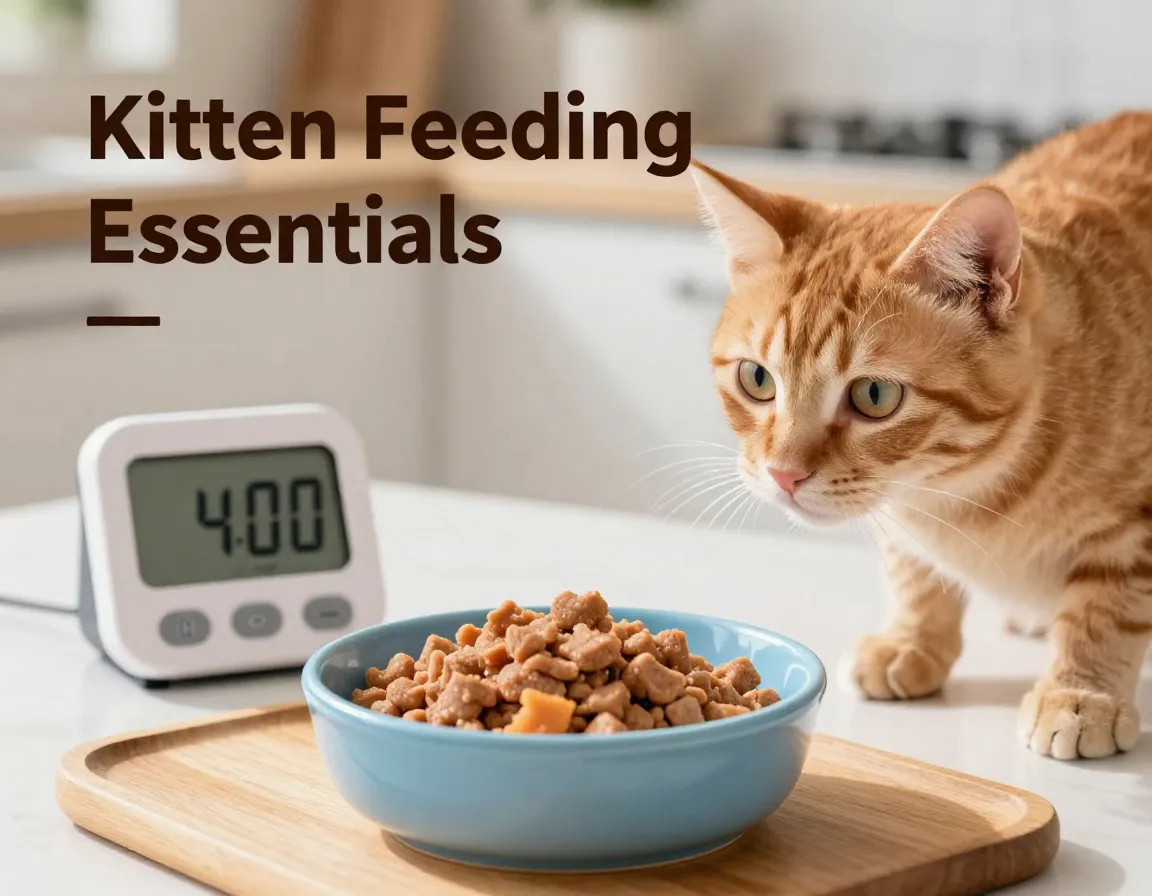
Bringing home a tiny, fluffy kitten is one of life’s greatest joys, but watching them struggle to eat properly can quickly turn excitement into worry. Did you know that improper feeding schedules are one of the leading causes of kitten health problems in 2026? Creating the right eating routine isn’t just about filling a bowl—it’s about giving your furry friend the foundation for a long, healthy life. The 8 Must-Follow Steps for a Perfect Kitten Eating Schedule provide a scientifically-backed roadmap that ensures optimal growth, development, and happiness for your new companion.
Key Takeaways
- Age-specific feeding frequencies range from every 2-3 hours for newborns to 2-3 meals daily for adult cats
- Proper portion control helps kittens gain 0.5-0.75 ounces daily for healthy development [1]
- Gradual transitions between feeding stages prevent digestive upset and ensure smooth weaning
- High-quality kitten food meeting AAFCO standards provides essential nutrients for growth [3]
- Consistent monitoring of weight gain and eating habits helps identify potential health issues early
Understanding Your Kitten’s Nutritional Journey
Before diving into the 8 Must-Follow Steps for a Perfect Kitten Eating Schedule, it’s crucial to understand that kittens have dramatically different nutritional needs compared to adult cats. Their tiny bodies are growing at an incredible rate, requiring up to three times more calories per pound than fully grown cats [3].
During the first few months of life, kittens experience rapid physical and neurological development. Their digestive systems are still maturing, which means they need frequent, small meals rather than large portions. This biological reality forms the foundation of why following a structured eating schedule is so important.
The Science Behind Kitten Growth
Healthy kittens should gain approximately 0.5-0.75 ounces (15-20 grams) daily during their first few months [1]. This consistent weight gain indicates proper nutrition and healthy development. When kittens don’t receive adequate nutrition at regular intervals, their growth can be stunted, leading to long-term health complications.
1. Master the Newborn Stage (0-1 Week): Every 2-3 Hours
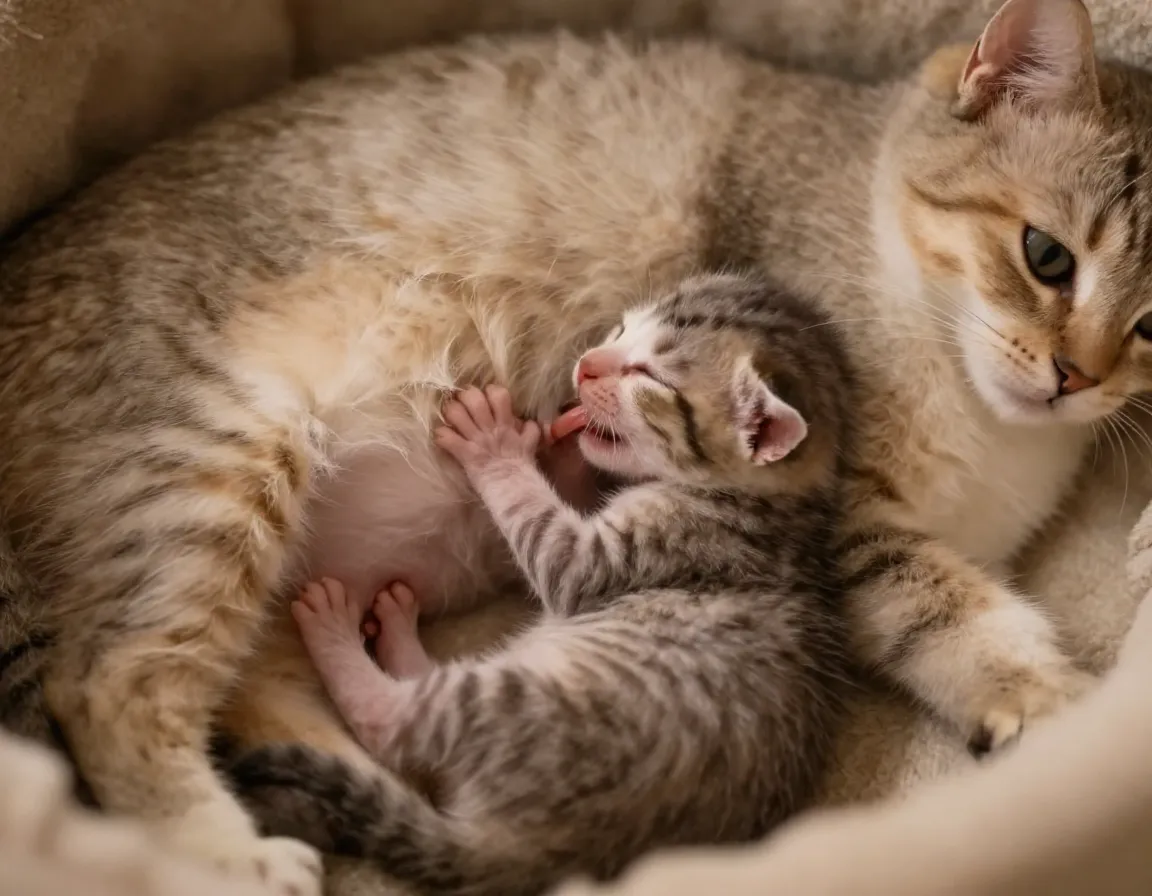
The first week of a kitten’s life is the most critical feeding period. Newborn kittens require feeding every 2-3 hours, resulting in approximately 8 feedings per day [1][2]. This frequent schedule mimics natural nursing patterns and ensures consistent nutrition delivery.
During this stage, kittens should receive either mother’s milk or high-quality kitten milk replacer. Never use cow’s milk, as it can cause severe digestive upset. If bottle-feeding, use a specialized kitten nursing bottle or syringe for controlled feeding.
Key indicators of proper feeding at this stage:
- Steady weight gain of 15-20 grams daily
- Content, sleeping kittens between feedings
- Regular elimination (with gentle stimulation)
- Pink, healthy-looking skin and gums
🍼 Pro Tip: Night Feedings Matter
Don’t skip overnight feedings during this crucial period. Newborn kittens cannot regulate their blood sugar effectively, making consistent nutrition essential for survival.
2. Navigate Weeks 1-3: Transition to Every 4 Hours
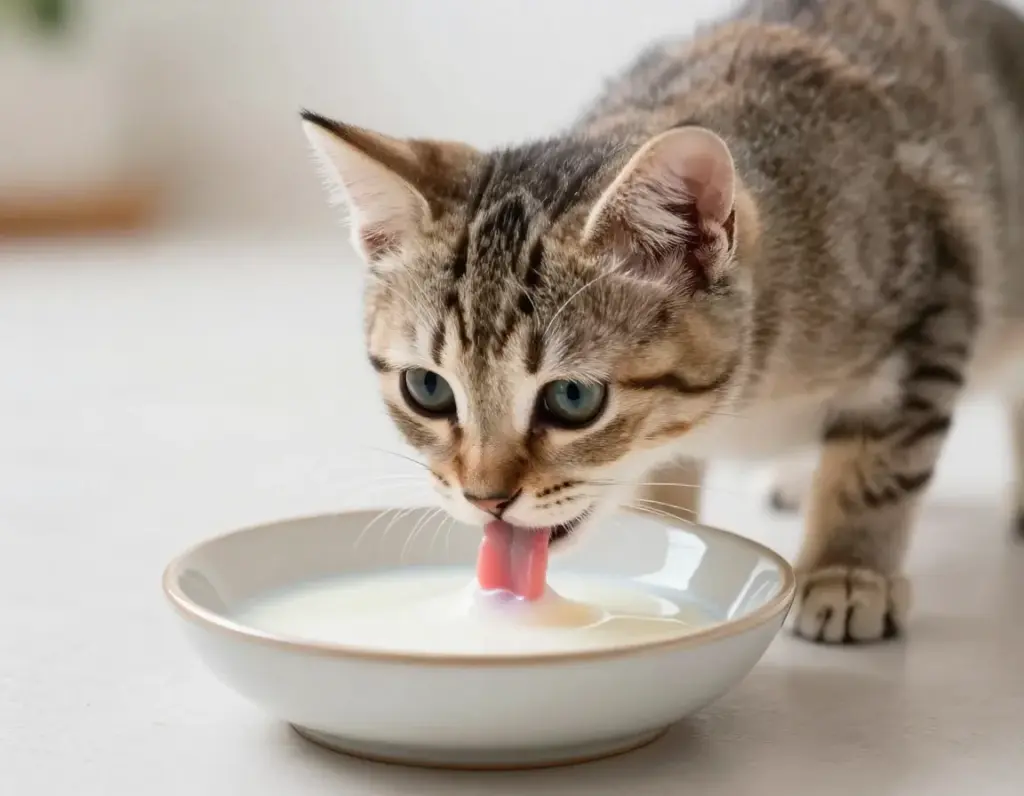
As kittens enter their second and third weeks of life, their stomachs begin to grow, allowing for slightly larger meals and longer intervals between feedings. During this period, feed every 4 hours for a total of 6 feedings per day [2].
This stage marks important developmental milestones:
- Eyes typically open between 7-10 days
- Ears begin to unfold around 2 weeks
- First attempts at standing and walking
The feeding schedule should remain consistent, but you may notice kittens becoming more alert and responsive during feeding times. This increased awareness is a positive sign of healthy neurological development.
Monitoring Growth During Weeks 1-3
| Week | Expected Weight | Feeding Frequency | Daily Feedings |
|---|---|---|---|
| 1 | 3-4 oz | Every 2-3 hours | 8 times |
| 2 | 5-7 oz | Every 4 hours | 6 times |
| 3 | 7-10 oz | Every 4 hours | 6 times |
3. Weeks 3-4: Extend to Every 5 Hours
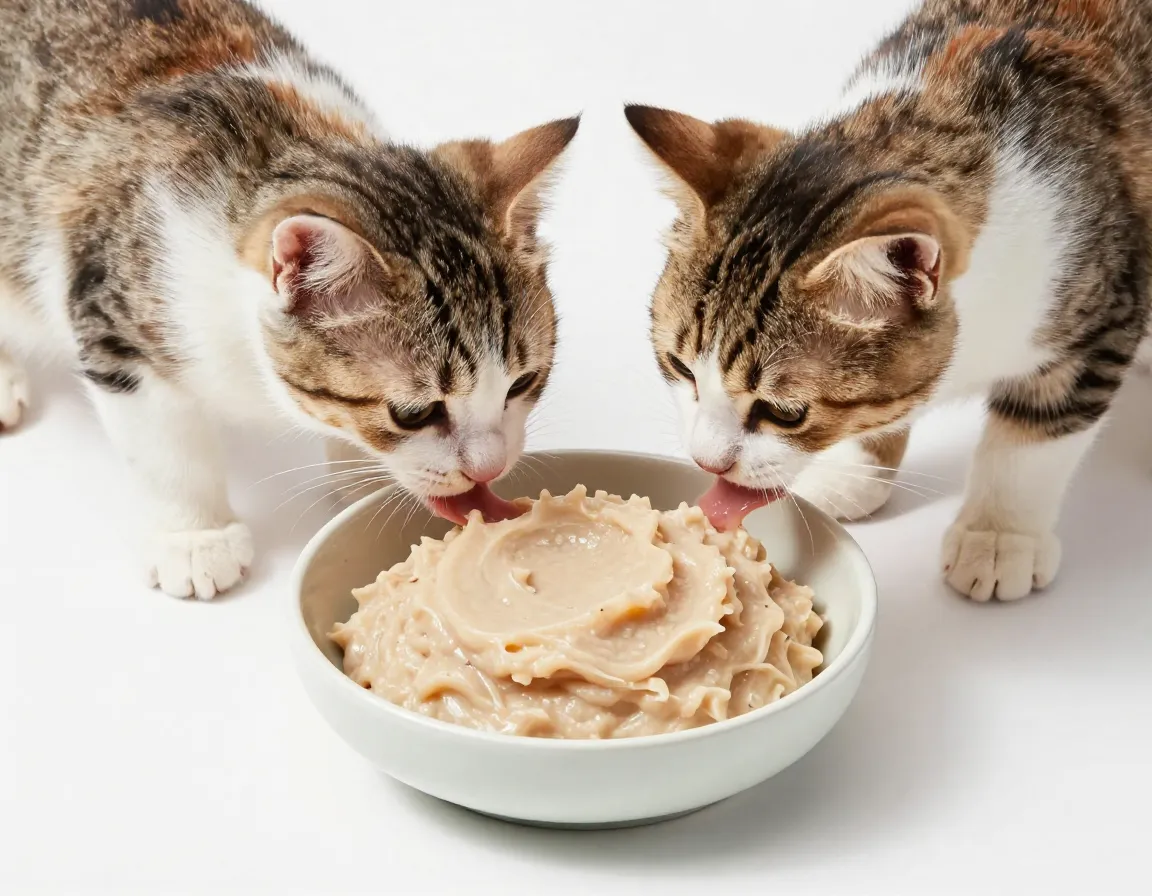
The third and fourth weeks bring exciting changes as kittens become more mobile and curious about their surroundings. Feeding frequency can be reduced to every 5 hours, totaling 5 feedings per day [2].
This is also when the weaning process begins. Around 3-4 weeks, kittens start showing interest in solid food [1]. Begin introducing wet kitten food mixed with milk replacer to create a gruel-like consistency. This helps ease the transition from liquid to solid nutrition.
Signs Your Kitten Is Ready for Weaning
- ✅ Attempting to lap liquids from shallow dishes
- ✅ Showing interest in mother’s food
- ✅ Improved coordination and mobility
- ✅ Beginning to eliminate without stimulation
“The weaning process should be gradual and patient. Rushing this transition can lead to digestive problems and feeding aversion.” – Veterinary Nutrition Guidelines
4. Weeks 4-5: Establish 4-5 Daily Meals
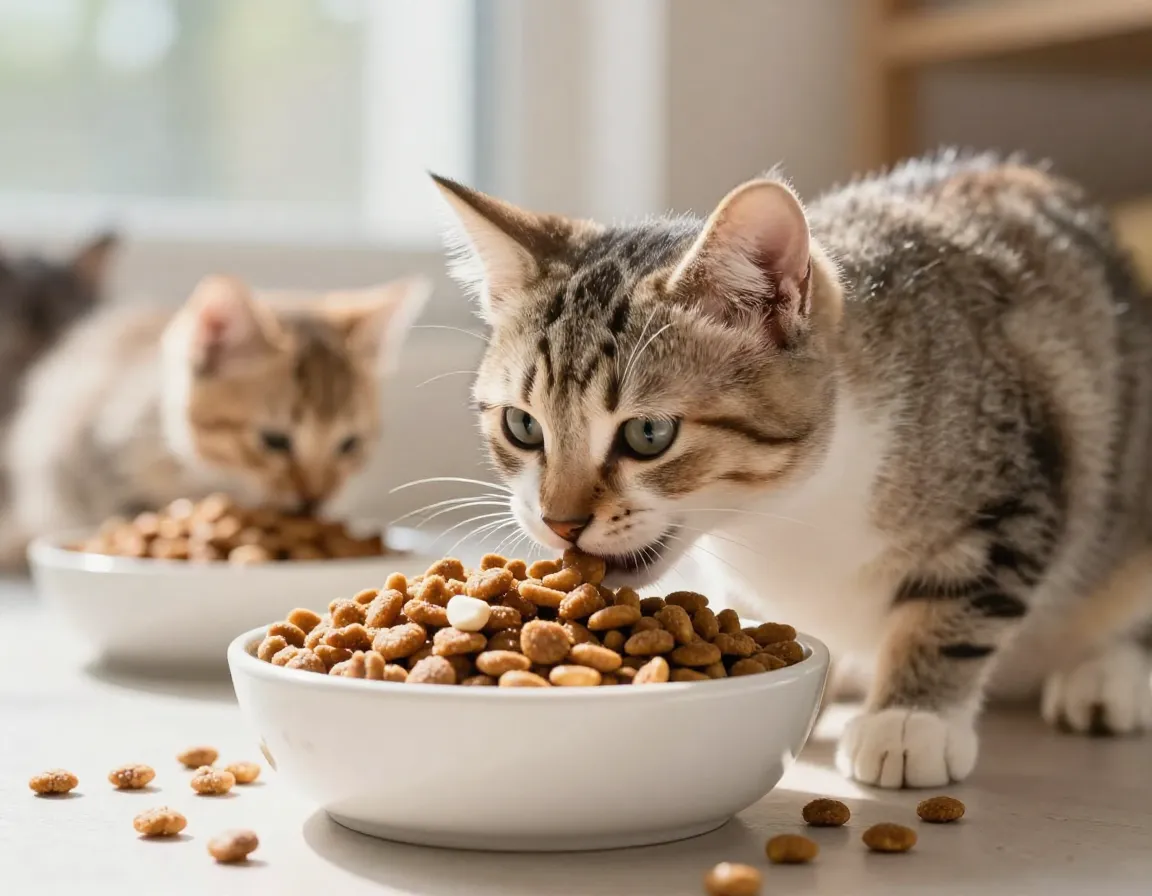
Between 4-5 weeks, kittens should receive 4-5 meals per day as they continue transitioning to solid food [2]. This stage requires careful attention to both milk replacer and solid food intake to ensure adequate nutrition.
Gradually increase the solid food portion while decreasing milk replacer. The food should still be soft and easily digestible—think of it as “kitten baby food.” High-quality wet kitten food mixed with a small amount of warm water works perfectly.
Daily nutrition goals for 4-5 week old kittens:
- Continue steady weight gain
- Successful solid food consumption
- Reduced dependency on milk replacer
- Increased water intake
Creating the Perfect Food Texture
The ideal food consistency during this stage should be:
- Soft enough to mash easily with a fork
- Moist enough to prevent choking
- Appealing enough to encourage eating
- Nutritionally complete for growth needs
5. Weeks 6-12: Optimize with 3-4 Daily Feedings
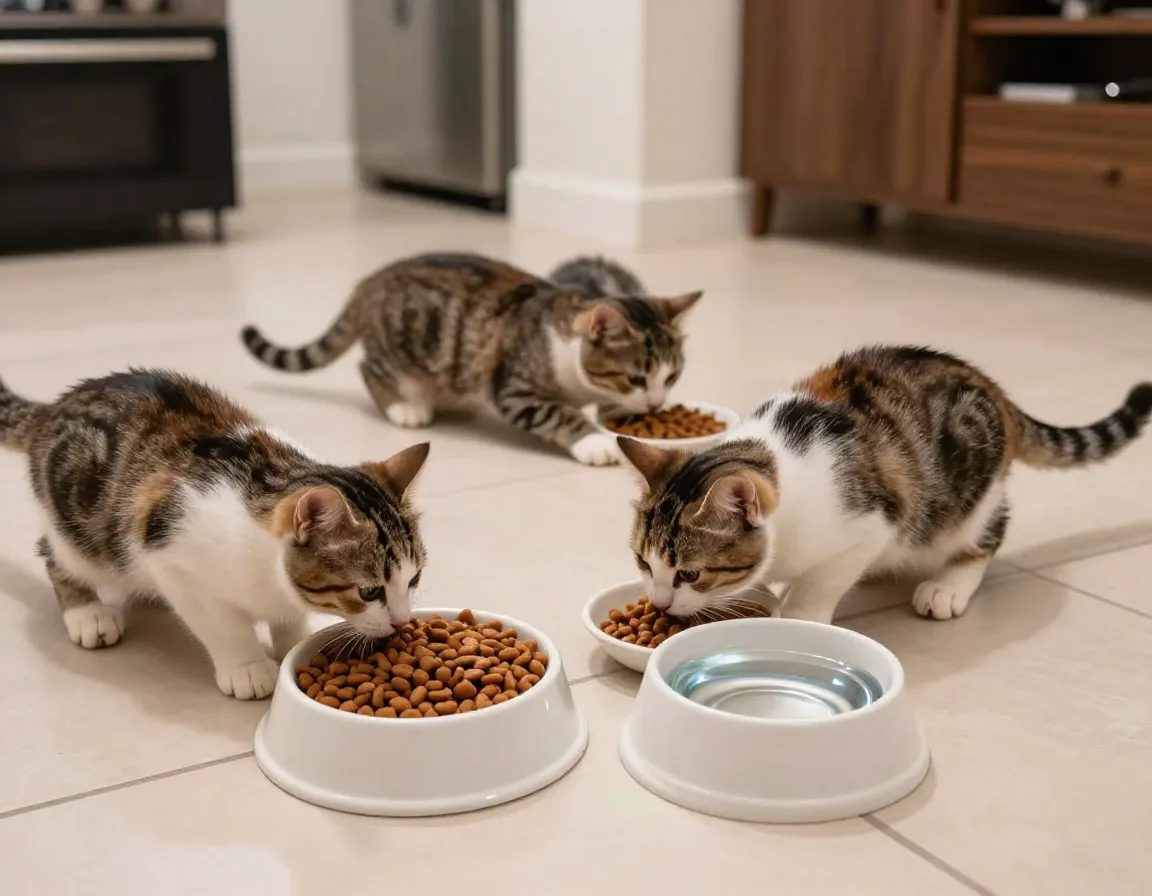
The 6-12 week period represents a crucial phase in implementing the 8 Must-Follow Steps for a Perfect Kitten Eating Schedule. During this time, kittens should eat 3-4 times per day with a focus on high-quality kitten food [1][7].
By 8 weeks, kittens should consume approximately 162 calories per day [1]. This caloric requirement will continue increasing as they grow. Most kittens are fully weaned by 8 weeks and ready for adoption.
Age-Specific Caloric Requirements
Understanding caloric needs helps ensure proper portion control:
- 8 weeks: ~162 calories daily
- 12 weeks: ~225 calories daily [3]
- 16 weeks: ~280 calories daily
- 20 weeks: ~320 calories daily
Choosing the Right Kitten Food
Look for foods that meet AAFCO (Association of American Feed Control Officials) standards for growth and reproduction [3]. These formulations provide the precise nutrient ratios growing kittens need.
Essential nutrients in quality kitten food:
- High protein content (minimum 30%)
- Adequate fat levels (minimum 9%)
- Essential fatty acids for brain development
- Vitamins and minerals for bone growth
- Digestible carbohydrates for energy
6. Months 4-6: Maintain Frequent Feeding Patterns
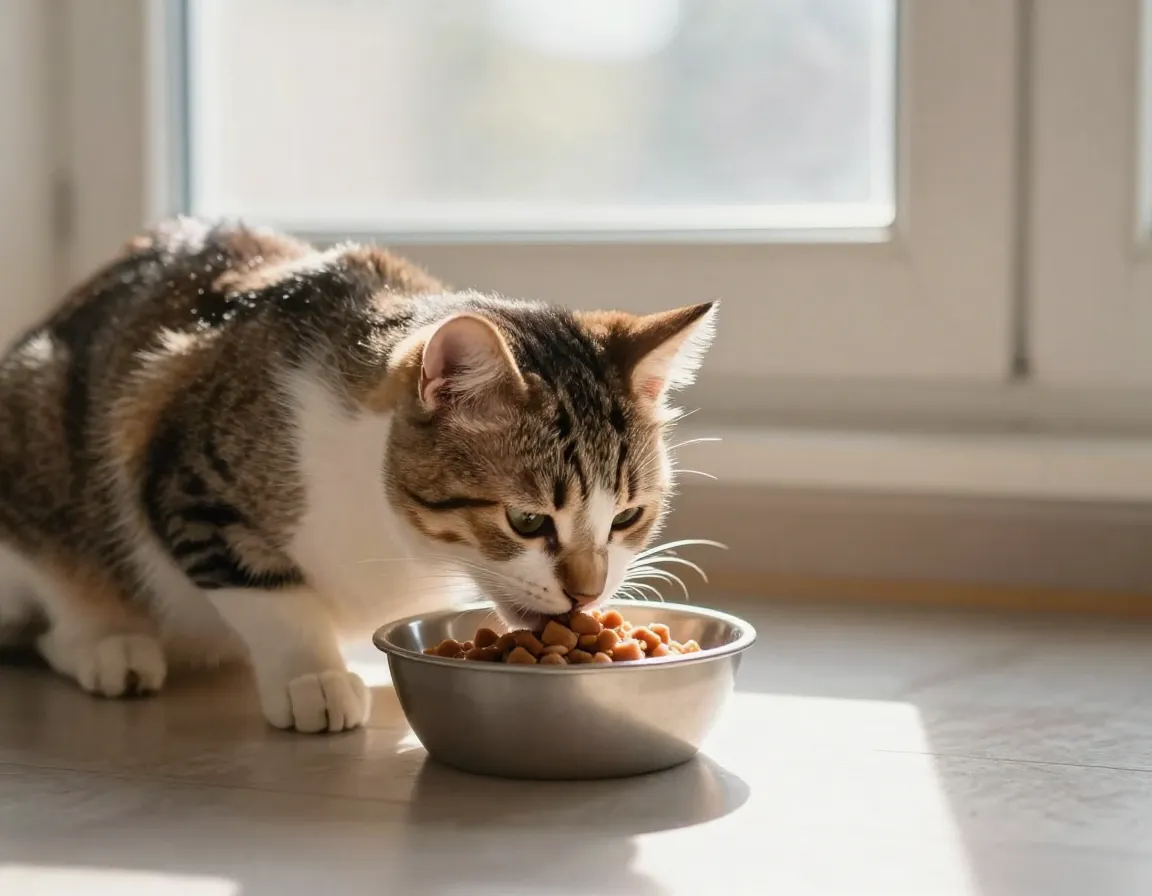
Between 4-6 months, kittens experience rapid growth spurts requiring food availability throughout the day and night, with a minimum of 3 meals daily [3]. Some veterinarians recommend free-feeding during this period, while others prefer scheduled meals.
At 6 months, kittens require approximately 369 calories daily [3]—more than double their 8-week requirements. This dramatic increase reflects their accelerated growth and increased activity levels.
Free-Feeding vs. Scheduled Meals
| Feeding Method | Advantages | Disadvantages |
|---|---|---|
| Free-Feeding | Always available nutrition, natural grazing | Harder to monitor intake, potential overeating |
| Scheduled Meals | Better portion control, easier monitoring | Requires more owner involvement, timing constraints |
📊 Growth Tracking Tips
- Weigh weekly to ensure consistent growth
- Monitor body condition for proper weight distribution
- Track food consumption to identify appetite changes
- Document energy levels and playfulness
7. 6+ Months: Transition to Adult Feeding Schedule
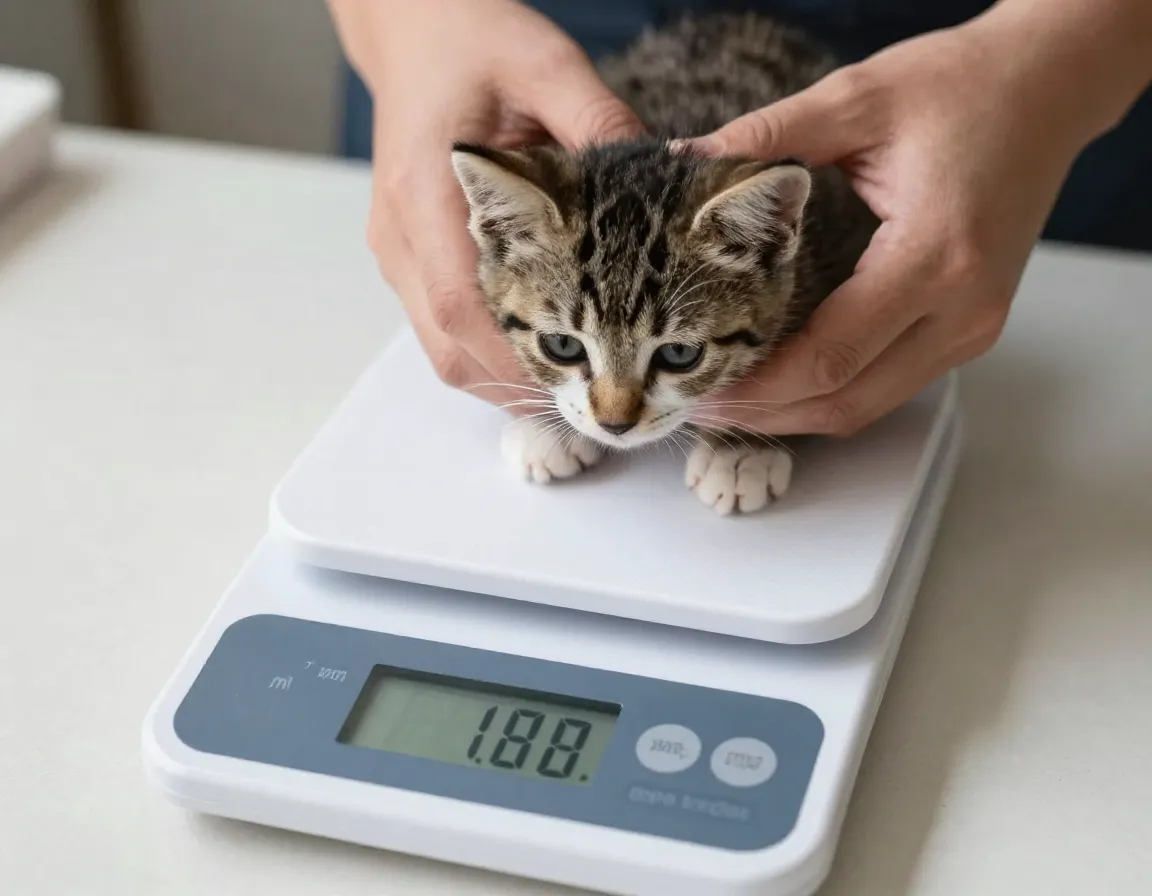
After 6 months, most kittens can transition to 2 meals per day, similar to adult cat feeding schedules [4][5]. This represents the final step in the 8 Must-Follow Steps for a Perfect Kitten Eating Schedule journey toward adult nutrition patterns.
However, the transition should be gradual. Start by consolidating the smallest meal with a larger one, then slowly adjust timing to achieve morning and evening feeding schedule.
Making the Transition Smooth
Week 1: Reduce from 3 to 2.5 meals (combine smallest meal with another)
Week 2: Move to 2 larger meals with consistent timing
Week 3: Establish permanent morning/evening schedule
Week 4: Monitor weight and adjust portions as needed
Adult Food Transition Timeline
Most cats can begin transitioning to adult food around 12 months of age. However, larger breeds may benefit from kitten food until 15-18 months. Consult your veterinarian for personalized recommendations.
8. Monitor and Adjust: The Ongoing Commitment

The final step in the 8 Must-Follow Steps for a Perfect Kitten Eating Schedule involves continuous monitoring and adjustment based on your kitten’s individual needs. Every kitten is unique, and their feeding requirements may vary based on:
- Breed characteristics (larger breeds need longer growth periods)
- Activity levels (more active kittens need more calories)
- Health status (medical conditions may require special diets)
- Environmental factors (temperature, stress, changes in routine)
Warning Signs to Watch For
Contact your veterinarian immediately if you notice:
- 🚨 Sudden appetite loss lasting more than 24 hours
- 🚨 Vomiting or diarrhea after meals
- 🚨 Weight loss or failure to gain weight
- 🚨 Lethargy or weakness during normal play times
- 🚨 Difficulty eating or chewing food
Creating a Feeding Log
Maintaining detailed records helps identify patterns and potential issues:
Daily tracking should include:
- Meal times and portions
- Food type and brand
- Water consumption
- Weight (weekly)
- Behavioral observations
- Any digestive issues
Common Feeding Mistakes to Avoid
Even well-intentioned pet parents can make feeding errors that impact their kitten’s health. Understanding these common mistakes helps ensure successful implementation of the 8 Must-Follow Steps for a Perfect Kitten Eating Schedule.
❌ Mistake #1: Feeding Adult Cat Food Too Early
Adult cat food lacks the concentrated nutrition growing kittens need. Always use AAFCO-approved kitten food until at least 12 months of age [3].
❌ Mistake #2: Inconsistent Feeding Times
Irregular feeding schedules can disrupt digestion and create anxiety. Maintain consistent meal times whenever possible.
❌ Mistake #3: Overfeeding or Underfeeding
Both extremes can cause health problems. Follow feeding guidelines on food packaging and adjust based on body condition.
❌ Mistake #4: Ignoring Individual Needs
Cookie-cutter approaches don’t work for every kitten. Customize the schedule based on your kitten’s specific requirements.
Special Considerations for Different Situations
Orphaned Kittens
Kittens separated from their mothers require extra attention and modified feeding approaches. Bottle-feeding every 2-3 hours becomes even more critical, and socialization efforts must accompany proper nutrition.
Multiple Kitten Households
When feeding multiple kittens, ensure each receives adequate nutrition. Separate feeding stations prevent competition and allow for individual monitoring.
Medical Conditions
Some kittens may have special dietary needs due to health conditions. Work closely with your veterinarian to modify feeding schedules as needed.
Building Healthy Eating Habits for Life
The feeding schedule established during kittenhood creates lasting habits that impact your cat’s entire life. Positive feeding experiences during the critical first months contribute to:
- Healthy relationships with food throughout adulthood
- Easier veterinary care due to comfortable handling
- Reduced stress during routine feeding times
- Better overall health through consistent nutrition
Environmental Enrichment During Feeding
Make mealtime engaging and positive:
- Quiet, comfortable feeding areas away from high-traffic zones
- Clean bowls and fresh water available at all times
- Puzzle feeders for older kittens to encourage natural hunting behaviors
- Consistent positive associations with feeding time
Conclusion
Successfully implementing the 8 Must-Follow Steps for a Perfect Kitten Eating Schedule requires dedication, patience, and attention to detail, but the rewards last a lifetime. From those critical first feedings every 2-3 hours to the eventual transition to adult feeding patterns, each stage plays a vital role in your kitten’s healthy development.
Remember that these guidelines provide a framework, but every kitten is unique. Monitor your kitten’s growth, behavior, and health closely, and don’t hesitate to consult with your veterinarian when questions arise. The time and effort invested in proper nutrition during these early months will pay dividends in the form of a healthy, happy companion for years to come.
Your next steps:
- Assess your kitten’s current age and adjust feeding frequency accordingly
- Invest in high-quality kitten food that meets AAFCO standards
- Create a feeding schedule and stick to it consistently
- Monitor weight gain and overall health weekly
- Schedule regular veterinary checkups to ensure optimal development
The journey of raising a healthy kitten begins with proper nutrition, and following these 8 essential steps ensures you’re providing the best possible foundation for your feline friend’s future.
References
[1] How Much To Feed A Kitten – https://www.pawlicy.com/blog/how-much-to-feed-a-kitten/
[2] Kitten Feeding Schedule Growth Chart – https://www.catspyjamas.org/kitten-feeding-schedule-growth-chart/
[3] How Much To Feed Your Kitten – https://www.chewy.com/education/cat/new-cat/how-much-to-feed-your-kitten
[4] How Much To Feed A Kitten – https://www.sheba.com/lifestyle/how-much-to-feed-a-kitten
[5] 2eb04d64c8efc0c088177e1594b4f134 – https://www.oreateai.com/blog/feeding-your-kittens-a-guide-to-their-nutritional-needs/2eb04d64c8efc0c088177e1594b4f134
[7] Taking Care Of A Kitten 8 To 12 Weeks – https://www.bluebuffalo.com/articles/cat/taking-care-of-a-kitten-8-to-12-weeks/